Laut Memmi besteht Rassismus in der „verallgemeinerten und verabsolutierten Wertung tatsächlicher oder fiktiver Unterschiede zum Nutzen des Anklägers und zum Schaden seines Opfers, mit der seine Privilegien oder seine Aggressionen gerechtfertigt werden sollen“. Diese Rassismus-Definition von Albert Memmi gilt seit ihrer Aufnahme in die Encyclopaedia Universalis als gültig in Forschung und Lehre. Darüber hinaus wurde sie von ihm selbst in zahlreichen Publikationen erweitert und präzisiert. In dem vorliegenden Buch, das als Taschenbuch in Frankreich in mehreren Auflagen große Beachtung fand, beschäftigt sich Memmi ausschließlich mit dem Phänomen Rassismus: dem biologisch, oder besser, biologistisch argumentierenden, dem Antisemitismus, dem auf Rassismus gründenden Kolonialismus und einem auch hierzulande zunehmend anzutreffenden diffusen Fremdenhass. Anhand neuer Argumente und mit vielen Beispielen und Einzelstudien aus Geschichte und Gegenwart, analysiert er das ganze Spektrum des rassistischen Denkens.
Albert Memmi Ordine dei libri (cronologico)
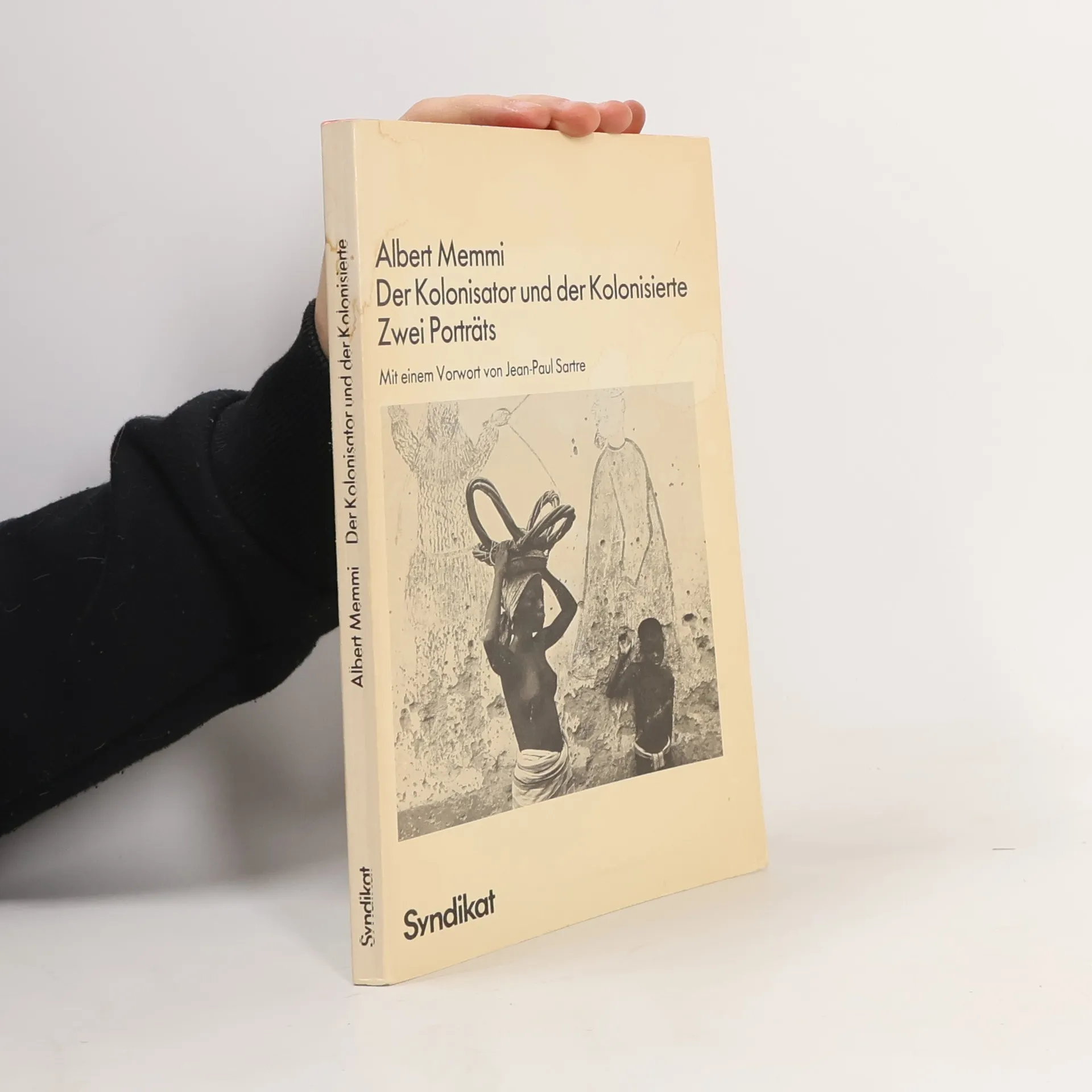
Albert Memmi nacque all'incrocio di tre culture e il suo lavoro si concentra sulla difficoltà di trovare un equilibrio tra Oriente e Occidente. Il suo saggio più noto esplora la relazione interdipendente tra colonizzatore e colonizzato, analizzando le dinamiche di potere e l'impatto psicologico del colonialismo. Memmi approfondisce le complessità dell'identità e dell'alienazione in un mondo postcoloniale. I suoi scritti successivi si basano su questi temi, esaminando le sfide della decolonizzazione e la responsabilità nella costruzione delle nazioni.


Portrait of a Jew
- 324pagine
- 12 ore di lettura
In this memoir from the early 1960s, Albert Memmi explores Jewish identity and anti-Semitic stereotypes, presenting himself as a secular Jew. Compared to Rousseau’s Confessions for its deep self-examination, the work emerges shortly after the Nazi occupation and the establishment of Israel, offering a psychological and sociological snapshot of the time. Memmi questions prevalent myths about Jews while articulating his own reality. The memoir is complemented by its sequel, which together form a cohesive narrative of a passionate quest for understanding. The first part provides a diagnosis, while the second offers a remedy, both infused with sincerity. As a personal document, Memmi’s introspective study is thought-provoking and unsettling, inviting readers into the conflicted mind of a Jewish writer navigating dual identities. His struggles and insights serve as significant testimony. Critics have noted the existential themes of identity and self-affirmation that permeate the work, highlighting its psychological depth over traditional religious perspectives. The autobiography is described as a poignant and challenging read, provoking strong emotional responses and leaving lingering questions in its wake.
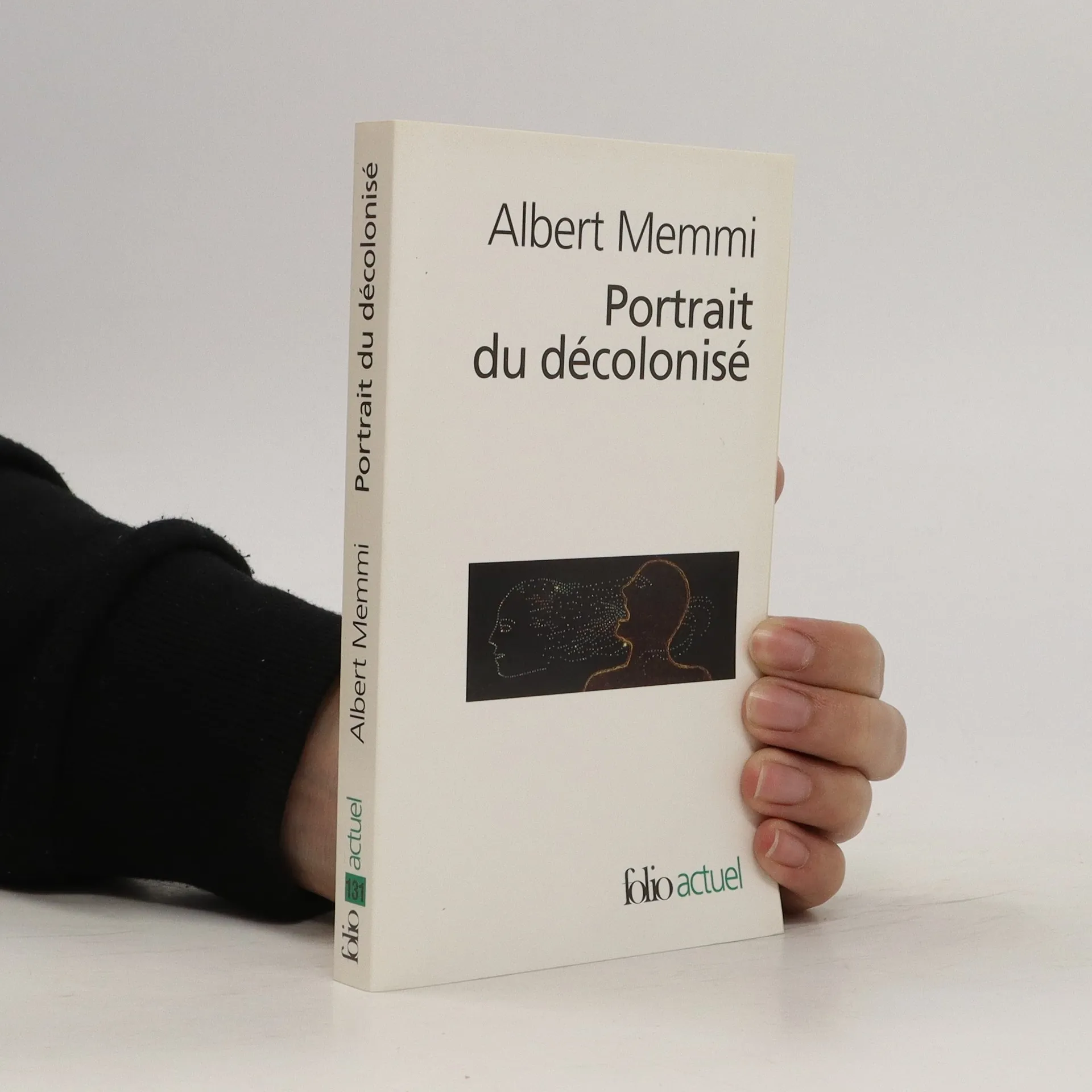
Portrait du décolonisé
- 224pagine
- 8 ore di lettura
In this classic study of European colonialism, Albert Memmi examines the psychological effects of colonial ideology and system on both the coloniser and those colonised.
Trinker und Liebende
- 244pagine
- 9 ore di lettura
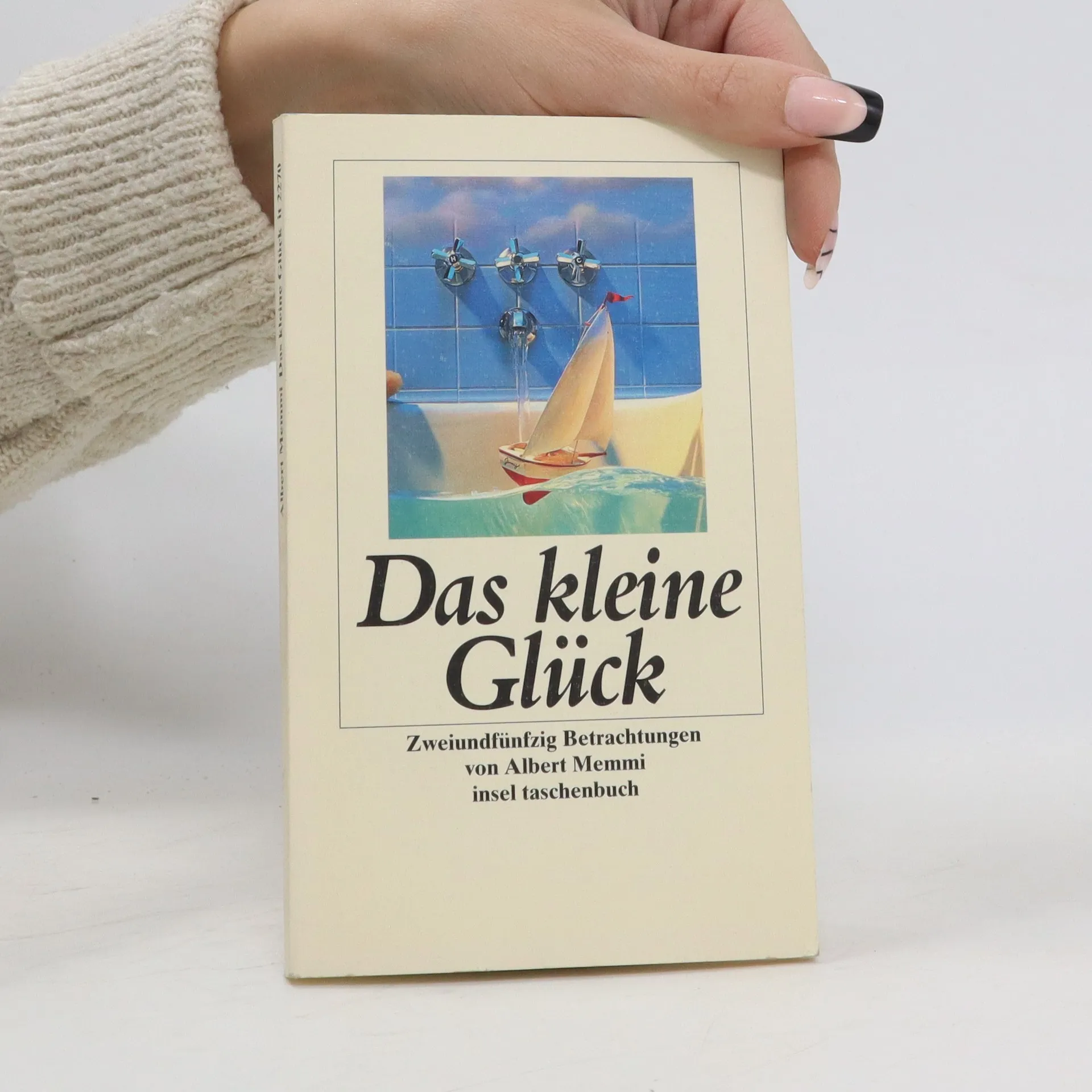
Das kleine Glück
- 155pagine
- 6 ore di lettura
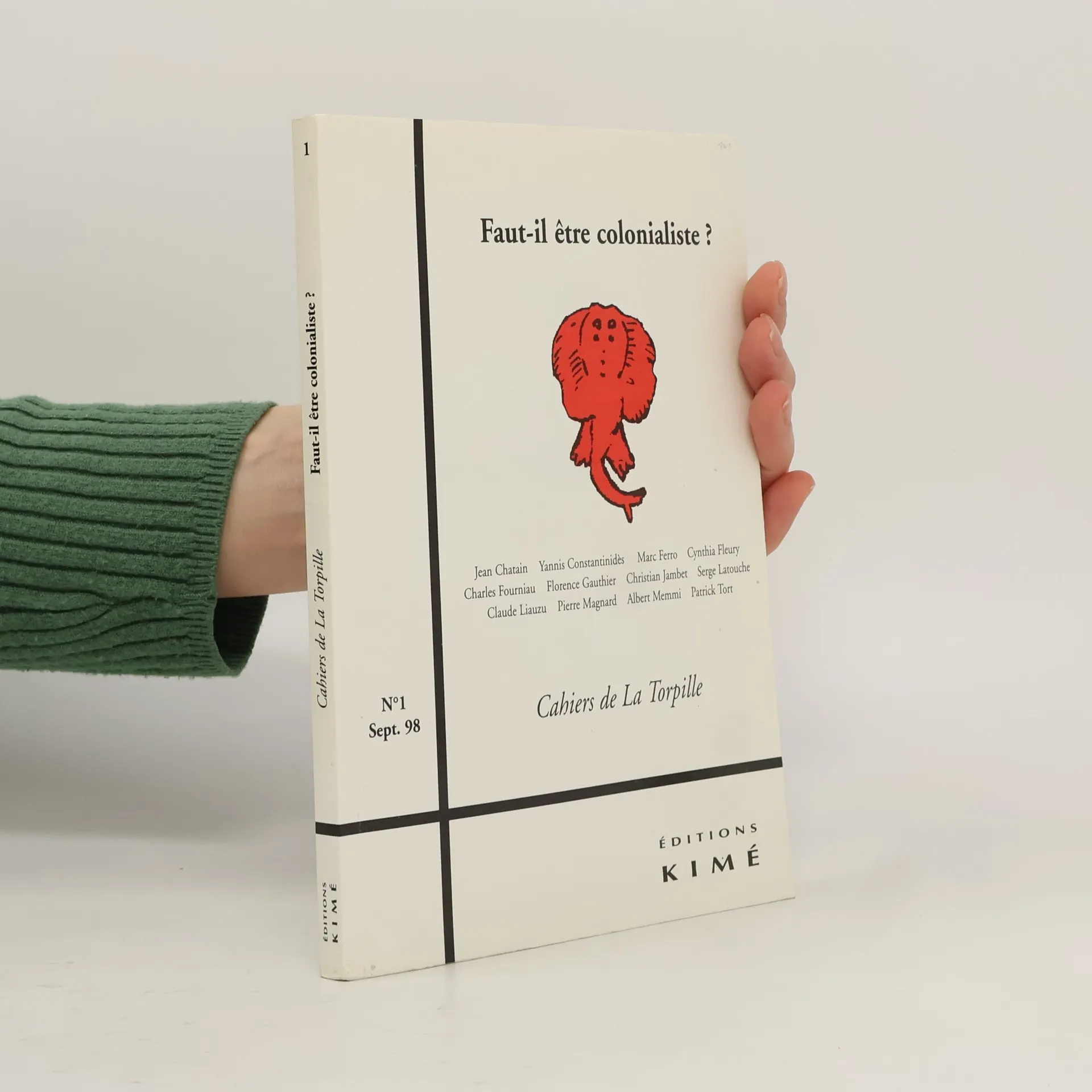
Cahiers de la Torpille - 1: Faut-il être colonialiste?
- 124pagine
- 5 ore di lettura
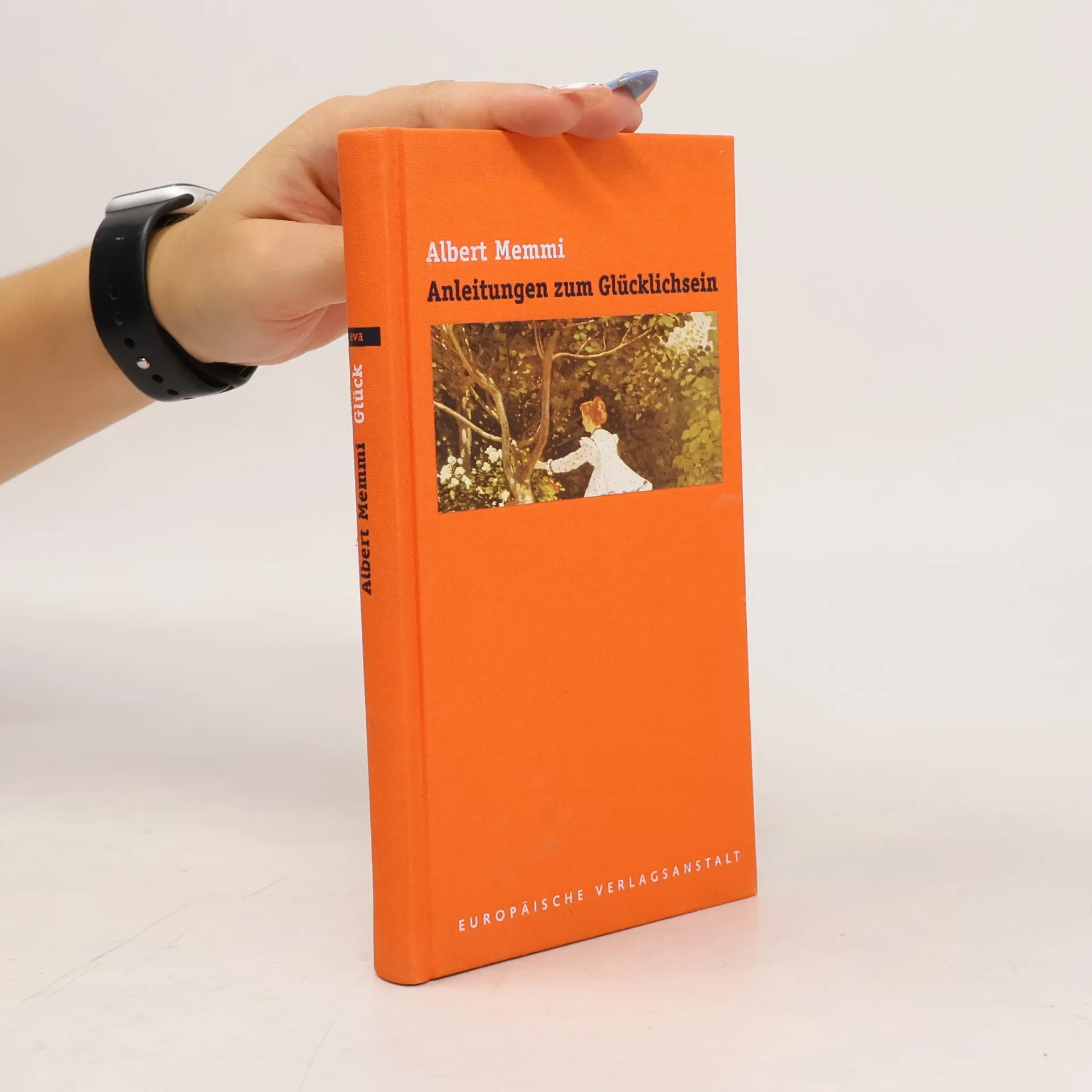
Anleitungen zum Glücklichsein
- 141pagine
- 5 ore di lettura
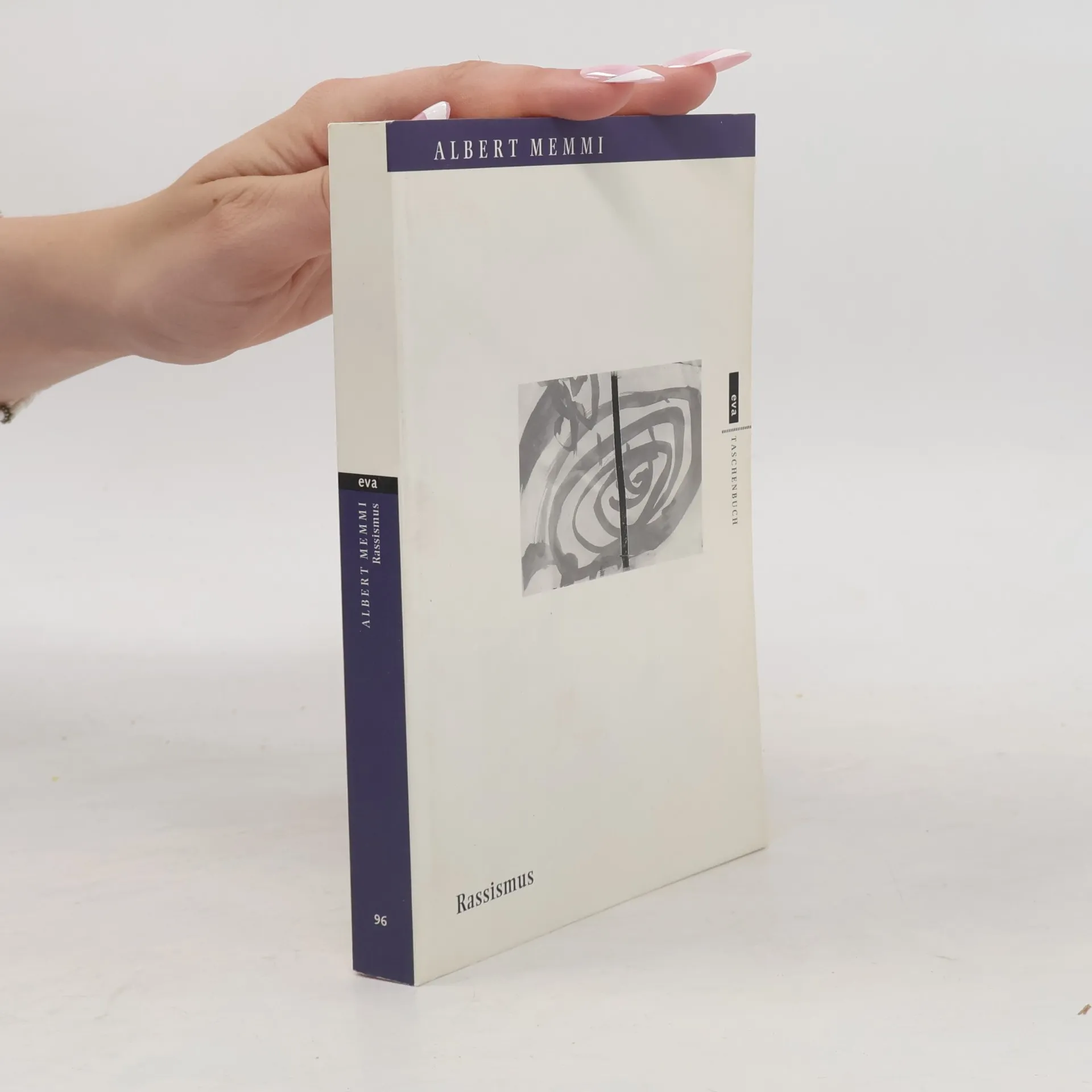
Taschenbuch - 96: Rassismus
- 227pagine
- 8 ore di lettura
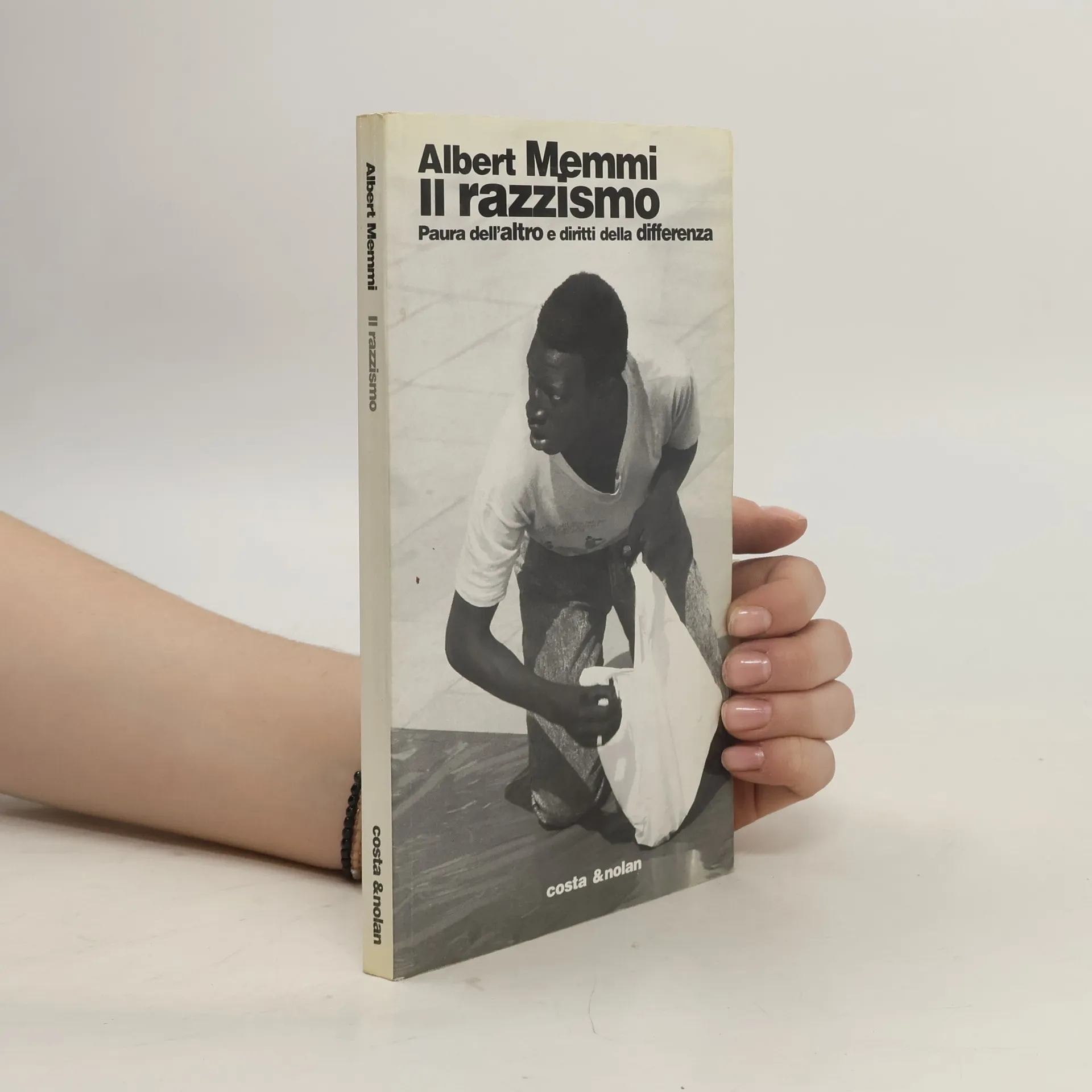
Il razzismo. Paura dell'altro e diritti della differenza
- 160pagine
- 6 ore di lettura
L'autore, antropologo e scrittore tunisino, affronta in questo saggio il problema del razzismo. Il testo è diviso in tre parti: descrizioni, definizioni, trattamento. Ricostruisce tutta l'intricata rete di motivazioni del razzismo, dalle pretese pseudo scientifiche al suo carattere di alibi per la conferma di vecchi privilegi e ingiustizie, giungendo ad una definizione allargata che include ogni atteggiamento di intolleranza verso l'altro. Nell'ultima parte indica alcune vie per arrivare ad una accettazione più serena delle inevitabili differenze che caratterizzano gli esseri umani.(Gruppo Abele).
Frisch verheiratet kehrt der Erzähler, Tunesier und Jude, der soeben in Paris sein Medizinstudium abgeschlossen hat, zusammen mit Marie, die aus dem Elsaß stammt und katholisch ist, in seine Heimat nach Tunis zurück, wo er als Arzt arbeiten will. Er freut sich auf das Wiedersehen mit seiner Familie, seinen Freunden, freut sich auf die Stadt, die er so liebt. Die an europäische Lebensweise gewöhnte Marie aber erlebt einen Kulturschock. Die Familie ihres Mannes bleibt ihr ebenso fremd wie die orthodox-jüdischen Rituale und archaischen Traditionen, nach denen diese lebt. Die fortschrittliche Frau will sich nicht vereinnahmen lassen, nicht Teil der abgeschlossenen orientalischen Frauenwelt werden. Mühsam versucht der zurückgekehrte Sohn, einerseits den Erwartungen seiner Familie zu entsprechen und andererseits den Ansprüchen seiner modernen Frau zu genügen. Aber Marie wird ihm immer mehr zur Fremden. Als dem Paar der erste Sohn geboren wird und dieser nach Familientradition beschnitten werden soll, kommt es zum Eklat.
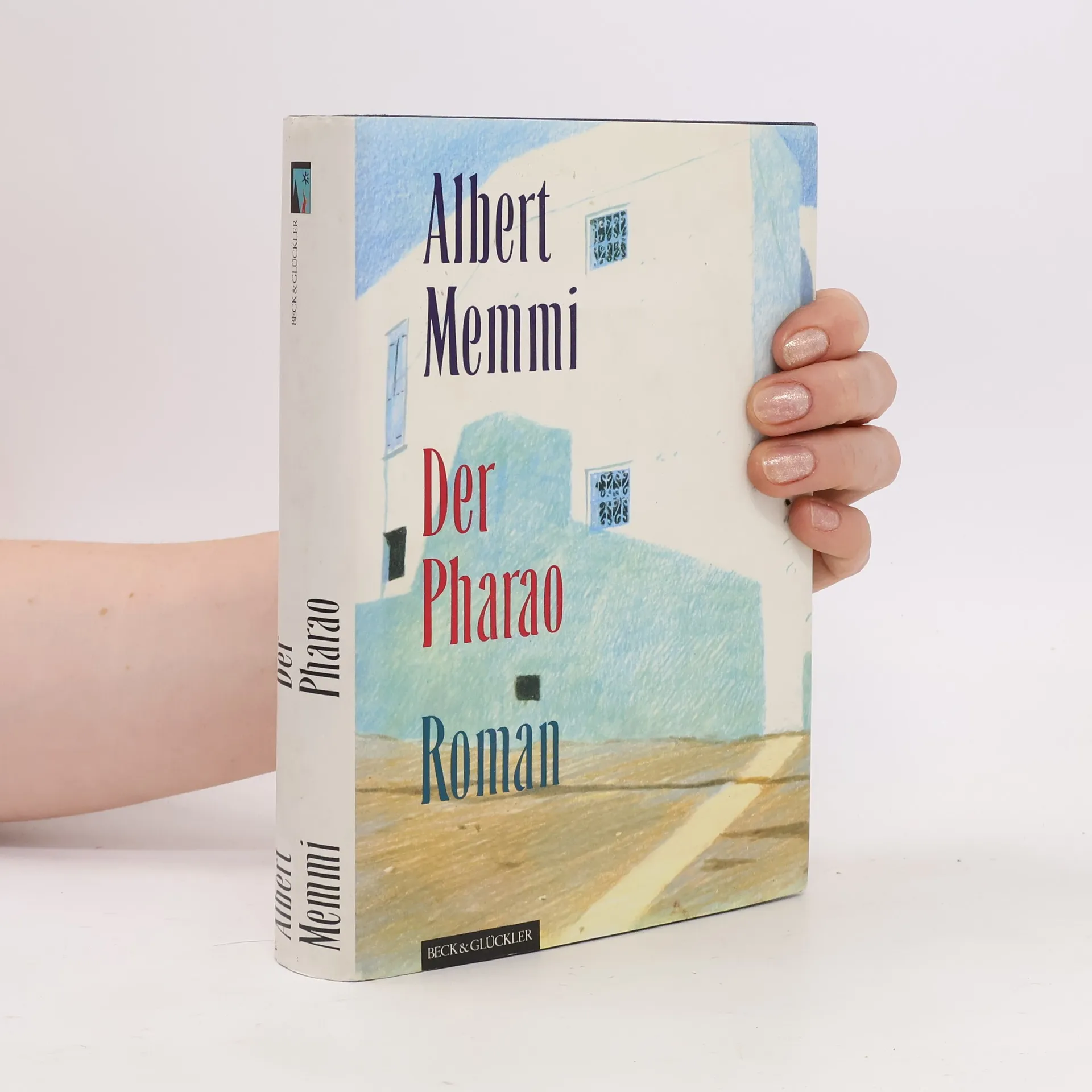
Der Pharao
- 420pagine
- 15 ore di lettura
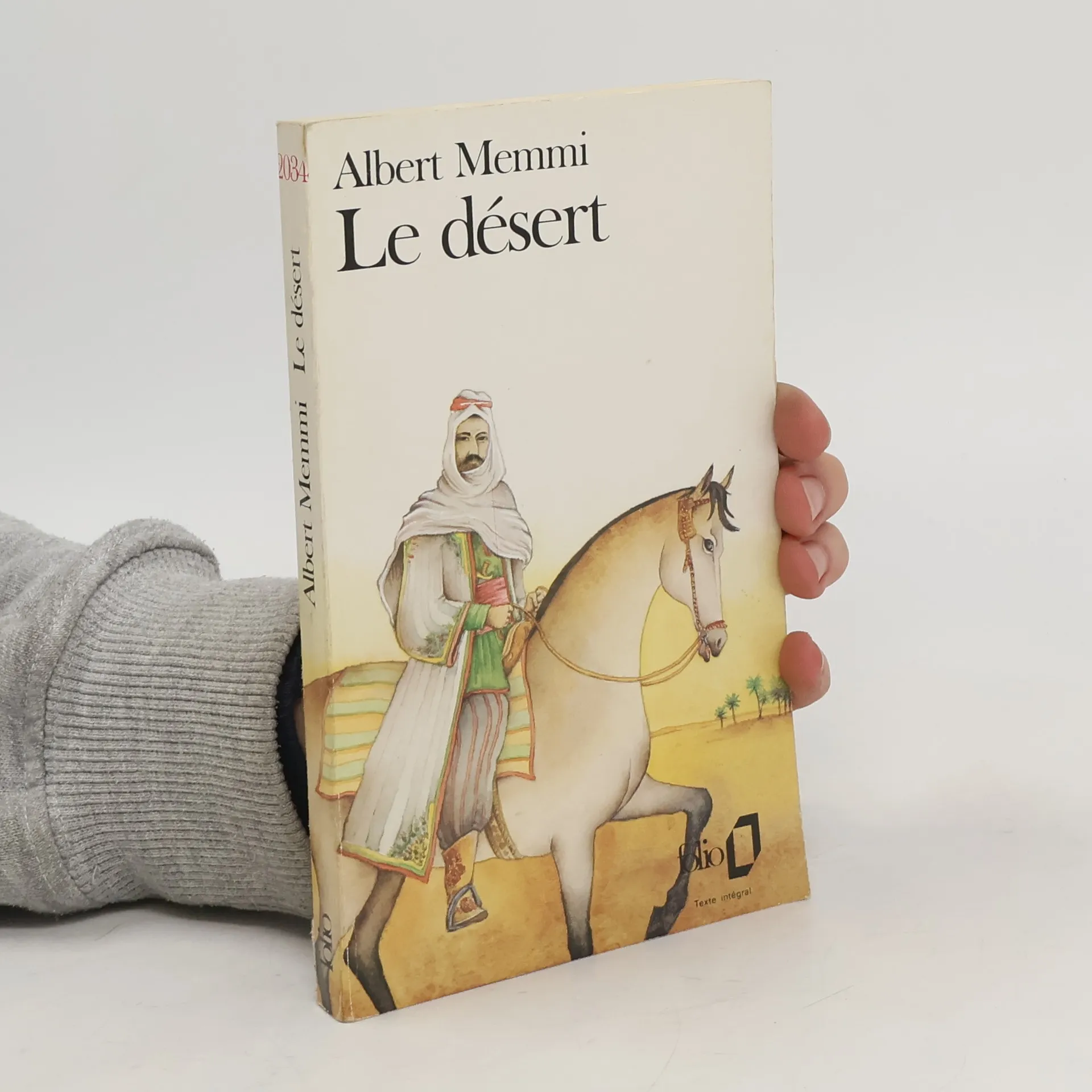
Le désert
- 243pagine
- 9 ore di lettura
Capturé en 1400 par Tamerlan, le Grand Conquérant du Royaume-du-Dedans, le prince Jubaïr lui fait le récit de sa vie. Exilé à la mort de son père, il va obstinément chercher à reconquérir son trône. Il passe des années à errer du désert d'Alger à Tlemcen puis à Tunis et au Caire où il entame sa carrière politique. Toujours en compagnie de son fidèle Younous, on le retrouve à Fez, en Castille, parmi les Faces Brûlées - de redoutables guerriers africains - ou avec les brigands Méharbines. Quand il retrouve enfin son royaume, celui-ci est aux mains de nouveaux conquérants. Chaque épisode de la vie de Jubaïr offre à Tamerlan une leçon de sagesse. "Vous aimeriez savoir si Tamerlan a suivi les conseils de mon ancêtre ?" écrit Albert Memmi. La réponse est... dans Le désert.
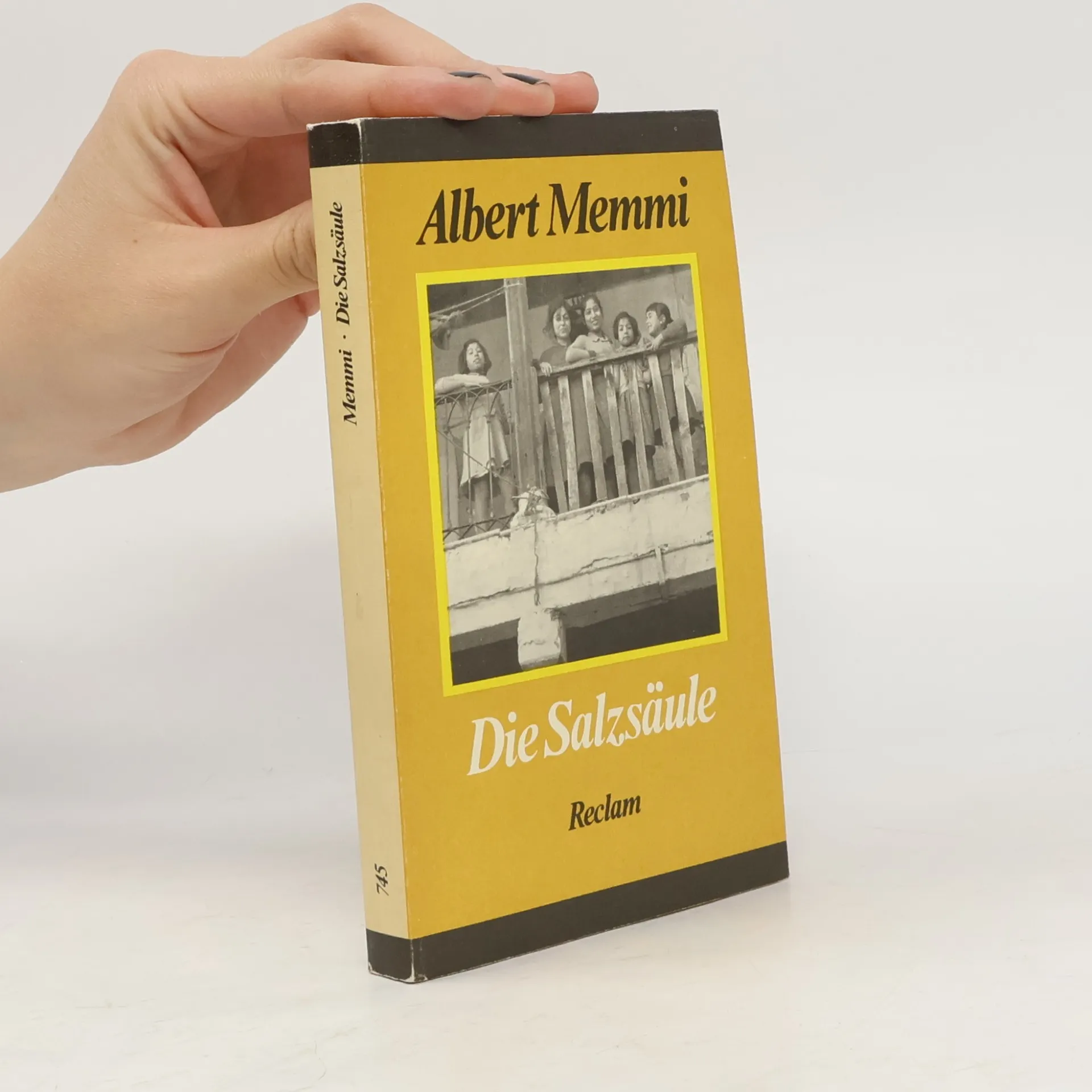
Ursprünglich 1953 veröffentlicht, ist Die Salzsäule ein semi-autobiografischer Roman über einen Jungen, der in einem von Frankreich kolonisierten Tunesien aufwächst. Um Zugang zur privilegierten französischen Gesellschaft zu erhalten, muss er seine vielen Identitäten ablehnen: jüdisch, arabisch und afrikanisch. Doch kurz vor dem Zweiten Weltkrieg ist er gezwungen, seine Loyalitäten und seine Vergangenheit zu akzeptieren.