



Parametri
Maggiori informazioni sul libro
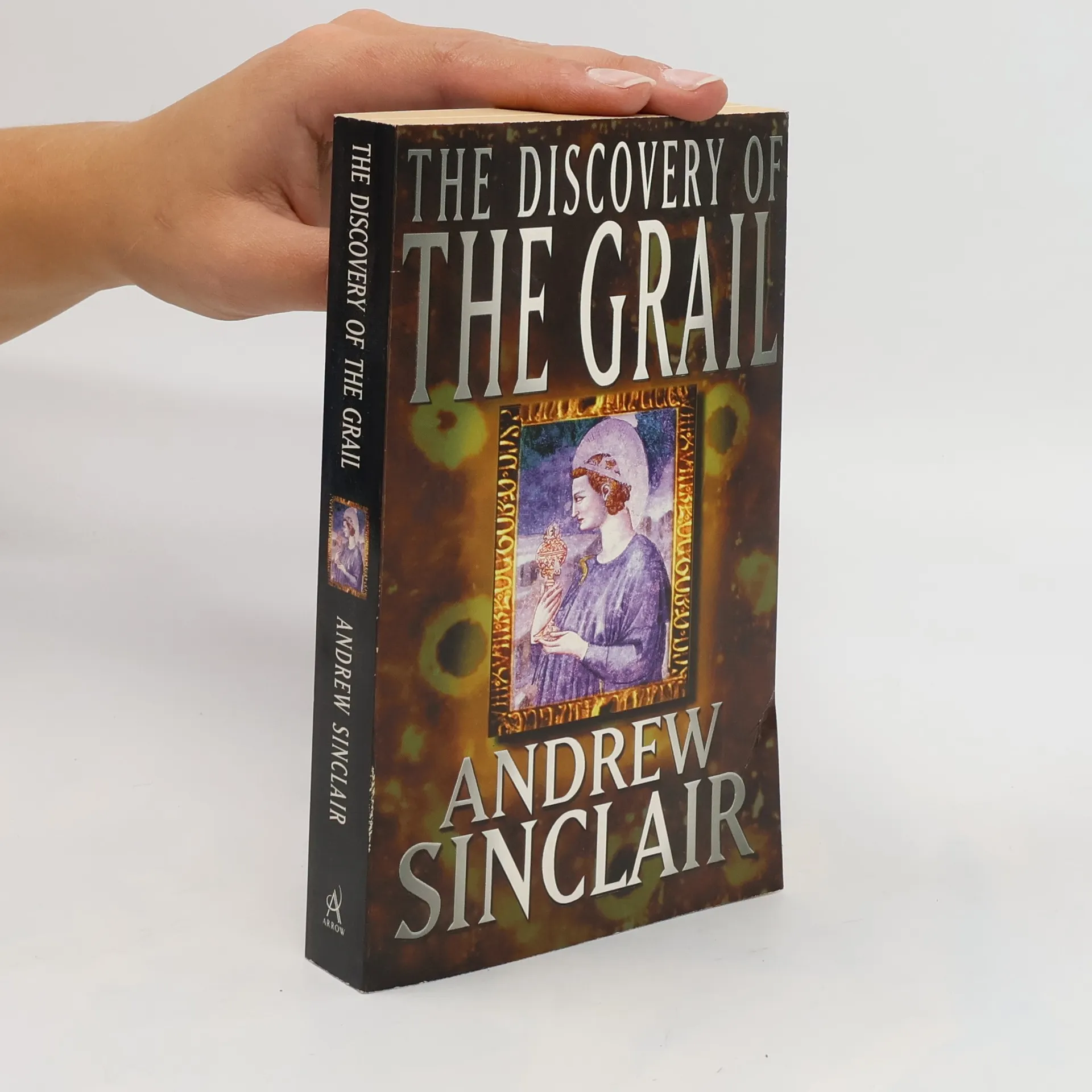
"The story of the Grail has never been told in full. This definitive shows how the idea of the Holy cup dated from pagan sacrifices in Babylon, Greece, the Nordic people and the Celts. The biblical and post-biblical accounts of the Grail continued fitfully through the Dark Ages then flowered in the early Middle Ages through the legends of King Arthur. The Knights Templar claimed to have discovered the Grail in Palestine and brought it to Rosslyn Chapel in Scotland, which throughout the Middle Ages many artefacts surfaced which were claimed as the Grail. Andrew Sinclair traces the histories of these various artefacts and assesses their varied claims; the Glastonbury bronze bowl, the Saint Elizabeth Cup from Egypt, the wooden cup from Nanteos in North Wales, the emerald bowl owned by Napoleon, the precios metal Grail said to be hidden in Rosslyn Chapel and sought there by Rudolf Hess."

Acquisto del libro
The discovery of the Grail, Andrew Sinclair
- Lingua

- Pubblicato
- 1999
- Rilegatura
- (In brossura)
Metodi di pagamento
Qui potrebbe esserci la tua recensione.
- Titolo
- The discovery of the Grail
- Lingua
- Inglese
- Autori
- Andrew Sinclair
- Editore
- Arrow Books
- Pubblicato
- 1999
- Formato
- In brossura
- ISBN10
- 0099270943
- ISBN13
- 9780099270942
- Serie
- Categoria
- Tag
- Tema stórico
- Valutazione
- 3,25 su 5
- Descrizione
- "The story of the Grail has never been told in full. This definitive shows how the idea of the Holy cup dated from pagan sacrifices in Babylon, Greece, the Nordic people and the Celts. The biblical and post-biblical accounts of the Grail continued fitfully through the Dark Ages then flowered in the early Middle Ages through the legends of King Arthur. The Knights Templar claimed to have discovered the Grail in Palestine and brought it to Rosslyn Chapel in Scotland, which throughout the Middle Ages many artefacts surfaced which were claimed as the Grail. Andrew Sinclair traces the histories of these various artefacts and assesses their varied claims; the Glastonbury bronze bowl, the Saint Elizabeth Cup from Egypt, the wooden cup from Nanteos in North Wales, the emerald bowl owned by Napoleon, the precios metal Grail said to be hidden in Rosslyn Chapel and sought there by Rudolf Hess."