

Parametri
- 272pagine
- 10 ore di lettura
Maggiori informazioni sul libro
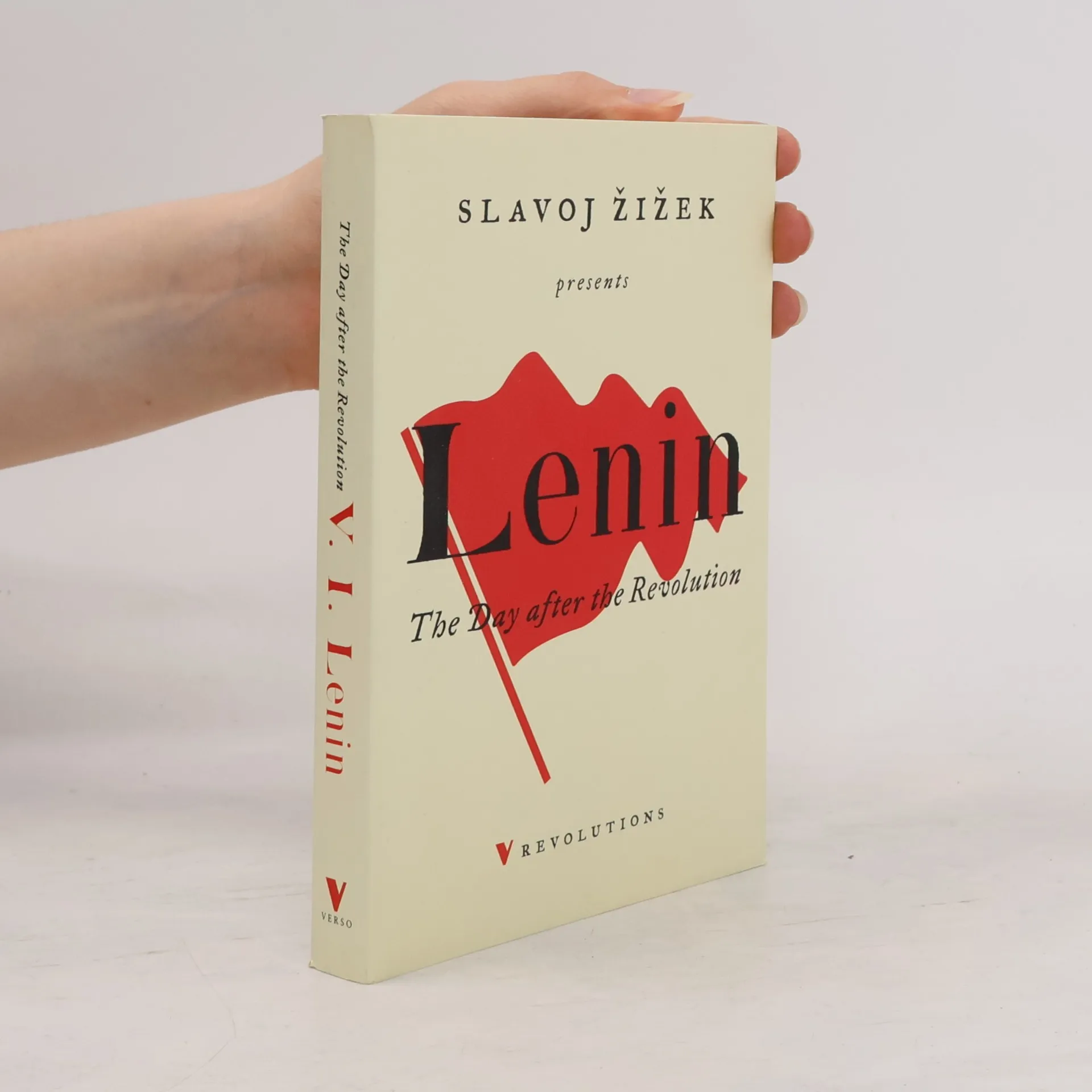
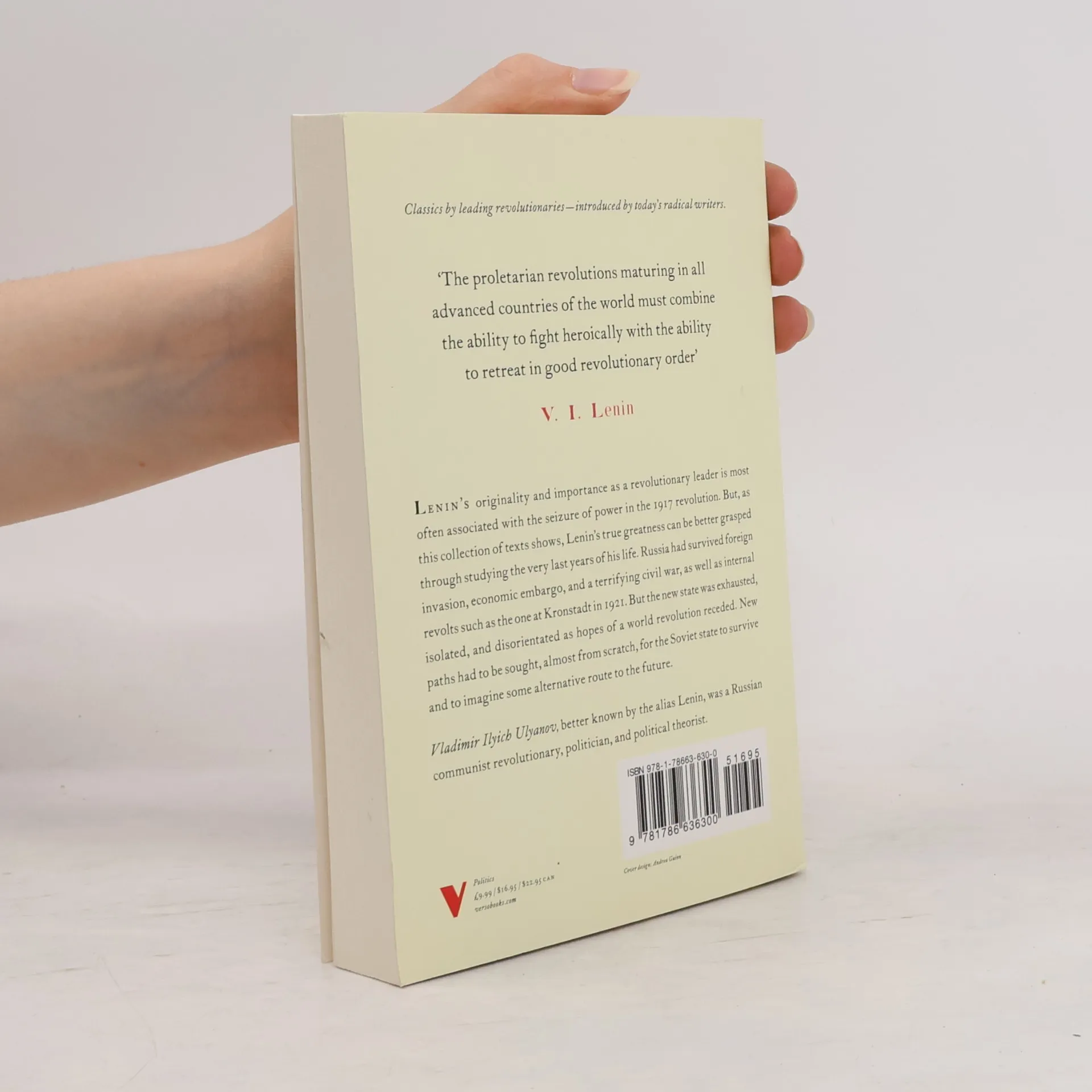
One hundred years after the Russian Revolution, Žižek shows why Lenin’s thought is still important today V. I. Lenin’s originality and importance as a revolutionary leader is most often associated with the seizure of power in 1917. But, in this new study and collection of Lenin’s original texts, Slavoj Žižek argues that his true greatness can be better grasped in the last two years of his political life. Russia had survived foreign invasion, embargo and a terrifying civil war, as well as internal revolts such as the one at Kronstadt in 1921. But the new state was exhausted, isolated and disorientated. As the anticipated world revolution receded into the distance, new paths had to be charted if the Soviet state was to survive. With his characteristic brio and provocative insight, Žižek suggests that Lenin’s courage as a thinker can be found in his willingness to face this reality of retreat unflinchingly. In today’s world, characterized by political turbulence, economic crises and geopolitical tensions, we should revisit Lenin’s combination of sober lucidity and revolutionary determination.
Acquisto del libro
Revolutions: The Day After the Revolution, Vladimir Iljič Lenin, Slavoj Žižek
- Lingua

- Pubblicato
- 2018
- Rilegatura
- (In brossura)
Metodi di pagamento
Ancora nessuna valutazione.
- Titolo
- Revolutions: The Day After the Revolution
- Lingua
- Inglese
- Autori
- Vladimir Iljič Lenin, Slavoj Žižek
- Editore
- Verso Books
- Pubblicato
- 2018
- Formato
- In brossura
- Pagine
- 272
- ISBN10
- 1786636301
- ISBN13
- 9781786636300
- Serie
- Categoria
- Tag
- Tema stórico, Commercio, Tematica filosofica, Politica, USA, Scuola, Teologia, Europa, Società, Russia, Storia d'Europa, Teorie Politiche, Occupazione, Comunismo, Psychoanalisi, Marxismo, Rivoluzione, Socialismo, Guerra Fredda, Capitalismo, Governo, Geopolitica, Filosofia politica, Politica mondiale, Lenin, Rivoluzione russa, Teoria Critica, Capitale
- Descrizione
- One hundred years after the Russian Revolution, Žižek shows why Lenin’s thought is still important today V. I. Lenin’s originality and importance as a revolutionary leader is most often associated with the seizure of power in 1917. But, in this new study and collection of Lenin’s original texts, Slavoj Žižek argues that his true greatness can be better grasped in the last two years of his political life. Russia had survived foreign invasion, embargo and a terrifying civil war, as well as internal revolts such as the one at Kronstadt in 1921. But the new state was exhausted, isolated and disorientated. As the anticipated world revolution receded into the distance, new paths had to be charted if the Soviet state was to survive. With his characteristic brio and provocative insight, Žižek suggests that Lenin’s courage as a thinker can be found in his willingness to face this reality of retreat unflinchingly. In today’s world, characterized by political turbulence, economic crises and geopolitical tensions, we should revisit Lenin’s combination of sober lucidity and revolutionary determination.