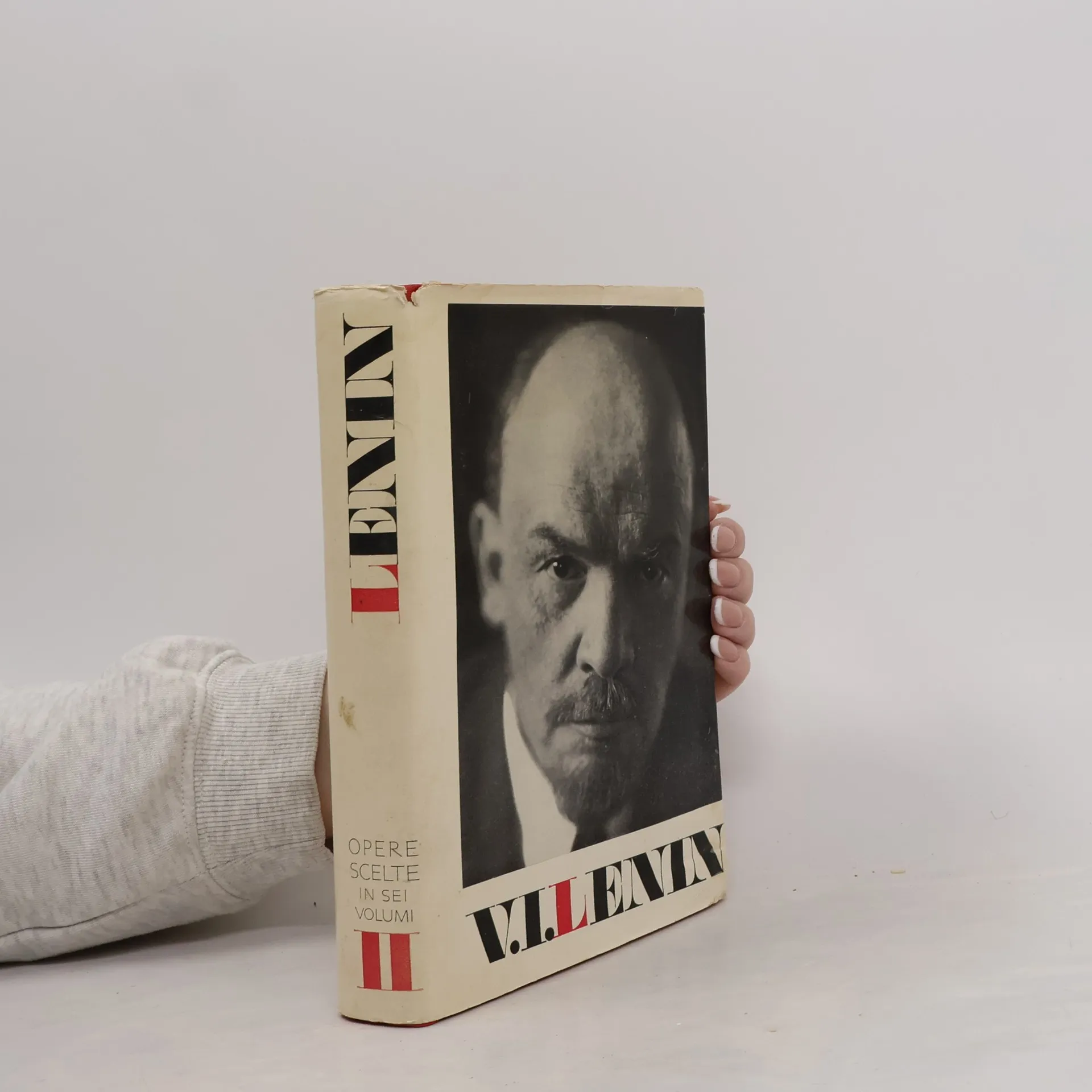
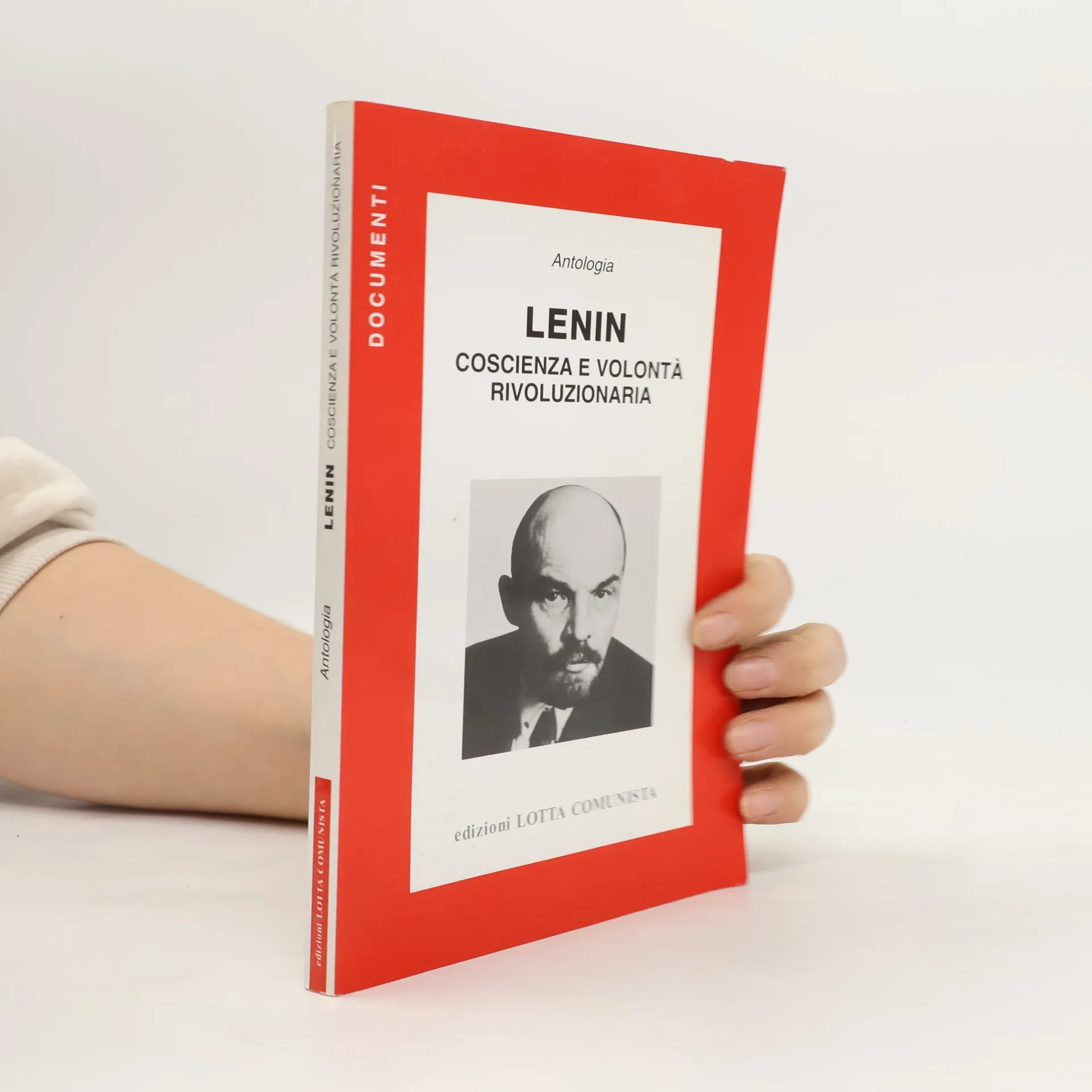
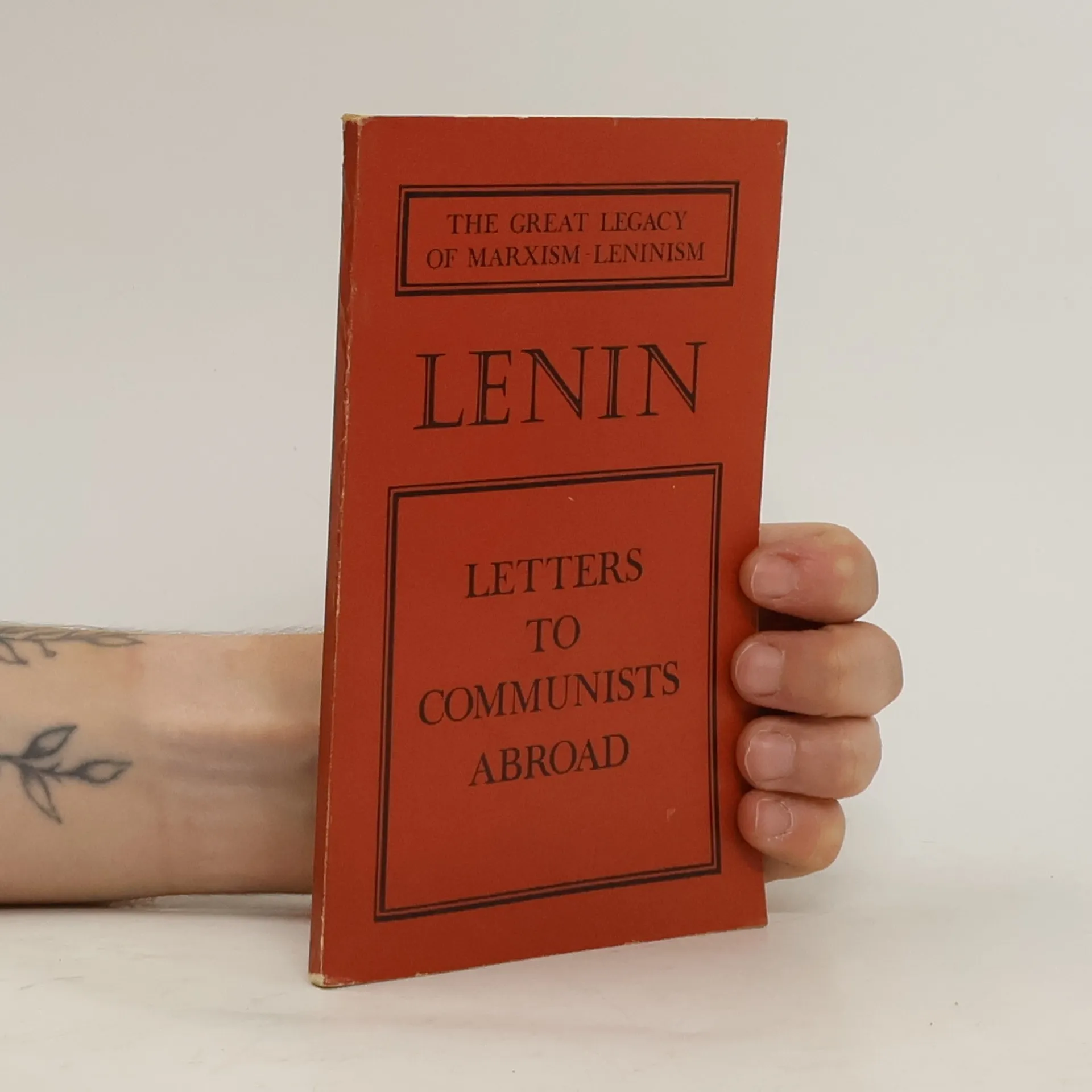
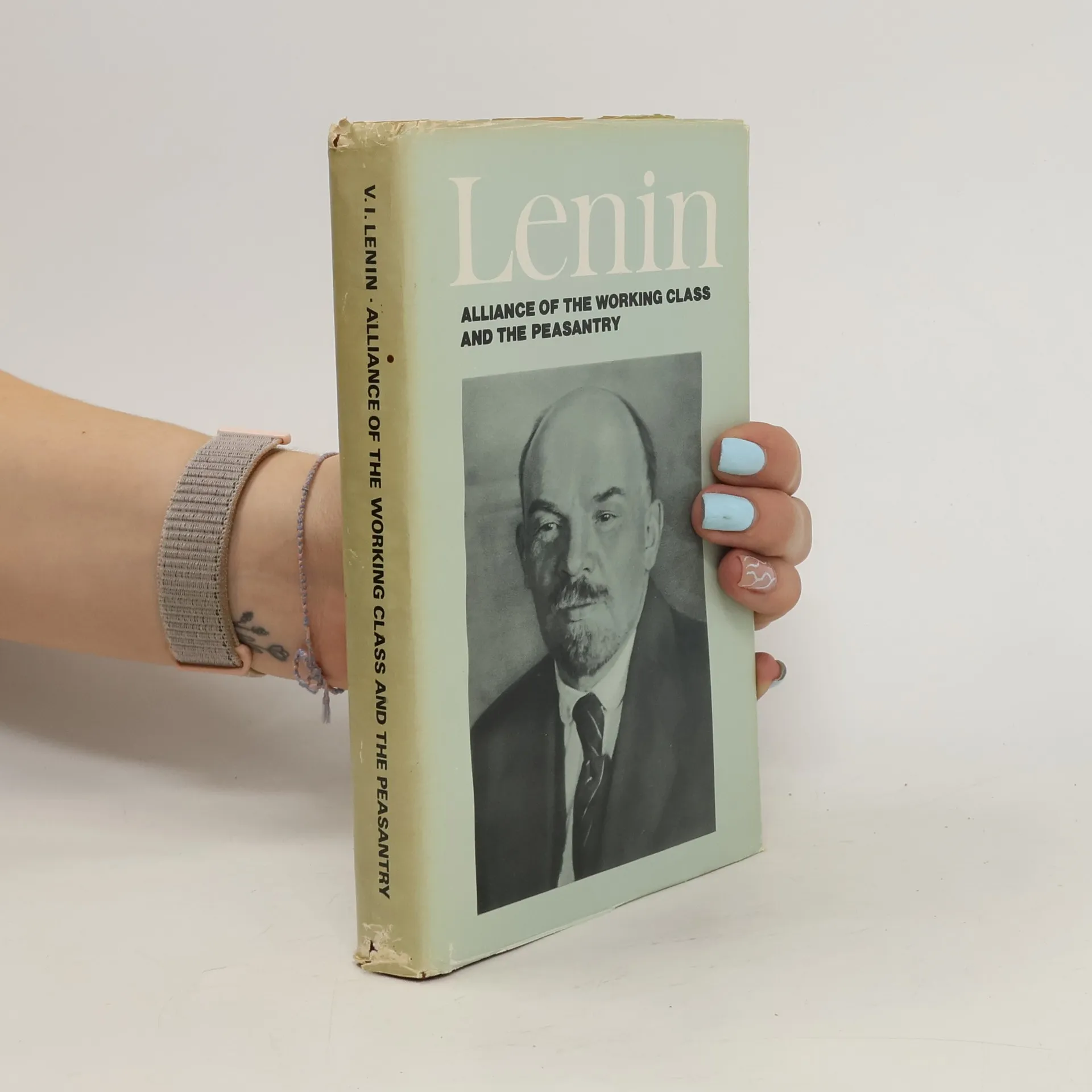
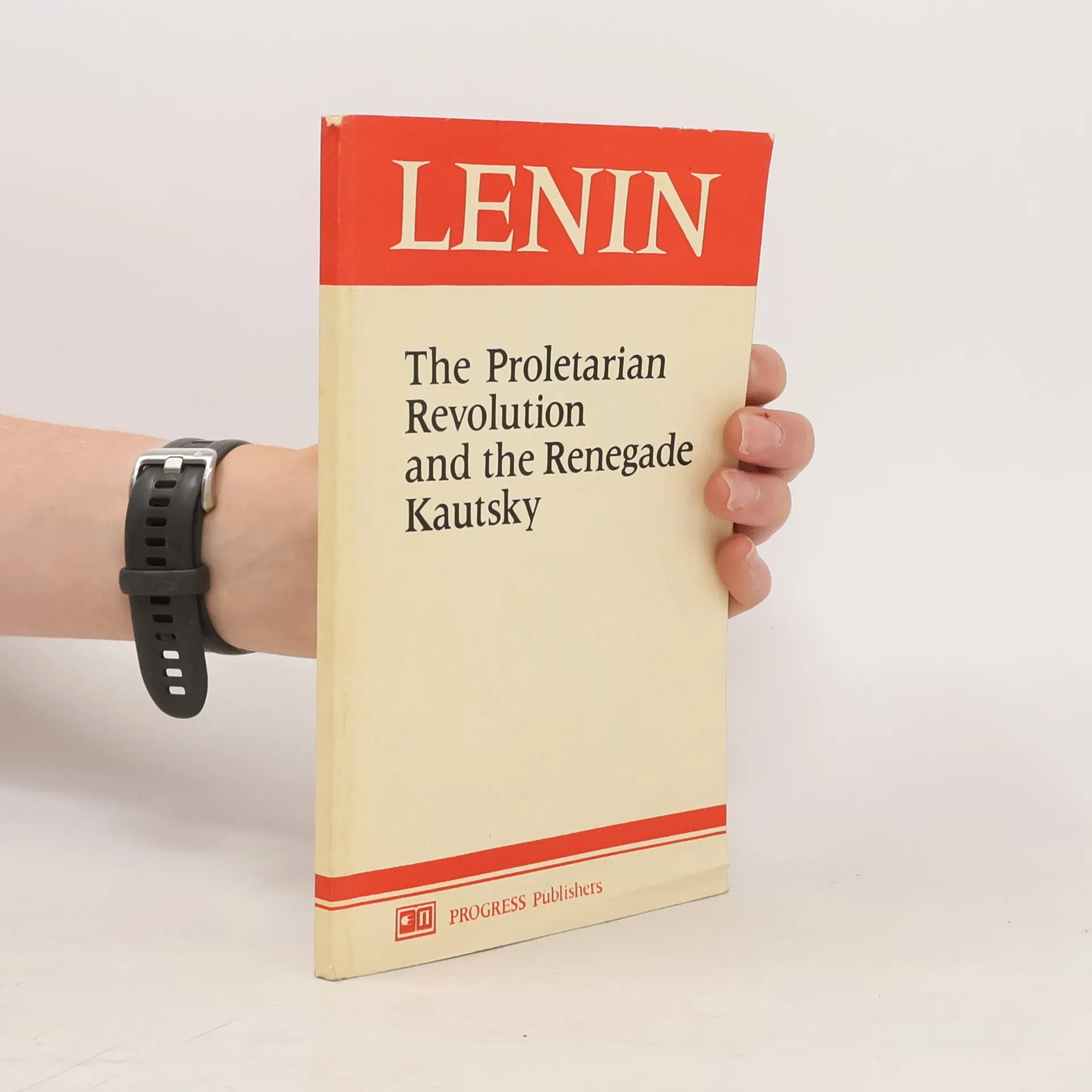
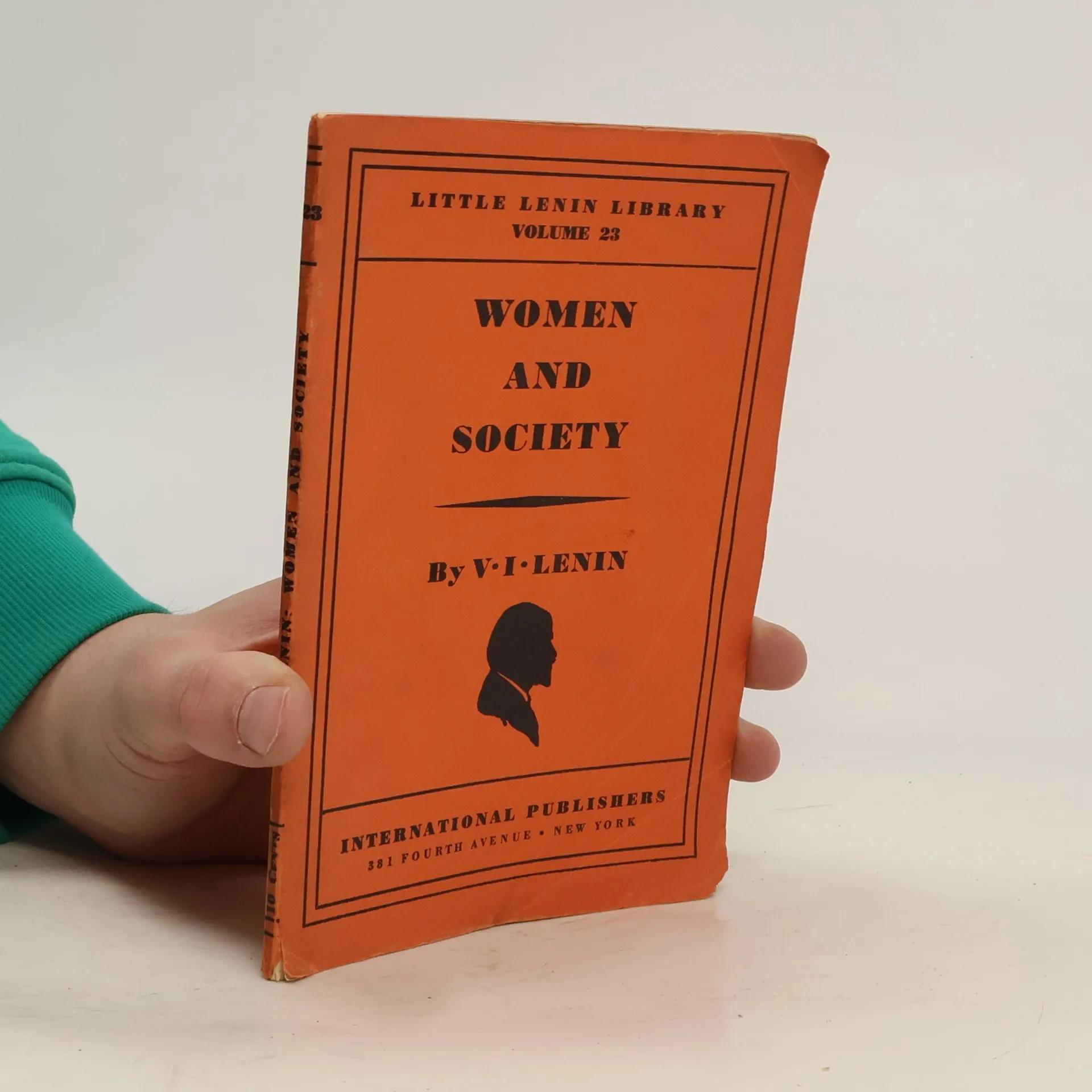
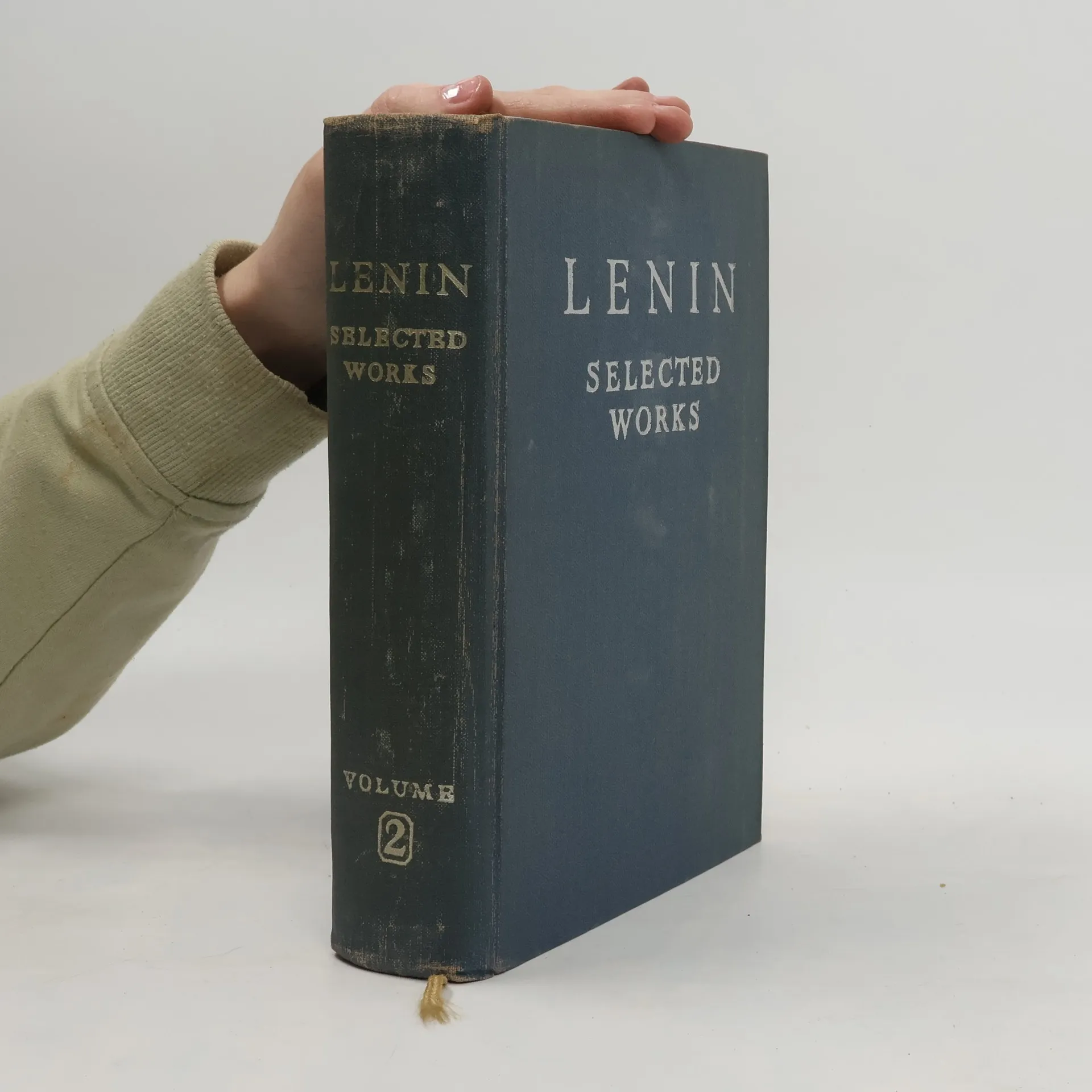
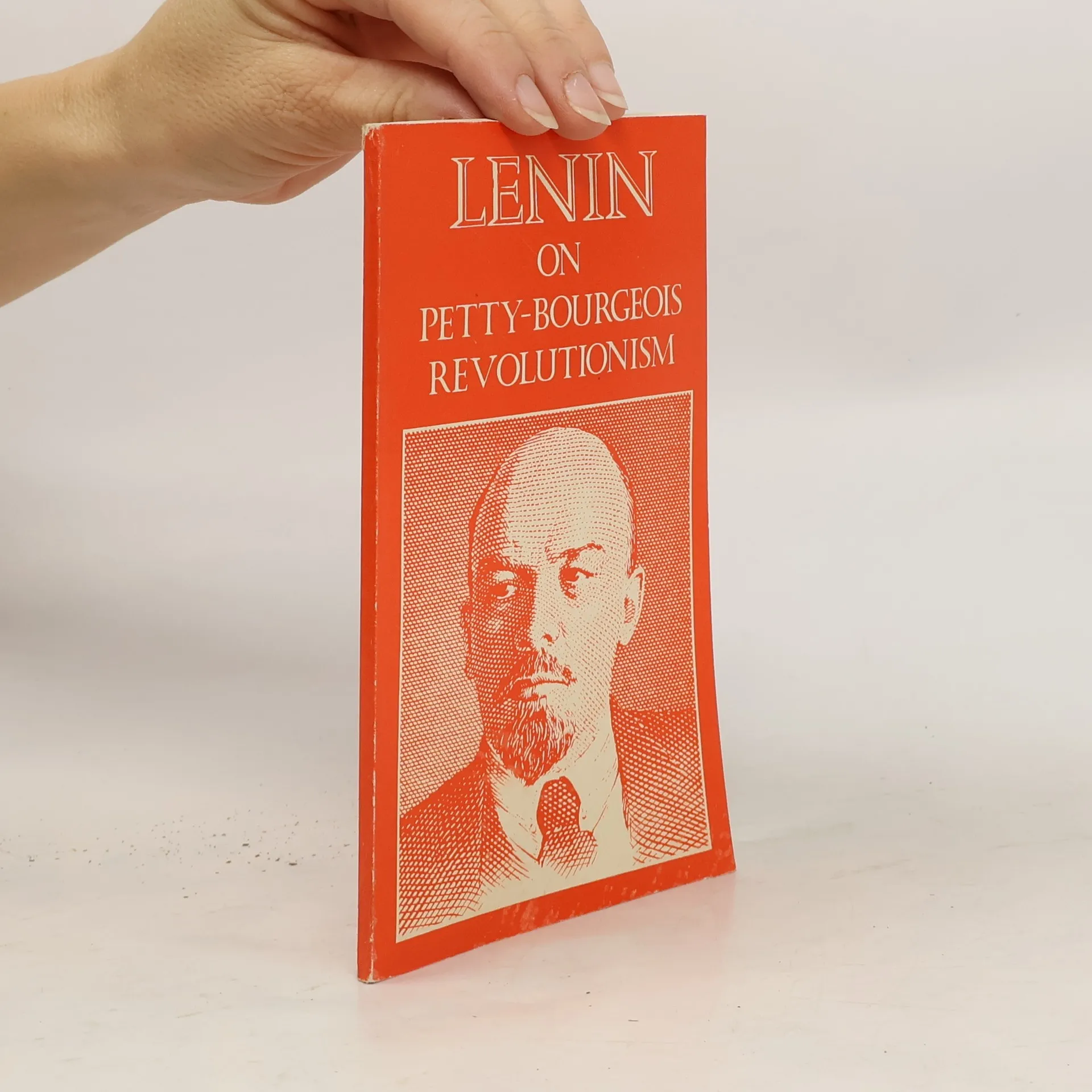
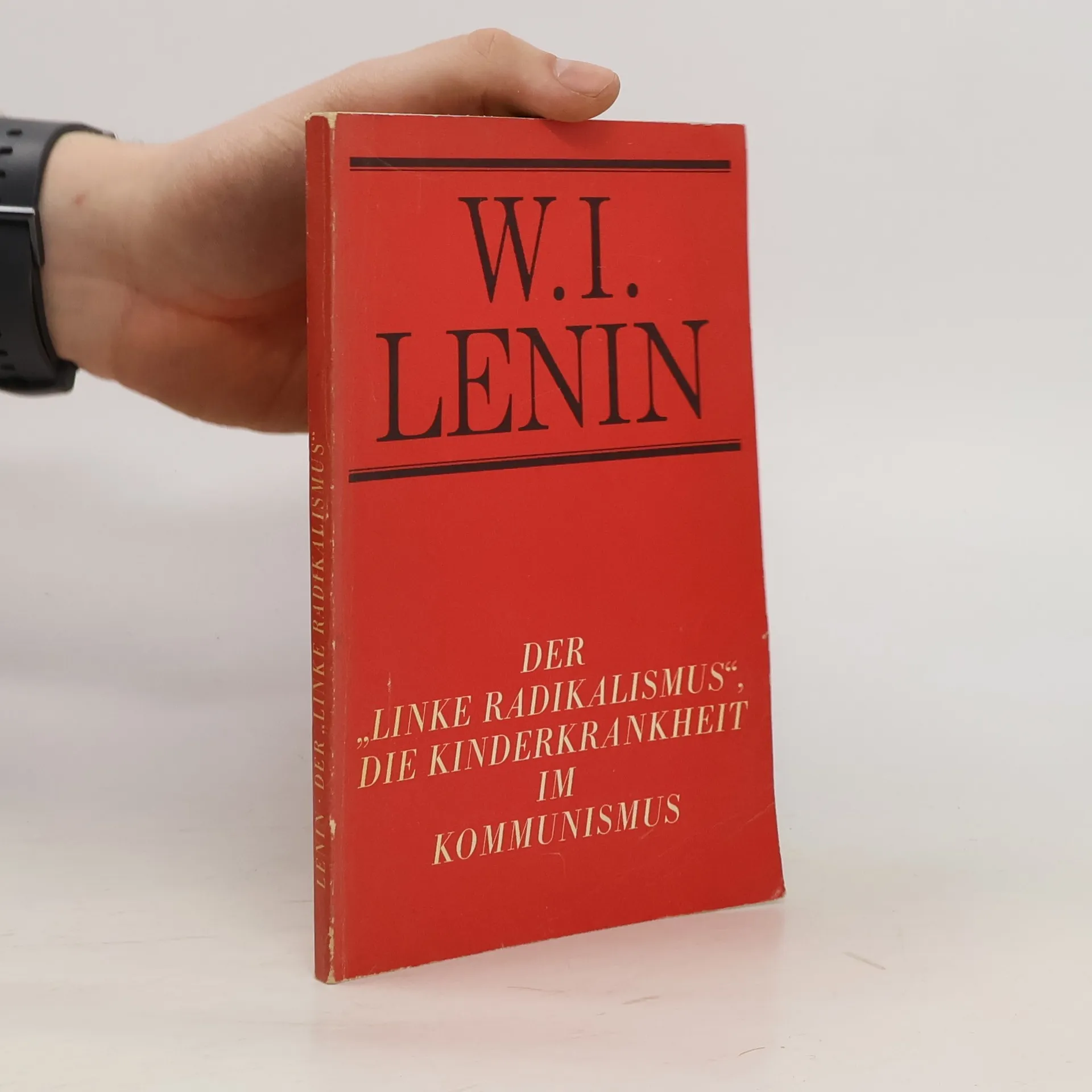
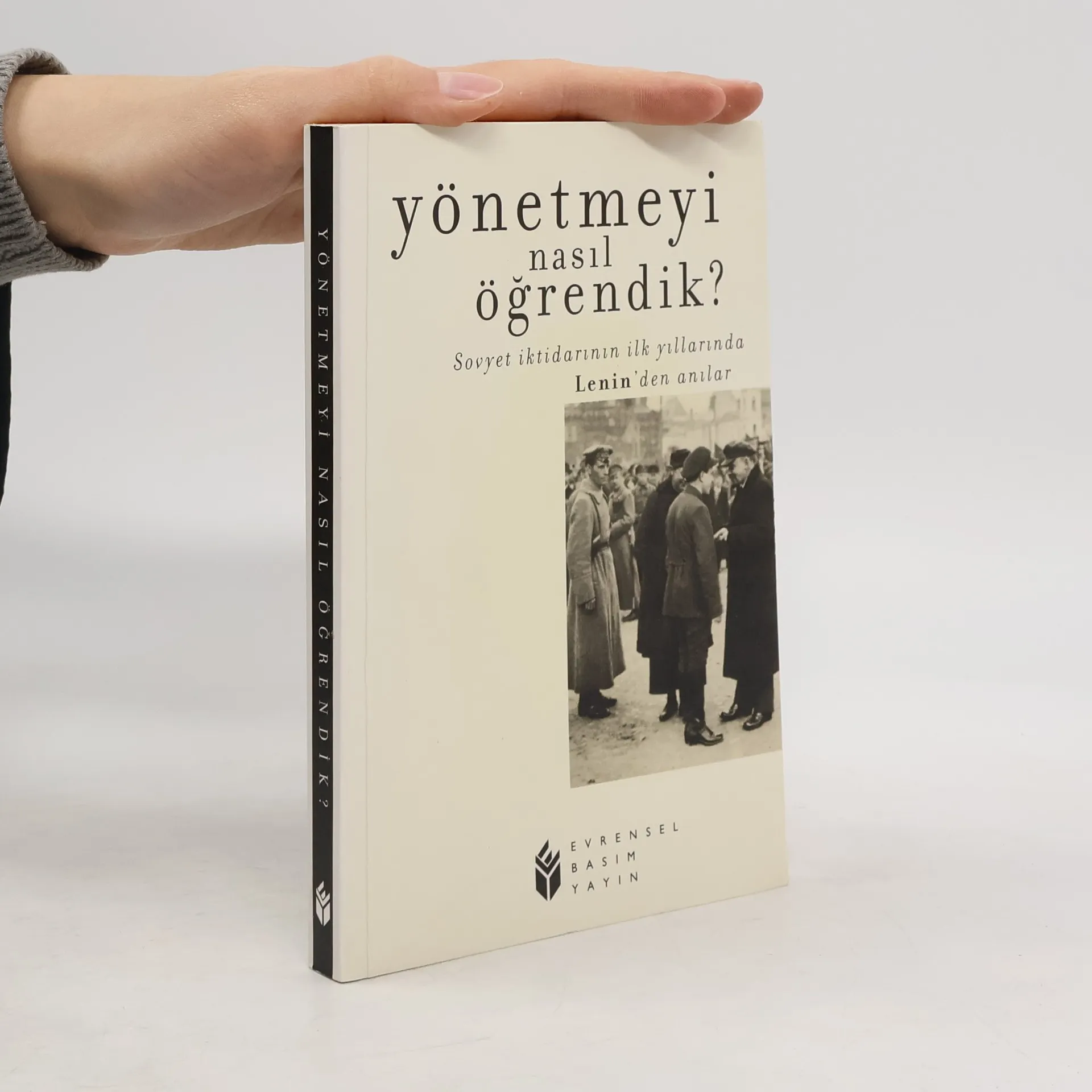
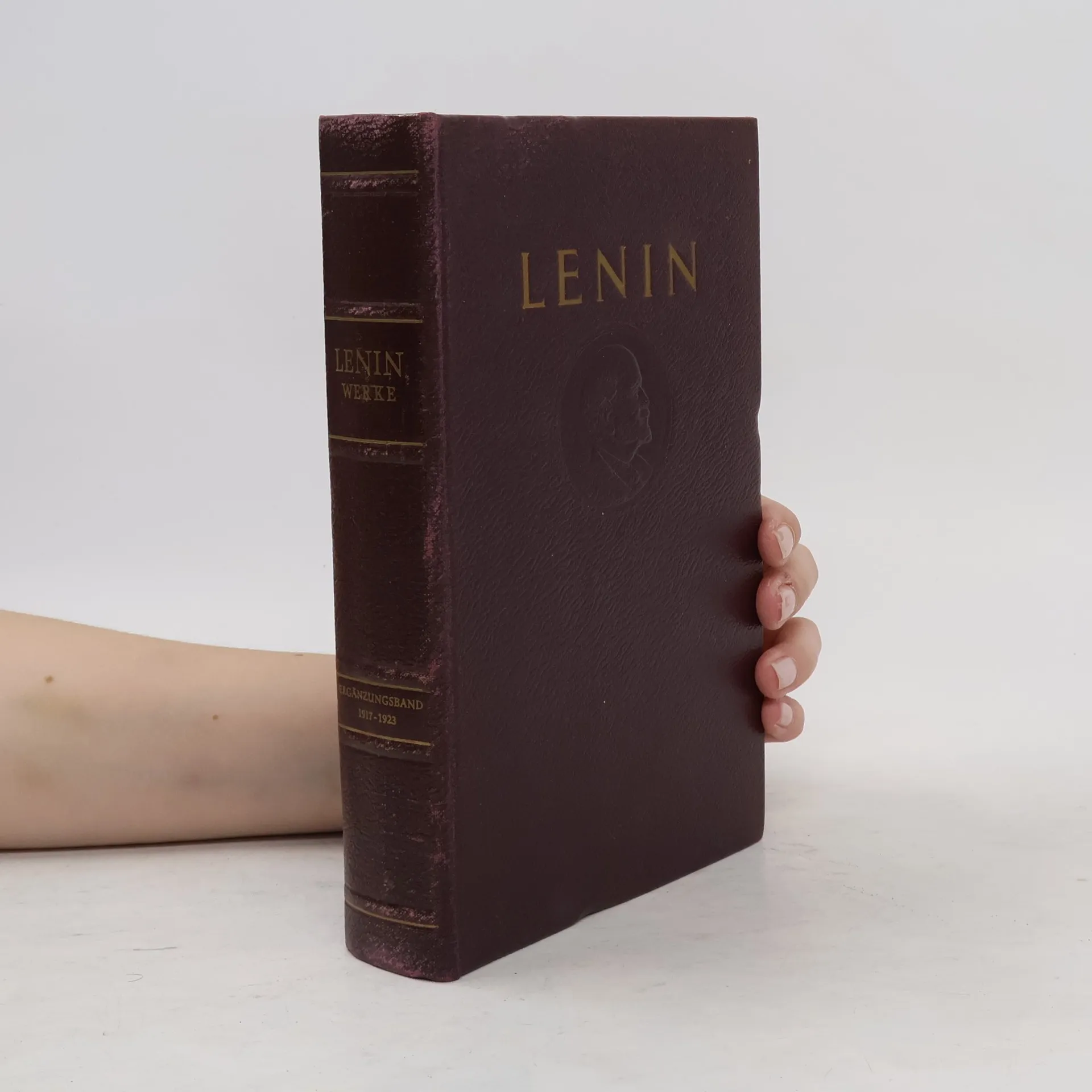
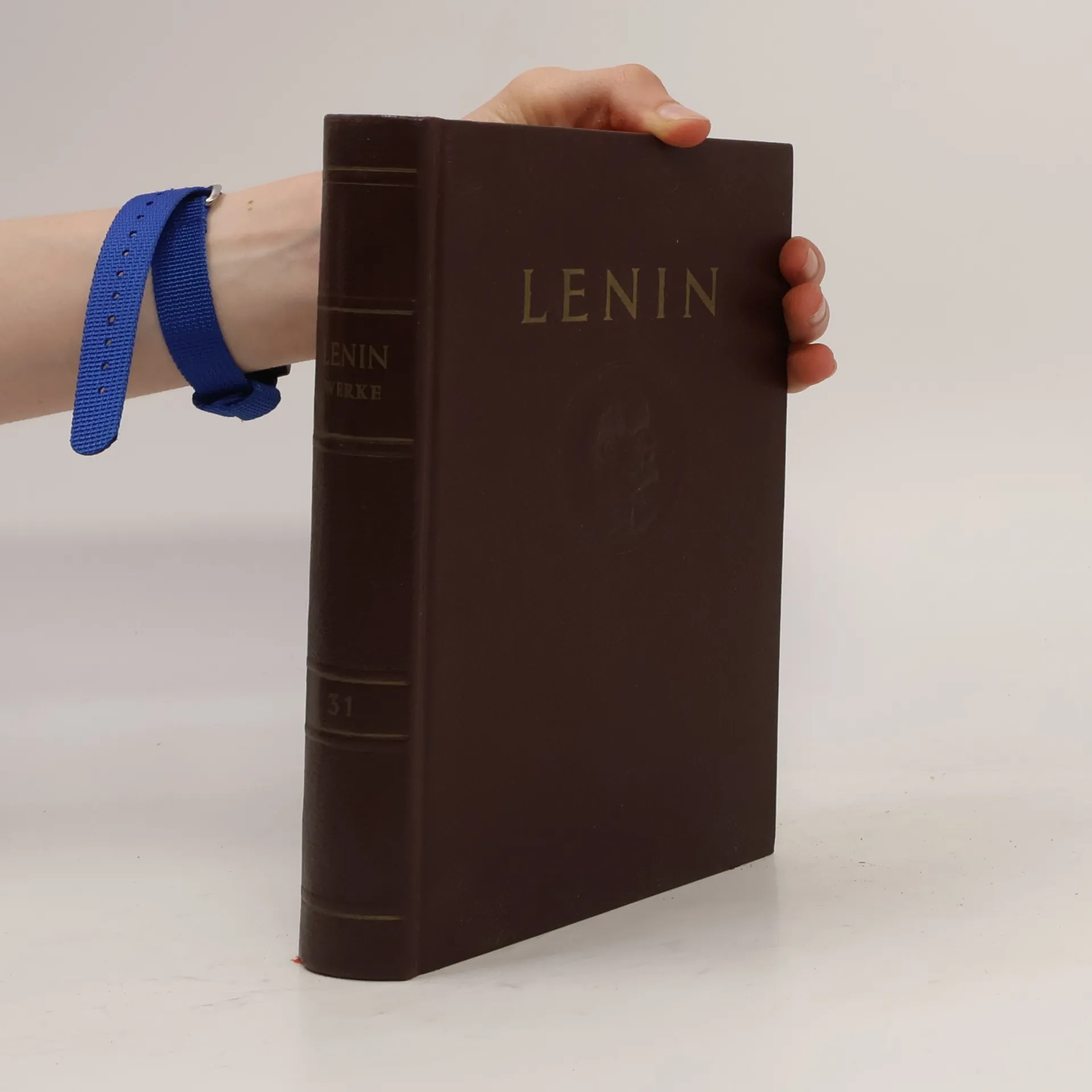
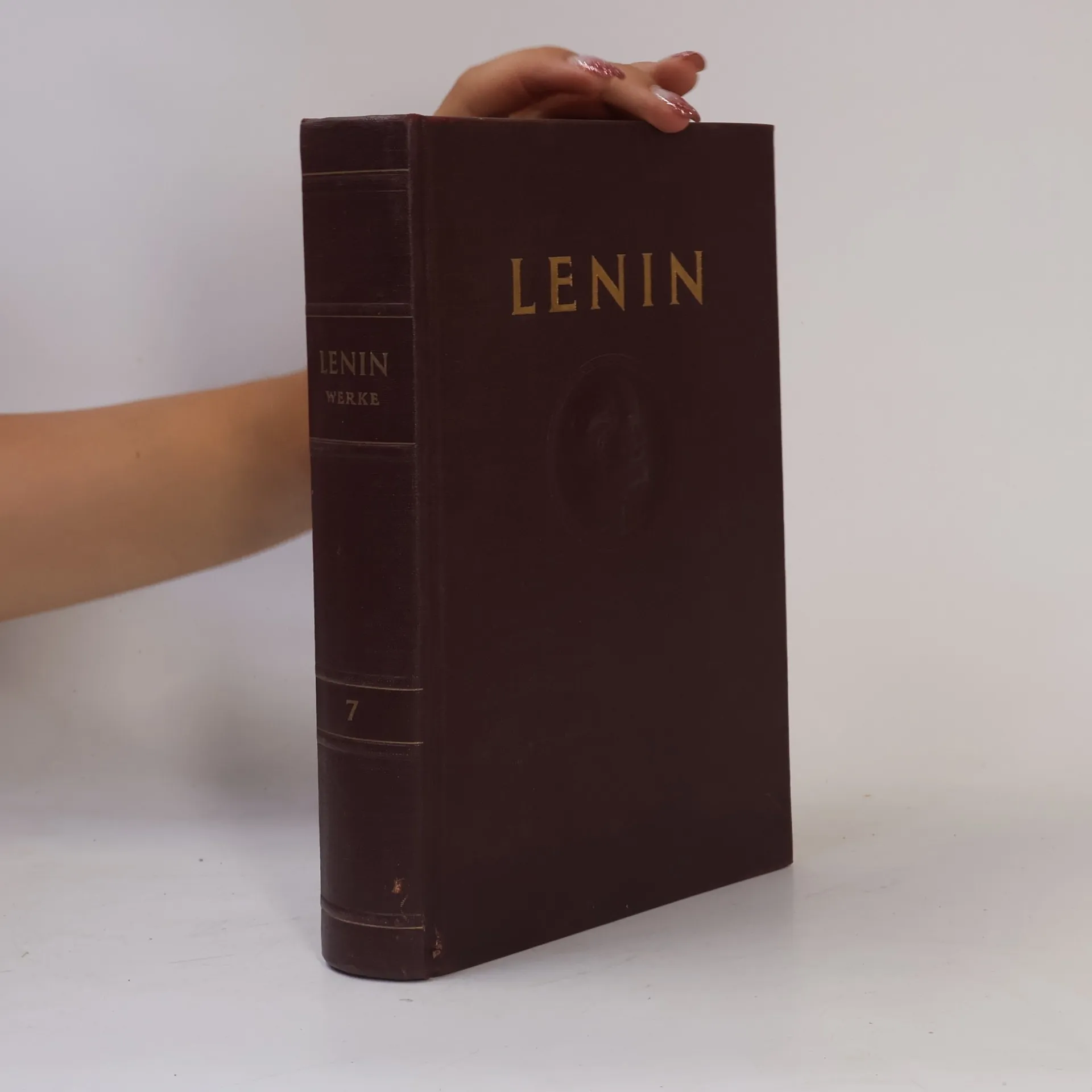
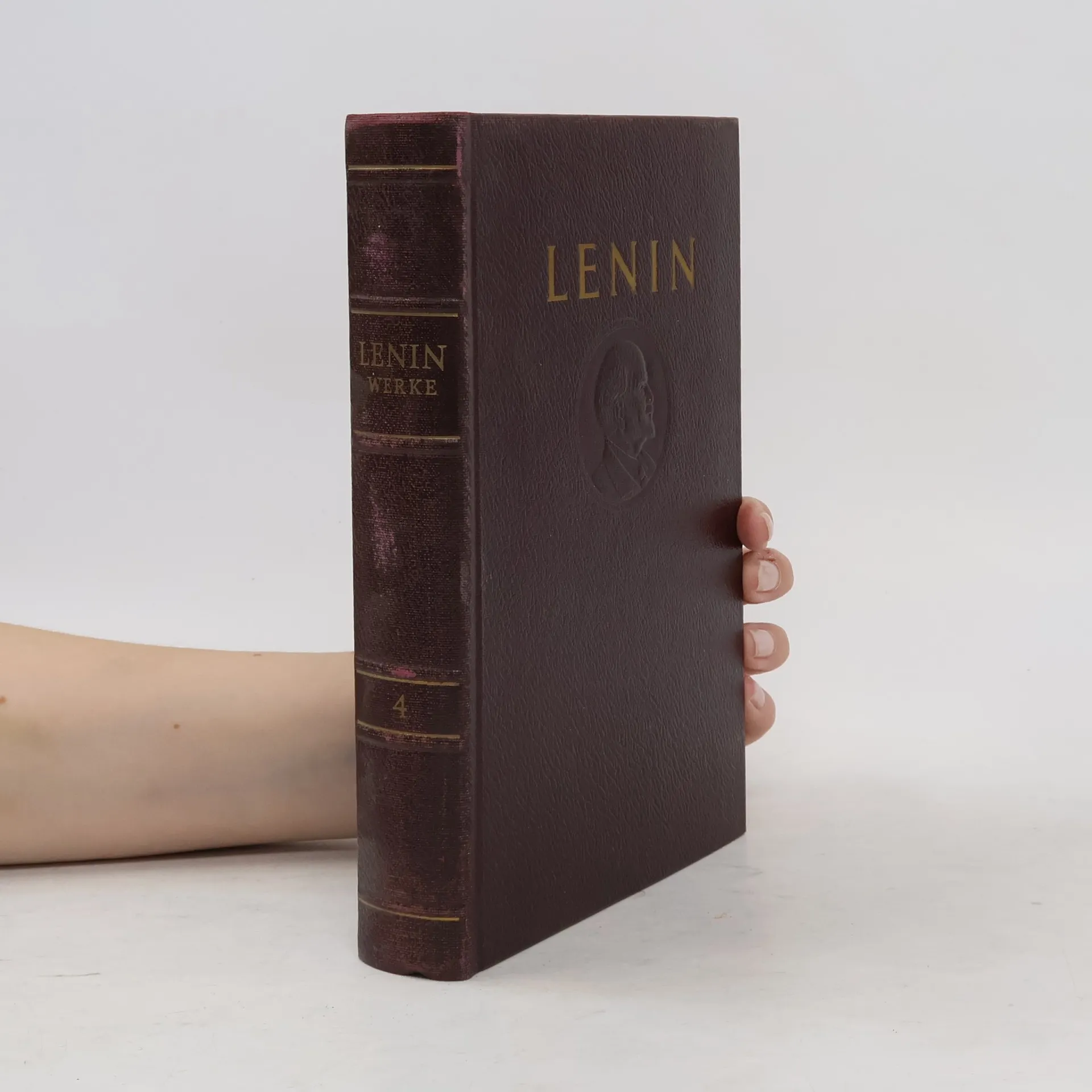
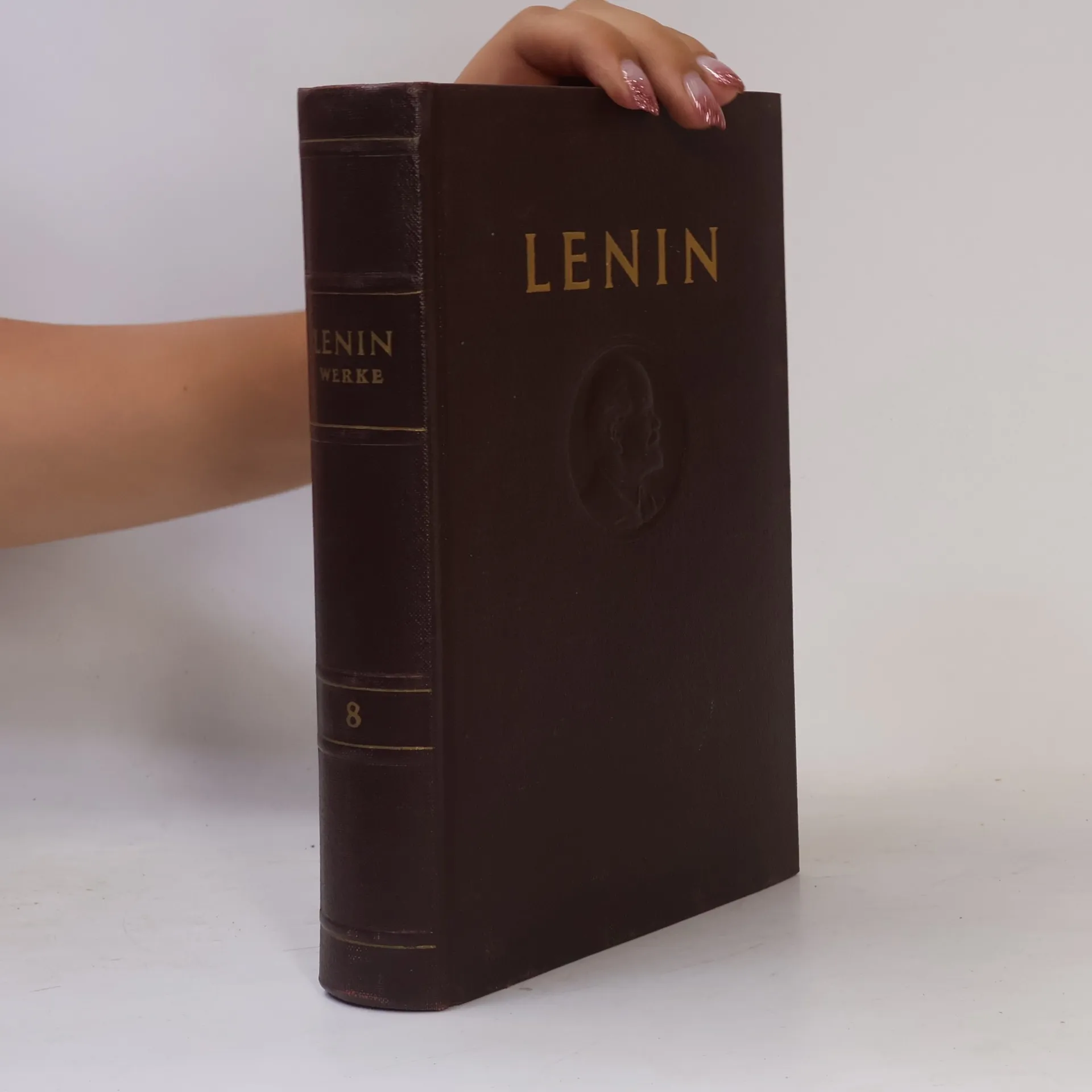
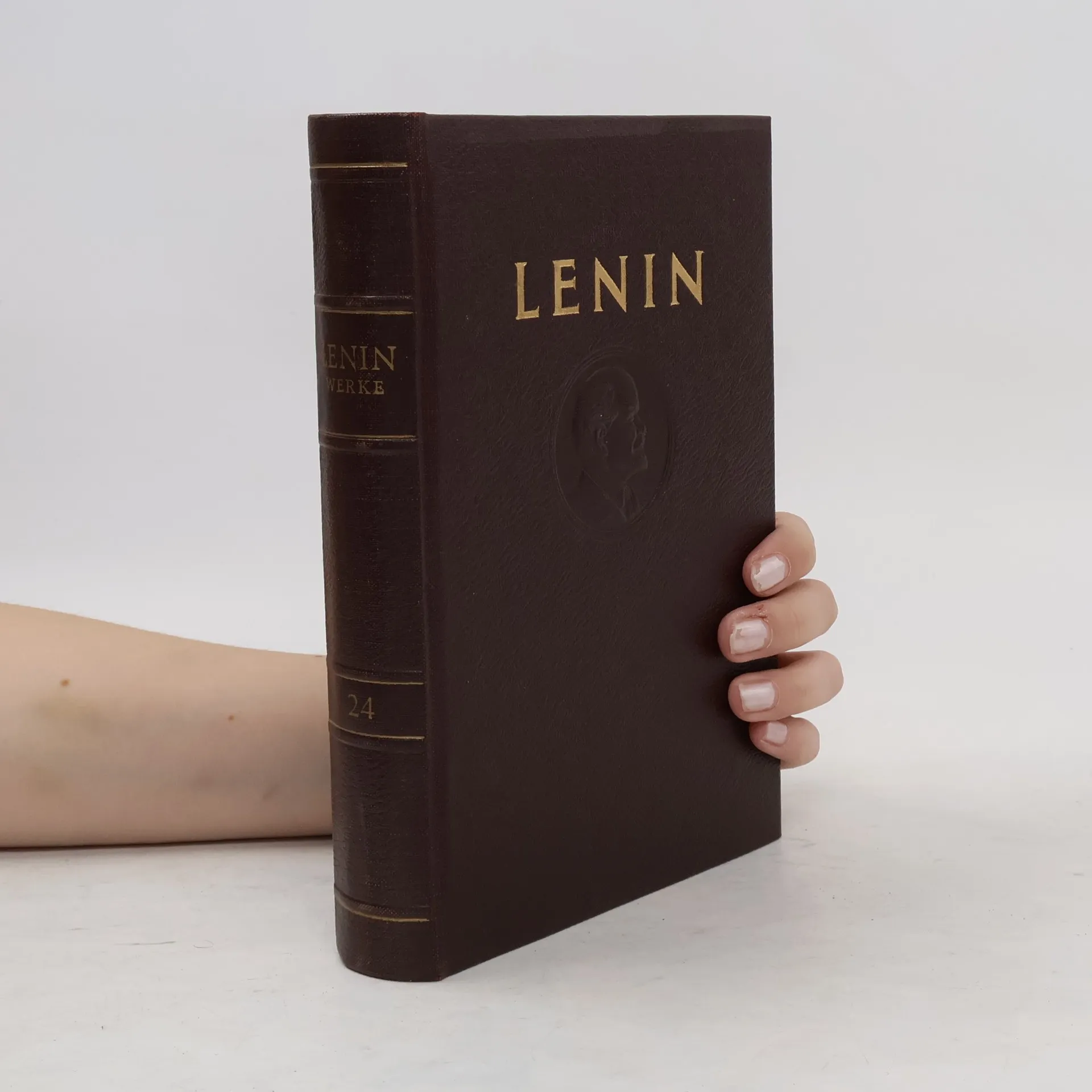
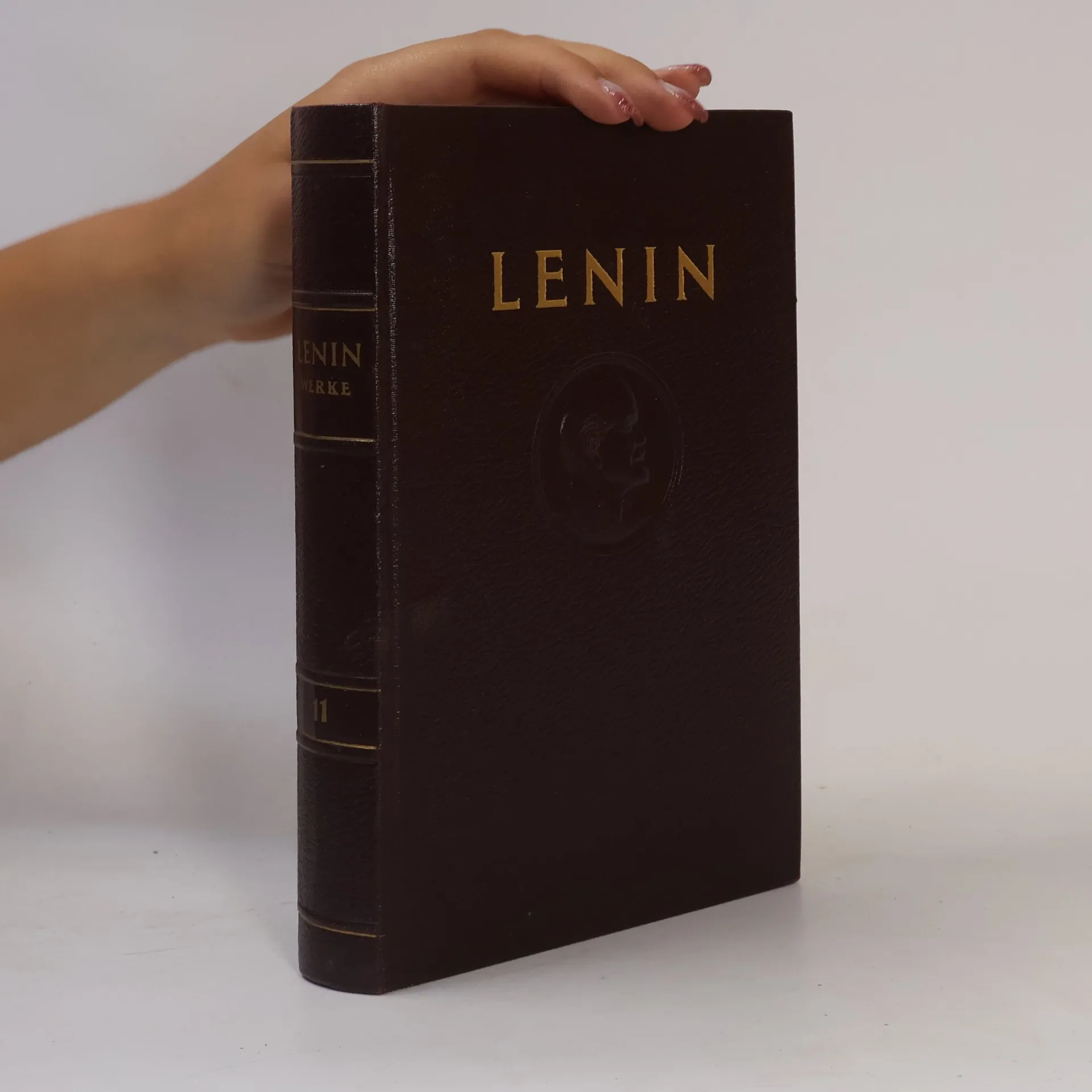
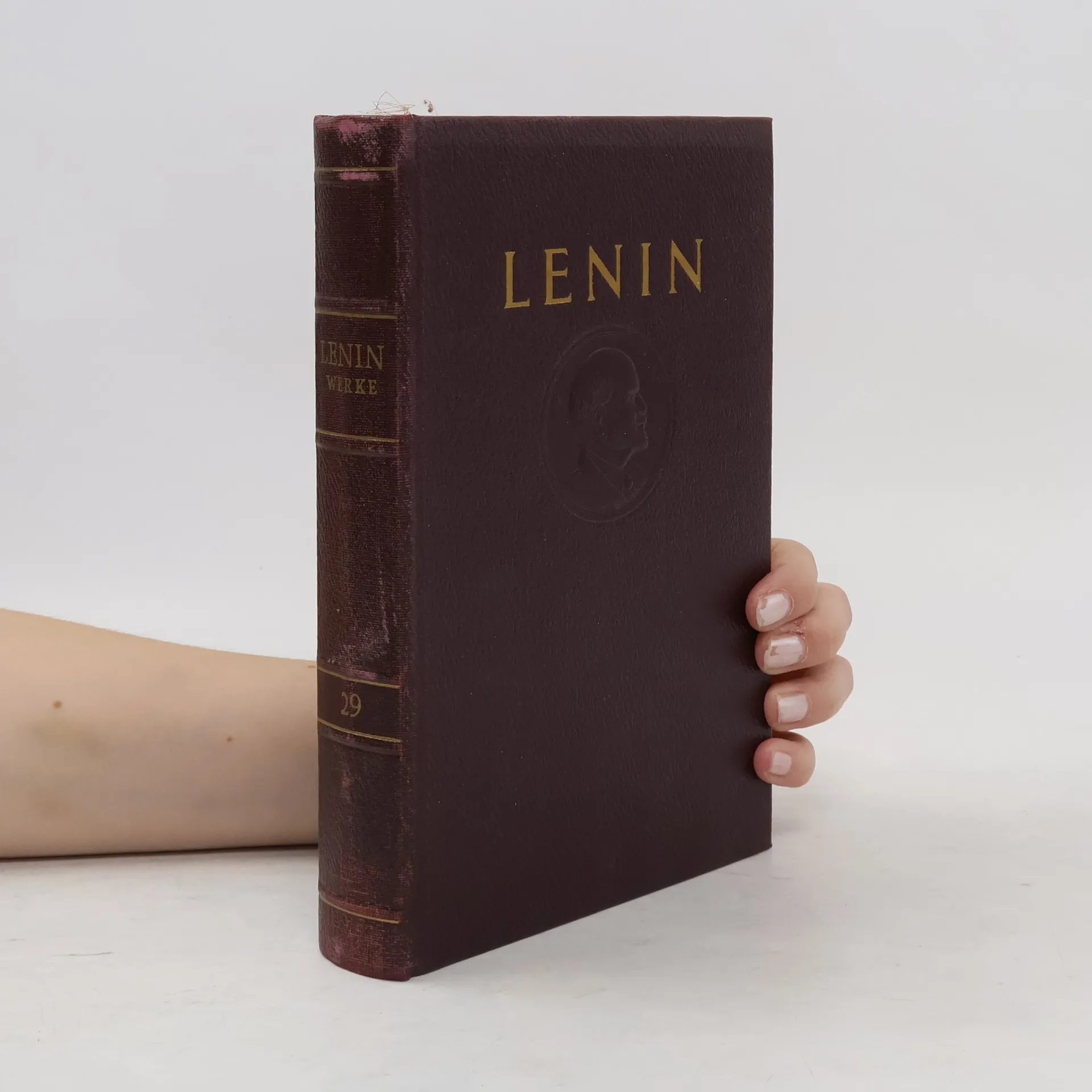
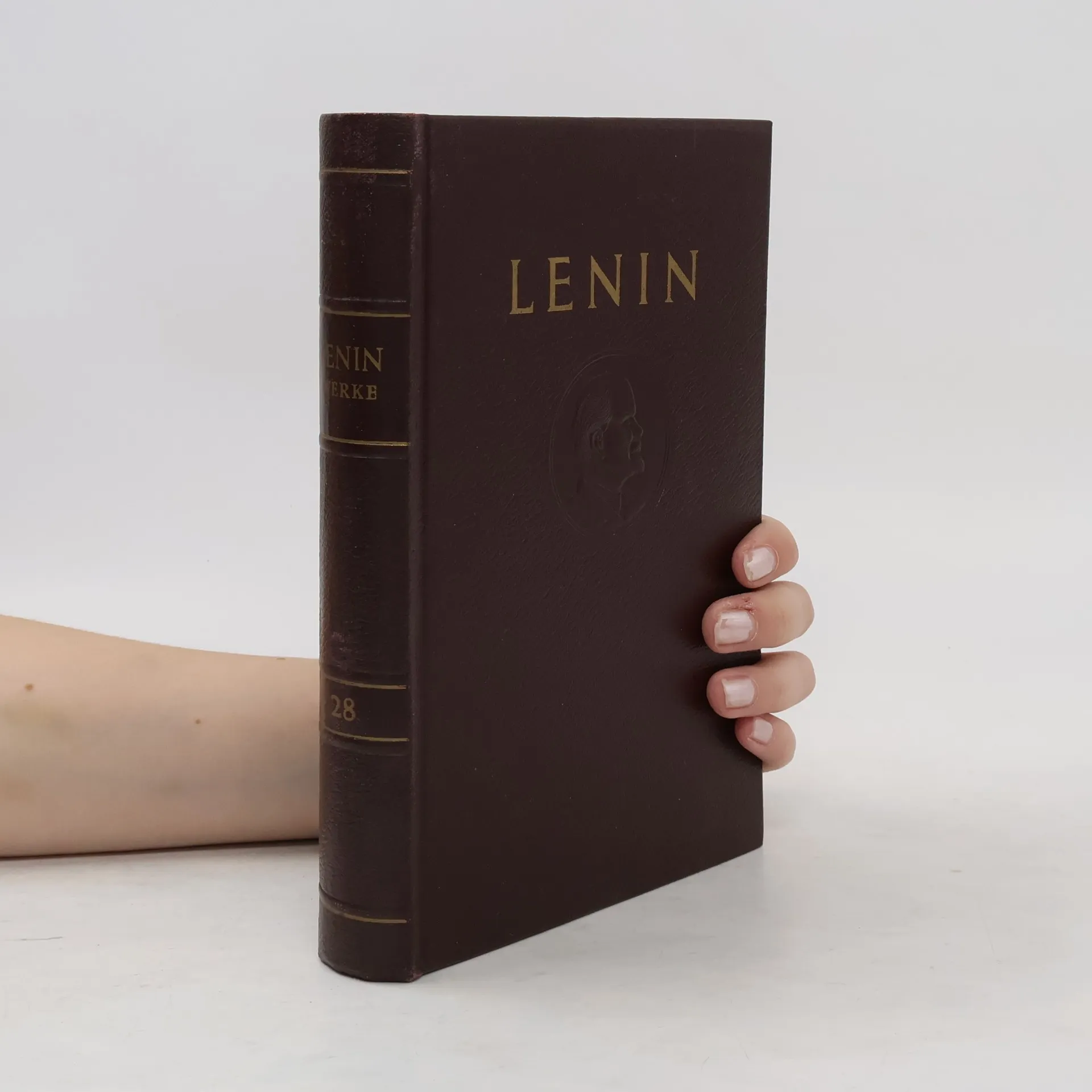
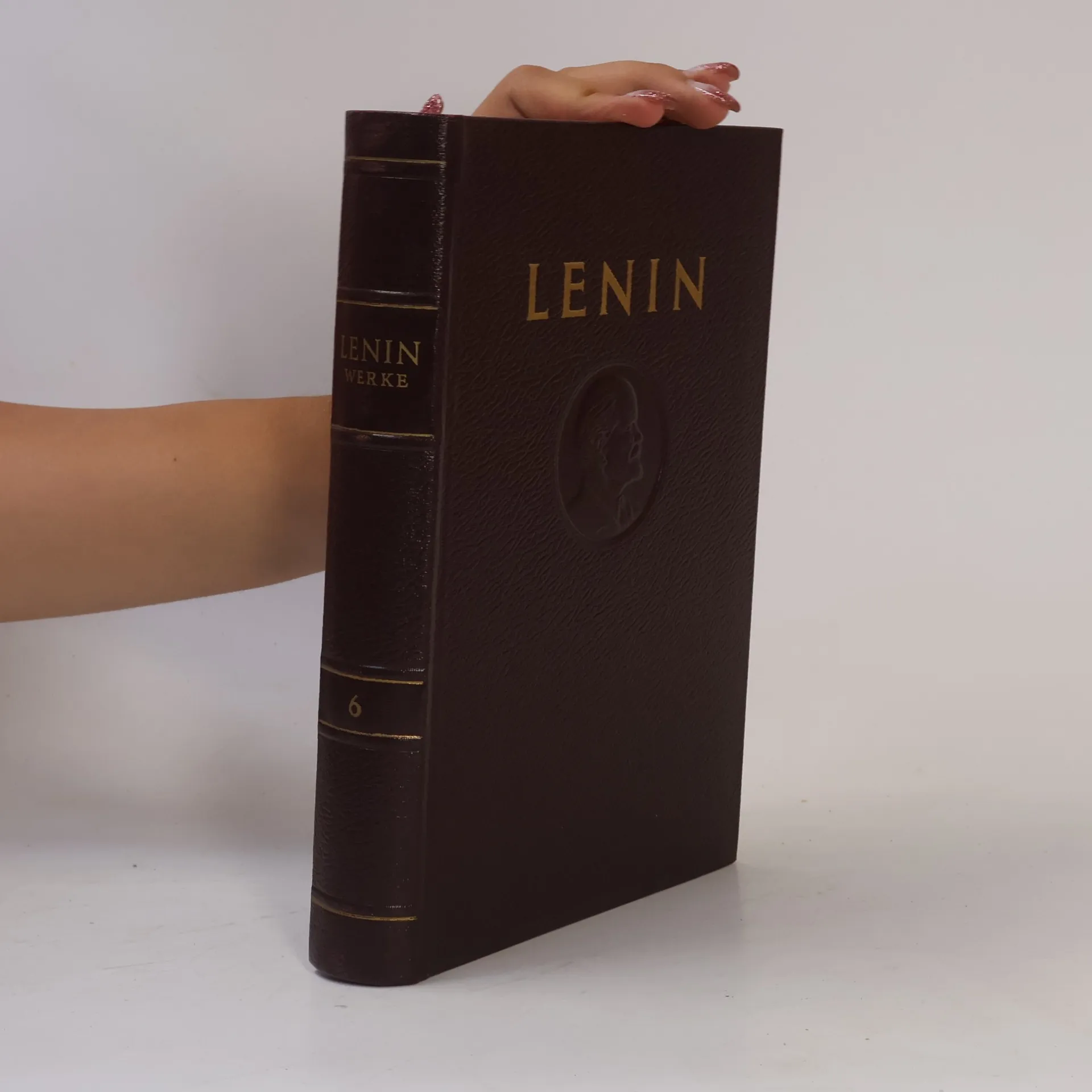
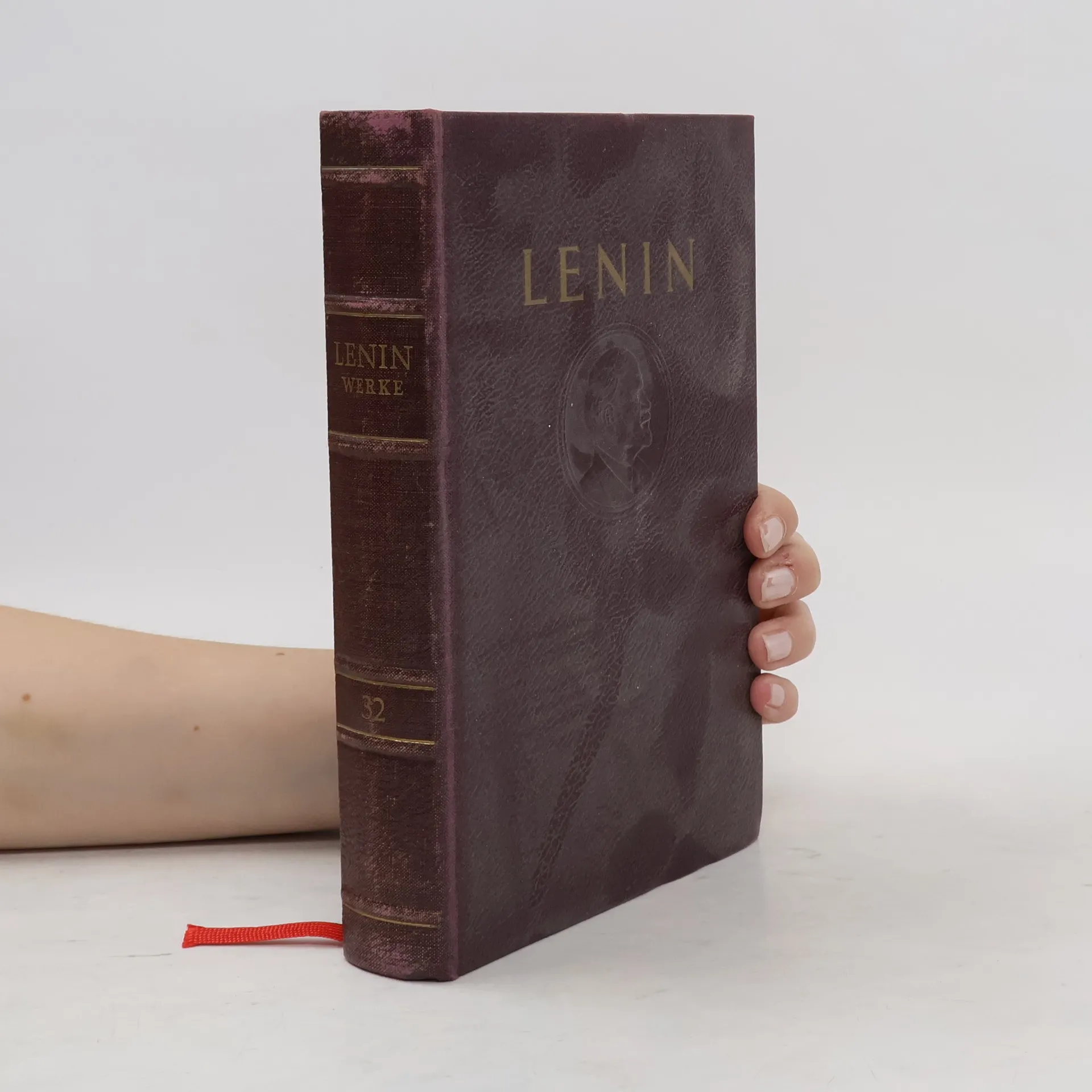
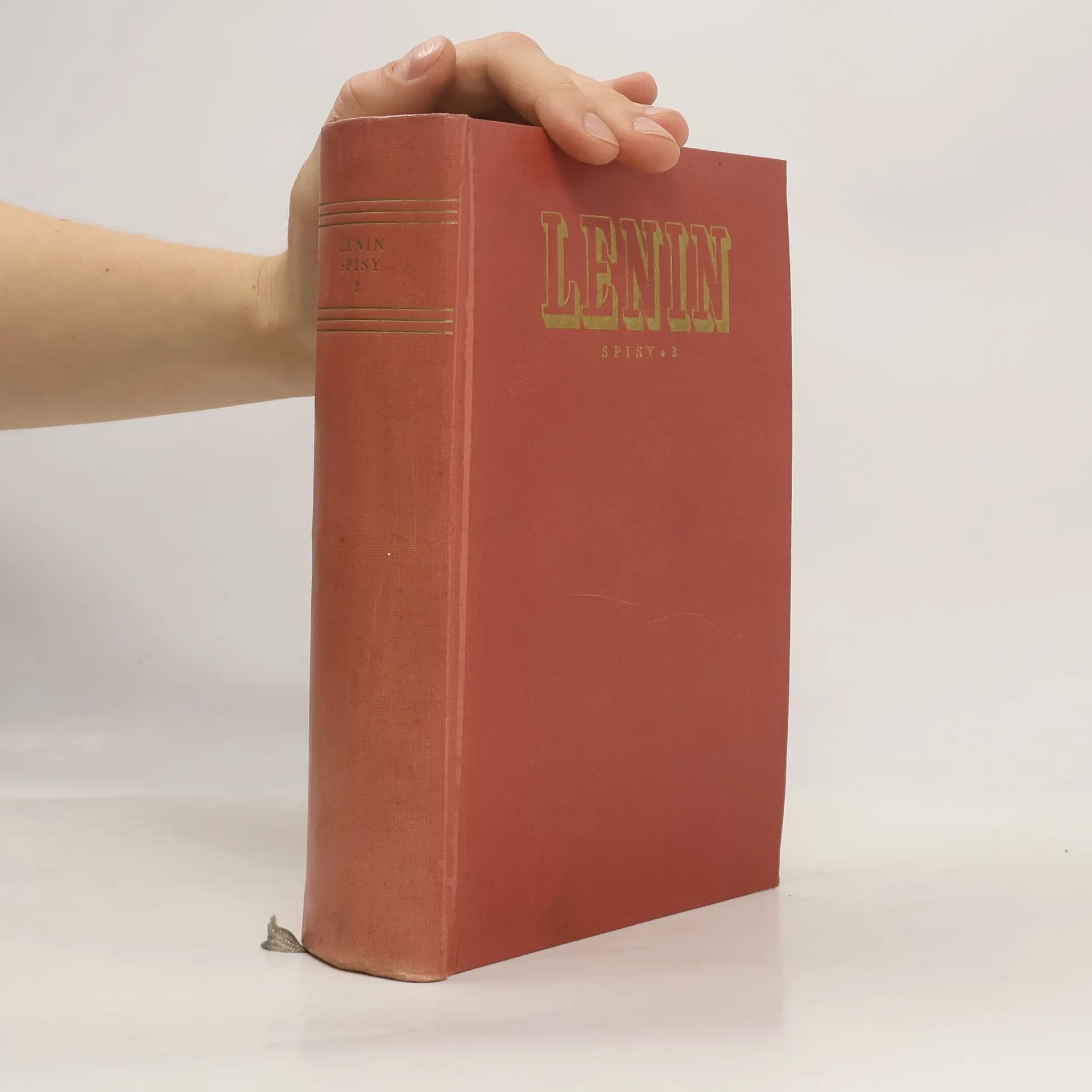
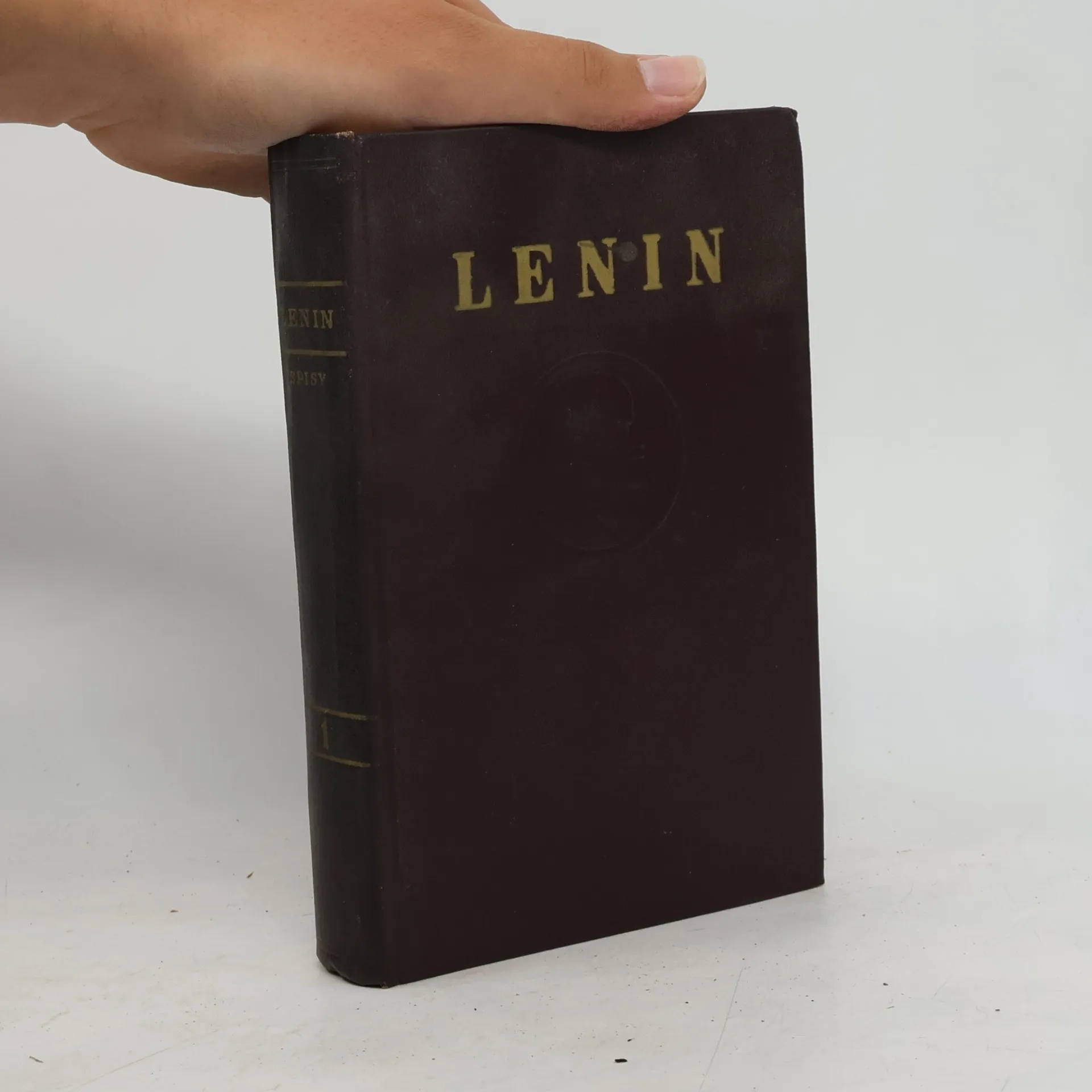
Vladimir Il'ič Lenin fu una figura centrale della Rivoluzione Russa e leader del Partito Bolscevico. La sua giovane età fu segnata dall'impegno nella lotta rivoluzionaria, influenzato dalla storia familiare e dalle correnti filosofiche del suo tempo. Le sue esperienze con l'oppressione dei contadini e gli insegnamenti marxisti lo guidarono verso l'organizzazione di circoli operai e la diffusione di letteratura rivoluzionaria. Dopo aver guidato la Rivoluzione d'Ottobre, divenne il primo presidente del governo sovietico e fondò l'Internazionale Comunista, mettendo in guardia più tardi nei suoi scritti finali contro la burocratizzazione dello Stato.
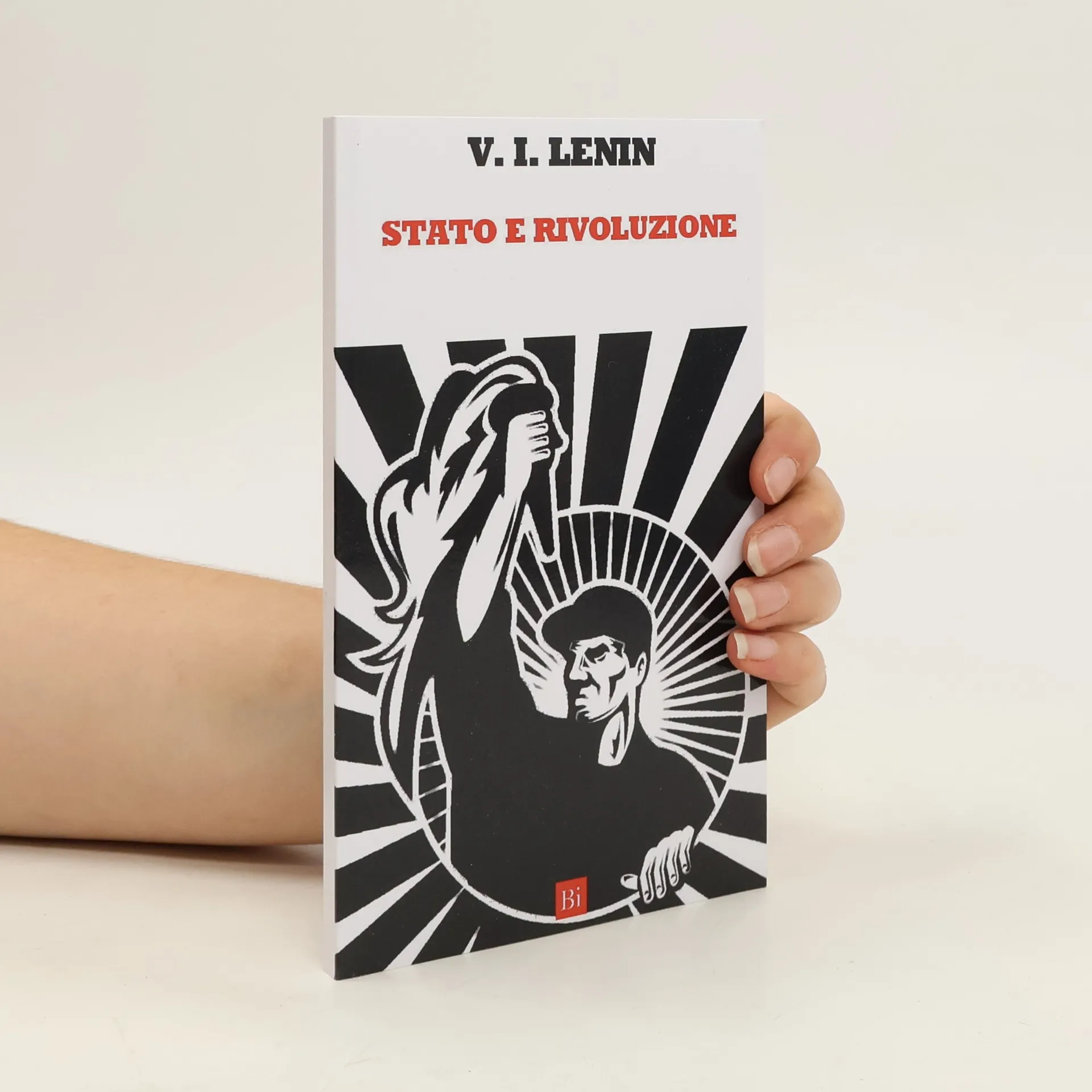
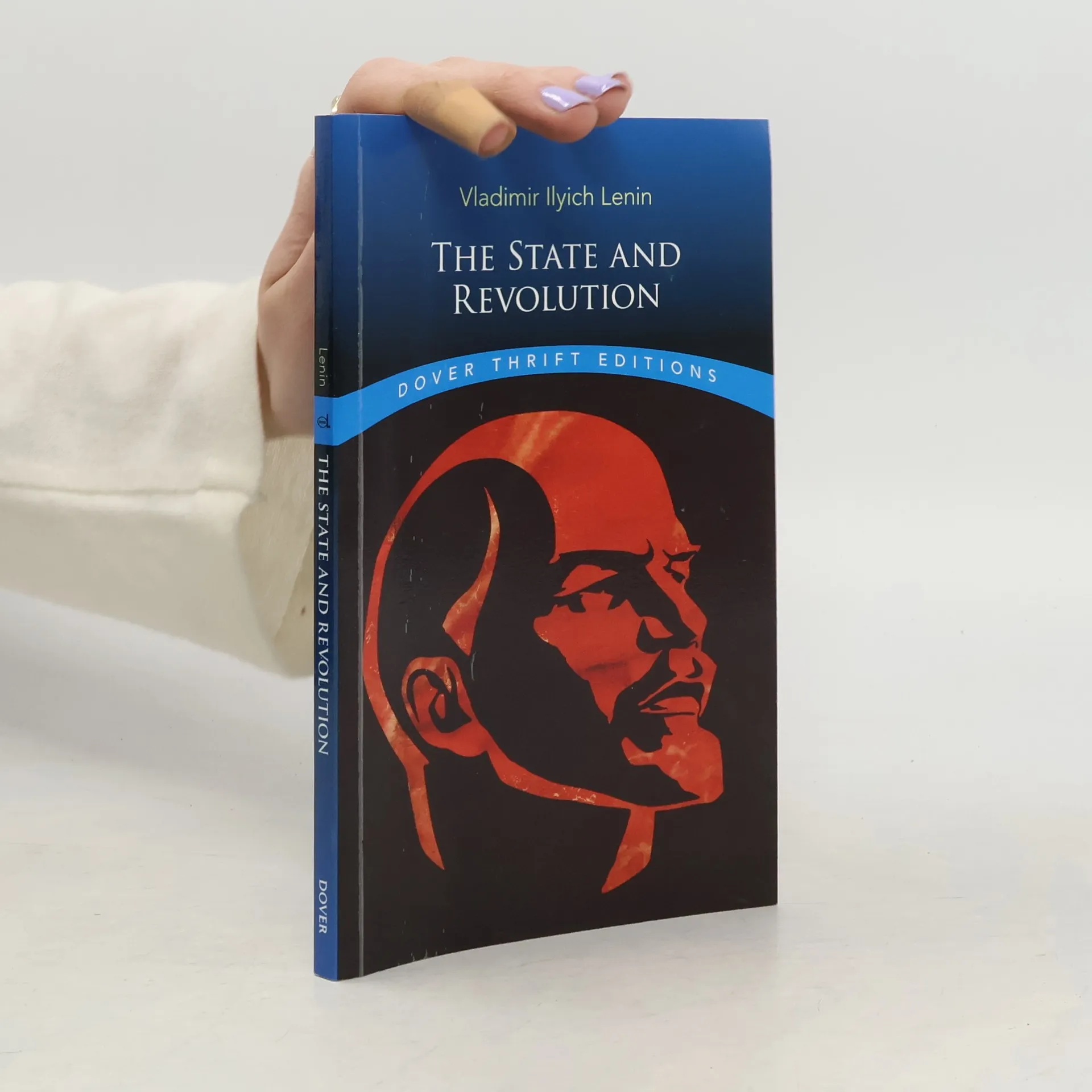
Scritto nell'immediata e concitata vigilia della Rivoluzione d'ottobre (che costrinse l'autore a interromperne la stesura) Stato e rivoluzione resta un punto di partenza essenziale per qualsiasi ulteriore approfondimento e aggiornamento della dottrina del marxismo. Qui Lenin, con il consueto pragmatismo, affronta da un punto di vista dottrinario, storico e anche pratico l'applicazione dei principi rivoluzionari, spaziando dai casi storici dei moti del 1848 e della Comune di Parigi (1871), sino alla più stringente attualità.
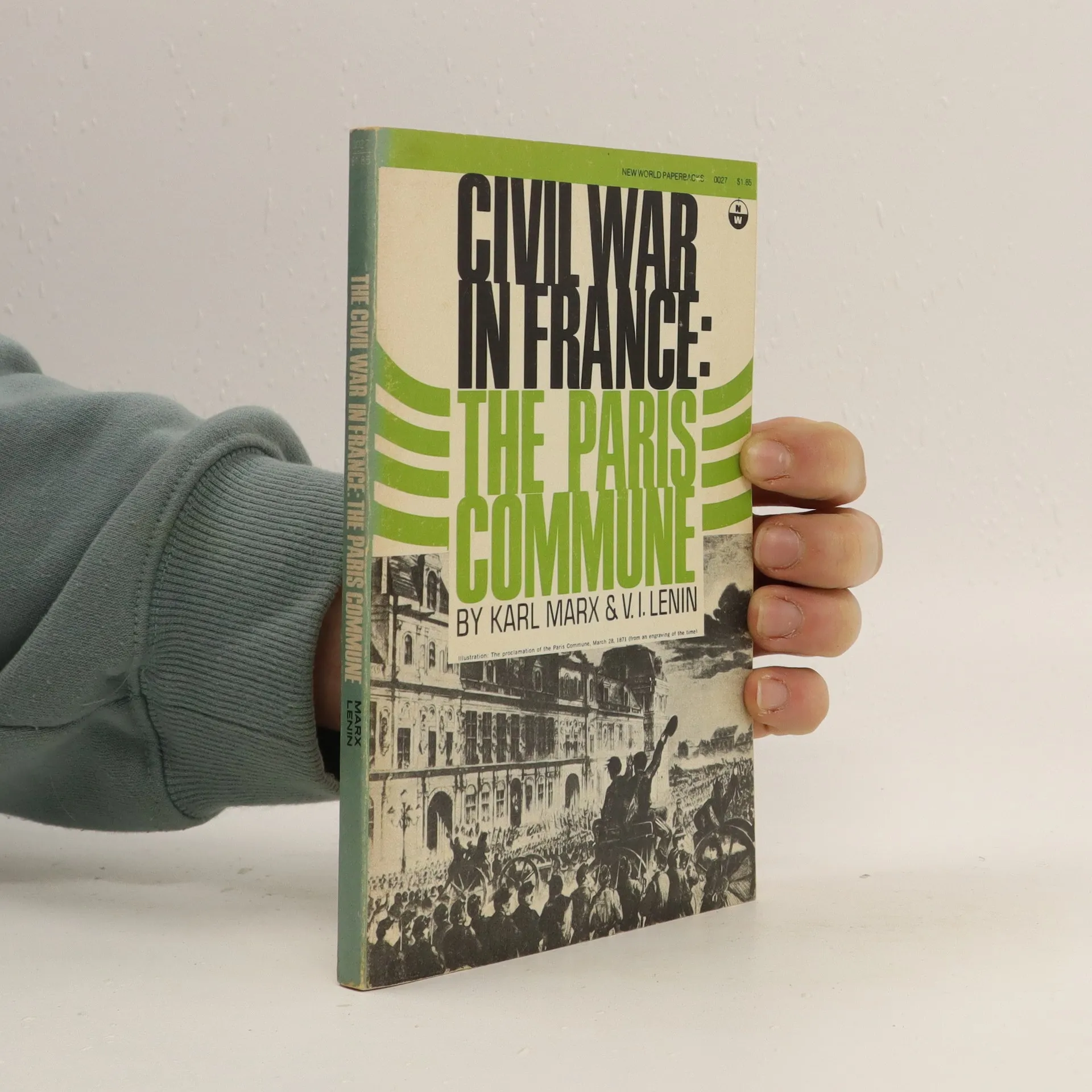
A reprint of the 1934 'enlarged edition', a volume that added newly translated material to the title essay. It includes an introduction by Engels ["Do you want to know that this dictatorship of the proletariat looks like? Then look at the Paris Commune. That was the dictatorship of the proletariat"], Marx's first and second 'Manifesto On The Franco-Prussian War', the correspondence of Marx & Engels on the Commune, and Engels' 'The Program of the Blanquist Fugitives from the Paris Commune'.
Excerpt from The Three Sources and Three Component Parts of Marxism; Karl Marx; Frederick Engels Karl Marx was born on May 5, 1818, in the city of Trier (rhenish Prussia). His father was a lawyer, a Jew, who in 1824 adopted Protestantism. The family was well-to-do, cultured, but not revolutionary! After graduating fi'om the gymnasium in Trier, Marx entered university, first at Bonn and later at Berlin, where he studied jurisprudence, but chiefly history and philos ophy. He concluded his course in 1841, submitting his doctoral dissertation on the philosophy of Epicurus. In his views Marx at that time was a Hegelian idealist. In Berlin he belonged to the circle of Left Hegelians (bruno Bauer and others) who sought to draw atheis tic and revolutionary conclusions from Hegel's philos ophy. About the Publisher Forgotten Books publishes hundreds of thousands of rare and classic books. In rare cases, an imperfection in the original, such as a blemish or missing page, may be replicated in our edition. We do, however, repair the vast majority of imperfections successfully; any imperfections that remain are intentionally left to preserve the state of such historical works.
This work-written in 1908 as a militant, occasionally virulent, polemic against certain Bolsheviks who had strayed from dialectical materialism into the jungle of "Machism" and associated idealist philosophies-serves today as an invaluable example of Lenin's approach to philosophy and as a general exposition of dialectical materialism. Lenin's breadth of knowledge shines in this text: he discusses the Marxist theory of knowledge, critiques the idealists, from Berkeley to the then current schools, and examines the contemporary "crisis" in natural science induced by new discoveries about the nature of matter and its concomitant ramifications for scientific study and questions of epistemology.With a new foreword by Helena Sheehan, the reprint of this classic text aims to return Materialism and Empirio-Criticism to the attention of the growing number of students of Marxism in the United States, and to provide material for the study of the interrelationship between Marxist politics and philosophy.
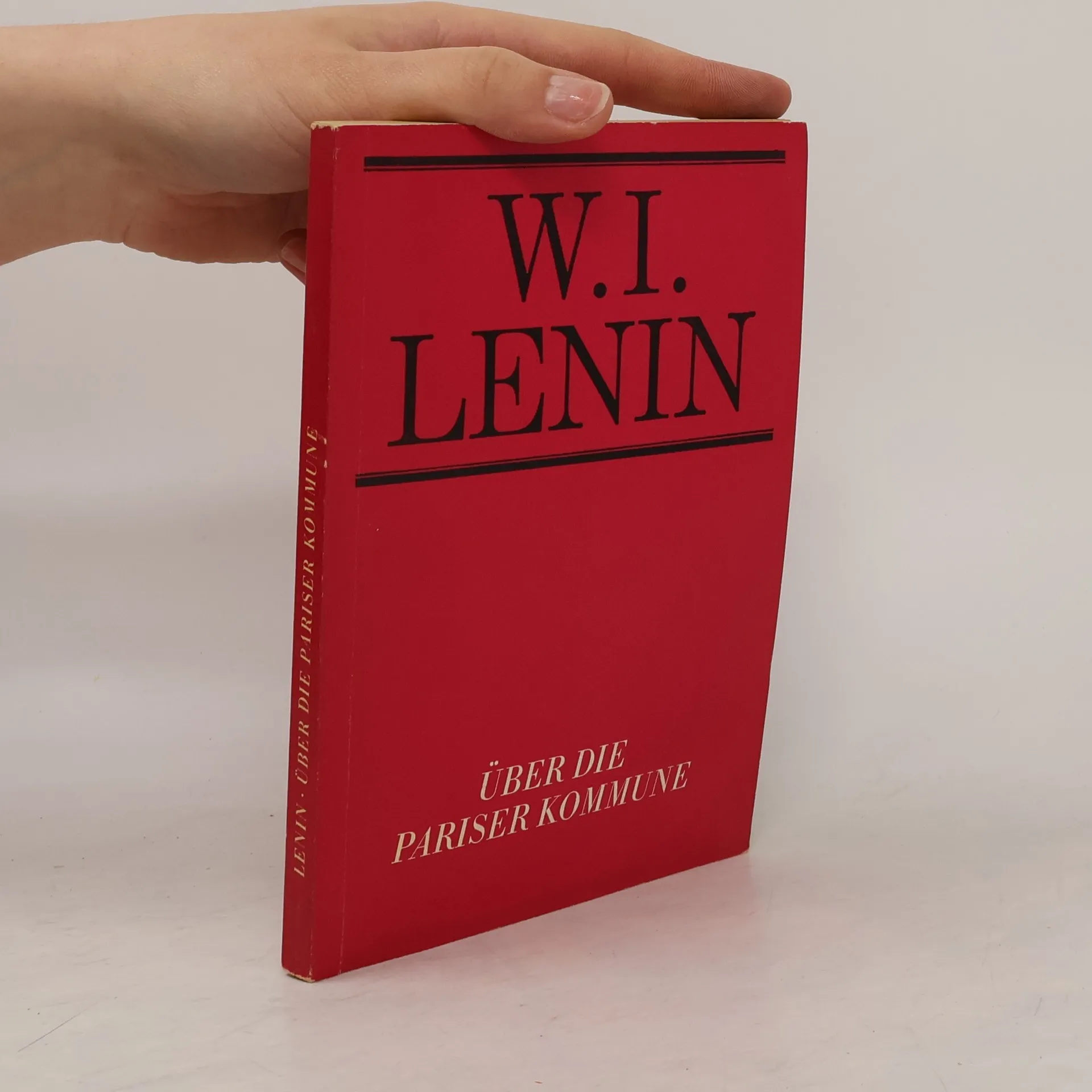
The book explores the Paris Commune of 1871, highlighting its brief but impactful experiment in democracy and workers' governance. It includes Marx's address on the Commune, Lenin's reflections on its significance for building socialism, and Bertolt Brecht's poetic tribute. Additionally, it features the Manifesto of the Paris Commune's Federation of Artists, showcasing the cultural and political aspirations of the time. Together, these texts provide insights into revolutionary thought and the enduring legacy of the Commune in shaping socialist ideals.
The State and Revolution is Lenin's most significant work, in which he rejects the institutions of Western democracy and presents his vision of the final perfection of communism. It offers unparalleled insight into the twentieth century, capitalism, the Russian revolution, and more.
Vladimir Lenin created this hugely significant Marxist text to explain fully the inevitable flaws and destructive power of Capitalism: that it would lead unavoidably to imperialism, monopolies and colonialism. He prophesied that those third world countries used merely as capitalist labour would have no choice but to join the Communist revolution in Russia. GREAT IDEAS. Throughout history, some books have changed the world. They have transformed the way we see ourselves - and each other. They have inspired debate, dissent, war and revolution. They have enlightened, outraged, provoked and comforted. They have enriched lives - and destroyed them. Now Penguin brings you the works of the great thinkers, pioneers, radicals and visionaries whose ideas shook civilization and helped make us who we are.
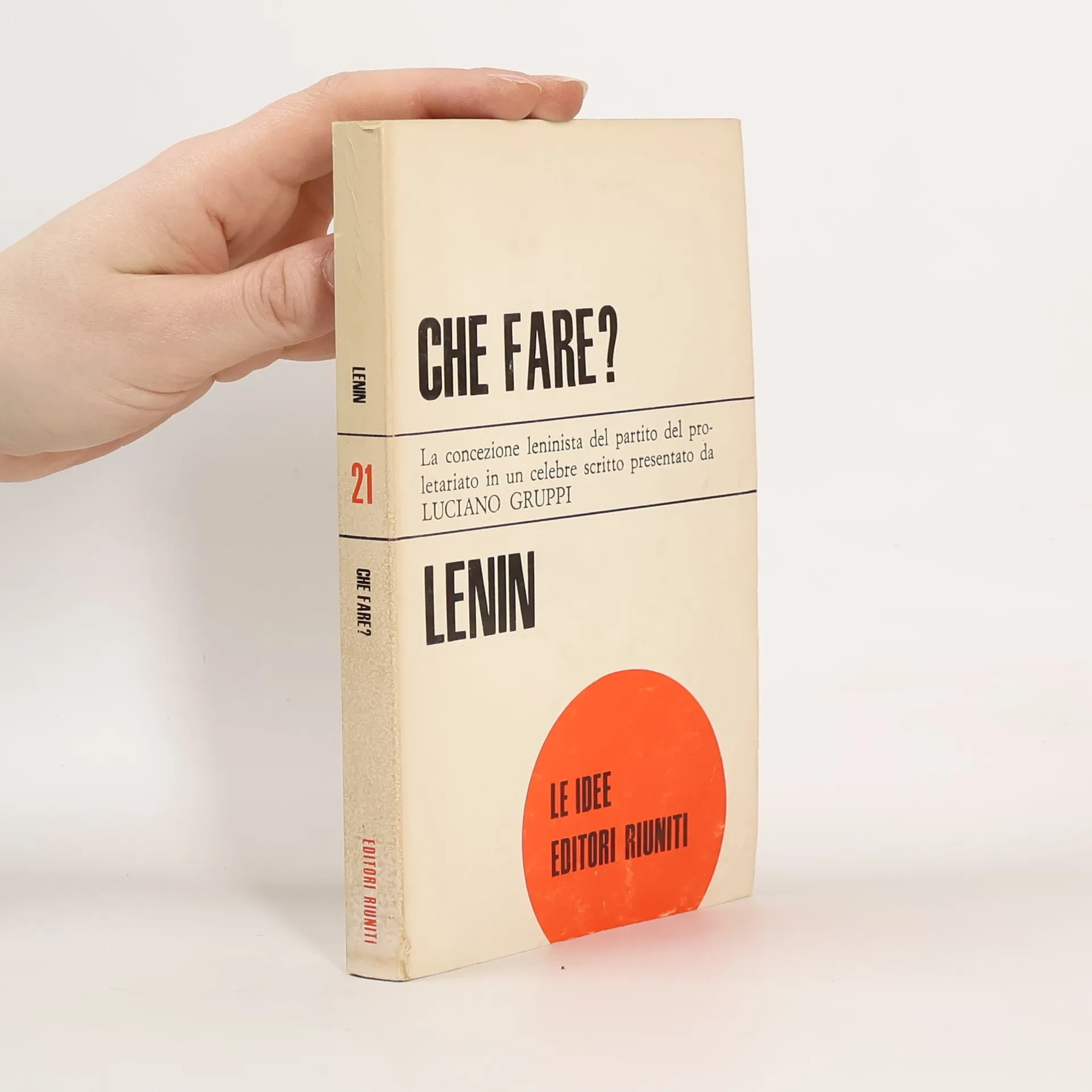
Lenin's influential pamphlet emphasizes the necessity of a dedicated political party to guide the working class towards Marxism, arguing that economic struggles alone won't lead to political awareness. He proposes the formation of a "vanguard" of revolutionaries to educate workers on Marxist principles. This work played a critical role in the division of the Russian Social Democratic Labor Party, leading to the emergence of the Bolsheviks and Mensheviks, and is considered a cornerstone of Leninist ideology.
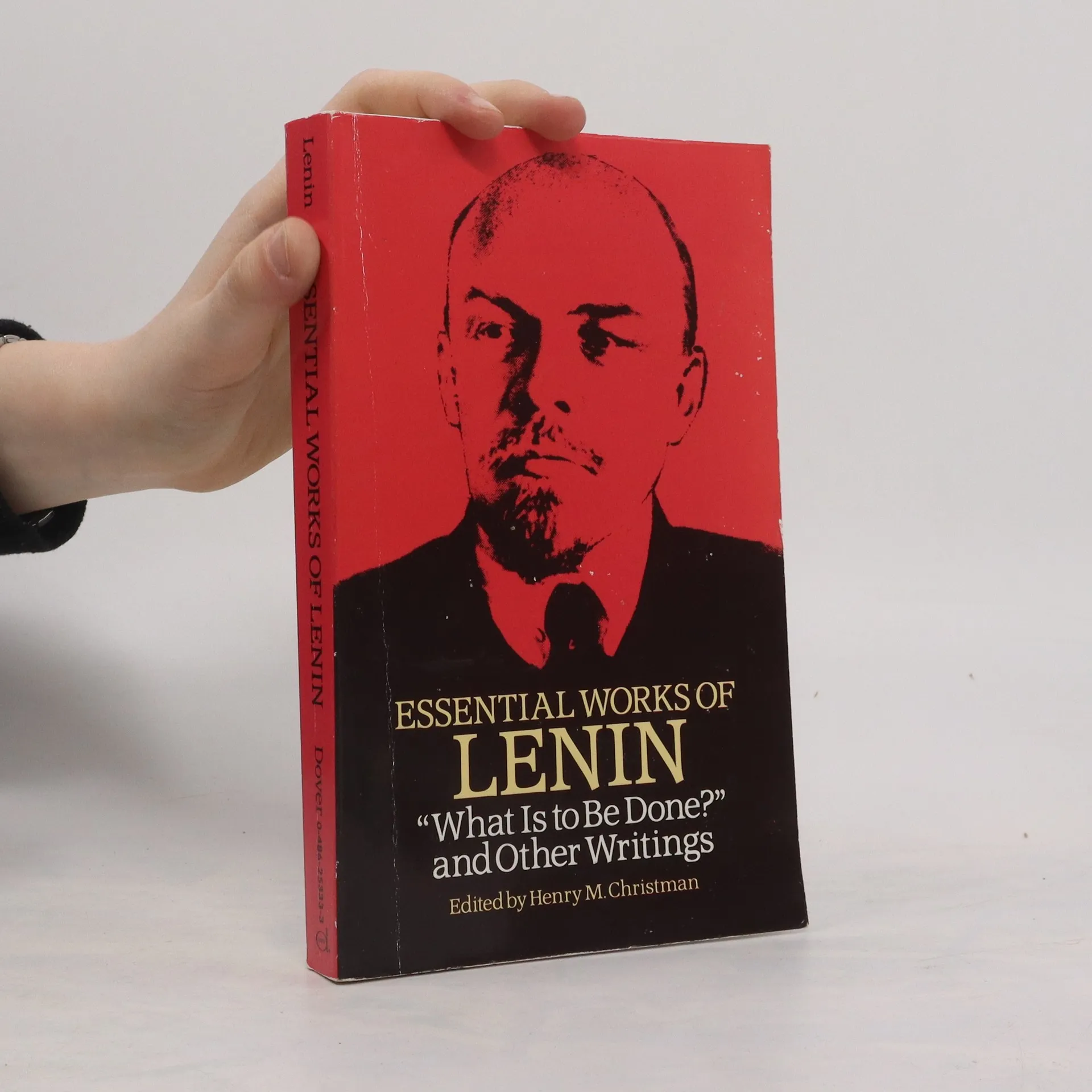
Among the most influential political and social forces of the 20th century, modern communism rests firmly on philosophical, political and economic underpinnings developed by Vladimir Ilyich Ulyanov, later known as Lenin. In this volume, comprising the four works generally considered his most important publications, Lenin presents the goals and tactics of communism with remarkable directness and forcefulness.His first major work was The Development of Capitalism in Russia, written in prison after Lenin had been arrested for anti-government activities in 1895. Represented here by key sections, the book developed a number of crucial concepts, including the significance of the industrial proletariat as a revolutionary base. What Is to Be Done?, long regarded as the key manual of communist action, is presented complete, containing Lenin's famous dissection of the Western idea of the political party along with his own concept of a monolithic party organization devoted to achieving the goal of dictatorship of the proletariat. Also presented complete is Imperialism, the Highest Stage of Capitalism, in which Lenin examines the final "parasitic" stage of capitalism. Finally, this volume includes the complete text of The State and Revolution, Lenin's most significant work, in which he totally rejects the institution of Western democracy and presents his vision of the final perfection of communism.
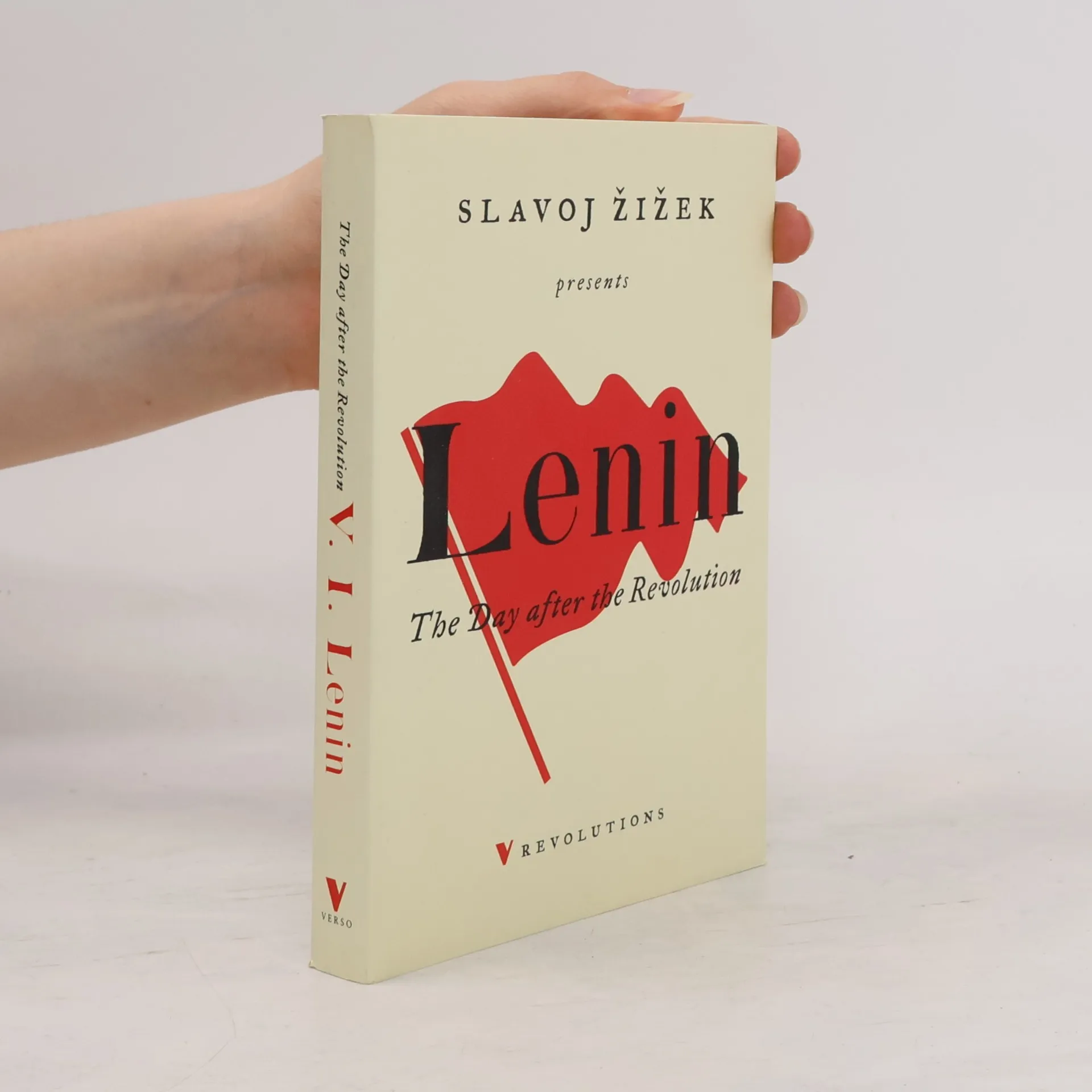
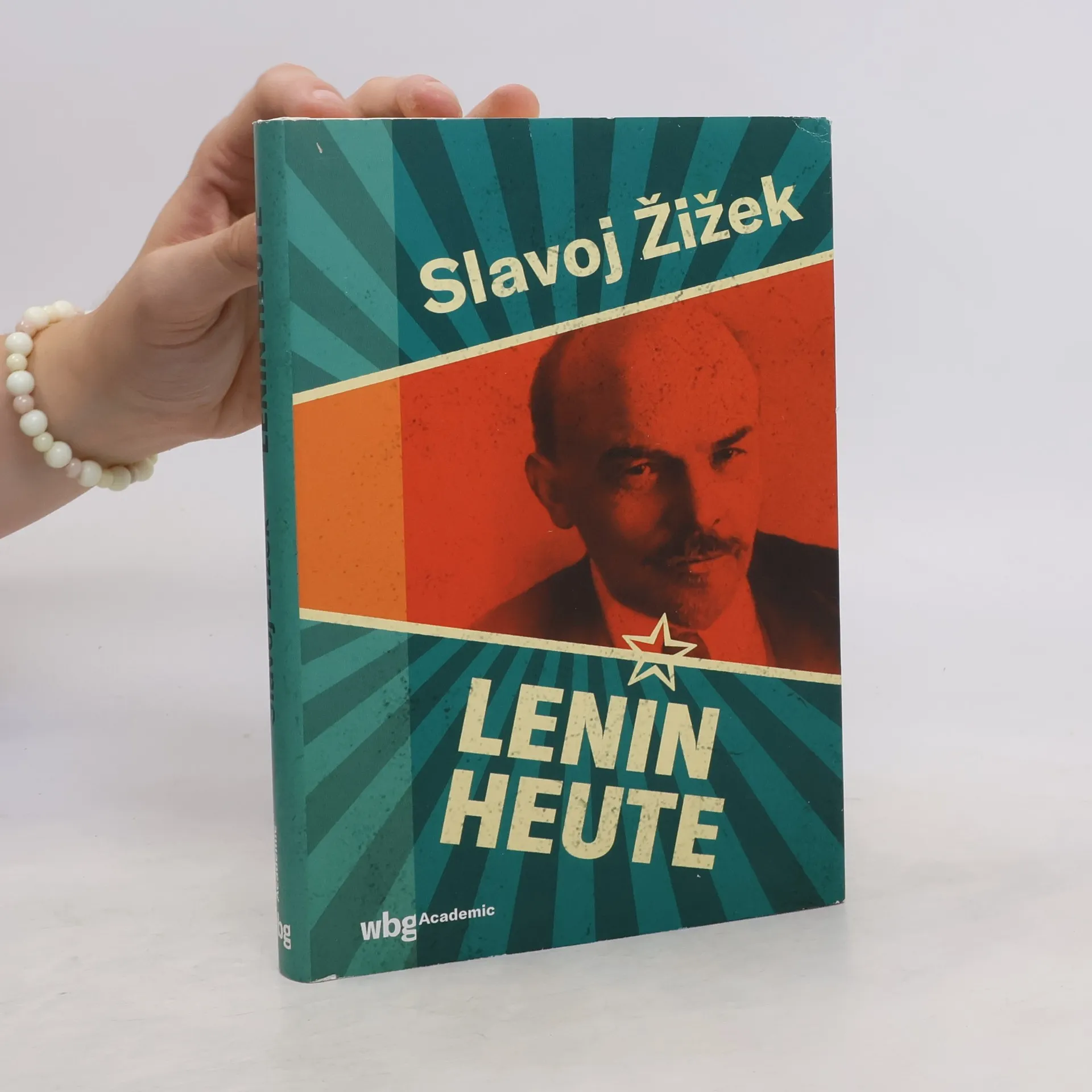
One hundred years after the Russian Revolution, Žižek shows why Lenin’s thought is still important today V. I. Lenin’s originality and importance as a revolutionary leader is most often associated with the seizure of power in 1917. But, in this new study and collection of Lenin’s original texts, Slavoj Žižek argues that his true greatness can be better grasped in the last two years of his political life. Russia had survived foreign invasion, embargo and a terrifying civil war, as well as internal revolts such as the one at Kronstadt in 1921. But the new state was exhausted, isolated and disorientated. As the anticipated world revolution receded into the distance, new paths had to be charted if the Soviet state was to survive. With his characteristic brio and provocative insight, Žižek suggests that Lenin’s courage as a thinker can be found in his willingness to face this reality of retreat unflinchingly. In today’s world, characterized by political turbulence, economic crises and geopolitical tensions, we should revisit Lenin’s combination of sober lucidity and revolutionary determination.
Im Spätwerk Lenins verdichten sich Dringlichkeit und revolutionäre Schlagkraft in besonderer Weise. Dennoch stehen meist seine frühen Schriften im Rampenlicht. Der Philosoph und ausgezeichnete Lenin-Kenner Slavoj Žižek zeigt nun anhand ausgewählter Briefe, Reden und Notizen eine neue Seite des sowjetischen Regierungschefs, fernab von Personenkult und Verklärung. Anfang der Zwanzigerjahre, inmitten der letzten Wellen des russischen Bürgerkriegs, sah sich Lenin mit der größten politischen Herausforderung seines Lebens konfrontiert. Die junge Sowjetunion war nach außen wie nach innen schwach, isoliert und zerrüttet - eine neue, gemäßigte Politik musste her. In seiner scharfsichtigen, präzisen und unterhaltsamen Interpretation zieht Žižek eine Verbindung von den turbulenten Zeiten des jungen Staates bis zu gegenwärtigen ökonomischen Krisen. Angetrieben wird er von der Frage, was wir für unsere Situation von Lenin lernen können.
2. slovenské vydanie. Obsahuje: konspekty a fragmenty / poznámky o knihách, článkoch a recenziách / glosy a podčiarkovanie v knihách / cca 170 strán poznámok a registrov / niekoľko rozkladacích príloh.
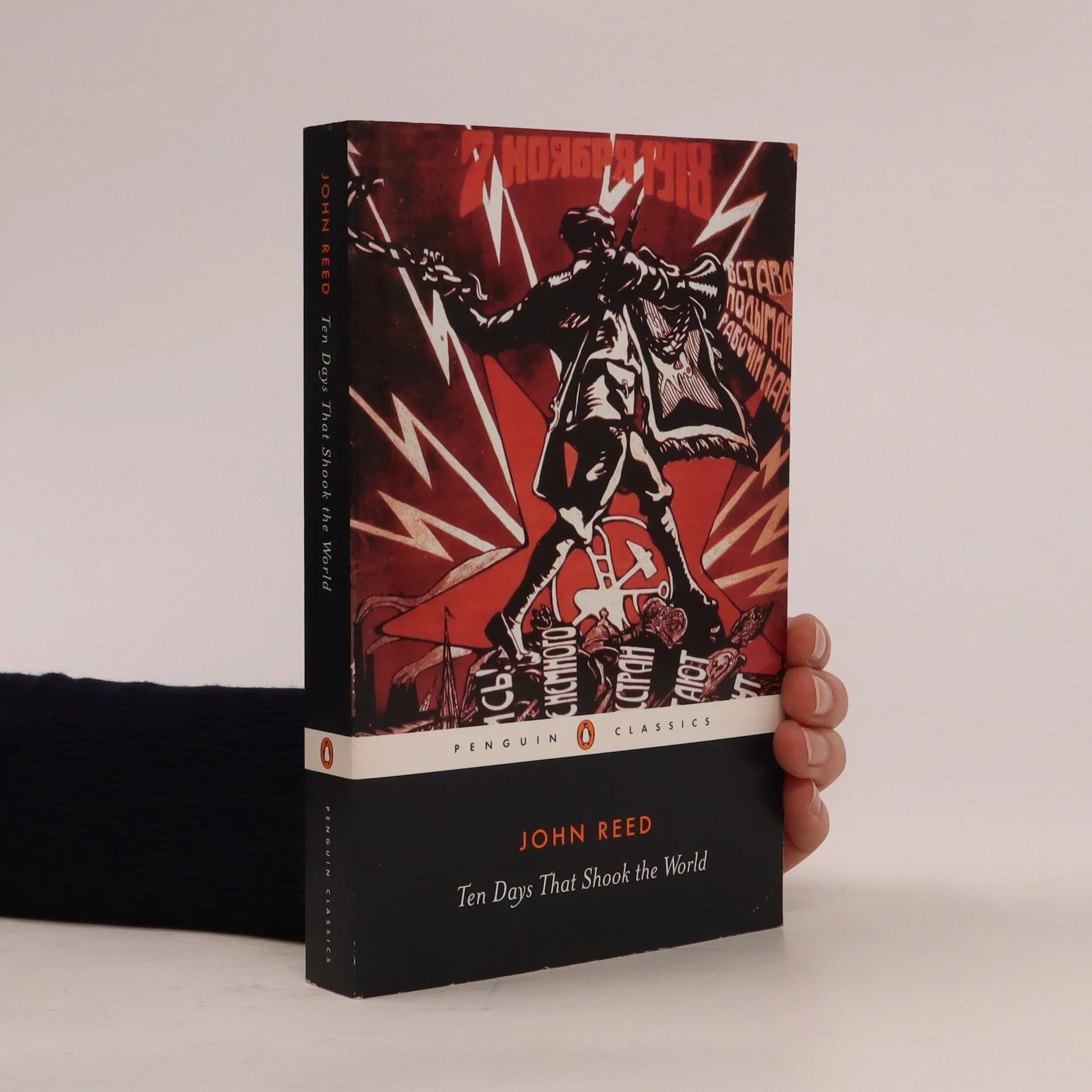
Ten Days That Shook the World is John Reed's eyewitness account of the Russian Revolution. A contemporary journalist writing in the first flush of revolutionary enthusiasm, he gives a gripping record of the events in Petrograd in November 1917, when Lenin and the Bolsheviks finally seized power. Containing verbatim reports both of speeches by leaders and the chance comments of bystanders, set against an idealized backcloth of the proletariat, soldiers, sailors, and peasants uniting to throw off oppression, Reed's account is the product of passionate involvement and remains an unsurpassed classic of reporting.