



Maggiori informazioni sul libro
Netochka Nezvanova--a 'Nameless Nobody'--tells the story of a childhood dominated by her stepfather, Efimov, a failed musician who believes he is a neglected genius. The young girl is strangely drawn to this drunken ruin of a man, who exploits her & drives the family to poverty. But when she is rescued by an aristocratic family, the abuse against Netochka's delicate psyche continues in a more subtle way, condemning her to remain an outsider--a solitary spectator of a glittering society. Conceived as part of a novel on a grand scale, Netochka Nezvanova remained incomplete after Dostoyevsky was exiled to Siberia for 'revolutionary activities' in 1849. With its depiction of the suffering, loneliness, madness & sin that affect both rich & poor in St Petersburg, it contains the great themes that were to dominate his later novels.


Acquisto del libro
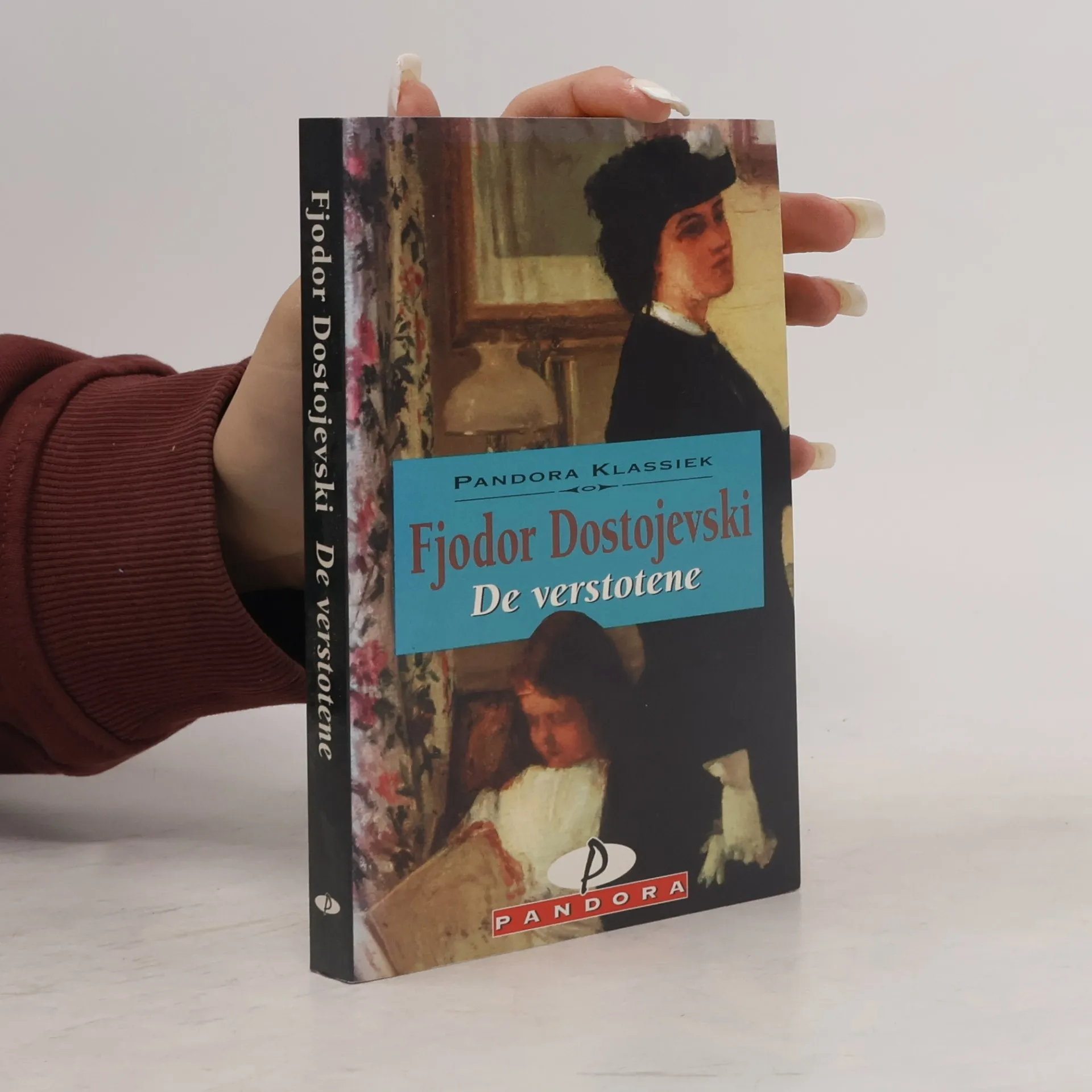
De verstotene, Fjodor Michajlovič Dostojevskij
- Lingua

- Pubblicato
- 1996
- Rilegatura
- (In brossura),
- Condizioni del libro
- In buone condizioni
- Prezzo
- 7,79 €
Metodi di pagamento
Qui potrebbe esserci la tua recensione.
- Titolo
- De verstotene
- Lingua
- Olandese
- Editore
- Atlas
- Pubblicato
- 1996
- Formato
- In brossura
- Pagine
- 150
- ISBN10
- 9025456448
- ISBN13
- 9789025456443
- Serie
- Prima pubblicazione
- 1849
- Titolo originale
- Nětočka Nězvanova
- Valutazione
- 3,85 su 5
- Descrizione
- Netochka Nezvanova--a 'Nameless Nobody'--tells the story of a childhood dominated by her stepfather, Efimov, a failed musician who believes he is a neglected genius. The young girl is strangely drawn to this drunken ruin of a man, who exploits her & drives the family to poverty. But when she is rescued by an aristocratic family, the abuse against Netochka's delicate psyche continues in a more subtle way, condemning her to remain an outsider--a solitary spectator of a glittering society. Conceived as part of a novel on a grand scale, Netochka Nezvanova remained incomplete after Dostoyevsky was exiled to Siberia for 'revolutionary activities' in 1849. With its depiction of the suffering, loneliness, madness & sin that affect both rich & poor in St Petersburg, it contains the great themes that were to dominate his later novels.