

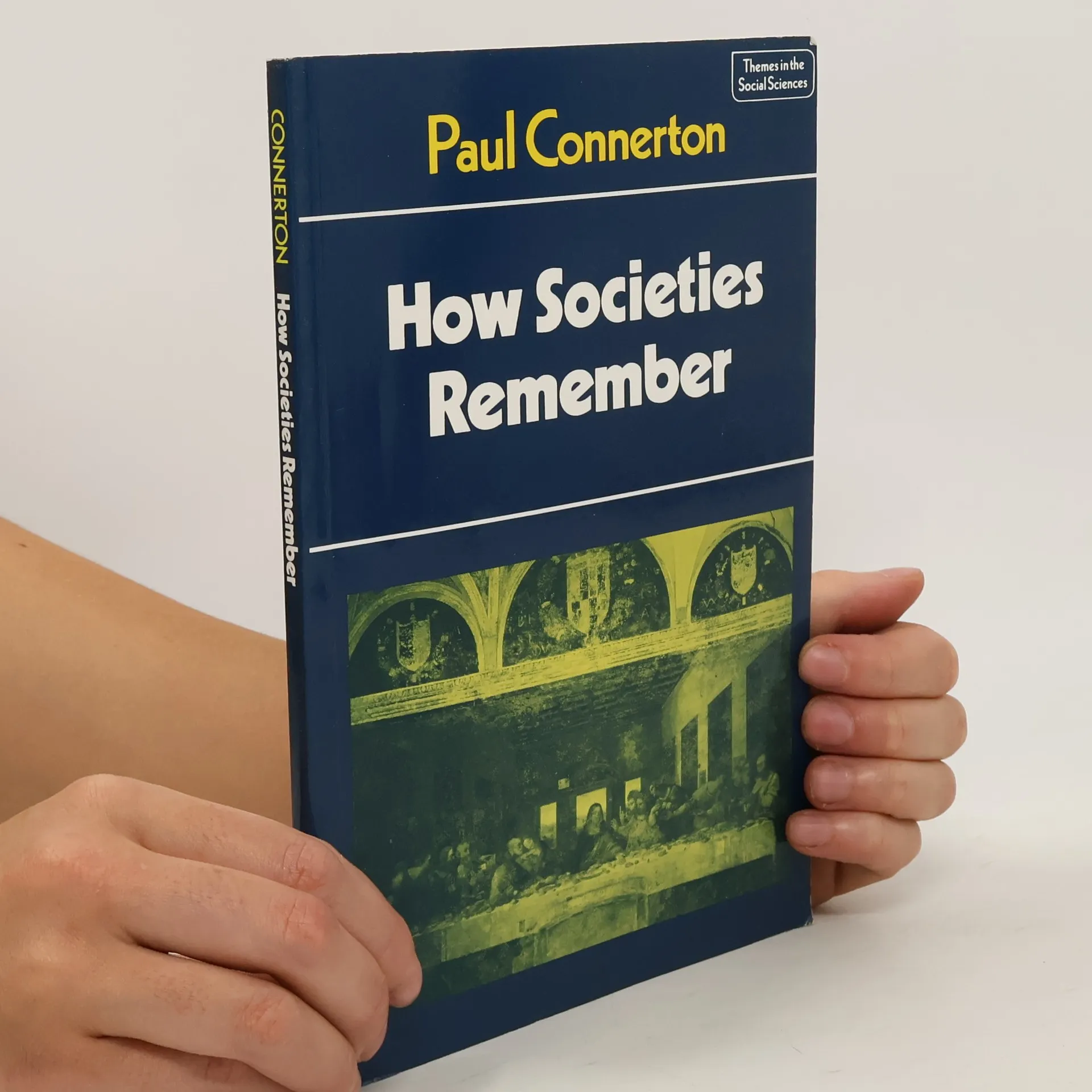
In treating memory as a cultural rather than an individual faculty, this book provides an account of how bodily practices are transmitted in, and as, traditions. Most studies of memory as a cultural faculty focus on written, or inscribed transmissions of memories. Paul Connerton, on the other hand, concentrates on bodily (or incorporated) practices, and so questions the currently dominant idea that literary texts may be taken as a metaphor for social practices generally. The author argues that images of the past and recollected knowledge of the past are conveyed and sustained by ritual performances and that performative memory is bodily. Bodily social memory is an essential aspect of social memory, but it is an aspect which has until now been badly neglected. An innovative study, this work should be of interest to researchers into social, political and anthropological thought as well as to graduate and undergraduate students.
Temi nelle Scienze Sociali Serie
Questa serie approfondisce il nucleo delle scienze sociali, esplorando temi interdisciplinari che trascendono i confini disciplinari convenzionali. Pubblica lavori sia teorici che empirici, facendo luce su diverse società in tutto il mondo. I libri sono progettati per arricchire studi avanzati universitari e post-laurea, promuovendo il pensiero critico su fenomeni sociali complessi. Aspettatevi discussioni illuminanti pertinenti per antropologi, sociologi e altri studiosi interessati a questioni sociali più ampie.

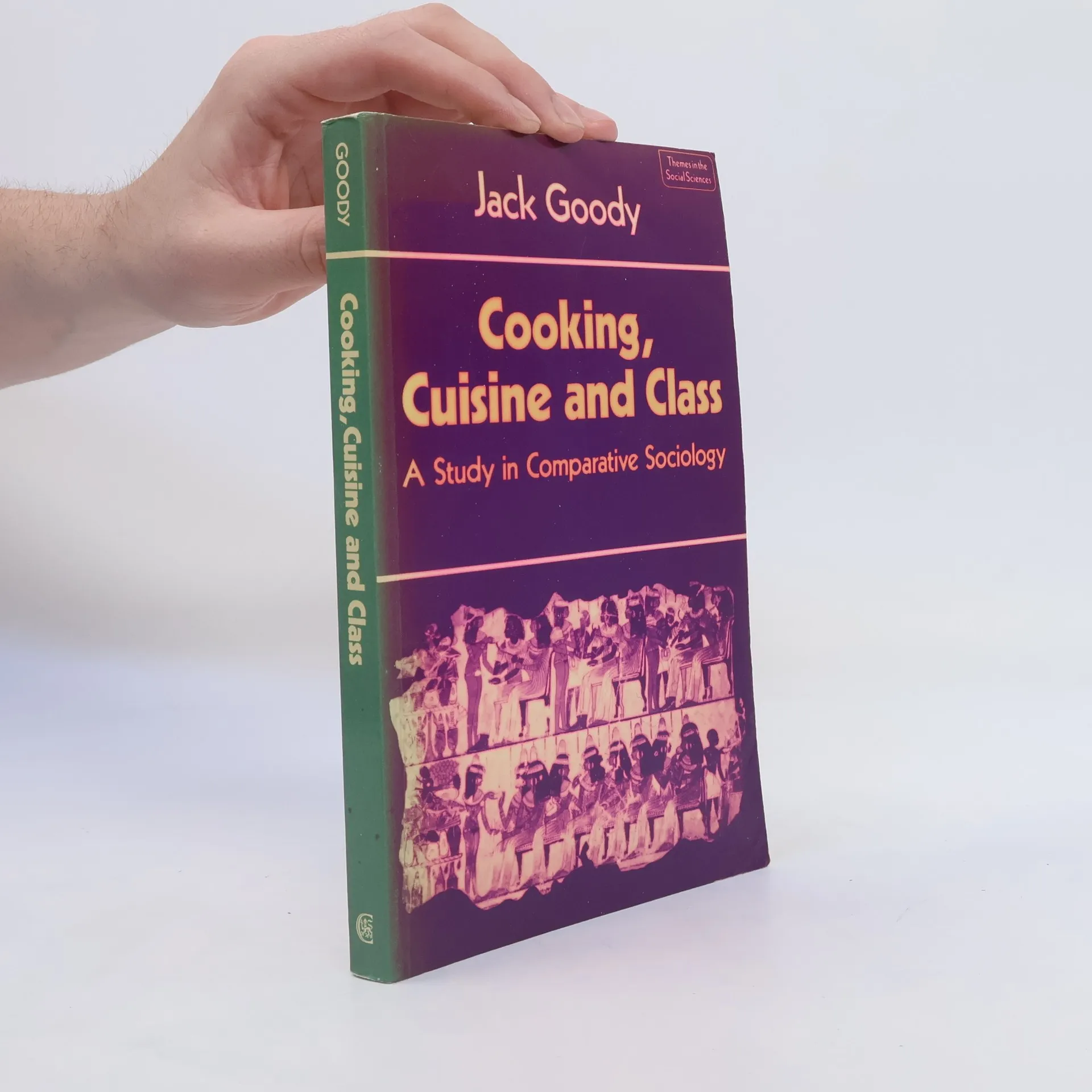

Edmund Leach's book investigates the writings of 'structuralists' and their theories in anthropology.
The preparation, serving and eating of food have been studied from a variety of theoretical and empirical perspectives. It is in this context that Jack Goody sets his own observations on cooking in West Africa, examining why a differentiated 'haute cuisine' has not emerged in Africa, as in other parts of the world.
The Principles of Representative Government
- 256pagine
- 9 ore di lettura
The book explores the historical roots of democratic institutions, tracing their origins back to aristocratic systems. It examines how these early forms of governance influenced the development of modern republics, highlighting the interplay between aristocracy and democracy. Through this analysis, the author sheds light on the complexities of democratic evolution and the foundational principles that continue to shape political systems today.