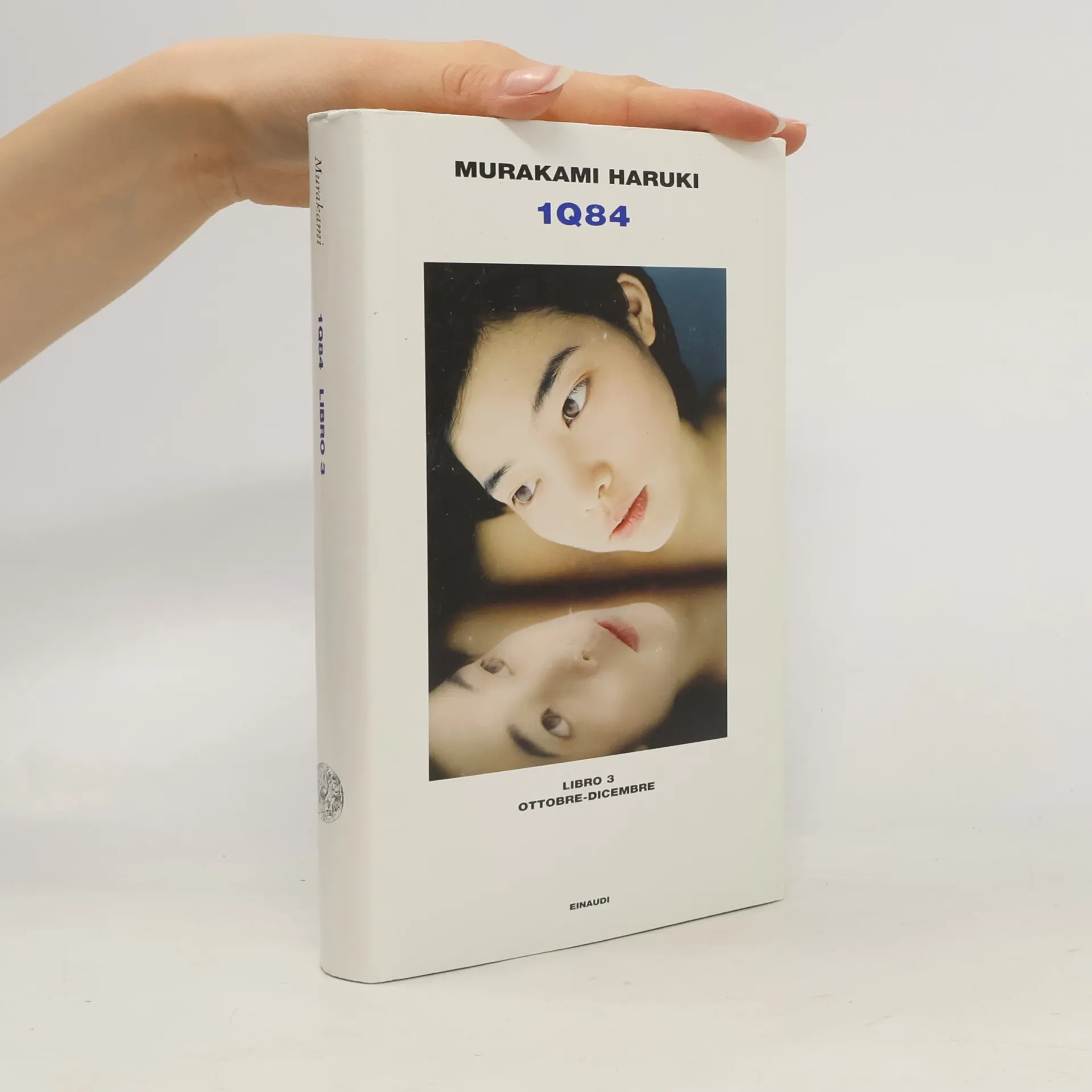
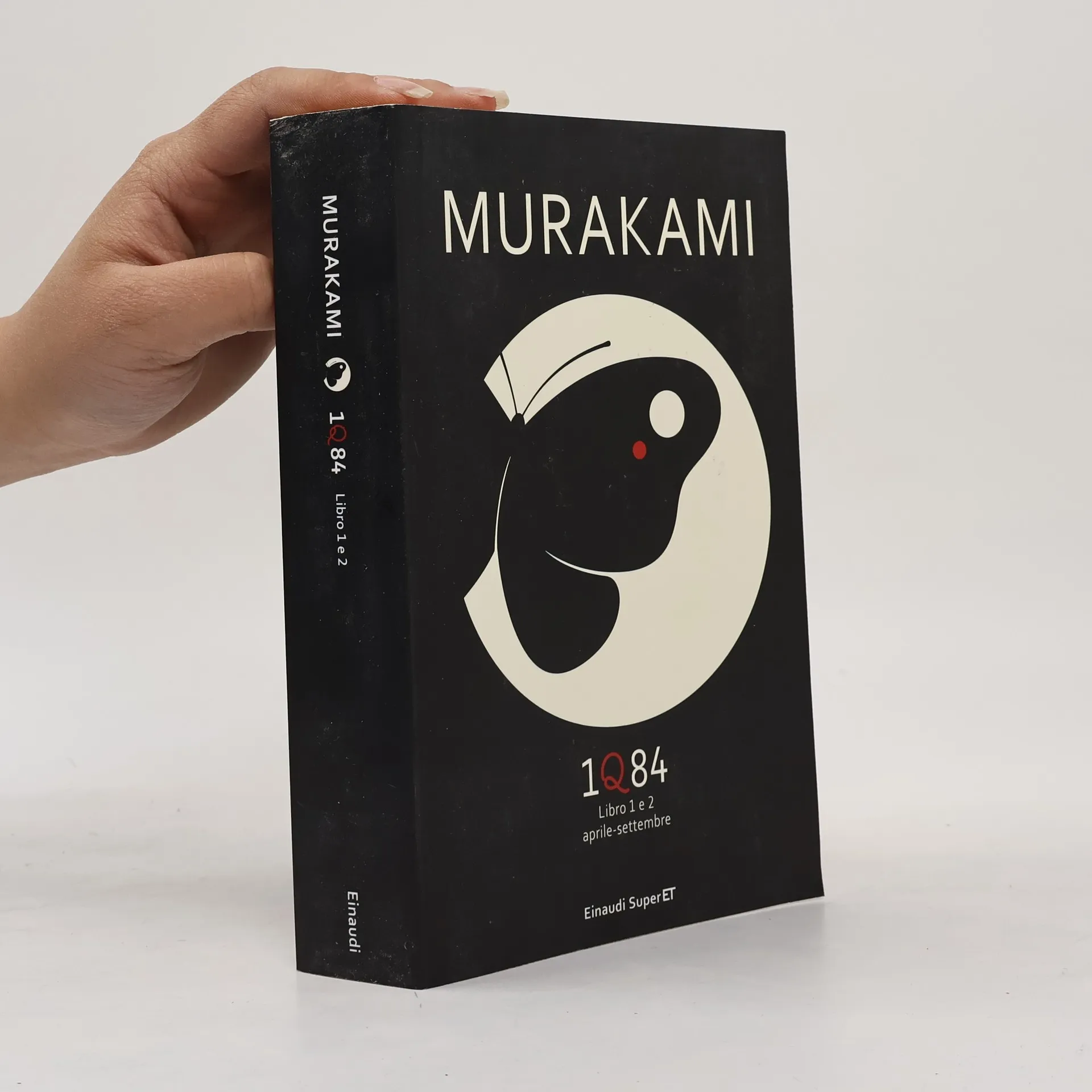
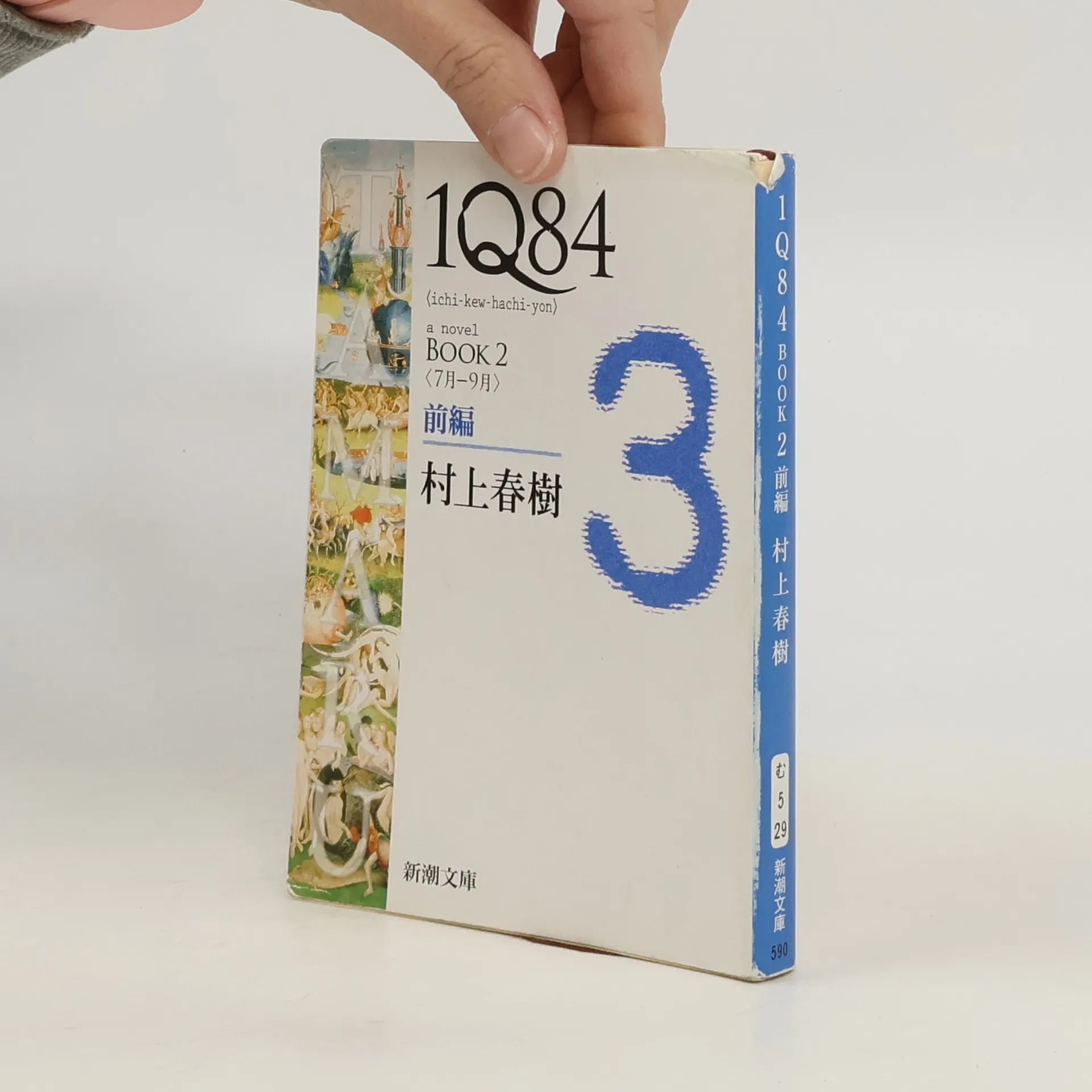
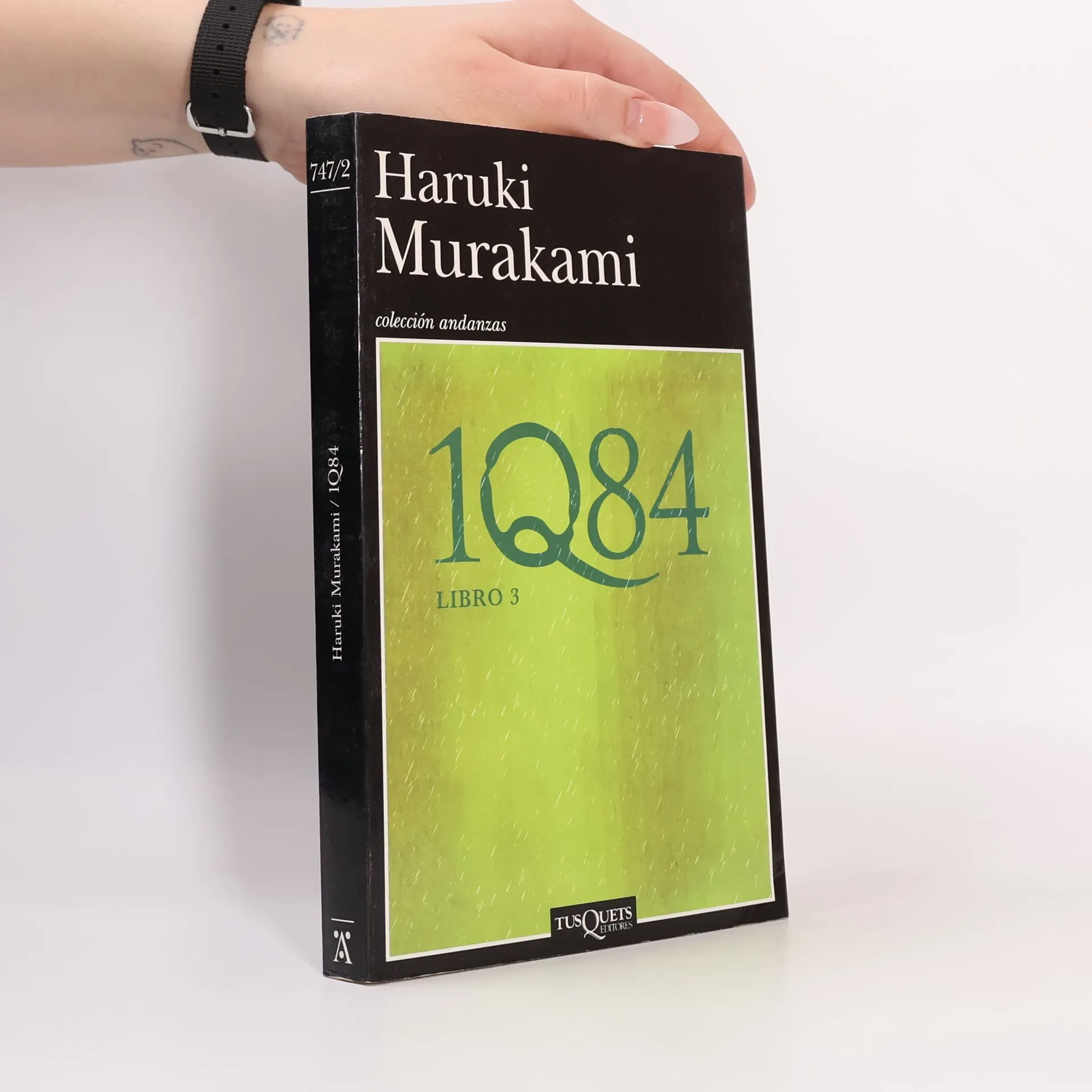
Tokyo, 1984. Aomame è un killer in minigonna e tacchi a spillo che vendica le donne che subiscono violenza. Tengo è un ghost writer alle prese con un libro inquietante come una profezia. Entrambi si giocano la vita in una storia che sembra destinata a farli incontrare. Ma quando Aomame, sollevando gli occhi al cielo, vede sorgere una seconda luna, capisce che non potranno condividere neppure la stessa realtà Mai come in 1Q84 Murakami ha esplorato le nostre ossessioni per dare vita a un mondo così personale, onirico e malinconico.
Haruki Murakami Libri
12 gennaio 1949

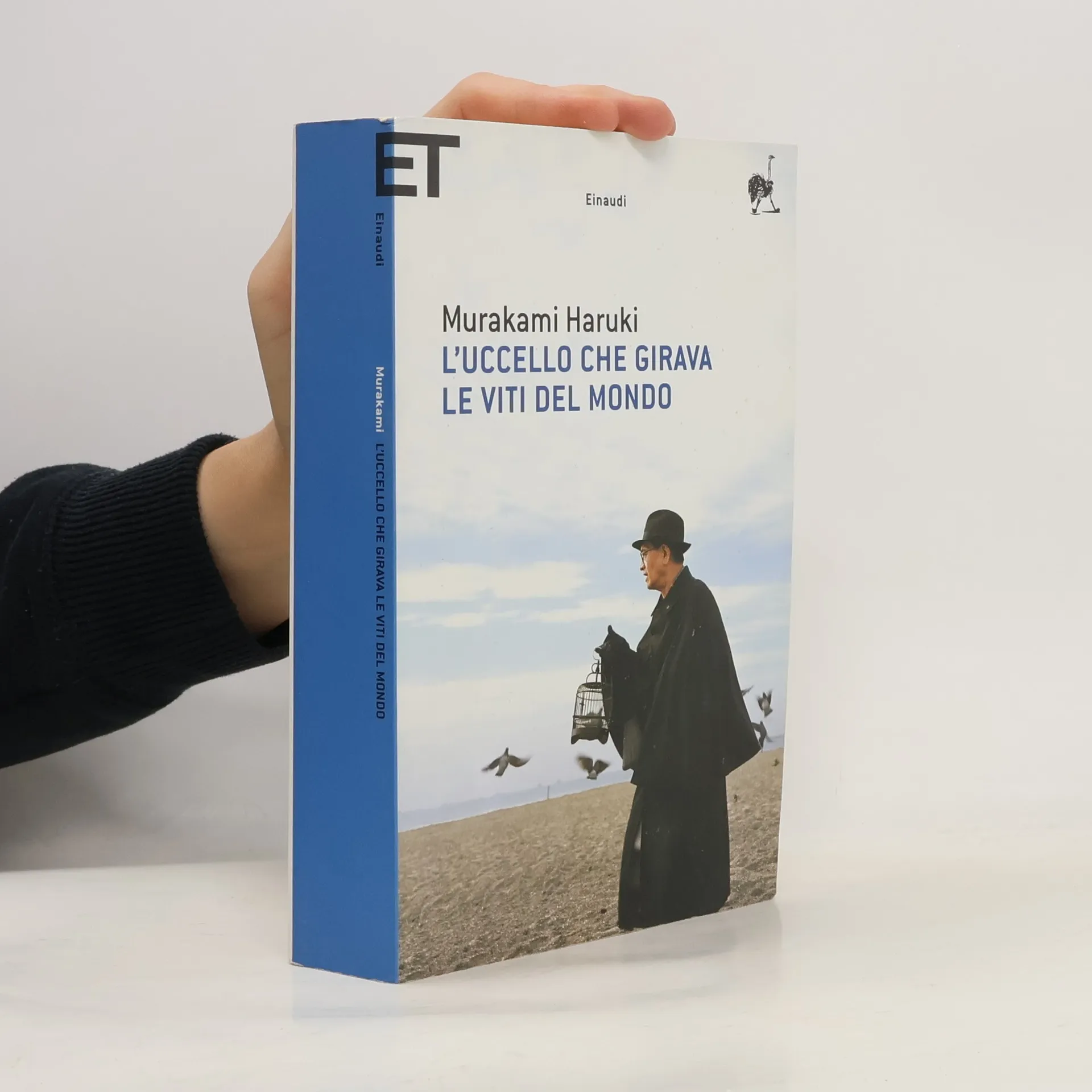

Super ET: L'uccello che girava le viti del mondo
- 960pagine
- 34 ore di lettura
Un gatto scomparso e la telefonata di una sconosciuta sono sufficienti a rovesciare la vita di un giovane disoccupato in un turbine di avventure. E lo spazio limitato del suo quotidiano diviene il teatro di una ricerca in cui sogni, ricordi e realtà si confondono.
In una piccola e spettrale città, che mura insormontabili separano dal resto del mondo, gli abitanti, privi di ombra e di sentimenti, vivono al riparo da qualunque emozione. Un nuovo arrivato ha il compito di leggere i vecchi sogni nel teschio degli unicorni, i soli animali del luogo, cogliendo frammenti di memorie e di un'altra vita o dimensione. Parallelamente, in una Tokyo futuribile e disumana, un uomo viene coinvolto da uno scienziato, geniale ma sconsiderato, in un esperimento a rischio della vita che lo porterà a calarsi nei sottosuoli della città, in lugubri voragini animate da creature mostruose e maligne, metafora delle paure che agitano le coscienze. Proprio nel buio fitto della mente si troverà la soluzione che lega i personaggi dei due mondi, in realtà l'uno il riflesso dell'altro. Sarà possibile lo scambio tra le due dimensioni? O il viaggio rimarrà senza ritorno?
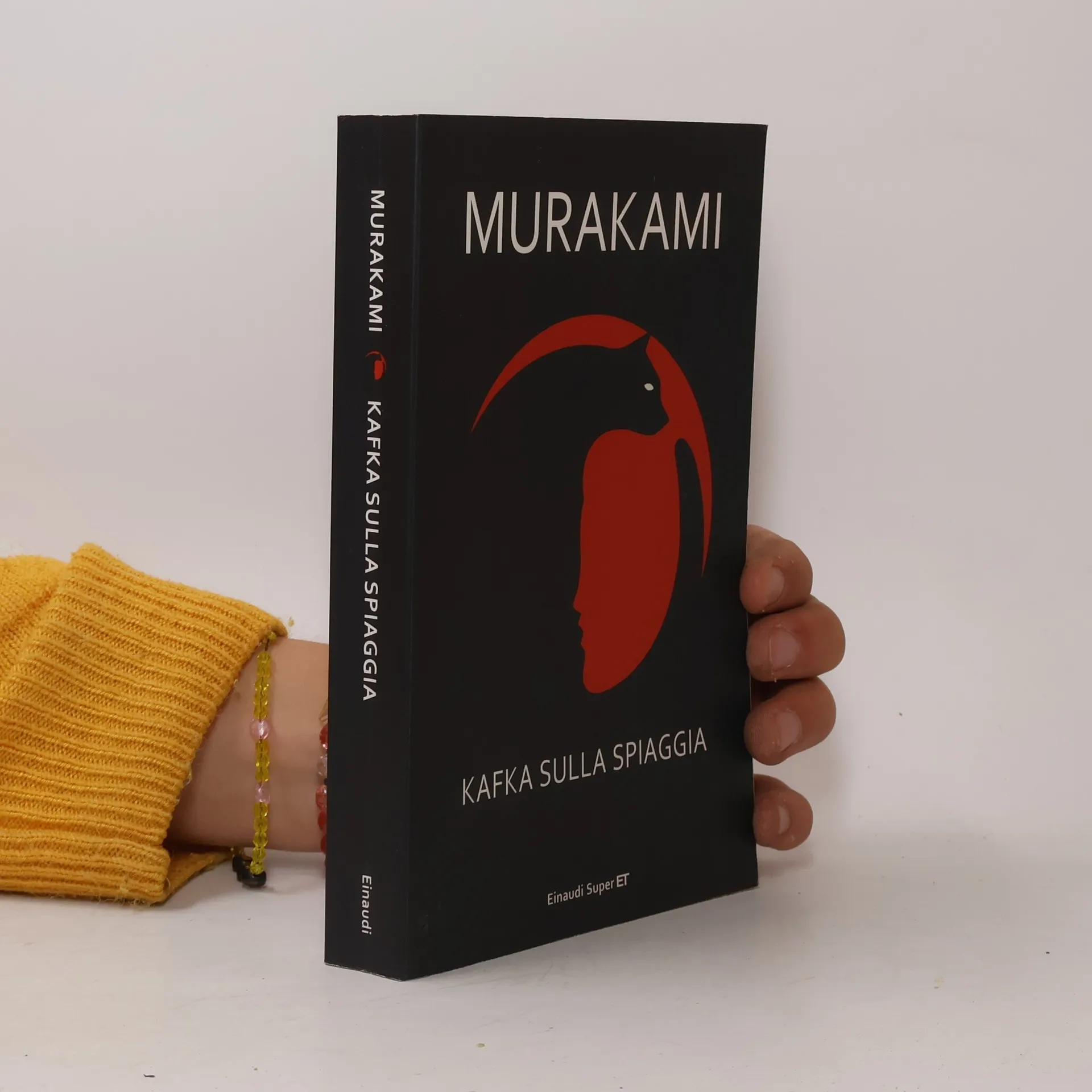
Einaudi Super ET: Kafka sulla spiaggia
- 514pagine
- 18 ore di lettura
Un ragazzo di quindici anni, maturo e determinato, e un vecchio con l'ingenuità di un bambino si allontanano da Tokyo diretti a Taka-matsu, nel Sud del Giappone. Il ragazzo, che si fa chiamare Kafka, fugge dal padre, uno scultore geniale e satanico, e dalla sua profezia simile a quella di Edipo. Il vecchio, Nakata, scappa invece da un delitto sconvolgente in cui è stato coinvolto contro la sua volontà. Abbandonando la sua vita tranquilla e le conversazioni con i gatti, dei quali comprende la lingua, Nakata parte per il Sud. Durante il viaggio, scopre di avere un compito da svolgere, anche a costo della propria vita. I due protagonisti seguono percorsi paralleli che si sovrapporranno, avanzando nella nebbia dell'incomprensibile e affrontando numerosi ostacoli, ognuno ignaro del proprio destino. Diverse figure affiancano i protagonisti: Hoshino, un giovane camionista simpatico; l'affascinante signora Saeki, legata a un passato lontano; Òshima, l'androgino custode di una biblioteca; una prostituta che cita Hegel; e i gatti, che spesso rubano la scena. Infine, Kafka è descritto come "uno spirito solitario che vaga lungo la riva dell'assurdo".
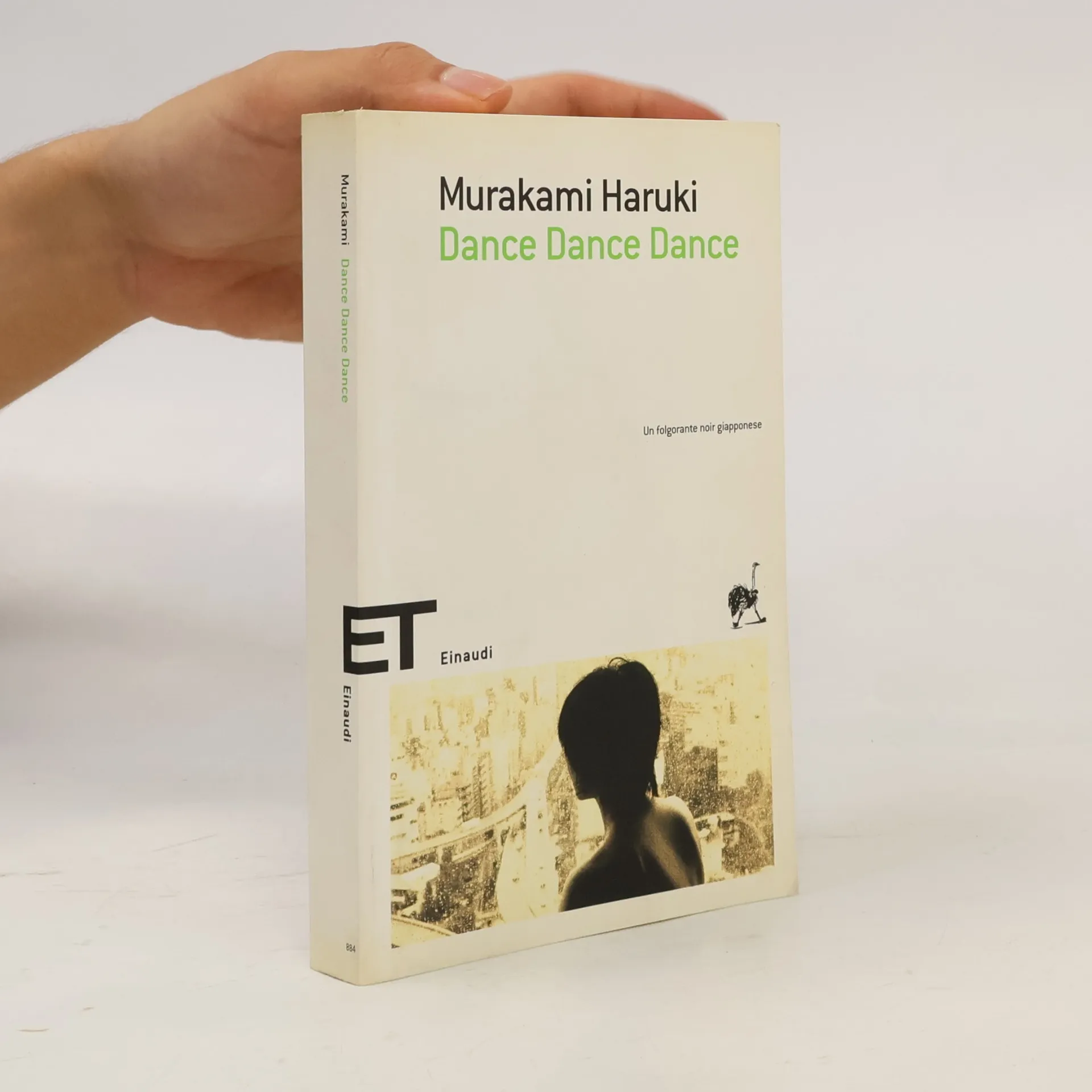
Einaudi tascabili. Scrittori: Dance Dance Dance
- 500pagine
- 18 ore di lettura
È un giorno di marzo, al Dolphin Hotel di Sapporo, a.d. 1983. Alla radio suonano gli Human League. E poi Fleetwood Mac, Abba, Bee Gees ecc. Uno strano mondo, questo, dove tutto - o quasi - si può comprare. C'è un giornalista free lance che ha perso molte cose nella vita e ogni volta una parte di sé. Cammina controvento senza perdere lo slancio: forse, per mantenere la rotta, non gli interessa che lasciarsi andare alla deriva. C'è una ragazzina di tredici anni seduta da sola in bar. Ci sono una receptionist troppo nervosa, un attore dal fascino irresistibile, un poeta con un braccio solo; e un salotto a Honolulu dove sei scheletri guardano la TV. Esiste un collegamento fra queste cose, un senso anche per chi ha perso l'orientamento, basta continuare a danzare
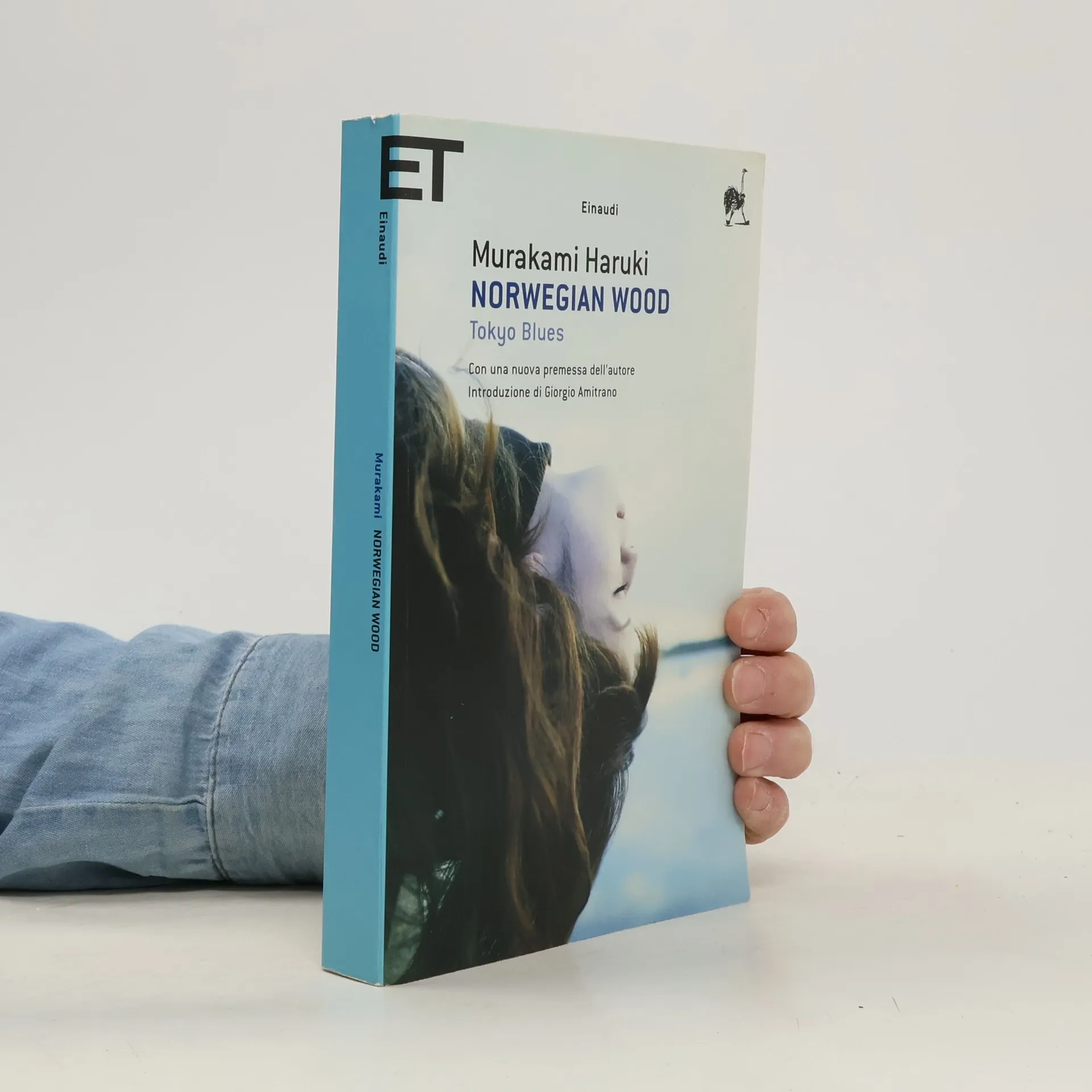
Norwegian Wood
Tokyo Blues
Per le strade di Tokyo, affollato crocevia di solitudini, Toru e Naoko, due ragazzi non ancora ventenni, camminano insieme in silenzio. Non sanno cosa dirsi, o forse hanno paura, parlando, di sfiorare il segreto che li tiene sospesi in mezzo alla folla: il ricordo di una sconvolgente tragedia che qualche anno prima li ha legati e divisi per sempre. Una struggente storia d’amore ambientata nel clima inquieto del Sessantotto giapponese, tra lotte studentesche e passioni culturali e politiche. Scandito da una colonna sonora d’eccezione, dai Beatles ai Doors, da Bill Evans a Miles Davis, il libro è il racconto di un’adolescenza che già sfuma nel mito.
1Q84. Libri 1, 2 e 3
- 3volumi
Tokyo, 1984. Aomame è spietata e fragile. È un killer che in minigonna e tacchi a spillo, con una tecnica micidiale e invisibile, vendica tutte le donne che subiscono una violenza. Tengo è un ghost writer che deve riscrivere un libro inquietante, pericoloso come una profezia. Persi sotto un cielo ostile in cui brillano due lune, entrambi si giocano la vita in una storia che sembra destinata a farli incontrare. Mai come in 1Q84 Murakami ha esplorato i nostri incubi per dare vita a un mondo così personale, onirico e malinconico, in cui nessuna realtà parallela ripaga per la nostalgia di un'amicizia d'infanzia, per un amore mancato.
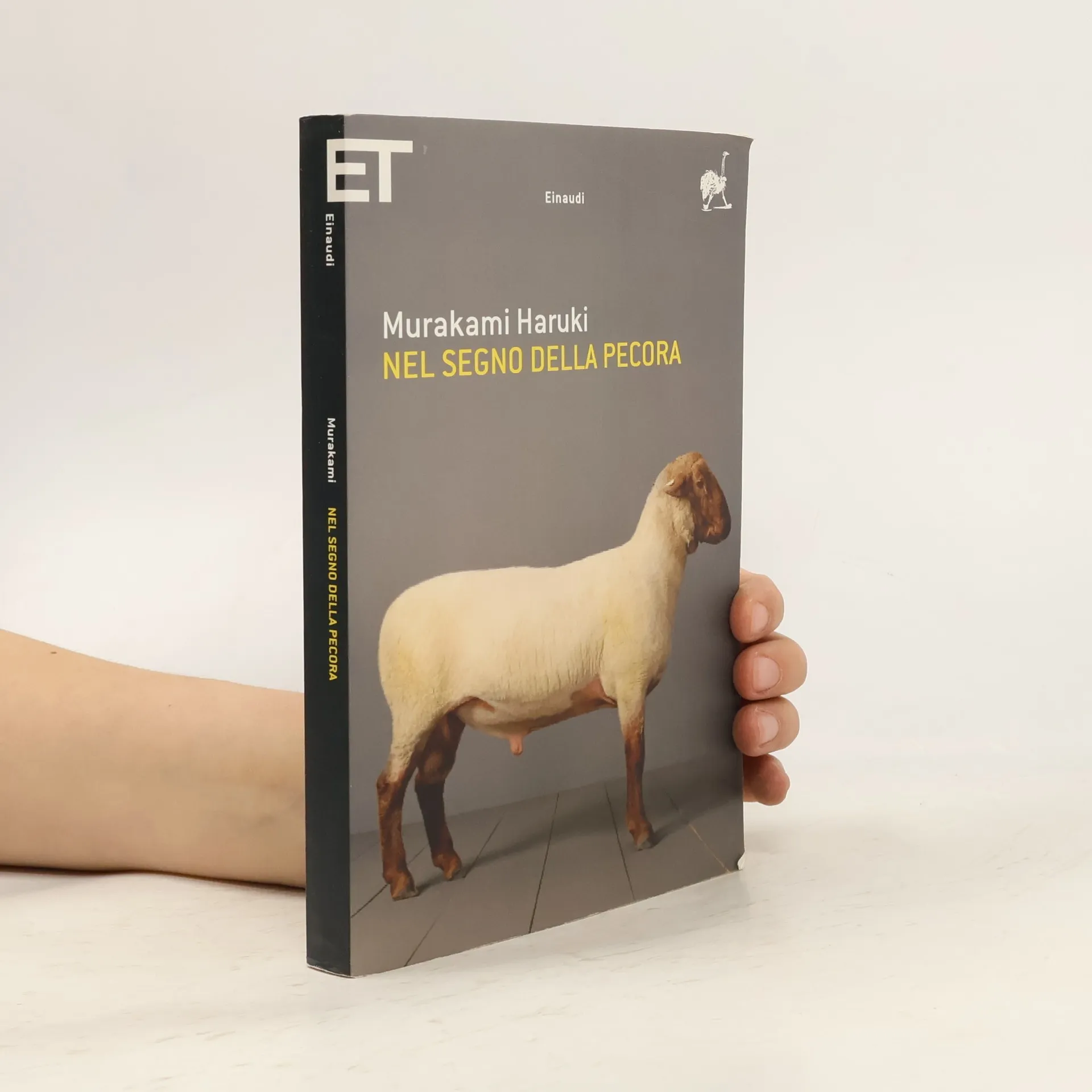
ET: Nel segno della pecora
- 315pagine
- 12 ore di lettura
Un giovane agente pubblicitario, abbandonato dalla moglie che lo trova «noioso», vede sconvolta la sua rassicurante monotonia da un compito bizzarro e quasi impossibile che gli viene affidato da un losco individuo: deve ritrovare una pecora. Ha poco tempo e non può rifiutare. Unico indizio: la pecora ha una macchia a forma di stella sulla schiena. Inizia cosí un'avventura lungo un Giappone fiabesco, grottesco e surreale, accompagnato da una ragazza con le orecchie bellissime e dotata di poteri sovrannaturali. Nel segno della pecora è il romanzo che definisce la poetica di Murakami: uno scenario onirico in cui il quotidiano diventa surreale, scandito da una playlist di capolavori della musica, alla ricerca di un ovino ma in realtà di un senso della vita. C'è un posto per la pecora di Murakami in una ipotetica «arca letteraria», insieme allo scarafaggio di Kafka, i maiali di Orwell, l'elefante di Saramago e Moby Dick.
Aomame e Tengo sono da mesi persi sotto un cielo ostile in cui brillano due lune, separati eppure uniti da qualcosa di invisibile, come solo il destino può essere. Minacciati dalla setta Sakigake e da forze ancora piú sinistre, braccati dall'investigatore Ushikawa, tanto geniale quanto pericoloso, sono ormai alla fine del viaggio. La storia di un amore che deve superare ostacoli, risolvere enigmi, attraversare universi, per dare un senso alla realtà.
Non sarai solo per sempre. Hajime ha dodici anni quando lo intuisce per la prima volta. Fino ad allora aveva vissuto in un universo abitato solo da lui: figlio unico quando, nel Giappone degli anni Cinquanta, era rarissimo non avere fratelli o sorelle, aveva fatto della propria eccezionalità una fortezza in cui nascondersi, un modo per zittire quella sensazione costante di non essere mai lí dove si vorrebbe veramente. Invece un giorno scopre che la solitudine è solo un'abitudine, non un destino: lo capisce quando stringe la mano di Shimamoto, una compagna di classe sola quanto lui. È in quell'istante che scopre che la somma di due solitudini, a volte, dà l'inatteso risultato di un amore piú forte del tempo. Una storia di raffinata delicatezza, malinconica e romantica, uno dei romanzi più celebrati di Murakami, un distillato purissimo della sua poesia.
La campanella sconosciuta non risuona piú nel cuore della notte, ma non per questo sono diminuiti i misteri intorno alla casa nel bosco che fu di Amada Tomohiko, autore dell'enigmatico quadro al centro di questa storia. Tutte le domande, gli eventi inspiegabili, le apparizioni che hanno animato il primo volume dell' Assassinio del Commendatore trovano qui la piú imprevedibile delle soluzioni. Ed è solo quando il lettore arriva a questo punto che il capolavoro di Murakami Haruki inizia a svelare il suo cuore piú autentico: un racconto indimenticabile sui mostri che ci divorano dall'interno, sulle paure che ci sbranano nella notte dell'anima; e su come, quei mostri, possiamo vincerli: prendendoci cura di chi arriverà dopo di noi.
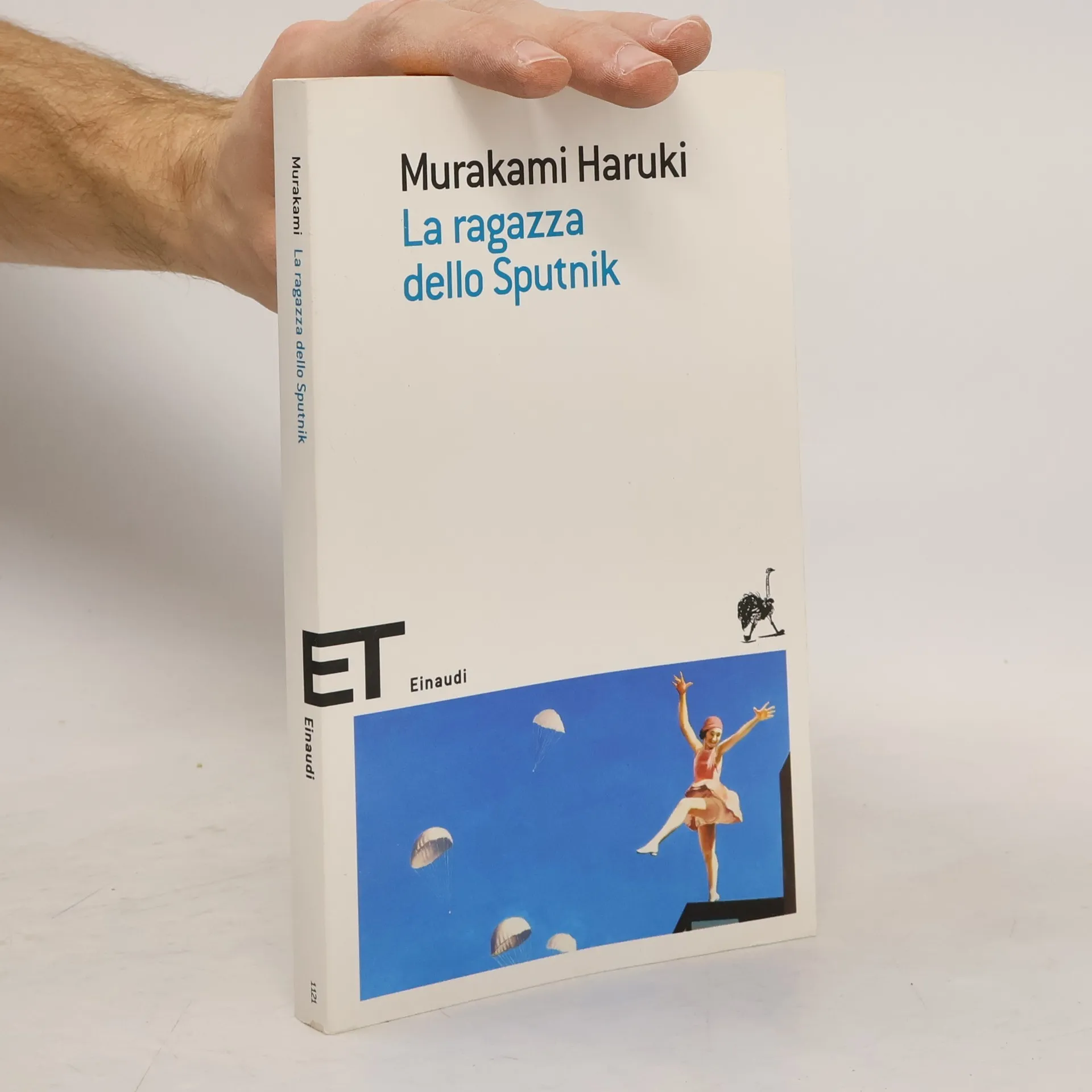
La ragazza dello Sputnik
- 236pagine
- 9 ore di lettura
La storia ce la racconta un giovane senza nome, prima studente, poi maestro elementare. È innamorato di una sua coetanea, Sumire, una ragazza con il mito di Kerouac e della generazione beat. Sumire però non lo ricambia: lo accetta come amico e confidente, ma niente sesso. Lei è invece innamorata di un'altra donna: Myu, una bellissima imprenditrice quarantenne di origine coreana. Solo che anche Myu, pur attratta da Sumire, non vuole concretizzare in amore il loro sentimento. Non vuole o non può: c'è qualcosa di misterioso nel suo passato che le impedisce di amare, che la separa dal mondo. E così i destini dei tre protagonisti si inseguono senza mai congiungersi, vagano nello spazio e nel tempo come un satellite alla deriva.
Nelle sue narrazioni, Haruki Murakami svela la sua magia: due adolescenti innamorati osservano un canguro allo zoo e scoprono in esso una parte di se stessi. Un uomo, mentre si dirige a un colloquio di lavoro, discute con un portiere riguardo a una password. Un disabile in sedia a rotelle coinvolge un turista in una disturbante conversazione su coltelli e la meccanica segreta delle famiglie. Un custode notturno, dopo un incontro con uno spirito, sviluppa una fobia per gli specchi. Le storie di Murakami sono piene di meraviglie e assurdità che rimangono a lungo nella memoria. Tra narratori, traditori e gatti mangiauomini si aprono mondi nascosti. Il vincitore del Premio Kafka del 2006 trae da dettagli apparentemente insignificanti – cioccolatini fusi, un animale dello zoo, una parola tormentone – spunti per esplorare universi strani ma familiari. Chi legge le sue storie si immerge in sogni enigmatici e malinconici, da cui si risveglia trasformato. Questo volume contiene racconti come "Blinde Weide, schlafende Frau", "Birthday Girl", "Das New Yorker Grubenunglück", "Der Spiegel", "Känguruwetter" e molti altri.
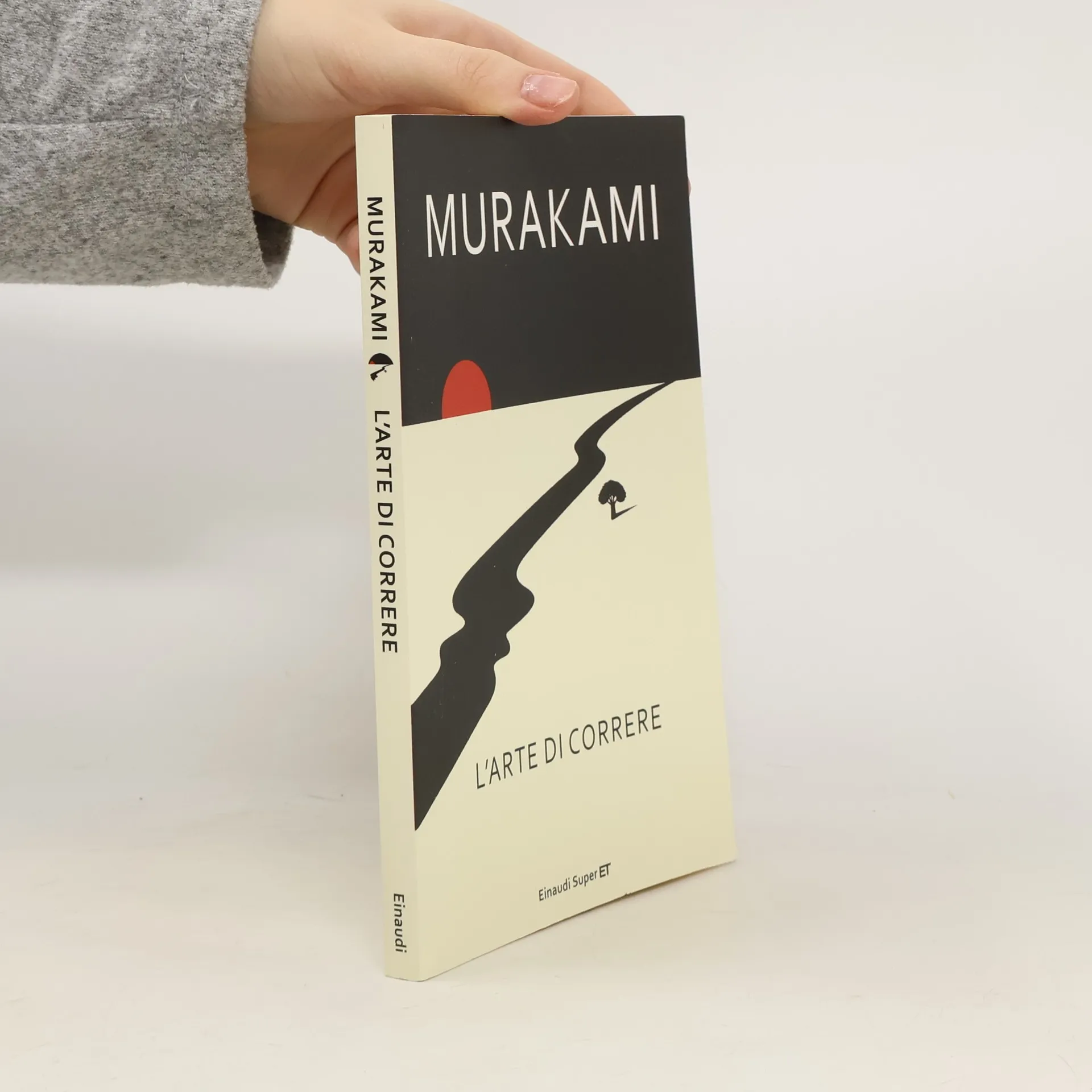
L'arte di correre
- 146pagine
- 6 ore di lettura
Una riflessione sul talento, sulla creatività e più in generale sulla condizione umana; l'autoritratto di uno scrittore-maratoneta, di un uomo di straordinaria determinazione, di profonda consapevolezza - dei propri limiti come delle proprie capacità -, di maniacale disciplina nel sottoporre il proprio fisico al duro esercizio della corsa; e non da ultimo la sorpresa di scoprire che un autore celebrato per la potenza della sua fantasia sia in realtà una natura estremamente metodica, ordinata, agli antipodi dello stereotipo dell'artista tutto «genio e sregolatezza».
Davanti nám leži la città… Tra poco cambierà la data. È poco prima di mezzanotte. Un momento tra due giorni. Osserviamo la città come un enorme animale. Osserviamo Mari, seduta in un ristorante a leggere. Osserviamo sua sorella Eri, che dorme in un sonno infinito… La storia ambientata nel Tokyo contemporaneo si svolge, come suggerisce il titolo, dopo il tramonto, durante una sola notte. I capitoli sono scritti in uno stile da sceneggiatura cinematografica, con un preciso riferimento temporale per ciascuno. La trama è tipica dell'autore, alternando due storie parallele che si intrecciano. I protagonisti sono inusuali: non ci sono uomini benestanti né outsider, ma due sorelle e un narratore onnisciente in prima persona plurale. Mari, diciannovenne che parla cinese, viene contattata da una manager di un hotel a ore per aiutarla a risolvere il caso di una prostituta cinese brutalmente picchiata. Sua sorella, influenzata da forze misteriose, si trova in un sogno ambiguo e pericoloso. Durante la notte, prima dell'arrivo del mattino, le cose iniziano a muoversi e a cambiare. Qualcosa si trasforma nei protagonisti, qualcosa cambia in noi... Afterdark offre una storia avvincente, psicologicamente e poliziescamente con elementi fantastici e horror. Murakami sviluppa con discrezione e parsimonia le aspettative del lettore.
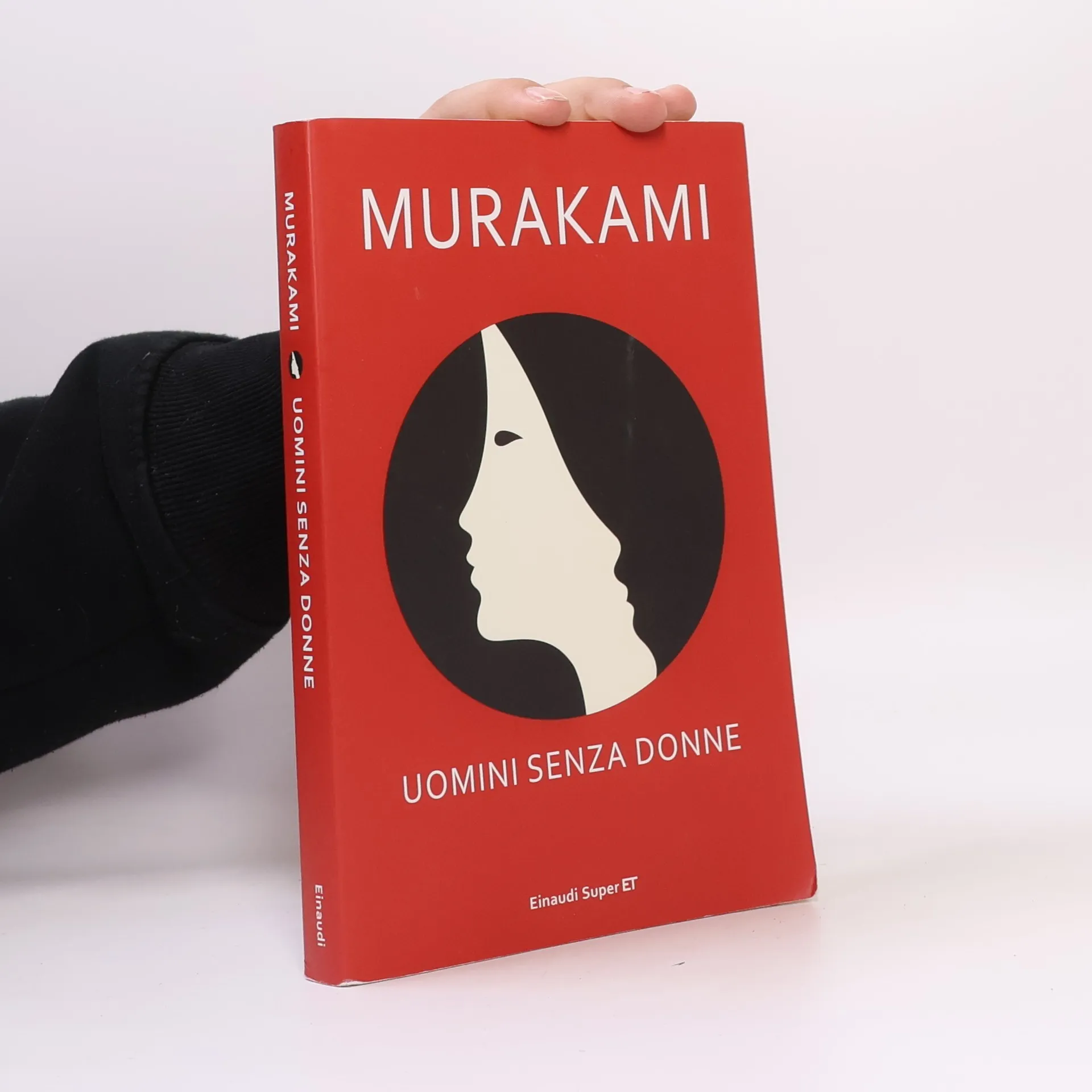
Super ET: Uomini senza donne
- 222pagine
- 8 ore di lettura
E se un demone dalle fattezze femminili facesse di tutto per venire a letto con noi? E se un marito decidesse di diventare amico dell'amante della moglie? E se Gregor Samsa si svegliasse una mattina trasformato in un essere umano? Che cosa strana l'amore degli uomini, e quali vie trova Murakami per arrivare dritto al cuore dei lettori, intrecciando a ogni pagina il fantastico che irrompe nel quotidiano con la nostalgia per ciò che non è stato. L'inafferrabile verità, sembra volerci dire, è che le donne «offrono un tempo speciale che annulla la realtà, pur restandovi immerse». Per questo gli uomini, senza di loro, si sentono persi. Sette storie d'amore e di mistero. Perché d'amore e mistero è fatta la vita, e nessuno sa raccontarla come Murakami Haruki.
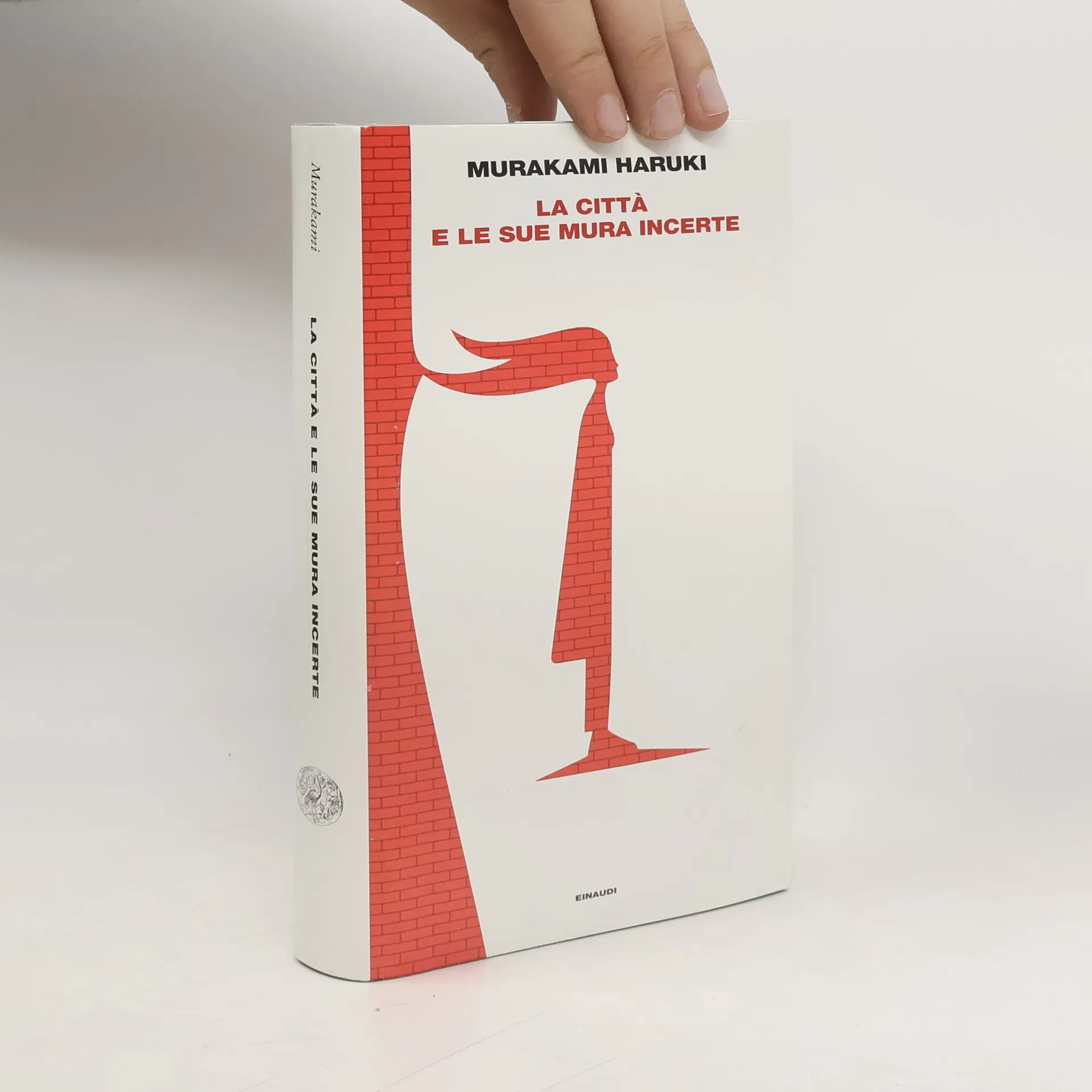
La città e le sue mura incerte
- 552pagine
- 20 ore di lettura
Dall'autrice di Norwegian Wood e Hard-Boiled Wonderland and the End of the World, arriva una toccante storia d'amore e di ricerca, che celebra i libri e le biblioteche che li ospitano. Quando la fidanzata di un giovane scompare misteriosamente, lui è distrutto e determinato a trovare la città immaginaria in cui crede che sia andata. Questa ricerca che dura una vita lo conduce verso la mezza età e un lavoro in una biblioteca remota, piena di propri misteri. Si muove tra il mondo reale e una città senza ombre, dove vagano unicorni e crescono salici. Lì, scopre la sua amata che lavora in una biblioteca da sogno, ma lei non ha memoria del loro passato insieme. Mentre le stagioni cambiano e l'uomo si confronta con le linee sfocate tra questi due mondi, deve affrontare ciò che è disposto a sacrificare. Questa narrazione funge da parabola per i nostri tempi, esplorando temi di amore, perdita e il potere trasformativo delle storie.
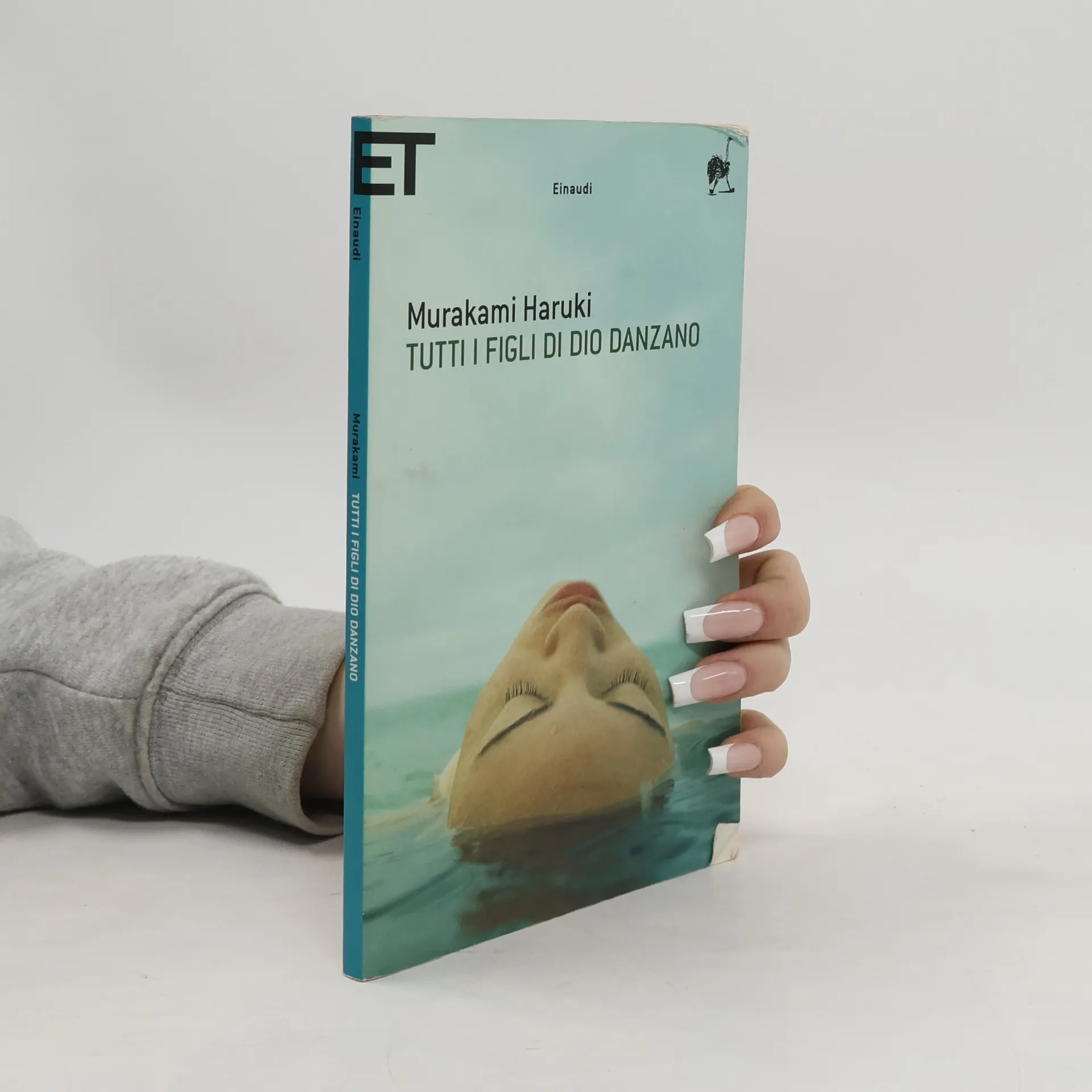
Super ET: Tutti i figli di Dio danzano
- 130pagine
- 5 ore di lettura
Sei incontri che possono cambiare il corso di un'esistenza, o che promettono una via d'uscita dal dolore, la cura di una ferita, la decifrazione di un mistero, o addirittura la salvezza di una città intera. Un uomo abbandonato dalla moglie parte per l'isola di Hokkaido per consegnare un pacchetto alla sorella di un collega. Cosa contiene il pacchetto? Forse il vuoto che sente dentro, quella "bolla d'aria" per cui la moglie lo ha lasciato. In una località di mare una ragazza stringe amicizia con un pittore la cui unica vera passione è accendere falò sulla spiaggia. Qual è la forma del fuoco? Quale il modo di ottenere un fuoco veramente libero?
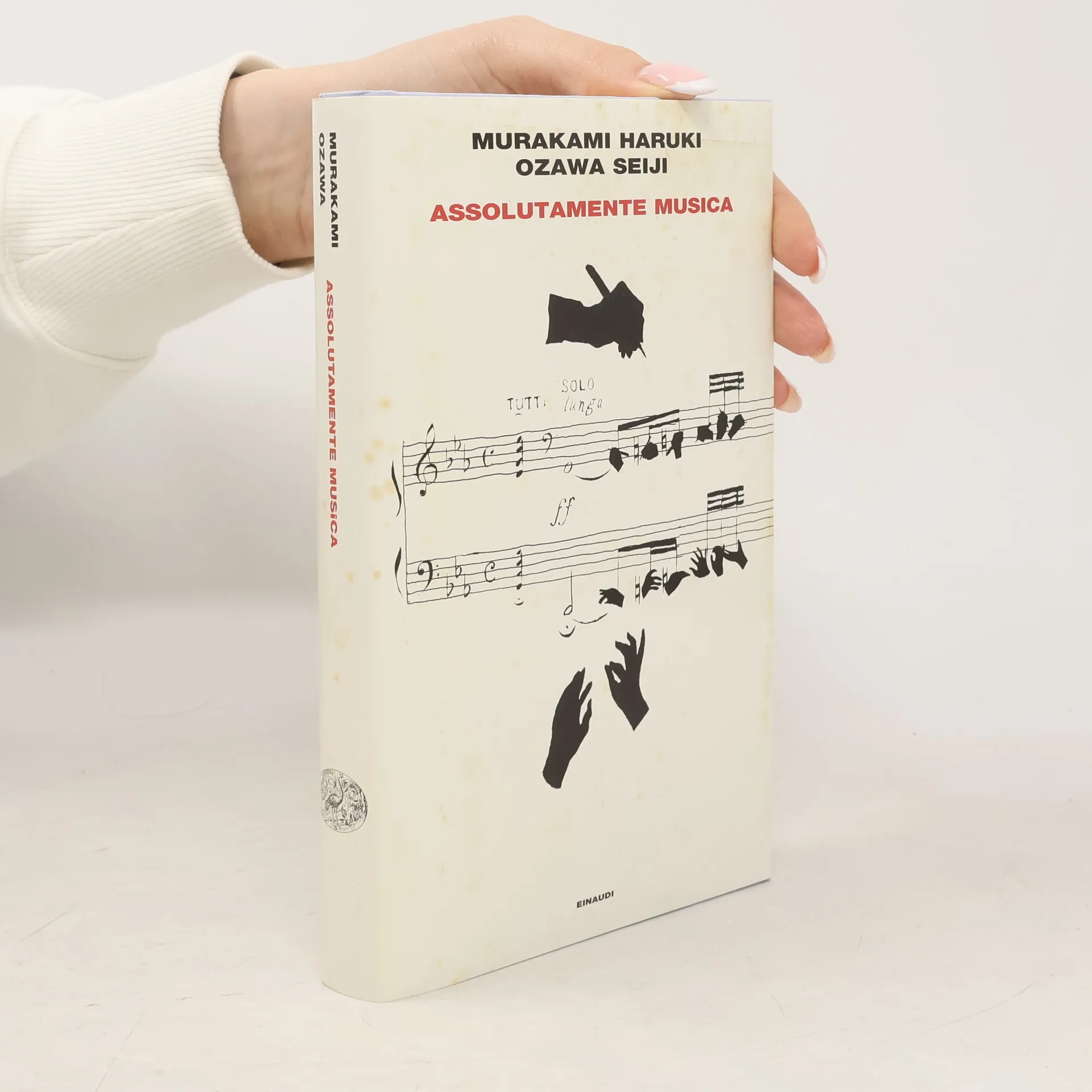
Assolutamente musica
- 312pagine
- 11 ore di lettura
A deeply personal, intimate conversation about music and writing between the internationally acclaimed, best-selling author and his close friend, the former conductor of the Boston Symphony Orchestra. Haruki Murakami's passion for music runs deep. Before turning his hand to writing, he ran a jazz club in Tokyo, and from The Beatles' Norwegian Wood to Franz Liszt's Years of Pilgrimage, the aesthetic and emotional power of music permeates every one of his much-loved books. Now, in Absolutely on Music, Murakami fulfills a personal dream, sitting down with his friend, acclaimed conductor Seiji Ozawa, to talk, over a period of two years, about their shared interest. Transcribed from lengthy conversations about the nature of music and writing, here they discuss everything from Brahms to Beethoven, from Leonard Bernstein to Glenn Gould, from record collecting to pop-up orchestras, and much more. Ultimately this book gives readers an unprecedented glimpse into the minds of the two maestros. It is essential reading for book and music lovers everywhere.
Supercoralli: La strana biblioteca
- 88pagine
- 4 ore di lettura
Un ragazzo viene chiuso nel sotterraneo di una biblioteca da un malvagio vecchietto e un misterioso uomo-pecora lo obbliga a imparare a memoria tre tomi sulla tassazione nell'Impero ottomano: il surreale universo di Murakami Haruki come non lo avete mai visto. Tornando a casa dopo la scuola, uno studente si ferma in una strana biblioteca. Certo, anche la sua richiesta è un po' strana. Chiede alla bibliotecaria qualche libro che possa soddisfare la sua ultima curiosità (è un bambino curioso, il nostro protagonista): la riscossione delle tasse nell'impero ottomano. La bibliotecaria lo manda alla stanza 107. Qui l'aspetta un altro bibliotecario, ancora più bizzarro della prima: "aveva la faccia coperta di piccole macchie nere, come tanti moscerini. Era calvo e portava occhiali dalle lenti spesse. La sua calvizie non era uniforme. Tutt'intorno al cranio gli restavano ciuffi di capelli bianchi ritorti, come in un bosco dopo un incendio". E davvero una ben strana biblioteca, questa! Il bibliotecario accompagna il bambino attraverso un labirinto di corridoi e stanze, finché non arrivano in una stanza dove riposa un piccolo uomo vestito con una pelle di pecora. E qui le cose si fanno brutte: il bibliotecario e l'uomo-pecora spingono il piccolo in una cella. Il bambino rischia di fare una fine terribile se non arrivasse in suo soccorso una ragazza sconosciuta...
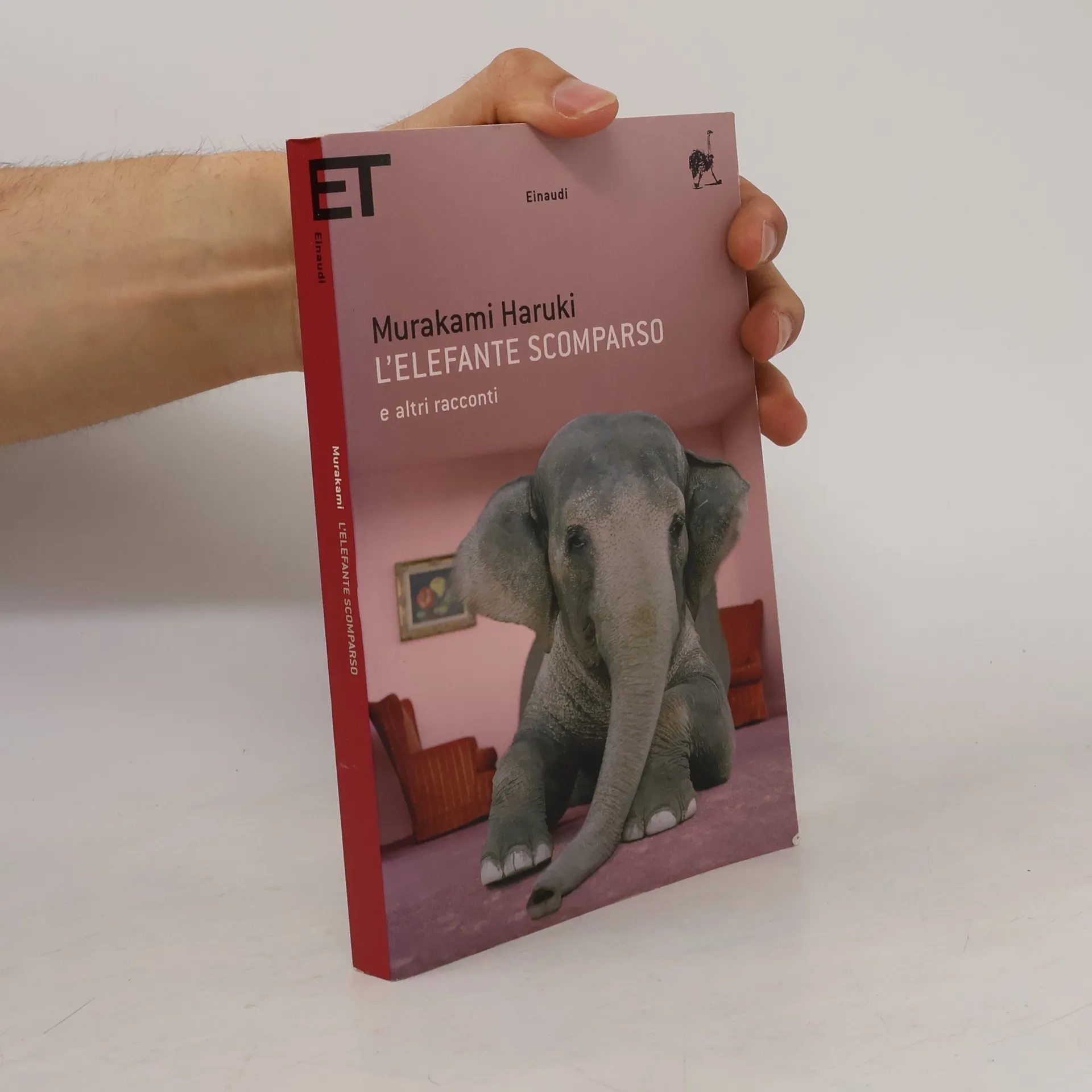
L'elefante scomparso e altri racconti
- 316pagine
- 12 ore di lettura
Diciassette racconti narrano un bizzarro universo di situazioni al limite della normalità, i cui protagonisti, diversi di carattere ma simili per attitudini e sensibilità, hanno tutti un identico codice, l'accettazione del disordine, e una stessa manchevolezza, la fragilità della ragione. A casa, nei loro interni urbanizzati, dove accanto al televisore sempre acceso si stipano i cd di Mozart e le polo di Ralph Laurent, costoro si muovono come pesci in un acquario con la stessa impassibile maniacalità di dislocazione, come scossi, spaventati da questioni troppo grandi: la morte, la vita, il coraggio, l'amore.
Prima persona singolare
- 143pagine
- 6 ore di lettura
Dopo più di quattro anni dall'uscita del suo ultimo romanzo, Haruki Murakami presenta una nuova raccolta di racconti, intitolata Prima persona singolare. L'autore torna a scrivere in prima persona, un elemento che lo ha caratterizzato a lungo, e si confronta con temi e stili che richiamano le sue origini. La raccolta comprende otto testi che esplorano la vita studentesca degli anni '60, l'amore per il jazz e l'ammirazione per i Beatles, con riferimenti a racconti precedenti come Drive My Car e Yesterday. Nei racconti si intrecciano incontri casuali e misteriosi, mentre Murakami lascia spazio alla fantasia: il famoso sassofonista jazz Charlie Parker, secondo lui, non è morto nel 1955, ma ha vissuto fino agli anni '60. In una divertente storia, Zpověď opice, il narratore incontra una scimmia parlante in un piccolo albergo, amante della musica di Anton Bruckner. Murakami riflette anche sull'invecchiamento, sottolineando come sia sorprendente vedere quanto siano invecchiati i suoi coetanei, in particolare le donne. Le sue storie non offrono messaggi o risoluzioni, ma hanno la capacità di rimanere a lungo nella mente del lettore.
Ci sono amori destinati a superare universi e ostacoli per incontrarsi, affrontando difficoltà e avversari, ma soprattutto le paure interiori che abitano in noi. Aomame e Tengo vivono in una realtà estranea, un mondo "al di là dello specchio" con due lune, divisi e braccati, costantemente in pericolo. Tutto sembra cospirare per impedire il loro incontro. Oltre alla setta Sakigake, c'è anche l'investigatore privato Ushikawa, un personaggio bizzarro e astuto, il cui aspetto inquietante è accompagnato da un'intuizione sorprendente. Ushikawa offre un nuovo punto di vista, alternandosi a quello di Tengo e Aomame, guidando il lettore verso la conclusione di una storia complessa. In questo finale, l'autore intreccia trame, personaggi e misteri, rivelando una nuova verità, come una costellazione che svela il suo disegno. Murakami costruisce un universo narrativo per esplorare come si creano gli universi, portando il lettore in un viaggio attraverso l'amore, la paura e la ricerca di un mondo sicuro in due.
Murakami 2020 Diary
- 128pagine
- 5 ore di lettura
The journey of Haruki Murakami from a jazz bar owner to a literary sensation began in 1978 when a moment of inspiration struck him during a baseball game. His debut novel, Hear the Wind Sing, garnered acclaim and set the stage for subsequent works like A Wild Sheep Chase and Hard-Boiled Wonderland and the End of the World. However, it was the 1987 release of Norwegian Wood that catapulted him to international fame, establishing his reputation as a bestselling author and introducing readers to his captivating and distinctive fictional world.
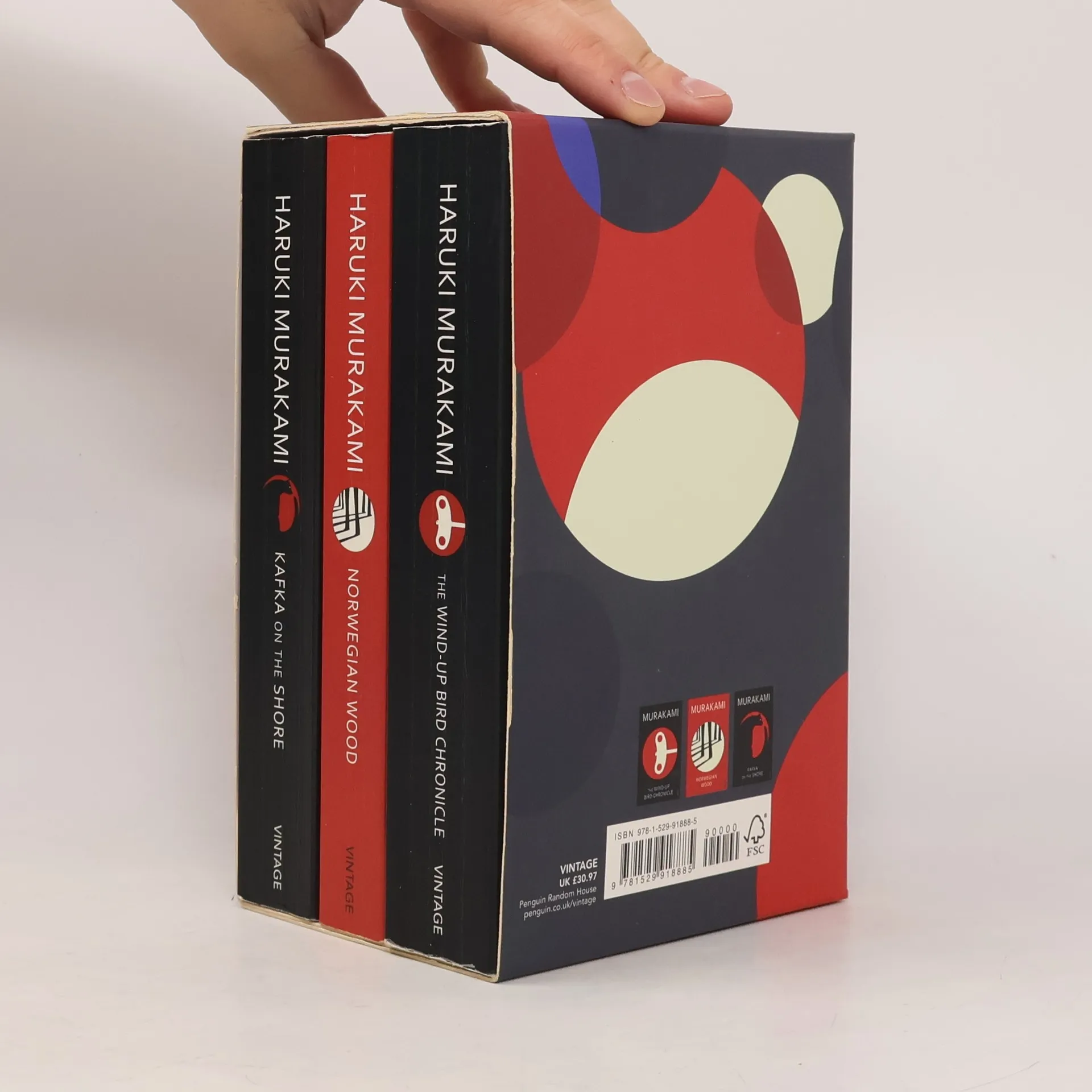
Vintage Books presents this set of wonderful stories, perfect for fans of one of popular culture’s most enduring and celebrated writers.
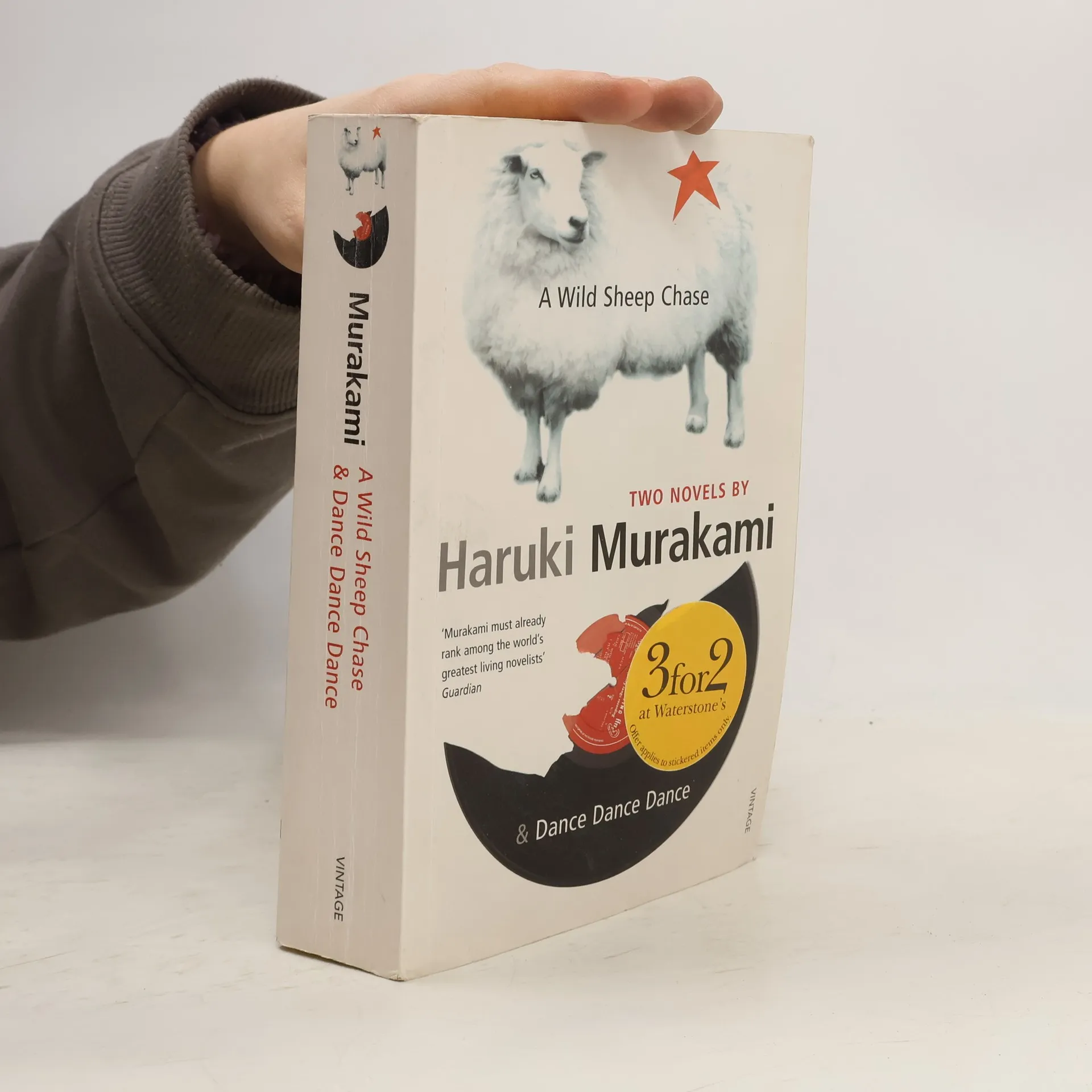
Murakami Omnibus: A Wild Sheep Chase / Dance Dance Dance
- 695pagine
- 25 ore di lettura
"A Wild Sheep Chase" - His life was like his recurring nightmare: a train to nowhere. But an ordinary life has a way of taking an extraordinary turn. Add a girl whose ears are so exquisite that, when uncovered, they improve sex a thousand-fold, a runaway friend, a right-wing politico, an ovine-obsessed professor and a manic-depressive in a sheep outfit, implicate them in a hunt for a sheep, that may or may not be running the world, and the upshot is another singular masterpiece from Haruki Murakami. "Dance Dance Dance" - High-class call girls billed to Mastercard; a psychic thirteen-year-old drop-out with a passion for Talking Heads; a hunky matinee idol doomed to play dentists and teachers; a one-armed beach-combing poet, an uptight hotel clerk and one very bemused narrator caught in the web of advanced capitalist mayhem; combine this offbeat cast of characters with Murakami's idiosyncratic prose and out comes "Dance Dance Dance". It is an assault on the senses, part murder mystery, part metaphysical speculation; a fable for our times as catchy as a rock song blasting from the window of a sports car.
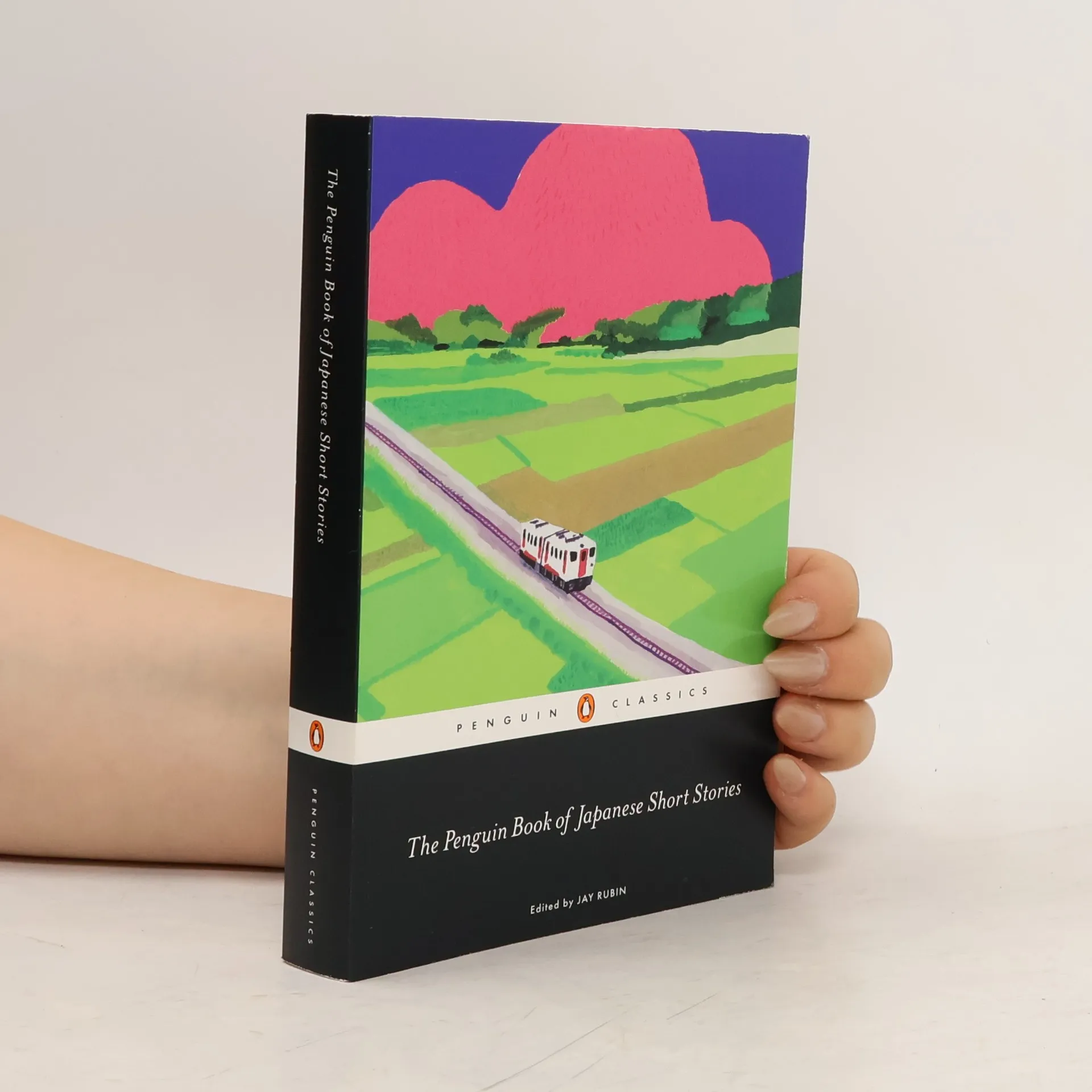
The Penguin Book of Japanese short stories
- 576pagine
- 21 ore di lettura
A major new anthology of great Japanese short stories introduced by Haruki Murakami.This fantastically varied and exciting collection celebrates the great Japanese short story collection, from its origins in the nineteenth century to the remarkable practitioners writing today. Curated by Jay Rubin (who has himself freshly translated several of the stories) and introduced by Haruki Murakami this is a book which will be a revelation to many of its readers. Short story writers already well-known to English-language readers are all included - Tanizaki, Akutagawa, Murakami, Mishima, Kawabata, Yoshimoto - but also many surprising new finds. From Tsushima Yuko's 'Flames' to Sawanishi Yuten's 'Filling Up with Sugar', from Hoshi Shin'ichi's 'Shoulder-Top Secretary' to Yoshimoto Banana's 'Bee Honey', The Penguin Book of Japanese Short Stories is filled with fear, charm, beauty and comedy.
1Q84, #2
- 359pagine
- 13 ore di lettura
U ovom drugom tomu, Aomame i Tengo, sticajem neobičnih događaja, potvrđuju svoje sumnje da se nalaze u drugom vremenu - u godini 1Q84 - iz kojeg ne mogu da se vrate natrag u 1984. godinu i svoje realno vreme. Njihova ljubav, iako je čini samo stisak ruke u detinjstvu, jedina je istinska i prava u ovom romanu. Ona je pokretač svih dešavanja i jača uprkos njihovoj razdvojenosti, a oni se sve više približavaju jedno drugom. Murakami se u ovom nastavku produbljeno bavi filozofskim temama, odnosom dobra i zla, krivice i kazne i, pre svega, smislom života, stavom prema smrti, žrtvovanjem, ali i porodičnim vezama i, neizostavno, ljubavlju. „Ako u svetu nema ljubavi, sve je iluzija i imitacija." Autor nas upozorava da ljubav jeste glavni pokretač, ali je u modernom svetu često nema onde gde najviše treba da je bude - između muža i žene i roditelja i dece. Poznat, i zbog toga u Japanu često kritikovan, kao pisac koji unosi previše zapadnjačke tradicije u svoje romane, Murakami je ovu priču o univerzalnim temama zajedničkim za ceo svet, obojio više no ikad pre istočnjačkom filozofijom i japanskim načinom života, naročito kuhinjom, čiji nas sastojci omamljuju sa stranica ove knjige. Nastaviće se u trećem delu......
Vintage Murakami
- 182pagine
- 7 ore di lettura
Not since Yukio Mishima and Yasunari Kawabata has a Japanese writer won the international acclaim enjoyed hy Haruki Murakami. His genre- busting novels, short stones, and repodage, which have been translated into thirty-four languages, meld the surreal and the hard-boiled, deadpan comedy and delicate introspection.Vintage Murakami includes the opening cnapter of the international bestseller Norwegian Wood; •'Lieueenant Mamiya's Long Story: Parts I and II" from his monumental novel The Wind-Up Bird Chronicle; "Shizuko Akashi" from: Underground, his nonfiction book on the Toyko subway attack 1995; and the short stories "Barn Burning," and "honey pie."Also included, for the first time in book form, the short story "Ice Man."--back coverTable of Contents"Barn burning" from The Elephant vanished -- "Shizuko Akashi" from Underground -- "Honeypie" from After the Quake -- "Lieutenant Mamiya's long stories: Part I" from the Wind-up bird chronicle -- "Lieutenant Mamiya's long stories: Part II" from the Wind-up bird chronicle -- "Ice man."
Nel 1984 a Tokyo, Aomame è bloccata nel traffico e, per non mancare un appuntamento, esce da un taxi attraverso una scala di emergenza. L'autista le avverte di non lasciarsi ingannare dalle apparenze, suggerendo che la realtà è unica. Nel frattempo, Tengo, un aspirante scrittore, riceve un incarico insolito: riscrivere il romanzo di una misteriosa diciassettenne per un premio letterario. "La crisalide d'aria" è un'opera fantastica e inquietante, che descrive una realtà parallela e creature parassite nel corpo umano, turbando profondamente Tengo. L'incontro con l'autrice, Fukada Eriko, aumenta la sua confusione su chi sia realmente. Aomame, con un rompighiaccio nella borsa per assassinare un uomo, osserva il mondo intorno a lei, che appare familiare ma presenta dettagli sinistri e divergenti. Un giorno, nota una seconda luna nel cielo e inizia a sospettare di essere l'unica in grado di oltrepassare la sottile barriera tra il 1984 e 1Q84, rendendosi conto che questa barriera sta per infrangersi.
A unique look at the craft of writing from a bestelling master of storytelling. In this engaging book, the internationally best-selling author shares with readers what he thinks about being a novelist; his thoughts on the role of the novel in our society; his own origins as a writer; and his musings on the sparks of creativity that inspire other writers, artists, and musicians. Readers who have long wondered where the mysterious novelist gets his ideas and what inspires his strangely surreal worlds will be fascinated by this highly personal look at the craft of writing. 'An insightful collection of essays on his work and methods... You end this collection of beautiful essays vowing to never let life, or writing, get so complicated again' Guardian 'Murakami is like a magician who explains what he's doing as he performs the trick and still makes you believe he has supernatural powers' New York Times Book Review 'A fascinating glimpse of the peculiar writerly life' Sunday Times ** A TIMES, SUNDAY TIMES and NEW STATESMAN BOOK OF THE YEAR**
Super-Frog Saves Tokyo
- 96pagine
- 4 ore di lettura
You've just passed someone on the street who could be the love of your life, the person you're destined for - what do you do? In Murakami's world, you tell them a story. The five weird and wonderful tales collected here each unlock the many-tongued language of desire, whether it takes the form of hunger, lust, sudden infatuation or the secret longings of the heart. Selected from Haruki's Murakami's short story collections The Elephant Vanishes, Blind Willow Sleeping Woman, Men Without Women VINTAGE MINIS- GREAT MINDS. BIG IDEAS. LITTLE BOOKS. A series of short books by the world's greatest writers on the experiences that make us human Also in the Vintage Minis series- Love by Jeanette Winterson Psychedelics by Aldous Huxley Eating by Nigella Lawson Summer by Laurie Lee
Haruki Murakami's best-loved stories finally available in graphic novel form!With their trademark mix of realism and fantasy, centering around Murakami's signature themes of loss, remorse and confusion, the two stories in this volume are: Scheherezade: a man named Habara is confined to his house and is visited by a nurse, Scheherezade, who brings him provisions and has sex with him. She tells Habara the story of a boy she had a crush on when she was young, whose house she repeatedly broke into. She tells him the story over several visits, and the story ends before Scheherezade finishes. Habara worries he may never see Scheherezade again. Sleep: recounts the life of a housewife with a regimented existence. But at night, she has her own life, as though she enters an extra-dimensional space. In this world she examines her own life and family and ponders the meaning of death.These new graphic versions of classic Murakami short stories will be devoured by his fans and will provide a new window onto his work for a new generation of readers not yet familiar with it!
Colorless Tsukuru Tazaki and His Years of Pilgrimage
- 298pagine
- 11 ore di lettura
A mesmerising mystery story about friendship from the internationally bestselling author of Norwegian Wood and 1Q84 Tsukuru Tazaki had four best friends at school. By chance all of their names contained a colour. The two boys were called Akamatsu, meaning âe~red pineâe(tm), and Oumi, âe~blue seaâe(tm), while the girlsâe(tm) names were Shirane, âe~white rootâe(tm), and Kurono, âe~black fieldâe(tm). Tazaki was the only last name with no colour in it. One day Tsukuru Tazakiâe(tm)s friends announced that they didn't want to see him, or talk to him, ever again. Since that day Tsukuru has been floating through life, unable to form intimate connections with anyone. But then he meets Sara, who tells him that the time has come to find out what happened all those years ago.
Haruki Murakami Manga Stories 2
- 128pagine
- 5 ore di lettura
Haruki Murakami Manga Stories 1
- 144pagine
- 6 ore di lettura
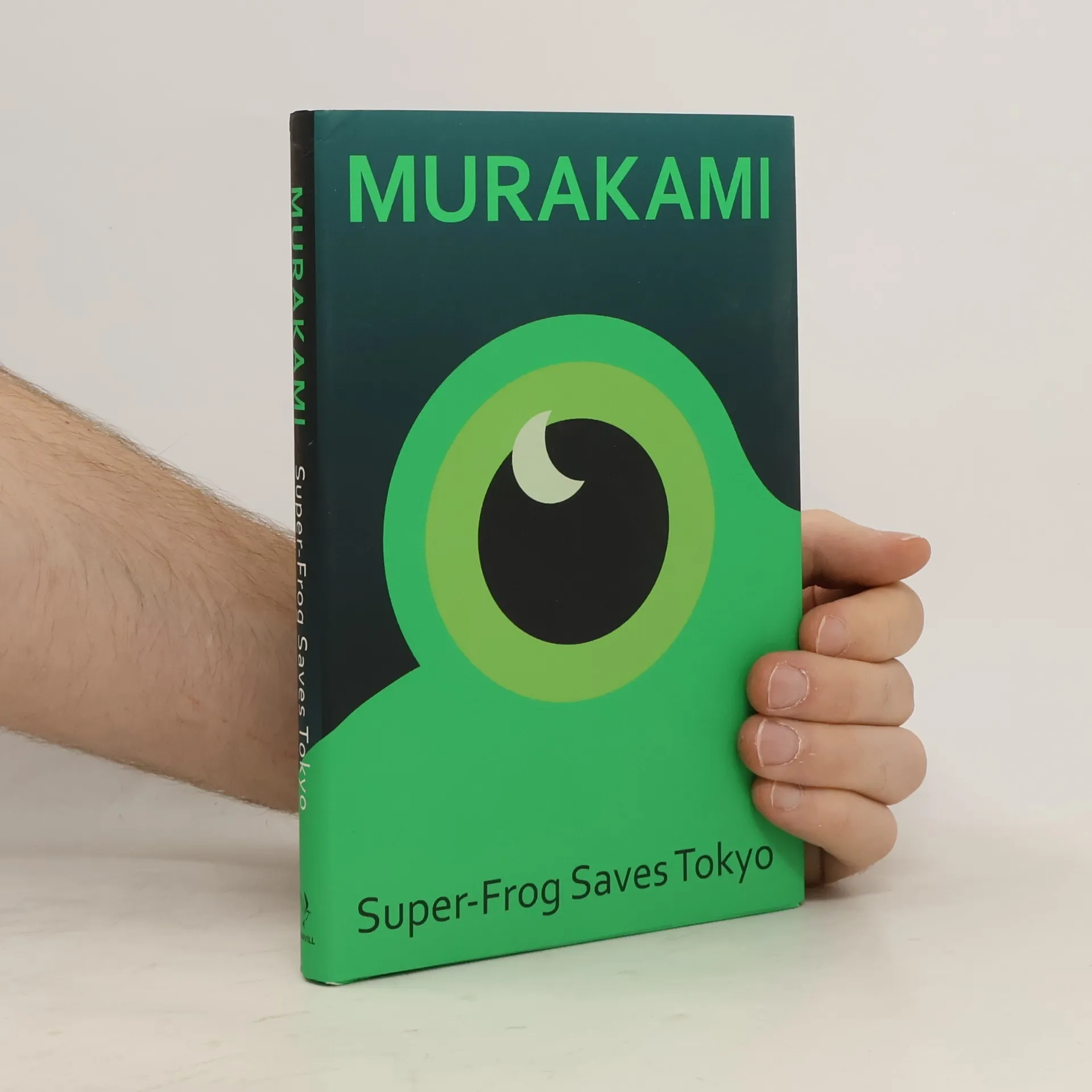
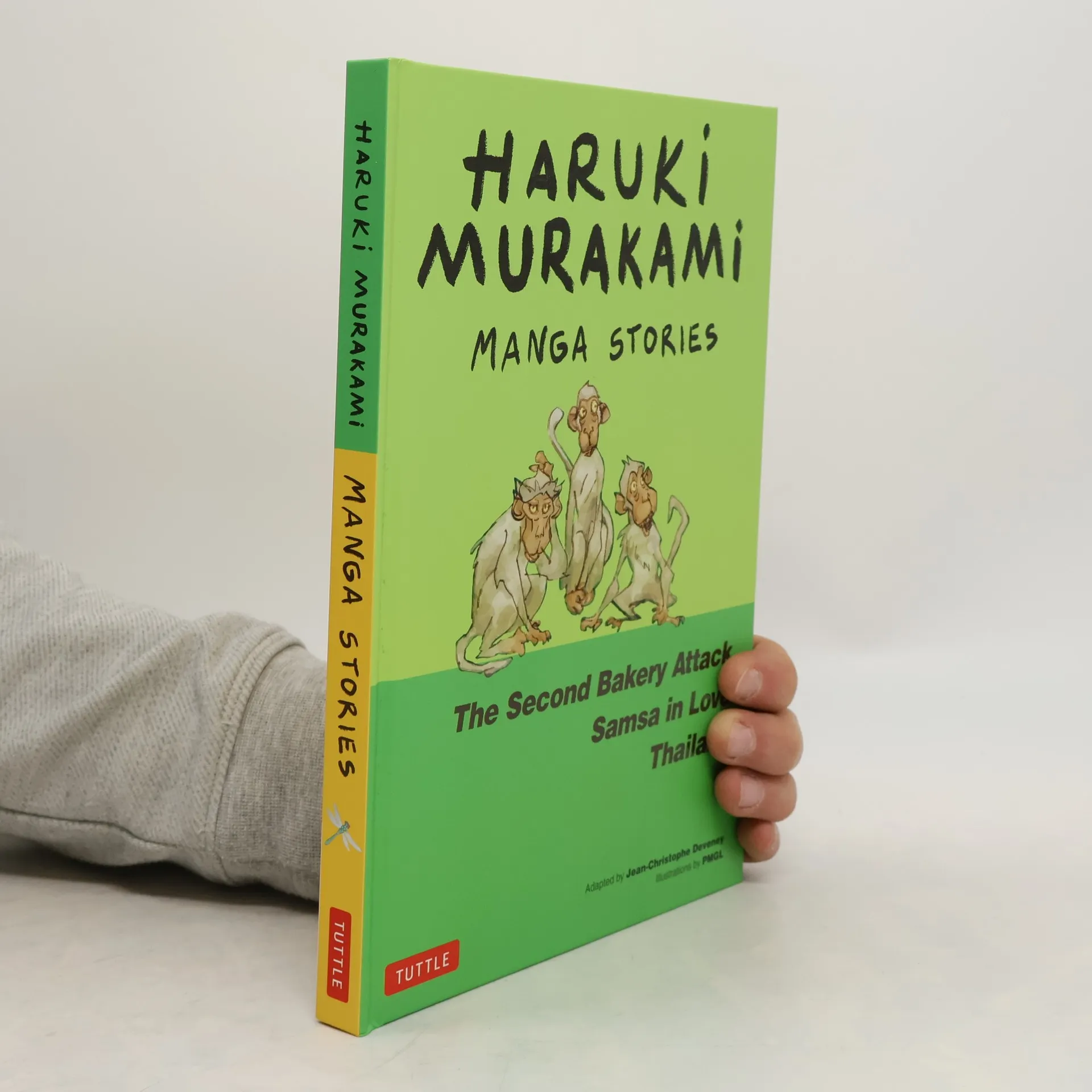
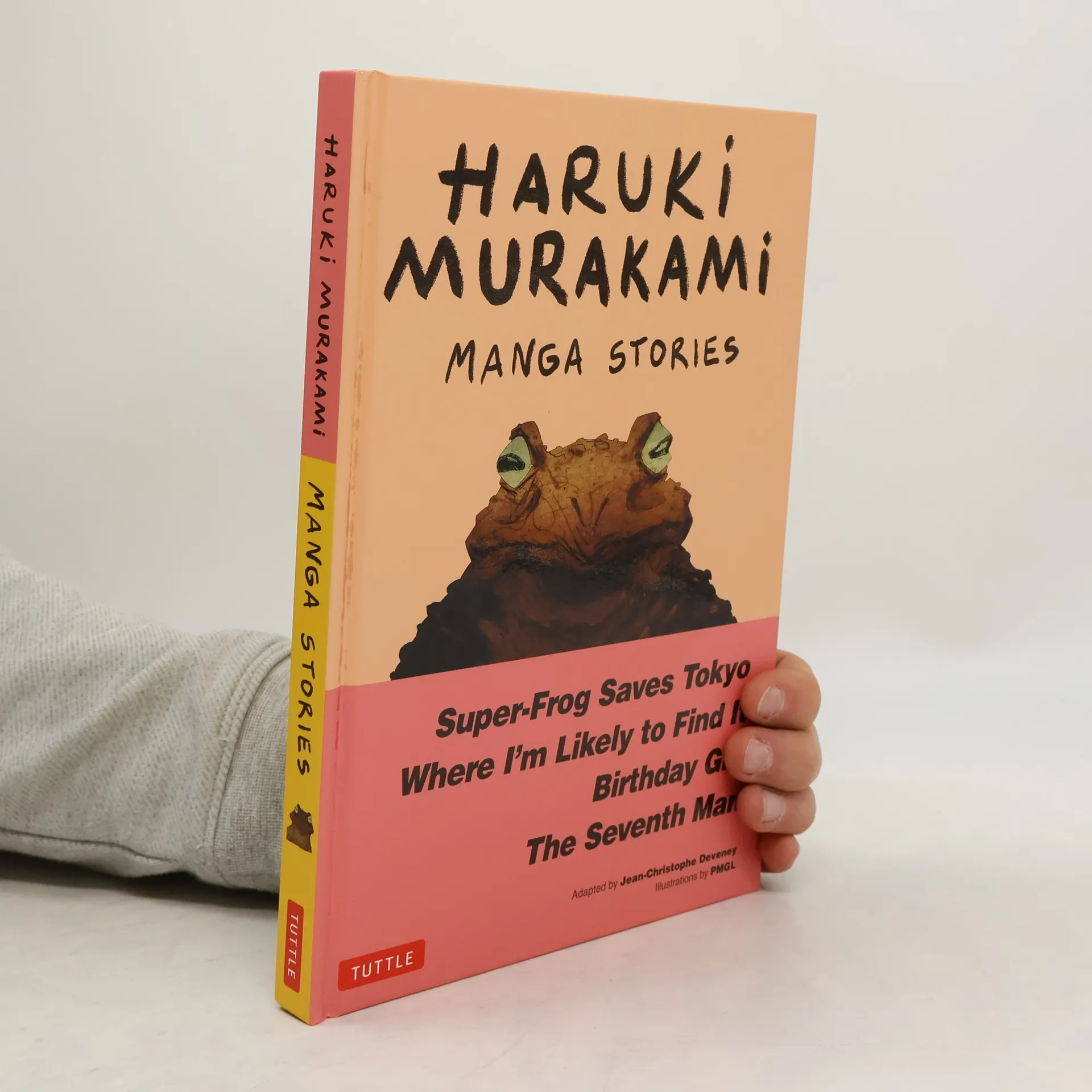
Haruki Murakami's beloved short stories are now presented in graphic novel form for the first time in English. This volume, the first of three, features four captivating tales from his bestselling collections, blending realism and fantasy while exploring themes of loss, remorse, and confusion. In "Super-Frog Saves Tokyo," Katagiri encounters a giant frog promising to save Tokyo from another earthquake, leading him to question reality and confront his feelings of powerlessness. "Where I'm Likely to Find It" follows a woman whose missing husband prompts a detective to reflect on his own life amidst a Kafkaesque exploration of disappearance and coping. "Birthday Girl" recounts a surreal encounter on a woman's twentieth birthday with her restaurant's owner, who grants her a wish. "The Seventh Man" tells the poignant story of a man haunted by the death of his childhood friend in a tsunami, capturing Murakami's signature emotional depth and surrealism. This graphic adaptation offers a fresh perspective on Murakami's work, appealing to both dedicated fans and younger readers new to his stories. Recommended for ages 16 and up due to mature themes and graphic content.
Un document necessari i commovedor de l’atac terrorista que va sacsejar Tokio el 1995. Una obra de literatura periodística que recull els testimonis de les víctimes de l’atac amb gas sarín al metro de Tòquio l’any 1995, així com la visió dels botxins, membres de la secta Aum Shinrikyo, i que analitza amb molta precisió la psicologia nipona i busca el perquè d’uns atemptats tan violents i cruels.
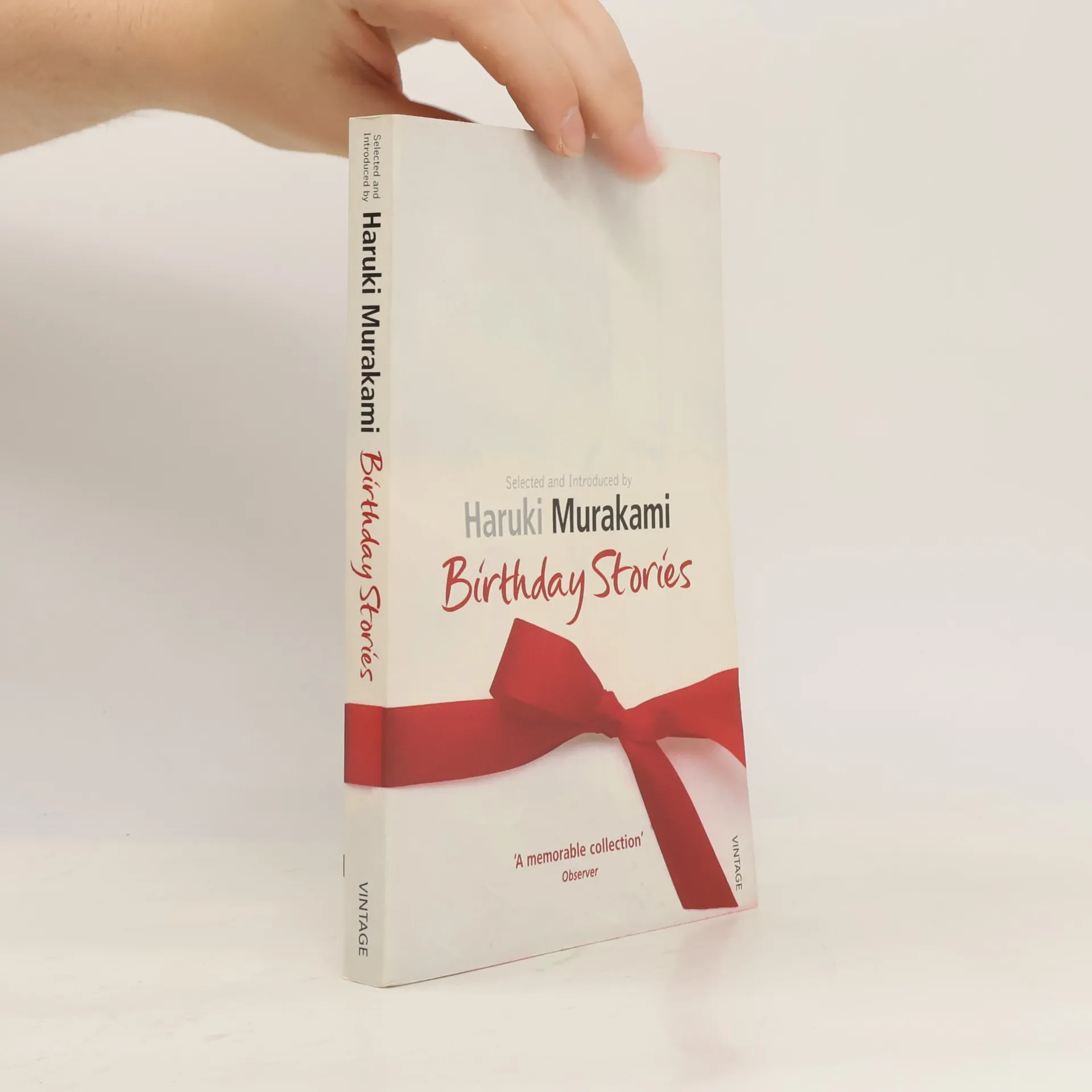
Birthday Stories
- 224pagine
- 8 ore di lettura
In this enviable gathering, Haruki Murakami has chosen for his party some of the very best short story writers of recent years, each with their own birthday experiences, each story a snapshot of life on a single day. Including stories by Russell Banks, Et
The T-shirts I love
- 178pagine
- 7 ore di lettura
"The international literary icon opens his eclectic closet: Here are photographs of Murakami's extensive and personal T-shirt collection, accompanied by essays that reveal a side of the writer rarely seen by the public. Considered "the world's most popular cult novelist" (The Guardian), Haruki Murakami's books have galvanized millions around the world. Many of his fans know about his 10,000 vinyl record collection, and his obsession with running, but few have heard about a more intimate, and perhaps more unique, passion: his T-shirt collecting habit. In Murakami T, the famously reclusive novelist shows us his T-shirts--including gems from the Springsteen on Broadway show in NYC, from The Beach Boys concert in Honolulu to the shirt that inspired the beloved short story, "Tony Takitani." Accompanied by short, frank essays that have been translated into English for the first time, these photographs reveal much about Murakami's multifaceted and wonderfully eccentric persona"--Publisher's description
She waited on tables as usual that day, her twentieth birthday. She always worked Fridays, but if things had gone according to plan on that particular Friday, she would have had the night off. One rainy Tokyo night, a waitress's uneventful twentieth birthday takes a strange and fateful turn when she's asked to deliver dinner to the restaurant's reclusive owner. Birthday Girl is a beguiling, exquisitely satisfying taste of master storytelling, published to celebrate Murakami's 70th birthday.
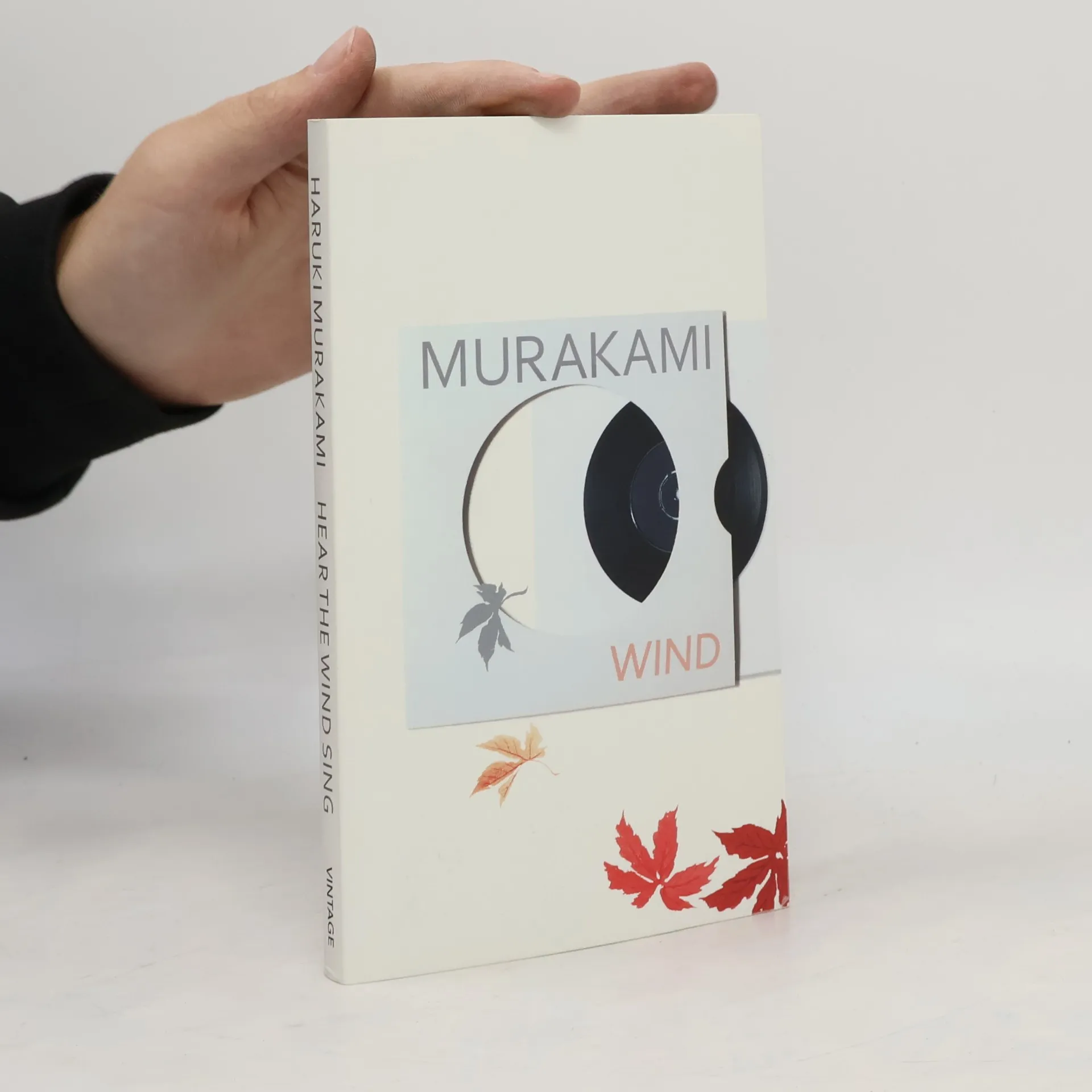
Hear the Wind Sing
- 256pagine
- 9 ore di lettura
NATIONAL BESTSELLER Wind/Pinball, a unique two-in-one volume, includes, on one side, Murakami’s first novel Hear the Wind Sing. When you flip the book over, you can read his second novel, Pinball, 1973. Each book has its own stunning cover. In the spring of 1978, a young Haruki Murakami sat down at his kitchen table and began to write. The result: two remarkable short novels—Hear the Wind Sing and Pinball, 1973—that launched the career of one of the most acclaimed authors of our time. These powerful, at times surreal, works about two young men coming of age—the unnamed narrator and his friend the Rat—are stories of loneliness, obsession, and eroticism. They bear all the hallmarks of Murakami’s later books, and form the first two-thirds, with A Wild Sheep Chase, of the trilogy of the Rat. Widely available in English for the first time ever, newly translated, and featuring a new introduction by Murakami himself, Wind/Pinball gives us a fascinating insight into a great writer’s beginnings.
Hear the Wind Sing is Murakami's first novel, available for the first time in English outside Japan. In Hear the Wind Sing the narrator is home from college on his summer break. He spends his time drinking beer and smoking in Jâe(tm)s Bar with the Rat, listening to the radio, thinking about writing and the women he has slept with, and pursuing a relationship with a girl with nine fingers. The story of the narrator, the Rat and J continues in Pinball, 1973.
Pinball, 1973 is Murakami's second novel, available for the first time in English outside Japan. With a new introduction by the author. Hear the Wind Sing and Pinball, 1973 are Haruki Murakamiâe(tm)s earliest novels. They follow the fortunes of the narrator and his friend, known only by his nickname, the Rat. Pinball, 1973 picks up three years after the events of Hear the Wind Sing. The narrator has moved to Tokyo to work as a translator and live with indistinguishable twin girls, but the Rat has remained behind, despite his efforts to leave both the town and his girlfriend. The narrator finds himself haunted by memories of his own doomed relationship but also, more bizarrely, by his short-lived obsession with playing pinball in Jâe(tm)s Bar. This sends him on a quest to find the exact model of pinball machine he had enjoyed playing years earlier: the three-flipper Spaceship.
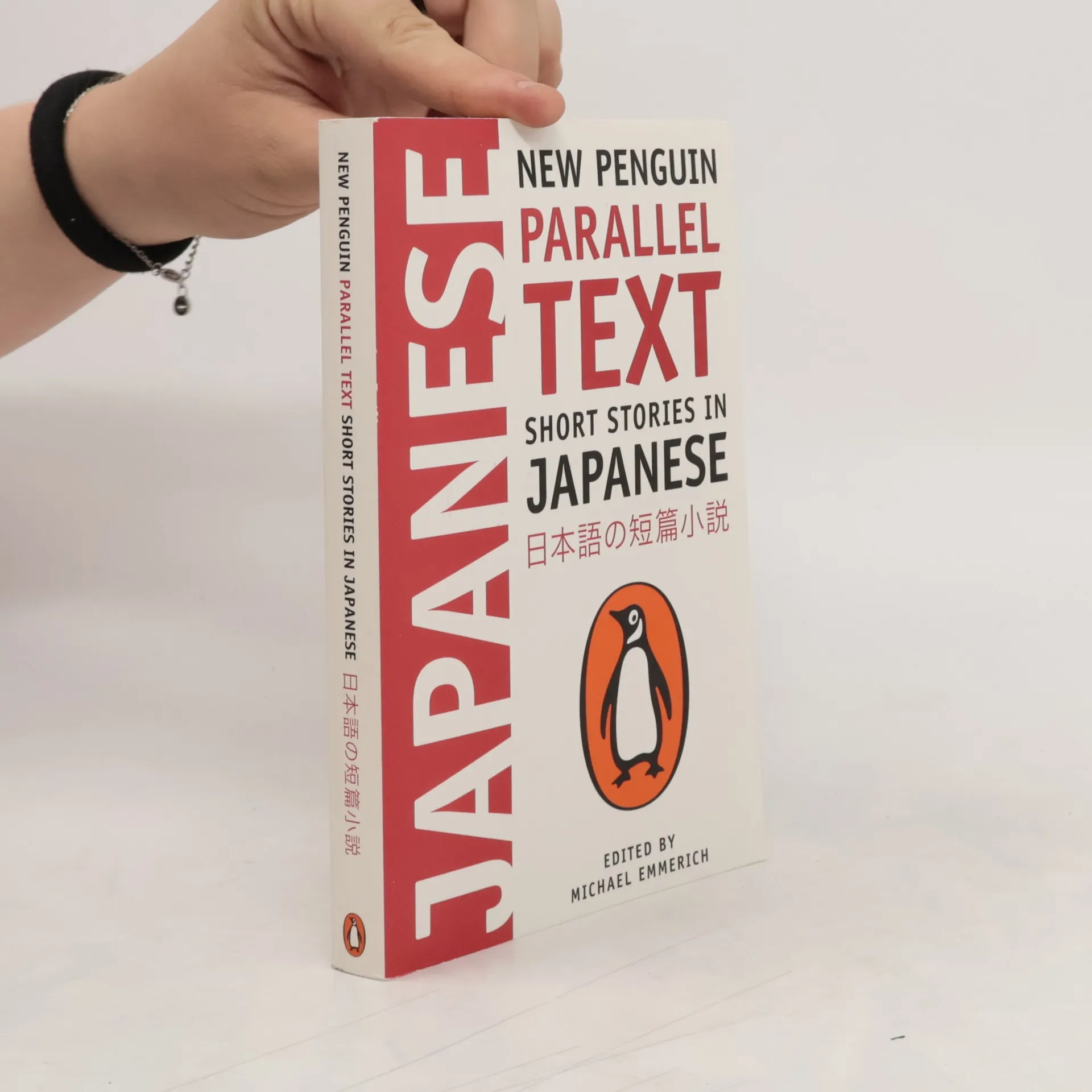
New penguin parallel text : short stories in Japanese
- 250pagine
- 9 ore di lettura
A dual-language edition of Japanese stories—many appearing in English for the first time This volume of eight short stories, with parallel translations, offers students at all levels the opportunity to enjoy a wide range of contemporary literature without having constantly to refer back to a dictionary. The stories—many of which appear here in English for the first time—are by well-known writers like Haruki Murakami and Banana Yoshimoto, as well as emerging voices like Abe Kazushige, Ishii Shinji, and Kawakami Hiromi. From the orthodox to the cutting-edge, they represent a range of styles and themes, showcasing the diversity of Japanese fiction over the past few decades in a collection that is equally rewarding for beginning, intermediate, and advanced students of English or Japanese. Complete with notes, the stories make excellent reading in either language.
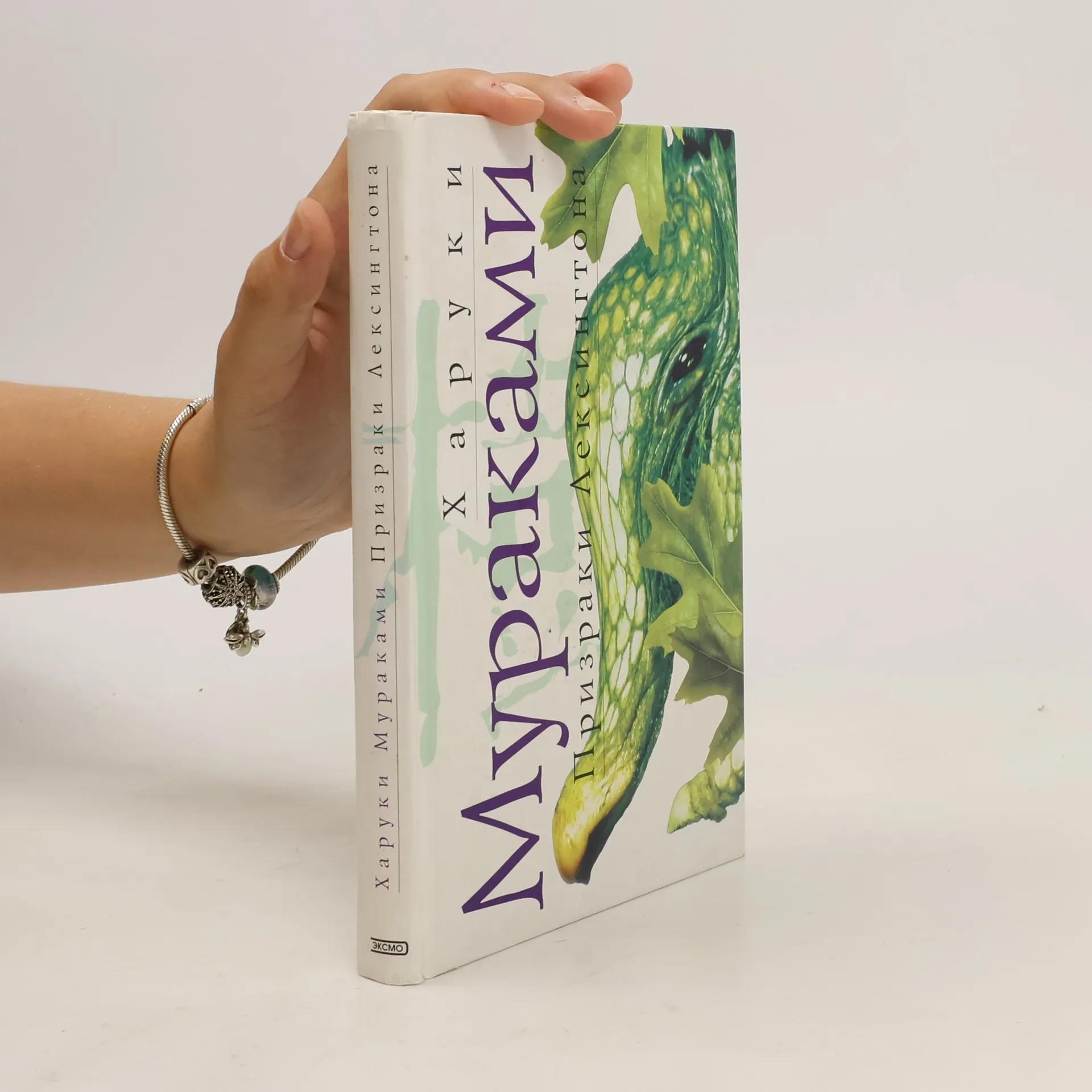
Призраки Лексингтона
- 157pagine
- 6 ore di lettura
"Призраки Лексингтона" - один из самых известных сборников рассказов классика современной японской литературы Харуки Мураками. Автор популярных во всем мире романов "Охота на овец", "Дэнс, дэнс, дэнс" и "Хроники заводной птицы" предстает в нем как мастер короткой прозы. Рассказ "Тони Такитани" был перенесён на киноэкран режиссёром Дзюном Итикавой с великим японским актёром Иссеем Огатой в главной роли.
태엽감는 새. 3: 새잡이꾼 편 I (taeyeobgamneun sae. 3: saejab-ikkun pyeon I)
- 262pagine
- 10 ore di lettura
소설 "태엽감는 새"는 세계에서 가장 인기 있는 작가 중 한 명인 하룬키 무라카미의 작품으로, 진정한 조이스적 규모를 지니고 있다. 제2차 세계대전의 공포와 현대 일본인의 운명, 편지, 신비로운 꿈, 기억, 잡지 기사, 암호화된 파일 등으로 구성된 이 작품은 믿을 수 없는 사건들, 섬세한 아이러니, 그리고 하룬키 무라카미 특유의 독창적인 어조로 엮인 완전한 서사이다. "태엽감는 새. 3: 새잡이꾼 편 I"는 "태엽감는 새"의 세 번째 부분이다.
Художник, способный уловить тайны, скрывающиеся за лицами людей, которых он рисует. Запутанная картина, найденная спустя десятки лет на чердаке дома. Шорох в лесу, окруженном странными соседями. И колокол с его величественным и печальным звоном проникает между деревьями леса в сердце ночи. Роман о созидательной силе искусства и разрушительной силе насилия; о способности превращать нашу хрупкость в золото, как бы мрачными ни казались наши дни. Как всегда, Муараками очаровывает нас своим раскрытием сверхъестественного в нашей рутине, находя магию в деталях нашей повседневной жизни. В "Убийстве Командора" гениальность Муараками мастерски движется между реальностью и бредом.
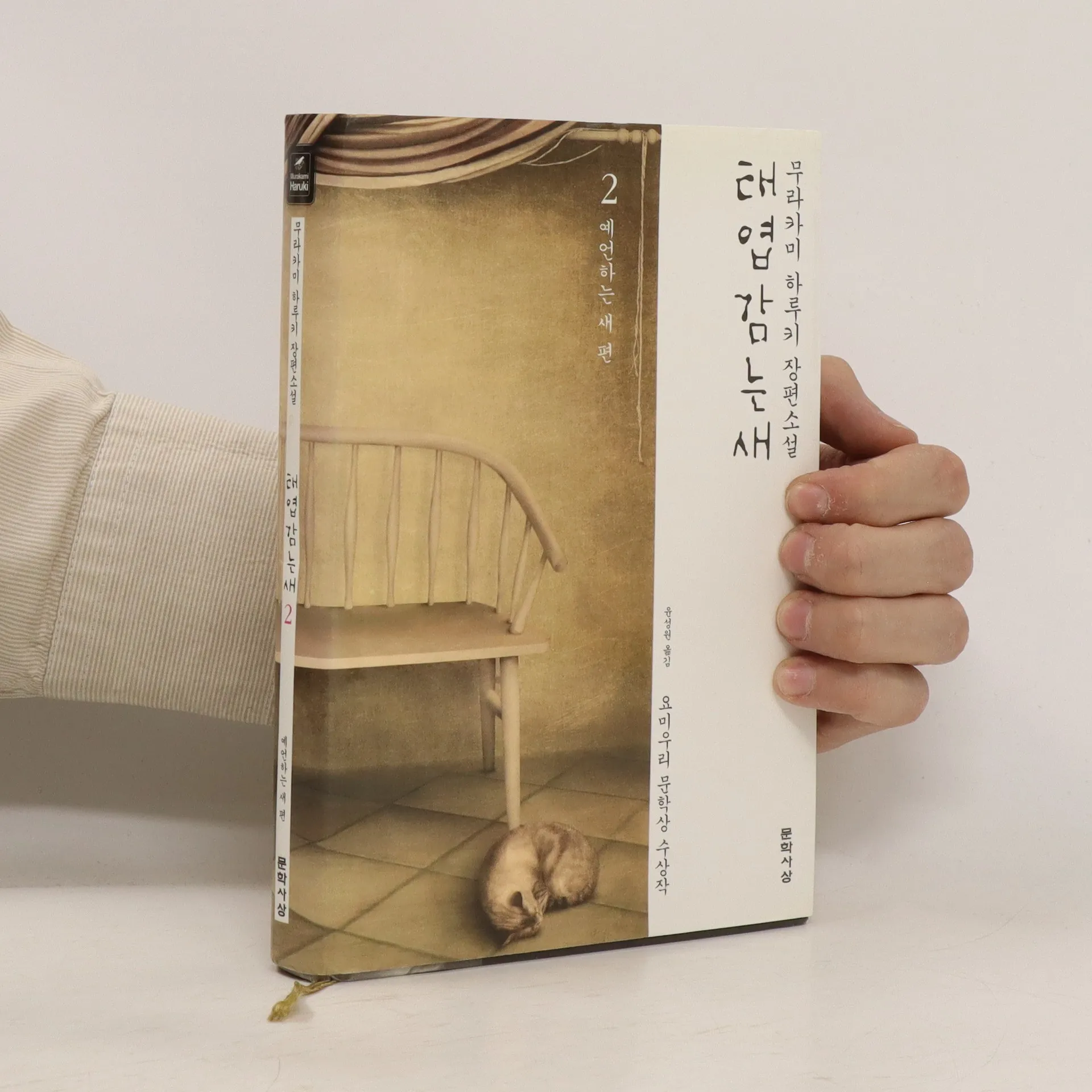
태엽 감는 새 2: 예언하는 새 편 (taeyeob gamneun sae 2: yeeonhaneun sae pyeon)
- 383pagine
- 14 ore di lettura
인생이라는 행위 속에서 빛이 들어올 수 있는 시간은 극히 제한된 짧은 기간뿐이다. 아마도 그것은 십여 초의 일일 것이다. 그 시간이 지나고, 만약 그 안에 드러난 계시를 제때 잡지 못한다면, 두 번째 기회는 존재하지 않는다…
Eine melancholische Geschichte über eine Dreiecksbeziehung, das Schreiben und zwei Bären. Junpei ist Schriftsteller, seine Spezialität: Kurzgeschichten über unerwiderte Liebe. Das Thema seines Lebens. Seit der Uni ist er in Sayoko verliebt, die seinen besten Freund geheiratet hat. Trotz allem hat die Freundschaft zwischen den dreien Bestand, anders als die Liebe von Sayoko und Junpeis bestem Freund: Sie bekommen eine Tochter namens Sara, trennen sich aber kurz darauf. Mit den Jahren wird Junpei zu einer Art Ersatzvater für Sara. Nach einem schrecklichen Erdbeben leidet sie unter Albträumen. Nur Junpei kann sie beruhigen – mit seinen Geschichten über einen Bären und seinen besten Freund. Und er ist fest entschlossen, für immer über Sayokos und Saras Schlaf zu wachen … Haruki Murakami ist ein Meister der kurzen Form. In ›Honigkuchen‹ offenbart er sein großes Herz für alle Zögernden und Zaudernden. Kat Menschik hat die warmherzige Geschichte des wichtigsten japanischen Autors unserer Zeit in unvergessliche Bilder gegossen.
はじめての文学 村上春樹
- 268pagine
- 10 ore di lettura
小説の面白さ、楽しさを味わうために、著者自身が用意したスペシャル・アンソロジー。はじめてのひとも、春樹ファンも欠かせない一冊。「シドニーのグリーン・ストリート」「かえるくん、東京を救う」など全17編を収録。
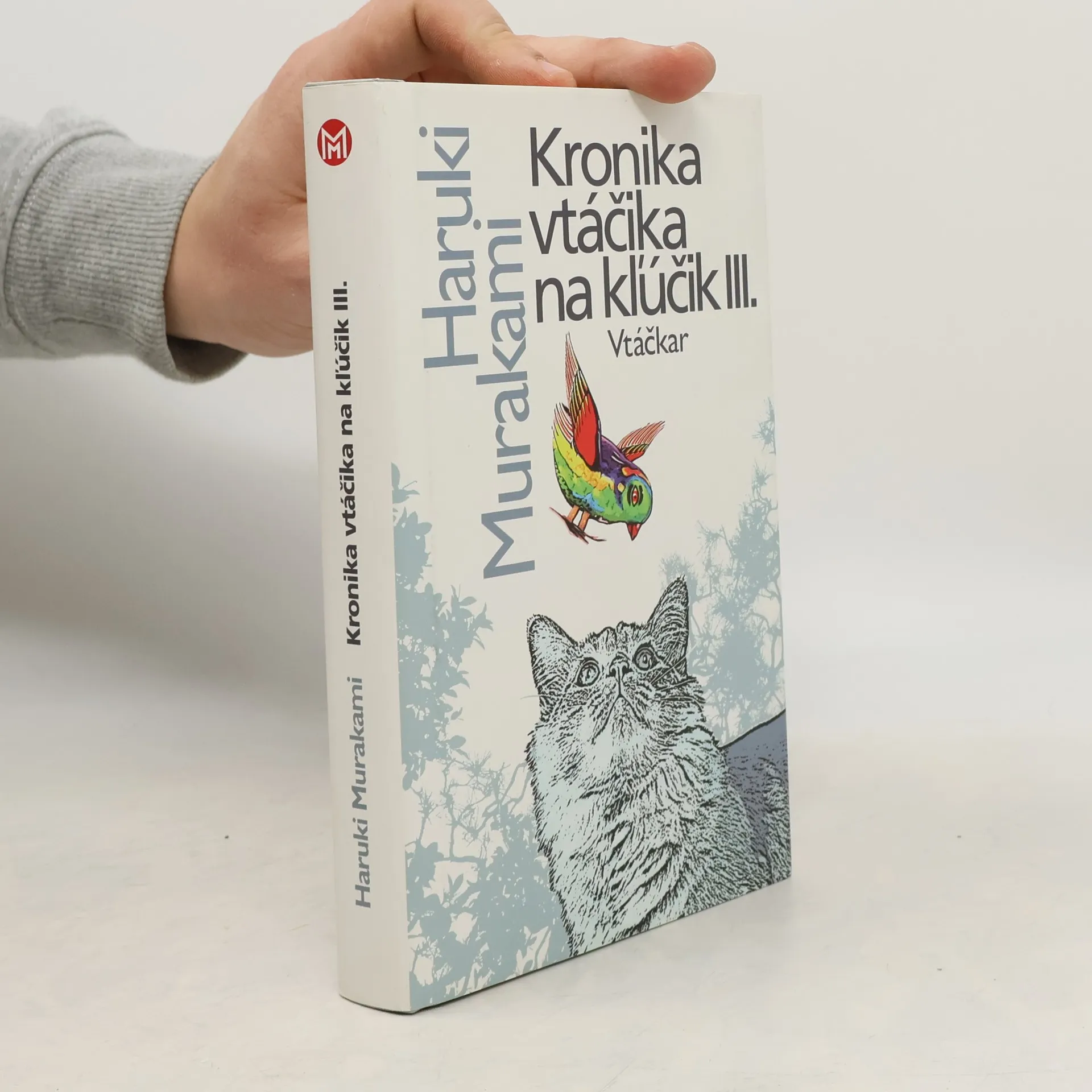
Kronika vtáčika na kľúčik III. Vtáčkar
- 352pagine
- 13 ore di lettura
Udalosti v Tóruho živote naberú rýchly spád. Mei Kasaharová mu napíše list z neznámeho miesta, v ktorom ho dôrazne upozorňuje na článok v istom bulvárnom denníku, kde sa píše o tajomnom majiteľovi domu na opustenej parcele poznačenej ľudským nešťastím. Tóru stále hľadá Kumiko, zbližuje sa s ďalšou prapodivnou dvojicou, a do jeho života čoraz nevyberanejšími spôsobmi vstupuje jeho švagor Naboru Wataja, vysokopostavený politik, ktorý sa obáva škandálu. Kumiko je však stále preč, a k Tóruovi sa celkom nečakane vráti stratený kocúr.
Kronika vtáčika na kľúčik II. Vtáčik jasnovidec
- 256pagine
- 9 ore di lettura
Druhý diel trilógie Kronika vtáčika na kľúčik zachytáva udalosti obdobia štyroch mesiacov po zmiznutí Tóruho manželky Kumiko. Tá sa jedného rána ako obyčajne vydá do práce a nevráti sa domov. Podľa všetkého opustila manžela kvôli inému mužovi, Tóru si však takýto koniec ich na pohľad harmonického vzťahu nedokáže vysvetliť. V zúfalstve ho mimovoľne inšpiruje motív studne, ktorý sa v jeho živote v poslednom čase opakovane objavuje. S úmyslom nerušene porozmýšľať zíde do vyschnutej studne v záhrade neďalekého opusteného domu. Tu sa poriadok jeho sveta drasticky narúša a udalosti nadobúdajú prudký spád...
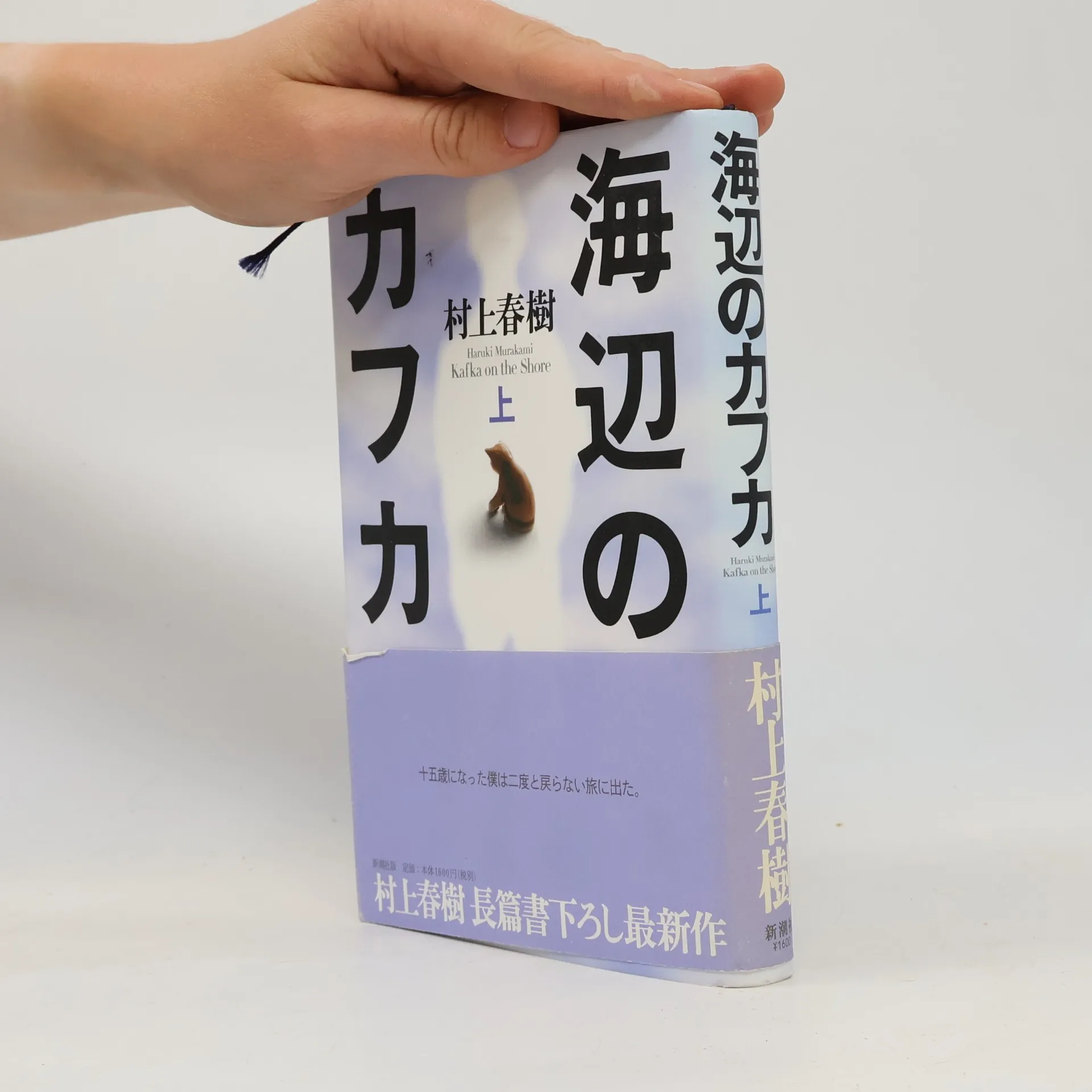
海辺のカフカ
- 400pagine
- 14 ore di lettura
15歳になった僕は二度と戻らない旅に出た。彼は長身で、寡黙だった。金属を混ぜ込んだような強い筋肉を持ち、世界でいちばんタフな15歳の少年になりたいと思っていた。東京都中野区にもしある日、空から突然2000匹の生きた魚が路上に落ちてきたら、人々は驚かないわけにはいかないだろう。多くのネコたちは名前を持たない。多くのネコたちは言葉をもたない。しかしそこには言葉を持たず、名前を持たない悪夢がある。
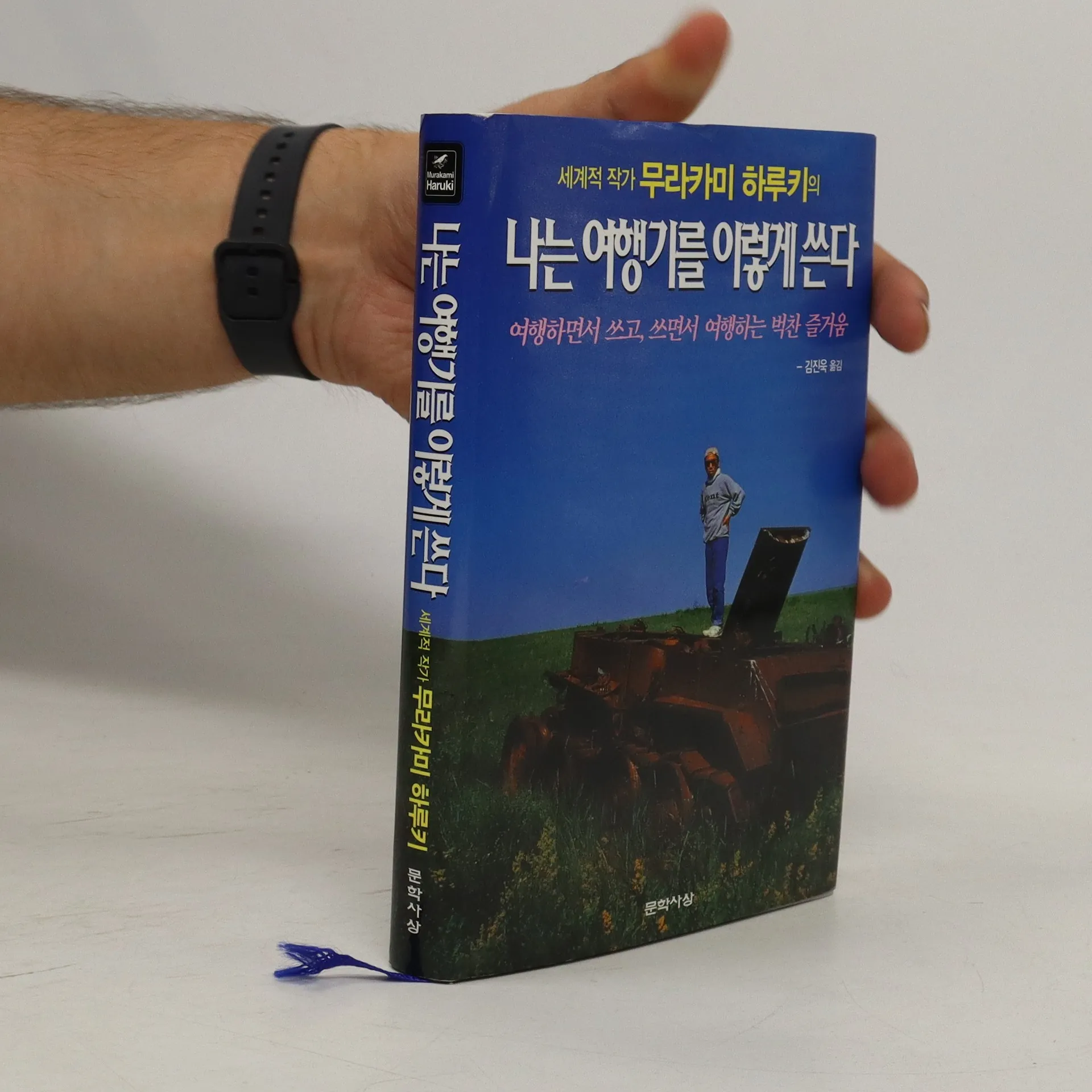
나는 여행기를 이렇게 쓴다. Naneun yeohaeng-gileul ileohge sseunda
- 298pagine
- 11 ore di lettura
1Q84. Βιβλίο I
- 480pagine
- 17 ore di lettura
Ο Μουρακάμι με μαεστρία δημιουργεί φανταστικούς χαρακτήρες και παράλληλους κόσμους, θολώνοντας τα όρια ανάμεσα στην πραγματικότητα και τη λογοτεχνία. Το 1Q84 είναι μια ιστορία που αφηγείται εναλλάξ τη ζωή μιας γυναίκας και ενός άνδρα, της Αομάμε και του Τένγκο, γεμάτη ένταση και στιγμές τρόμου. Οι δύο τους γνωρίζονταν καλά από την παιδική τους ηλικία και όλα δείχνουν ότι οι δρόμοι τους θα συναντηθούν ξανά. Η Αομάμε είναι εκπαιδεύτρια πολεμικών τεχνών, μασέζ και, μετά τη δουλειά, μια άριστη δολοφόνος. Ο Τένγκο είναι καθηγητής μαθηματικών και, στον ελεύθερο χρόνο του, αρχάριος συγγραφέας και επιμελητής. Η Αομάμε εισέρχεται σε μια άλλη πραγματικότητα και οι δύο προσπαθούν απεγνωσμένα να ξαναβρούν ο ένας τον άλλον. Όταν η Αομάμε αποτυγχάνει να επιστρέψει στον κανονικό κόσμο, αποφασίζει να αυτοκτονήσει, ελπίζοντας ότι έτσι θα εγκαταλείψει τον δεύτερο εαυτό της που ζει το 1Q84 και θα επιστρέψει στο 1984. Την ίδια στιγμή, ο Τένγκο αποφασίζει να ζήσει σε έναν κόσμο όπου αιωρούνται δύο φεγγάρια, γνωρίζοντας ότι μόνο εκεί μπορεί να συναντήσει την Αομάμε.
羊をめぐる冒険
- 268pagine
- 10 ore di lettura
あなたのことは今でも好きよ、という言葉を残して妻が出て行った。その後広告コピーの仕事を通して、耳専門のモデルをしている二十一歳の女性が新しいガール・フレンドとなった。北海道に渡ったらしい“鼠”の手紙から、ある日羊をめぐる冒険行が始まる。新しい文学の扉をひらいた村上春樹の代表作長編。
"Eines Tages seid ihr plötzlich Männer, die keine Frauen haben. Dieser Tag kommt ganz unerwartet, ohne die leiseste Vorankündigung, ohne jeden Hinweis, ohne Vorgefühl, ohne Ahnung, ohne Klopfen und ohne Räuspern. Wenn ihr um die Ecke biegt, wisst ihr bereits, was dort ist. Aber ihr könnt nicht mehr umkehren. Seid ihr einmal um die Ecke gebogen, wird das eure einzige Welt. Auf dieser Welt nennt man euch "Männer, die keine Frauen haben". In einem unendlich kalten Plural. Nur Männer, die keine Frauen haben, können verstehen, wie herzzerreißend, wie furchtbar traurig es ist, Männer zu sein, die keine Frauen haben. Den wunderbaren Westwind zu verlieren." Sieben neue Erzählungen versammelt das Hörbuch, die wohl zum Zartesten und Anrührendsten zählen, das je von ihm zu hören war. Und doch sind sie typisch Murakami, denn fast immer geht es darin um versehrte, einsame Männer. Männer, denen etwas Entscheidendes fehlt... ©2014 DuMont Buchverlag, Köln. Übersetzung: Ursula Gräfe (P)2014 Hörbuch Hamburg HHV GmbH, Hamburg
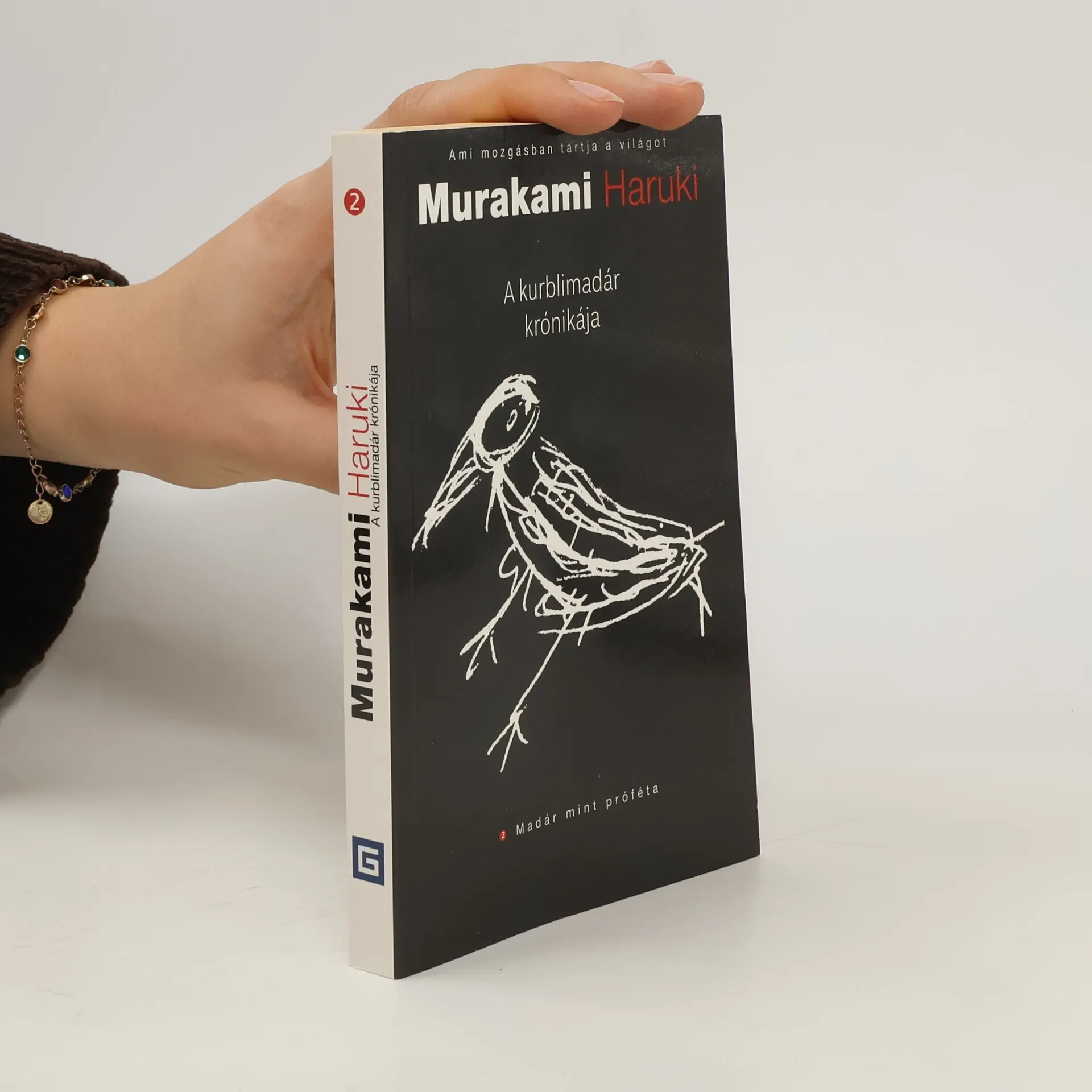
Kurblimadár krónikája 2
- 988pagine
- 35 ore di lettura
Tokió külvárosában egy Okada Toru nevű munka nélküli fiatalember először csak felesége elveszett macskája keresésére indul, idővel aztán rádöbben, hogy a felesége is elhagyta. A város békés felszíne alatt rejtőző föld alatti világba keveredve különös ismeretséget köt egy testvérpárral, akik a görög szigetvilág két tagjáról kapták a nevüket. A szomszédban lakó bolondos lány révén beavatást nyer a parókakészítés rejtelmeibe, egy nyugalmazott tiszt pedig a mandzsúriai háború tapasztalatait osztja meg vele. A zenekedvelő és rezignált Toru titokzatos állást vállal az inkognitójukat messzemenőkig őrző Szerecsendiónál és Fahéjnál, s eltűnt háziállatának és házastársának felkutatása miatt szó szerint sötét és mély kútba kell alászállnia. Murakami valóságot és misztikumot ötvöző regényének felzaklató történeteit az elbeszélés szenvtelen nyugalma ellensúlyozza, feszült kíváncsiságot ébresztve az olvasóban, aki az események sodrásának engedve képtelen letenni a könyvet. A lapok közül pedig minduntalan kihallatszik a világ mozgásban tartásáért felelős, láthatatlan kurblimadár hangja: gíííííííí...
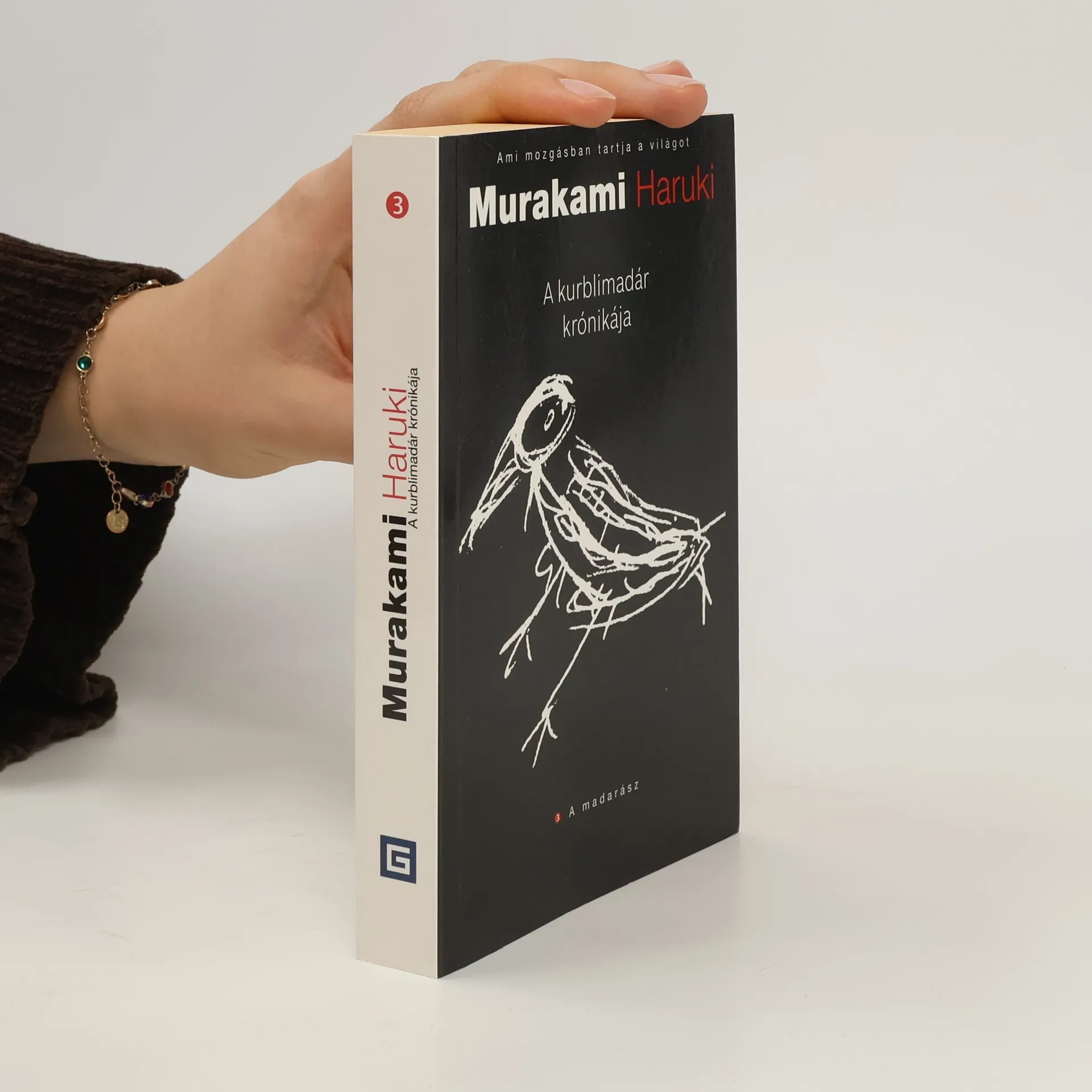
Kurblimadár krónikája 3
- 988pagine
- 35 ore di lettura
Tokió külvárosában egy Okada Toru nevű munka nélküli fiatalember először csak felesége elveszett macskája keresésére indul, idővel aztán rádöbben, hogy a felesége is elhagyta. A város békés felszíne alatt rejtőző föld alatti világba keveredve különös ismeretséget köt egy testvérpárral, akik a görög szigetvilág két tagjáról kapták a nevüket. A szomszédban lakó bolondos lány révén beavatást nyer a parókakészítés rejtelmeibe, egy nyugalmazott tiszt pedig a mandzsúriai háború tapasztalatait osztja meg vele. A zenekedvelő és rezignált Toru titokzatos állást vállal az inkognitójukat messzemenőkig őrző Szerecsendiónál és Fahéjnál, s eltűnt háziállatának és házastársának felkutatása miatt szó szerint sötét és mély kútba kell alászállnia. Murakami valóságot és misztikumot ötvöző regényének felzaklató történeteit az elbeszélés szenvtelen nyugalma ellensúlyozza, feszült kíváncsiságot ébresztve az olvasóban, aki az események sodrásának engedve képtelen letenni a könyvet. A lapok közül pedig minduntalan kihallatszik a világ mozgásban tartásáért felelős, láthatatlan kurblimadár hangja: gíííííííí...
Wohlgehütete Pfirsiche oder über die Traurigkeit. Japanische Erzählungen der letzten Jahre
- 274pagine
- 10 ore di lettura
Een Idea verschijnt
- 507pagine
- 18 ore di lettura
Een zesendertigjarige pas gescheiden portretschilder neemt zijn intrek in een oud atelier in de bergachtige omgeving ten zuidwesten van Tokio. Behalve door liefdesperikelen wordt hij geplaagd door een painter’s block, een onvermogen om te schilderen. Hij hoopt in het afgelegen atelier tot rust te komen, en zijn inspiratie terug te vinden, maar het zal anders gaan. Een mysterieus schilderij op de zolder van zijn verblijf lijkt tot leven te komen, vanuit een heuvel in het bos achter het huis klinkt ’s nachts het geluid van een bel. Een meisje verdwijnt, en de hoofdpersoon gaat haar zoeken – een zoektocht die hem afvoert naar de wereld der metaforen, waar hij met zijn diepste angsten wordt geconfronteerd.
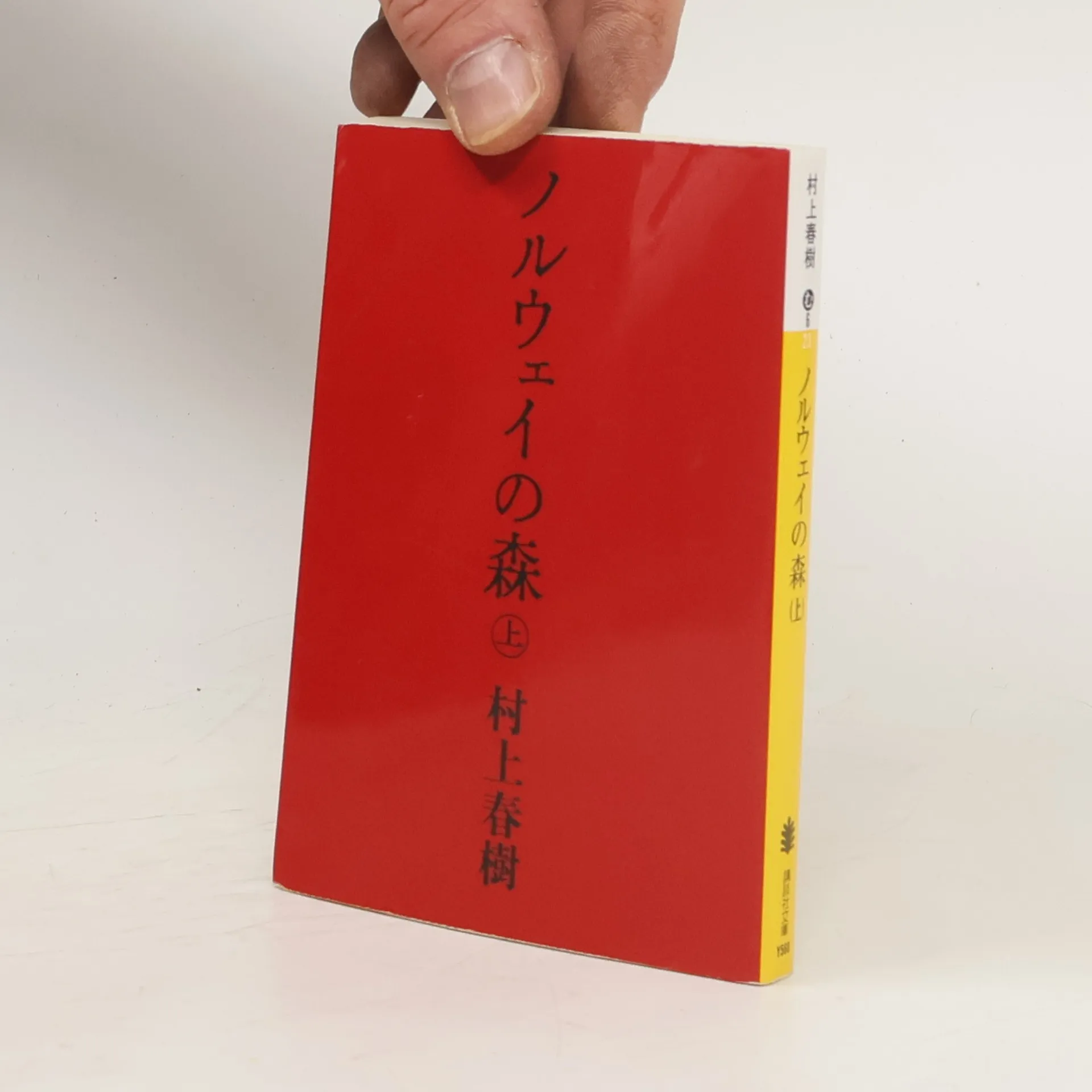
ノルウェイの森 (上)
- 302pagine
- 11 ore di lettura
1987年9月、講談社から書き下ろし作品として上下二分冊で刊行された。1991年4月に講談社文庫として文庫化、2004年9月に文庫改訂版が出された(なお、単行本にはあとがきが付されているが、文庫版には掲載されていない)。 執筆はギリシャ、シチリア、ローマで行われた。そのため、引き続いてロンドンで執筆した『ダンス・ダンス・ダンス』と共に「異国の影のようなものが宿命的にしみついている」「結果として書かれるべくして書かれた小説」「もし日本で書かれていたとしたら、(中略)これほど垂直的に「入って」いかなかったろう」と村上は『遠い太鼓』に書いている。1987年3月7日、早朝から17時間休みなしで第一稿を深夜に書き上げる。直後の日記に「すごく良い」とだけ書き記した。3月26日、第二稿完成。すべてボールペンで手書き。 学生運動の時代を背景として、主人公「僕」と、友人の恋人「直子」を軸に、様々な思春期の葛藤や人間模様、恋愛、喪失感などを巧みに描き、非常に広く読まれている。後述のように上巻は、片山恭一『世界の中心で、愛をさけぶ』に抜かれるまで、日本小説単行本の発行部数トップであった。 主人公の通っている「東京の私立大学」は村上の母校早稲田大学を、「主人公が入っていた寮」は入寮していた和敬塾をモデルにしている。なおこの作品は村上の実体験を基にした「自伝的小説」であるとも見られるが、本人はこれを否定している。 元となる作品として短編小説の「螢」(『中央公論』1983年1月号初出)がある。また、短編小説「めくらやなぎと眠る女」も本作にまとまっていく系統の作品だが、「螢」とは違って本作との間にストーリー上の直接の関連はないという。 1989年、アルフレッド・バーンバウムの翻訳による英訳版『Norwegian Wood』が出版された。しかし同氏の英訳書はその後絶版となり、現在はジェイ・ルービンが翻訳したもの(2000年刊行)が流通している。アメリカ、イギリス、カナダ、オーストラリアなどの英語圏のほか、フランス、ドイツ、イタリア、ロシア、中国、台湾、韓国などでも翻訳されている。ノルウェー語にも翻訳された。
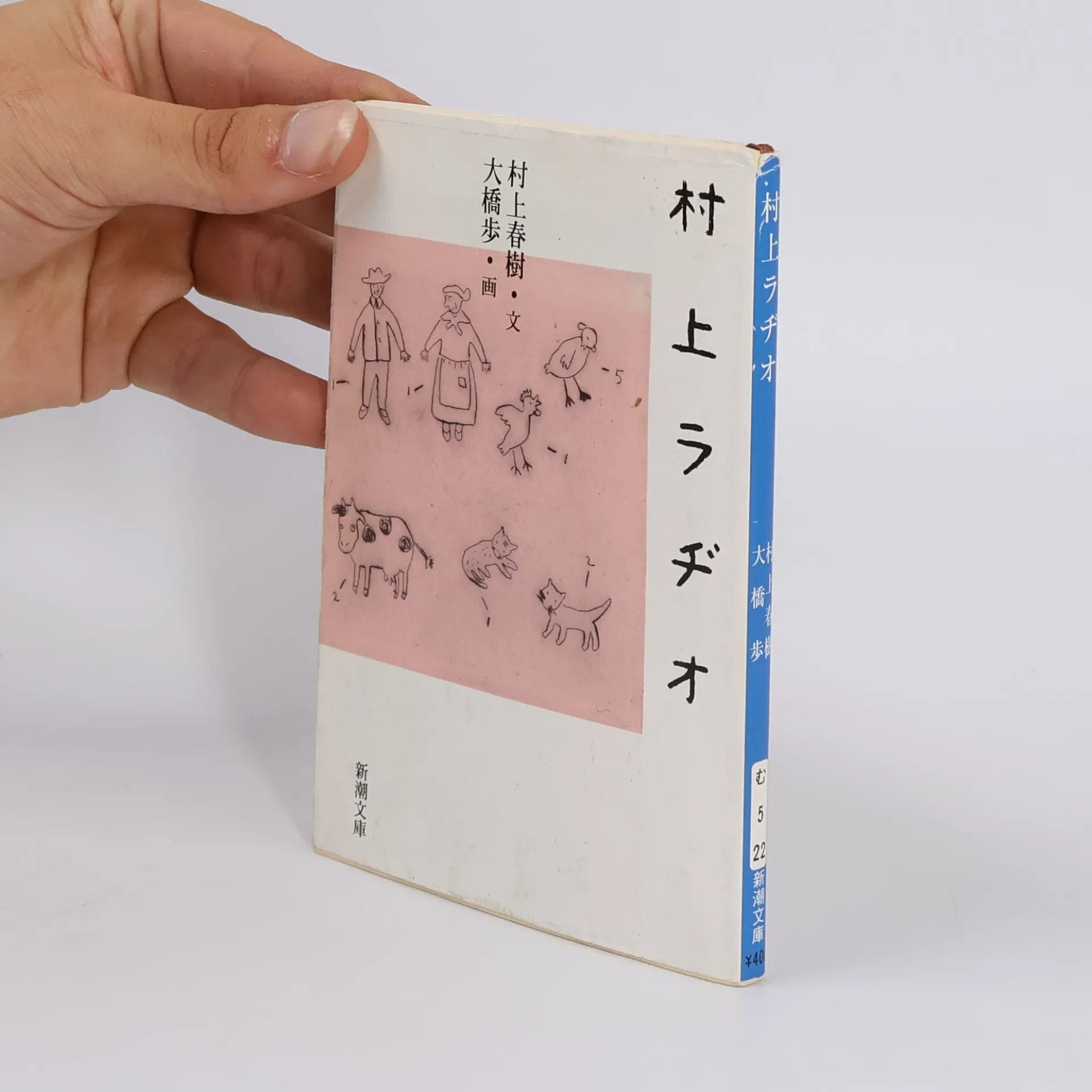
村上ラヂオ
- 217pagine
- 8 ore di lettura
パソコンのスイッチを入れたら、本書の140ページを開いてみて下さい。立ち上がるまでの時間が楽しく過ごせます。公園のベンチで食べる熱々のコロッケパン。冬のゴルフコースをスキーで走る楽しさ——。オーバーの中に子犬を抱いているような、ほのぼのとした気持ちで毎日をすごしたいあなたに、ちょっと変わった50のエッセイを贈ります。柿ピーの諸問題、楽しいレストランでの大惨事(?)から、きんぴら作りに最適なBGM、そして理想的な体重計の考察まで、小さなドラマが一杯!
心から一歩も外に出ないものごとなんて、この世界には存在しない―君たち二人の運命が、ただの成り行きによってここで邂逅したわけではない。君たちは入るべくしてこの世界に足を踏み入れたのだ。この1Q84年に。...雷鳴とどろく夜、青豆はさきがけのリーダーから「秘密」を明かされる。天吾と父親の宿命的な再会、そして猫の町。二人が迷いこんだ世界の謎はまだ消えない。
Никто не скажет о предлагаемой вашему вниманию книге лучше, чем сам автор — наиболее знаменитый мастер современной японской литературы: «Ультракороткие рассказы (вероятно, это странноватое название, но другого мне не приходит в голову) этого сборника, на самом деле были написаны для серии журнальной рекламы. Первая часть — для марки одежды “J. Press”, вторая — для перьевых ручек «Паркер». Хотя, как видите, содержание рассказов совершенно не связано ни с одеждой, ни с перьевыми ручками. Я просто написал их по собственному вкусу, Андзай Мидзумару сделал для них иллюстрации, а рядом с ними в журнале как-то виновато опубликовали рекламу товара. Серия рассказов для “J. Press” печаталась в журнале “Men’s Club”, серия для ручек — в журнале “Тайё”. Не знаю, насколько эффективными они оказались с точки зрения рекламы, — и, честно говоря, даже думать об этом не хочу».
La suite de l'épopée de Murakami qui déstabilise encore un peu plus son lecteur. Une exploration des obsessions humaines au sein d'une histoire onirique et artistique. Au Japon, de nos jours. Une jeune fille a disparu. Le narrateur avait entrepris de faire son portrait. Il va rendre visite au vieux peintre Tomohiko Amada. Dans la chambre d'hôpital, le Commandeur apparaît. Le narrateur écoute le Commandeur : ce dernier est une idée ; une idée multiforme, chacun peut y projeter ce dont il a besoin. Il est prêt à offrir sa vie pour que la jeune fille soit retrouvée. Il faut faire revivre la scène du tableau, le Commandeur doit être poignardé. Le narrateur lui plante un couteau dans le coeur. Une trappe s'ouvre dans un coin de la chambre. Un personnage étrange en surgit qui invite à entrer dans le passage souterrain. C'est le début d'un périple qui va le conduire au-devant des forces du mal..
Tony Takitani
- 80pagine
- 3 ore di lettura
Colección Andanzas: 1Q84. Libro 3
- 416pagine
- 15 ore di lettura
A las voces de Aomame –la enigmática instructora de gimnasia y asesina– y de Tengo –el profesor de matemáticas y escritor–, se suma, en este tercer volumen de la novela 1Q84 , la de un nuevo personaje, un detective llamado Ushikawa. Su última misión, encargada por Vanguardia, el misterioso culto religioso, consistió en comprobar si Aomame era digna de confianza para trabajar para el líder. Ushikawa dio el visto bueno a la joven, pero ésta los traicionó a todos, cometió un nuevo asesinato y luego desapareció. Si el detective no logra encontrarla, la venganza de la secta se abatirá sobre él. Entretanto, Aomame y Tengo, cada uno a su modo, siguen deseándose en la ausencia, buscándose –en el más puro estilo de Murakami– casi sin moverse de su sitio, aislados, quizás a punto de experimentar un giro radical en sus vidas y esperando un reencuentro que los redima... en el mundo de 1984, o en el de 1Q84, ese fantasmagórico universo con dos lunas.
Харуки Мураками - абсолютный мастер слова и легенда современной литературы. Его мировая известность даже выше, чем та невероятная популярность, которую он снискал на родине в Японии. Его романы отмечены литературными премиями
1949年にジョージ・オーウェルは、近未来小説としての『1984』を刊行した。そして2009年、『1Q84』は逆の方向から1984年を描いた近過去小説である。そこに描かれているのは「こうであったかもしれない」世界なのだ。私たちが生きている現在が、「そうではなかったかもしれない」世界であるのと、ちょうど同じように。
中公文庫 - 571: 中国行きのスロウ・ボート
- 288pagine
- 11 ore di lettura
青春の追憶と内なる魂の旅を描く表題作ほか6篇。著者初の短篇集。
新潮文庫: 東京奇譚集
- 246pagine
- 9 ore di lettura
Collection of short stories