

Susan Abulhawa Ordine dei libri (cronologico)
Susan Abulhawa crea narrative potenti e toccanti che illuminano l'esperienza palestinese, concentrandosi sulla resilienza, sulla speranza e sull'umanità duratura in mezzo a una perdita profonda. I suoi romanzi sono permeati da una profonda empatia e da un'acuta critica sociale, offrendo una voce vitale a storie spesso emarginate sulla scena globale. Attraverso il suo distintivo stile letterario, Abulhawa porta alla luce prospettive essenziali sulla dignità umana e sulla lotta per la giustizia. La sua opera, ampiamente letta, funge da significativo testamento dello spirito duraturo di un popolo.

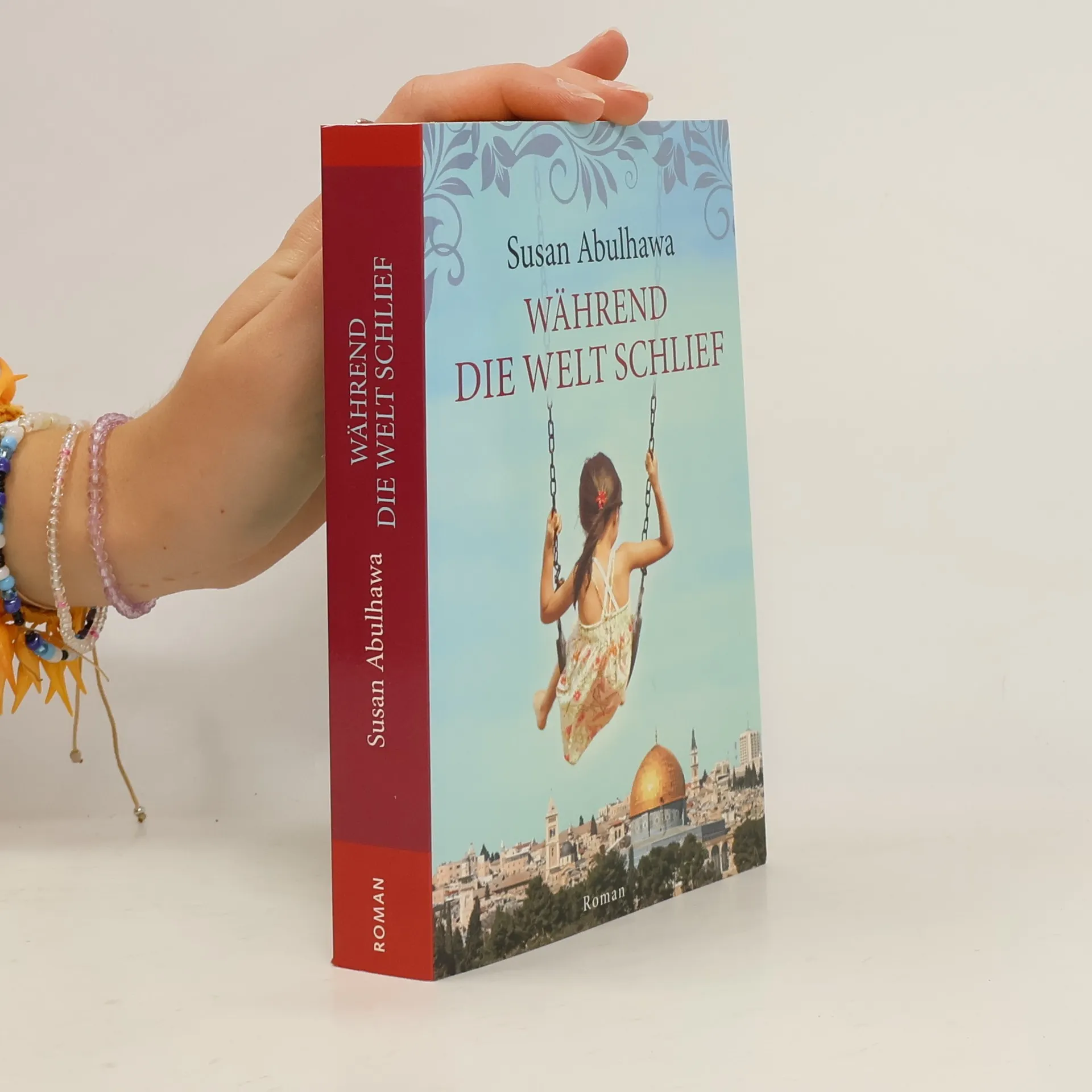
Nahr, eine Palästinenserin, wird im Exil in Kuwait geboren und wächst zu einer starken Frau heran, die den Tanz als Ausdruck ihrer Freiheit sieht. Nach einer gescheiterten Ehe landet sie in einem Bordell, was sie prägt und stärkt. Ihre Reise nach Palästina führt sie zu Bilal, der ihr die Liebe und das Land ihrer Vorfahren näherbringt. Doch als sie sich Bilals Mission zur Befreiung seines Volkes anschließt, steht sie vor folgenschweren Entscheidungen, die ihr Leben nachhaltig beeinflussen.
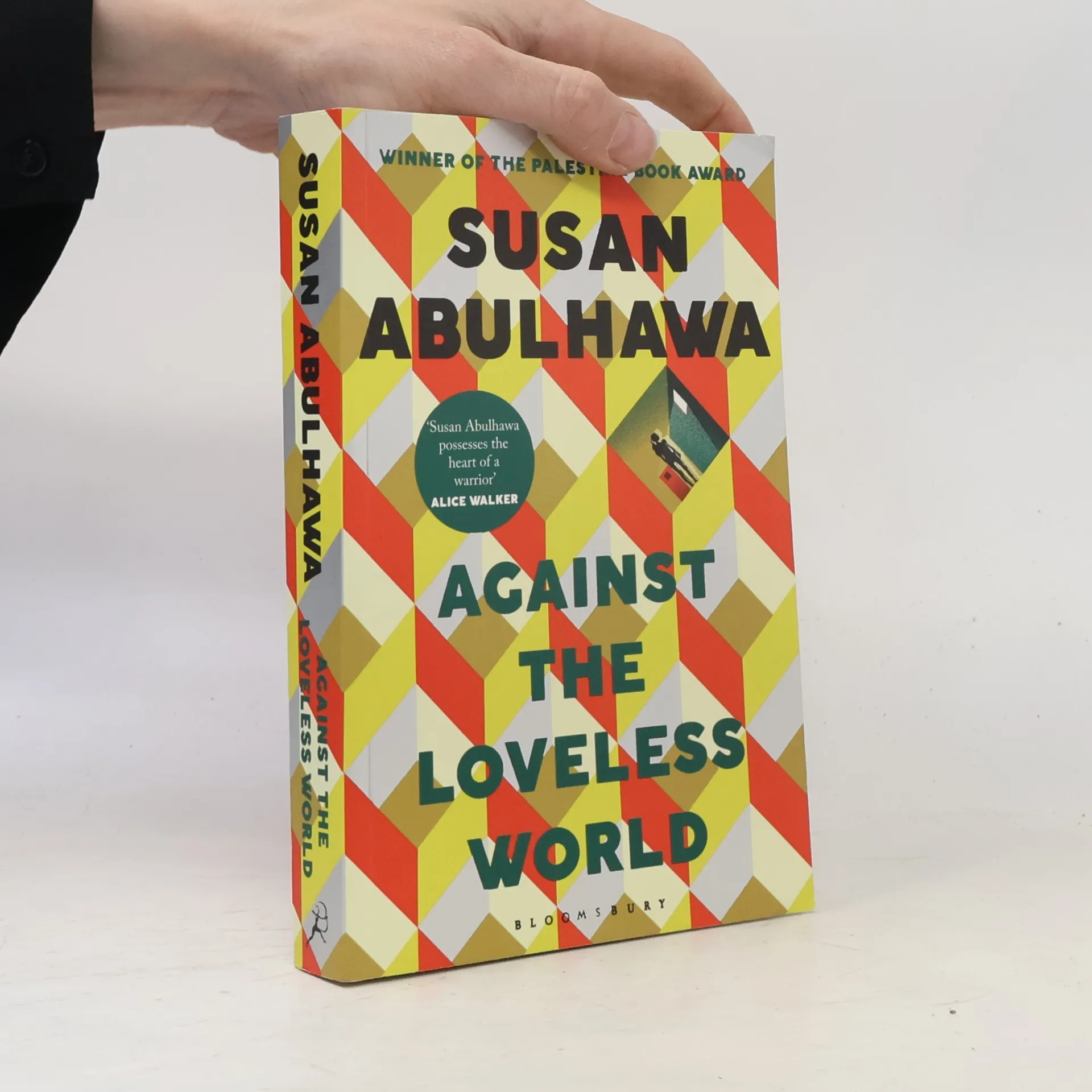
'A thrilling, defiant novel' FATIMA BHUTTO 'A masterpiece' MARC LAMONT HILL 'Wonderful ... Shines a ray of hope into some very dark places' MICHAEL PALIN 'A fearless work of imagination' AHDAF SOUEIF Winner of the Palestine Book Award Nahr has been confined to the Cube: nine square metres of glossy grey cinderblock, devoid of time, its patterns of light and dark nothing to do with day and night. Journalists visit her, but get nowhere; because Nahr is not going to share her story with them. The world outside calls Nahr a terrorist, and a whore; some might call her a revolutionary, or a hero. But the truth is, Nahr has always been many things, and had many names. She was a girl who learned, early and painfully, that when you are a second class citizen love is a kind of desperation; she learned, above all else, to survive. She was a girl who went to Palestine in the wrong shoes, and without looking for it found what she had always lacked in the basement of a battered beauty parlour: purpose, politics, friends. She found a dark-eyed man called Bilal, who taught her to resist; who tried to save her when it was already too late. Nahr sits in the Cube, and tells her story to Bilal. Bilal, who isn't there; Bilal, who may not even be alive, but who is her only reason to get out.
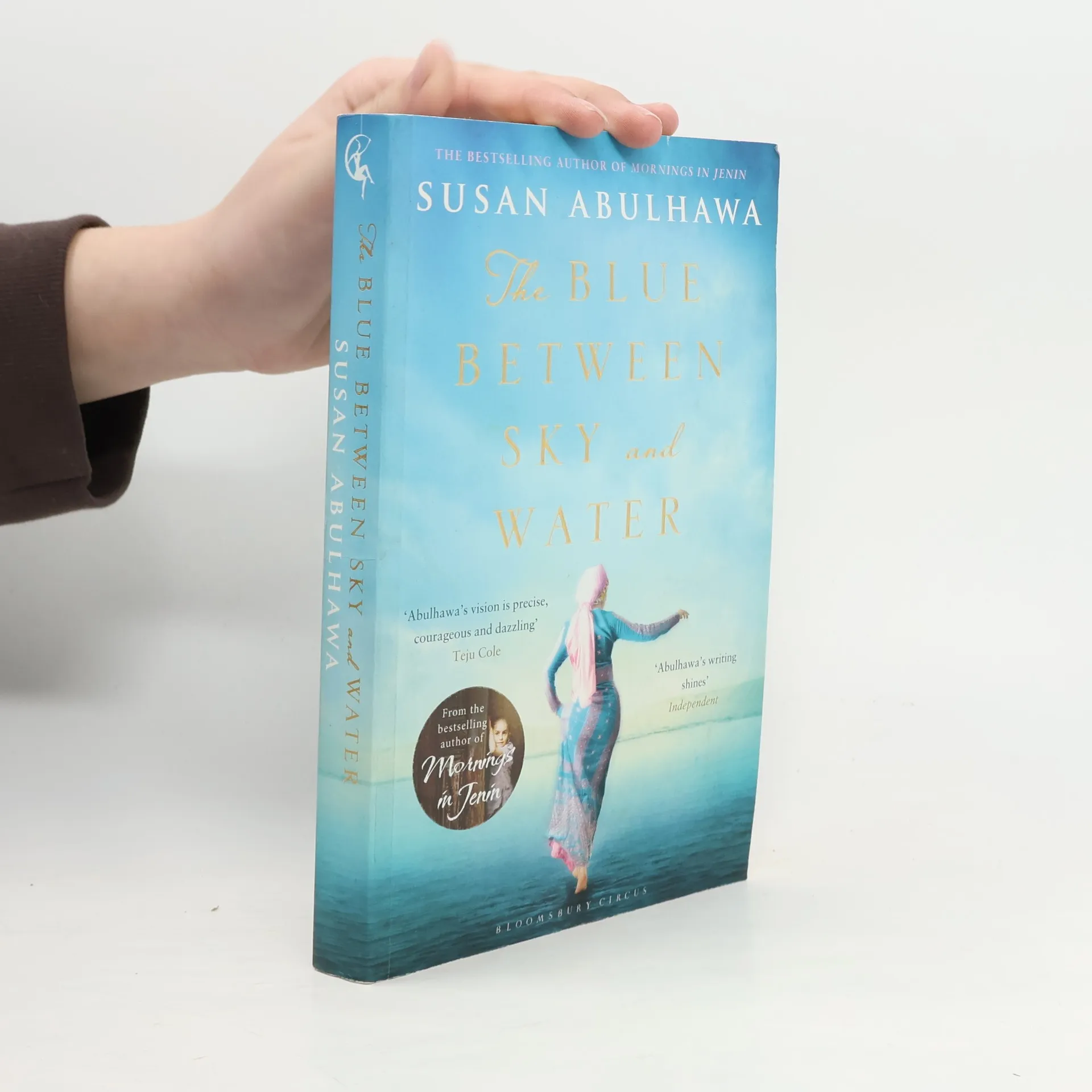
The Blue Between Sky and Water
Als die Sonne im Meer verschwand, englische Ausgabe
- 293pagine
- 11 ore di lettura
It is 1947, and Beit Daras, a quiet village in Palestine surrounded by olive groves, is home to the Baraka family. Eldest daughter Nazmiyeh looks after her widowed mother, prone to wandering and strange outbursts, while her brother Mamdouh tends to the village bees. Their younger sister, Mariam, with her striking mismatched eyes, spends her days talking to imaginary friends and writing. When Israeli forces gather outside the town's borders, nobody suspects the terror that is about to descend. Soon the village is burning and, amidst smoke and ash, the family must take the long road to Gaza, in a walk that will test them to their limits. Sixty years later, Mamdouh's granddaughter Nur is living in America. She falls in love with a married man, a doctor who works in Palestine, and follows him to Gaza. There she meets Alwan, the mother of Khaled - a boy trapped in his own body, unable to wake up from a deep blue dream. It is through her that Nur will at last discover the ties of kinship that transcend distance - and even death. The Blue Between Sky and Water is a story of powerful, flawed women; of relocation, separation and heartache; of renewal, family, endurance, and love. Susan Abulhawa brings a raw humanity and delicate authority to the story of Palestine in this devastatingly beautiful tale.
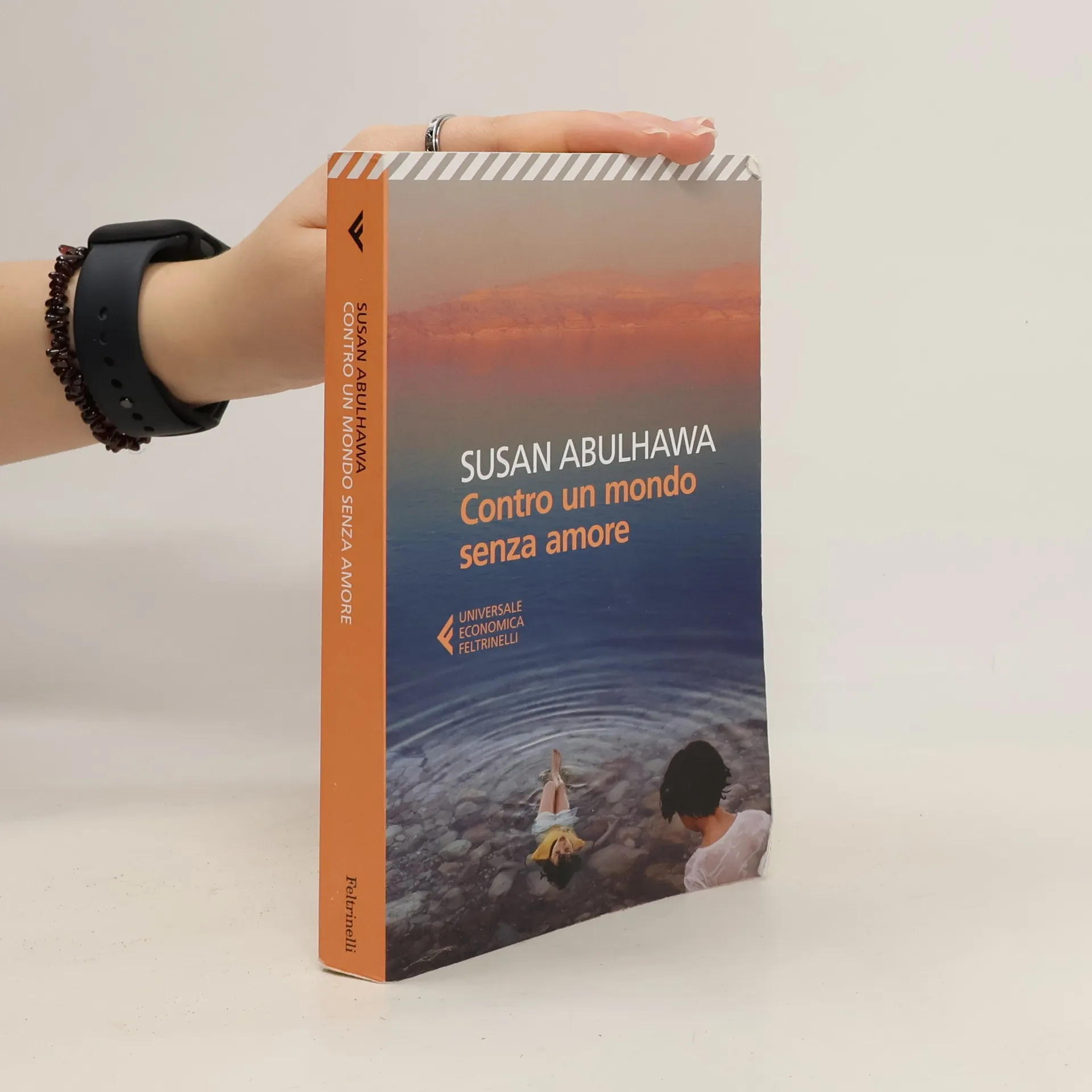
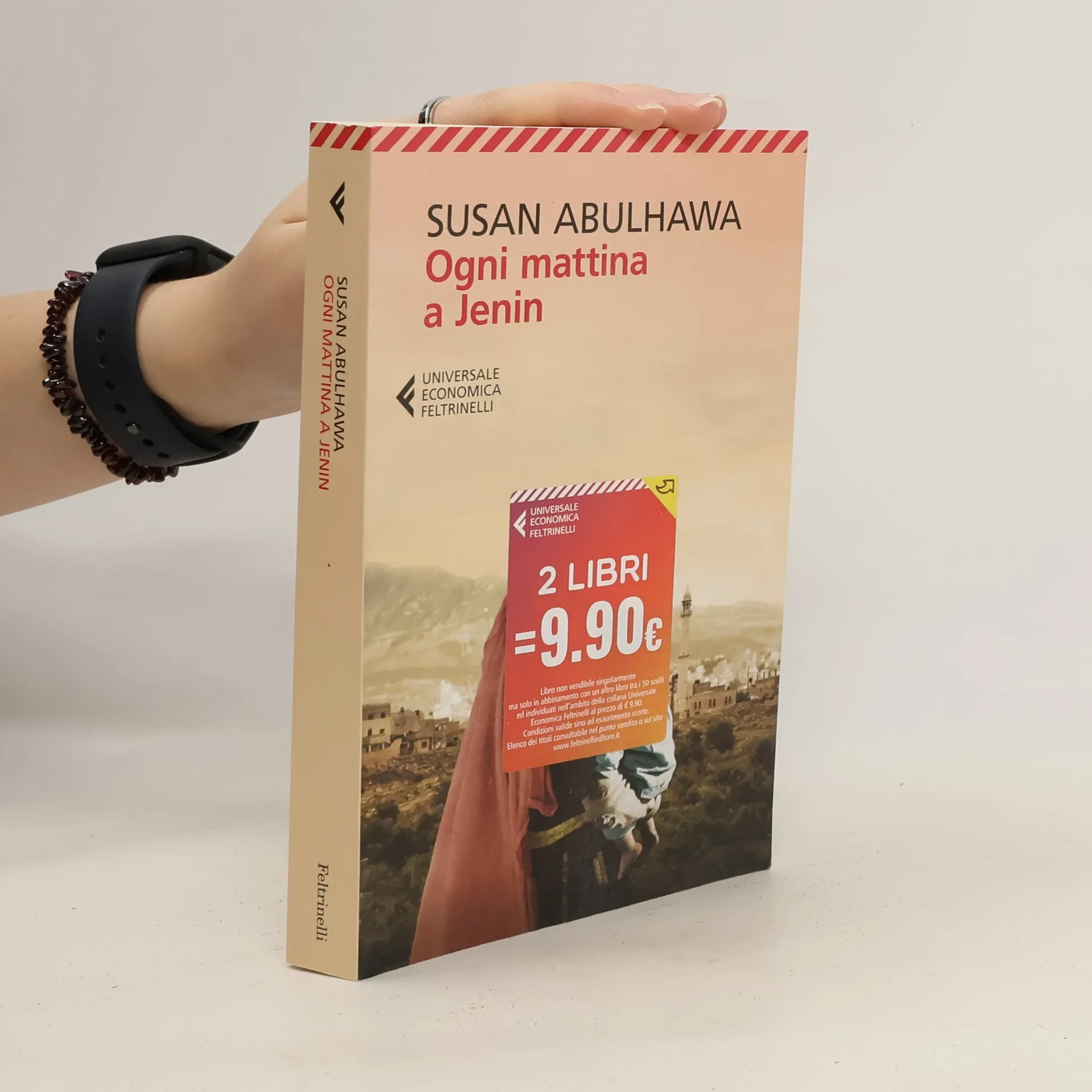
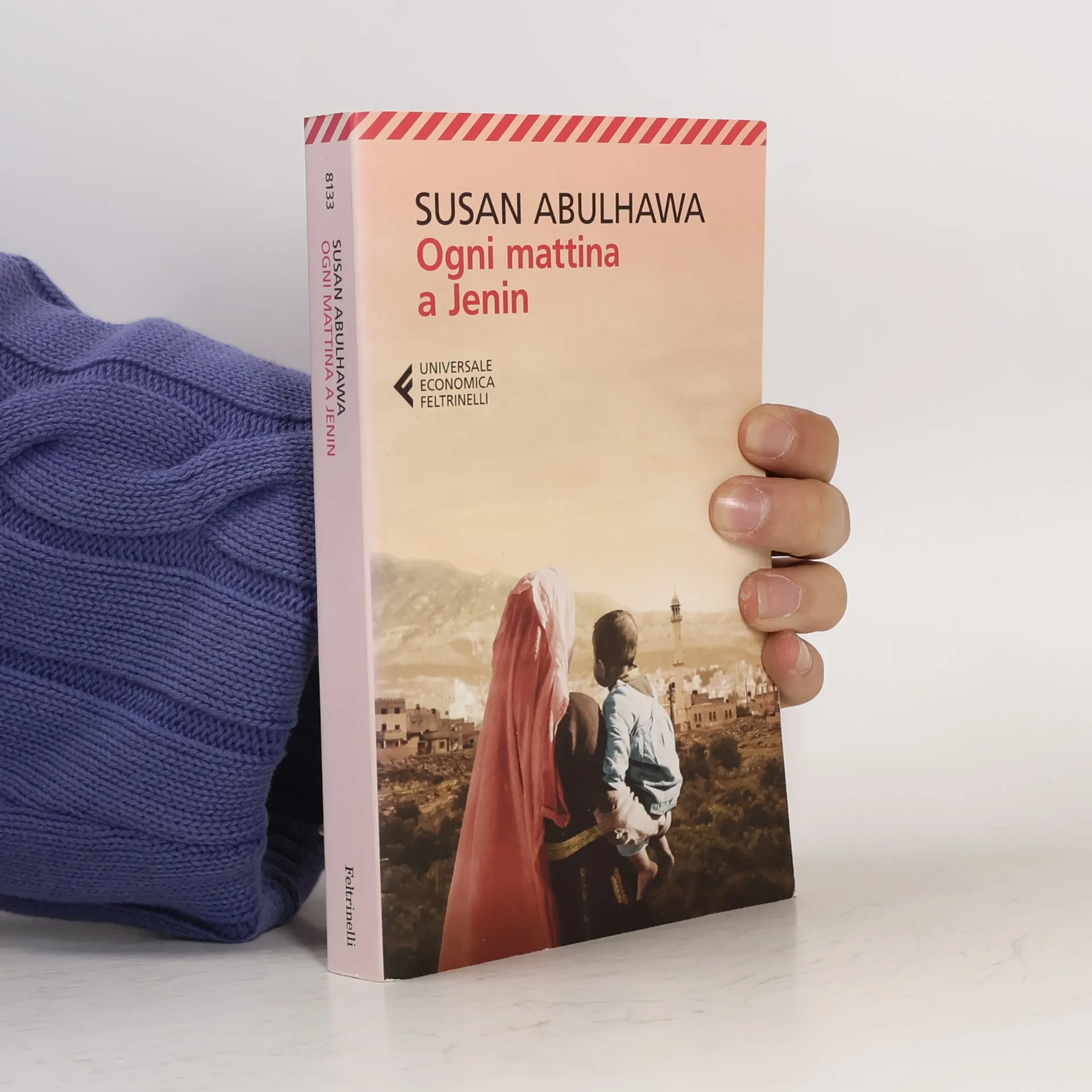
Universale Economica - 8133: Ogni mattina a Jenin
- 390pagine
- 14 ore di lettura
Attraverso la voce di Amal, la brillante nipotina del patriarca della famiglia Abulheja, viviamo l'abbandono della casa dei suoi antenati di �Ain Hod, nel 1948, per il campo profughi di Jenin. Assistiamo alle drammatiche vicende dei suoi due fratelli, costretti a diventare nemici: il primo rapito da neonato e diventato un soldato israeliano, il secondo che invece consacra la sua esistenza alla causa palestinese. E, in parallelo, si snoda la storia di Amal: l'infanzia, gli amori, i lutti, il matrimonio, la maternità e, infine, il suo bisogno di condividere questa storia con la figlia, per preservare il suo più grande amore. La storia della Palestina, intrecciata alle vicende di una famiglia che diventa simbolo delle famiglie palestinesi, si snoda nell'arco di quasi sessant'anni, attraverso gli episodi che hanno segnato la nascita di uno stato e la fine di un altro. In primo piano c'è la tragedia dell'esilio, la guerra, la perdita della terra e degli affetti, la vita nei campi profughi, come rifugiati, condannati a sopravvivere in attesa di una svolta. L'autrice non cerca i colpevoli tra gli israeliani, che anzi descrive con pietà, rispetto e consapevolezza, racconta invece la storia di tante vittime capaci di andare avanti solo grazie all'amore.
