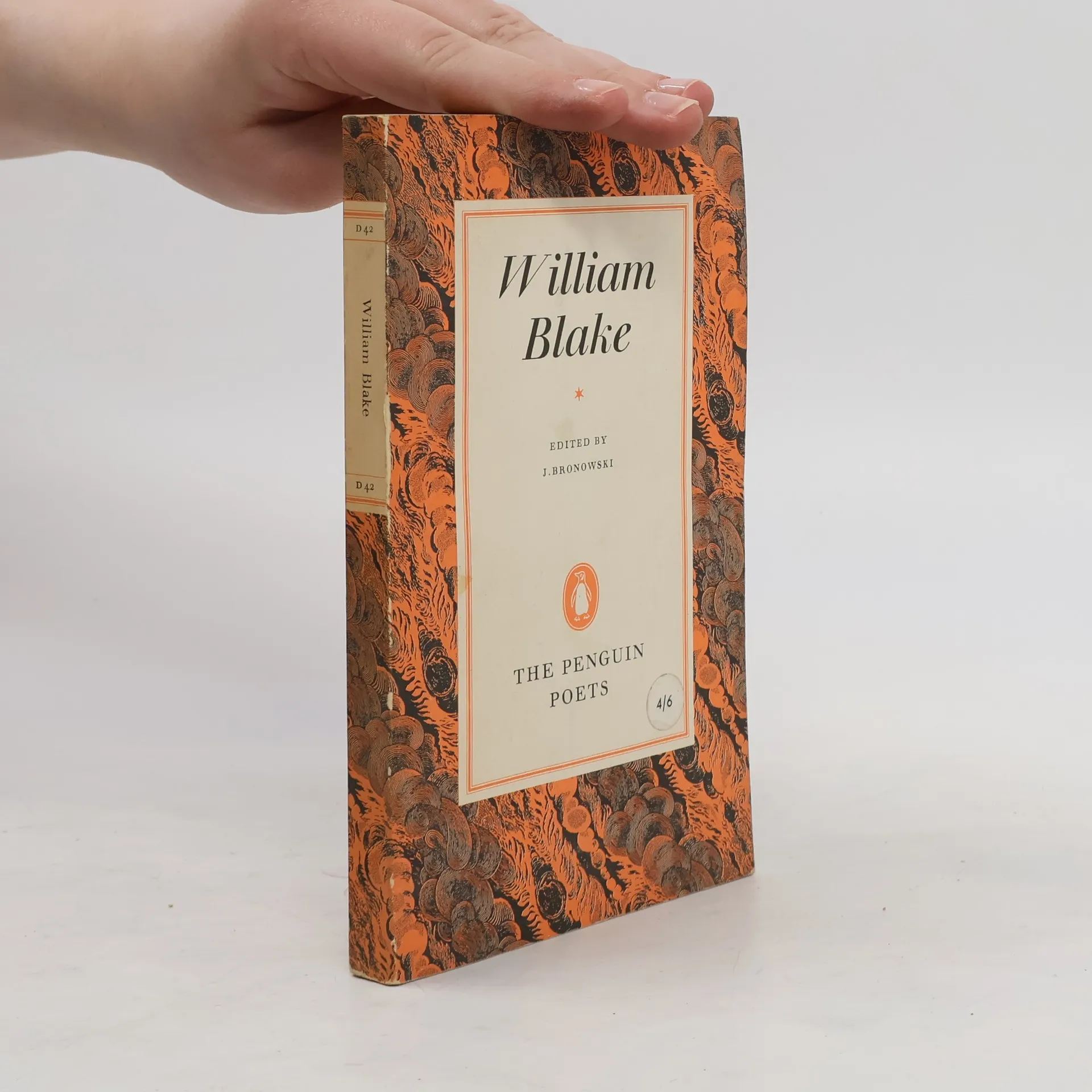
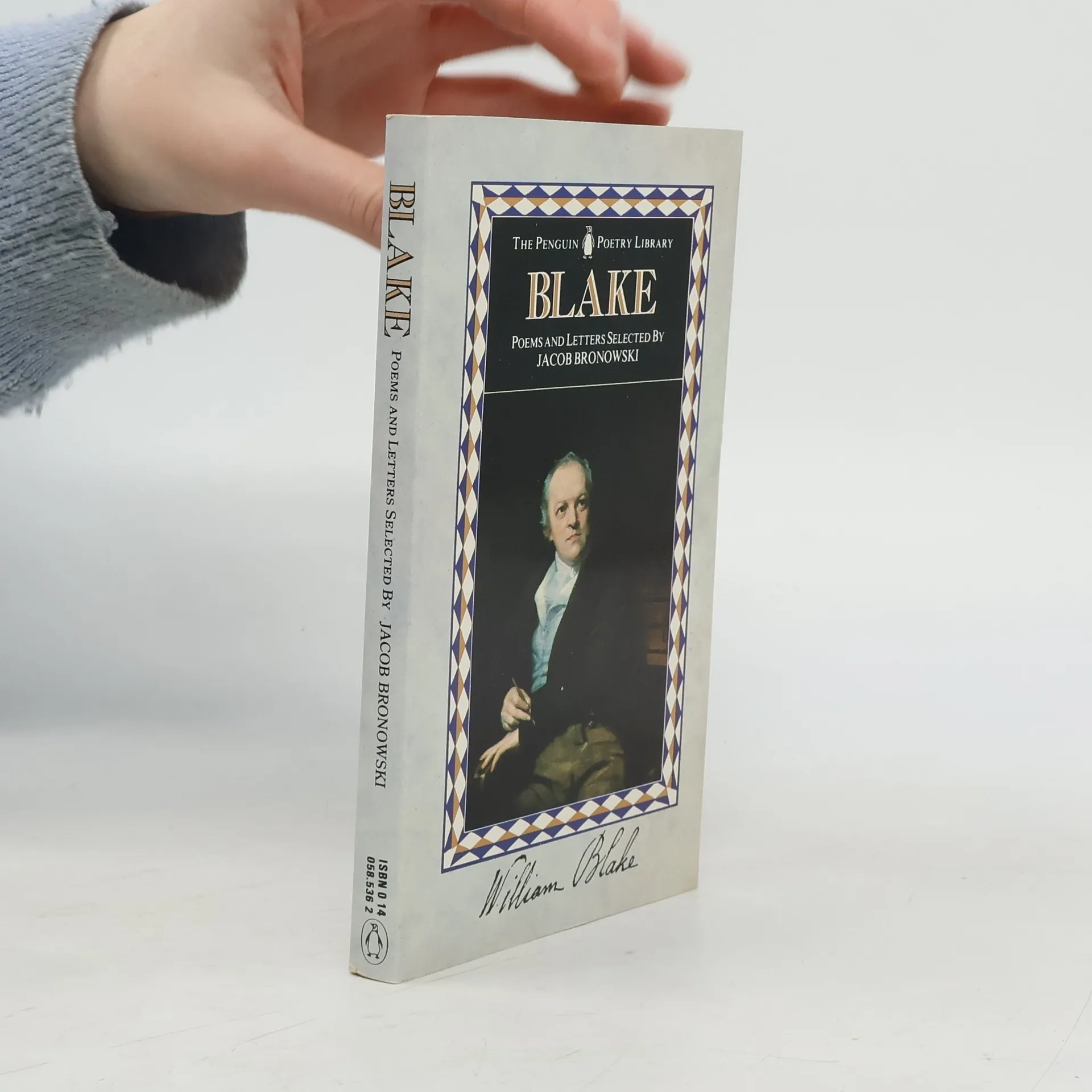
William Blake was an engraver, painter, and visionary mystic as well as one of the most revolutionary of the Romantic poets. His writing attracted the astonished admiration of authors as diverse as Wordsworth, Ruskin, W.B. Yeats, and beat poet Allen Ginsberg. He is one of England's most original artists whose works aim to liberate imaginative energies and subvert 'the mind-forged manacles' of restriction. This volume contains many of his writings, including: 'Songs of Innocence', 'Songs of Experience', 'The Marriage of Heaven and Hell', and a generous selection from the Prophetic Books including 'Milton' and 'Jerusalem'.
Jacob Bronowski Libri
18 gennaio 1908 – 22 agosto 1974
Uno scienziato britannico di origine polacco-ebraica, il cui lavoro ha collegato matematica e biologia, esplorando il viaggio dell'umanità attraverso l'impegno scientifico. È ricordato soprattutto per una serie televisiva fondamentale che esamina la storia del progresso umano attraverso la scienza e l'innovazione. Attraverso una ricerca meticolosa e la capacità di collegare diversi campi, ha illuminato il ruolo cruciale dell'immaginazione e del linguaggio simbolico nel progresso della conoscenza. Le sue intuizioni sulla natura umana e sui prodotti intellettuali continuano a risuonare.

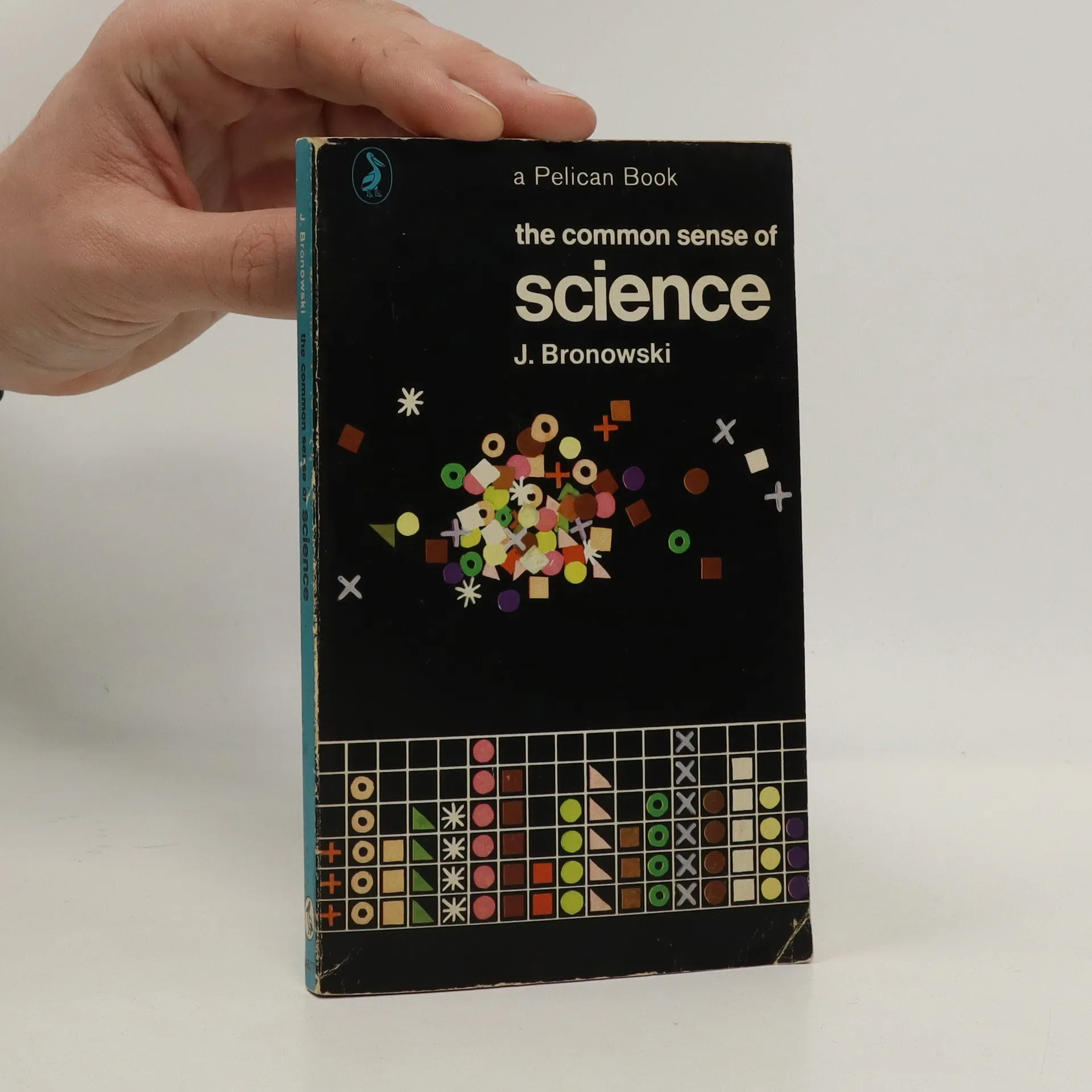

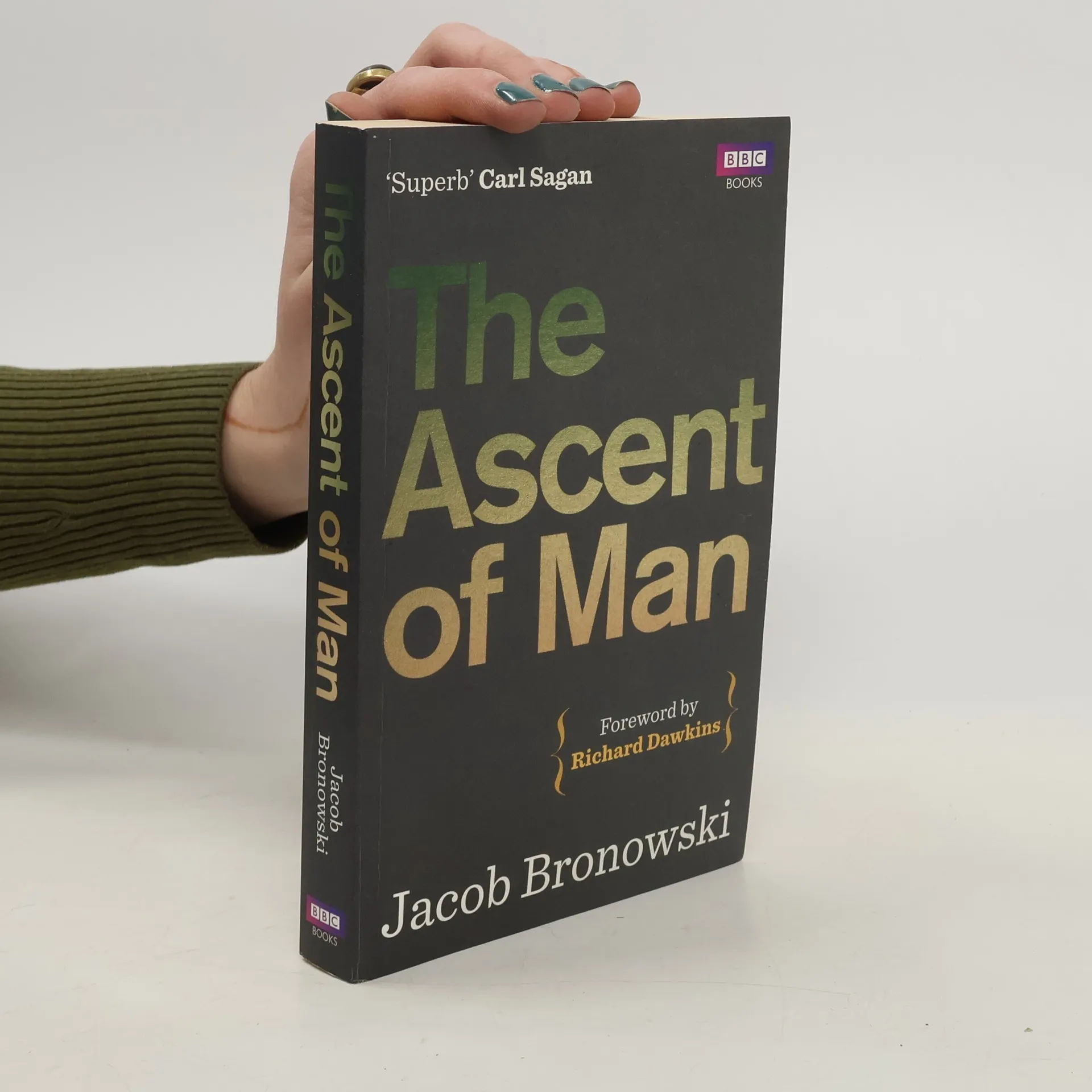
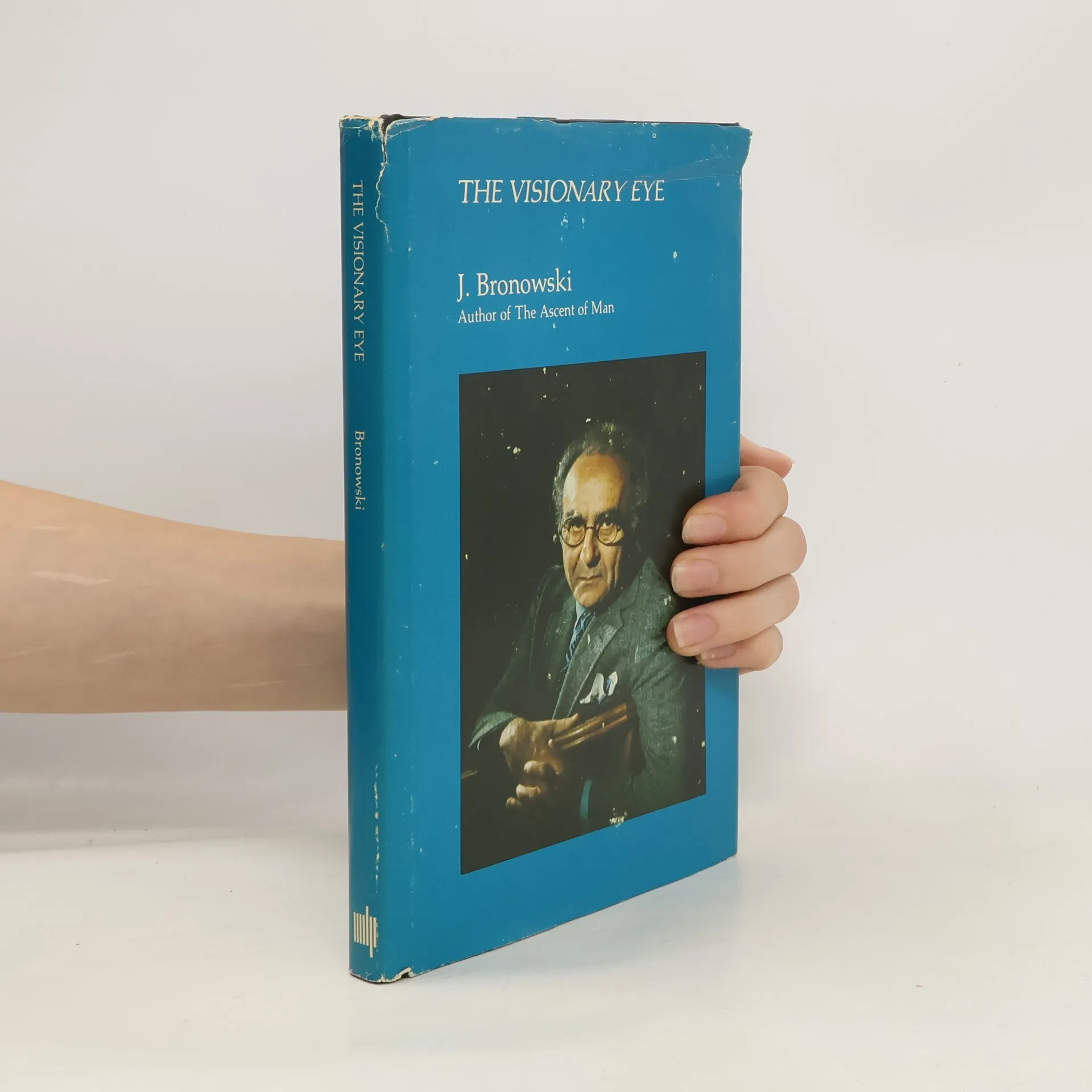
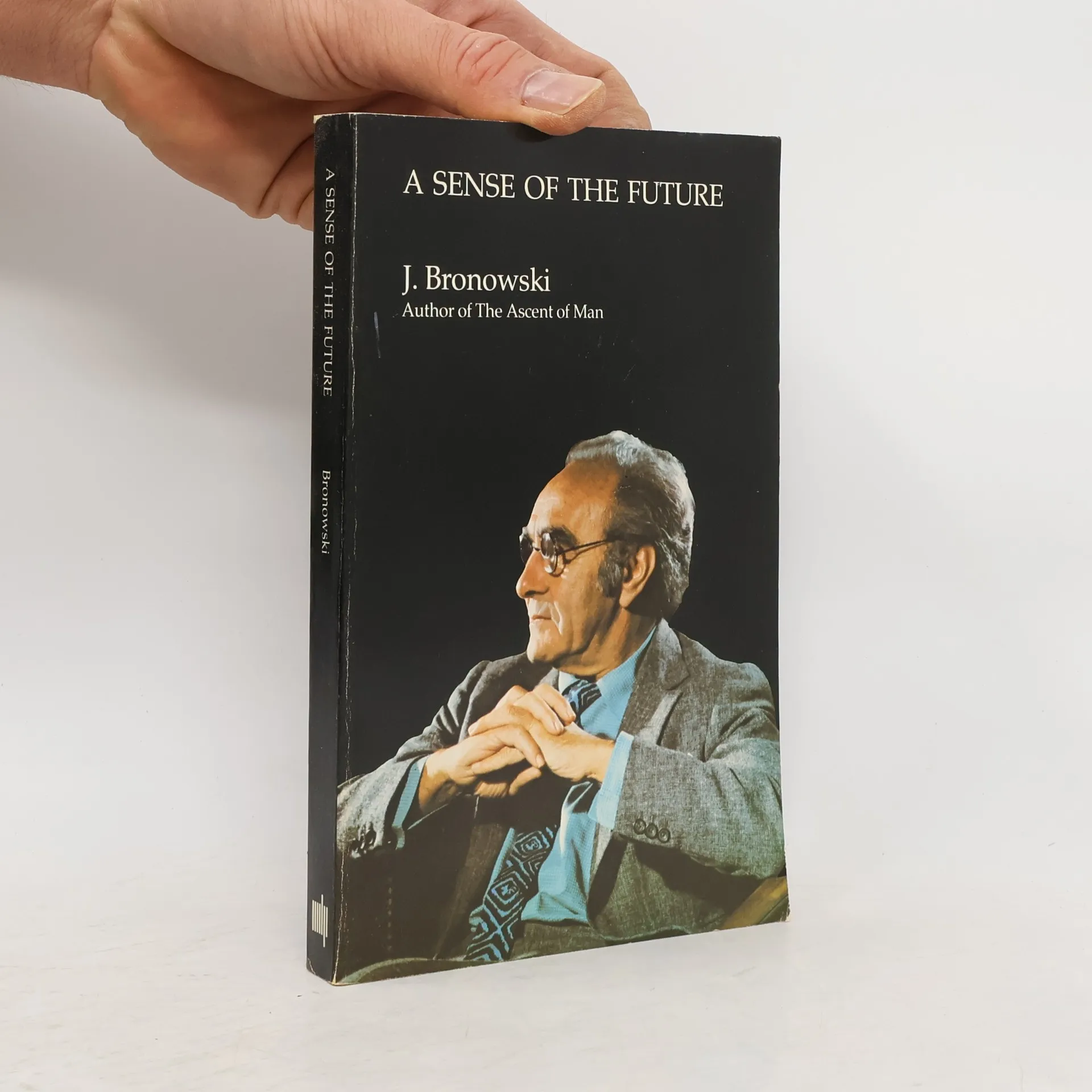
Jacob Bronowski educated a vast audience through his television series on scientific concepts and his highly regarded books. This volume deepens that exploration, culminating in an essay titled "The Fulfillment of Man."
The Visionary Eye
Essays in the Arts, Literature, and Science
Selected by Piero E. Ariotti in collaboration with Rita Bronowski
The Ascent Of Man
- 352pagine
- 13 ore di lettura
Dr Jacob Bronowksi's The Ascent of Man traces the development of human society through our understanding of science.
Jacob Bronowski was, with Kenneth Clarke, the greatest popularizer of serious ideas in Britain between the mid 1950s and the early 1970s. He isolates three creative ideas that have been central to science: the idea of order, the idea of causes and the idea of chance.
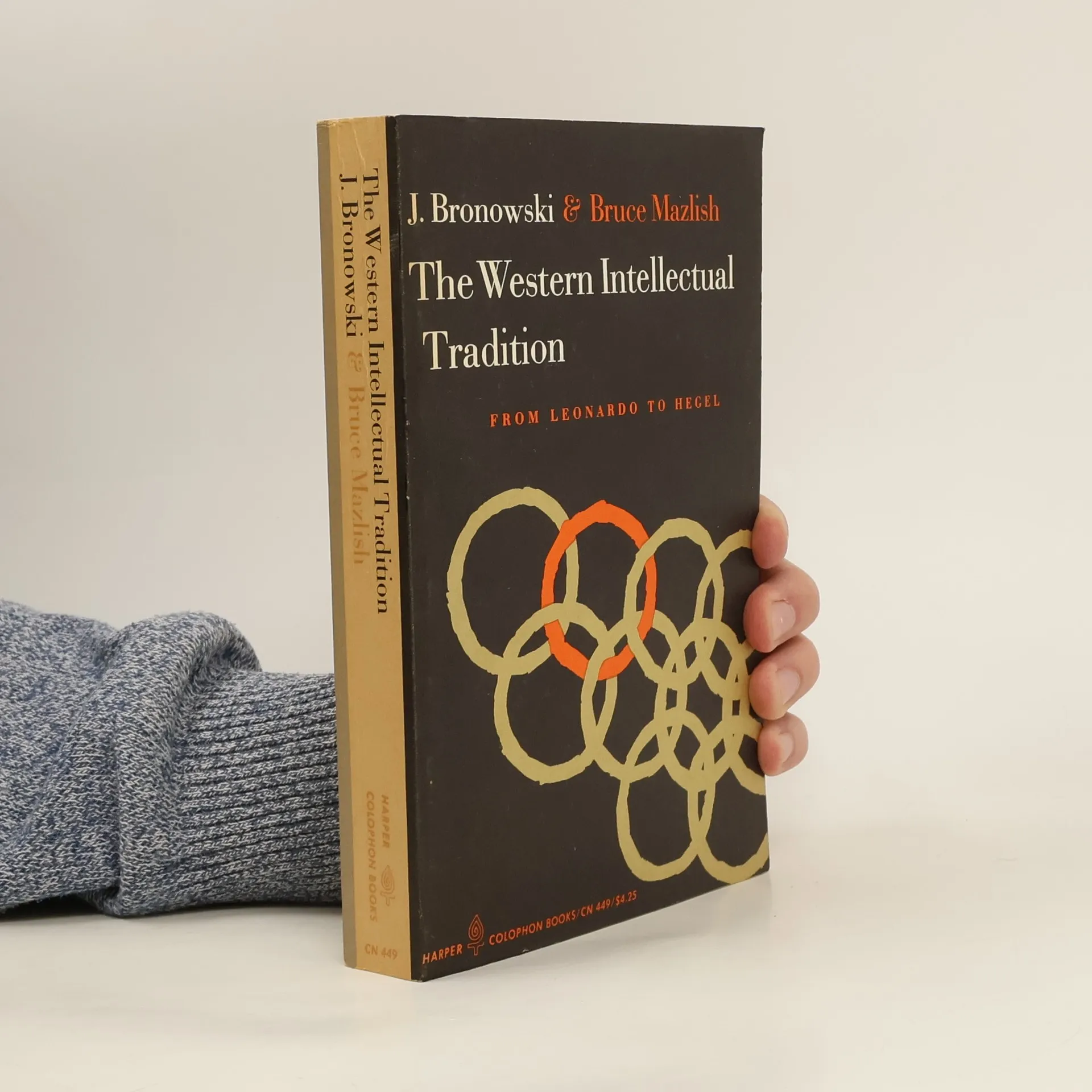
The Western Intellectual Tradition
From Leonardo to Hegel
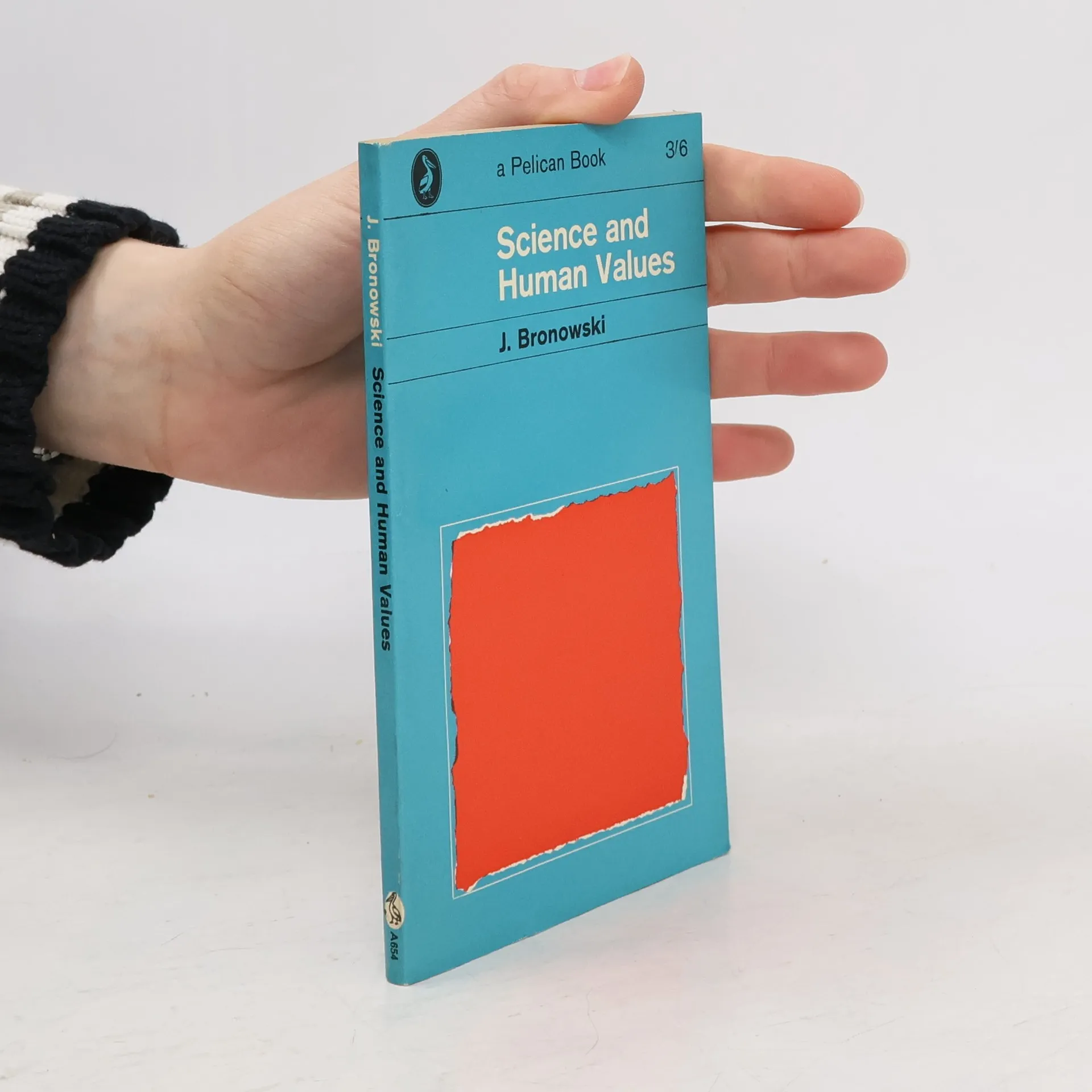
Science and Human Values was originally a lecture by Jacob Bronowski at MIT in 1953.
Die Welt der Technik
Von den Anfängen der Technik bis zur Automation