Soaring income inequality, unemployment, and environmental destruction cannot be fully understood through traditional concepts of poverty and injustice, according to Saskia Sassen. Instead, these issues represent a form of expulsion—from livelihoods, living spaces, and even the biosphere essential for life. This critique updates our understanding of twenty-first-century economics, revealing a system with dire consequences for all, including those who believe they are immune. The admired knowledge and technology in sectors like finance and mining often lead to fundamental brutalities, evolving into predatory formations—complex assemblages of knowledge, interests, and outcomes that extend beyond individual or governmental projects. Sassen draws unexpected connections to reveal the systemic logic behind these expulsions. The sophisticated knowledge that produces modern financial instruments parallels the engineering skills that facilitate environmental exploitation and the legal expertise that enables wealthier nations to seize land from poorer ones. The complexity of the global economy obscures accountability for displacements and eradications, making it challenging for beneficiaries of the system to acknowledge their role in its destructive impacts.
Saskia Sassen Ordine dei libri (cronologico)
Saskia Sassen è una sociologa rinomata per le sue analisi della globalizzazione e della migrazione umana internazionale. Il suo lavoro approfondisce gli impatti della ristrutturazione economica e come il movimento di manodopera e capitale plasmi la vita urbana. Esamina anche l'influenza della tecnologia della comunicazione sulla governance, osservando il diminuire del controllo degli stati-nazione su questi sviluppi. Sassen ha coniato il termine 'città globale' e i suoi scritti esplorano il transnazionalismo e l'immigrazione con profonde intuizioni.




The Way Things Are
- 216pagine
- 8 ore di lettura
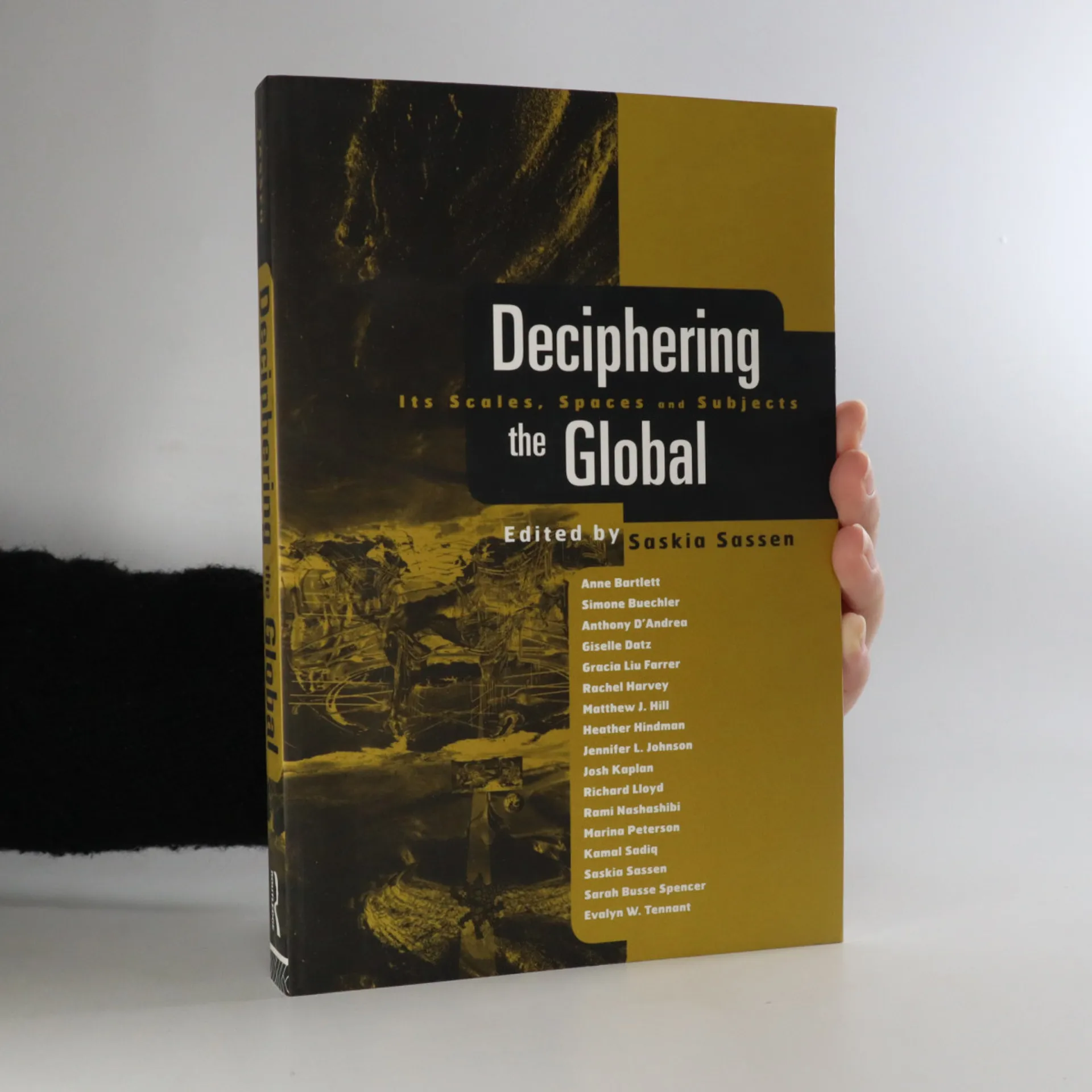
This volume explores artistic representation of today's increasingly precarious work and social spheres within advanced economies. It features work by Los Carpinteros, Julian Rosefeldt, Allan Sekula and Andreas Siekmann, among others.
Saskia Sassen is Ralph Lewis Professor of Sociology at the University of Chicago and Professor of Sociology at the London School of Economics.
A Sociology of Globalization
- 308pagine
- 11 ore di lettura
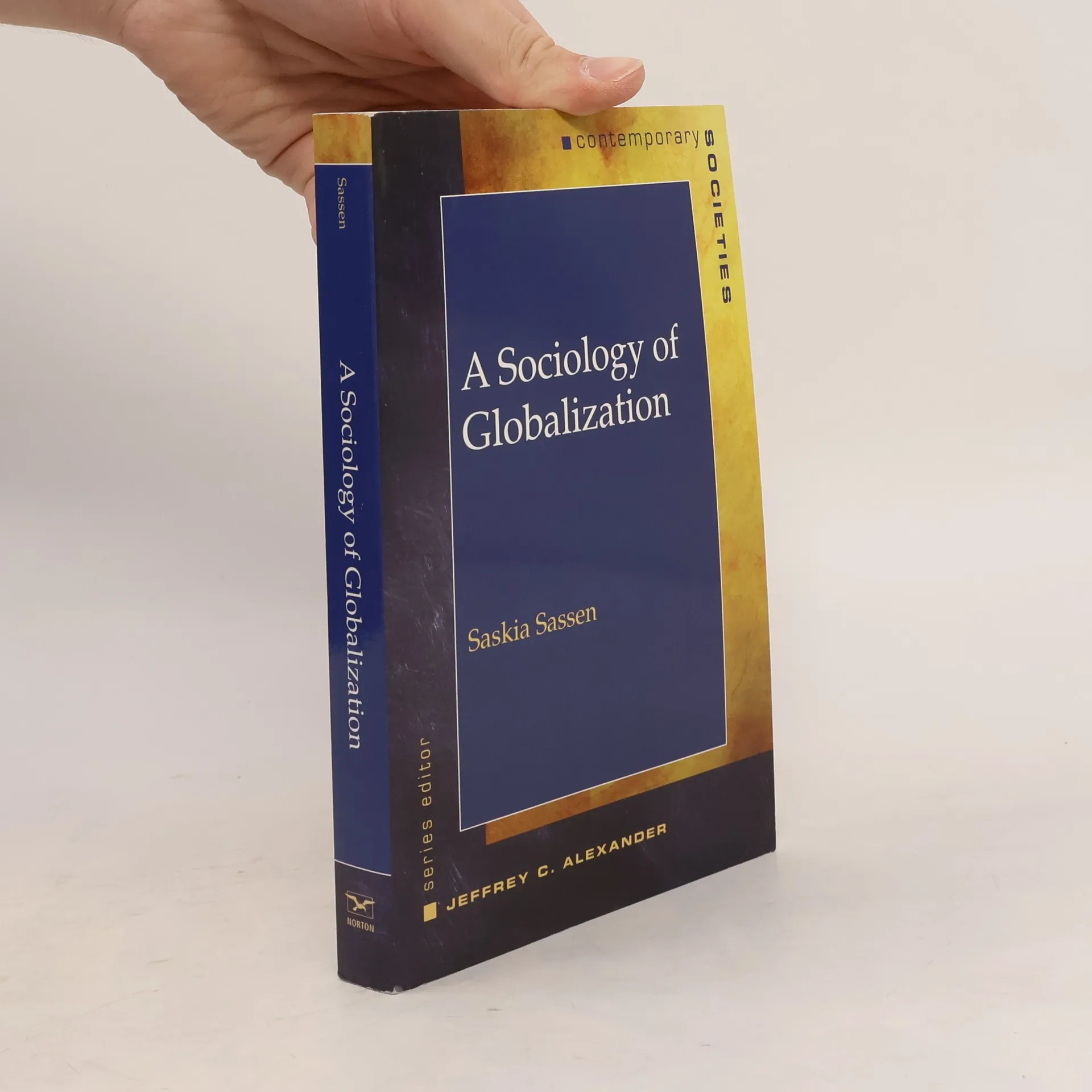
In her groundbreaking book, sociologist Saskia Sassen identifies two sets of processes that make up globalization. One is the set of global institutions, such as the World Trade Organization, global financial markets, the War Crimes Tribunals and the new global cosmopolitanism. However, there is a second set of processes, frequently ignored by most social scientists, that occur on the national and local level. These processes can include state monetary and fiscal policy, networks of activists engaged in local struggles that have an explicit or implicit global agenda, and local and national politics that are unknowingly part of global networks containing similar localized efforts. Sassen's new book focuses on the importance of place, scale and the meaning of the national to study globalization. By emphasizing the interplay between the global and the local, A Sociology of Globalization introduces readers to new forms and conditions such as global cities, transnational communities and commodity chains that are increasingly common. Sassen's expanded approach to globalization offers new interpretive and analytic tools to understand the complex ideas of global interdependence.
Argues that even while globalization is best understood as denationalization, it continues to be shaped, channeled, and enabled by institutions and networks originally developed with nations in mind, such as the rule of law. This book also examines particular intersections of the digital technologies with territory, authority, and rights.
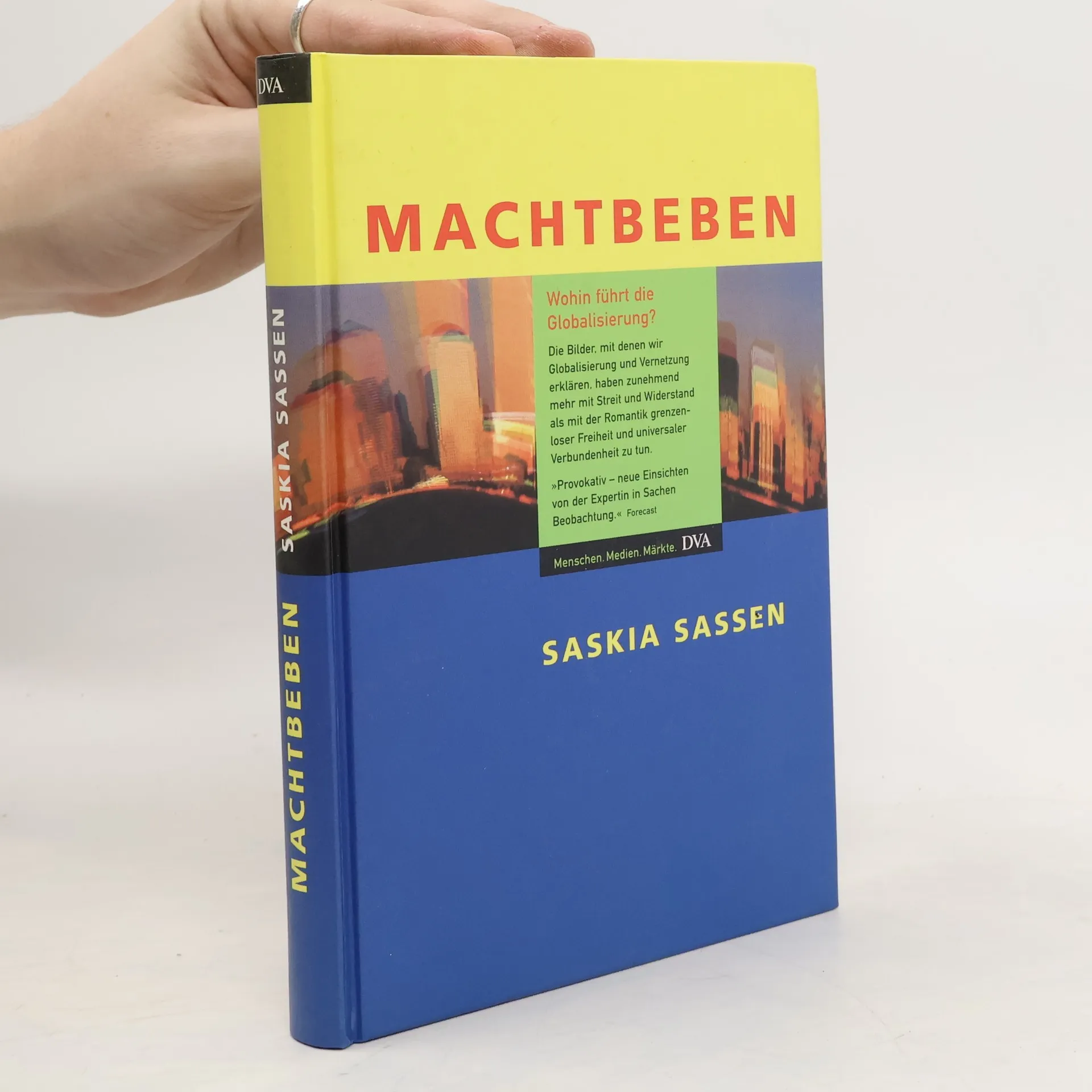
Machtbeben
- 196pagine
- 7 ore di lettura
Guests and Aliens
- 224pagine
- 8 ore di lettura
The book offers an in-depth exploration of migration and refugee movements, drawing on extensive research and expertise from a prominent authority in the field. It examines historical patterns, key events, and the socio-political factors that have shaped migration trends over time, providing valuable insights into the challenges faced by migrants and the implications for societies worldwide.
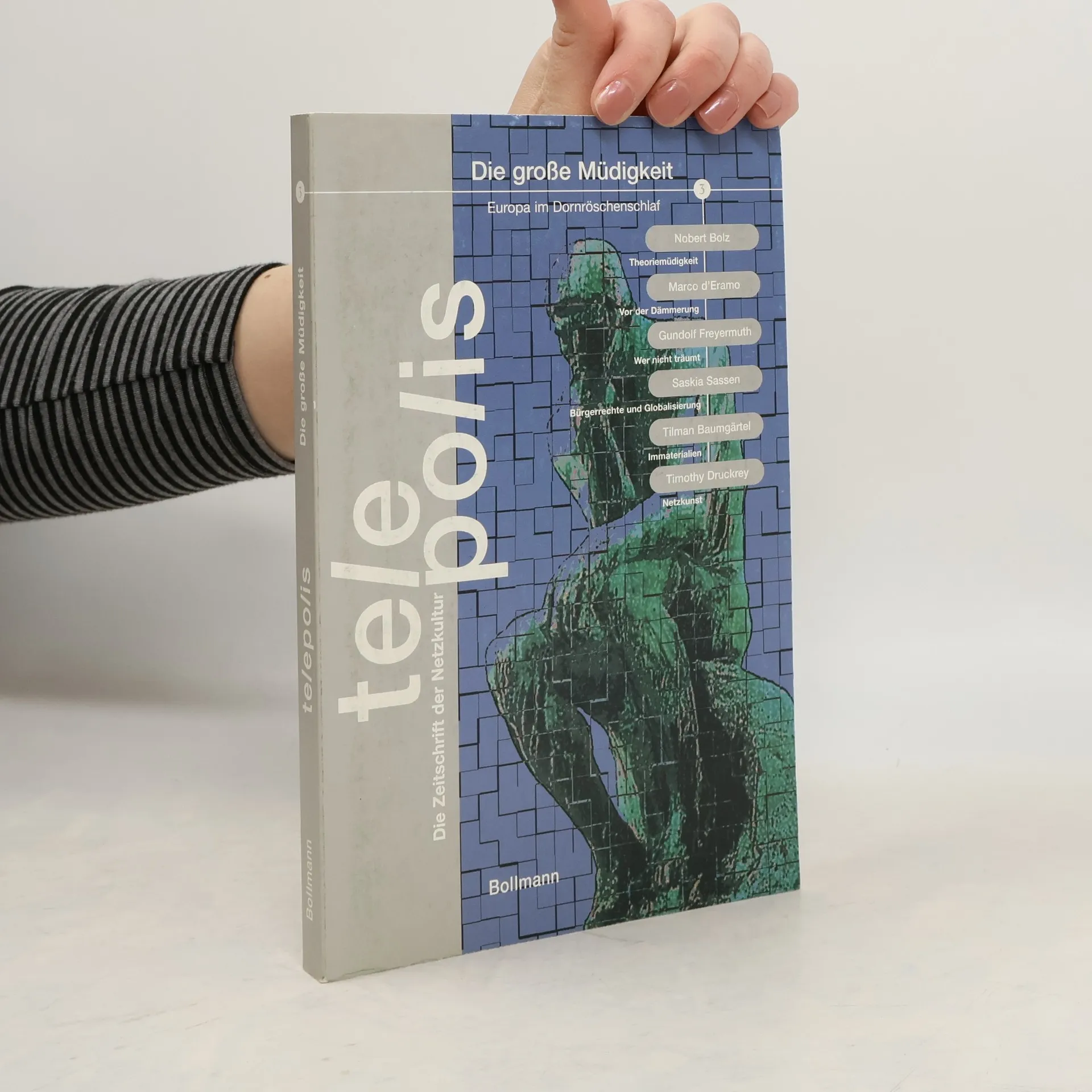
Telepolis : Die Zeitschrift der Netzkultur - 3: Die große Müdigkeit
Europa im Dornröschenschlaf
- 190pagine
- 7 ore di lettura
Konturen des Unentschiedenen (Interventionen Band 6) - Museum für Gestaltung Zürich
Fuori controllo. Mercati finanziari contro Stati nazionali
Come cambia la geografia del potere
- 160pagine
- 6 ore di lettura
In a world of free trade, the Internet and mass migration, national borders seem to matter less and less. What implications does this hold for citizenship, sovereignty and other old-fashioned features of political and economic life? Sassen says that we're headed for a future of international mediating organizations like the United Nations and the European Community. She hesitates to make sweeping judgments, but ably lays out the possible contours of the next world order. A good companion to Kenichi Ohmae's The End of the Nation State.
Migranten, Siedler, Flüchtlinge
- 215pagine
- 8 ore di lettura
Saskia Sassen beschreibt die Erfahrungen der Migranten ebenso wie die wirtschaftlichen, gesellschaftlichen und politischen Bedingungen und Folgen der Migration. Mit ihrer Geschichte der "Fremden" in Europa zeichnet sie ein ungewohntes Bild: Migration als Chance statt Bedrohung. Zugleich plädiert sie für eine aktuelle Einwanderungs- und Flüchtlingspolitik, die sich an historischen Erfahrungen orientiert. (Quelle: Katalog SBE).
Die vierte Auflage von "Metropolen des Weltmarkts" zeigt, wie bestimmte Merkmale von Geld-, Informations- und Personenströmen zur Entstehung einer neuen sozialen Formation geführt haben: globale Städte, neue Arten von Migrationen, Finanzkrisen, Umweltkatastrophen und die Vervielfachung von Kommunikationstechnologien. Diese Entwicklungen verleihen solchen Aspekten der Urban Sociology wie der Zentralität des Ortes und der Bedeutung von Geografie in unserer sozialen Welt eine neue Bedeutung.
The Global City. New York, London, Tokyo
- 416pagine
- 15 ore di lettura
This classic work chronicles how New York, London, and Tokyo became command centers for the global economy and in the process underwent a series of massive and parallel changes. What distinguishes Sassen's theoretical framework is the emphasis on the formation of cross-border dynamics through which these cities and the growing number of other global cities begin to form strategic transnational networks. All the core data in this new edition have been updated, while the preface and epilogue discuss the relevant trends in globalization since the book originally came out in 1991.