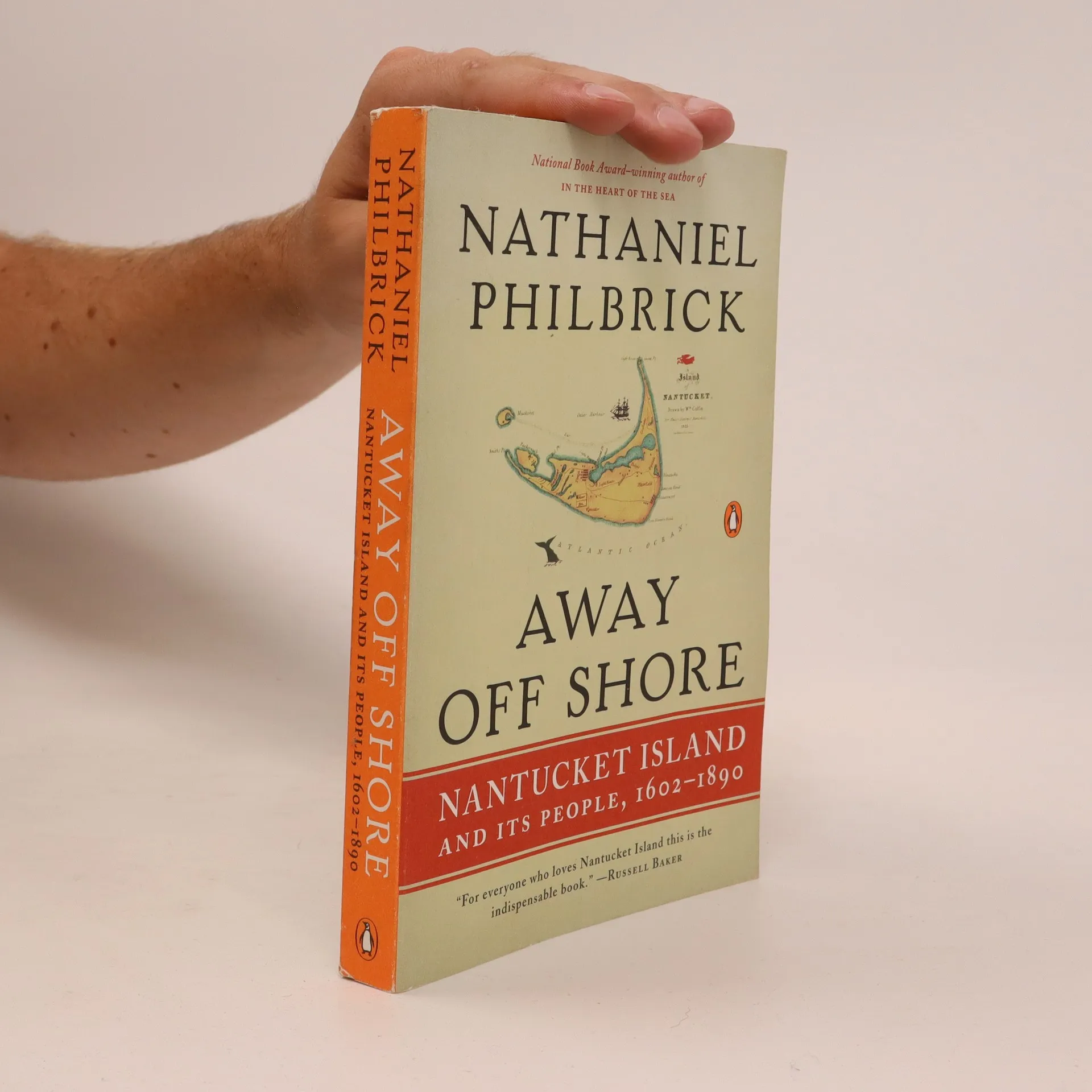
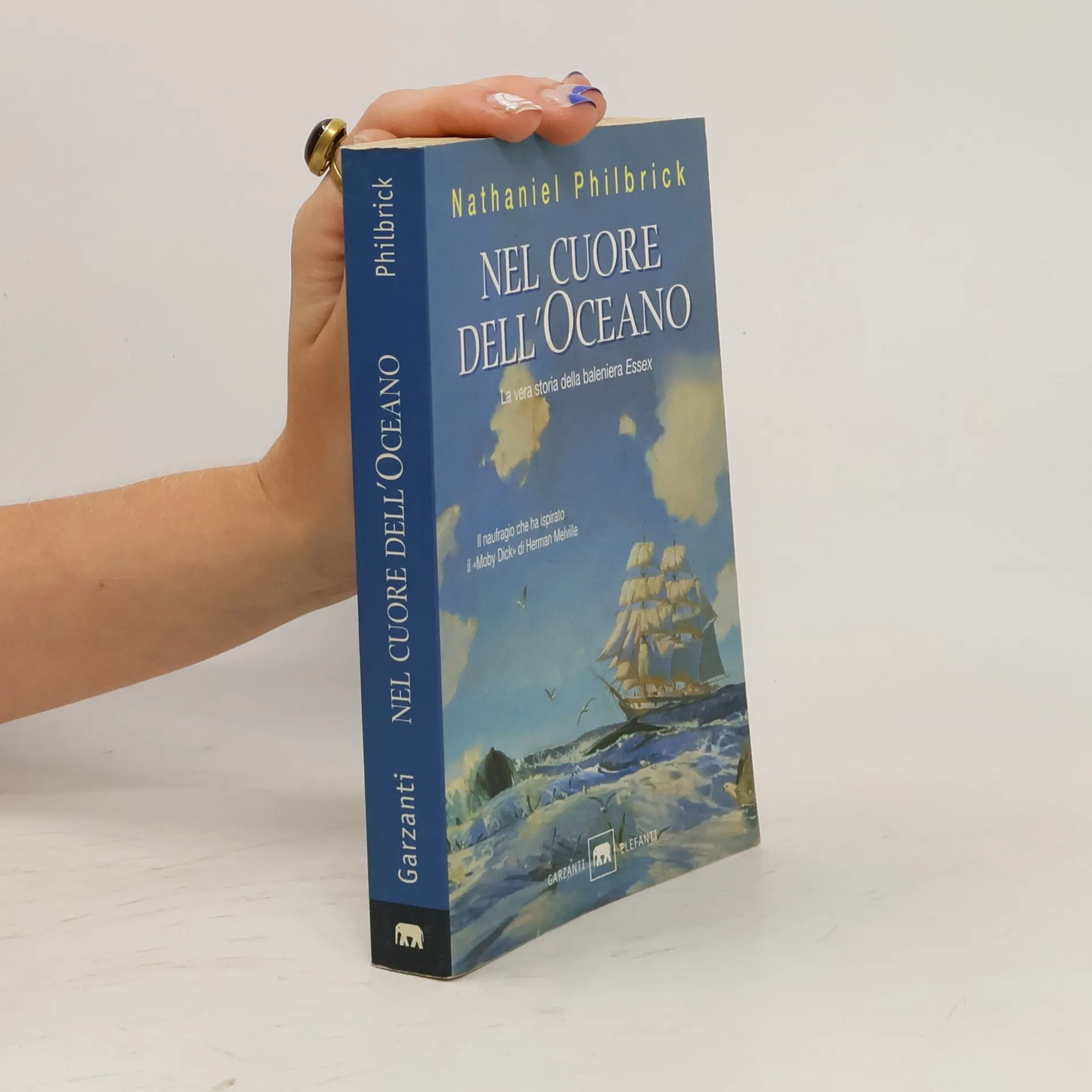
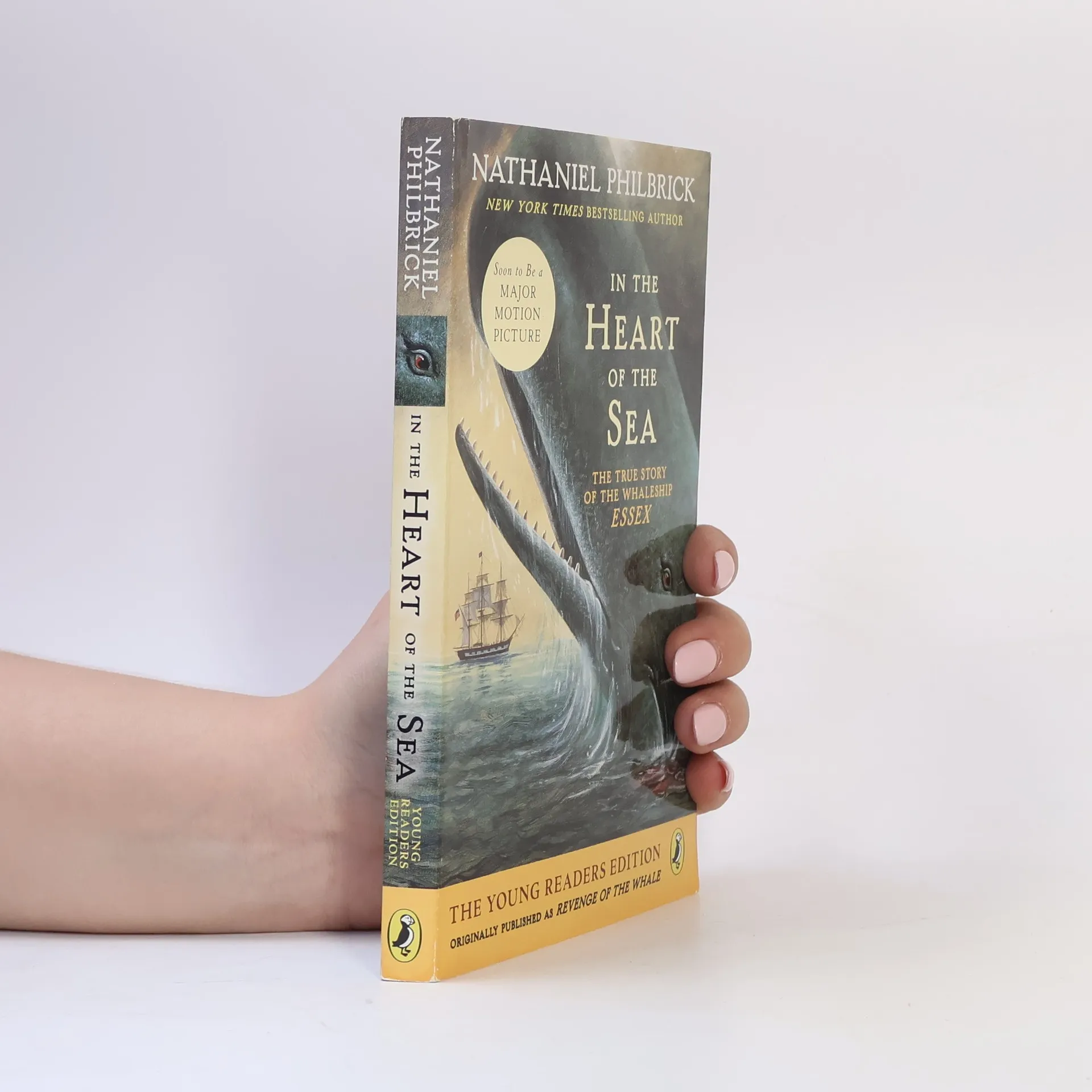
Questo autore approfondisce le complessità della vita e della storia marittima, con opere che evocano la cruda bellezza e il pericolo dell'oceano. La sua prosa è ricca di descrizioni vivide e acute intuizioni sulla resilienza umana di fronte alle forze della natura. Attraverso una ricerca meticolosa e una narrazione avvincente, dà vita a eventi e figure del passato, offrendo ai lettori uno sguardo immersivo nelle avventure nautiche e nelle imprese umane. I suoi scritti sono un omaggio ai navigatori e agli esploratori che hanno plasmato il nostro mondo.
Writing in first person about his own adventures with his travel companions (wife and puppy), Philbrick follows the tour of America that Washington went on after becoming President--an almost 2,000-mile journey from Mount Vernon to the new capital in New York, a tour of New England, a venture out across Long Island, and into the hinterlands of Georgia, South Carolina, and North Carolina. The narrative moves smoothly back and forth from the eighteenth to twenty-first centuries, so we see the country through Washington's eyes as well as Philbrick's
The Genius of George Washington and the Victory at Yorktown
366pagine
13 ore di lettura
The thrilling account of the Revolutionary War's climax unfolds in a remarkable year leading to the siege of Yorktown, featuring Washington's struggle against Benedict Arnold and his complex negotiations with French allies, including the Marquis de Lafayette and General Nathanael Greene. The narrative spans from the crowded waters off Newport, Rhode Island, to the wooded hills near North Carolina's Guilford Courthouse, and the Dutch storehouses on St. Eustatius in the Caribbean. It details the pivotal naval battle that marked a significant turning point in America's quest for independence, showcasing Washington's strategic brilliance and innovative use of sea power.
Beginning in the fall of 1780, the story highlights the stalemate between American and British forces after five years of conflict. The Royal Navy's formidable fleet could strike at will, while the Rebels were forced to retreat inland. Washington understood that only the French navy could break Britain's grip on the eastern seaboard, paving the way for American victory. The Battle of the Chesapeake in 1781, deemed the most crucial naval engagement in history, saw a French admiral thwart British efforts to aid General Cornwallis. This naval battle, orchestrated by Washington without American ships, set the stage for the inevitable victory at Yorktown, ultimately securing U.S. independence. The narrative is rich with dramatic twists, illustrating how the fate of th
In Valiant Ambition, Nathaniel Philbrick tells a story of loyalty and personal integrity, evoking a Shakespearean tragedy that unfolds in the key relationship between George Washington and General Benedict Arnold during the American Revolution. This is a complex, controversial piece of history that paints a dramatic portrait of a people in crisis and the war that gave birth to a nation
The New York Times bestselling and National Book Award winning In the Heart of the Sea, now a major motion picture directed by Ron Howard, adapted by the author for young readers. On November 20, 1820, the whaleship Essex was rammed and sunk by an angry whale. Within minutes, the twenty-one-man crew, including the fourteen-year-old cabin boy Thomas Nickerson, found themselves stranded in three leaky boats in the middle of the Pacific Ocean with barely any supplies and little hope. Three months later, two of the boats were rescued 4,500 miles away, off the coast of South America. Of the twenty-one castaways, only eight survived, including young Thomas. Based on his New York Times best-seller In the Heart of the Sea, Nathaniel Philbrick recreates the amazing events of the ill-fated Essex through the sailors own first-hand accounts, photos, maps, and artwork, and tells the tale of one of the great true-life adventure stories. "Horrifyingly engrossing." —Kirkus Reviews "A compelling saga of desperation and survival." —School Library Journal
This book offers a deep exploration of Melville's classic work, celebrating its themes and significance. The author, known for his bestselling historical narratives, brings a fresh perspective that is both insightful and engaging. Readers can expect a thought-provoking analysis that highlights the enduring impact of Melville's masterpiece on literature and culture. With a blend of historical context and literary critique, this celebration invites both fans and newcomers to appreciate the richness of Melville's writing.
The bestselling author of "Mayflower" sheds new light on one of the iconic stories of the American West, reminding readers that the Battle of the Little Bighorn was also, even in victory, the last stand for the Sioux and Cheyenne Indian nations.
Adapted from the New York Times bestseller Mayflower! After a dangerous journey across the Atlantic, the Mayflower?s passengers were saved from certain destruction with the help of the Natives of the Plymouth region. For fifty years a fragile peace was maintained as Pilgrims and Native Americans learned to work together. But when that trust was broken by the next generation of leaders, a conflict erupted that nearly wiped out Pilgrims and Natives alike. Adapted from the New York Times bestseller Mayflower specifically for younger readers, this edition includes additional maps, artwork, and archival photos.
A history of the Pilgrim settlement of New England challenges popular misconceptions, discussing such topics as the diseases of European origin suffered by the Wampanoag tribe, the fragile working relationship between the Pilgrims and their Native American neighbors, and the devastating impact of the King Philip's War. By the author of Sea of Glory. 450,000 first printing.
Charles Wilkes entdeckte einen großen Teil der Antarktis und zahlreiche pazifische Inseln, während er wertvolle Kunstwerke und Forschungsobjekte erbeutete. Doch als er im September 1842 nach vier dramatischen Jahren im südlichen Pazifik nach New York zurückkehrte, wurde er nicht gefeiert, sondern vor Gericht gestellt und sozial geächtet. US-Präsident Martin van Buren hatte 1838 dem 40-jährigen Wilkes das Kommando über die „US Exploring Expedition“ übertragen, was den Neid älterer Navy-Kapitäne weckte. Die jüngeren Seeleute hingegen freuten sich über die Zusammenarbeit mit dem als kooperativ geltenden Wilkes. Doch die vierjährige Expedition, die über Madeira, Brasilien, Kap Hoorn und Australien in die Antarktis führte, entblößte seine Schattenseiten. Der einfühlsame Familienvater verwandelte sich in einen jähzornigen Tyrannen, der seinen Mangel an Erfahrung mit drakonischen Strafen kompensierte. Auf Tahiti stellte er die Wissenschaftler mit absurden Vorschriften gegen sich auf, und auf den Fidschi-Inseln kam es zu einem Massaker unter den Einwohnern. Diese skandalösen Vorfälle führten dazu, dass seine bedeutenden Leistungen, wie die Erschließung eines großen Teils der Antarktis und die Schaffung von Seekarten, die bis zum Zweiten Weltkrieg genutzt wurden, in Vergessenheit gerieten. Nathaniel Philbrick schildert fesselnd die Etappen dieser einzigartigen Expedition und beleuchtet die politischen Machtspiele und wirtschaftlichen Z
Il capolavoro di Herman Melville rimane una delle più grandi opere di immaginazione nella storia della letteratura. Racconta la storia di un uomo folle impegnato in una guerra iniqua contro una vasta e pericolosa creatura del mare. Più di un racconto d'avventura o di un'enciclopedia sul whaling, l'opera funge da inquietante commento sociale, popolato da personaggi indimenticabili. L'epopea nautica di Melville esplora temi profondi come il carattere, la fede e la percezione, scritta con un umorismo redentore. La narrazione affronta le complessità dell'esistenza umana e il conflitto tra l'uomo e la natura, offrendo una riflessione sulla condizione umana e le sue sfide. Con la sua prosa ricca e simbolica, Melville crea un mondo che continua a ispirare lettori e cineasti, rendendo "Moby Dick" un'opera senza tempo che invita a una continua esplorazione e interpretazione.
With its scarred head emerging from the water and a tail creating a massive wake, the whale approached the ship at an alarming speed, ultimately striking it with a tremendous force. This harrowing tale recounts the wreck of the whaleship Essex, a disaster as significant in its time as the Titanic is today, and serves as the inspiration for the climax of Moby-Dick. In 1820, the 240-ton Essex embarked on a routine whaling voyage from Nantucket, only to be rammed and sunk by an eighty-ton bull sperm whale fifteen months later in the South Pacific. The twenty-man crew, fearing cannibals, set out for the distant coast of South America in three small boats. Over ninety days at sea, they faced horrific conditions, battling hunger, thirst, disease, and despair. The author skillfully weaves this extraordinary ordeal with rich whale lore and a vivid portrayal of the unique Nantucket whaling community. Meticulously researched and beautifully narrated, the book presents a compelling portrait of humanity's struggle against nature, drawing from a variety of archival and contemporary sources, including a long-lost account by the ship's cabin boy. This work resonates with themes of class, race, and the human-nature relationship, ensuring its place in American history.