J. D. Salinger Libri
Jerome David Salinger ha catturato le complesse vite interiori degli adolescenti con una profondità senza pari, esplorando temi di alienazione e perdita dell'innocenza. La sua distintiva voce narrativa e la sua acuta osservazione della psiche adolescenziale hanno risuonato nei lettori di tutte le generazioni. Sebbene si sia ritirato dalla vita pubblica dopo l'immenso successo della sua opera più celebre, il suo impatto letterario perdura. La scrittura di Salinger è caratterizzata dalla sua profonda esplorazione della connessione umana e della ricerca di autenticità.


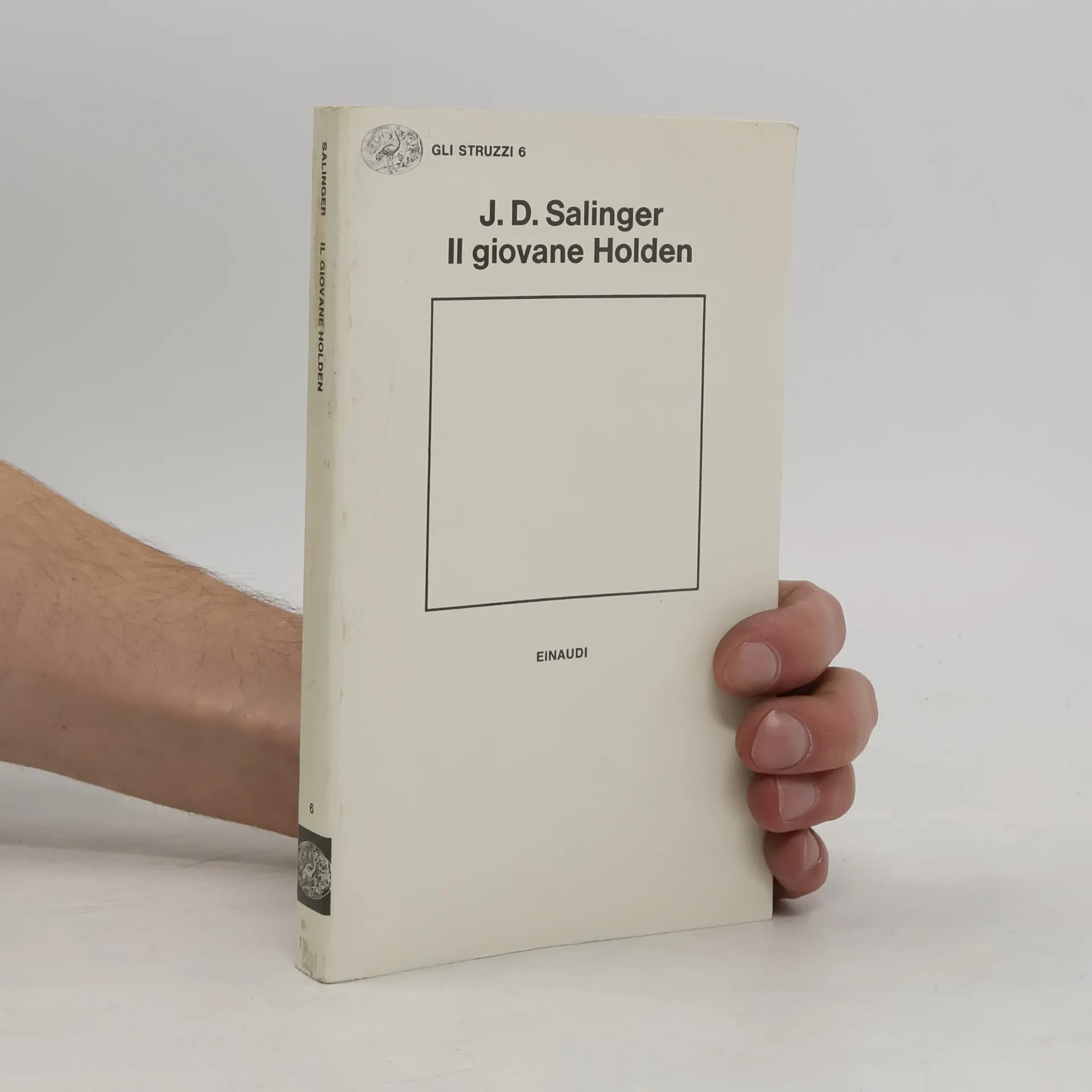
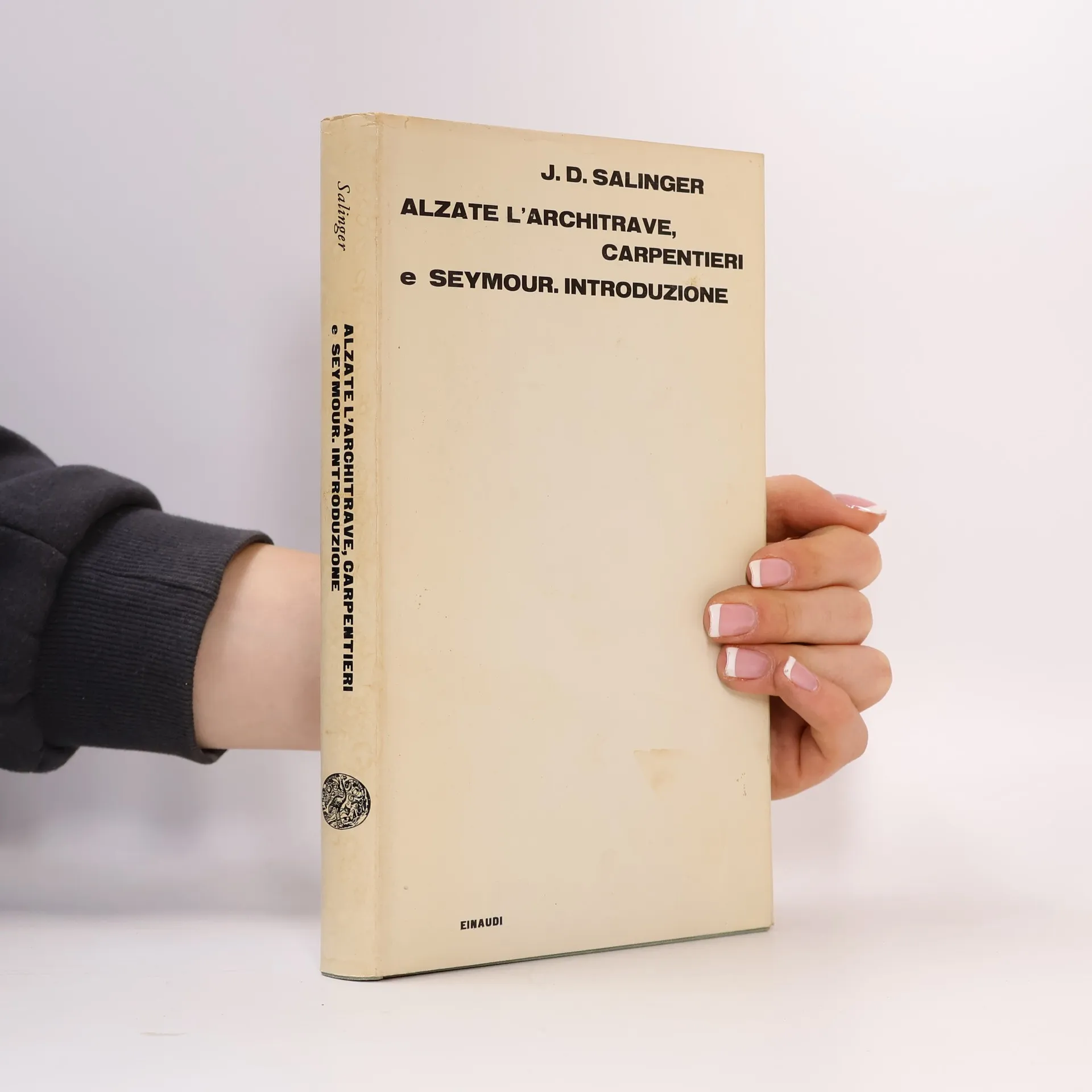
Il giovane Holden
- 248pagine
- 9 ore di lettura
"Non ho nessuna voglia di mettermi a raccontare tutta la mia dannata autobiografia e compagnia bella. Vi racconterò soltanto le cose da matti che mi sono capitate verso Natale, prima di ridurmi così a terra da dovermene venire qui a grattarmi la pancia. Niente di più di quel che ho raccontato a D.B., con tutto che lui è mio fartello e quel che segue. Sta a Hollywood, lui. Non è poi tanto lontano da questo lurido buco, e viene qui a trovarmi praticamente ogni fine settimana. Mi accompagnerà a casa in macchina quando ci andrò il mese prossimo, chi sa. Ha appena preso una Jaguar. Uno di quei gingilli inglesi che arrivano sui trecento all'ora. Gli è costata uno scherzetto come quattromila sacchi o giù di lì. È pieno di soldi, adesso. Mica come prima. Era soltanto uno scrittore in piena regola, quando stava a casa".
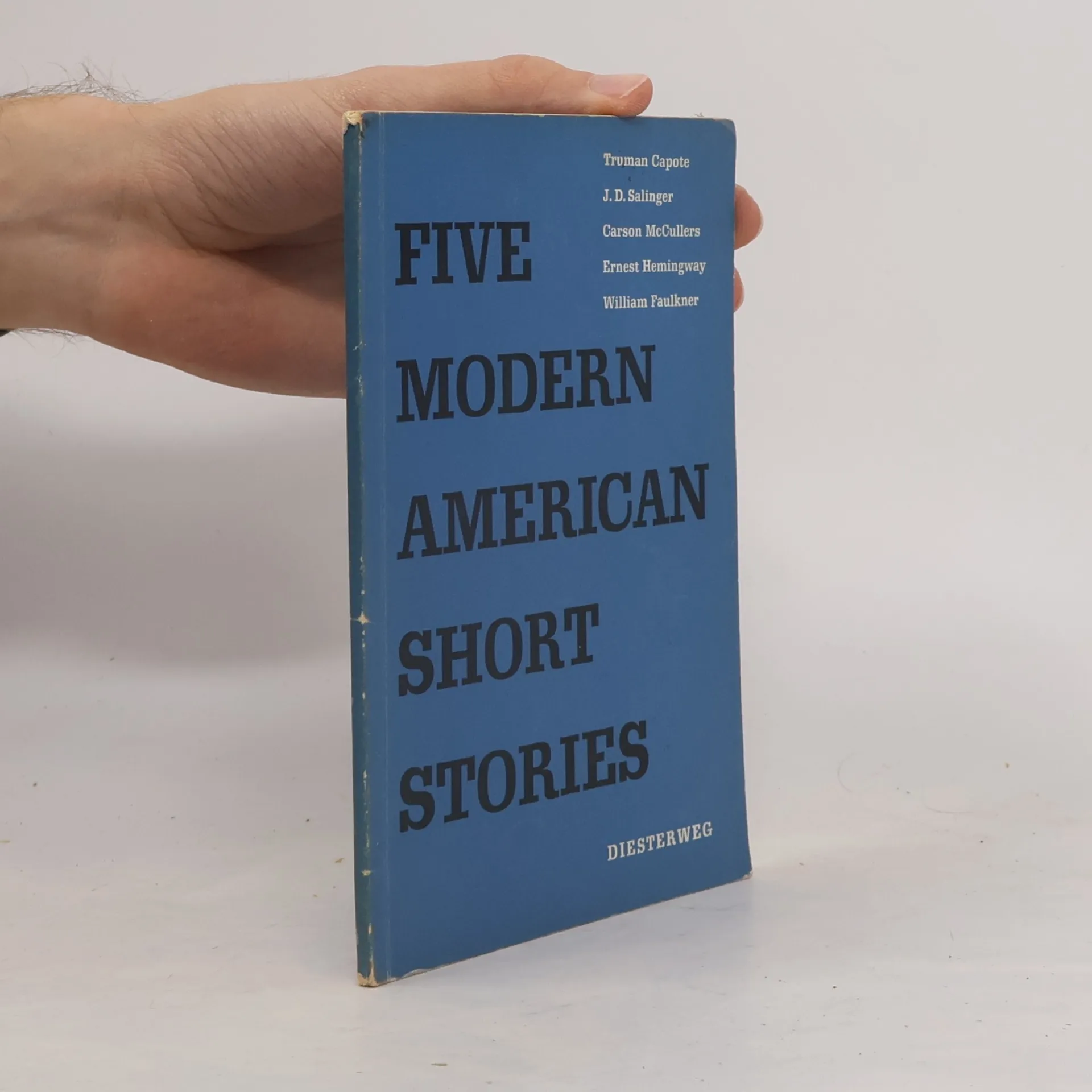
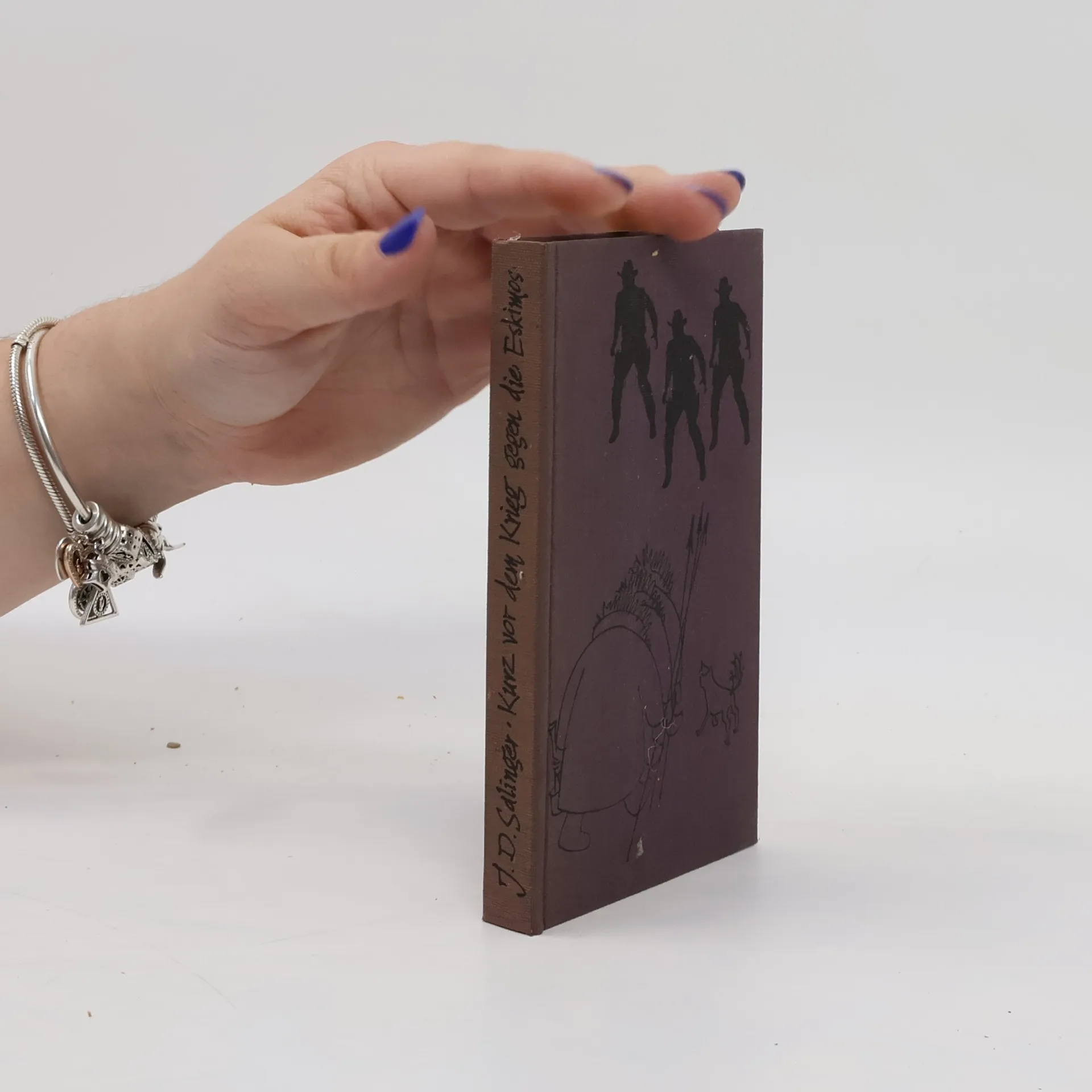
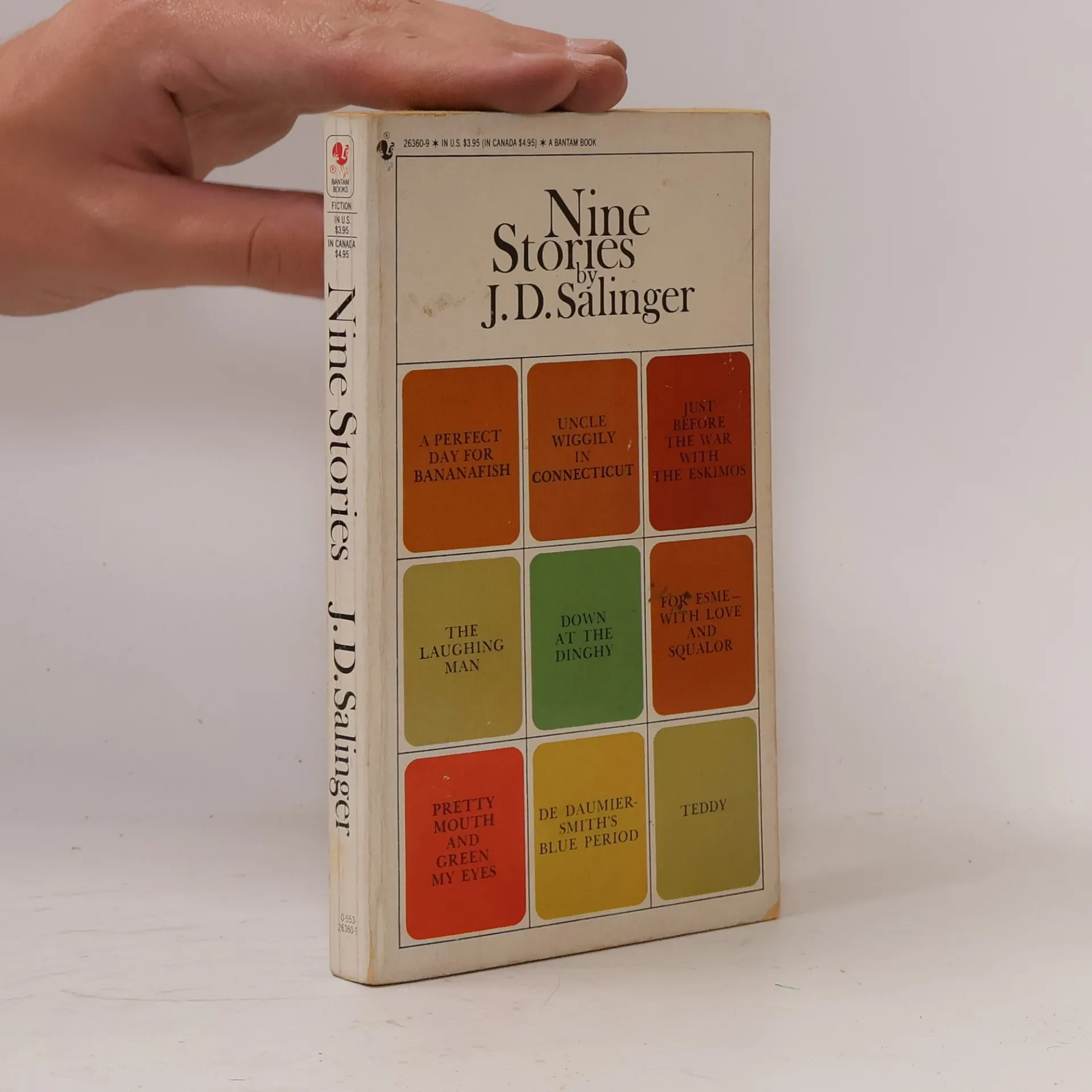
Indhold: A perfect day for bananafish ; Uncle Wiggily in Connecticut ; The laughing man ; Down at the Dinghy ; Just before the war with the Eskimos ; For Esmé - with love and squalor ; Pretty mouth and green my eyes ; De Daumier-Smith's blue period ; Teddy.
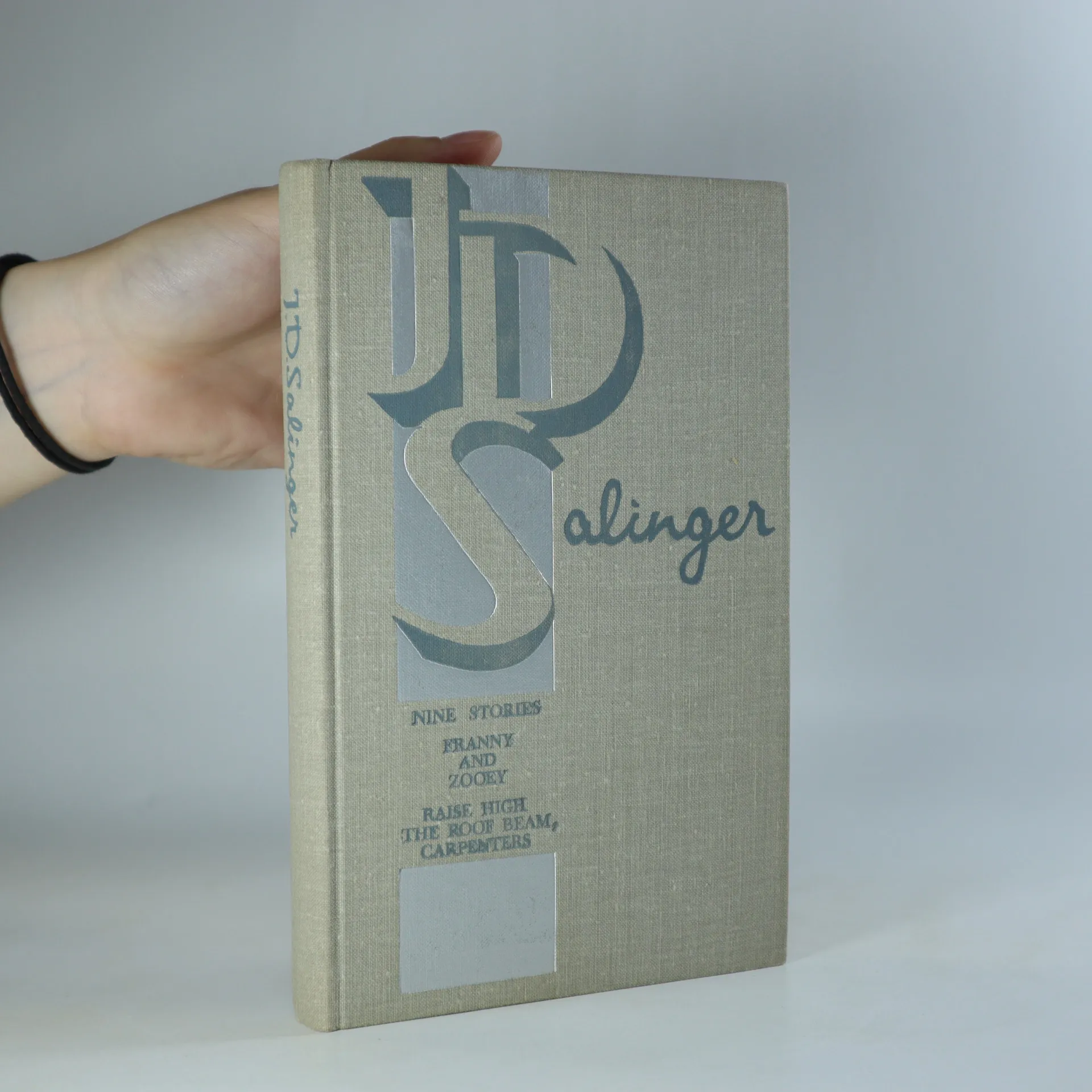
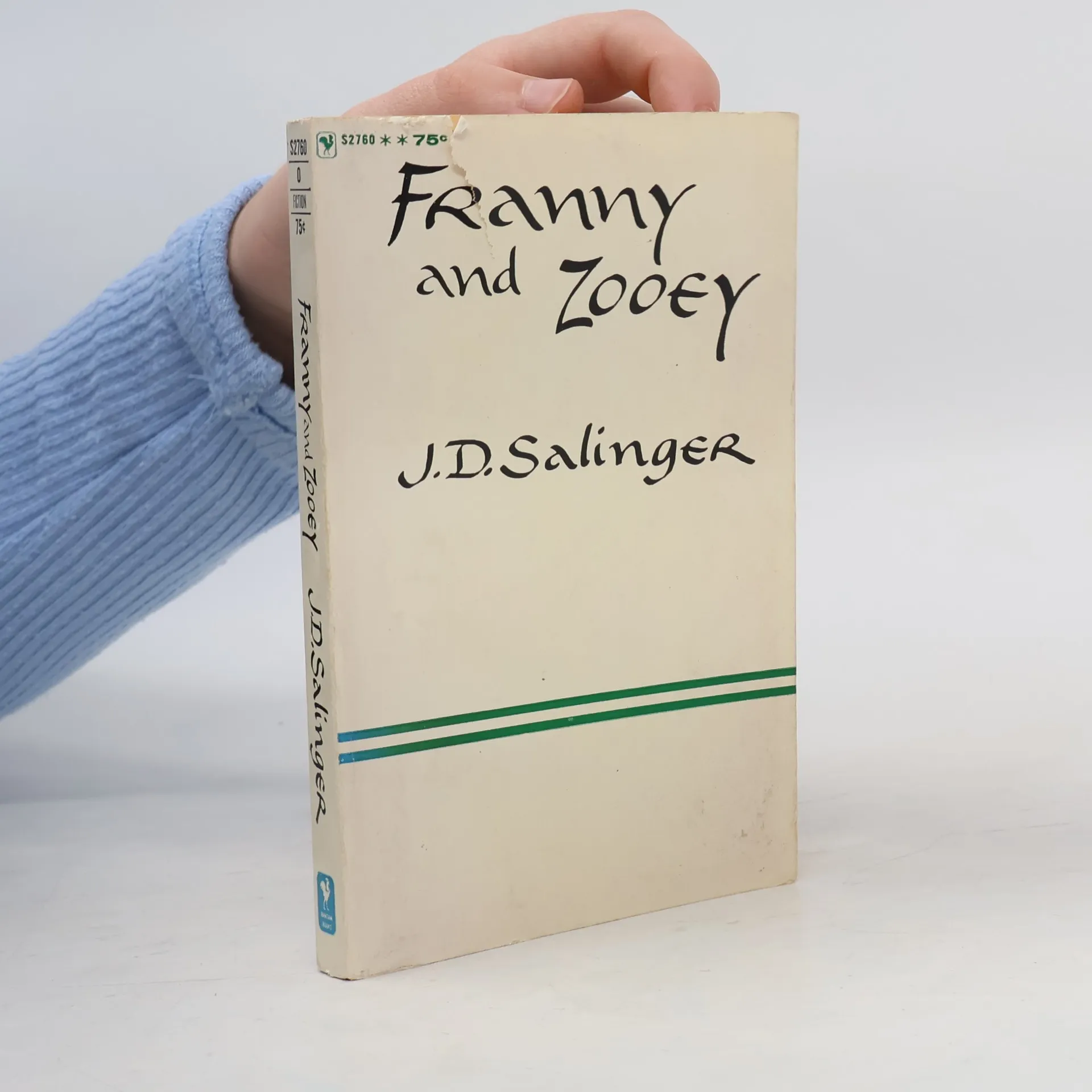
J.D. Salinger, author of the classic Catcher in the Rye (1951), wrote the stories Franny and Zooey for publication in the New Yorker magazine in 1955 and 1957 respectively. Both stories were part of a series centred around a family of settlers in New York, the Glasses, particularly the children of Les and Bessie Glass, a Jewish-Irish theatrical act. All are brilliant former radio actors. Their eldest child, Seymour, a genius, commits suicide in his thirties. The repercussions to the family of this act provide the unifying theme to the stories. In Franny and Zooey the youngest member of the family, Franny, has a religious and nervous breakdown. She attempts to ward off the meaninglessness of college life by the obsessive repetition of a Jesus prayer. Her brother Zachary (Zooey) rests at nothing in his attempts to restore her sanity. J.D. Salinger wrote the Glass stories, 'It is a long-term project, patently an ambitious one, and there is a real-enough danger, I suppose, that sooner or later I'll bog down, perhaps disappear entirely, in ly own methods, locutions and mannerisms. On the whole, though, I'm very hopeful.I love working on these Glass stories, I've been waiting for them most of my life, and I think I have fairly decent, monomaniacal plans to finish them with due care and all-available skill.'
Three Early Stories
- 74pagine
- 3 ore di lettura
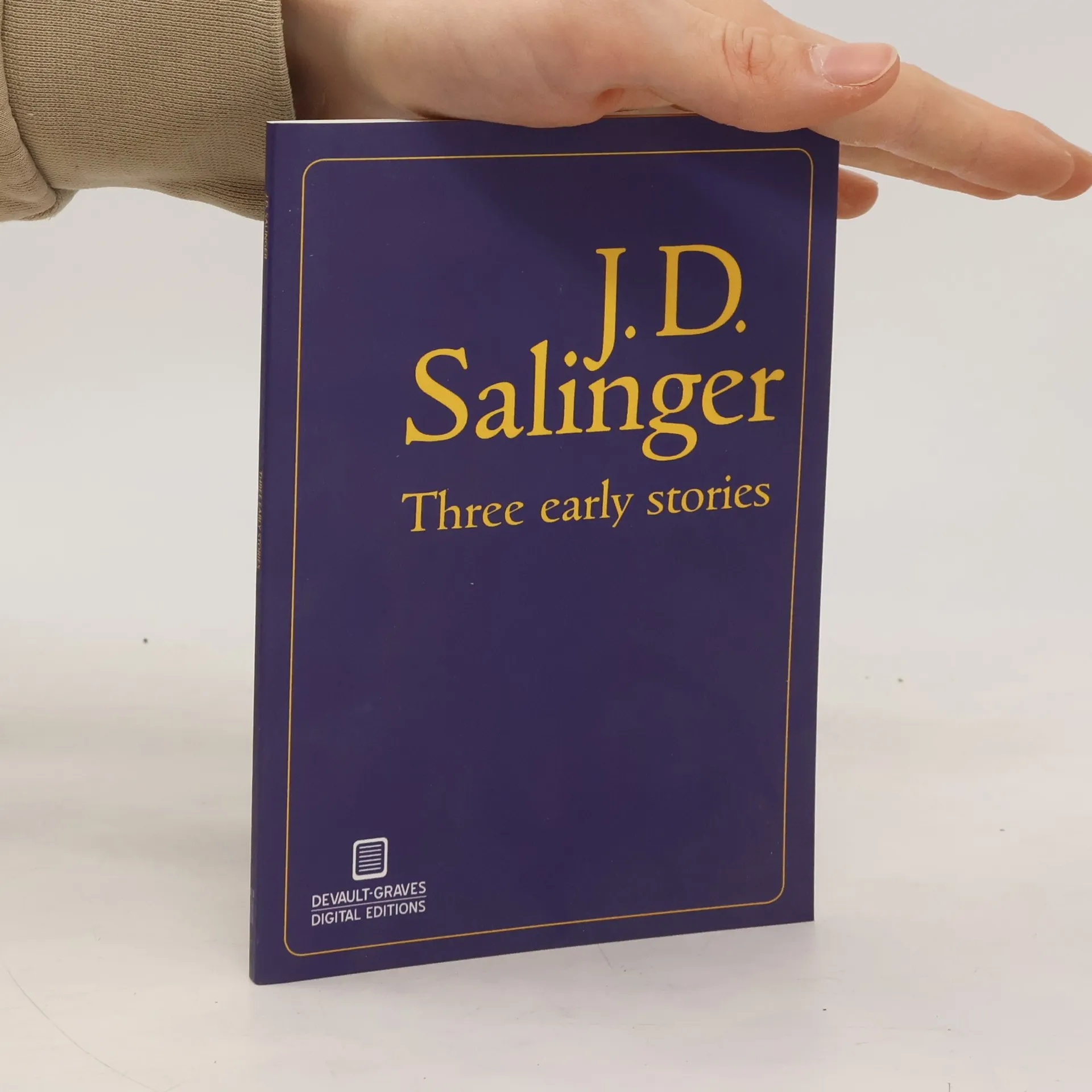
A young and ambitious writer named Jerome David Salinger aimed high early in his career, yearning to publish in The New Yorker, which he viewed as the pinnacle of American literature. However, it took several years and the duration of a world war before he achieved this goal. The New Yorker, known for its selective tastes, was not ready for Salinger's brash style and cynical worldview. Instead, other magazines recognized his talent during a tumultuous time. Story magazine was the first to publish Salinger’s work, featuring “The Young Folks” in 1940. This story offers a glimpse into New York’s cocktail society, showcasing a conversation between two young people that is largely meaningless. His next story, “Go See Eddie,” appeared in The University of Kansas City Review, depicting a tense encounter where a male character pressures a young woman to meet Eddie, notable for its omitted backstory—a technique reminiscent of Hemingway. Later, as Salinger neared the end of his wartime experience, “Once A Week Won’t Kill You” was published in Story magazine. This story, about a soldier informing his aunt of his deployment, can be interpreted as a metaphor for preparing loved ones for potential loss. Devault-Graves Digital Editions proudly presents this anthology by one of America’s most innovative authors.
Brodie's Notes on J. D. Salinger's The Catcher in the Rye
The Complete Guide to Exam Success
- 96pagine
- 4 ore di lettura
This title has a new ISBN which should be used for ordering purposes.
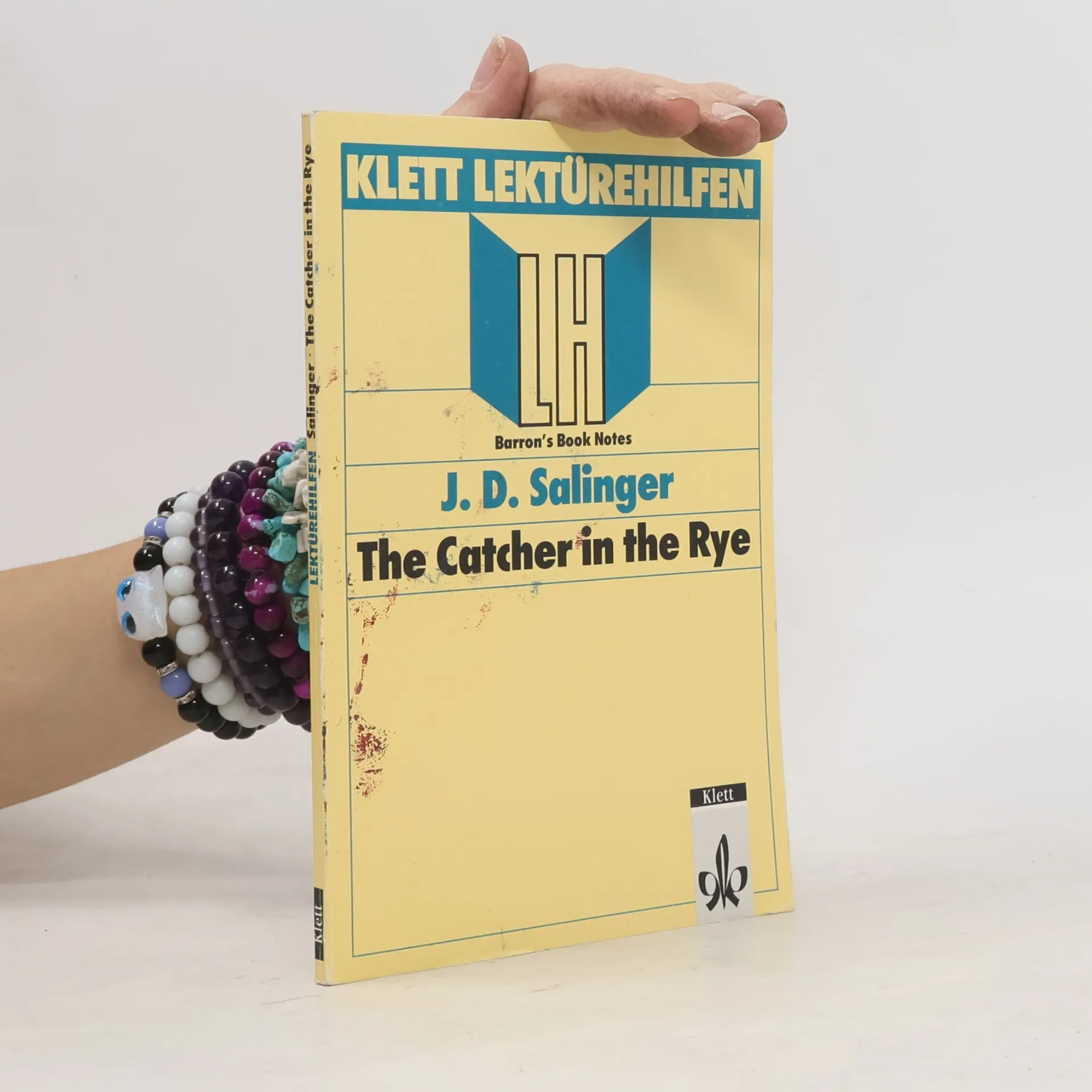
Lektürehilfen: The Catcher in the Rye
- 90pagine
- 4 ore di lettura
Leichtverständliche englischsprachige Interpretationshilfe mit Angaben zu Inhalt, Handlungsaufbau und sprachlichen Mitteln sowie Erläuterungen zu Leben und Werk des Schriftstellers (Jg. 1919).
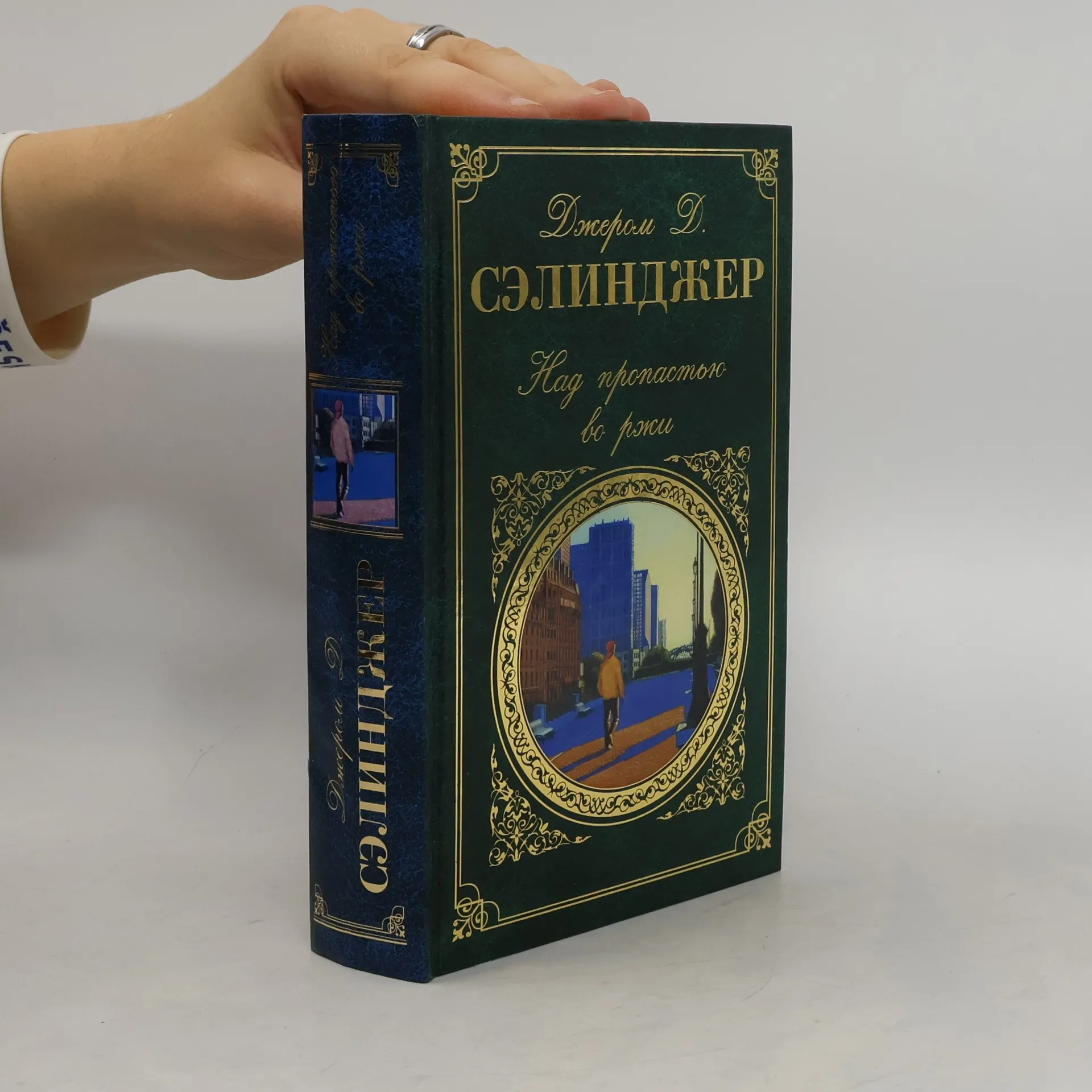
Над пропастью во ржи
- 640pagine
- 23 ore di lettura
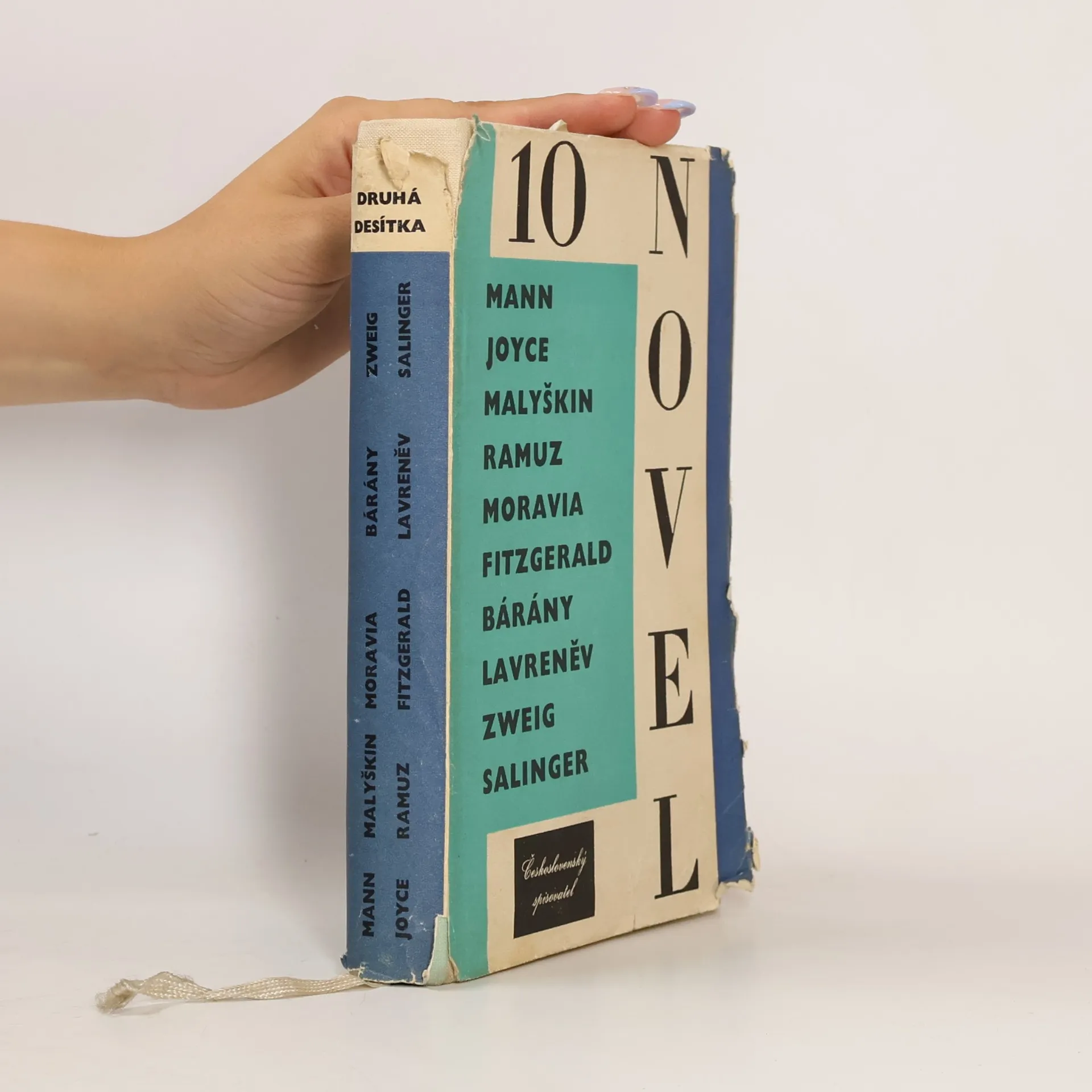
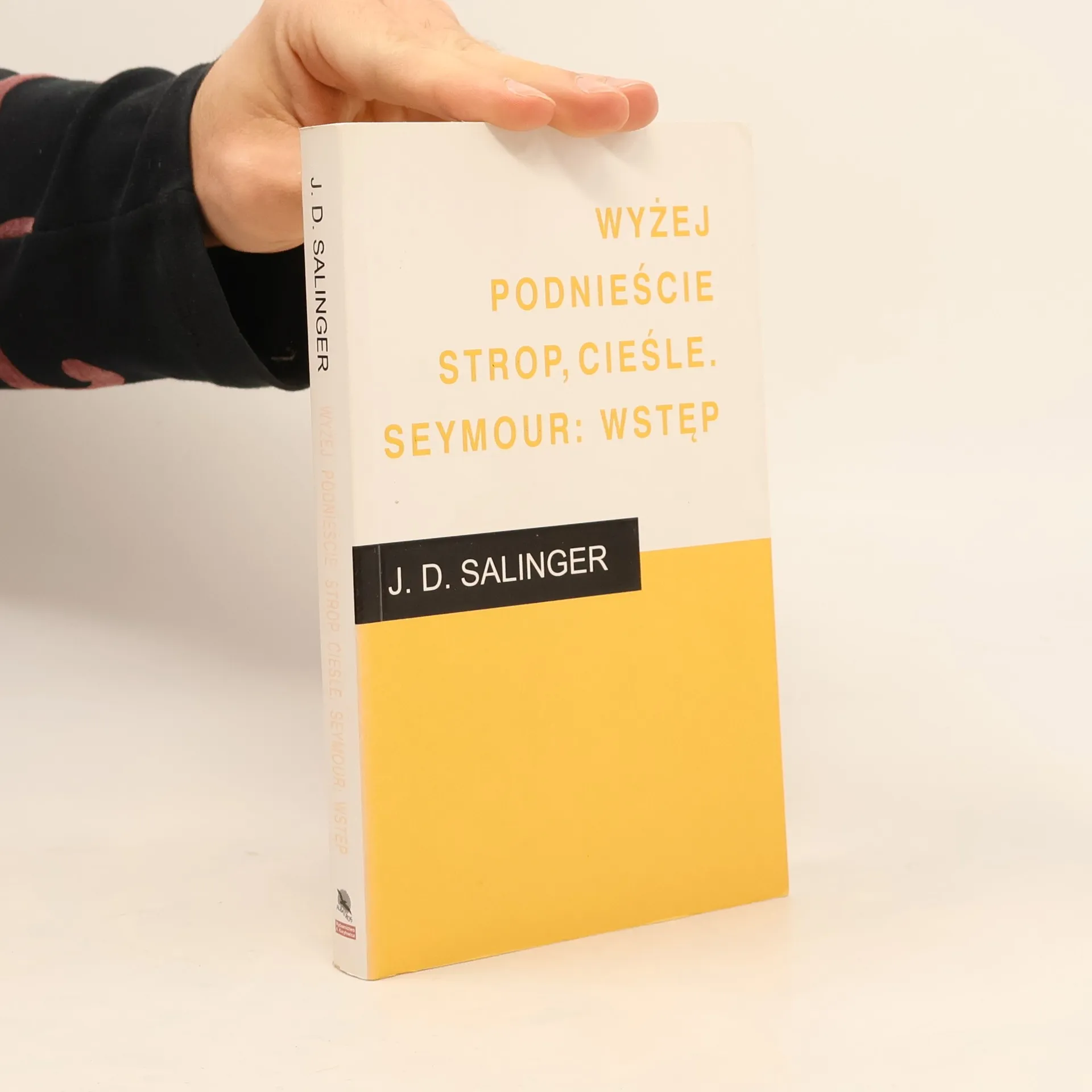
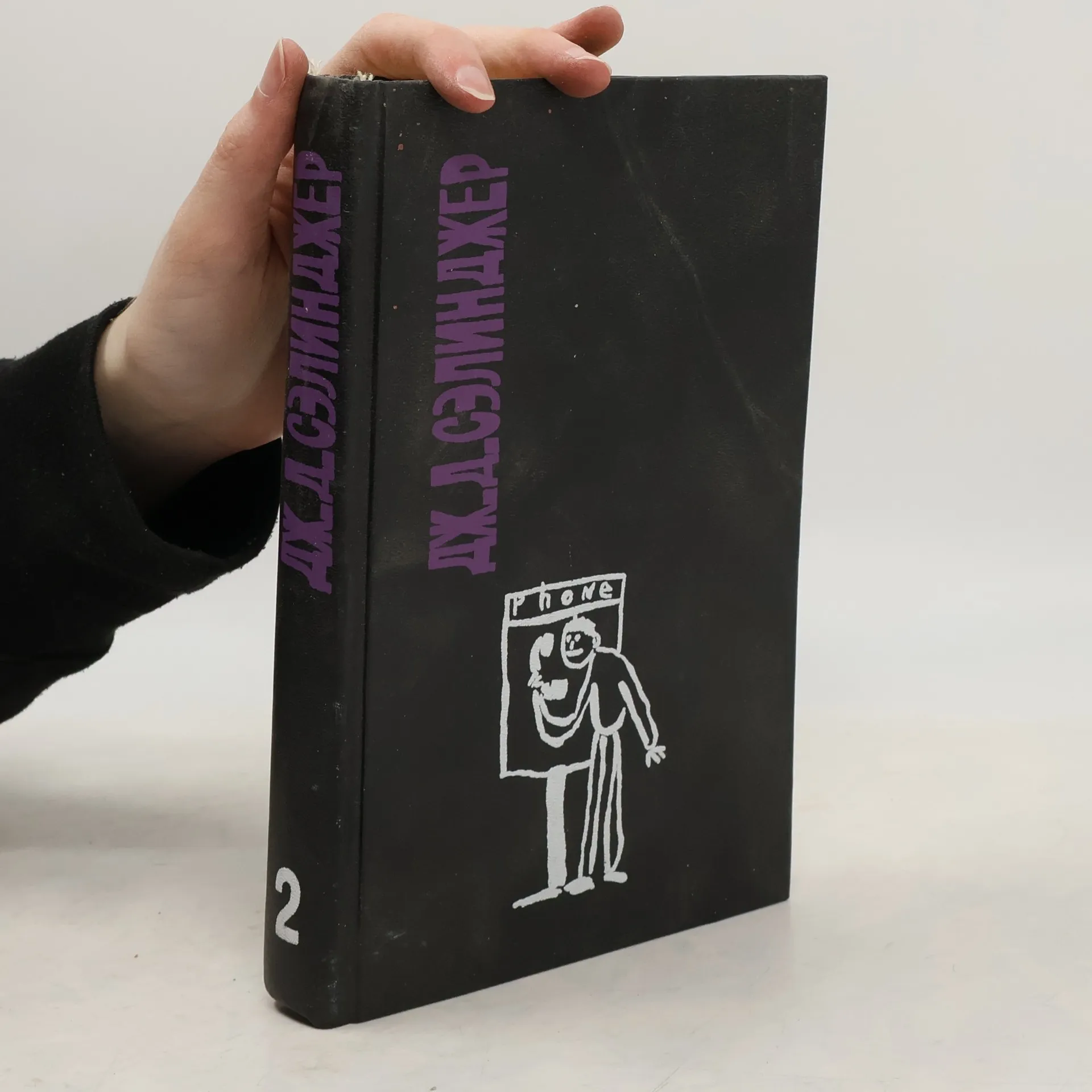
Содерж.: Над пропастью во ржи : роман ; повести: Выше стропила, плотники ; Симор: Введение ; Фрэнни ; Зуи ; рассказы: Хорошо ловится рыбка-бананка ; Лапа-растяпа ; Перед самой войной с эскимосами ; Человек, который смеялся ; В лодке, и др.
Der Fänger im Roggen. Hebt den Dachbalken hoch, Zimmerleute
- 120pagine
- 5 ore di lettura
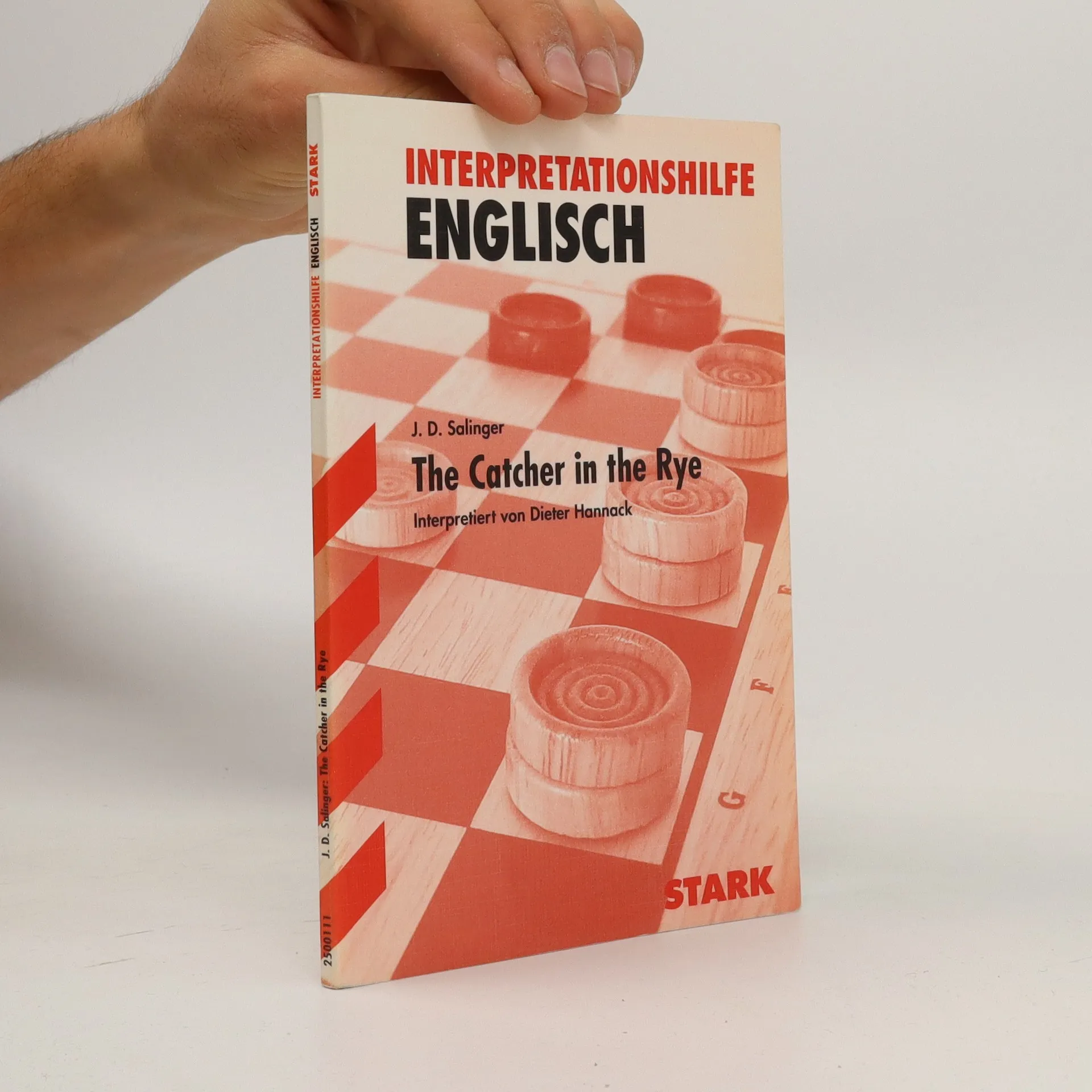
Interpretationshilfe Englisch. The Catcher in the Rye
- 82pagine
- 3 ore di lettura
Dieser Band in deutscher Sprache ermöglicht einen leichten Einstieg in die Lektüre und vertieft das Verständnis des Werkes. Er bietet somit eine optimale Vorbereitung auf Unterricht und Klausuren. Mit Hintergrundinformationen zu Autor und Werk, einer ausführlichen Inhaltsangabe und einer systematischen Interpretation des Textes unter folgenden Gesichtspunkten: Aufbau und Textstruktur; Wichtige Personen; Themen, Motive und Symbole; Erzähltechnik; Sprache und Stil; Interpretation von Schlüsselstellen.
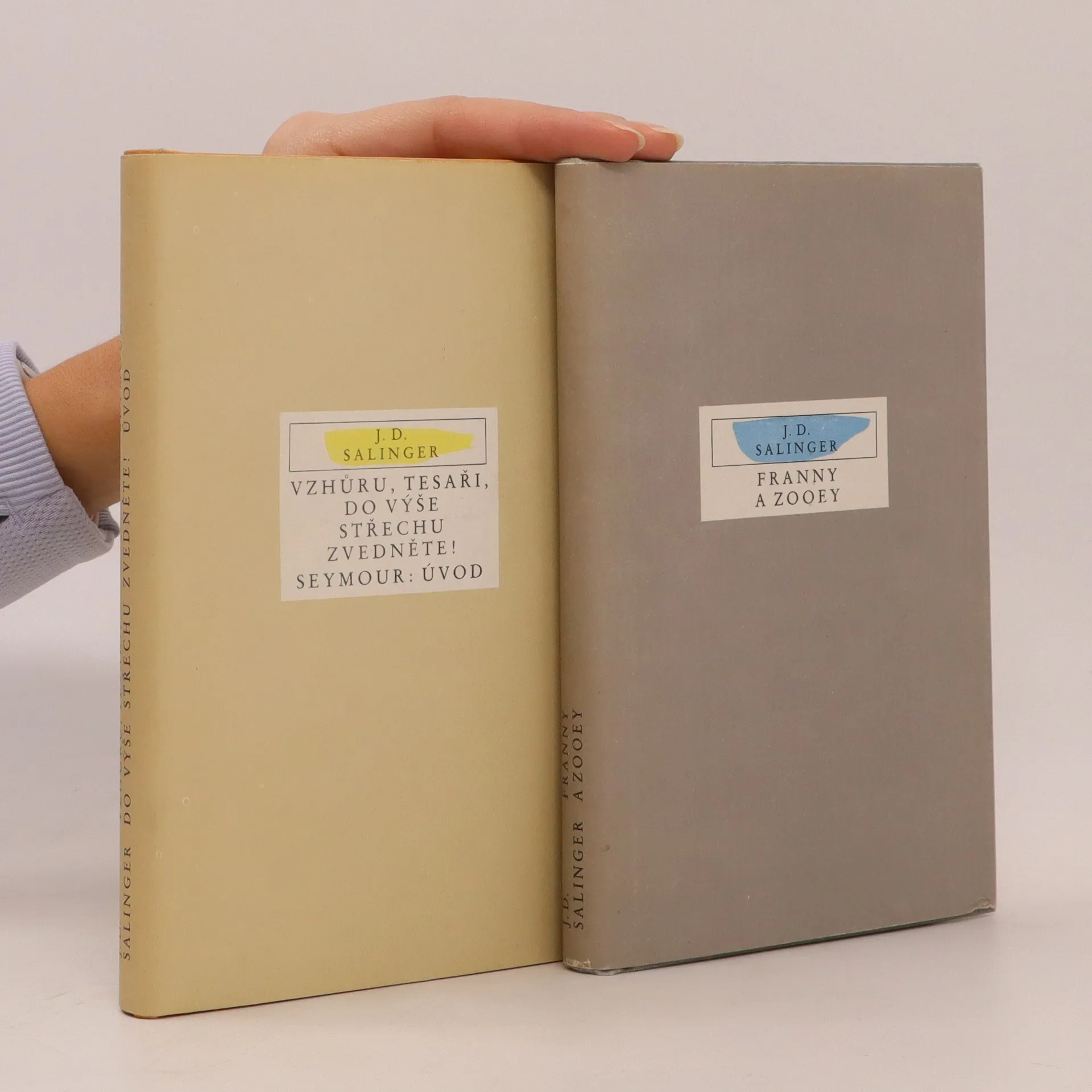
Novela autora proslulého zejména jedním z nejvýznamnějších děl americké literatury XX. století – generačním románem Kdo chytá v žitě – vypovídá o touze po nalezení smyslu života. Podle autora je „amatérským filmem“ citlivě zobrazujícím něžné vztahy matky a dvou nejmladších dětí rodiny Glassových; skutečně jde o vynikající rozbor rodinných vztahů. Dvacetiletá studentka anglistiky Franny si z pokoje mrtvého bratra vypůjčí knihu Poutníkova cesta vyprávějící o ruském venkovanovi, který se naučil zvláštní metodu neustálého modlení. Poté upadá do deprese, prodělá nervové zhroucení a její blízcí se jí snaží pomoci. Obsahem knihy jsou v podstatě tři velké rozhovory – mezi Franny a jejím chlapcem Lanem, mezi jejím bratrem Zooeym a matkou Bessie a konečně mezi Franny a Zooeym. Zooey, úspěšný herec, se jí snaží pomoci svými úvahami o víře v Boha a smyslu poctivé práce, zatímco maminka se snaží posílit Frannino tělo vydatnou slepičí polévkou. Nevšední knížka, která chytne u srdce.
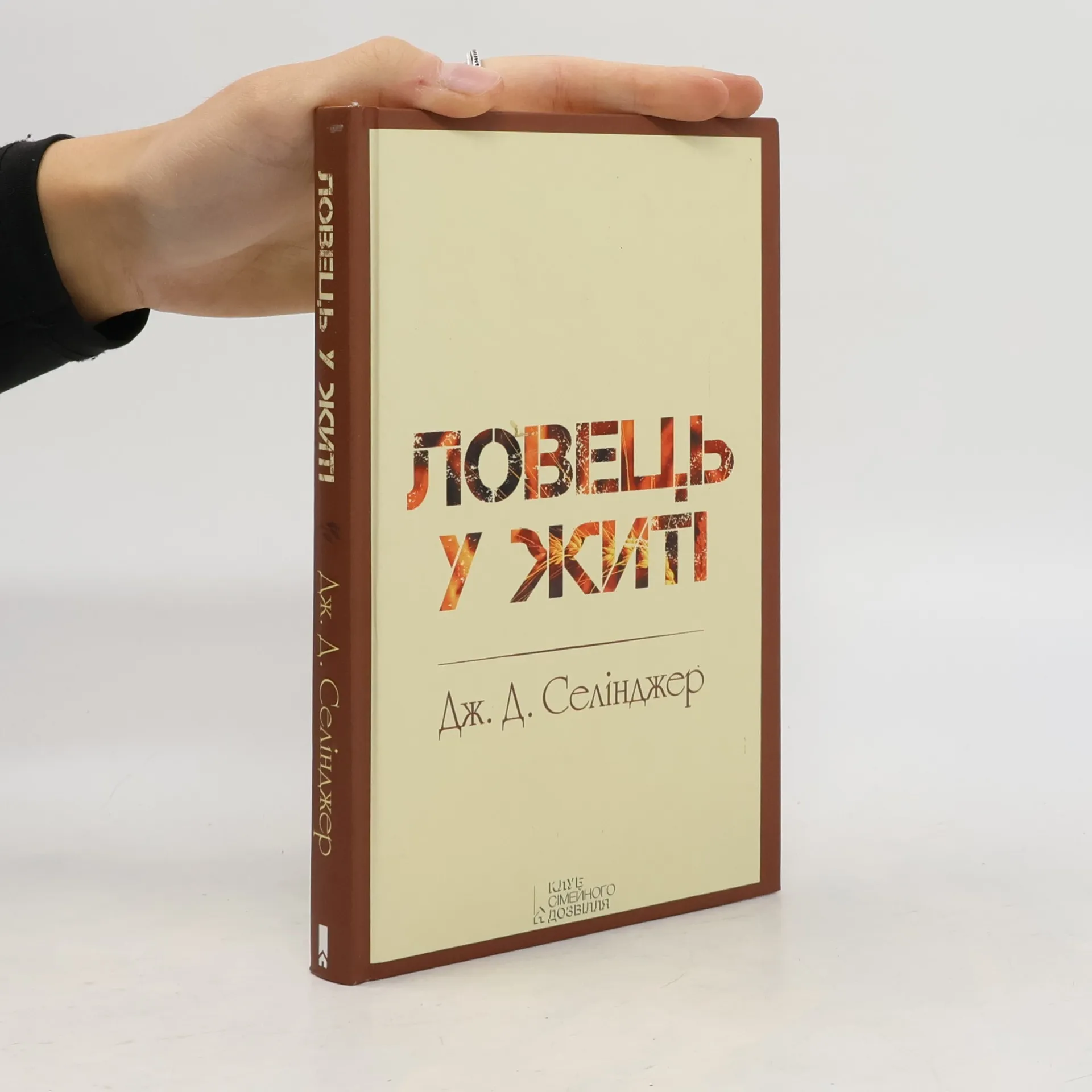
Ловець у житі
- 256pagine
- 9 ore di lettura
Книжка, що стала культовою для багатьох поколінь. Письменник-класик, письменник-загадка, який на вершині популярності повідомив, що покидає літературу і буде жити в американській провінції, якнайдалі від спокус великого міста. Роман Селінджера «Ловець у житі» став переломною віхою в історії світової літератури. Назва книжки та ім`я головного героя Холдена Колфілда зробилося кодовим для багатьох поколінь молодих бунтарів — від бітників та хіпі до представників сучасних радикальних молодіжних рухів.
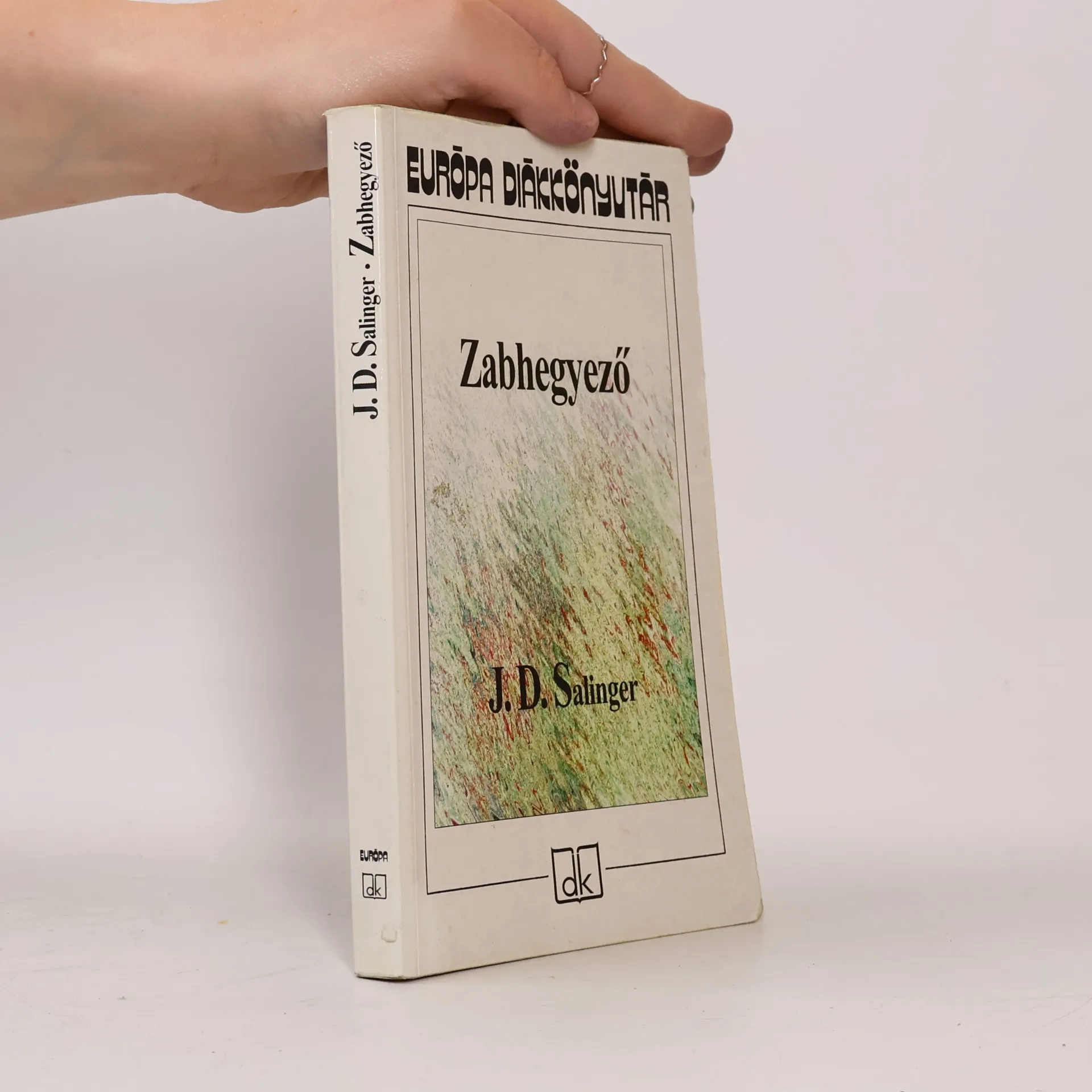
Európa Diákkönyvtár: Zabhegyező
- 254pagine
- 9 ore di lettura
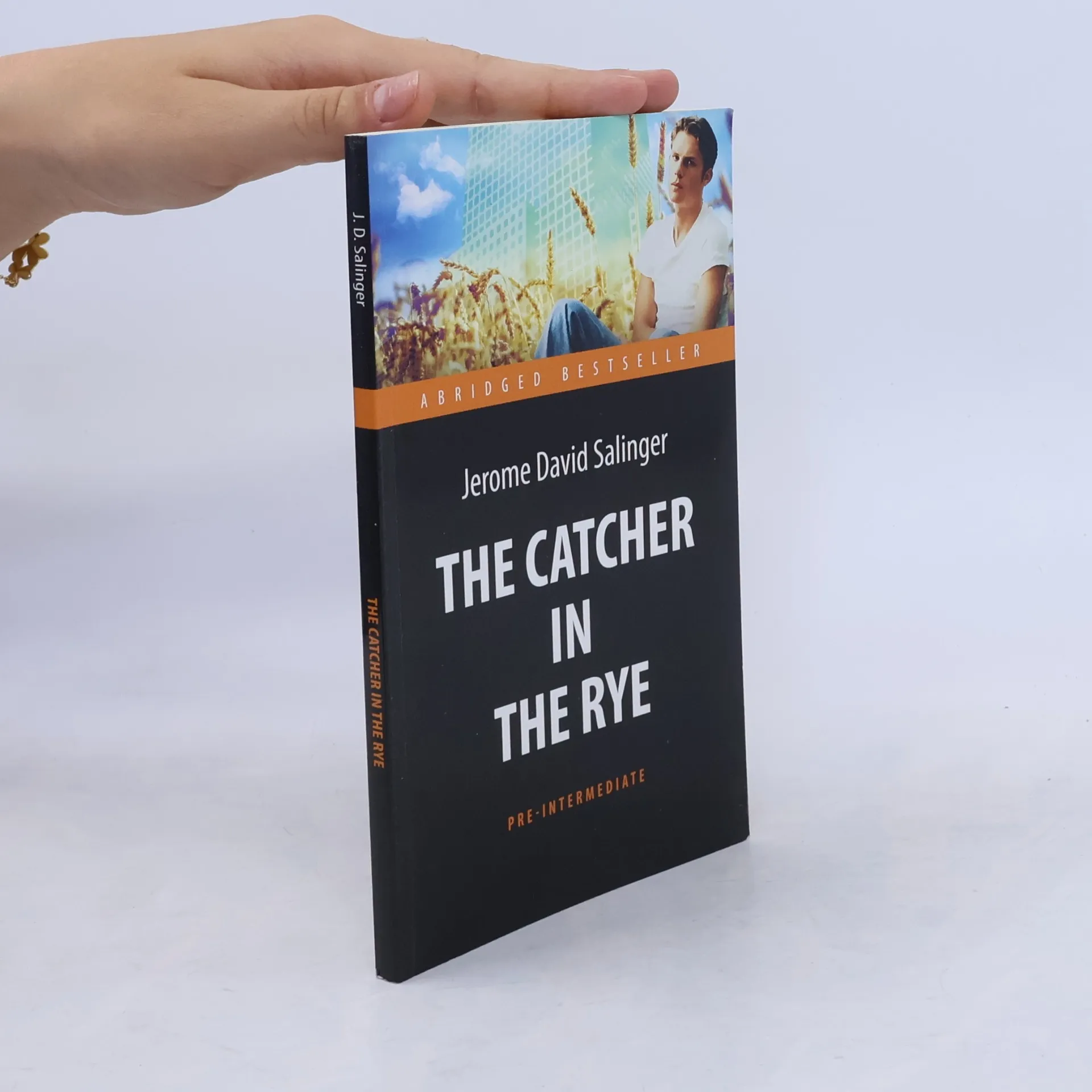
Nad propastyu vo rzhi=The Catcher in the Rye
Abridged Bestseller - Pre-Intermediate
- 128pagine
- 5 ore di lettura