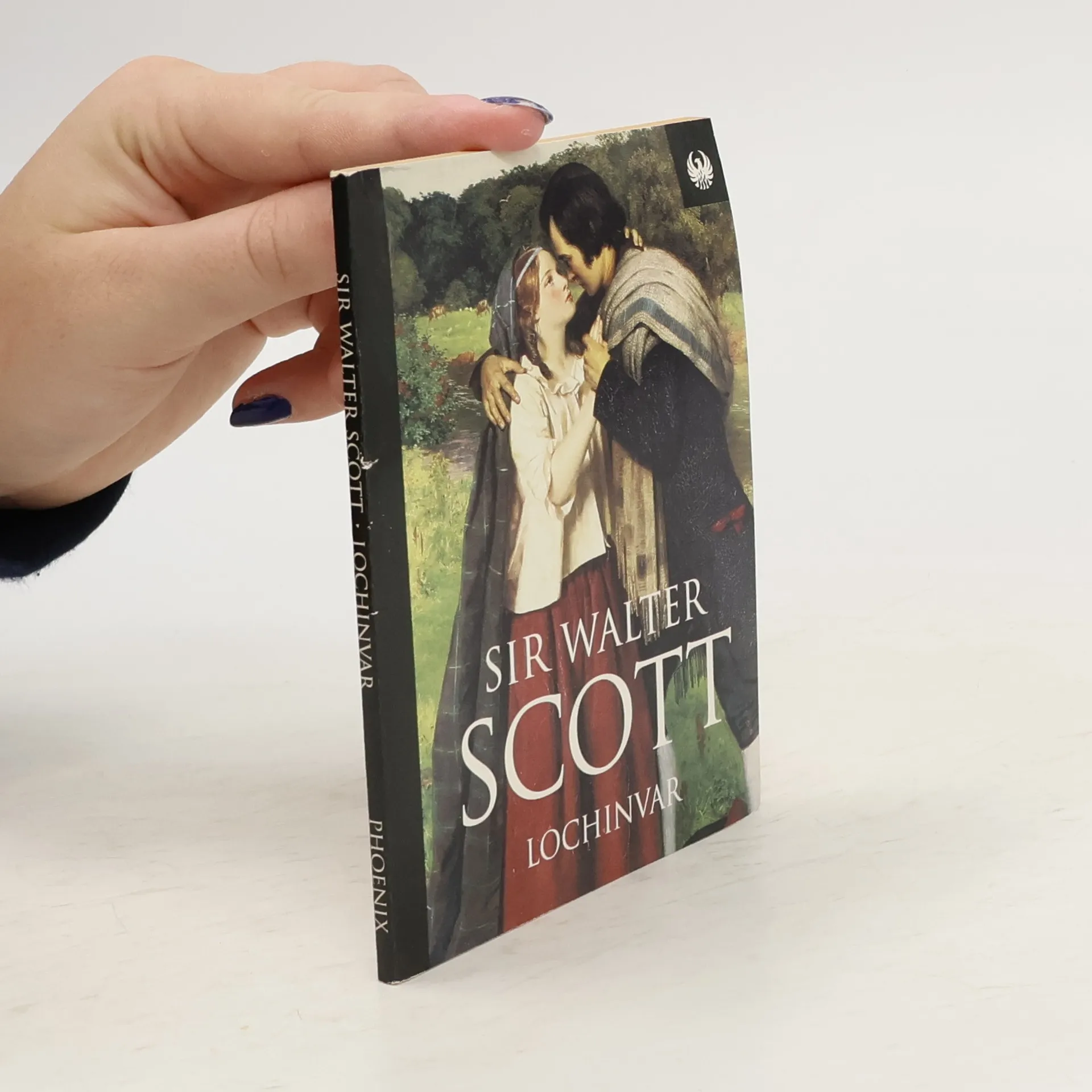
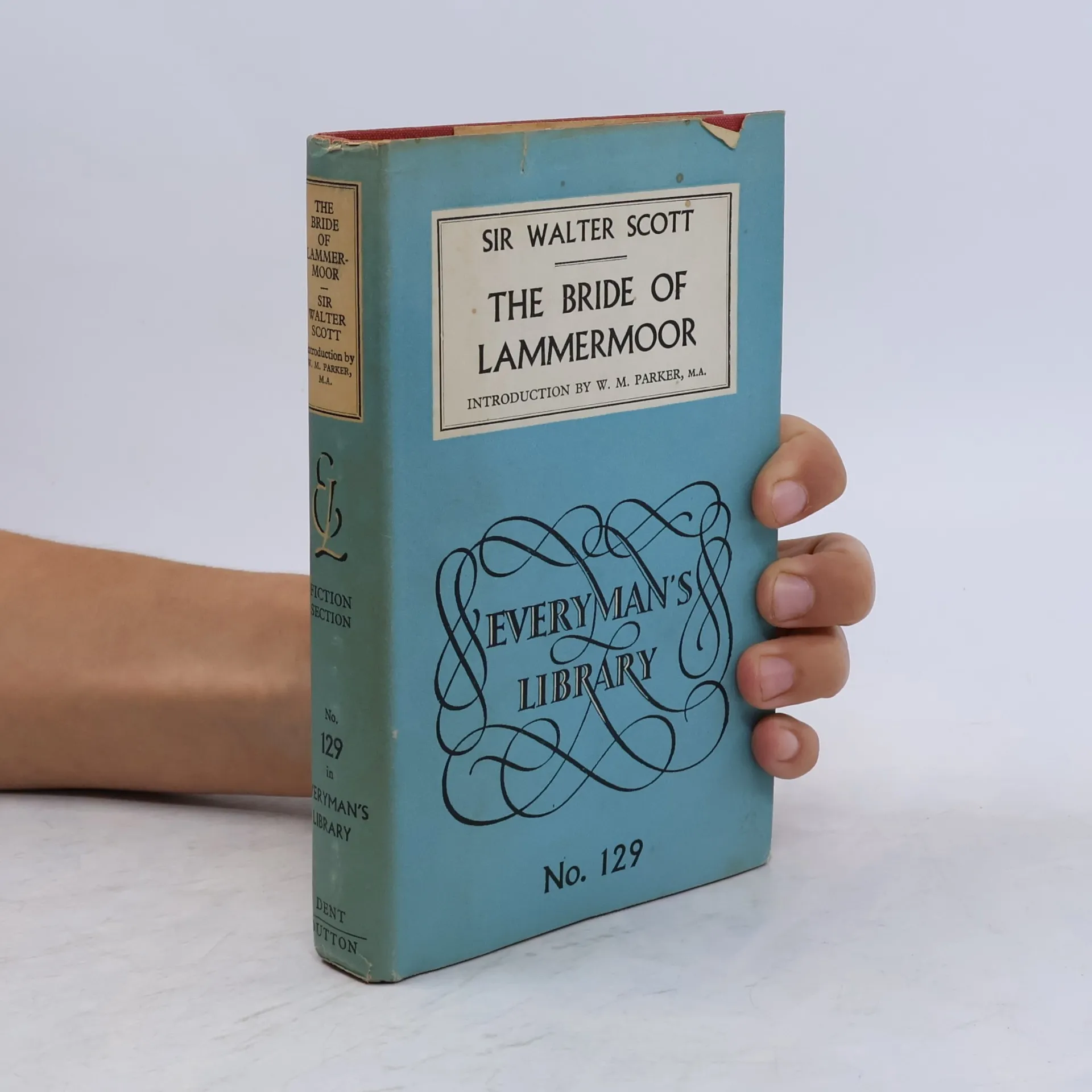
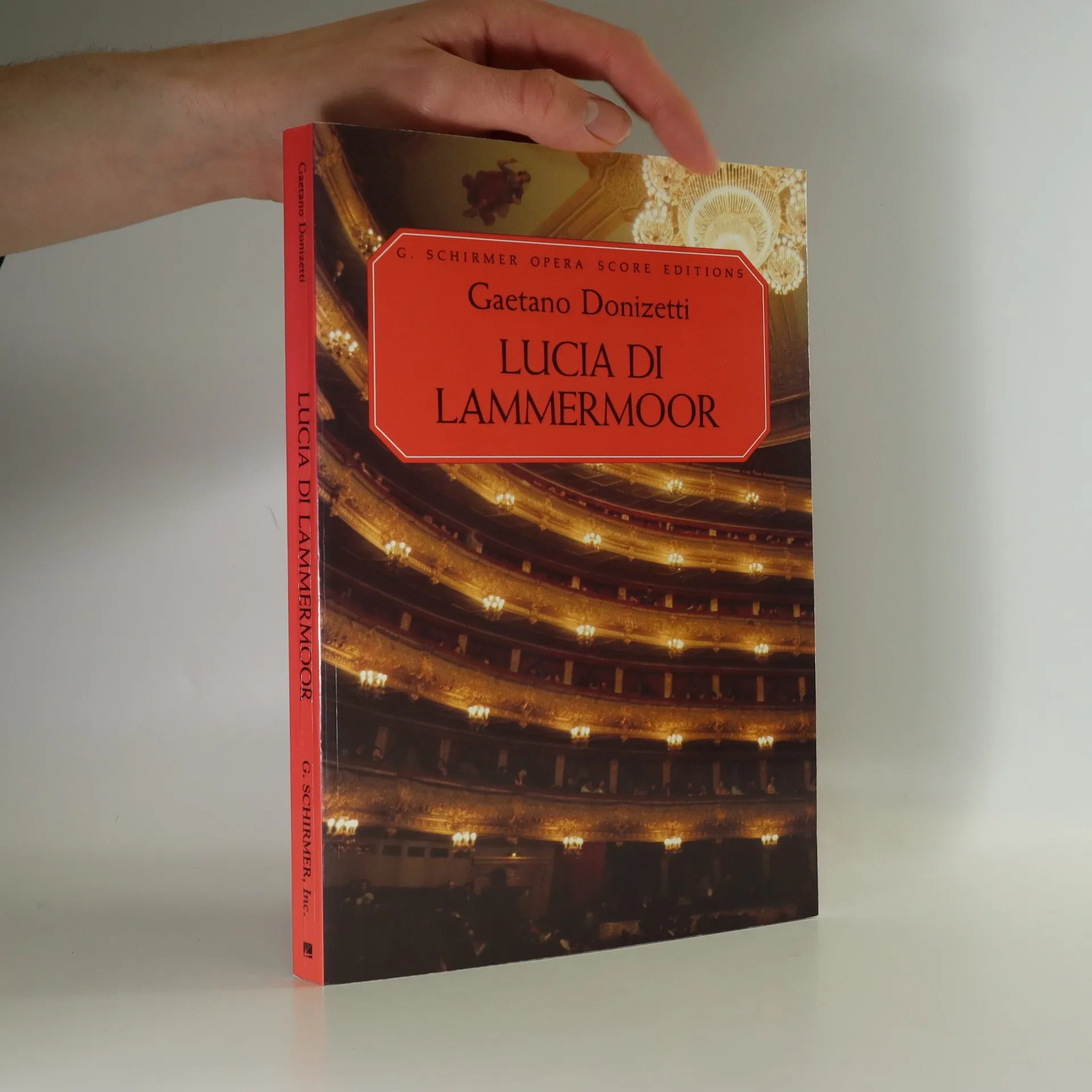
Lucia di Lammermoor. The bride of Lammermoor. Opera in three acts
- 256pagine
- 9 ore di lettura




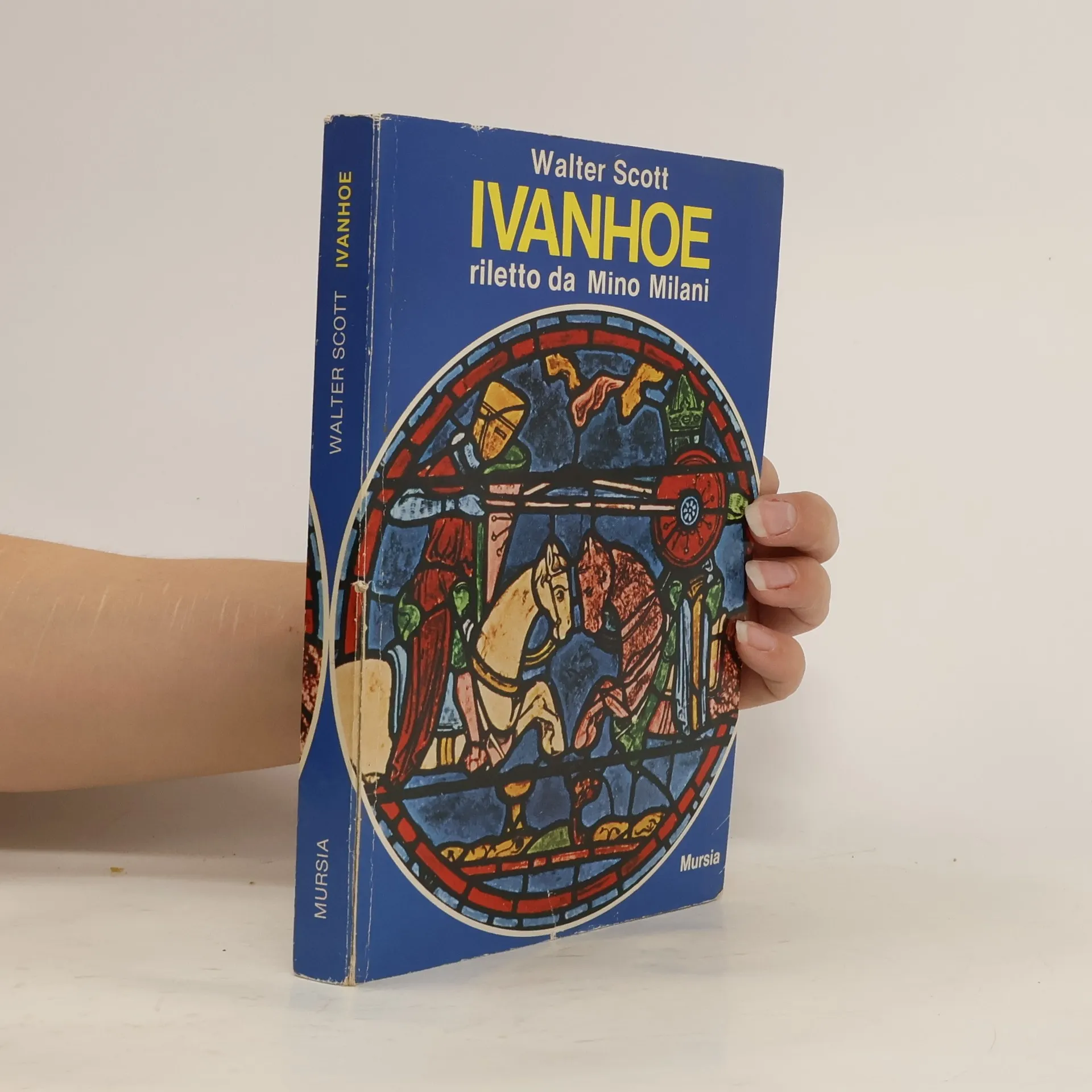
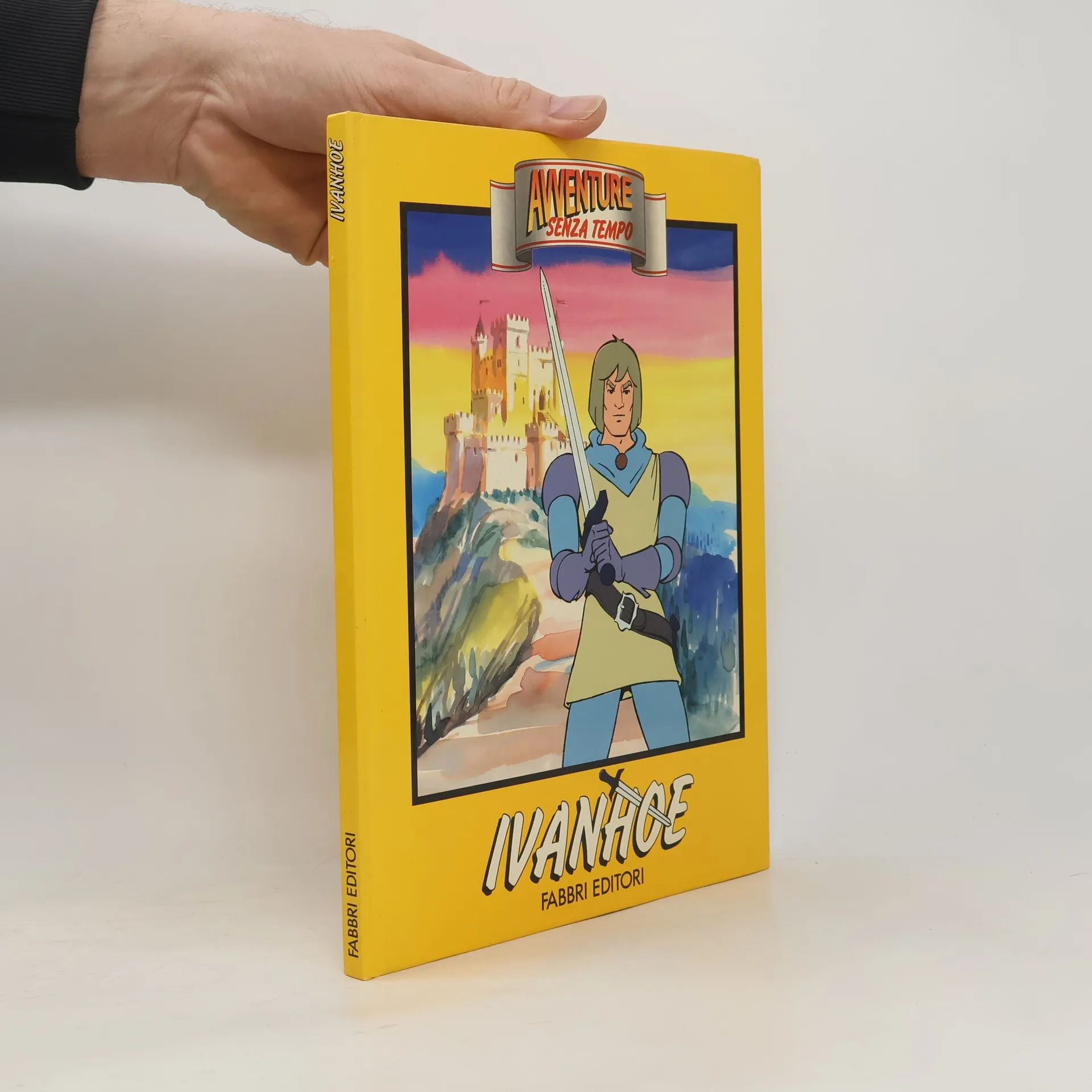
La lealtà, il coraggio e la fedeltà di Ivanhoe, eroe “senza macchia”, taciturno e schivo, hanno affascinato lettori d'ogni cultura e paese. Dotato di rara abilità descrittiva e di una notevole penetrazione psicologica, Scott divulgò un romanticismo privo di tormenti interiori o di aspetti misteriosi e terrifici. I suoi personaggi, tratteggiati con una vivezza quasi tangibile, si muovono entro una fitta rete di relazioni, non solo tra uomo e uomo, ma anche tra l'uomo e la sua terra, l'ambiente, la tradizione, facendo emergere un senso istintivo e forte della storia e dello spirito nazionale.
Riletto da Mino Milani
Bonnie Prince Charlie and Scotland's Romantic Age
The final section of this classic work delves into Scotland's rich history, encapsulating pivotal events and figures leading up to the author's era. Through engaging storytelling, it explores themes of national identity and cultural heritage, offering readers a vivid portrayal of Scotland's evolution. Scott's narrative style combines historical detail with personal reflection, making the past accessible and compelling for contemporary audiences. This volume serves as both a historical account and a tribute to the spirit of Scotland.
Walter Scott's 'A Legend of Montrose' is a historical novel set in 17th century Scotland amid the civil war between Royalists and Covenanters. Through protagonist Allan M'Aulay, Scott blends history with romanticism, showcasing vivid landscapes and nuanced characters. This work highlights Scott's mastery of historical fiction and his deep connection to Scottish culture.
Set during the Third Crusade, "The Betrothed" follows Eveline, a Norman noble's daughter, whose fiancé must fulfill his vow to join the war, leaving her vulnerable to the horrors of an arranged marriage. The story explores her lack of agency as various men and cultures vie for control over her fate.
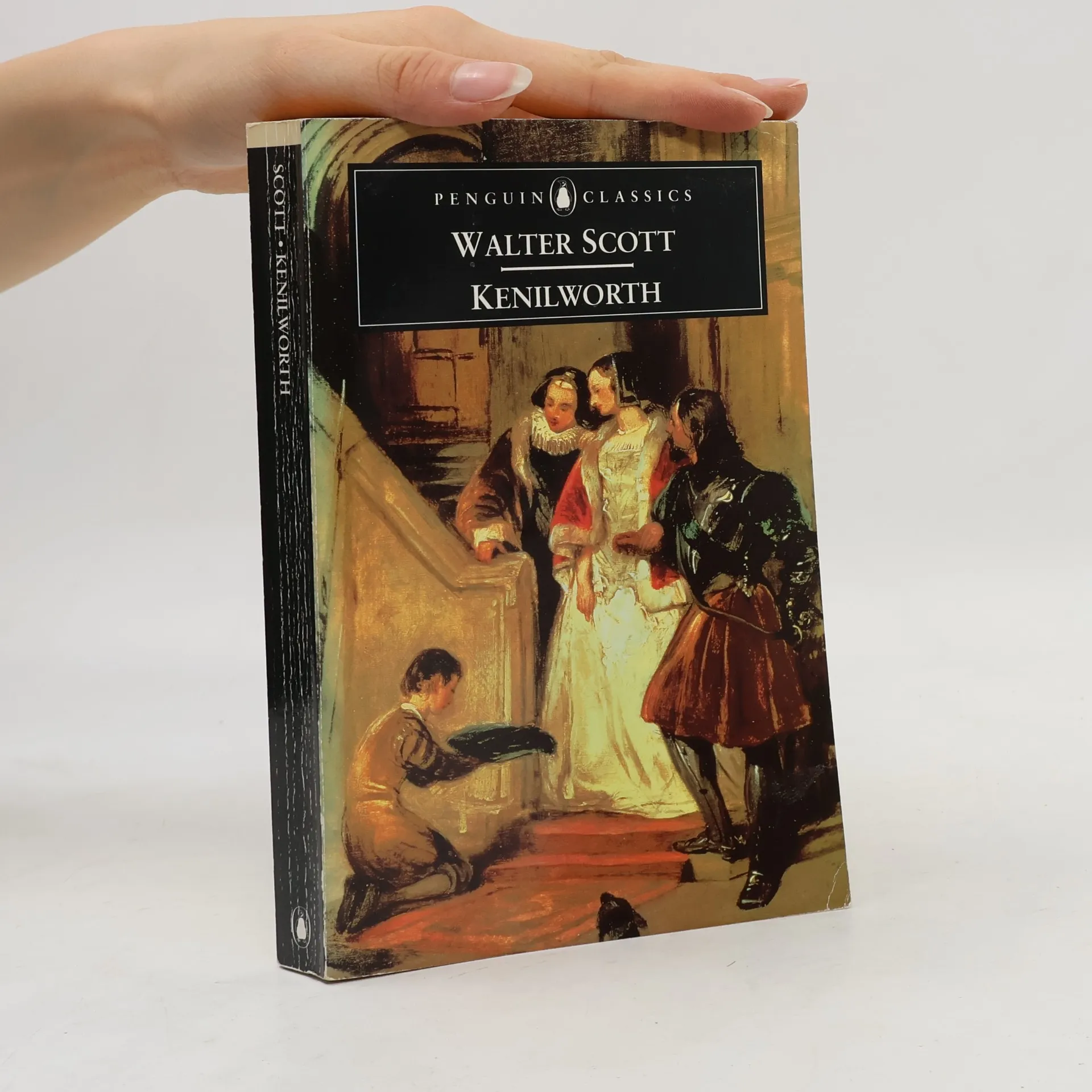
In the court of Elizabeth I, Robert Dudley, Earl of Leicester, is favoured above all the noblemen of England. It is rumoured that the Queen may chose him for her husband. This story is a depiction of intrigue, power struggles and superstition in a bygone age.
In 'The Fair Maid of Perth,' Walter Scott immerses readers in medieval Scotland's romance and political intrigue. With vivid descriptions and complex characters, Scott's storytelling brings history to life, making it a classic in historical fiction. This novel is a compelling blend of history and folklore, highly recommended for fans of the genre.
Nigel Olifaunt, a Scottish nobleman, travels to England to collect a debt on his late father's behalf, but is ultimately met with deception and disappointment. The Fortunes of Nigel is one man's tumultuous journey to keep what's rightfully his. Following his father's death, Nigel Olifaunt leaves his native Scotland for London, England. He plans to meet with King James VI to recoup the money his family originally lent to the crown. Despite a legitimate claim, the king is initially reluctant to pay what is owed. He placates Nigel, while other members of his court scheme to steal his estate. With the help of Margaret Ramsay, Nigel uncovers a heinous plot to attack his reputation and fortune. Sir Walter Scott delivers an intricate tale of greed and politics in The Fortunes of Nigel. This exhilarating story is infused with vibrant characters and historical context. It's one of Scott's most insightful and complex novels. With an eye-catching new cover, and professionally typeset manuscript, this edition of The Fortunes of Nigel is both modern and readable.
This work has been selected by scholars as being culturally important and is part of the knowledge base of civilization as we know it. This work is in the public domain in the United States of America, and possibly other nations. Within the United States, you may freely copy and distribute this work, as no entity (individual or corporate) has a copyright on the body of the work. Scholars believe, and we concur, that this work is important enough to be preserved, reproduced, and made generally available to the public. To ensure a quality reading experience, this work has been proofread and republished using a format that seamlessly blends the original graphical elements with text in an easy-to-read typeface. We appreciate your support of the preservation process, and thank you for being an important part of keeping this knowledge alive and relevant.
Old Mortality (1816), which many consider the finest of Scott's Waverley novels, is a swift-moving historical romance that places an anachronistically liberal hero against the forces of fanaticism in seventeenth-century Scotland, in the period infamous as the 'killing time'. Its central character, Henry Morton, joins the rebels in order to fight Scotland's royalist oppressors, little as he shares the Covenanters' extreme religious beliefs. He is torn between his love for a royalist's granddaughter and his loyalty to his downtrodden countrymen. As well as being a tale of divided loyalties, the novel is a crucial document in the cultural history of modern Scotland. Scott, himself a supporter of the union between Scotland and England, was trying to exorcise the violent past of a country uncomfortably coming to terms with its status as part of a modern United Kingdom. This novel is in itself a significant political document, in which Scott can be seen to be attempting to create a new centralist Scottish historiography, which is not the political consensus of his own time, the seventeenth century, or today.
Wallace, Bruce, and the Heroes of Medieval Scotland
Focusing on Scotland's rich history, this classic volume by Scott presents a narrative that captures the essence of the nation's past up to his contemporary era. Through engaging storytelling, it explores significant events, cultural developments, and notable figures, providing readers with an insightful understanding of Scotland's heritage. The work serves as both an educational resource and a tribute to the Scottish spirit, making it a valuable addition to the literature on national history.
The description of the battle of Flodden was shaped in the autumn of 1807, when Scott was out practicing with the Light Horse Volunteers, which had been formed in prospect of an invasion from France, and of which Scott was quartermaster and secretary. Scott at those gatherings was full of companionable mirth, and in intervals between drill he would sometimes ride his charger at full speed up and down on the sands of Portobello within spray of the wave, while his mind was at work on such lines as - "They close, in clouds of smoke and dust, With sword-sway and with lance's thrust; And such a yell was there, Of sudden and portentous birth, As if men fought in upper earth, And fiends in upper air"--Amazon
"The Pirate" by Walter Scott follows Captain Cleveland, a pirate whose arrival disrupts young Mordaunt's romance with the Troil sisters. Minna falls for Cleveland, unaware of his true identity, while Brenda loves Mordaunt. The story unfolds in Shetland around 1700, featuring themes of love and rivalry amidst piracy.
This edition of The Black Dwarf preserves the original text and artwork of this historically significant work, ensuring it remains accessible for future generations. The book has been meticulously reformatted and retyped, eliminating the pitfalls of scanned copies to provide clear and readable text. This effort aims to maintain the value of such rare antique literature, allowing readers to appreciate its importance without the burden of scarcity or high costs.
Set against the backdrop of 16th-century religious strife between Catholicism and Anglicanism, the story explores the lives of two families, the Glendenning's and the Avanel's, as they navigate grief, rivalry, and love. Following the discovery of a controversial black book of heretic hymns, tensions escalate, leading to supernatural encounters and societal unrest. Sir Walter Scott's evocative narrative captures the turmoil of the era, centered around the fictional Melrose Abbey, while blending romance, humor, and theological conflict. This edition enhances accessibility for modern readers.
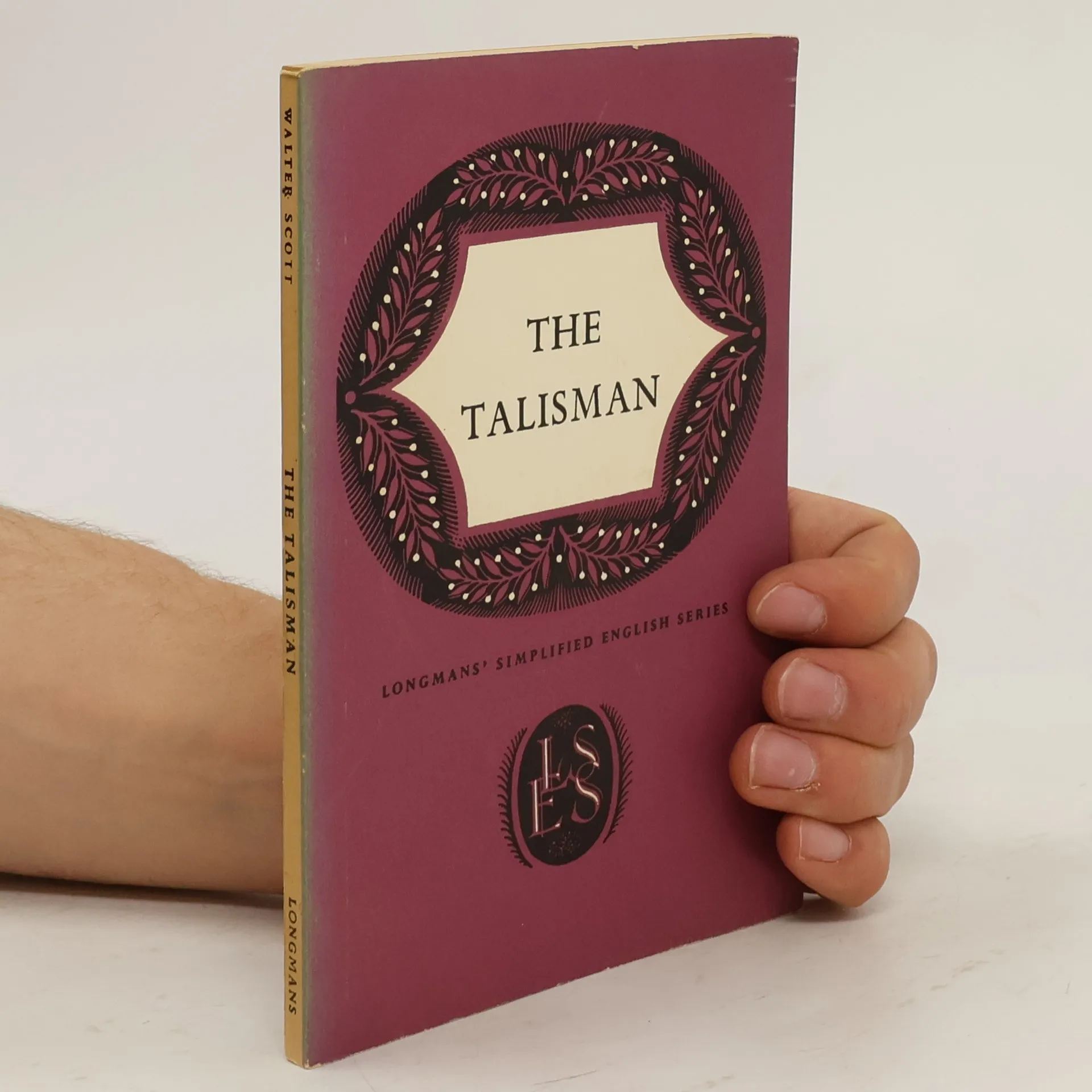
The second of "Tales of the Crusaders," "The Talisman" is set in Palestine during the Third Crusade (1189 - 92). Scott constructs a story of chivalric action, apparently adopting a medieval romance view of the similarities in the values of both sides. But disguise is the leading theme of the tale: it is not just that characters frequently wear clothing that conceals their identity, but that professions and cultures hide their true nature. In this novel the Christian leaders are divided by a factious criminality, and are contrasted to the magnanimity and decisiveness of Saladin, the leader of the Moslem armies. In a period when the west was fascinated with the exotic east, Scott represents the Moslem other as more humane than the Christian west. "The Talisman" is one of Scott's great novels. It is a superb tale. It is also a bold departure as, for the first time, Scott explores not cultural conflict within a country or society but in the opposition of two world religions.
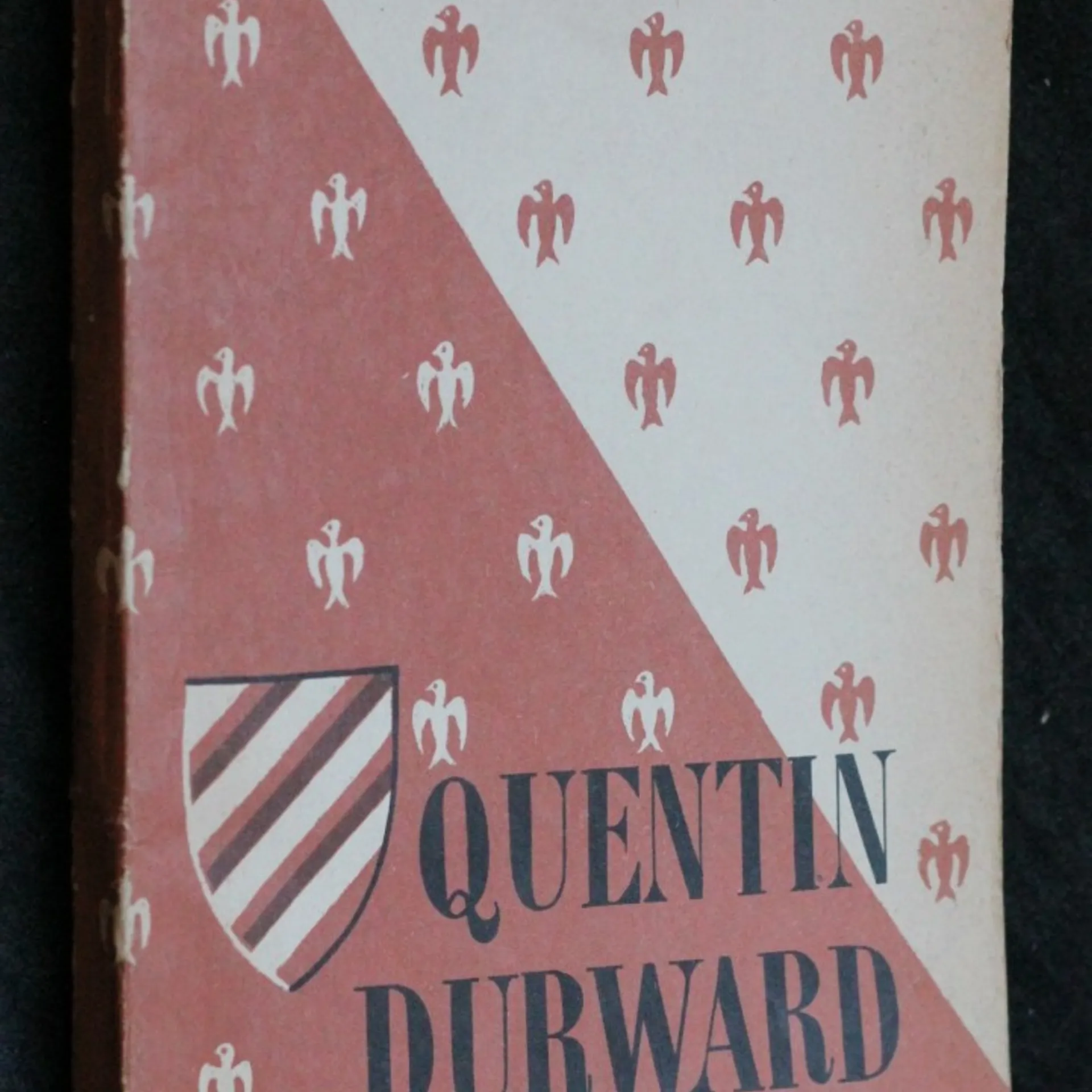
Walter Scott's 'Quentin Durward' is a historical romance set in 15th century France, exploring the intrigues of King Louis XI's court. With vivid descriptions, captivating dialogue, and intricate plot twists, it examines themes of honor, loyalty, and love, establishing itself as a timeless classic in historical fiction.
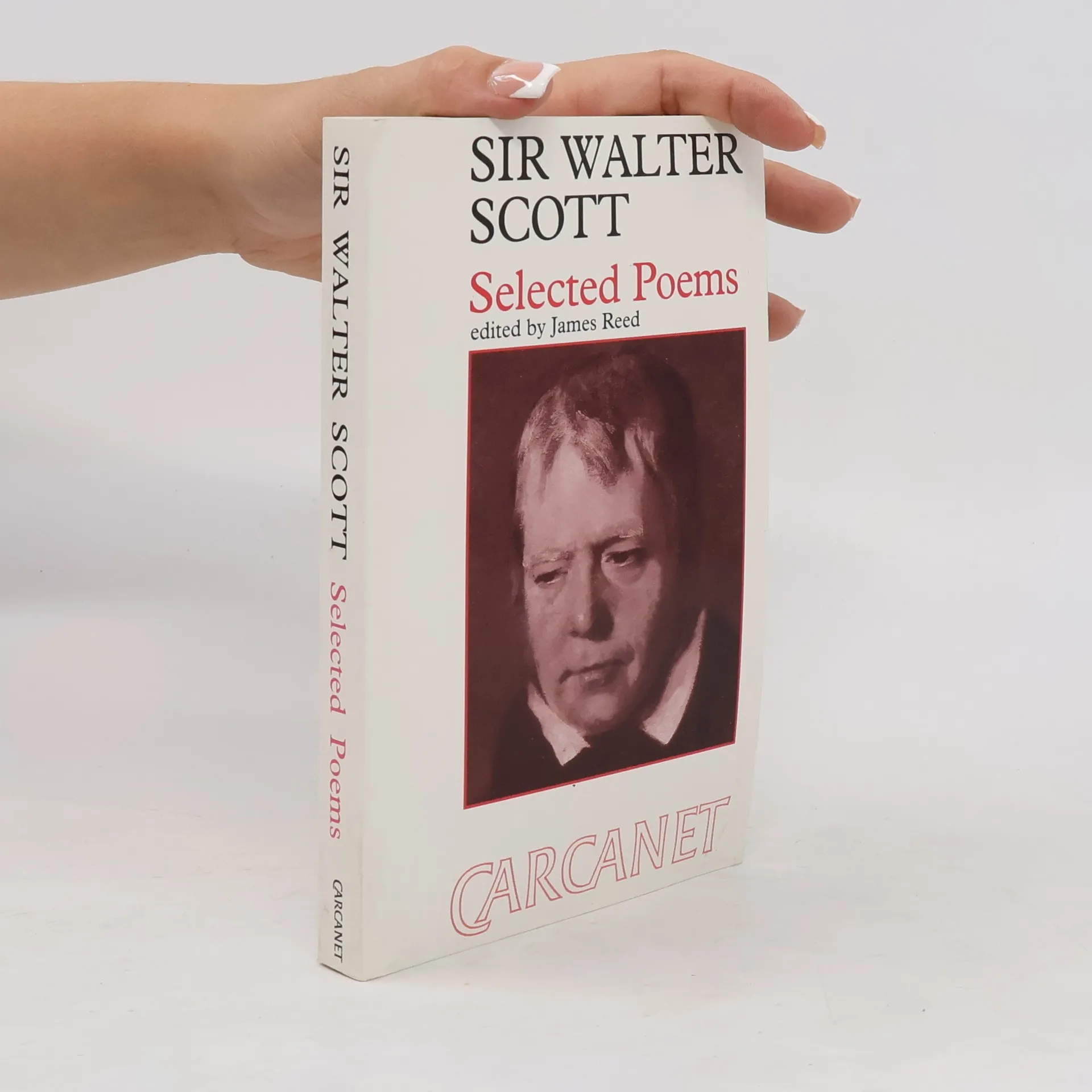
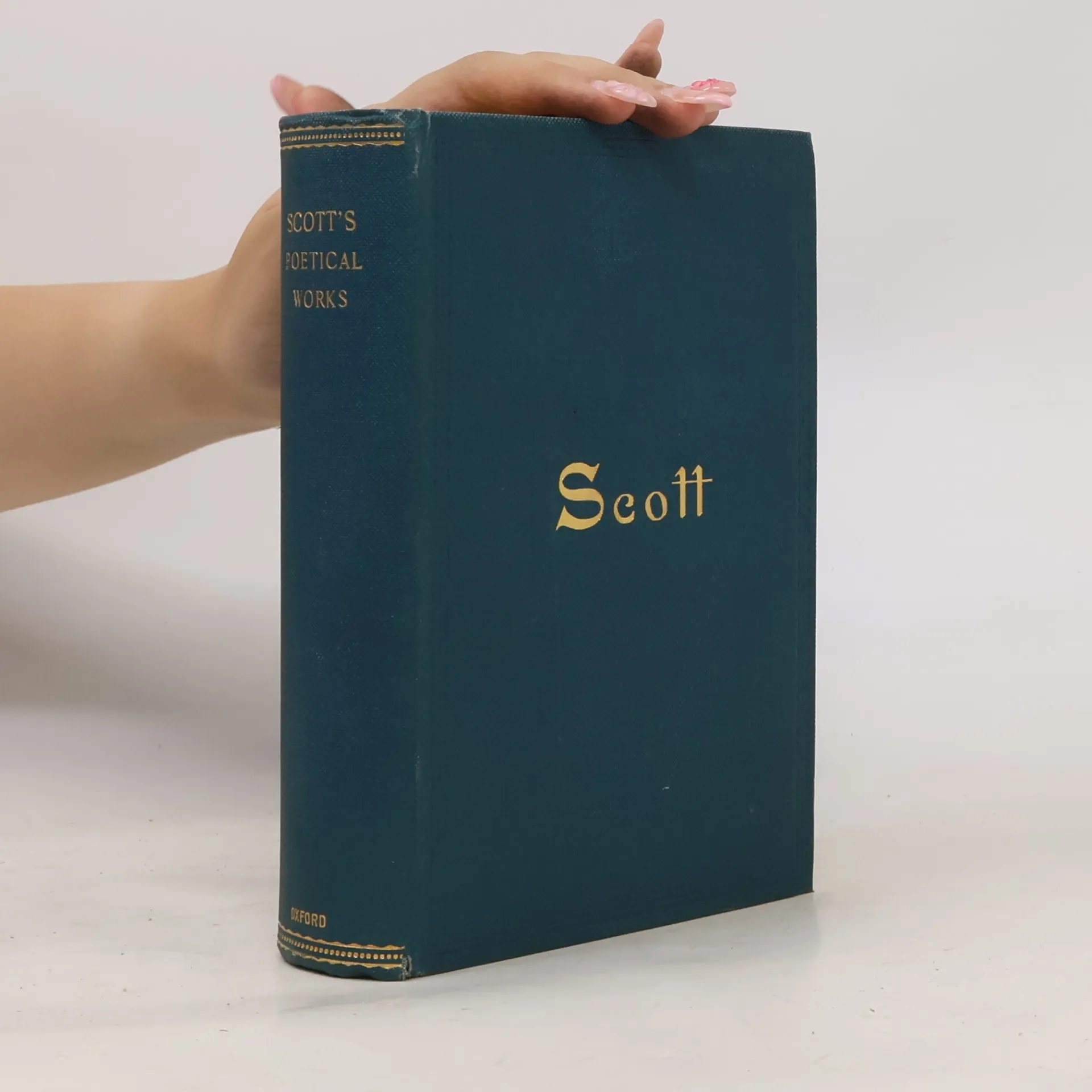
The aim in this edition of SCOTT'S POEMS has been to give a correct text, with such portions of Scott's notes as are likely to be useful or interesting to the general reader, and with fuller and better pictorial illustrations than are to be found in any former edition. The volume contains all the poems (not the plays, which are seldom, if ever, read nowadays, unless as mere literary curiosities), with the exception of a few bits of personal or occasional verse which Scott himself would never have printed, and which are not worth preserving. The original contributions to the Border Minstrelsy are included, except Scott's portion of Thomas the Rhymer (the Third Part only), which could not well be separated from the rest Of the Songs scattered through the novels and plays, the best of such as are comparatively independent of the context are given, together with all the poetical mottoes written by Scott himself for the heading of chapters.
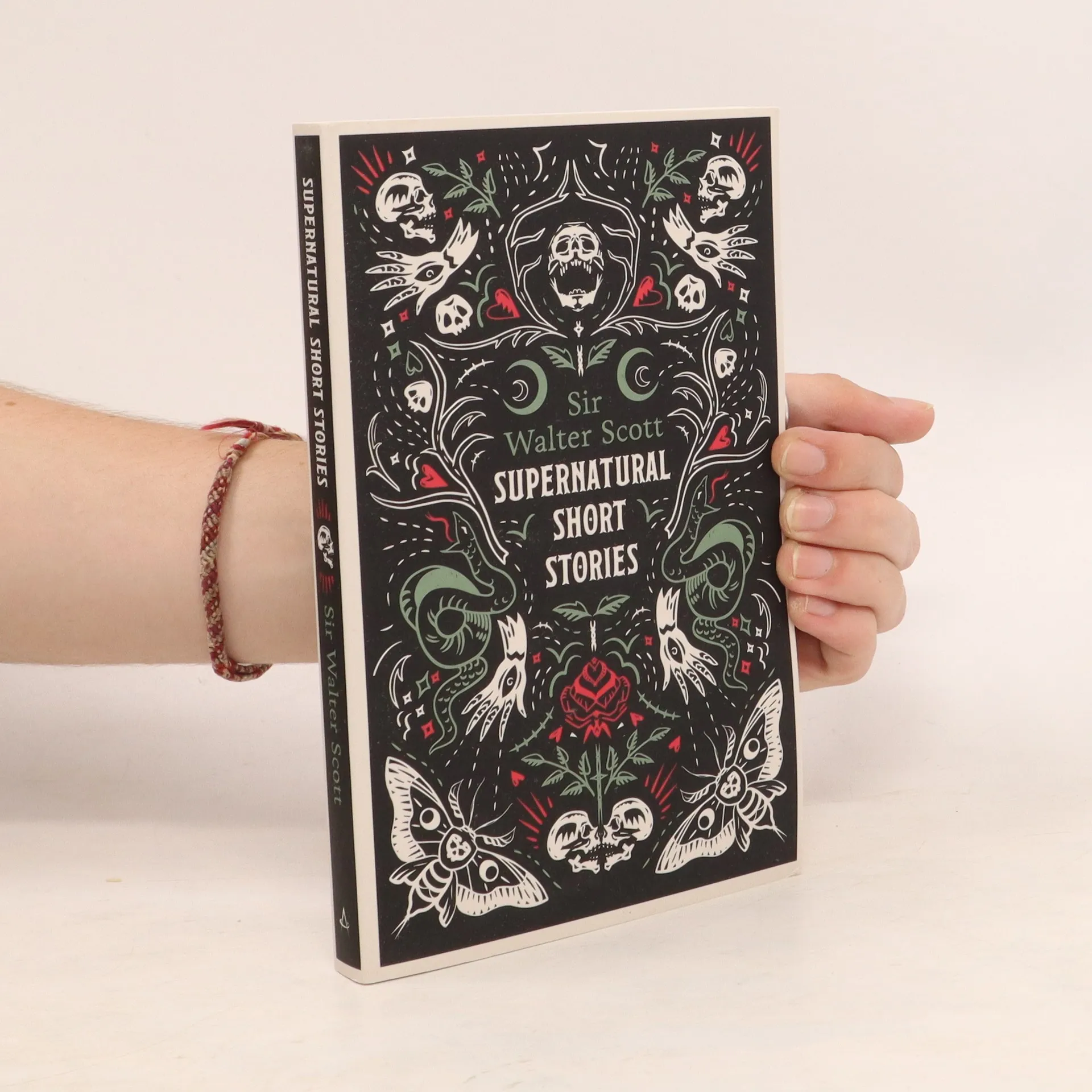
This unique edition features a collection of some of Scott's finest short stories, each infused with supernatural elements. The tales explore eerie themes and captivating narratives, showcasing Scott's ability to blend the ordinary with the uncanny, making for an intriguing reading experience.
The plans of Edgar, Master of Ravenswood to regain his ancient family estate from the corrupt Lord Keeper of the Great Seal of Scotland are frustrated by the complexities of the legal and political situations following the 1707 Act of Union, and by his passion for his enemy's beautiful daughter Lucy. First published in 1819, this intricate and searching romantic tragedy offers challenging insights into emotional and sexual politics, and demonstrates the shrewd way in which Scott presented his work as historical document, entertainment, and work of art.
Set against the backdrop of 18th century Scotland, the novel follows Colonel Guy Mannering's unexpected stay at the home of Godfrey Bertram, where the birth of a son, Harry, coincides with a prophetic visit from a psychic. As various predictions about Harry's future unfold, tragedy strikes just before his fifth birthday, leading to his abduction after witnessing a murder. Blending romance, mystery, and humor, this captivating narrative showcases Scott's masterful prose and rich character portrayals, making it a timeless read for contemporary audiences.
a legendary heroic outlaw originally depicted in English folklore and subsequently featured in literature and film. According to legend, he was a highly skilled archer and swordsman.
Set in medieval England, this retelling of the Robin Hood legend explores themes of justice, honor, and rebellion against tyranny. The narrative follows the legendary outlaw and his band of Merry Men as they rob from the rich to give to the poor, all while evading the Sheriff of Nottingham. Scott's version delves into the complexities of loyalty and the moral dilemmas faced by its characters, offering a rich tapestry of adventure, romance, and social commentary in a time of political strife.
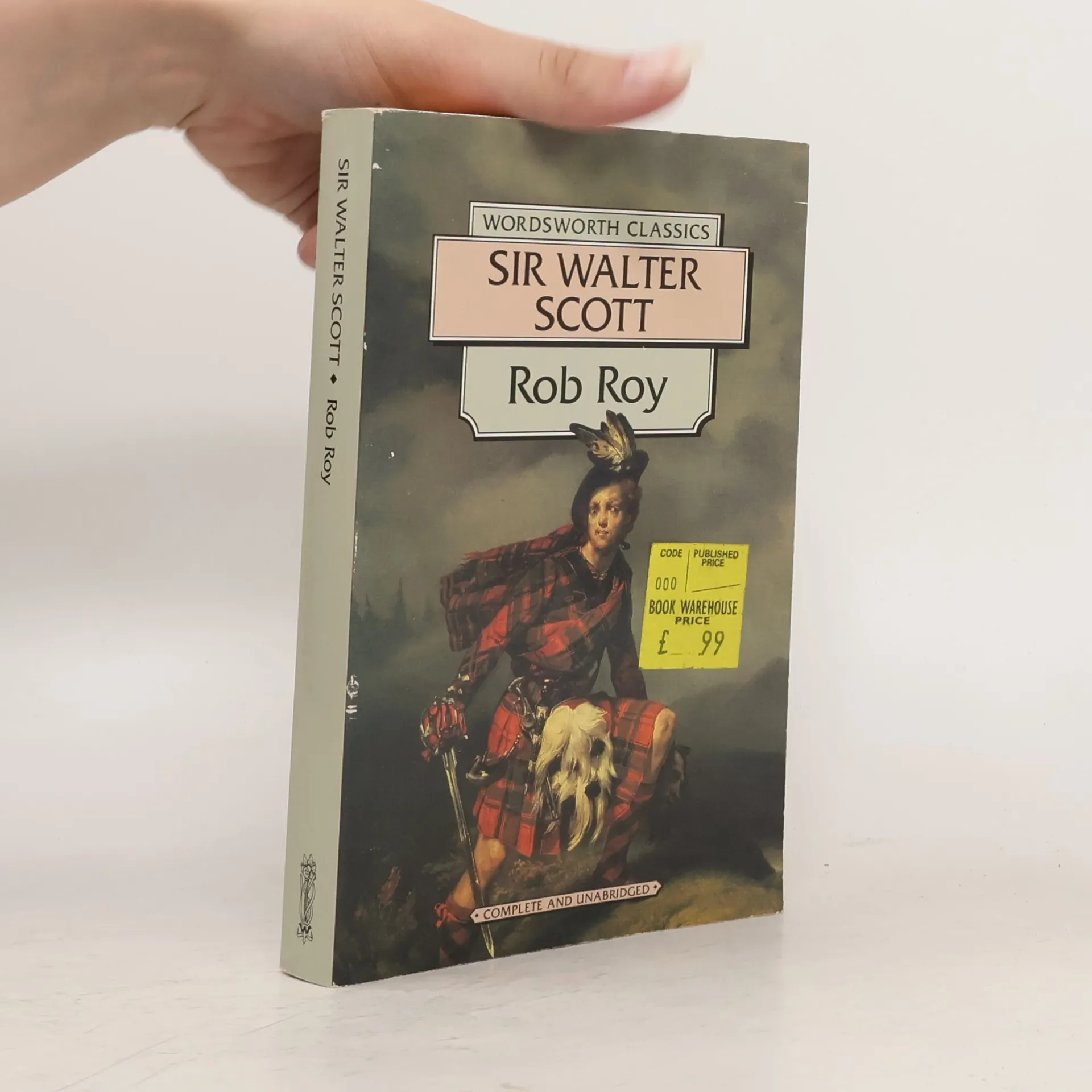
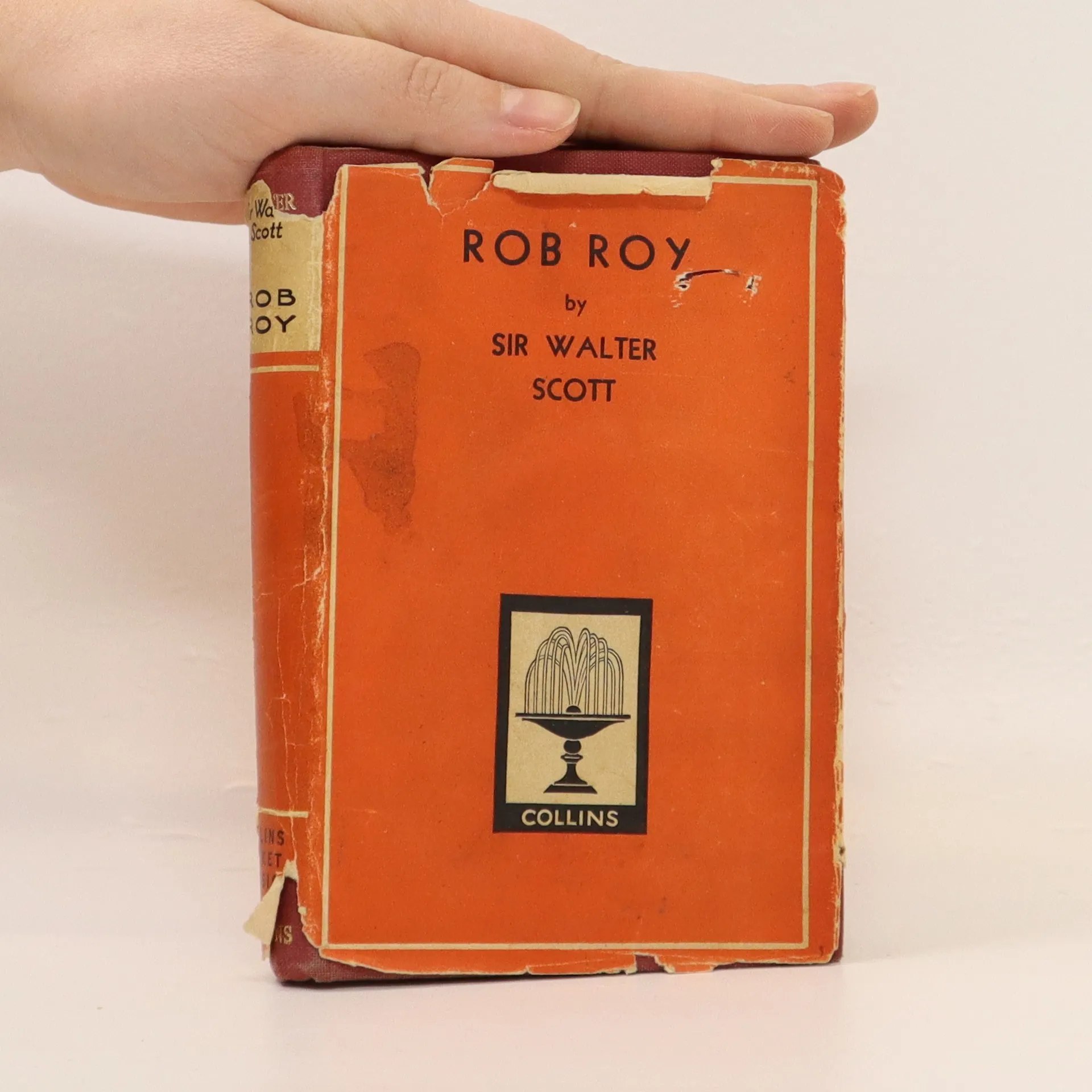
From its first publication in 1816, "Rob Roy" has been recognised as containing some of Scott's finest writing and most engaging, fully realised characters.
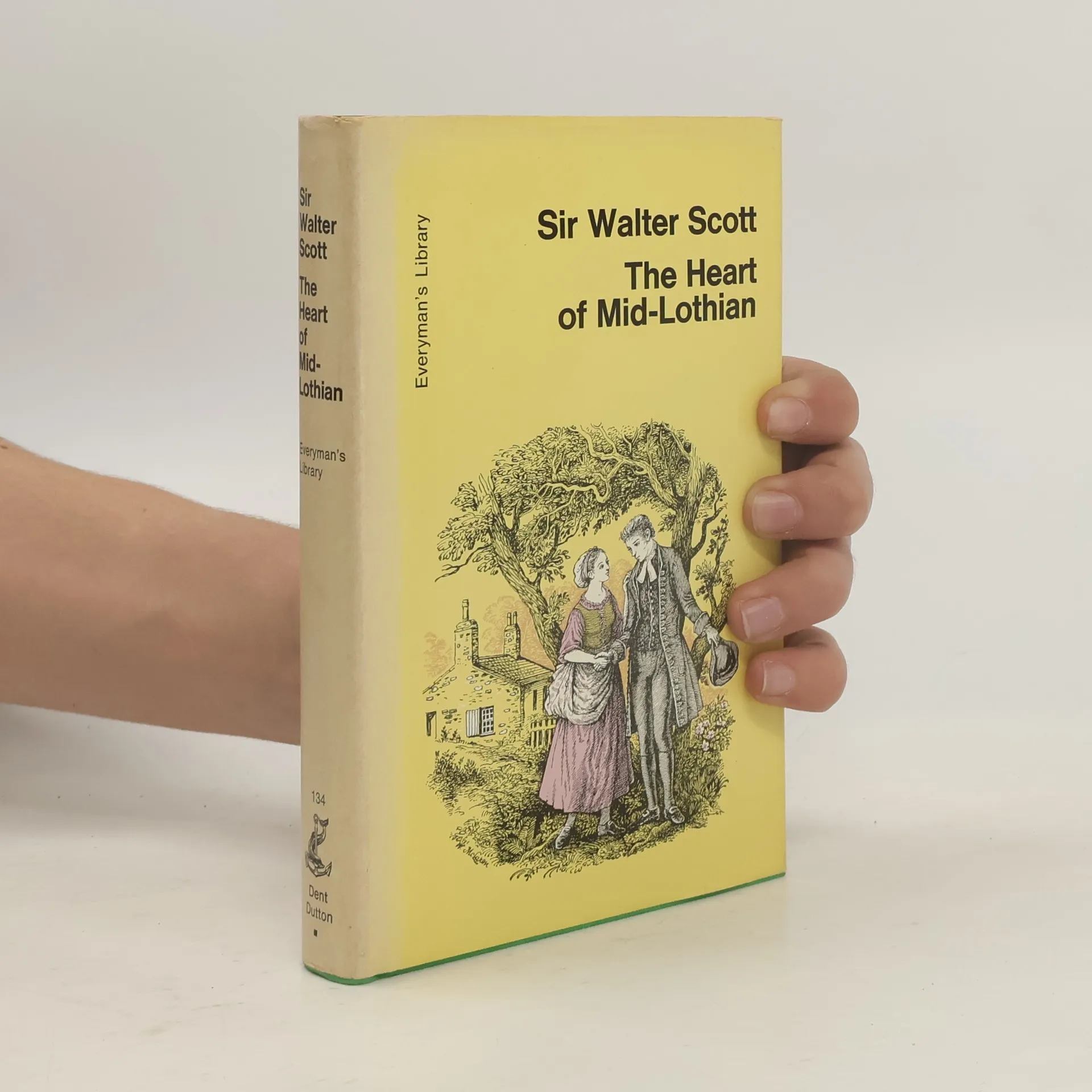
'The Heart of Midlothian' presents the story of Jeanie Deans, a dairymaid who journeys to London to beg for a reprieve for her sister. Set in the 1730s, the novel dramatises different kinds of justice, including lynching by an Edinburgh mob.
Everyone knows 'tis the season to be jolly; when you can roast chestnuts on an open fire, treetops glisten, and sleigh bells ring alongside the sound of small children's laughter. However, if you don’t think Christmas is the most wonderful time of the year then reach for this resource and let its soothing advice reassure you that Christmas comes but once a year. It offers many merry pearls of wisdom to help you get through the festive season; on everything from relatives to office parties, and gluttony to new year resolutions.
This is a title in an inexpensive range of classics in the "Penguin Popular Classics" series.
Set within a framing narrative told by Chrystal Croftangry, these three stories are set in the years following the Jacobite defeat and all feature characters who are leaving Scotland to seek their fortunes elsewhere. schovat popis
The book is a classical work that holds significant importance in human history, and it has been meticulously preserved and republished by Alpha Editions for contemporary and future readers. The text has been reformatted and retyped to ensure clarity and readability, distinguishing it from scanned copies of the original. This effort aims to keep the work accessible and appreciated by new generations.
Tales of the Crusaders. The Talisman
من منشورات مكتبة لبنان ناشرون Librairie du Liban Publishers
The book is a significant historical work that has been preserved for future generations through modern reformatting and design. It has been carefully retyped and reformatted to ensure clarity and readability, avoiding the pitfalls of scanned copies. This effort highlights the importance of the text and its relevance throughout human history, making it accessible to contemporary readers.
This antiquarian book is a facsimile reprint of an original work, reflecting its historical significance. As a result of its age, it may include imperfections like marks, notations, and flawed pages. The reprint aims to preserve and promote cultural literature, ensuring accessibility through affordable, high-quality editions that remain faithful to the original text.
The biography offers a compelling portrayal of Napoleon, crafted by Sir Walter Scott six years after his death. It not only captivated readers across Britain and Europe but also sparked significant historical discourse, even leading to a duel challenge from former generals. Dr. Michaelis has skillfully condensed Scott's original extensive work into a more accessible format, preserving its insightful analysis. The text reflects a complex, pre-nation state Europe, shaped by diverse local cultures and historical contexts, appealing to both modern enthusiasts and scholars alike.
The publishing house Megali focuses on making historical works accessible by producing them in large print, catering specifically to individuals with impaired vision. This approach emphasizes inclusivity and enhances the reading experience for those who may struggle with standard text sizes.
in large print
The book is a reproduction of a historical work, published by Megali, a company dedicated to making literature accessible for individuals with impaired vision. It features large print to enhance readability, ensuring that important historical texts remain available to a wider audience.
Culturally significant, this work has been preserved to reflect its original form, including copyright references and library stamps from prominent institutions. Its reproduction aims to maintain authenticity, offering readers a glimpse into the historical context and the knowledge base that has shaped civilization.
The book is a reproduction of a culturally significant work, chosen for its importance to the knowledge foundation of civilization. It maintains fidelity to the original artifact, featuring original copyright references and library stamps that reflect its historical context and significance. This dedication to authenticity highlights the book's role in preserving valuable literary and scholarly heritage.
The book is a reproduction of a historical work, published by Megali, a house dedicated to making literature accessible for those with impaired vision through large print editions. This initiative highlights the importance of inclusivity in reading, allowing a broader audience to engage with historical texts.
This book is a reproduction of a historical work, produced by Megali, a publishing house dedicated to creating large print editions for individuals with vision impairments. The focus on accessibility ensures that classic literature remains available to a wider audience, emphasizing the importance of inclusivity in reading.
This publication focuses on reproducing historical works in large print, catering specifically to individuals with impaired vision. Megali, the publishing house behind this initiative, emphasizes accessibility in reading, ensuring that classic texts are available to a broader audience.
This reprint features the original text from 1857, preserving its historical significance and authenticity. Readers can expect to encounter the themes, language, and cultural context of the time, providing a glimpse into the era's literary style and societal norms. This edition serves as a valuable resource for those interested in classic literature and the evolution of storytelling.
Focusing on accessibility, this book is a reproduction of a historical work presented in large print, catering specifically to individuals with impaired vision. The publishing house Megali is dedicated to enhancing readability and preserving important texts, ensuring that a wider audience can engage with historical literature.
This reprint preserves the essence of a classic work first published in 1857. It offers readers a chance to explore the themes and narratives that have stood the test of time, reflecting the historical context and cultural nuances of its era. The text remains true to the original, providing insights into the author's intentions and the societal issues of the period. This edition is ideal for both new readers and those familiar with the work, allowing a deeper appreciation of its literary significance.
Focusing on accessibility, this book is a reproduction of a historical work presented in large print. The publishing house Megali aims to enhance reading experiences for individuals with impaired vision, ensuring that classic texts remain available and enjoyable to a wider audience.
This reprint preserves the original text from 1856, offering readers a glimpse into the past through its historical context and themes. It allows contemporary audiences to engage with the language and ideas of the time, reflecting the societal norms and challenges of that era. The book serves as a valuable resource for those interested in historical literature and the evolution of storytelling.
The publishing house Megali focuses on reproducing historical works in large print, catering specifically to individuals with impaired vision. This initiative aims to enhance accessibility and ensure that classic literature remains available to a broader audience.
This reprint preserves the original text from 1843, offering readers a chance to explore the historical and literary context of the time. The book reflects the themes and styles prevalent in the 19th century, allowing for a deeper understanding of its significance in literature. Readers can expect an authentic experience of the language and ideas that shaped its era, making it a valuable addition for both collectors and those interested in classic works.
This book is a reproduction of a historical work, specifically produced in large print to enhance accessibility for readers with impaired vision. Published by Megali, a company dedicated to making historical texts more readable, it aims to preserve important literature while ensuring it is accessible to a wider audience.
This book is a reproduction of a historical work, presented in large print to accommodate readers with impaired vision. The publishing house Megali focuses on enhancing accessibility in literature, ensuring that important texts are available to a wider audience.
The book is a reproduction of a historical work, published by Megali, a company dedicated to creating large print editions for individuals with impaired vision. This initiative aims to enhance accessibility and ensure that historical literature can be enjoyed by a wider audience.
This edition focuses on accessibility, as it is produced in large print to aid readers with impaired vision. The publishing house Megali is dedicated to reproducing historical works, ensuring that important texts remain available to a wider audience.
The narrative centers on Mary, Queen of Scots, who faces imprisonment in Lochlevan Castle due to her Catholic faith amid Protestant subjects. As she plots her escape with her ladies-in-waiting, a love story unfolds between Roland Graeme and Catherine, Mary’s attendant, complicated by familial conflict. This historical adventure novel, a sequel to The Monastery, showcases strong character portrayals and rich settings, blending romance, betrayal, and action. The newly designed edition enhances accessibility while preserving Scott's literary mastery.
Focusing on accessibility, this book is a reproduction of a historical work, published by Megali, which specializes in large print editions. This initiative aims to enhance readability for individuals with impaired vision, ensuring that important historical texts remain available and accessible to a wider audience.
The book is a reproduction of a historical work, produced by Megali, a publishing house dedicated to making literature accessible for individuals with impaired vision. By utilizing large print, it aims to enhance readability and provide a more inclusive reading experience for all.
Focusing on accessibility, this book is a reproduction of a historical work presented in large print, catering specifically to individuals with impaired vision. Published by Megali, a house known for its commitment to enhancing readability, this edition ensures that important historical texts remain available and easier to enjoy for a broader audience.
Megali focuses on reproducing historical works in large print, catering specifically to individuals with impaired vision. This approach enhances accessibility and ensures that classic literature remains available to a wider audience. The commitment to preserving original texts while improving readability is a key aspect of their mission.
Focusing on accessibility, this book is a reproduction of a historical work presented in large print, catering specifically to individuals with visual impairments. Published by Megali, a company dedicated to enhancing the reading experience for those who struggle with standard text sizes, it aims to preserve important literature while ensuring it remains accessible to a wider audience.
The book is a reprint of an original work from 1857, preserving its historical significance and authenticity. It offers readers a glimpse into the themes and styles of the period, reflecting the societal norms and literary trends of the time. This edition aims to provide an accessible version of the text for contemporary audiences while maintaining the integrity of the original work.
Contains: The Story Of Macbeth; The Story of William Wallace; The Adventures of Bruce; The Battle of Bannockburn; The Battle of Otterburn; The Good King James & The Battle of Flodden as well as six color illustrations.
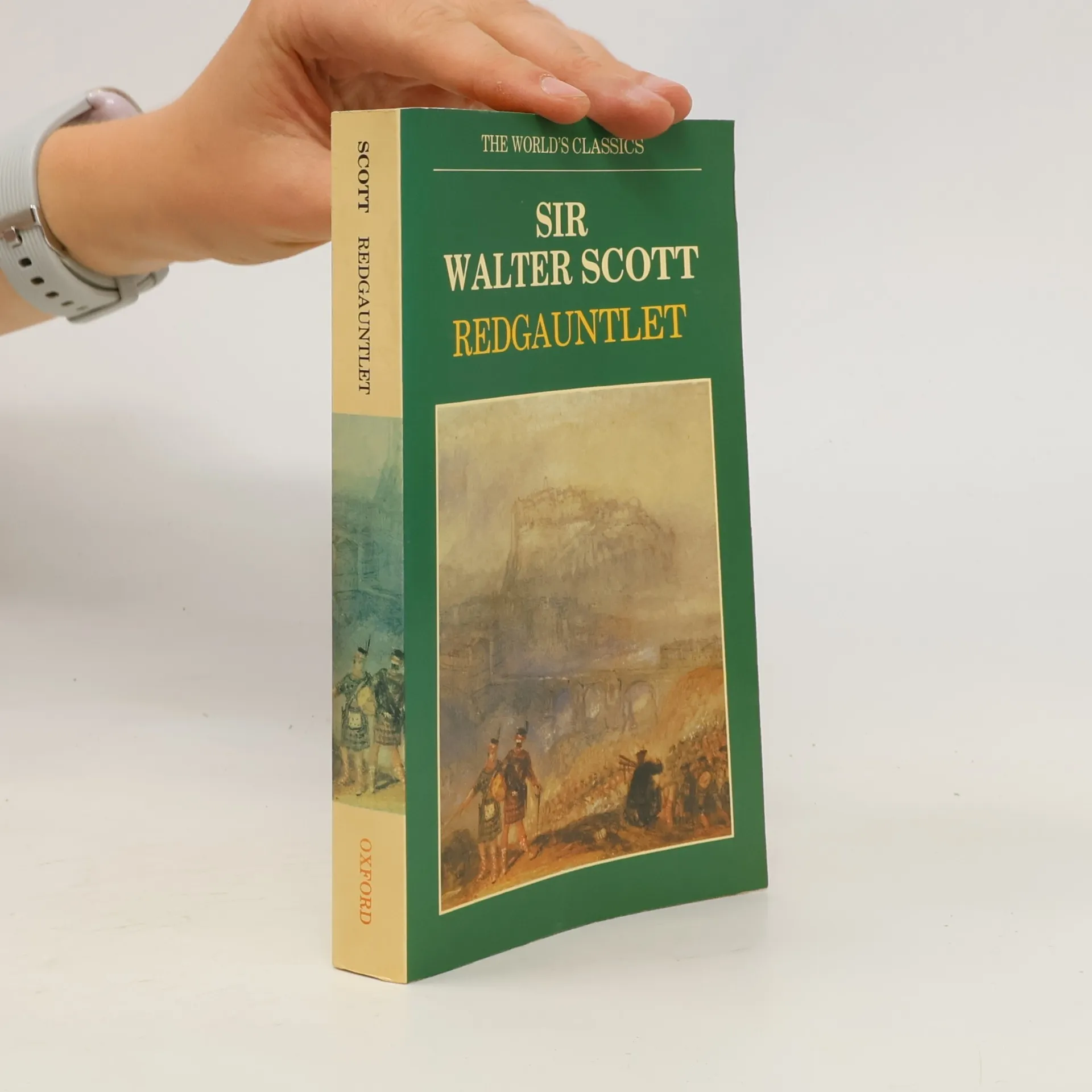
Set in the summer of 1765, Redgauntlet centers around a fictitious Jacobite rebellion. This is the last of Scott's major Scottish novels. The text is that of the 'Magnum' edition of 1832.
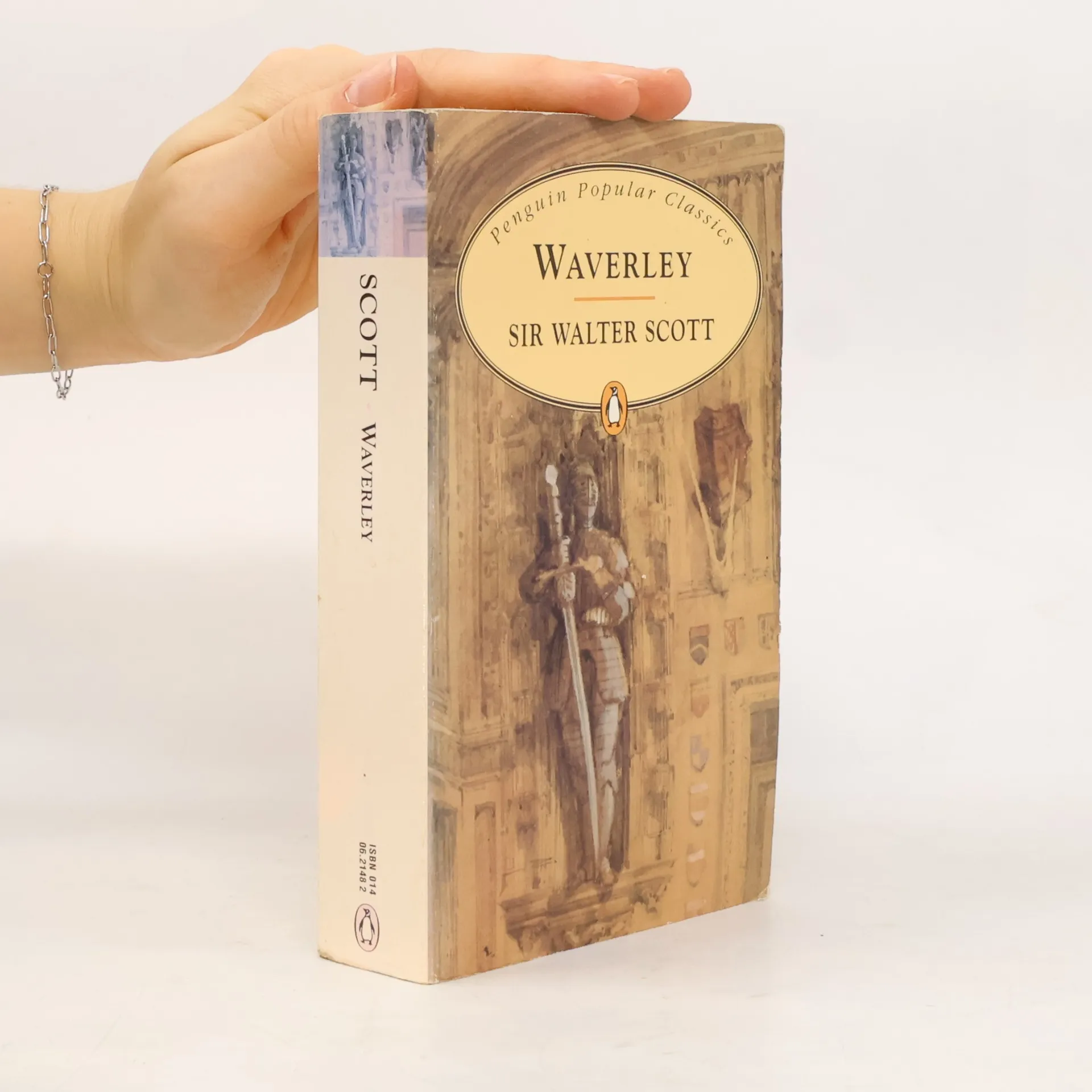
Set during the 1745 Scottish Jacobite uprising, "Waverley" follows Edward Waverley, a young English soldier and dreamer. He leaves his aristocratic home to explore Scotland, visiting friends and immersing himself in the rebellion led by "Bonnie Prince Charlie" and its consequences.
Exploring the themes of demonology and witchcraft, this collection of letters by Sir Walter Scott was part of a broader initiative to promote accessible literature through affordable volumes. Published in 1830 as one of the early works in John Murray's "Murray's Family Library," the book reflects the era's intellectual climate and the efforts of the Society for the Diffusion of Useful Knowledge. This initiative aimed to disseminate valuable literature and knowledge during a time of significant social change, including the Reform Bill of 1832.
Set in the stunning Scottish Highlands, this epic narrative poem weaves together historical events, folklore, and romance. Sir Walter Scott skillfully creates a vivid tale that captures the essence of Scottish culture and landscape. Published in 1810, it highlights his ability to blend various elements into a compelling narrative, making it a significant contribution to literature.
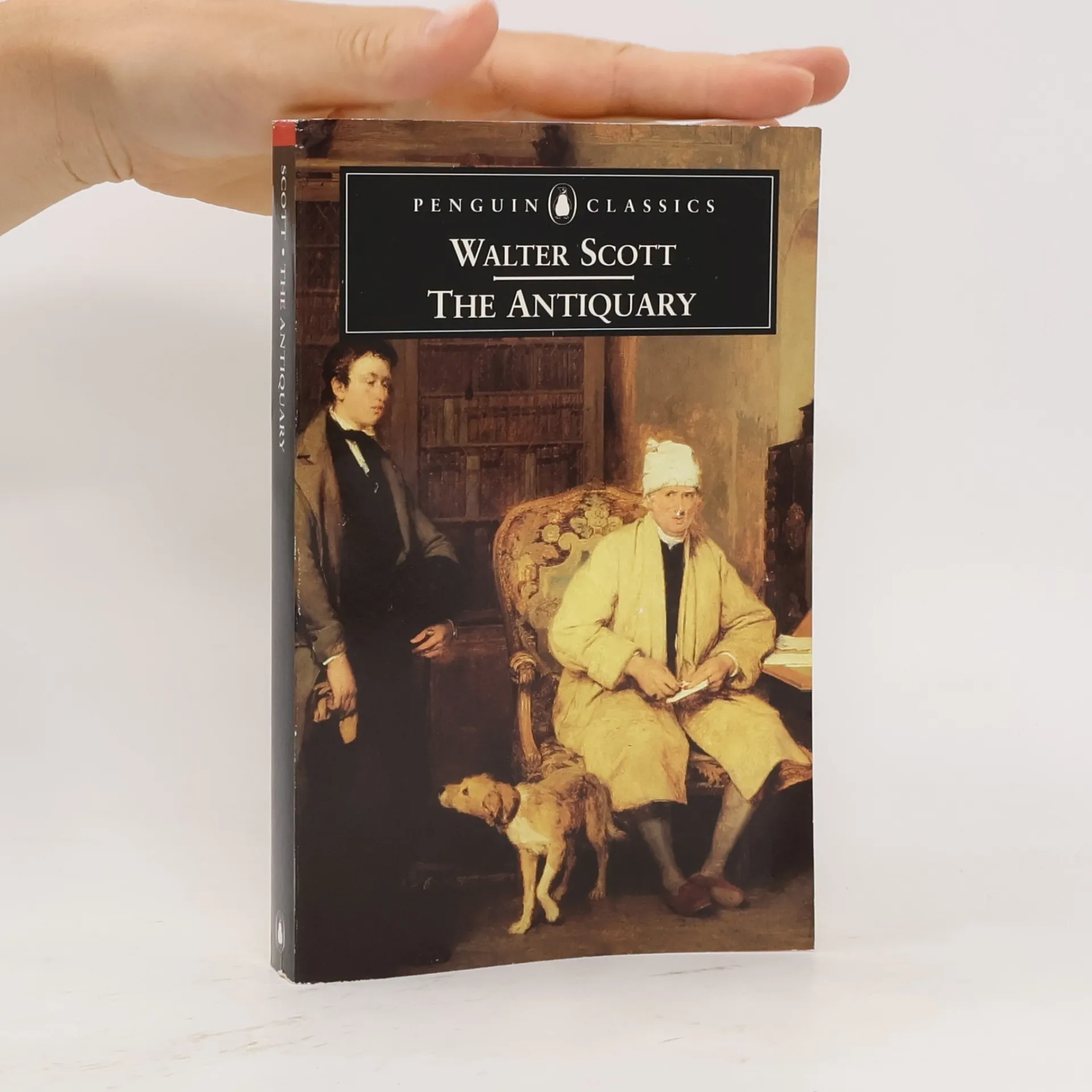
The third novel in the Waverley series, and Scott's personal favorite, The Antiquary centers on a young man called Lovel who meets Jonathan Oldbuck, a loquacious old antiquary, on a trip to Scotland. There Lovel falls in love with the daughter of Sir Arthur Wardour, a local landowner. However, with no wealth or title to offer, Lovel's feelings go unrequited until an extraordinary act of courage. With its vivid drama and exuberant pace, The Antiquary confirms Scott's reputation as the great storyteller of modern Europe.
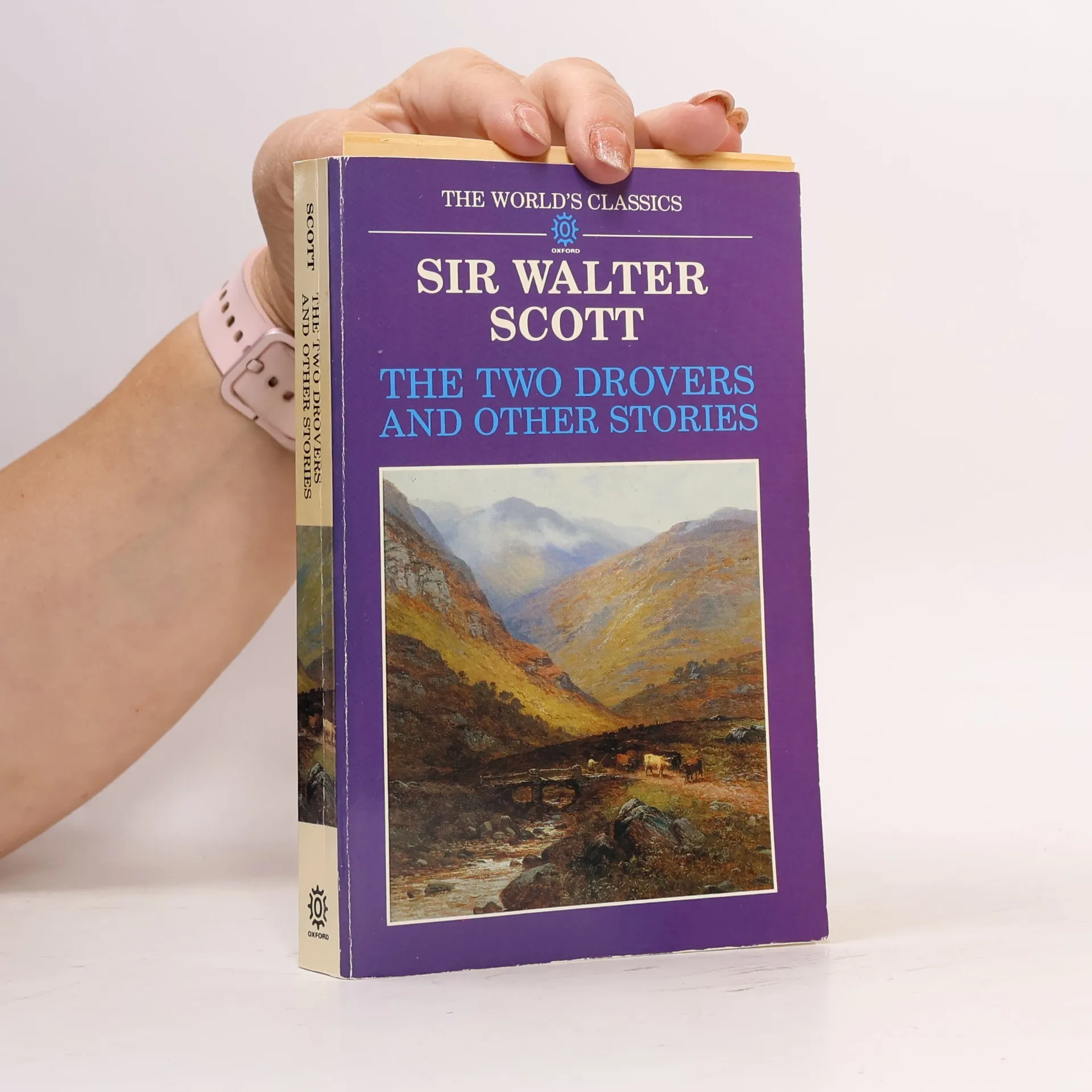
The short stories in this volume deal with Scott's favorite themes: the Highlands and Lowlands of Scotland, historical change, the supernatural, and language. From the stark tragedy of "The Two Drovers" to the chilling and comic portrayal of the supernatural in "Wandering Willie's Tale," these stories provide a natural starting point for those unacquainted with Scott's work as well as those who love his novels.
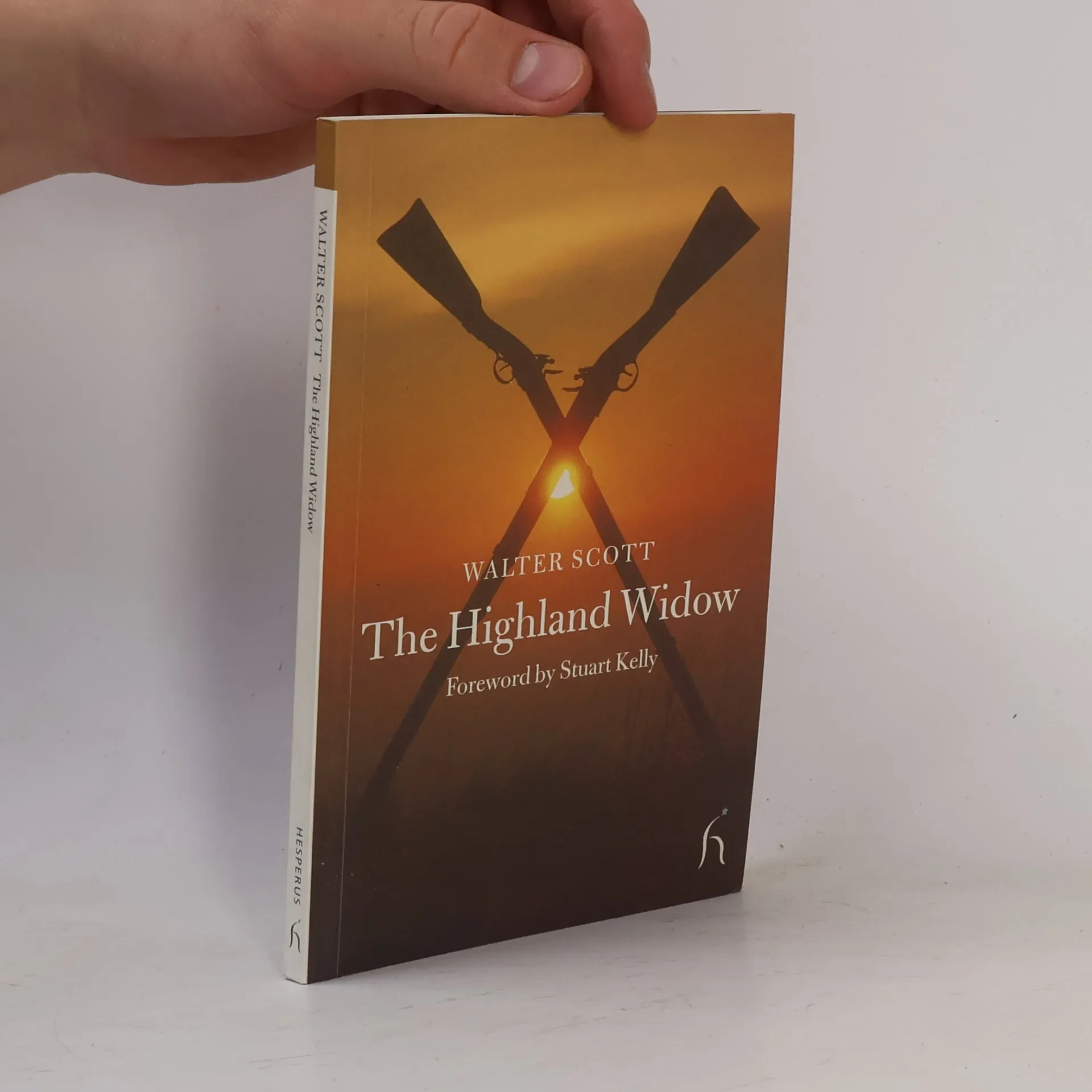
A party on the Highland Tour comes upon a miserable hut hidden away among a patch of cliffs. Upon inquiring about what lies before them, the ladies hear the wretched tale of Elspat MacTavish, the Highland Widow, who is condemned forever to live penitent and alone. After the suppression of the Highland clans, the widow’s son, Hamish, sets off with honorable intentions of joining the coalition on its campaign against the French into America. But soon the unfortunate Hamish finds himself tricked by his own mother. The ensuing events produce a tragic ending made all the more pathetic by the unquenchable passion of a once-proud nation that continues to beat in the breast of one woman.