
10 libri per 10 euro qui
Bookbot

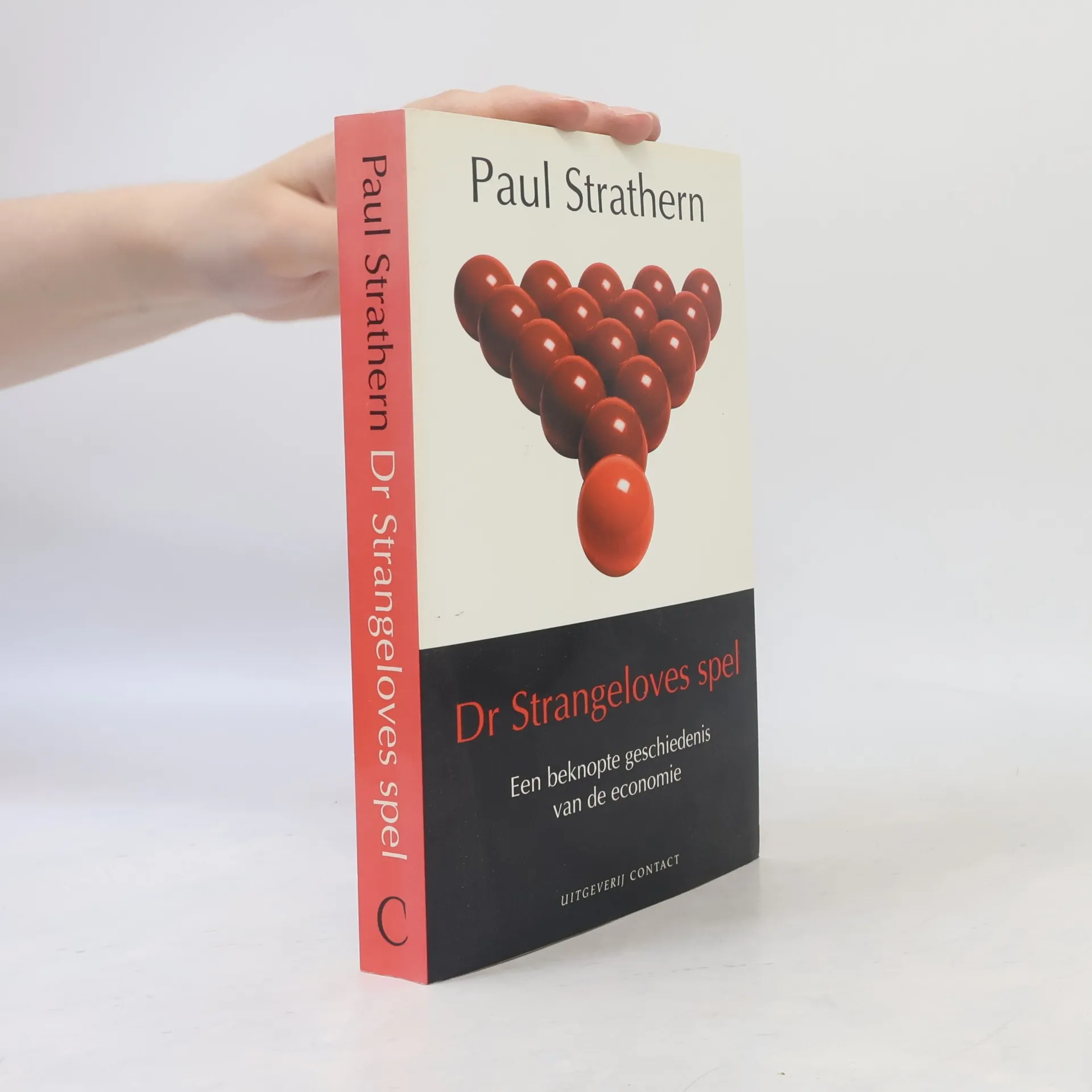
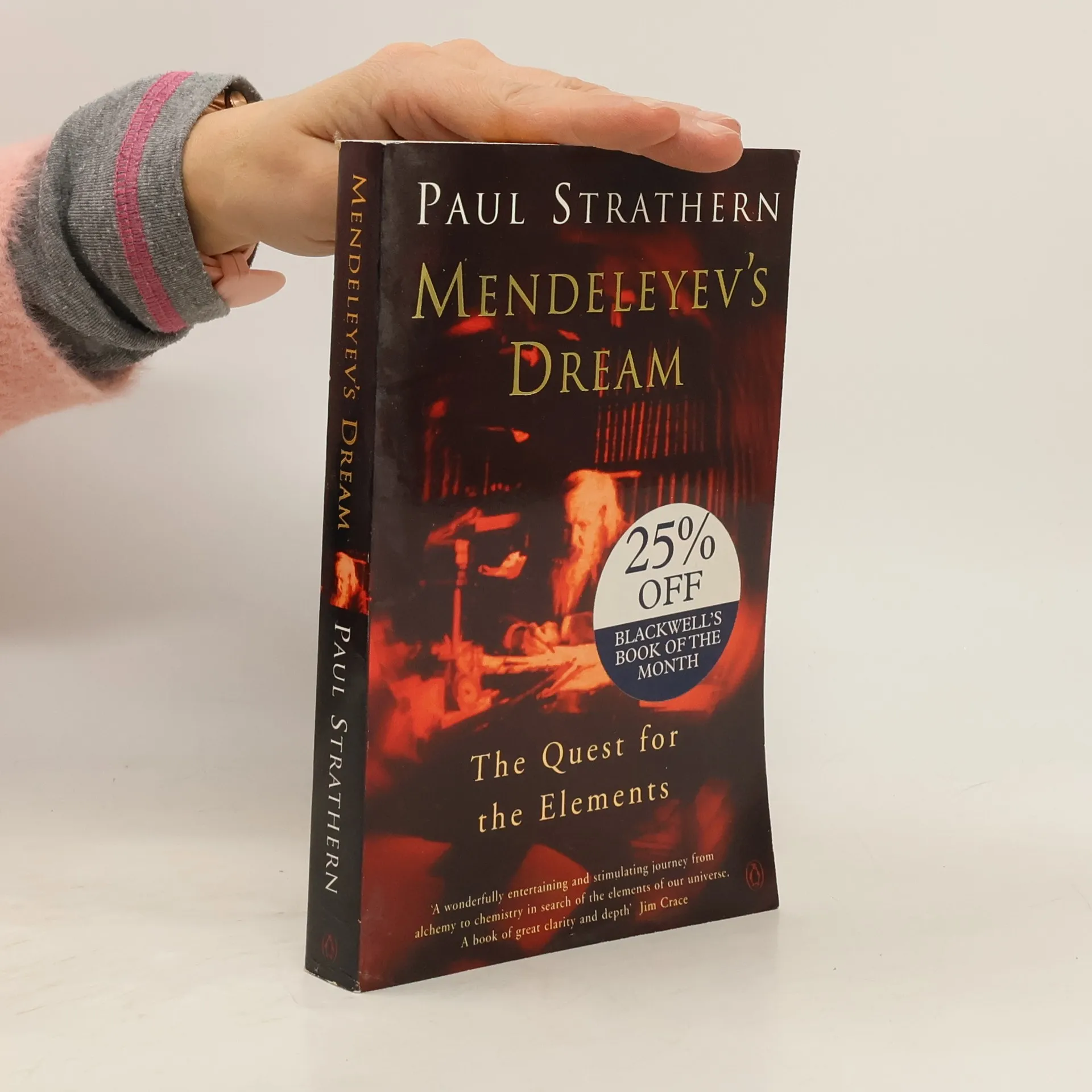
Paul Strathern

    6 ottobre 1940

    Paul Strathern è un autore britannico la cui opera spazia in un'impressionante gamma di argomenti, approfondendo filosofia, storia, letteratura e scienza. Possiede una notevole capacità di esplorare idee complesse con chiarezza e prosa accattivante, rendendo accessibili concetti profondi a un vasto pubblico. La scrittura di Strathern è caratterizzata dalla sua profondità intellettuale ed eleganza narrativa, offrendo ai lettori un viaggio intellettuale gratificante. Il suo approccio unisce una rigorosa indagine accademica a uno stile narrativo avvincente.

    Paul Strathern
    The Borgias
    Tolstoy in 90 Minutes
    The Florentines
    Napoleon in Egypt
    Dostoevsky in 90 Minutes
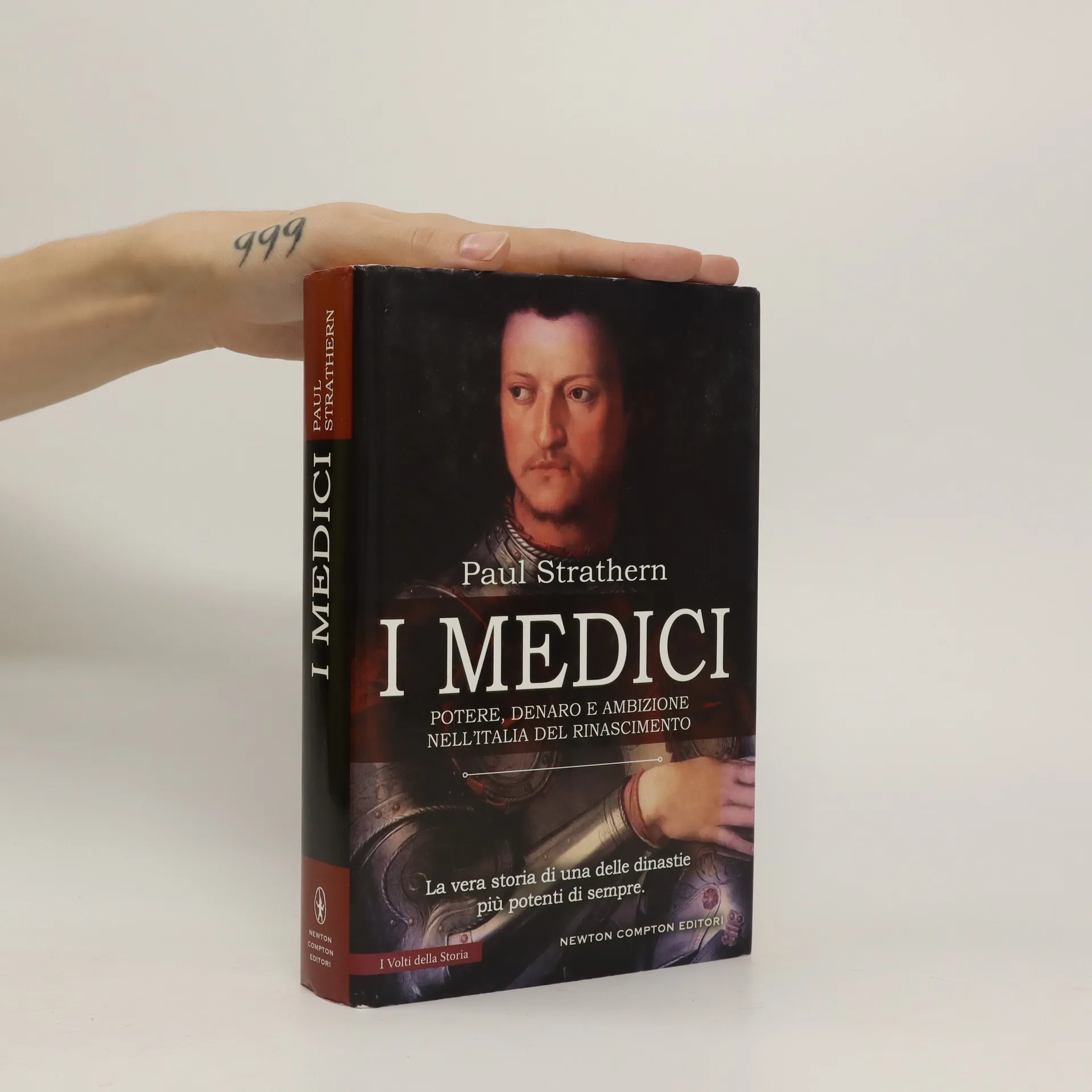
    I Medici
    • Potere, denaro e ambizione nell’Italia del Rinascimento. La vera storia di una delle dinastie più potenti di sempre. L’incredibile storia della famiglia Medici, che è riuscita a diventare una delle dinastie più influenti d’Europa, è un affresco vivace sul potere e l’ambizione. Paul Strathern esplora l’ascesa e la caduta dei Medici a Firenze, contestualizzando la loro parabola all'interno del Rinascimento italiano. Questa epoca ha visto la riscoperta del sapere antico e ha dato vita a una fioritura culturale senza precedenti, sostenuta dal mecenatismo della famiglia. Artisti e scienziati come Leonardo, Michelangelo, Donatello, Galileo e Pico della Mirandola hanno lasciato un segno indelebile grazie al supporto dei Medici. La narrazione include anche le figure storiche che hanno popolato il loro albero genealogico: papi, condottieri, regine e assassini. Una storia che si estende per oltre tre secoli, consegnando un'eredità duratura all'Occidente e al mondo. Un racconto drammatico e autorevole sulla famiglia più influente della storia italiana, che abbraccia cultura, arte, politica e religione. Paul Strathern, romanziere pluripremiato, vive in Inghilterra.

      I Medici
    • With a focus on the lives and ideas of renowned writers, this series offers brief yet insightful biographical studies. Paul Strathern's engaging prose makes complex literary concepts accessible, providing readers with a refined understanding of each author's contributions. Each book serves as both an entertaining read and an authoritative appraisal, highlighting the significance of these literary figures in an accessible manner.

      Dostoevsky in 90 Minutes
    • Napoleon in Egypt

      • 496pagine
      • 18 ore di lettura

      Napoleon's attack on Egypt in 1798 was the first on a Middle Eastern country by a Western power in modern times.

      Napoleon in Egypt
    • Between Dante's birth in 1265 and Galileo's death in 1642, a profound transformation reshaped Western civilization's culture. The visual arts—painting, sculpture, and architecture—underwent striking changes, marking an irreversible evolution. Concurrently, humanity's self-conception and thought experienced a significant shift, leading to the emergence of new sciences. These groundbreaking ideas primarily originated in Florence, Tuscany, where a focus on common humanity supplanted other-worldly spirituality, giving rise to humanism. This philosophy spread throughout Italy, maintaining essential elements of its Florentine roots as it reached other parts of Europe. Transformations in human culture have consistently reflected their origins; for instance, the Reformation retained aspects of central and northern Germany, while the Industrial Revolution, despite its expansion beyond Britain, preserved elements of its initial framework. Similarly, the IT revolution, which began in Silicon Valley, remains influenced by its Californian beginnings. Paul Strathern illustrates how Florence and its inhabitants played a pivotal role in the Renaissance, emphasizing the lasting impact of their contributions on the broader cultural landscape.

      The Florentines
    • Tolstoy in 90 Minutes

      • 128pagine
      • 5 ore di lettura

      The book presents concise biographical studies of renowned writers, showcasing their lives and ideas through engaging and accessible prose. Paul Strathern combines wit with insightful analysis, offering readers a refined understanding of each writer's contributions. These studies serve as authoritative introductions, making complex literary concepts approachable. Praised for their dramatic flair and ability to evoke a sense of time and place, these works are ideal for those seeking to explore Western civilization's literary heritage.

      Tolstoy in 90 Minutes
    • The sensational story of the rise and fall of one of the most notorious families in history, by the author of The Medici.

      The Borgias
    • "The glorious and infamous history of the Borgia family--a world of saints, corrupt popes, and depraved princes and poisoners--set against the golden age of the Italian Renaissance."--Amazon.com

      The Borgias: Power and Fortune
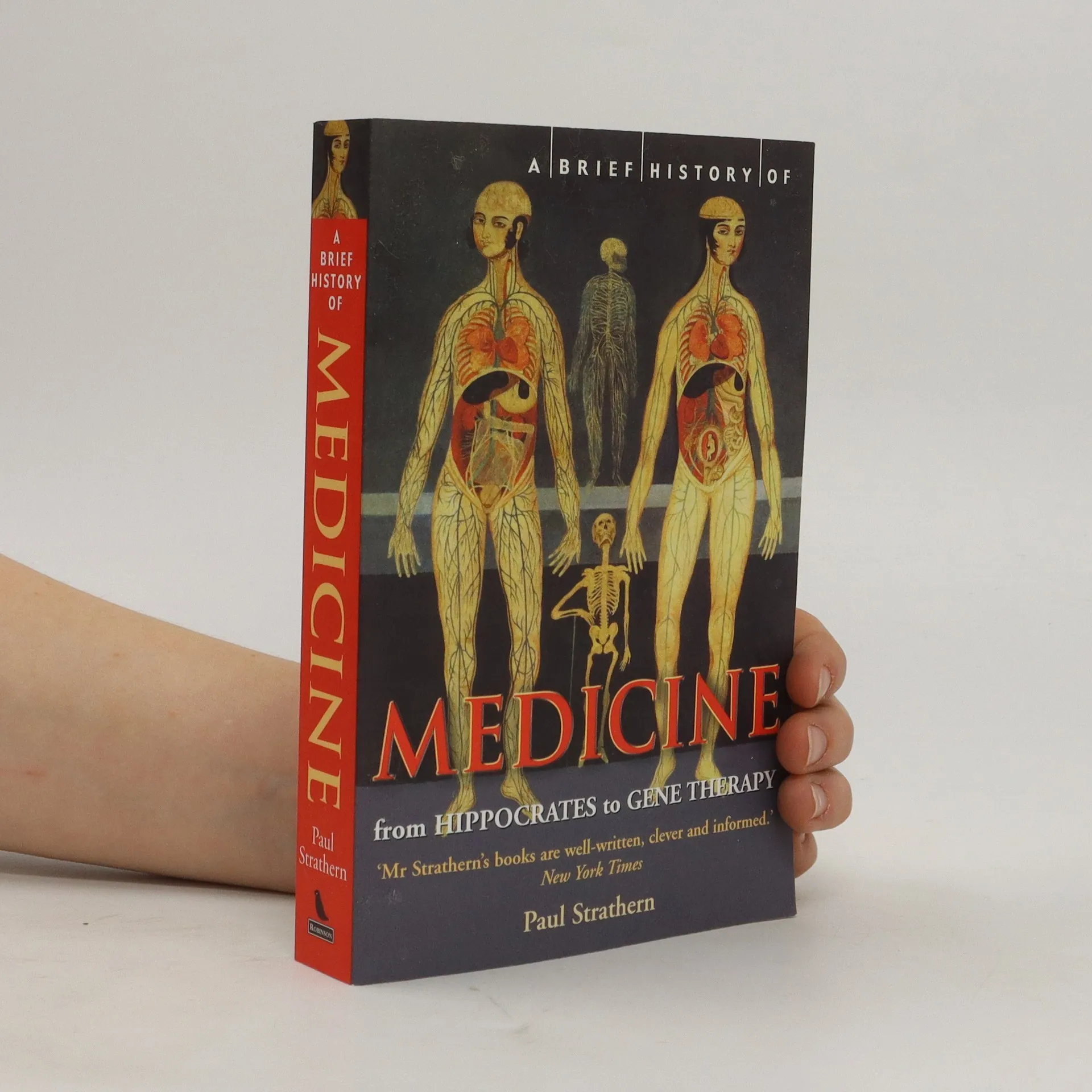
    • Includes: Inspired geniuses, such as Paracelsus, the father of medical chemistry, and Edward Jenner, who discovered the smallpox vaccination; Cuthroat competition, as during the 'Gas Wars' over who'd invented the anaesthetic, Scientific endeavour, such as the discovery of X-rays; Mistakes both fortunate and fatal, Anatomy,.

      A brief history of medicine from Hippocrates to Gene therapy
    • Leonardo da Vinci, Niccolò Machiavelli, and Cesare Borgia—three iconic figures whose intersecting lives provide the basis for this astonishing work of narrative history. They could not have been more different, and they would meet only for a short time in 1502, but the events that transpired when they did would significantly alter each man’s perceptions—and the course of Western history. In 1502, Italy was riven by conflict, with the city of Florence as the ultimate prize. Machiavelli, the consummate political manipulator, attempted to placate the savage Borgia by volunteering Leonardo to be Borgia’s chief military engineer. That autumn, the three men embarked together on a brief, perilous, and fateful journey through the mountains, remote villages, and hill towns of the Italian Romagna—the details of which were revealed in Machiavelli’s frequent dispatches and Leonardo’s meticulous notebooks. Superbly written and thoroughly researched, The Artist, the Philosopher, and the Warrior is a work of narrative genius—whose subject is the nature of genius itself.

      The Artist, the Philosopher, and the Warrior: Da Vinci, Machiavelli, and Borgia and the World They Shaped
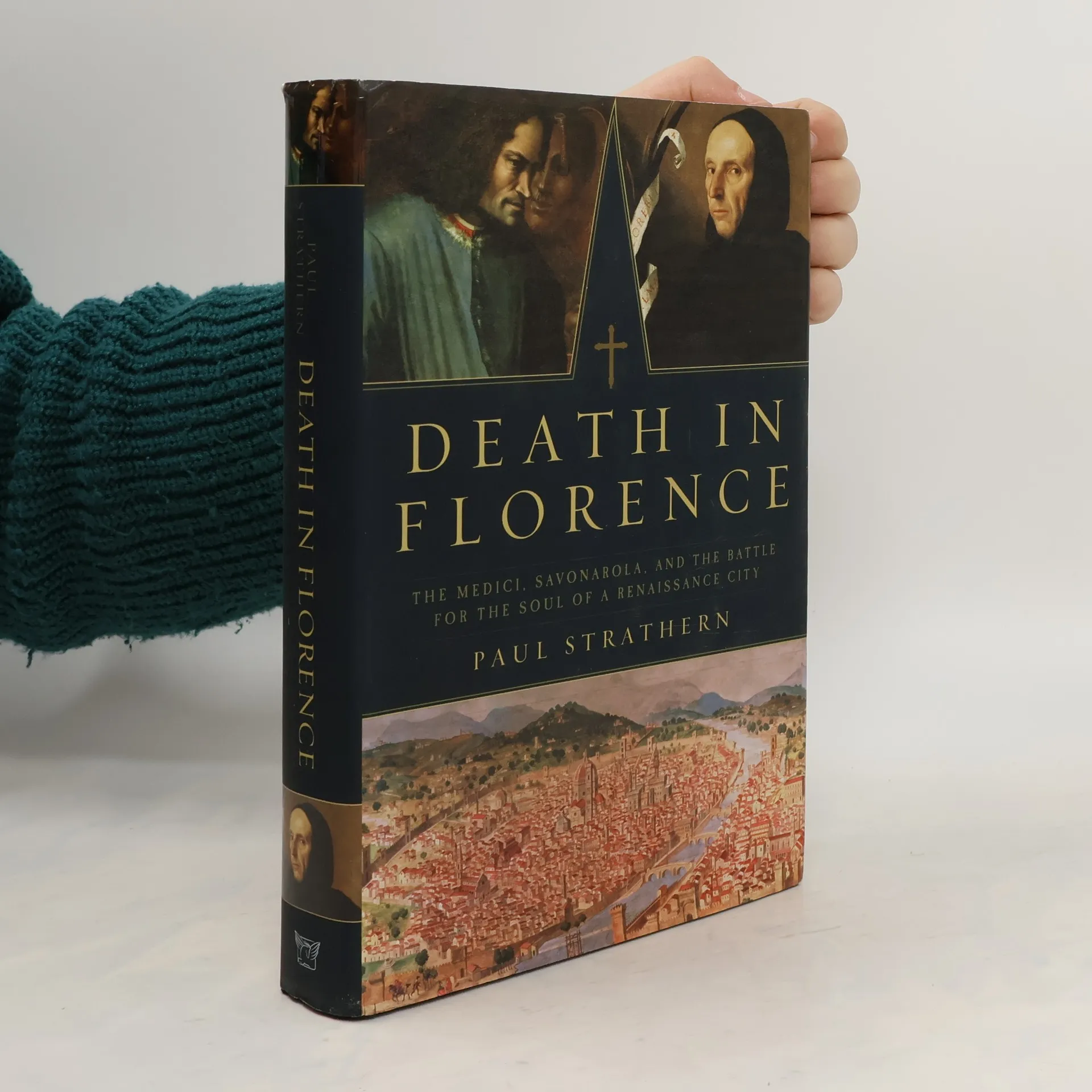
    • By the end of the fifteenth century, Florence was well established as the home of the Renaissance. As generous patrons to the likes of Botticelli and Michelangelo, the ruling Medici embodied the progressive humanist spirit of the age, and in Lorenzo de' Medici they possessed a diplomat capable of guarding the militarily weak city in a climate of constantly shifting allegiances. However, in Savonarola, an unprepossessing provincial monk, Lorenzo found his nemesis. Filled with Old Testament fury, Savonarola's sermons reverberated among a disenfranchised population, who preferred medieval Biblical certainties to the philosophical interrogations and intoxicating surface glitter of the Renaissance. The battle between these two men would be a fight to the death, a series of sensational events—invasions, trials by fire, the 'Bonfire of the Vanities', terrible executions and mysterious deaths—featuring a cast of the most important and charismatic Renaissance figures. Was this a simple clash of wills between a benign ruler and religious fanatic? In an exhilaratingly rich and deeply researched story, Paul Strathern reveals the paradoxes, self-doubts, and political compromises that made the battle for the soul of the Renaissance city one of the most complex and important moments in Western history.

      Death in Florence