Martin Gilbert è stato un eminente storico il cui prolifico corpus di opere ha illuminato la storia moderna. Con una profonda comprensione del contesto storico e dell'esperienza umana, Gilbert ha presentato le sue scoperte ai lettori con chiarezza e precisione. I suoi scritti sono apprezzati per la loro meticolosa ricerca e la loro capacità di rendere eventi complessi in modo avvincente. Il contributo di Gilbert alla storiografia risiede nella sua capacità di dare vita al passato e renderlo accessibile a un vasto pubblico.
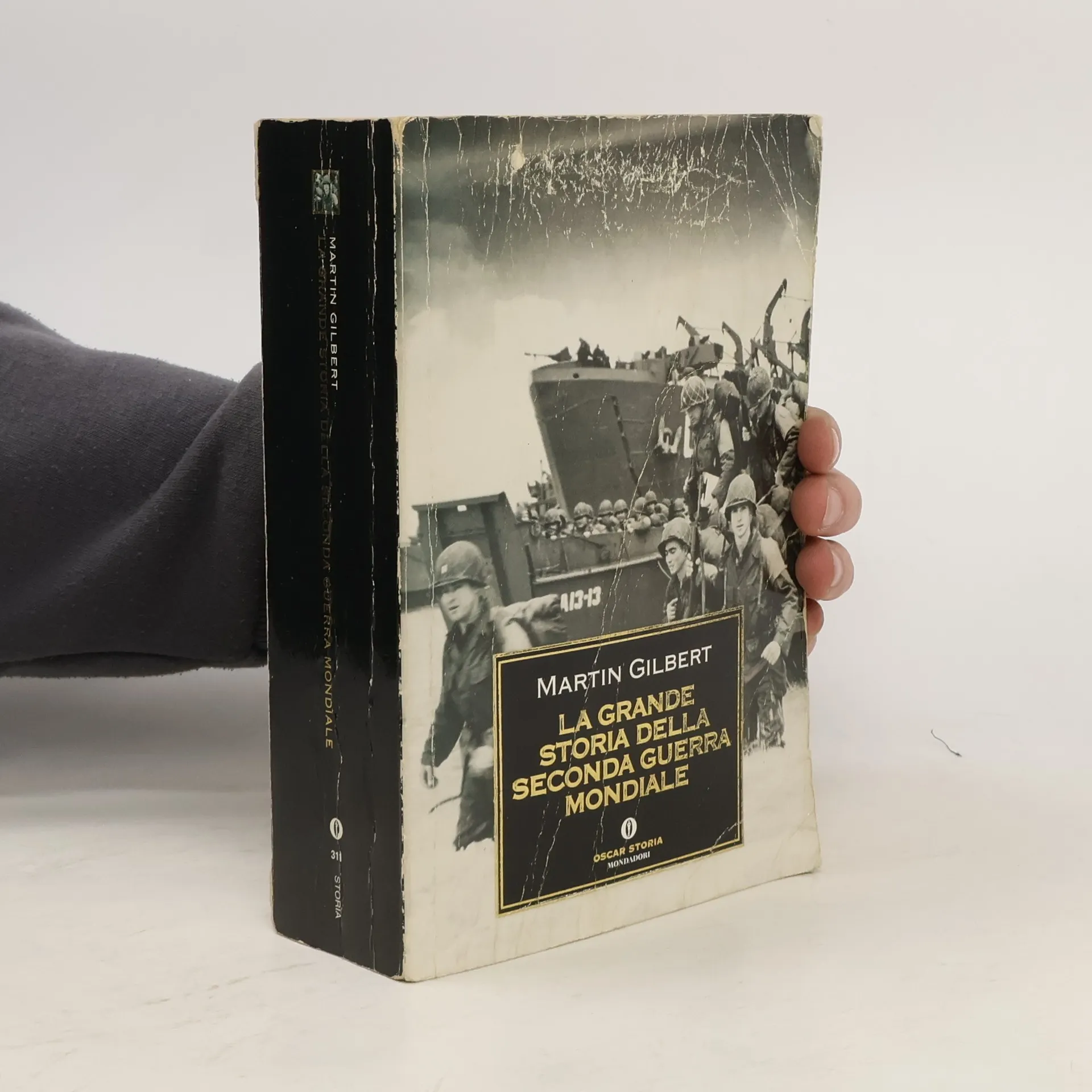
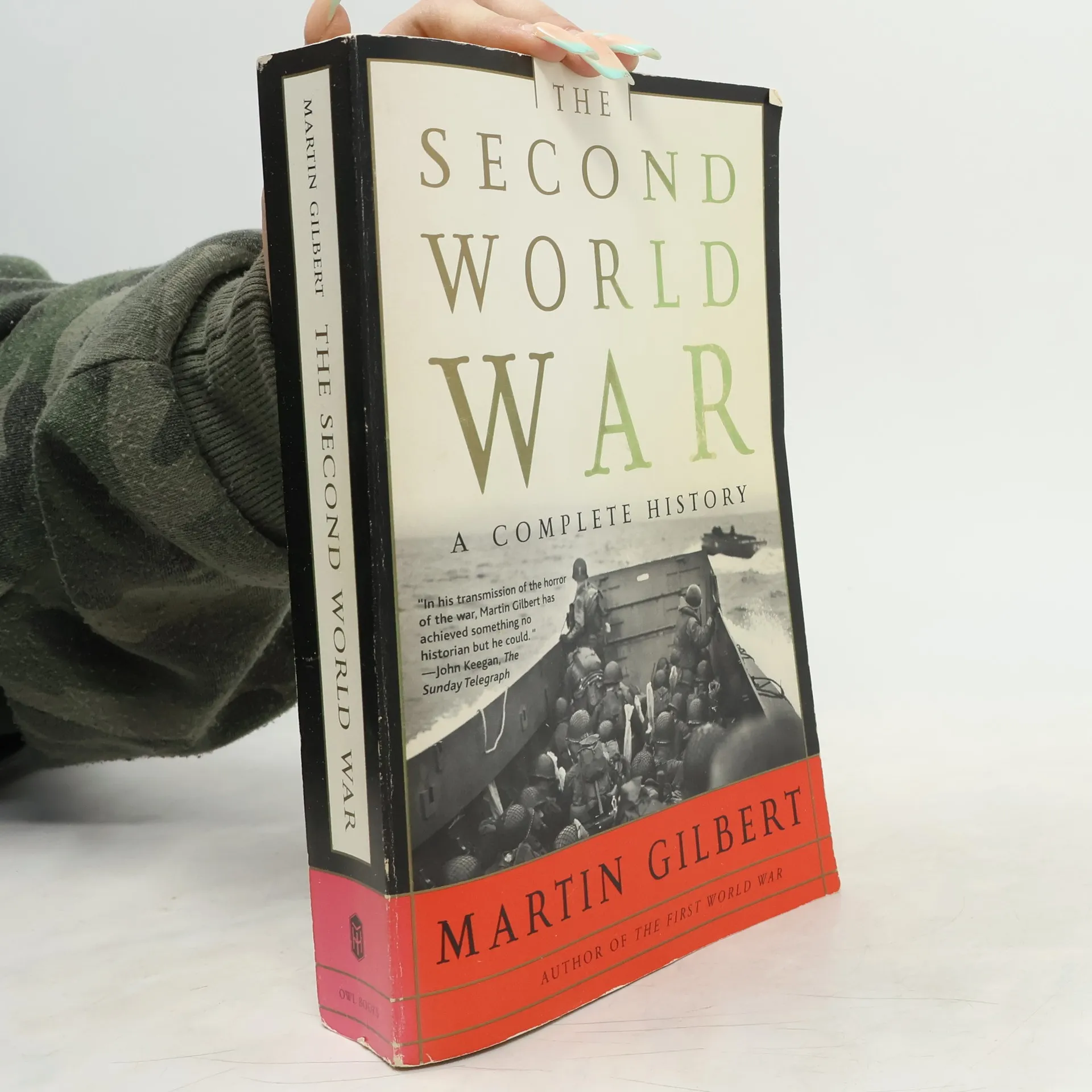
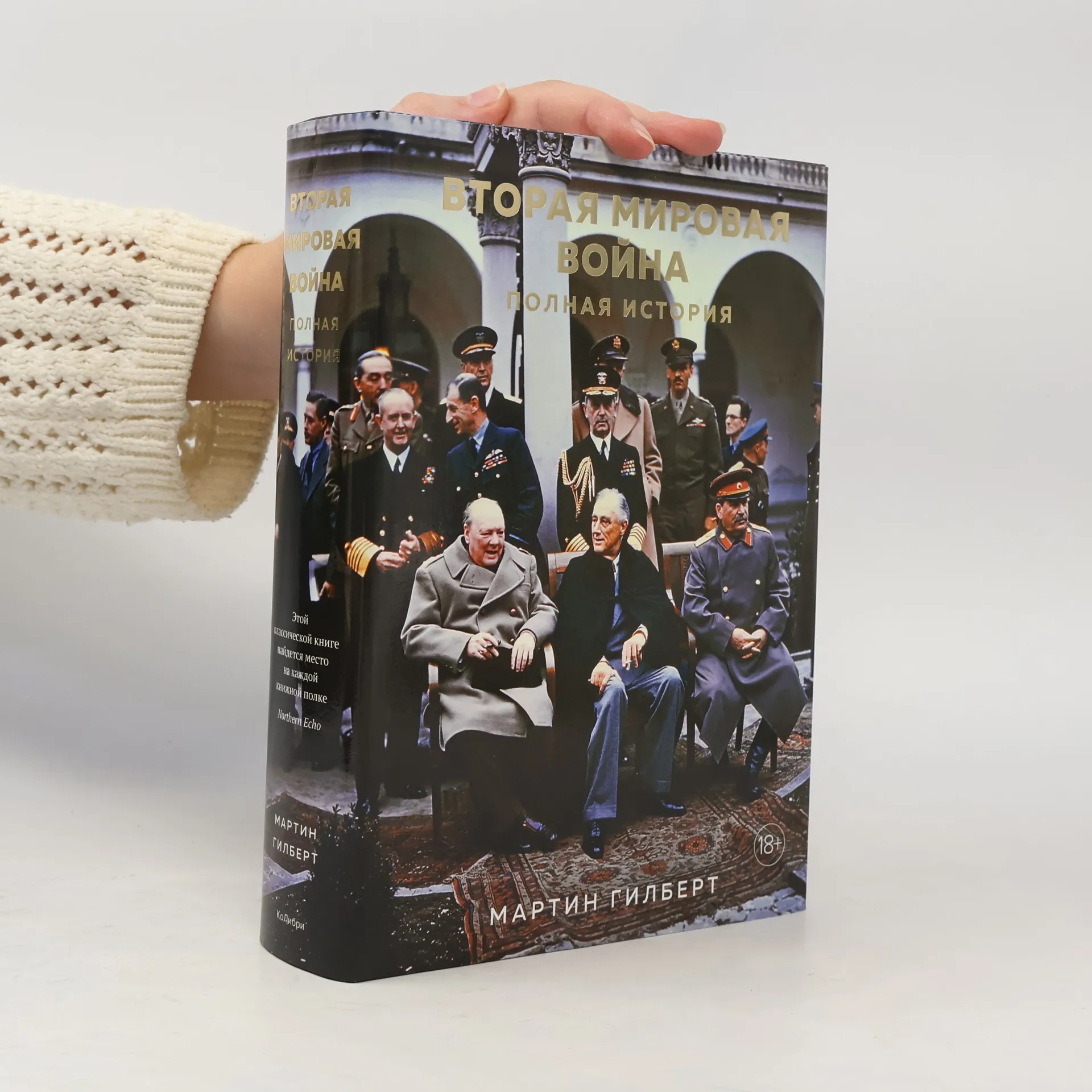
The Second World War: A Complete History xviii, 846 pp. "Gilbert charts week by week, month by month, the development and horror of a war in which more than 46 million people perished. In this history of a global war, the author weaves together all aspects - political, diplomatic, military and civilian. Heroes from all nations - soldiers, sailors and airmen, statesmen and resistance fighters are remembered and their stories put in the context of the wider struggle."Keywords: MARTIN GILBERT SECOND WORLD WAR WWII WW2 COMPLETE HISTORY MILITARY
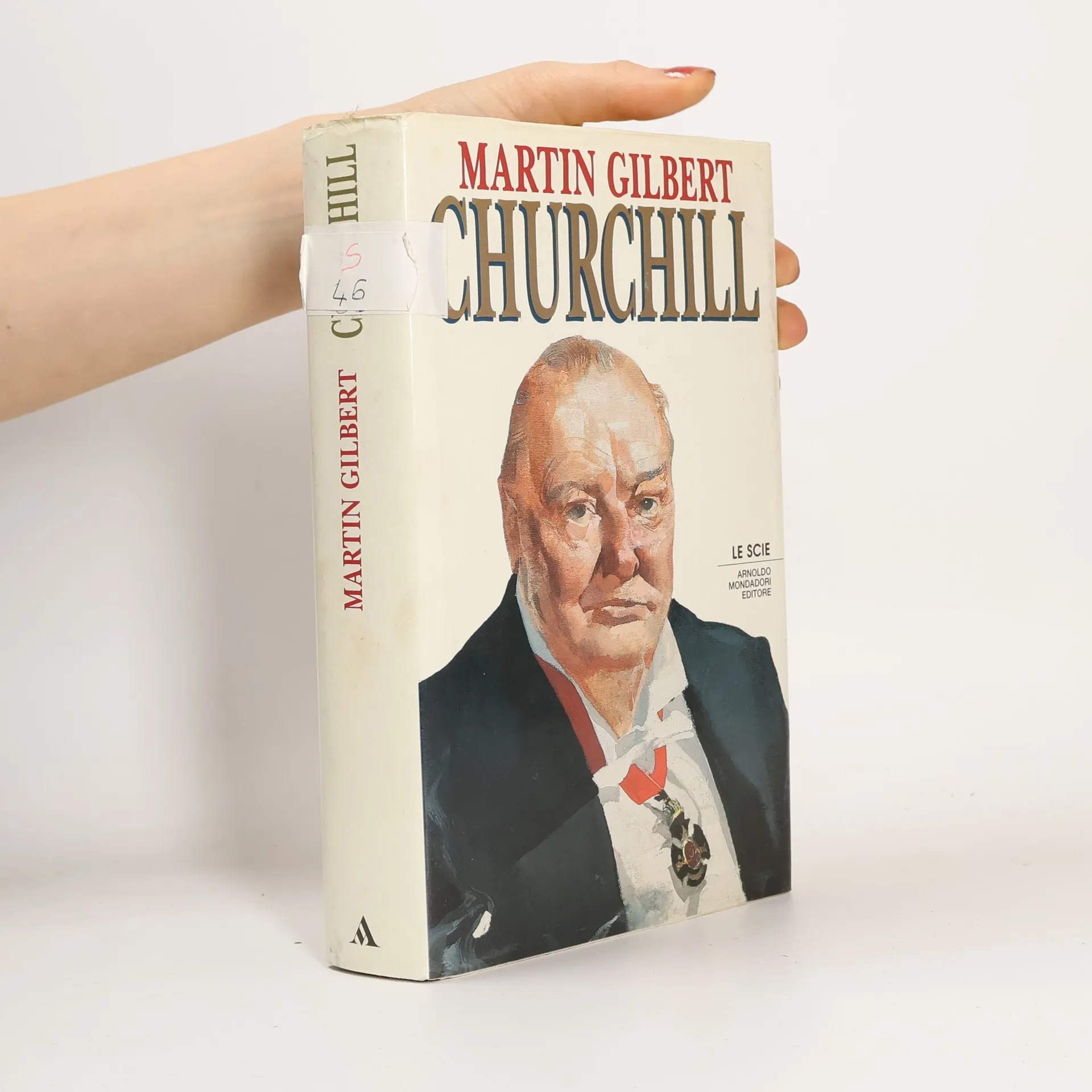
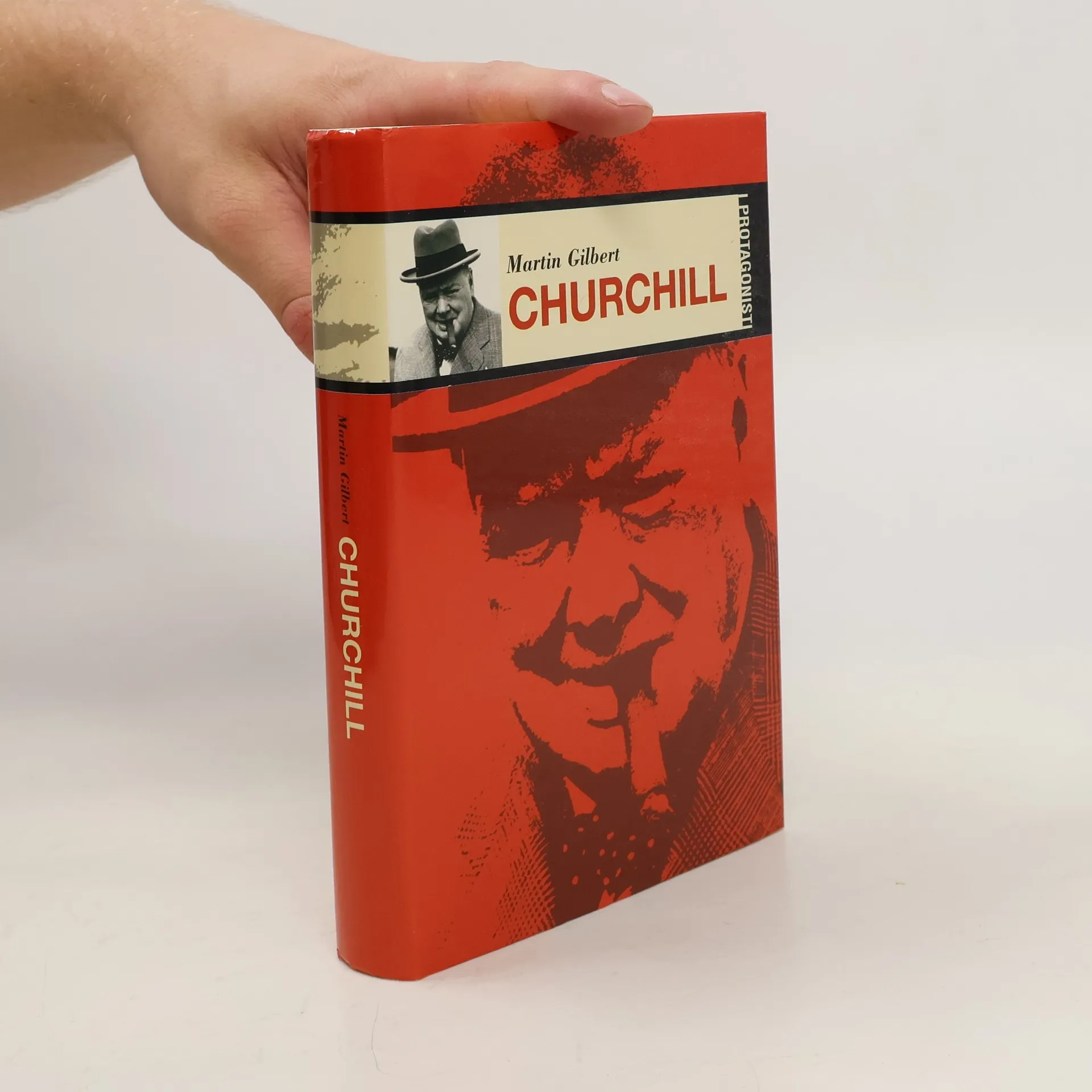
Il biografia di Churchill scritta da Martin Gilbert si legge come un'avventura. Segue le vicende di Winston Churchill dalla nascita ai momenti di trionfo della sua vita. La drammaticità del suo percorso, ricco di emozioni, è costante, così come le sue straordinarie qualità, dimostrate sia in tempo di pace che di guerra, come oratore e uomo dotato di eccezionale lungimiranza.
Martin Gilbert ci presenta un ritratto vivace, attingendo alle lettere più personali di Churchill e ai ricordi di contemporanei, amici e avversari, offrendo uno sguardo dietro le quinte di alcuni degli eventi politici più tumultuosi e straordinari della nostra epoca, dominati dalle due guerre mondiali e culminanti nel periodo della cortina di ferro e della bomba all'idrogeno.
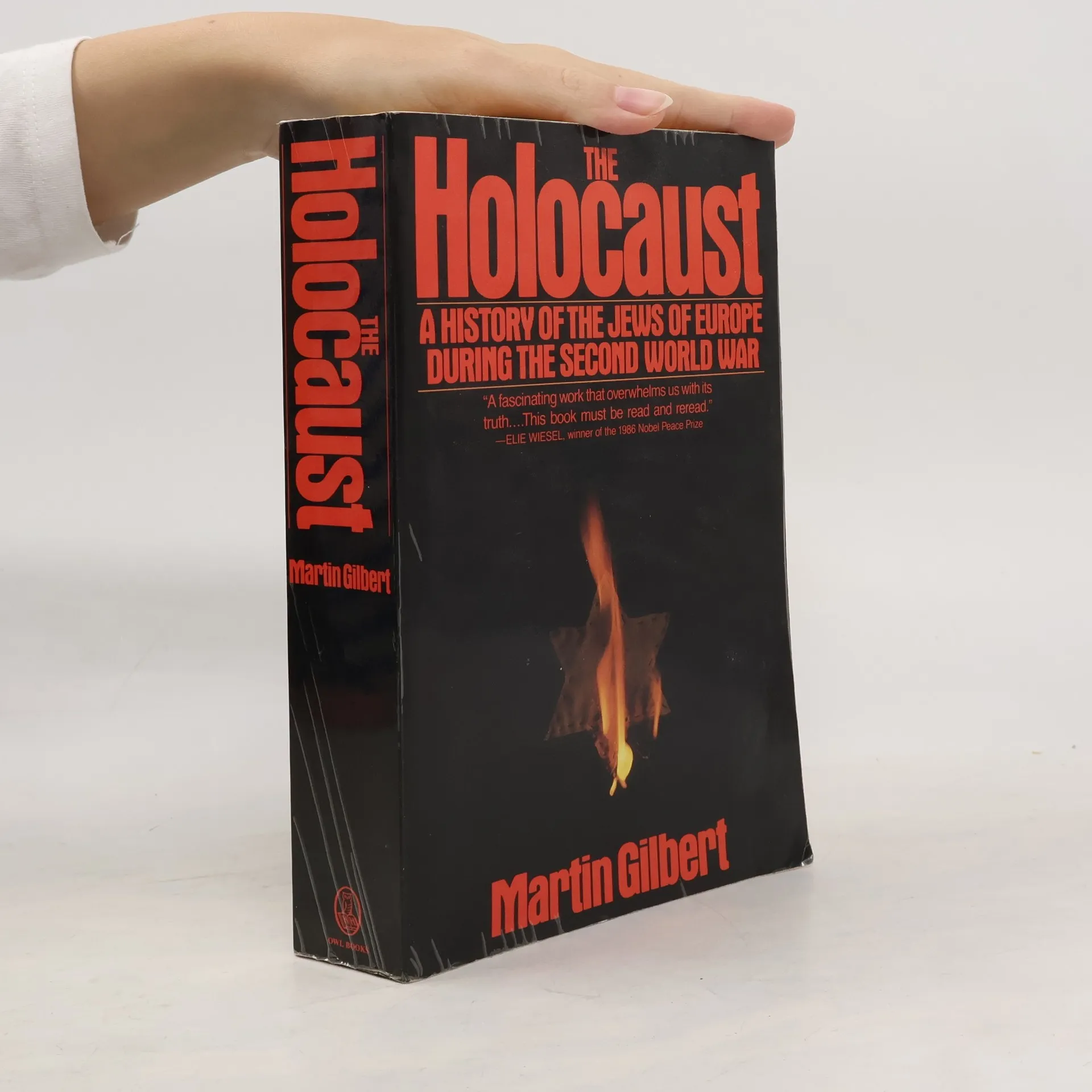
A History of the Jews of Europe During the Second World War
980pagine
35 ore di lettura
Sets the scene with a brief history of anti-Semitism prior to Hitler, and documents the horrors of the Holocaust from 1933 onward, in an incisive, interpretive account of the genocide of World War II.
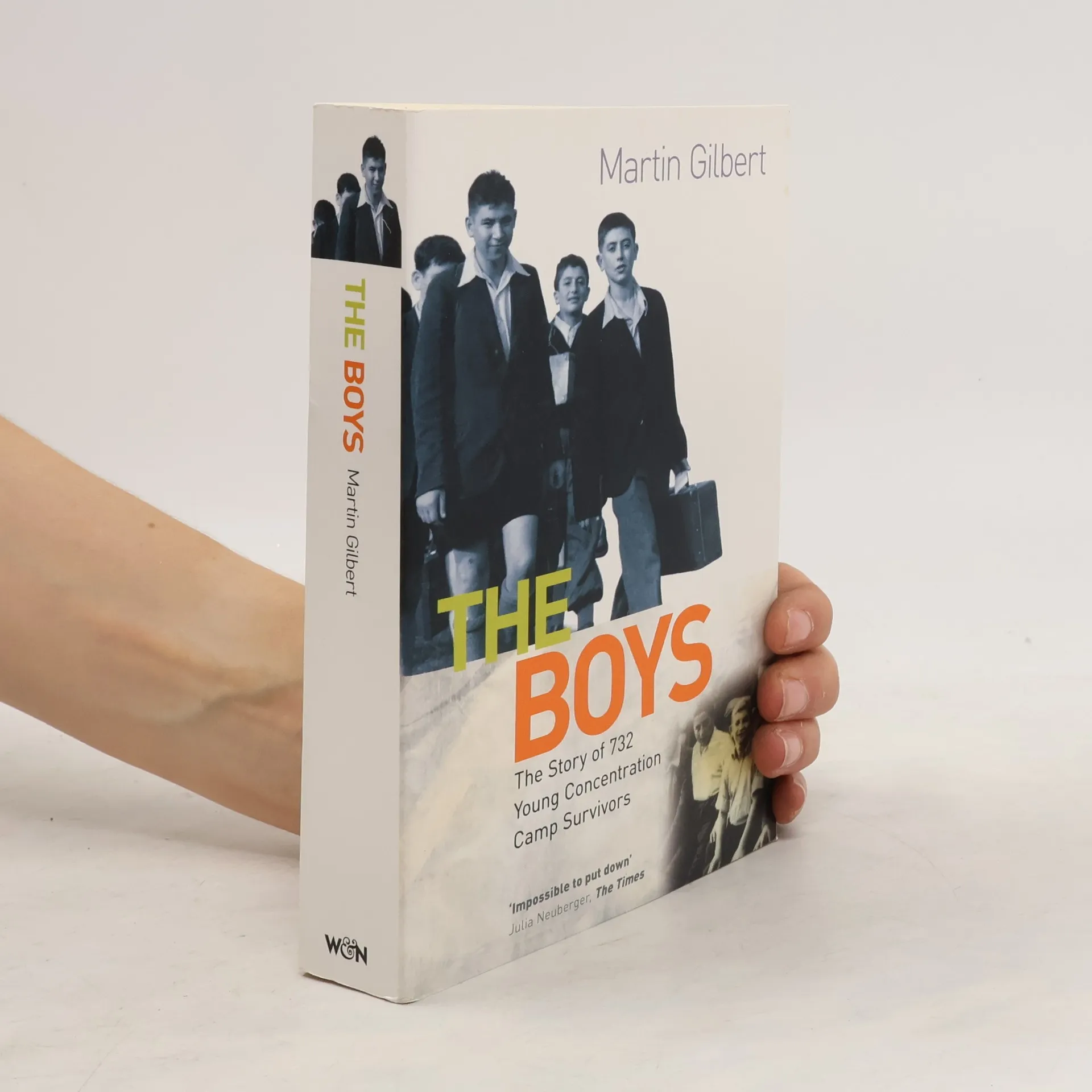
The powerful, poignant true story of a group of child survivors of
concentration camps, by the author of the bestselling THE HOLOCAUST. 'A
masterpiece of decency, courage and joy ... superb' DAILY TELEGRAPH
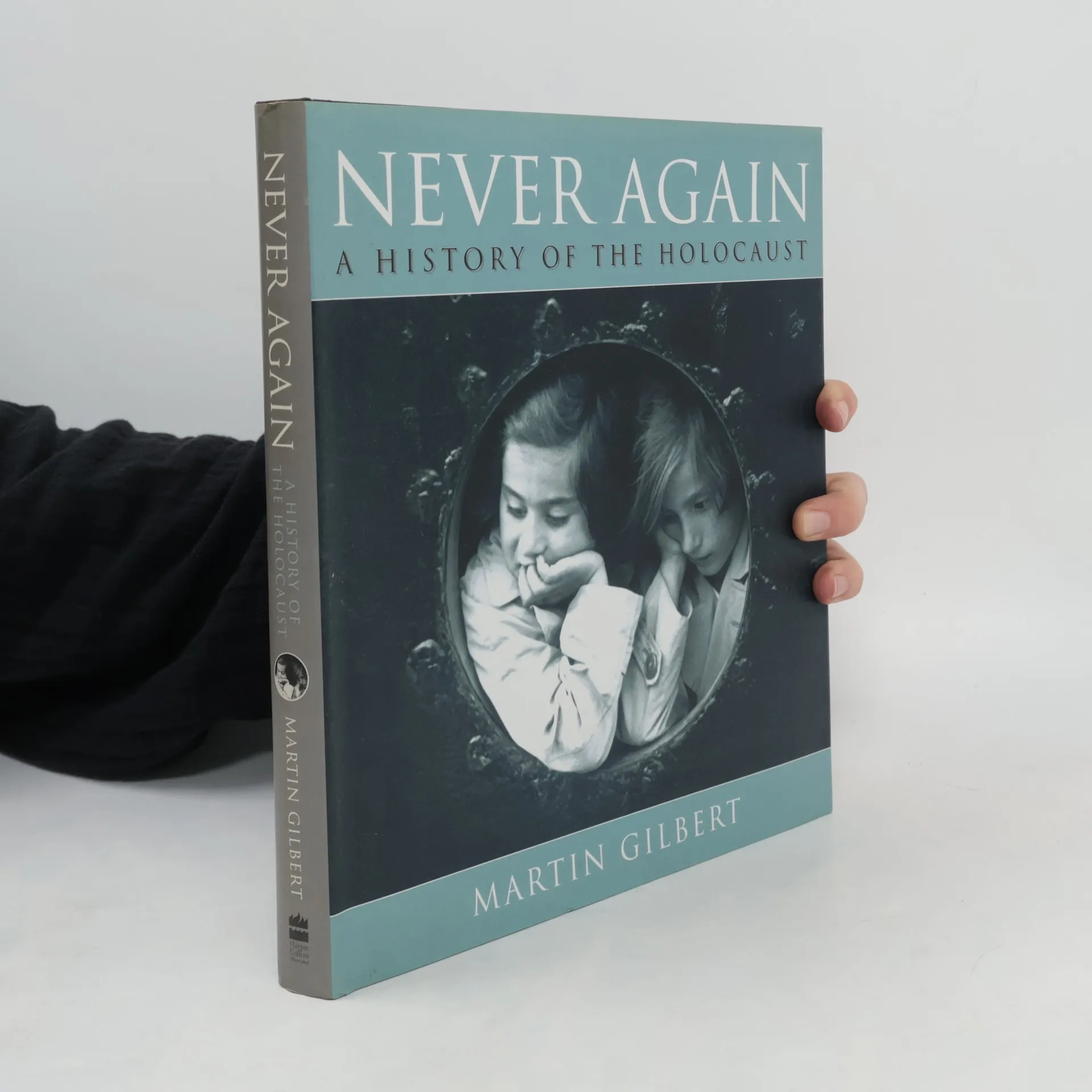
Martin Gilbert is one of the world's pre-eminent historians of the Holocaust. Representing 40 years of research that Gilbert began in Poland in 1959, this comprehensive, illustrated volume traces the history of the Jewish people in Europe before, during, and after the Holocaust. Gilbert brilliantly blends this great swath of history with fresh, detailed accounts of individual drama: the rise of Nazism in Germany, the Jewish children who found refuge in Britain, the rejected refugees of the U.S.S. St Louis, the Warsaw Ghetto revolt, the stories of Anne Frank, Oscar Schindler, and the children of Izieu, as well as the reflections of survivors today. Never Again paints a deeply personal and cultural portrait of the Holocaust. Gilbert's sharp historical knowledge makes this work on the Holocaust enormously informative and tangibly real.
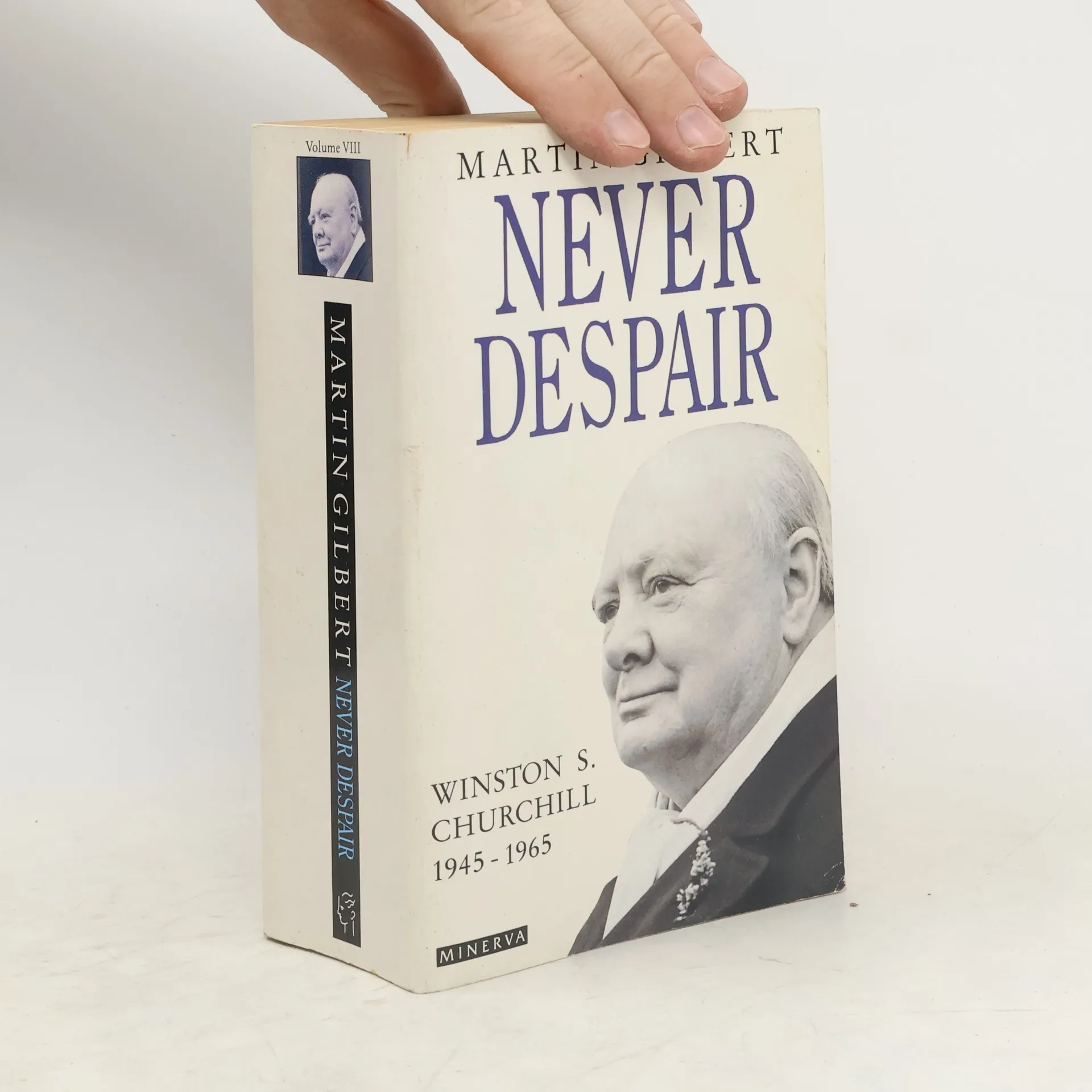
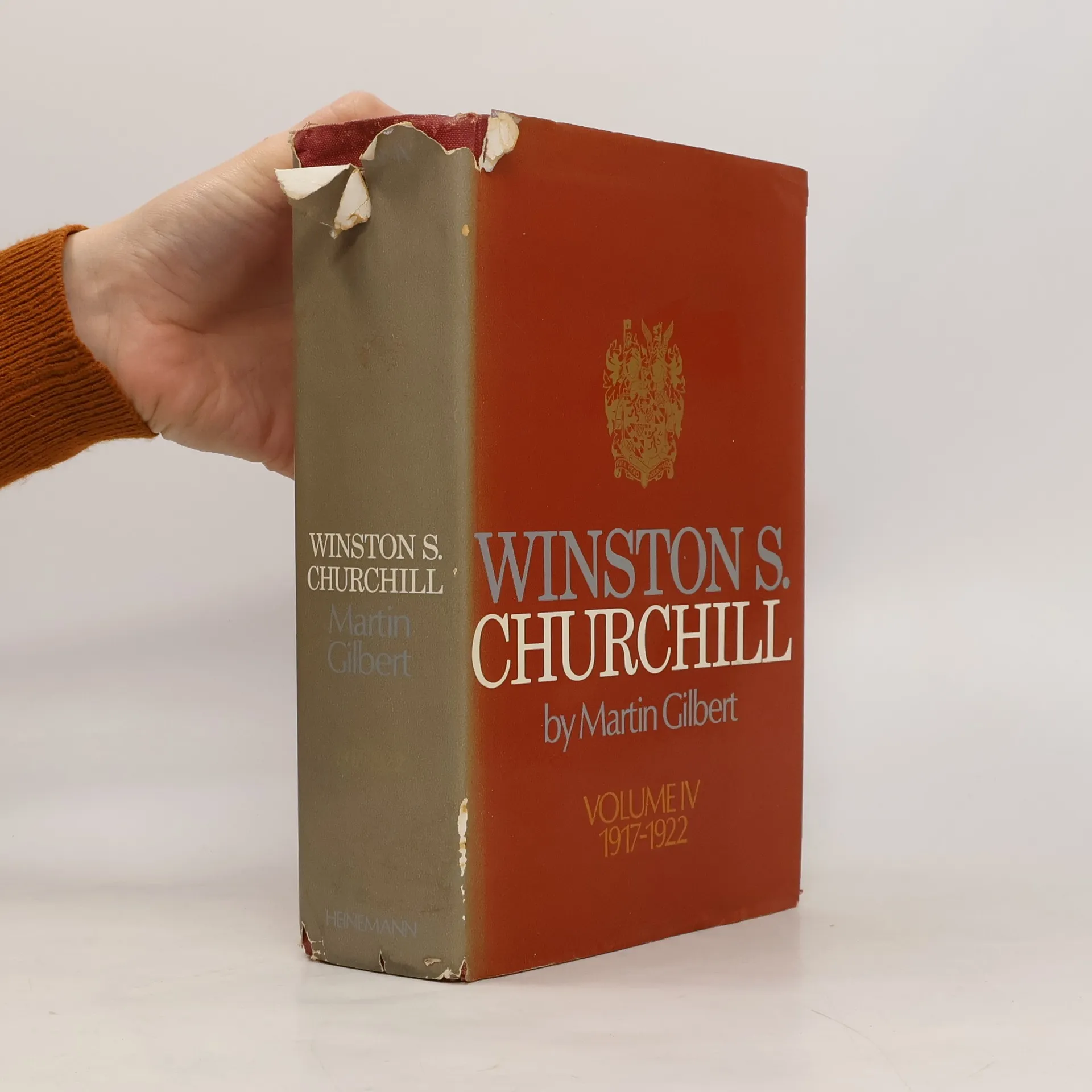
The final volume of the official biography covers Churchill’s life from the end of World War II in 1945 until his death nearly two decades later. It begins with him at the height of his power as the leader of a victorious Britain. At the Potsdam Conference in July 1945, Churchill, Stalin, and Truman sought to shape postwar Europe. However, upon returning to Britain for the general election results, he was unexpectedly ousted from office. Over the next six years, he focused on reviving the Conservative Party while warning against Communist ambitions, advocating for Franco-German reconciliation, promoting a united Europe, and striving to maintain strong ties with the United States. His goal was not confrontation but conciliation based on Western strength and unity. In October 1951, he became prime minister again, facing the new threat of the hydrogen bomb. Following Eisenhower's election in 1952 and Stalin's death in 1953, Churchill sought a new summit conference, but ill health and pressure led to his resignation in April 1955. In retirement, he traveled, resumed painting, completed his four-volume History of the English-Speaking Peoples, and remained hopeful about resolving global conflicts through statesmanship. His enduring motto, “Never despair,” reflected his belief in humanity’s resilience, even as he faced a gradual decline in health. Until nearly his ninetieth year, he maintained hope for the future.
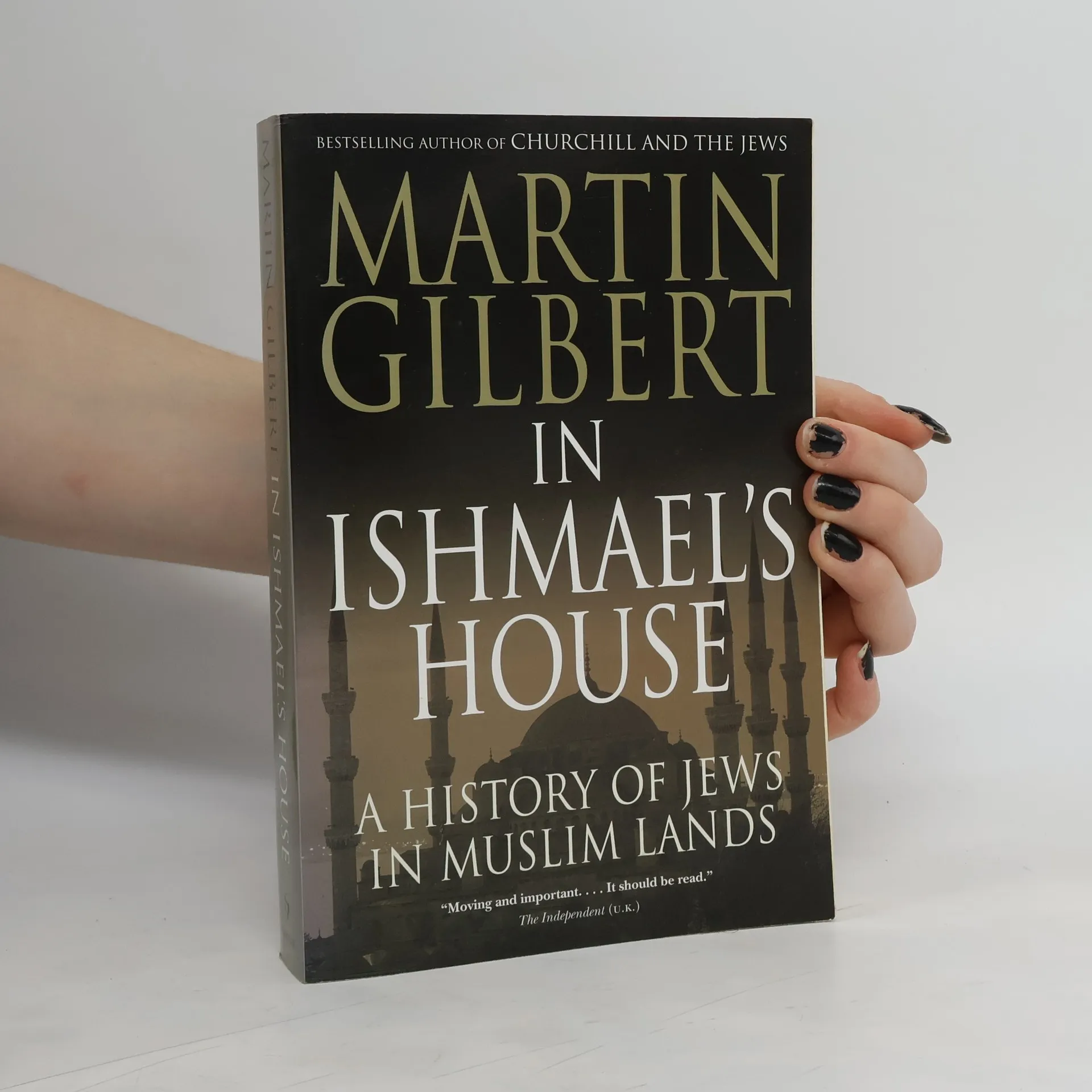
From one of the most popular historians writing today comes a book as fascinating as the bestsellers of Karen Armstrong and Reza Aslan. In this captivating chronicle, Martin Gilbert shines new light on a controversial dilemma in the modern world: the troubled relationship between Jews and Muslims. Beginning at the dawn of Islam and sweeping from the Atlantic Ocean to the mountains of Afghanistan, Gilbert presents the first popular and authoritative history of Jewish peoples under Muslim rule. He confronts with wisdom and compassion the stormy events in their dramatic story, including anti-Zionist movements and the forced exodus to Israel. He also gives special attention to the twentieth century and to the current political debate about refugee status and restitution. Throughout, Gilbert weaves a compelling narrative of perseverance, struggle, and renewal marked by surprising moments of tolerance and partnership. A monumental and timely book, Jews under Muslim Rule is a crowning achievement that confirms Martin Gilbert as one of the foremost historians of our time.
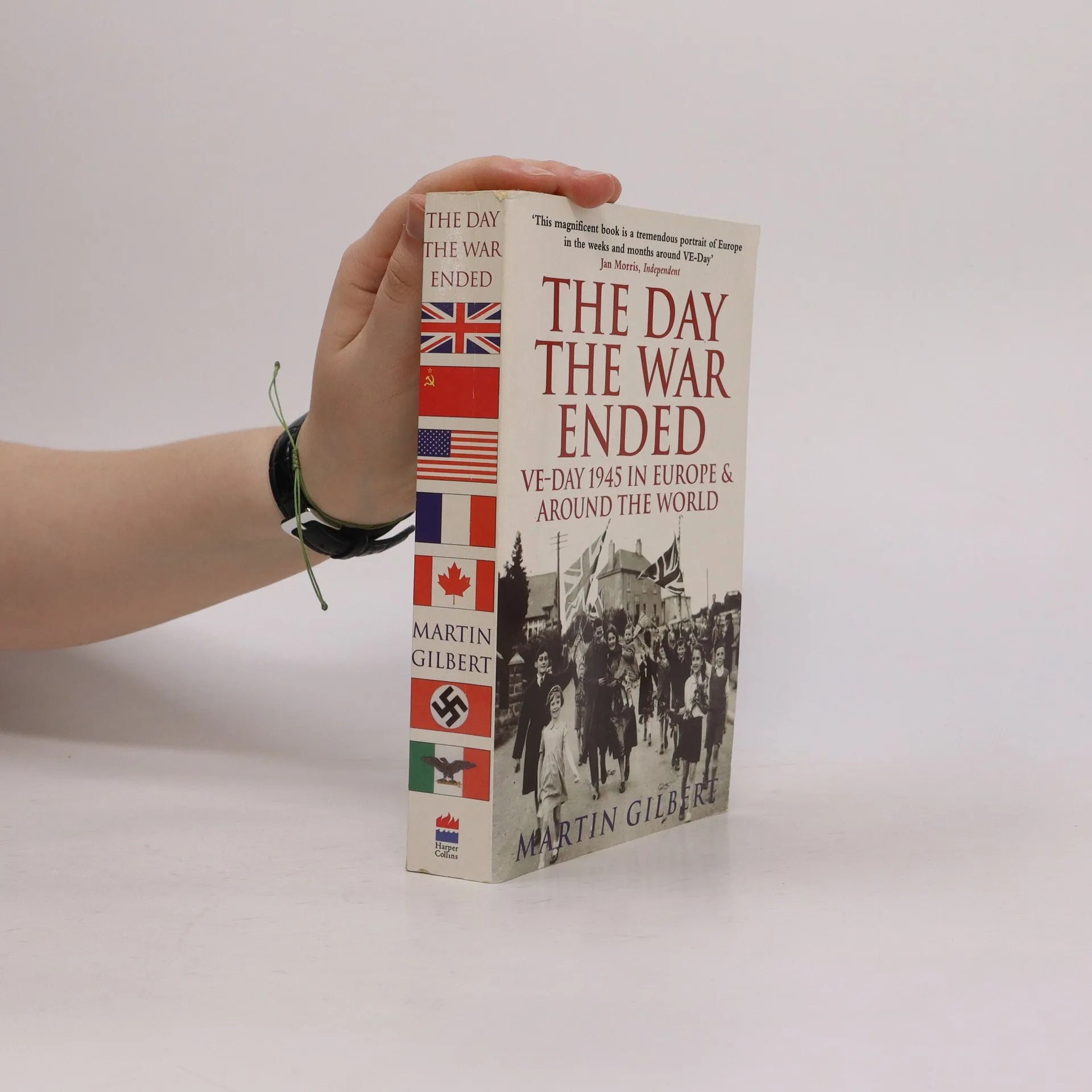
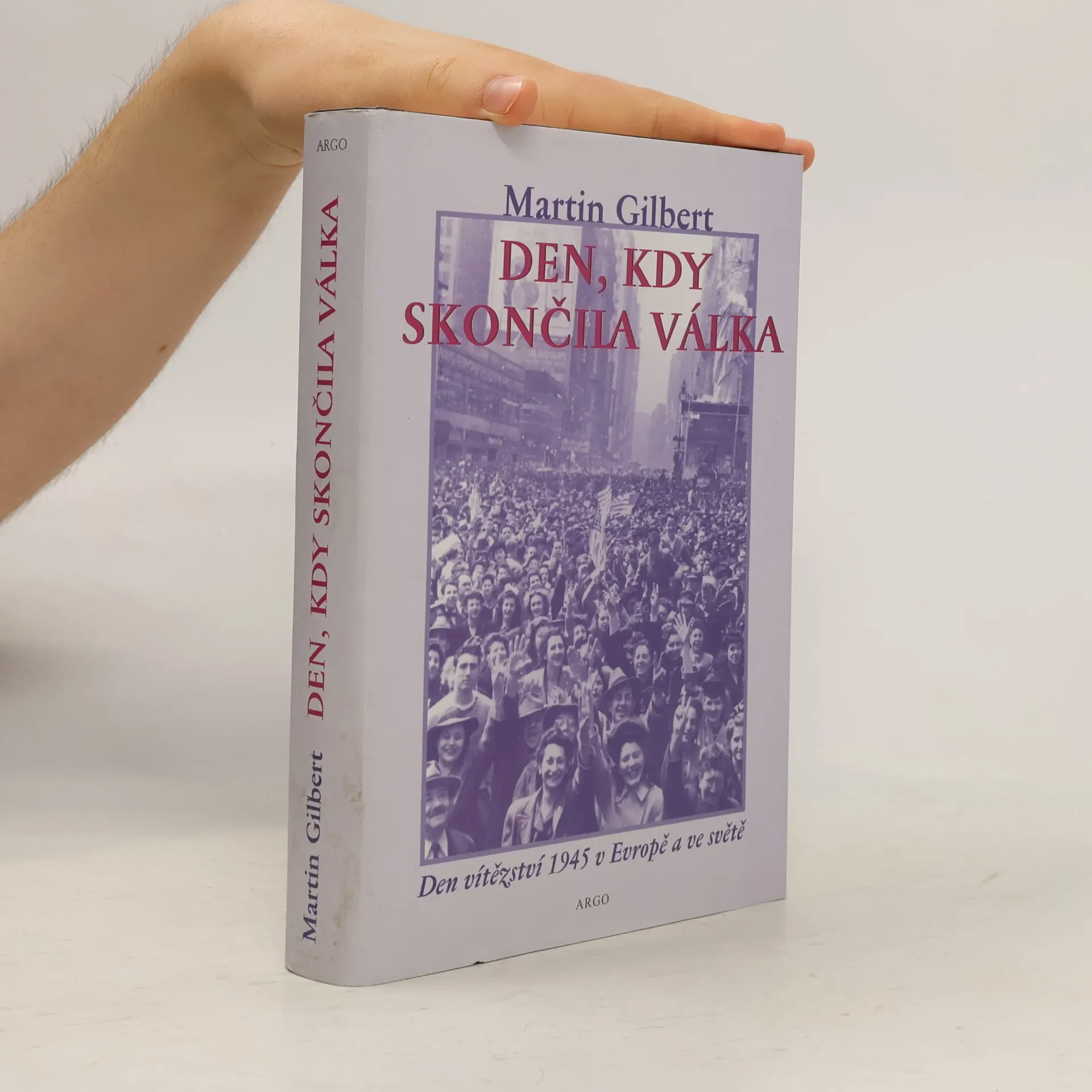
Written by the author of The Holocaust, this is a history of the events of 8 May 1945 and its repercussions, published to coincide with the 50th anniversary celebrations of VE Day in May 1995. It focuses not only on the events of that day, but also looks forward from that day to the years ahead. The theme of the book is the way in which the world today has been moulded by the events of 8 May 1945. Gilbert traces, in narrative form, the events and personalities of that day, from the early hours of the morning until midnight, looking at the topics and the people first in the context of that day, and then in the wider sweep of the events to which they led across the years. This story of one day's impact and its aftermath combines global perspectives with the stories of individuals.
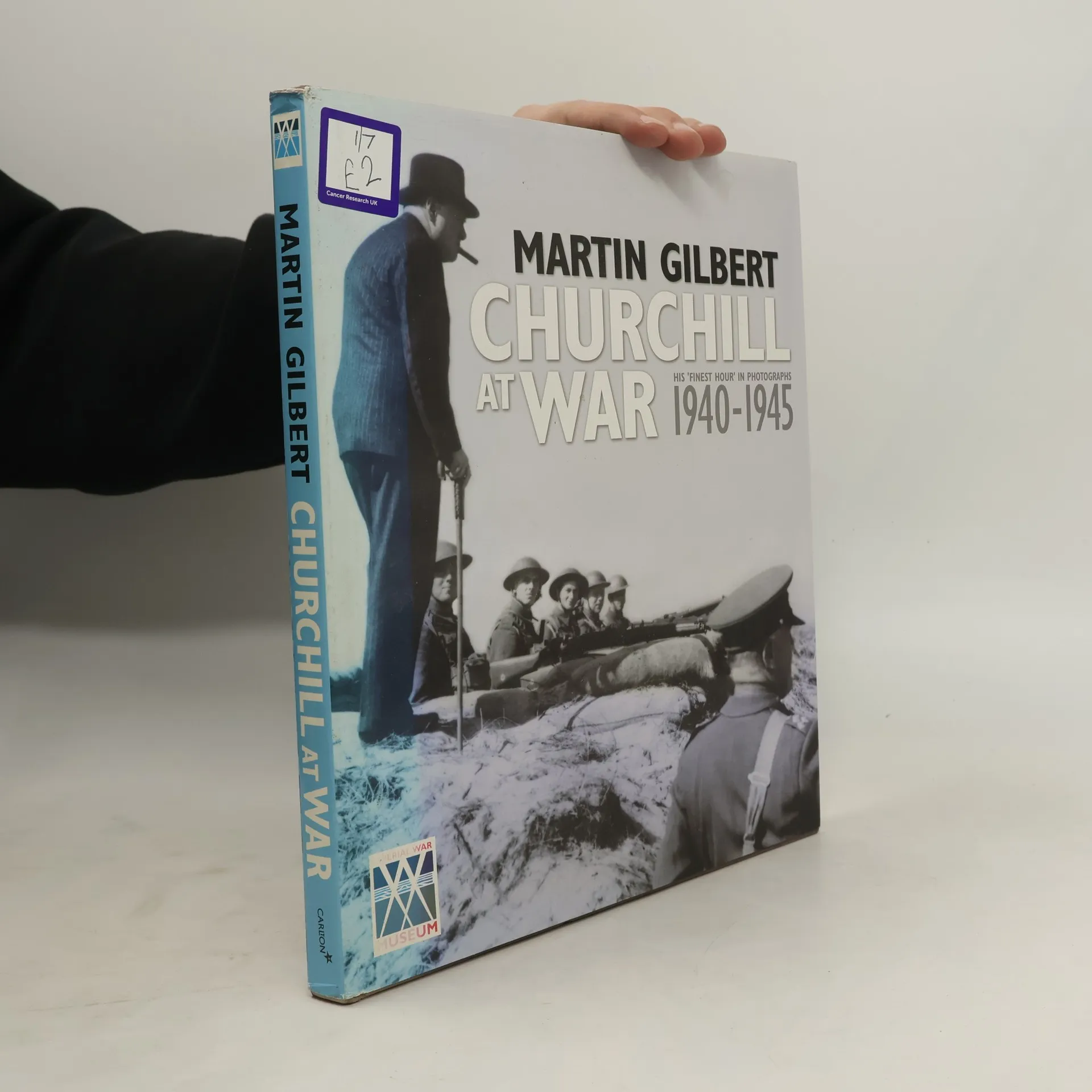
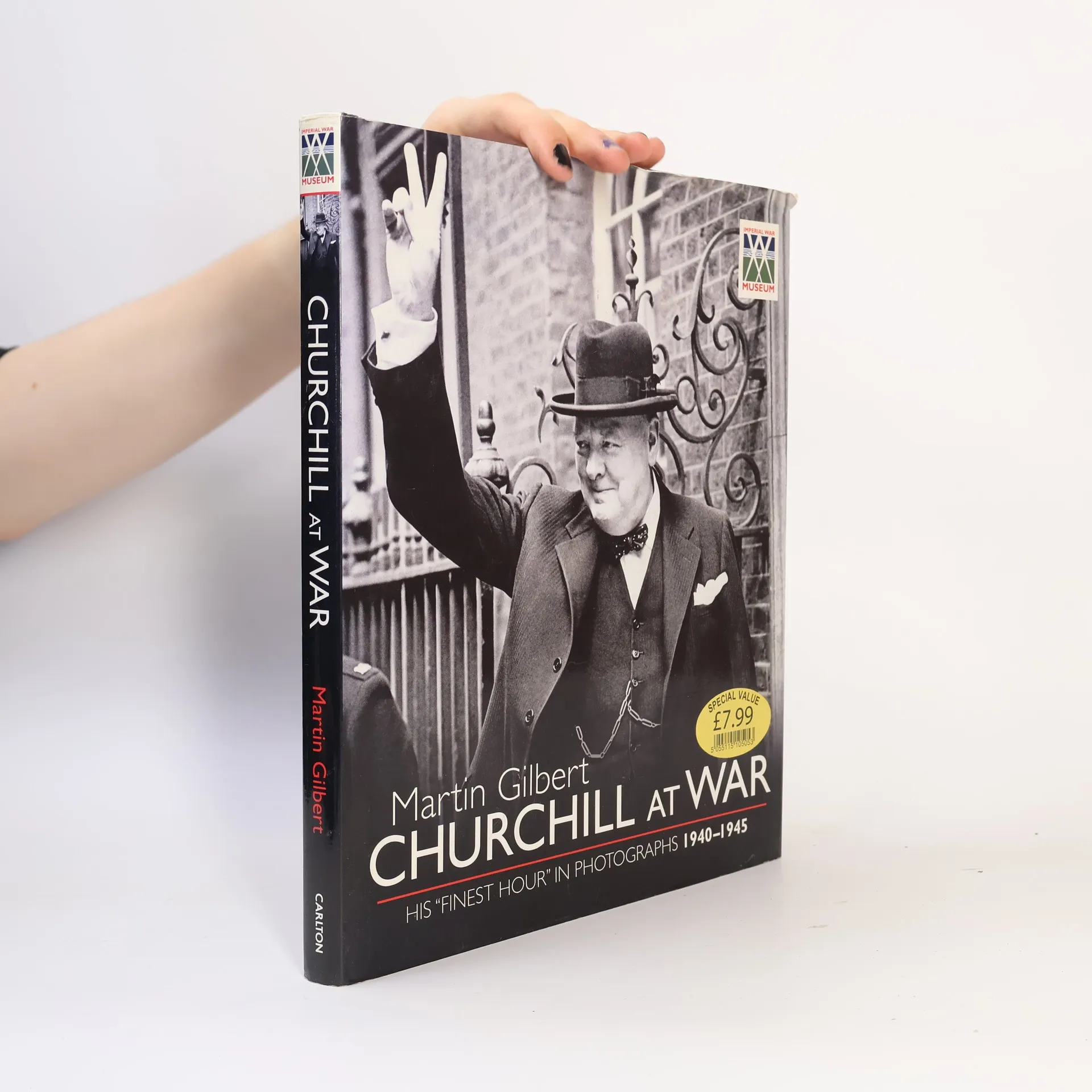
His 'Finest Hour' in Photographs, 1940-1945 (Imperial War Museum)
160pagine
6 ore di lettura
Imperial War Museum: Churchill at War reveals the many sides of this remarkable man at war: army officer, war correspondent and political leader. This book covers his entire 50-year involvement in British warfare from his first army commission in 1895, through his participation in one of the last British cavalry charges at the Battle of Omdurman in 1898 and his active service in the First World War right up to his wartime leadership as First Lord of the Admiralty, and then as Prime Minister. Containing over 150 photographs, the majority of which are taken from the Imperial War Museum's remarkable archives and supported by informative and authoritative text Churchill at War focuses above all on Churchill's inspirational leadership during the Second World War and the final overthrow of Nazism in 1945.
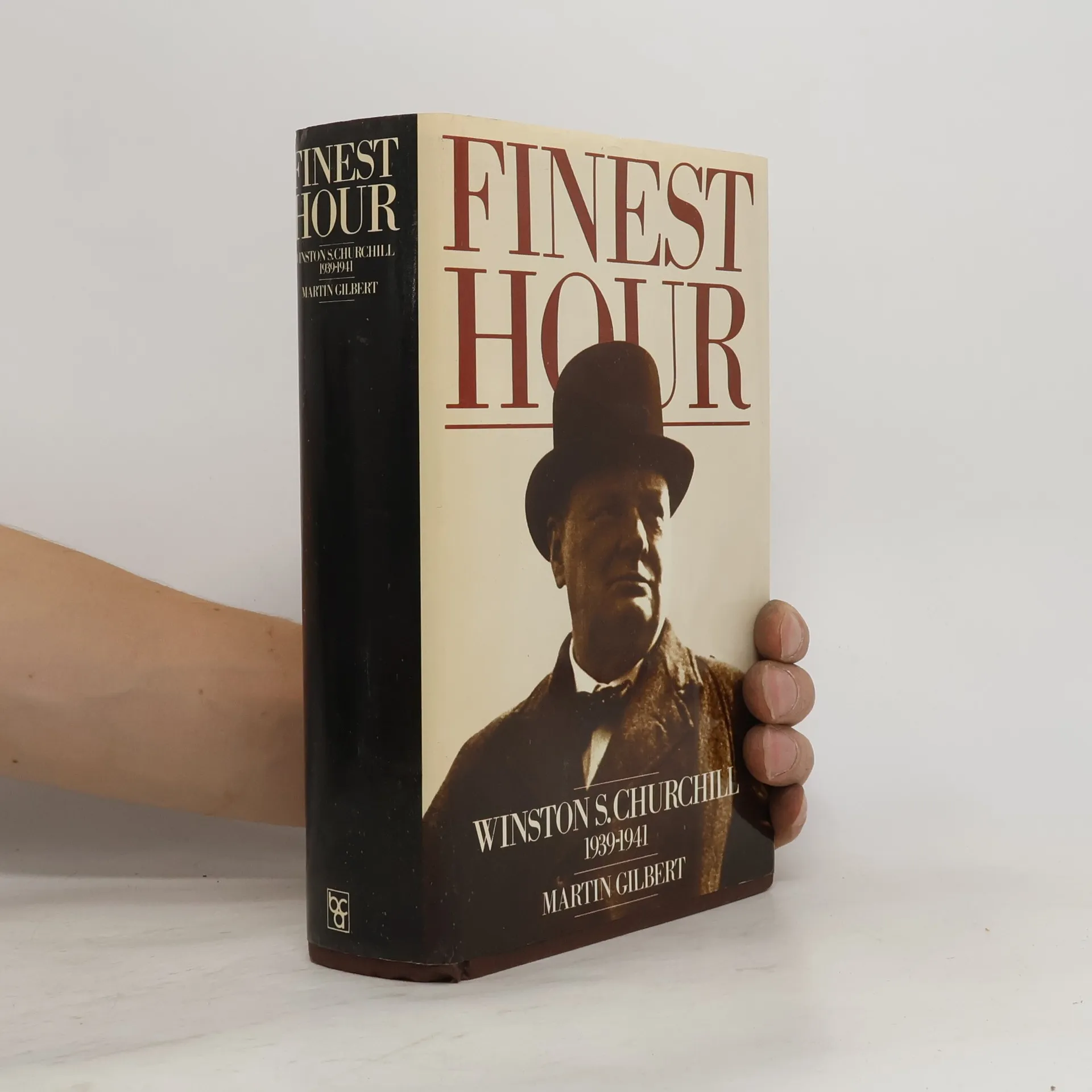
The two newest volumes of The Churchill Biography cover crucial years of World War II and the last years of the great statesman’s life, respectively. Volumes 7 and 8 conclude this unparalleled multivolume biography of Churchill, begun by his son Randolph in 1962 and finished here by scholar Martin Gilbert.
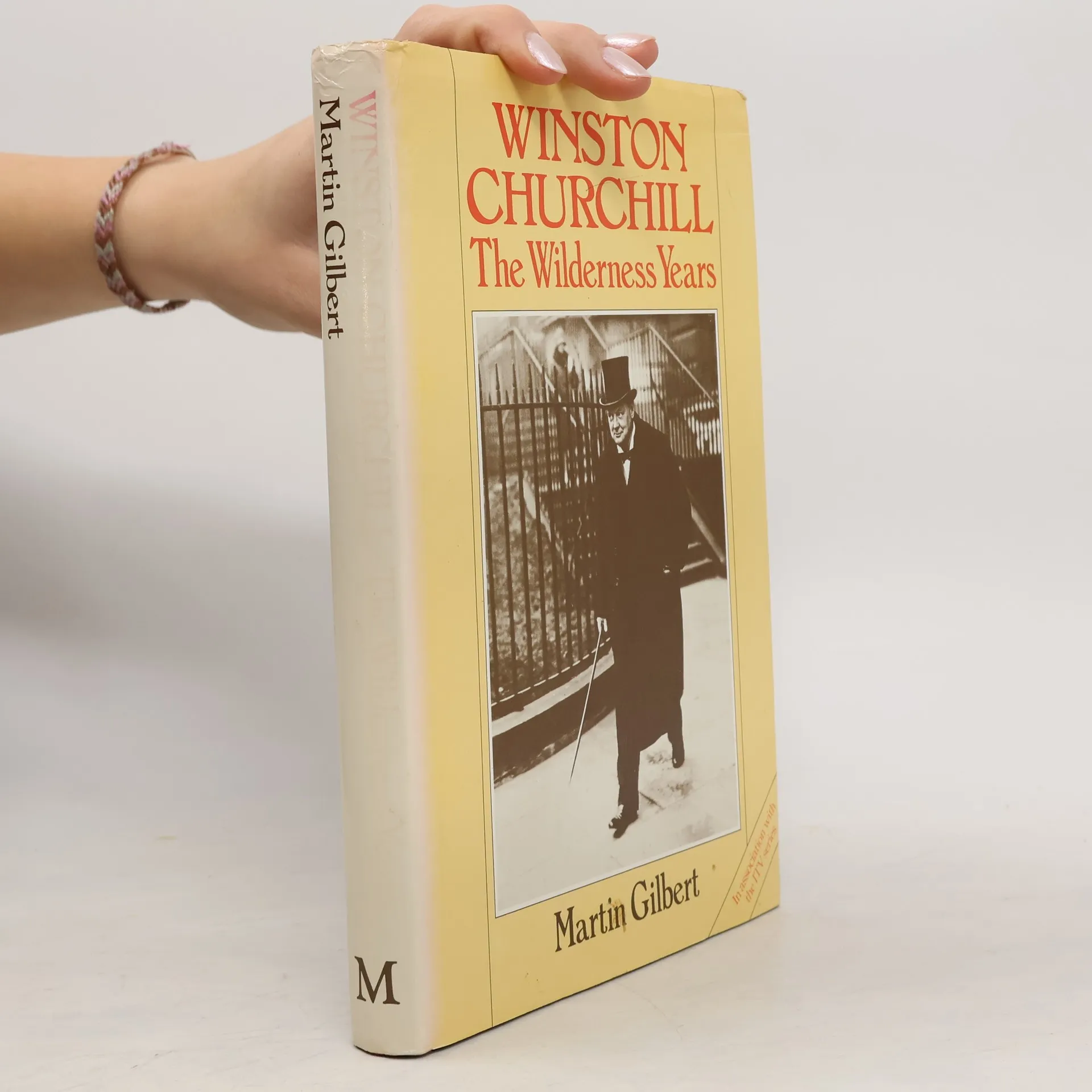
In 1928, Winston Churchill seemed to be at the very height of his career. He was Chancellor of the Exchequer and when he spoke in the House of Commons, MPs of every party flocked to hear his oratory. The leadership of the all-powerful Conservative party seemed within his grasp. A year later, however, all had changed. The Conservatives themselves were defeated, and out of office, Churchill found himself at odds with the leadership, especially over the future of India. When the National Government was formed in 1931, Churchill was not asked to join it. Thereafter, though out on his own, Churchill's acute political sense, foresight and courage were undiminished. Fed with secret inside information by a small, brave band of men - some of them risking their careers to help him - Churchill consistently warned of the Nazi danger, even before the rise of Hitler. And once Hitler came to power, he stepped up his attacks on Britain's failure to rearm. His message was belittled by the Government, which fought him at every turn, even refusing him the right to broadcast. But Churchill never gave up. Despite all the Government's efforts, and as a result of Churchill's courage and perseverance, the British public came to realize the truth of his warnings; the bond was formed that was to be so vital in the years that followed, when Britain and Churchill stood together, but alone. -- Amazon
This new edition now includes an additional 37 of Martin Gilbert's maps,
across the whole period of the war, originally published across a range of
publications, now gathered in this one volume for the first time
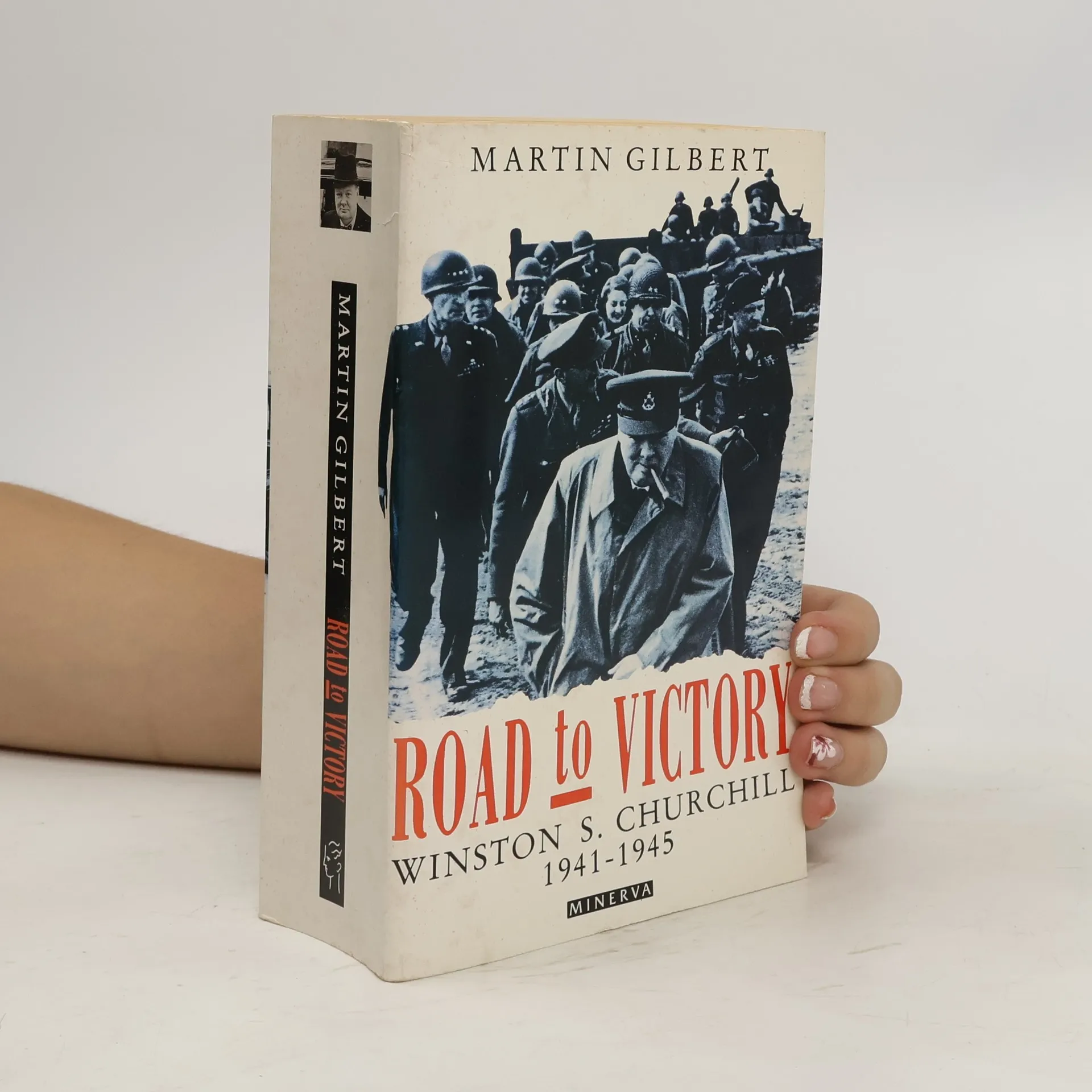
In this concluding volume of Gilbert's renowned series, readers see Churchill at the pinnacle of wartime power as Britain's victorious leader in 1945. The many-sided nature of Churchill's abilities and his achievements fill this work with a multicolored tapestry of people and events.
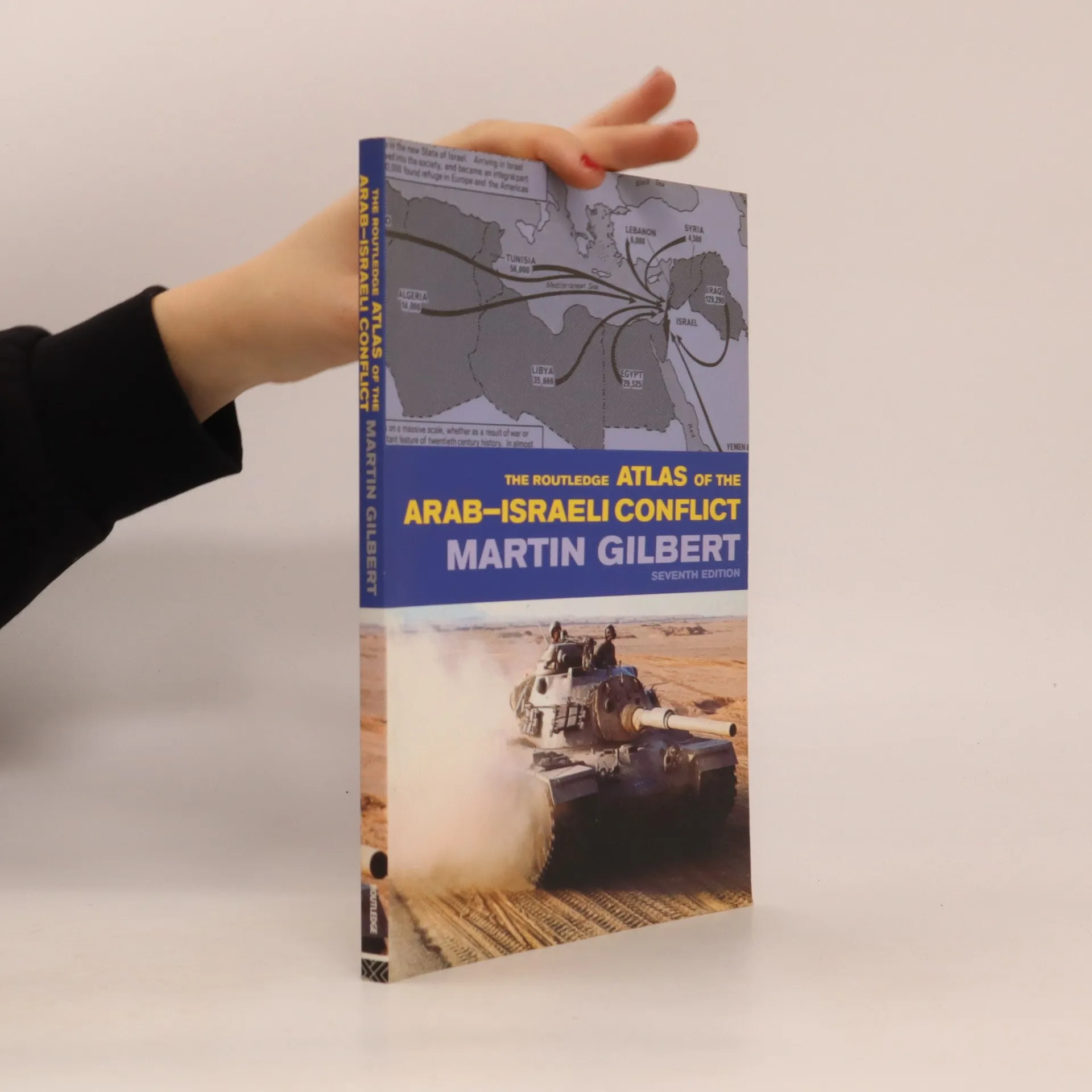
This atlas offers a balanced and comprehensive visual history of the age-old Arab-Israeli conflict, spanning from the early history of the region (c. 1,000 B.C.) to the foundation of the state of Israel, the intifada, and the peace initiatives of the 1990s. Clear, informative, and accessible maps detail the course of major events, including the Six Day War, the October War, and the Arab world's reaction to the Camp David agreements, and offer useful insight into the social, political, military, and diplomatic dimensions of the current situation. Powerful and telling quotations from those involved on both sides, and detailed annotations provide important historical background on this volatile conflict.
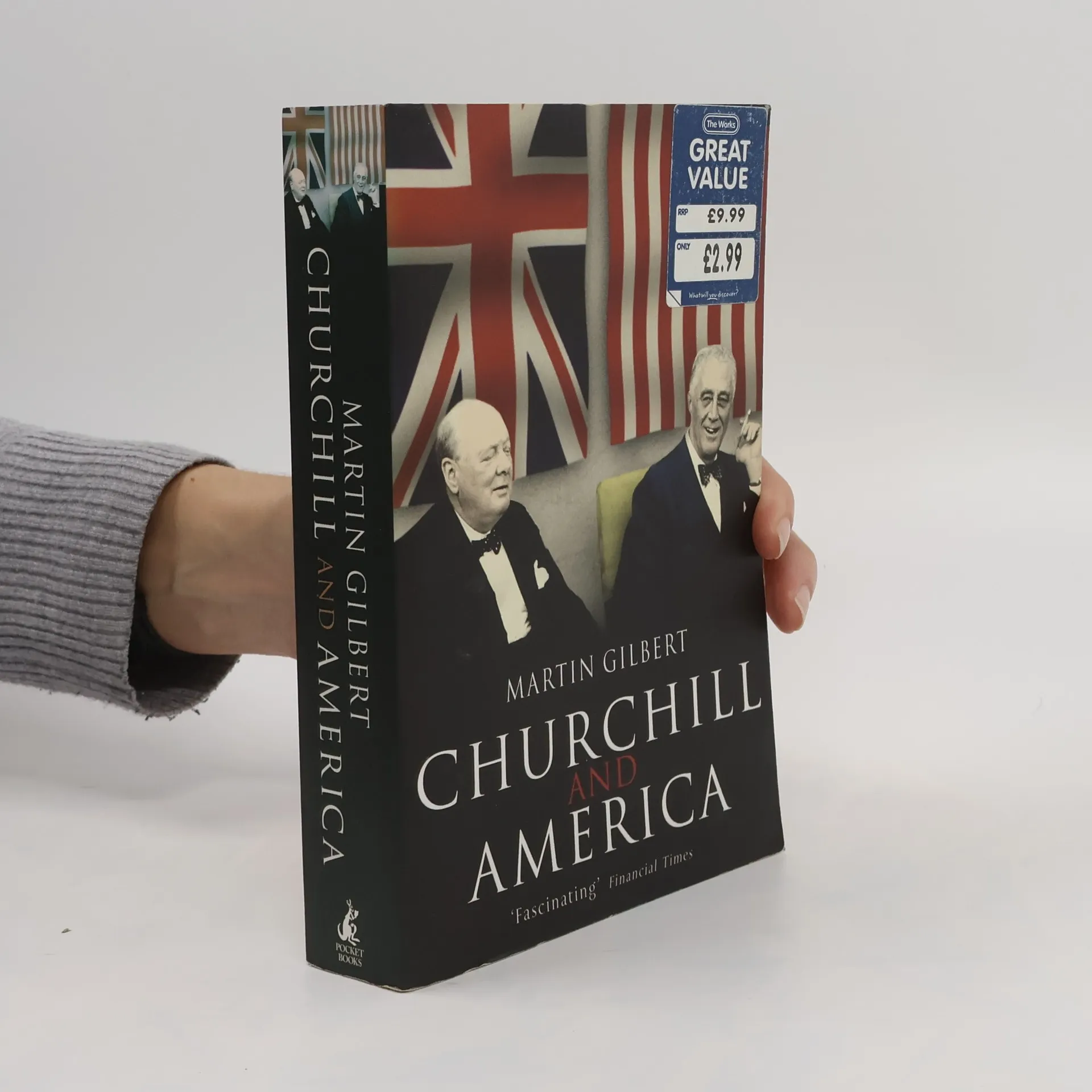
Tony Blair may now be perceived as the most pro-American Prime Minister since the war, but his desire to keep close to Washington is as nothing compared to Winston Churchill's love for the Land of the Free. Born to an American mother, Churchill spent his whole life in thrall to the power and potential of the United States, with his affection and respect reaching its apogee during his crucial bilaterals with President Roosevelt at the height of the Second World War. Tracing the great man's relationship with America from birth to death, Sir Martin Gilbert now presents the first full account of what the country meant to Churchill, what he learned from it, and what he taught its leaders and people. Revealing and entertaining in equal measure, Sir Martin Gilbert's new history reveals for the first time the true extent of a passion whose effects are still felt today.
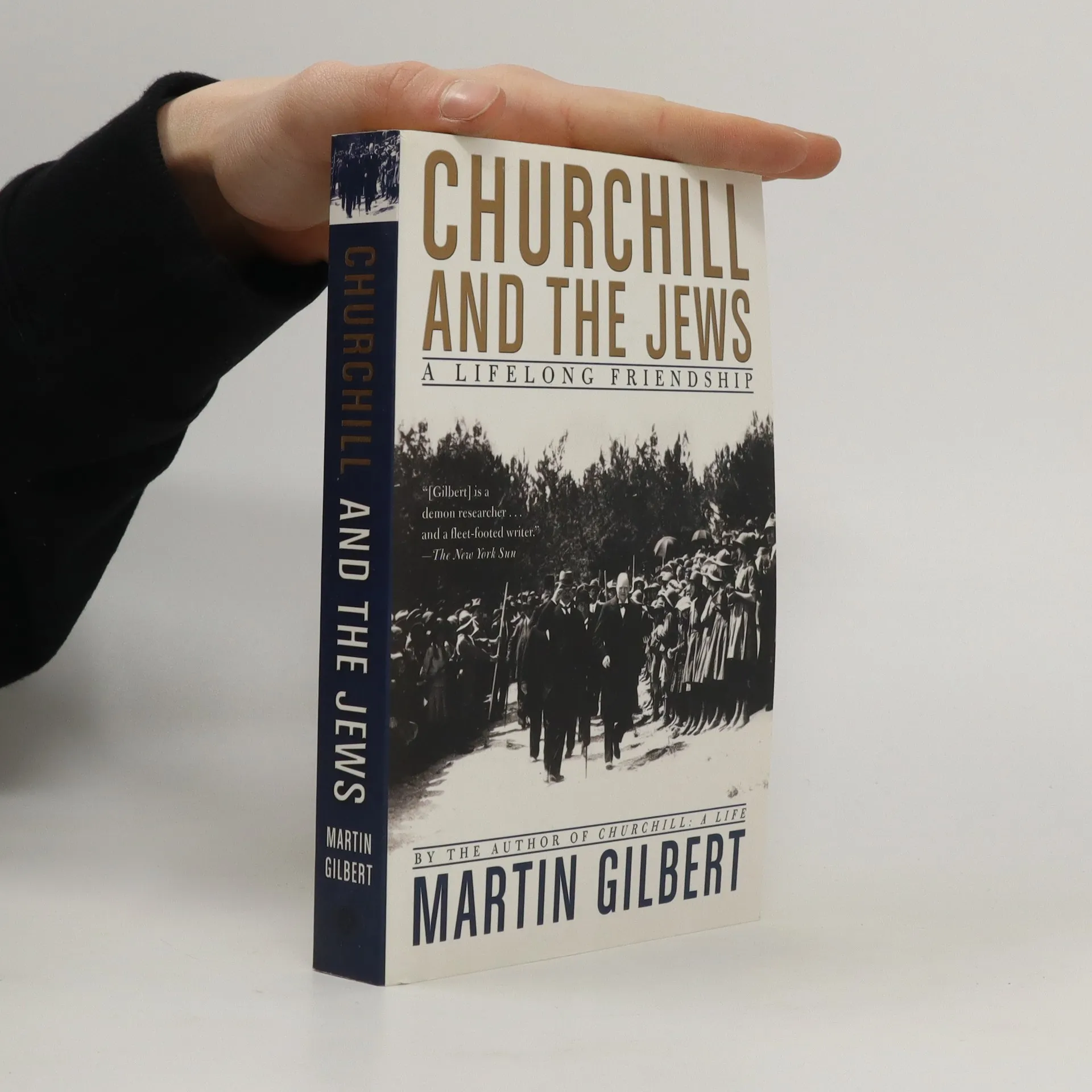
Details Churchill's support for Jewish rights while maintaining concerns for British interests in the Arab world through an examination of sources including private papers, speeches, and personal correspondence.
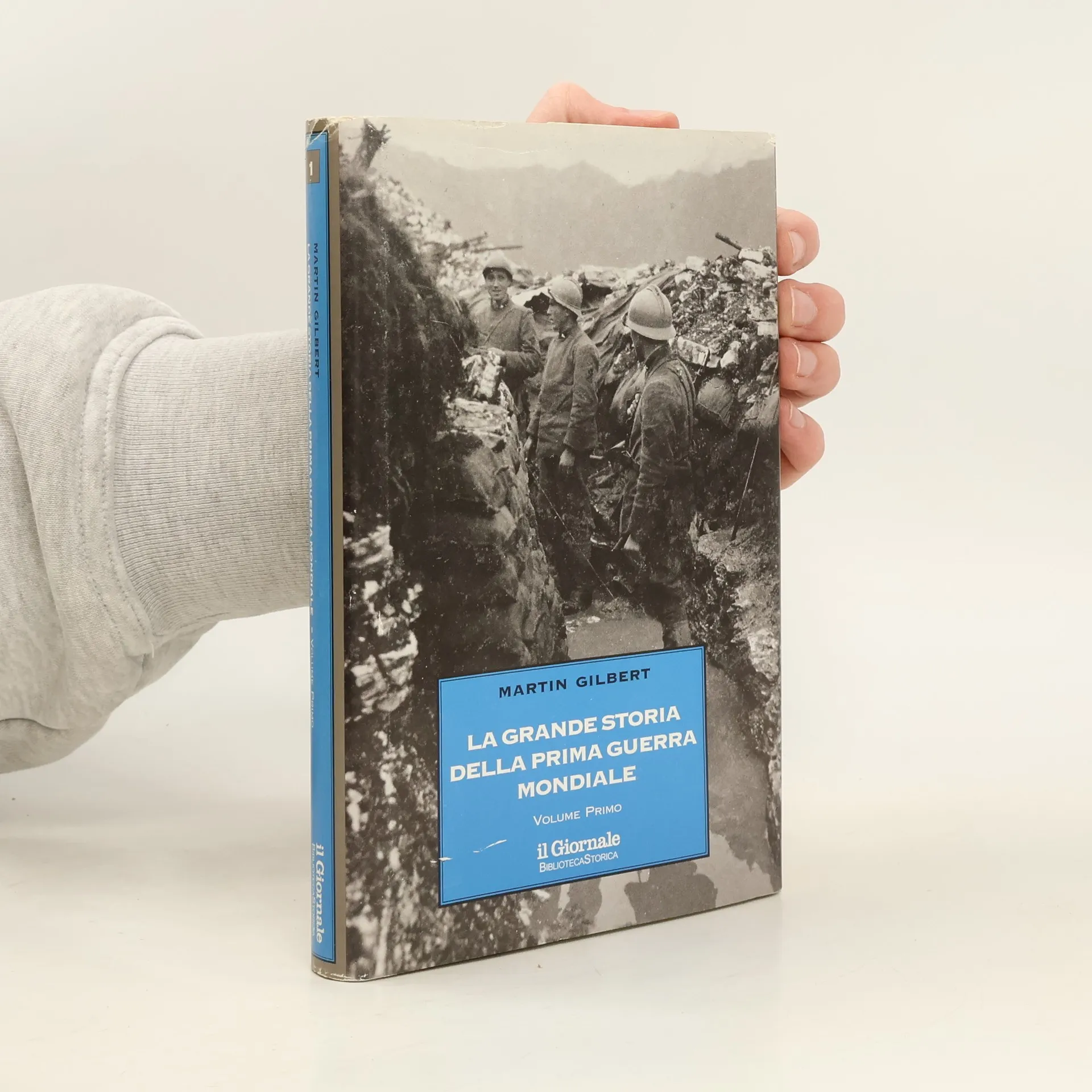
"All the ways Mr. Gilbert's The First World War brings the conflict home to people at the end of the twentieth century render it one of the first books that anyone should read in beginning to try to understand this war and this century".--John Milton Cooper, Jr., The New York Times Book Review. 80 photos. 31 maps.
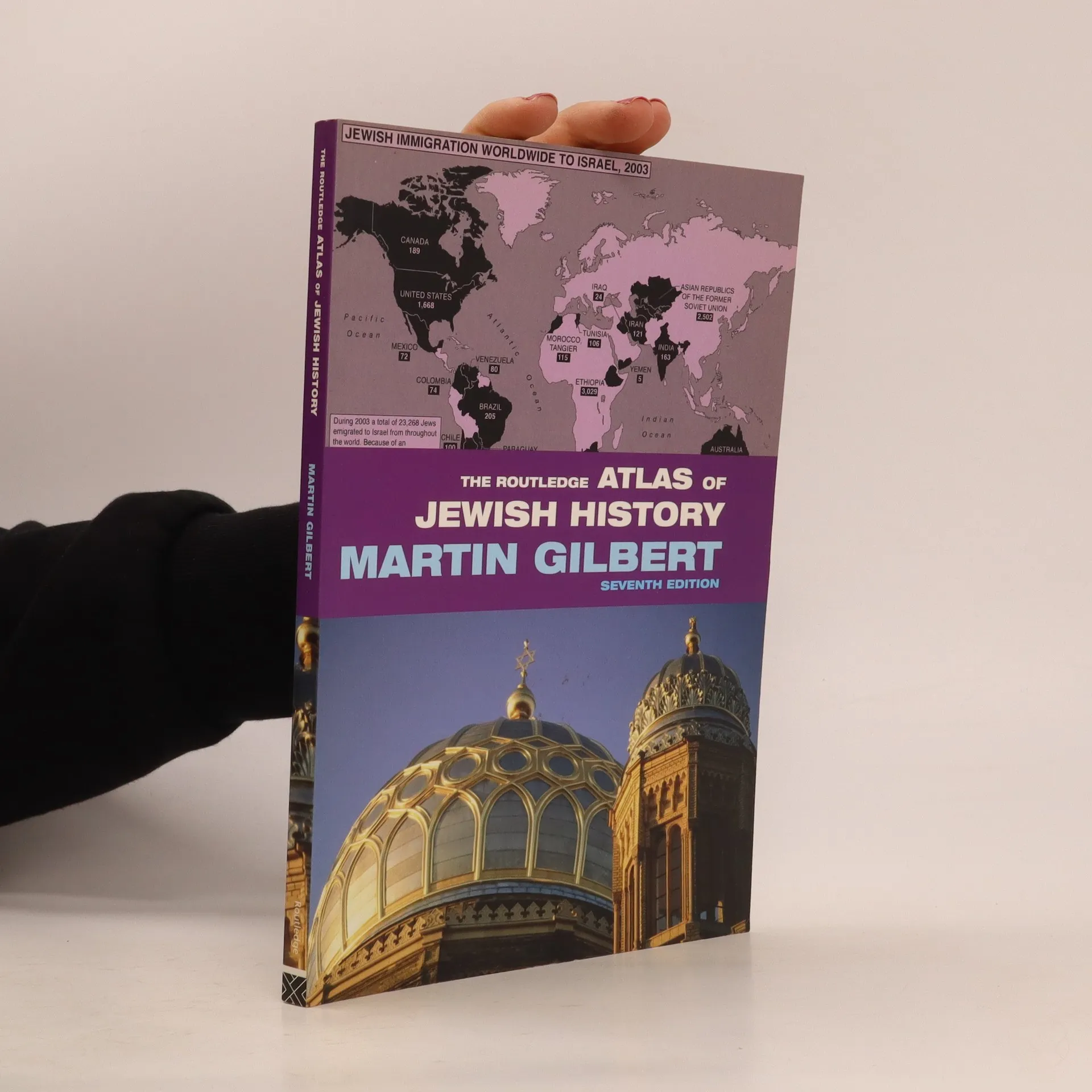
Newly revised and updated to include new maps, this is the seventh edition of Martin Gilbert’s atlas tracing the world-wide migrations of the Jews from ancient Mesopotamia to modern Israel. Spanning over four thousand years of history in over 140 maps, it presents a vivid picture of a fascinating people and the trials and tribulations which have haunted their story. The themes covered include: All students of history, and of Jewish history in particular will find this new edition as useful, helpful and invaluable as its six predecessors.
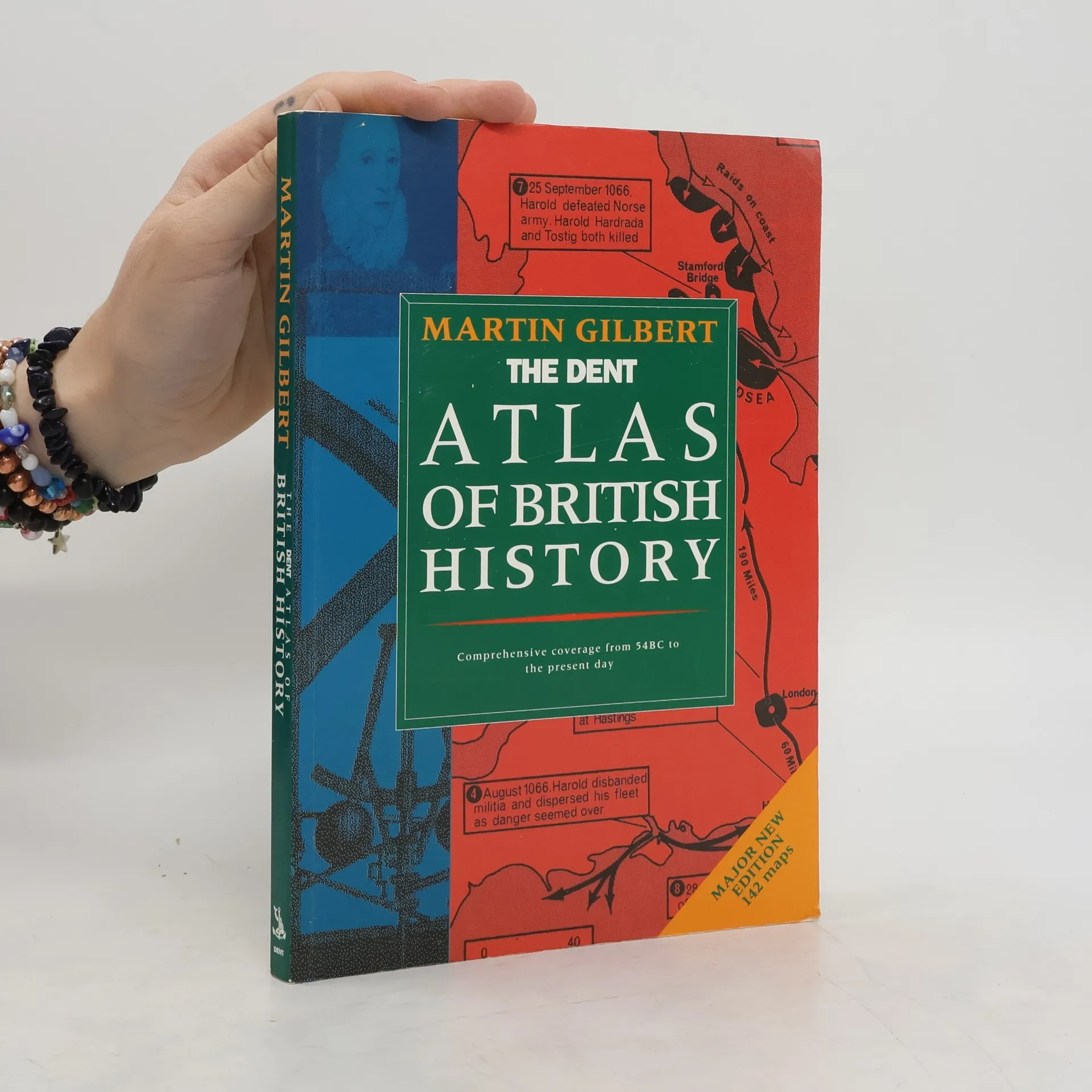
The changing story of the British Isles forms the theme of this atlas, which covers not only England, Scotland, Ireland and Wales but also the overseas empire. With captions, explanations and maps, it also provides a representation of British history in the social, religious and economic fields.
Gilbert, a renowned historian and official biographer of Churchill, selects 100 of the finest writings and speeches by Churchill. These express the leader's thoughts and describe the main adventures and crises of his life coupled with Gilbert's commentary.
"What an extraordinarly chroncile of upheaval, sorrow, and achievement is the story of the Jews in the twentieth century - and who better to narrate it than the renowned British historian Sir Martin Gilbert, whose lifework has been the study of the events and personages of our time. In this illustrated volume he describes the individuals, the historic movements, the watershed moments, and the horrific years that so profoundly changed the world and the Jewish people.". "In a text interwoven with and illuminated by more than 400 photographs, many of them never before published or long forgotten, we meet the widely dispersed turn-of-the-century Jewish communities of Europe, the Middle East, and Asia. Then we encounter with startling immediacy, the impassioned Zionists who set out to reclaim Palestine and the immigrant waves that poured out of Eastern Europe in search of a better life in America - among them, the brilliantly creative writers, composers, actors, and comedians who enthralled millions; and the scientists, judges, legislators, entrepreneurs, and intellectuals whose numbers can hardly be counted but whose thoughts and deeds shaped the modern world."--BOOK JACKET.
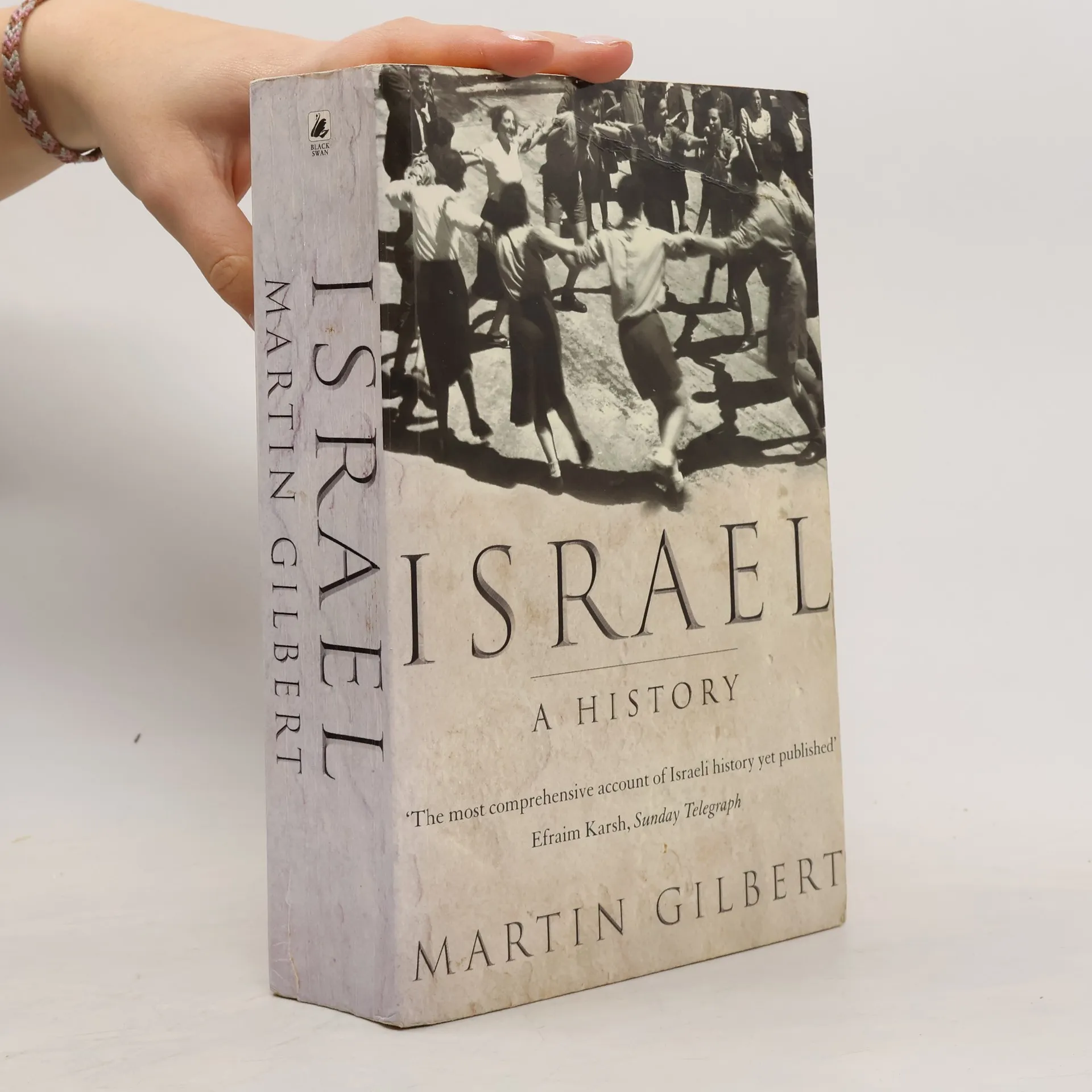
Israel is a small and relatively young country, but its turbulent history has
placed it squarely at the centre of the world stage for most of this century.
For two millennia the Jews, dispersed all over the world, prayed for a return
to Zion. Until the nineteenth century, that dream seemed a... číst celé
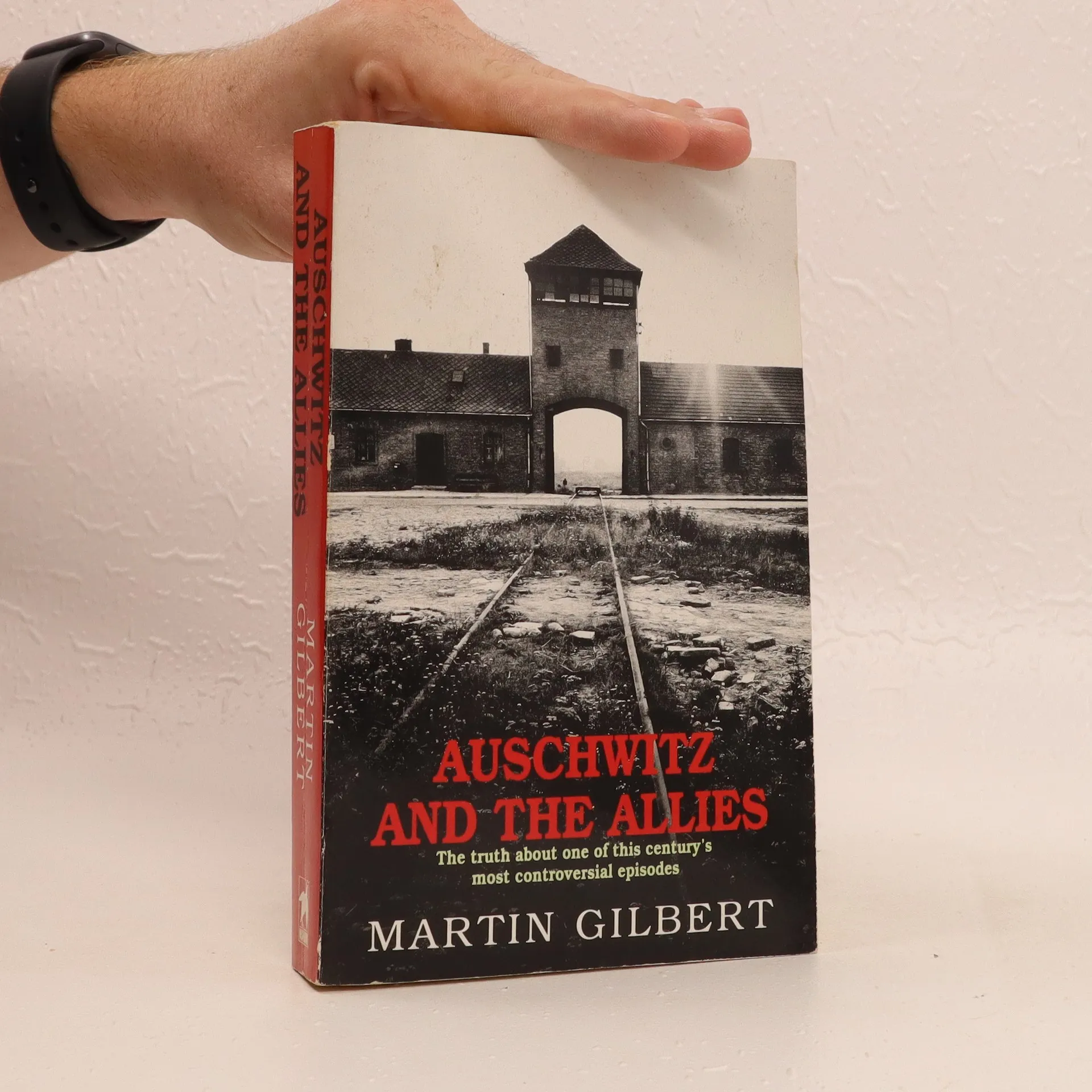
A book which claims to show Allied ignorance, apathy, and malice in the face of Hitler's appalling "Final Solution". The book reveals why, despite mounting evidence of mass slaughter from many sources in Nazi-occupied Europe, the Allies failed to act.
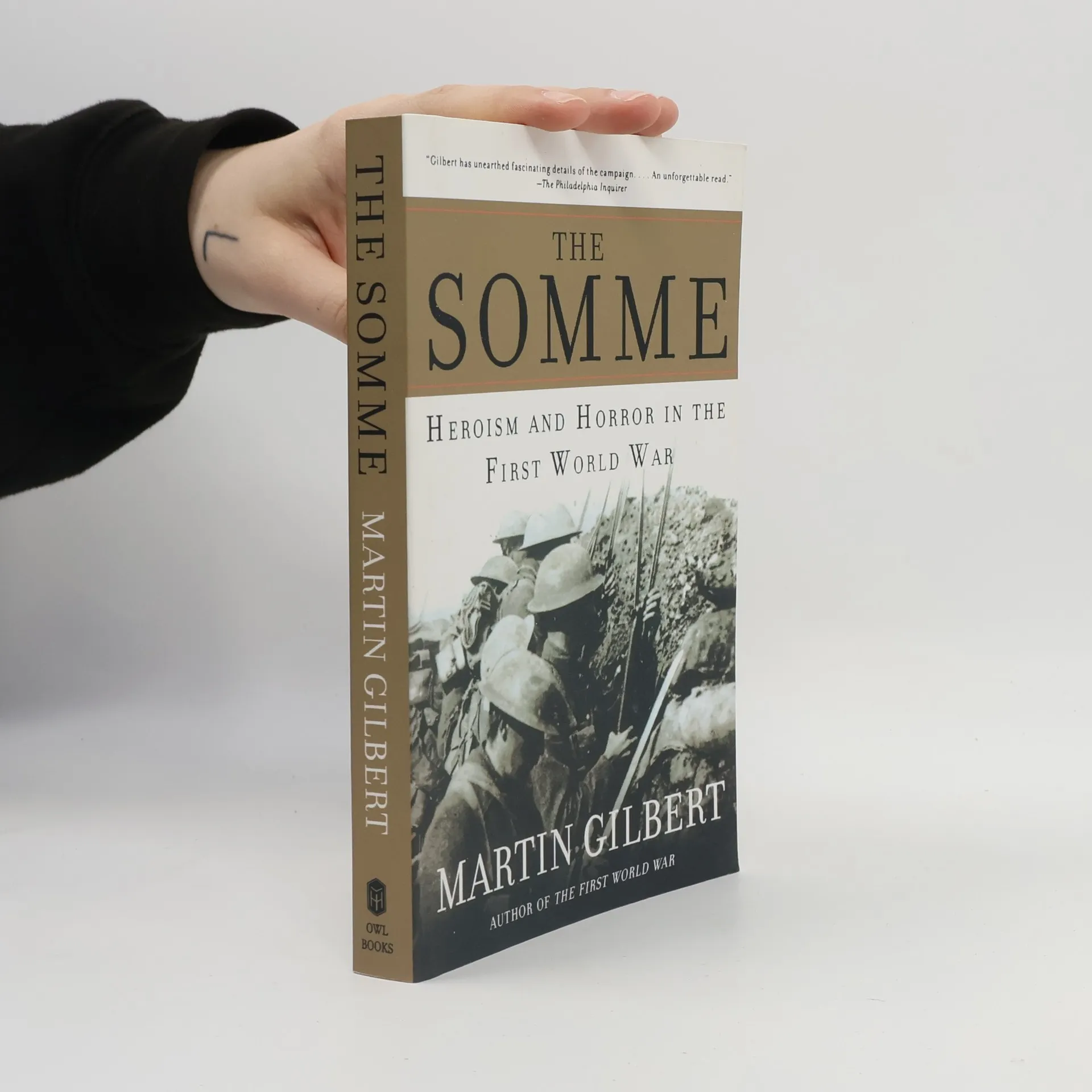
"Gilbert has unearthed fascinating details of the campaign . . . An unforgettable read."— The Philadelphia Inquirer At 7:30 a.m. on July 1, 1916, the first Allied soldiers climbed out of their trenches along the Somme River in France and charged into no-man's-land, toward the barbed wire and machine guns at the German front lines. In the months that followed, the fifteen-mile-long territory erupted into the epicenter of the Great War, marking a pivotal moment in both the war and military history as tanks first appeared on the battlefield and air war emerged as a devastating and decisive factor in battle. All told, there were more than one million casualties, with 310,000 men dead in just 138 days. In this vivid account of one of history's most destructive battles, distinguished historian Martin Gilbert tracks the experiences of foot soldiers, generals, and everyone in between. With new photographs, journal entries, original maps, and military planning documents, The Somme is the most authoritative and affecting account of this bloody turning point in the Great War.
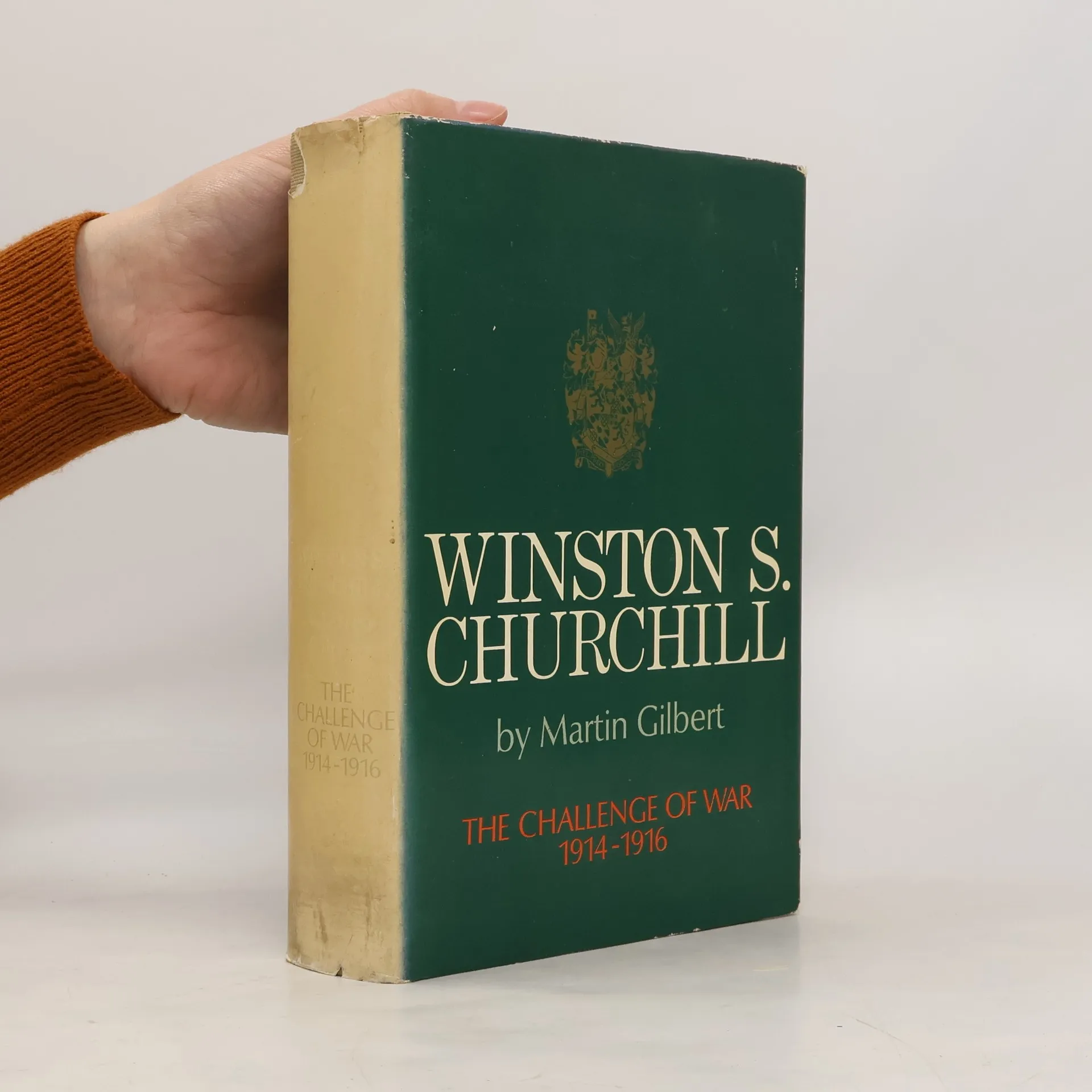
This new volume in the definitive biography of the greatest man of our age spans the years in which Churchill served in high posts of Lloyd George's Cabinet. They were years in which he came back form the humiliation and fall form power that followed the disaster at Gallipoli and once more forged and sharpened his skills in public office.Fact is separated from myth in the many dramatic and controversial episodes of the period--The German breakthrough of March, 1918, anti-Bolshevik Intervention in 1919, the working-out of the Irish Treaty, the Cairo Conference of 1921, the consolidation of the Jewish National Home in Palestine, and the Chanak crisis. In all these, and many other events, Churchill's leading role is explained and illuminated in Martin Gilbert's precise and masterful style.
This new edition now includes an additional 30 of Martin Gilbert's maps, with
many additional camp and ghetto maps, further illustrating the layout and
organization of some of the most significant places of the Holocaust which
will be especially useful to those visiting the sites.
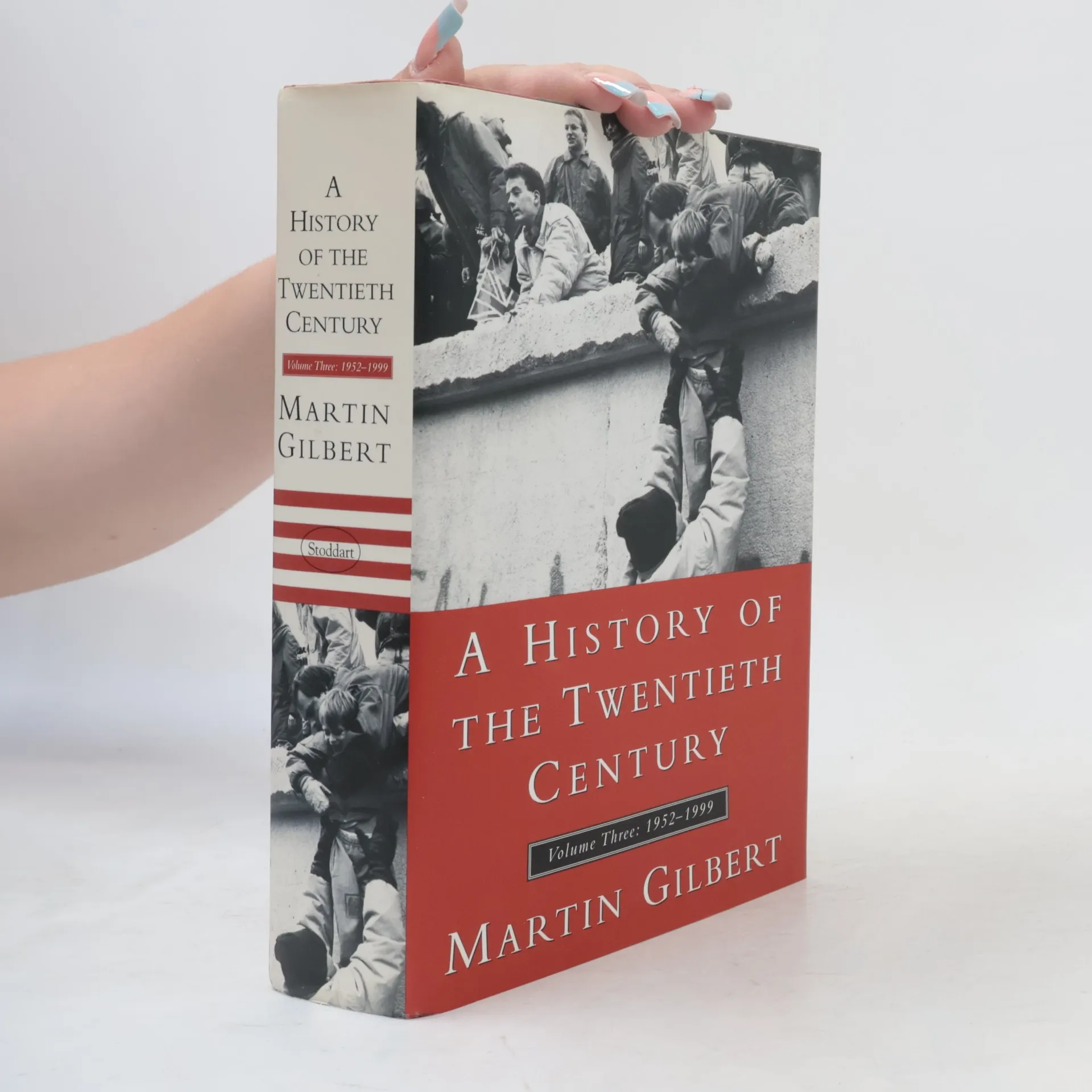
In 1952, the year this volume opens, the population of the world was approaching 3,000 million (three billion). In the second half of the century it had more than doubled, to six billion, of whom 1,000 million live in China and at least 950 million in India. Merely to maintain life at a minimum level had become a struggle for at least a quarter of the governments of the world. The refugee population had also doubled. At the same time, the destruction of the resources of the planet had increased. From fish in the oceans to trees in the rain forests, the failure of human restraint had begun to lead to irreversible changes in the ability of the planet to sustain the existing level of well-being. In many areas of the globe, that well-being is itself minimal.
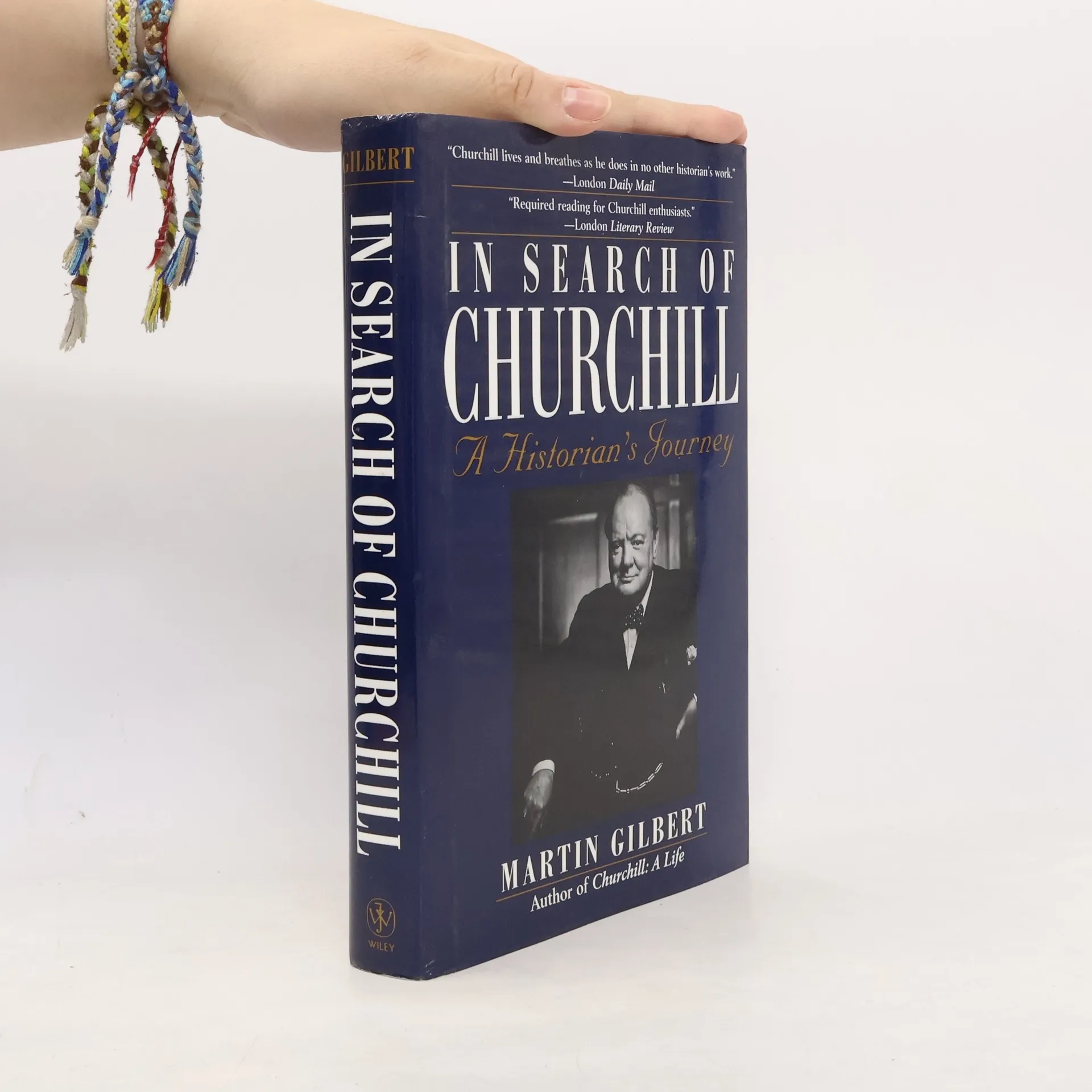
Martin Gilbert's eight-volume biography of Winston Churchill is hailed as one of the greatest ever written, and the story behind its creation is equally compelling. In Search of Churchill chronicles the author's thirty-year journey to uncover the life of one of the twentieth century's most iconic leaders. This account offers a striking portrayal of Churchill through the perspectives of those closest to him, providing a unique glimpse into the historian's craft.
Gilbert's extensive research began in 1962 as an assistant to Randolph Churchill and culminated twenty-five years later when he completed his monumental task. The narrative captures the extraordinary process of conducting countless interviews and dispelling myths, as Gilbert charmed and coaxed sources into sharing their stories. Readers will encounter a diverse cast of characters—secretaries, politicians, and family friends—each offering intimate recollections that reveal Churchill's lasting impact on those he met.
Through these anecdotes, a complex picture of Churchill emerges, showcasing his unique character and destiny. This engaging exploration, filled with stories not found in the formal biography, is a must-read for anyone interested in biography and the remarkable life of Winston Churchill. Gilbert shares his experiences in the hope of shedding light on Churchill's character and achievements, making it an essential read for both devotees and newcomers alike.
Published in conjunction with the Imperial War Museum, "Churchill at War" is an extraordinary photographic collection that reveals the many sides of this remarkable man during the Second World War. Featuring 200 photographs, all of which are taken from the Imperial War Museum's incomparable archives and supported by informative and authoritative text by Churchill's official biographer, Sir Martin Gilbert, "Churchill at War" focuses on Churchill's inspirational leadership during the Second World War and the final overthrow of Nazism in 1945. In times of conflict, it is to Churchill that the leaders of the free world turn for inspiration. This collection of images, some previously unpublished, evokes the essence of Churchill the great wartime leader with exceptional clarity.
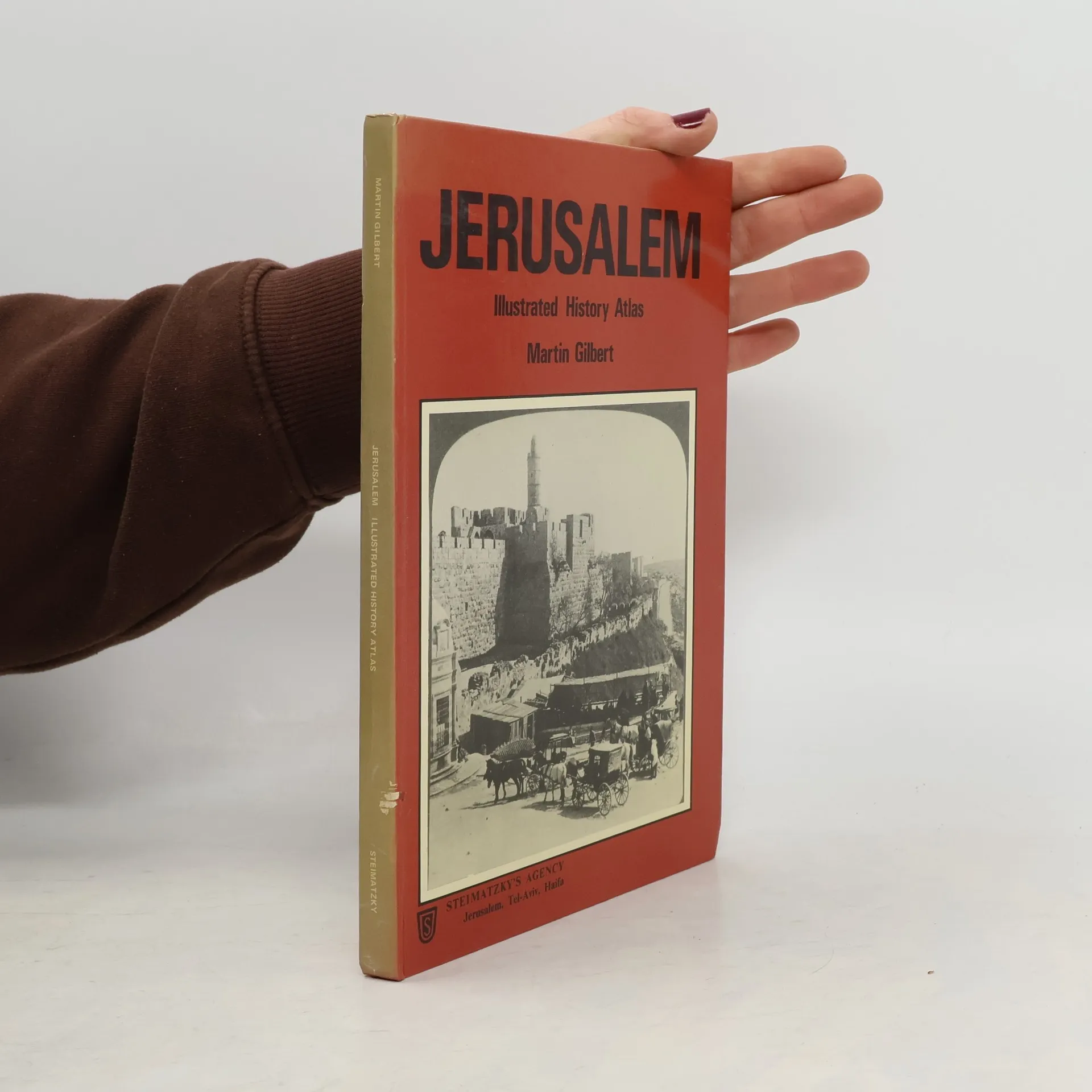
This unique atlas traces the history of Jerusalem from biblical times to the present day. Each map is illustrated by a facing page of prints or photographs, providing a complete pictorial and cartographic overview of this fascinating city of the Middle East. Coverage begins in ancient times, showing the impact of the Jews, Christians, Muslims, Romans, and Crusaders on the development of this holy city. Special emphasis is placed on the last 150 years, during which Jerusalem grew from a remote and impoverished town of the Ottoman Empire to a flourishing capital city. Up-to-date maps and figures show the recent expansion of suburbs and settlements, the Wall, and new urban and political developments. An extensive bibliography provides a rich source of information on further reading.
This atlas traces the history, migrations, achievements, and lives of the Jewish people from ancient Mesopotamia to the present day. It reflects extensive research, illuminating the Jews' roles in various national contexts, their complex history, and their responses to persecution—through dispersal, acceptance, or defense. It also highlights their significant contributions across numerous fields over nearly four millennia. The atlas captures both the enterprise of Jewish life and the irrational violence that has followed Jews through the centuries and across the globe. In this revised edition, the atlas is updated to the present day, offering unusual facts and insights that deepen the understanding of the Jewish people's vital role in shaping the modern world.
Author Biography: Sir Martin Gilbert, a prolific historian, became the official biographer of Sir Winston Churchill in 1968, contributing to six of the eight volumes of the series and compiling ten volumes of Churchill documents. He authored a definitive history of the Holocaust, a series of twelve historical atlases, and comprehensive studies on both World Wars. Married with three children, he resides in London and has been a Fellow of Merton College, Oxford since 1962, becoming an Honorary Fellow in 1994. He was knighted in 1995.
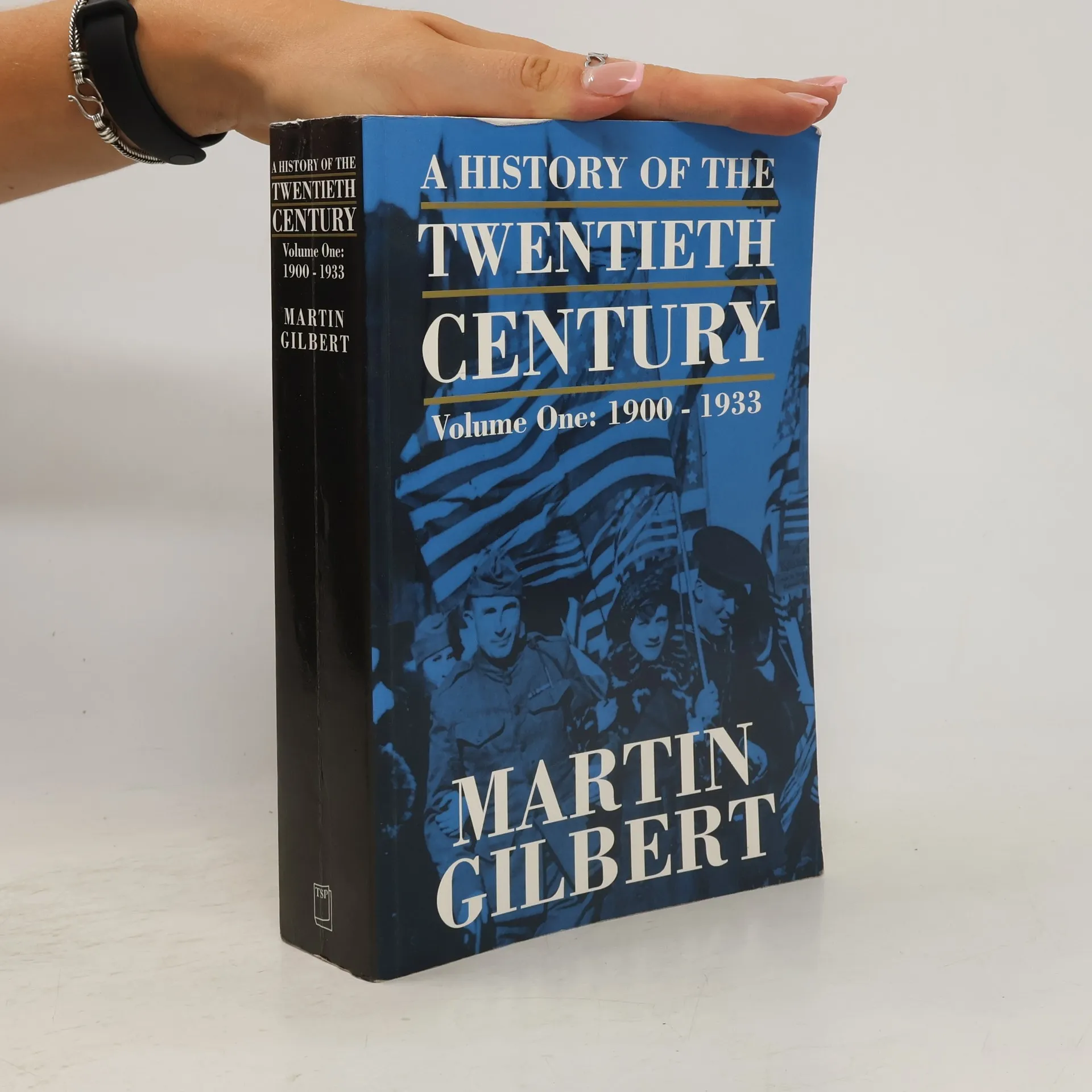
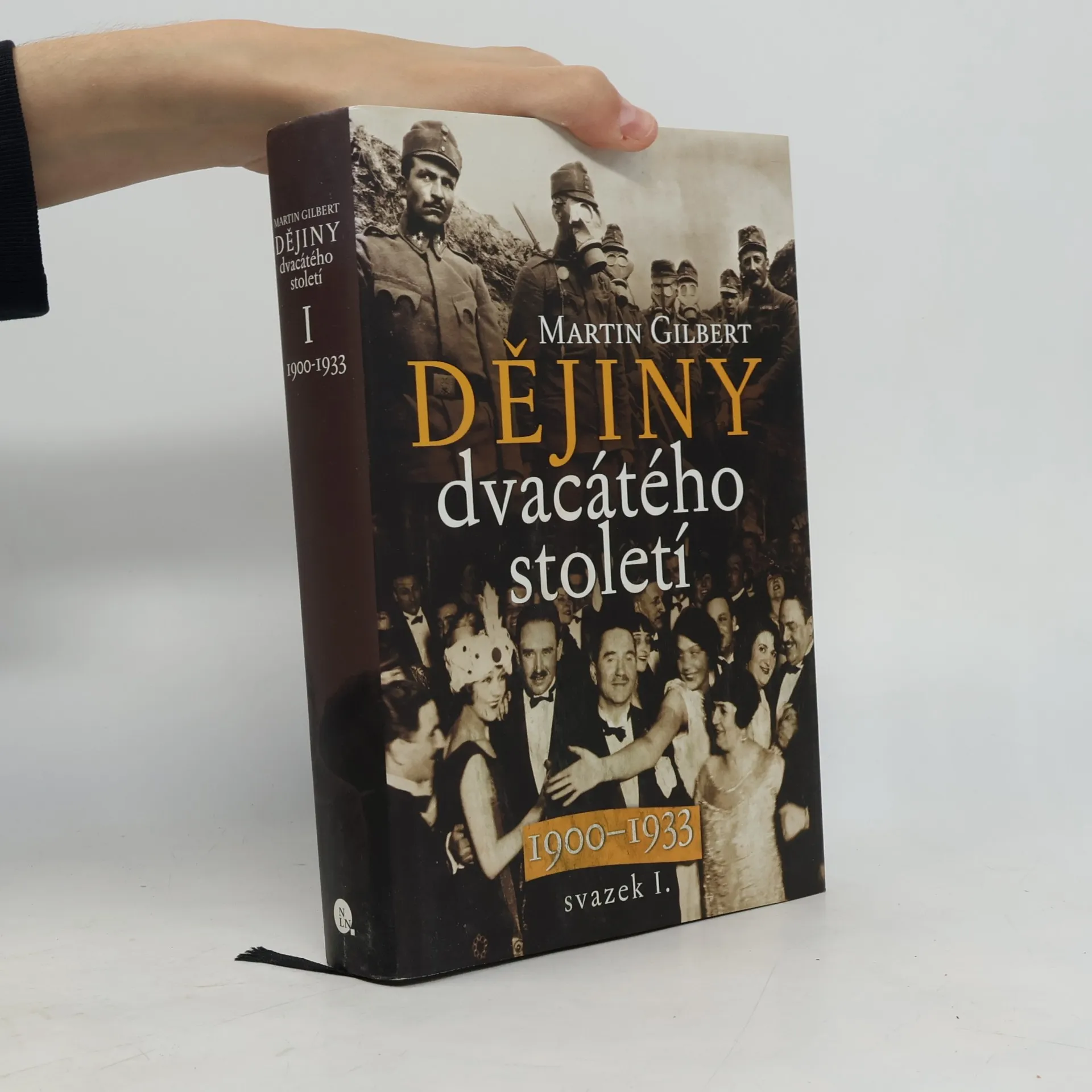
První díl Gilbertova třídílného příběhu dějin století popisuje jeho prvních třiatřicet let, končí zvolením Roosevelta prezidentem Spojených států a nástupem Adolfa Hitlera do úřadu německého kancléře. Málokdo se vyrovná Gilbertovi v jeho mimořádné schopnosti přinést složité a podrobné faktické údaje v živém a přesvědčivém vyprávění. S lehkostí se pohybuje z kontinentu na kontinent a z jedné země do druhé, aby čtenářům přiblížil dramatické události, zápasy a úspěchy století. Nezabývá se však pouze válkami, revolucemi a politickými zvraty.
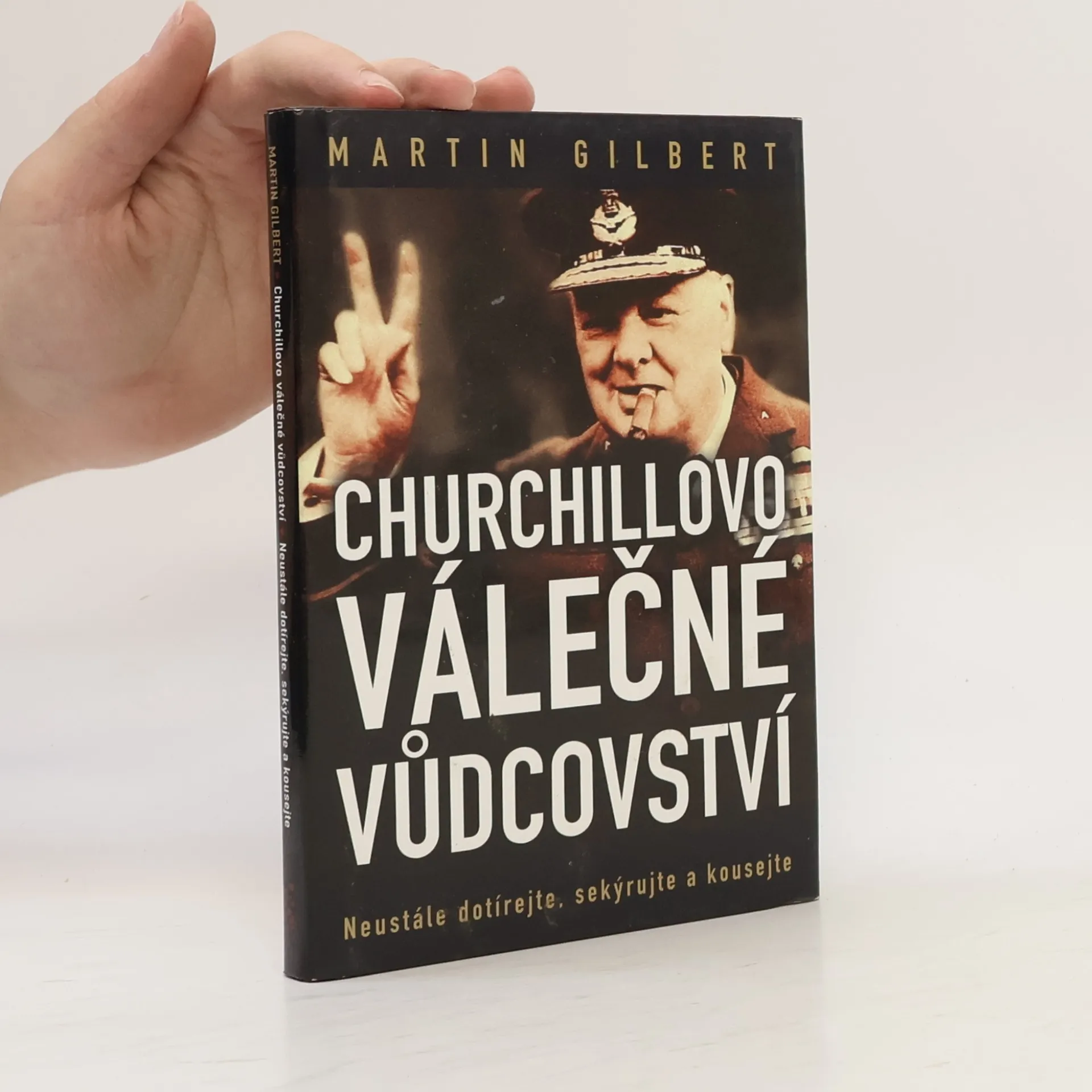
Knížka Churchillovo válečné vůdcovství s podtitulem Neustále dotírejte, sekýrujte a kousejte přináší text historické přednášky pronesené na Torontské universitě. Tato každoroční přednáška, konaná k uctění památky Barbary Frumové, se věnuje tématům s aktuálním zájmem v historických souvislostech a je vysílána Radio One kanadské společnosti CBS.
Přednáška nabízí pronikavý pohled na vůdcovství Winstona Churchilla během druhé světové války, napsaný největším znalcem tohoto britského politika. Martin Gilbert odhaluje lidskou stránku Churchilla, který, ač často citlivý a utrápený, našel sílu vést svůj národ z nejtemnějších časů k vítězství nad silným nepřítelem. Čtenáře jistě zaujme srovnání Churchillovy taktiky s postoji dnešních politických vůdců.
Sir Martin Gilbert, spoluautor oficiálního životopisu Winstona Churchilla, je jedním z nejvýznamnějších historiků moderní doby. Napsal celkem třiasedmdesát knih, včetně biografie Churchill: Životopis a uznávaných prací o světových válkách. Je čestným členem správní rady oxfordské Merton College a významným členem Hillside College v Michiganu.
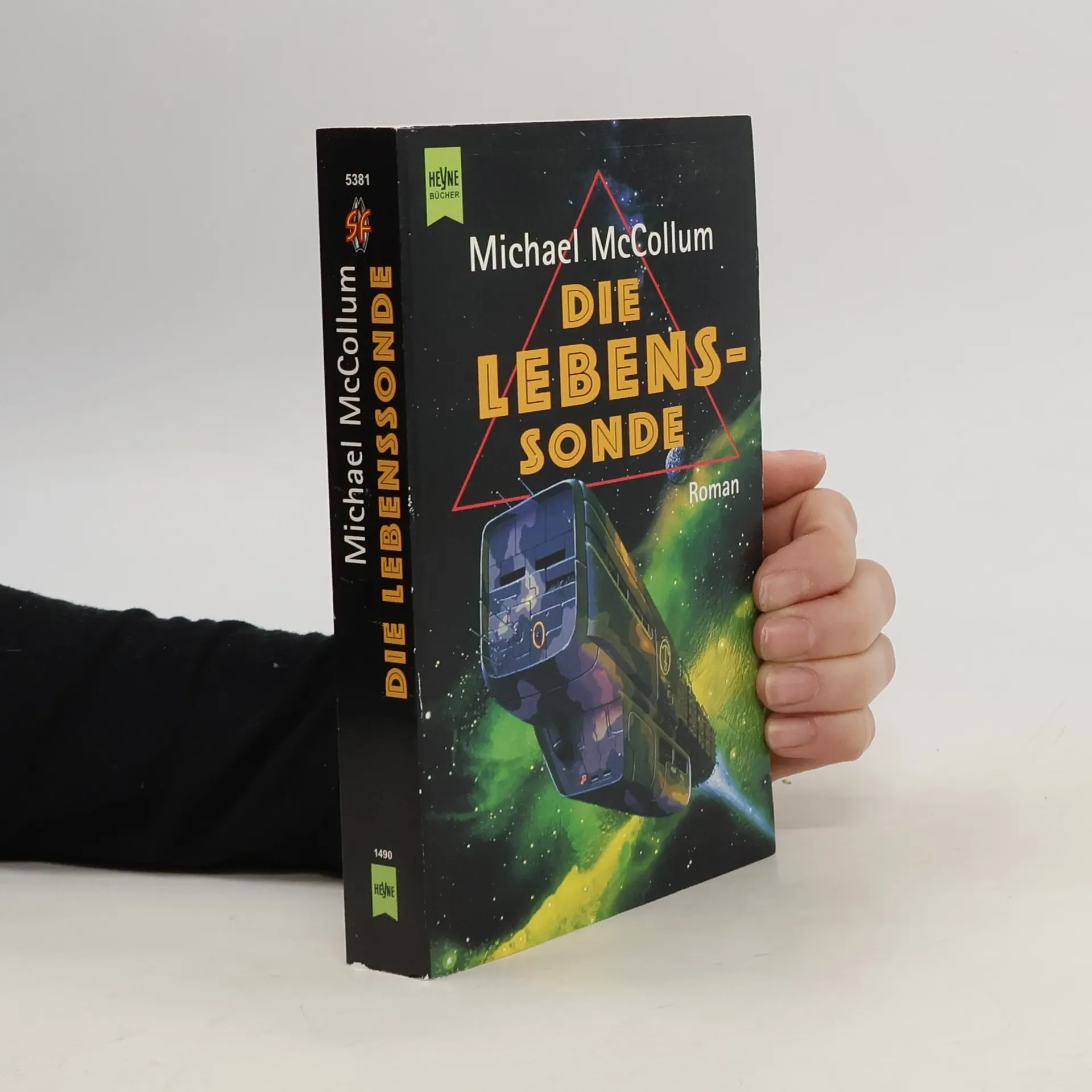
Die Makers waren schon eine uralte Rasse, bevor die Vorfahren des Menschen aufrecht gingen, aber es ist ihnen nie gelungen, einen überlichtschnellen Antrieb zu entwickeln. Deshalb senden sie automatische Späher aus, die in der Galaxis nach Leben suchen, um eventuell eine Spezies zu finden, die das Problem bereits gelöst hat. Diese Raumsonden sind vollgepackt mit Informationen einer hunderttausendjährigen technischen Zivilisation - zum Austausch gegen den Überlichtantrieb. Eine dieser Sonden erreicht nach äonenlangem Flug unser Sonnensystem und ortet intelligentes Leben Doch die Erde des 21. Jahrhunderts gleicht politisch und militärisch einem Pulverfaß - und technische Erkenntnisse der Makers könnten der entscheidende Vorteil für eine der Parteien sein. Heyne Science Fiction Deutsche Erstausgabe
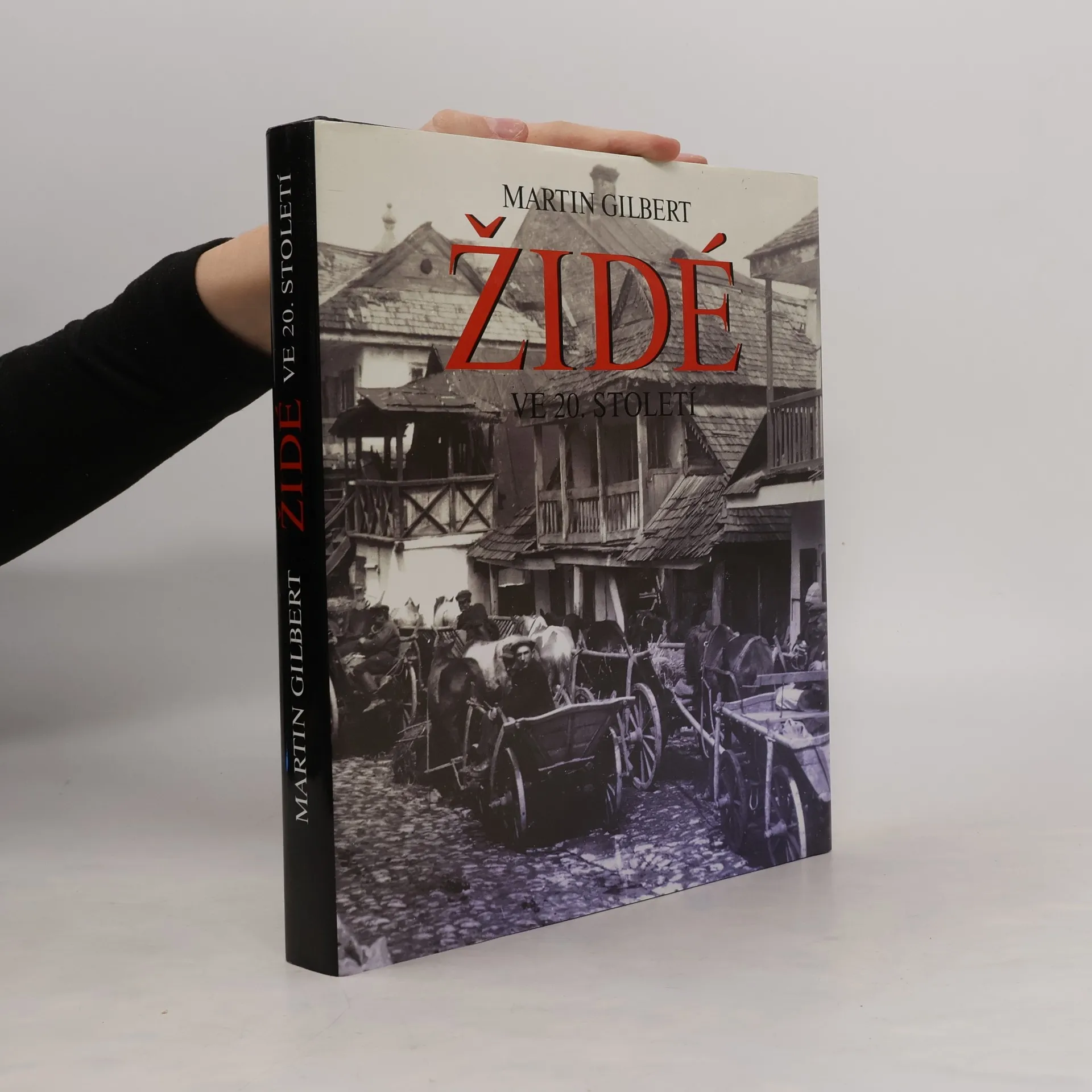
Publikace obsáhle mapuje vývoj dějin, kultury a náboženství Židů ve dvacátém století. Prostřednictvím textů doprovázených fotografiemi přibližuje autor události století, v němž stovky osobností židovského původu ovlivnily světové dění, v němž se ale také odehrál nejhrůznější masakr jedné lidské rasy v novodobých dějinách
Monografii, vykládající moderní dějiny židovského národa včetně diasporních oblastí, doprovází řada černobílých fotografií
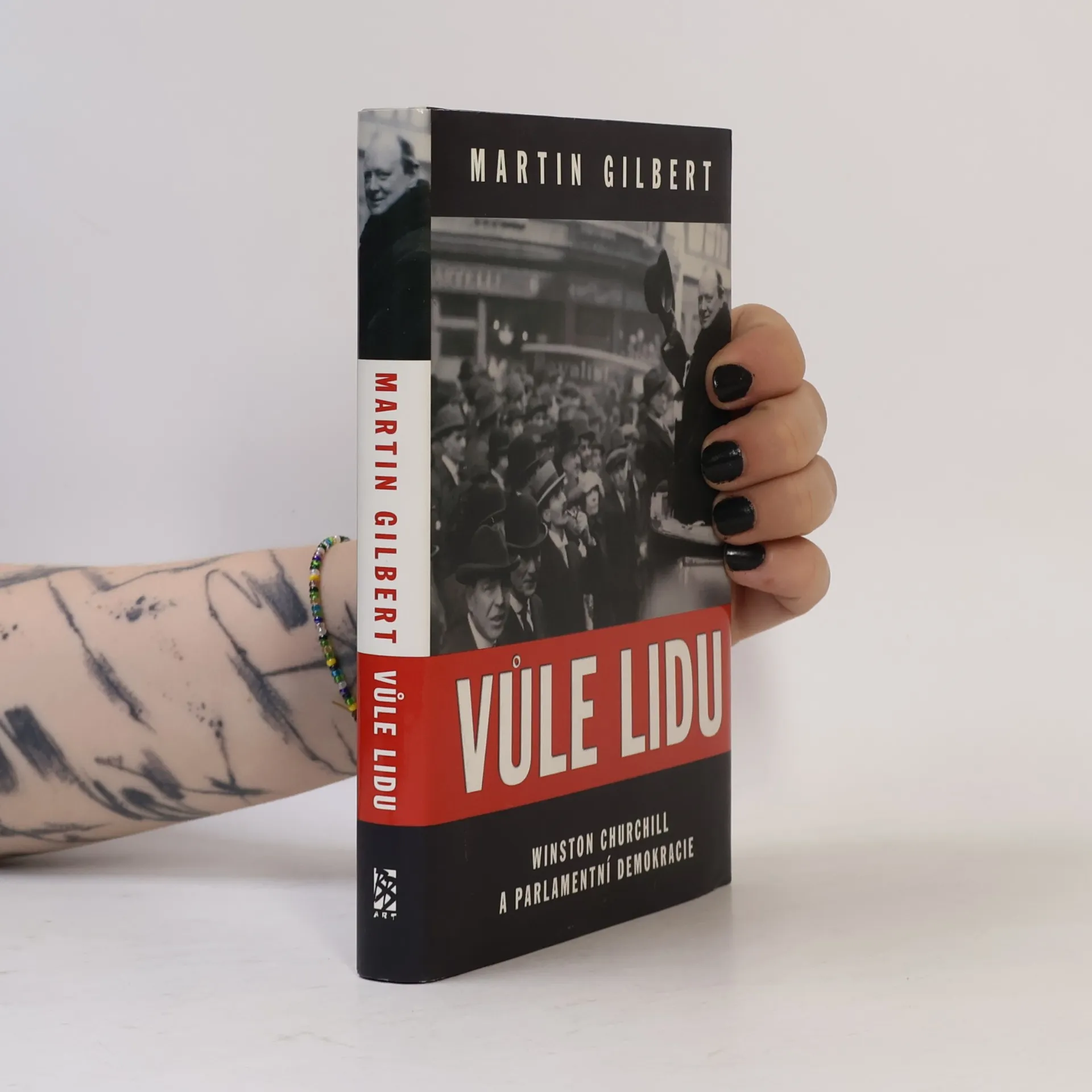
Přednáška Vůle lidu nabízí hluboký pohled na Churchillovu celoživotní oddanost parlamentní demokracii. Poprvé zvolen do parlamentu ve svých pětadvaceti letech, strávil v Dolní sněmovně dalších čtyřiašedesát let, zasvěcených intenzivním debatám a službě lidu, jehož nástrojem parlament považoval. Churchill se snažil zajistit efektivitu parlamentu a bránit jej před manipulacemi ze strany rivalů a některých poslanců. Jeho víra v parlamentní demokracii zůstala neotřesena i po porážce Konzervativní strany ve volbách 1945, kdy prohlásil: „Je to vůle lidu.“ V Dolní sněmovně vyjádřil, jak druhá světová válka sloužila k obnově demokracie, a zdůraznil význam každého jednotlivého voliče: „Svrchovaný význam této skutečnosti nemohou snížit žádné řečnické výkony ani sáhodlouhé debaty.“ Dále varoval před myšlenkou supermanů, kteří by chtěli řídit lid bez jeho účasti, což by bylo narušením demokracie.
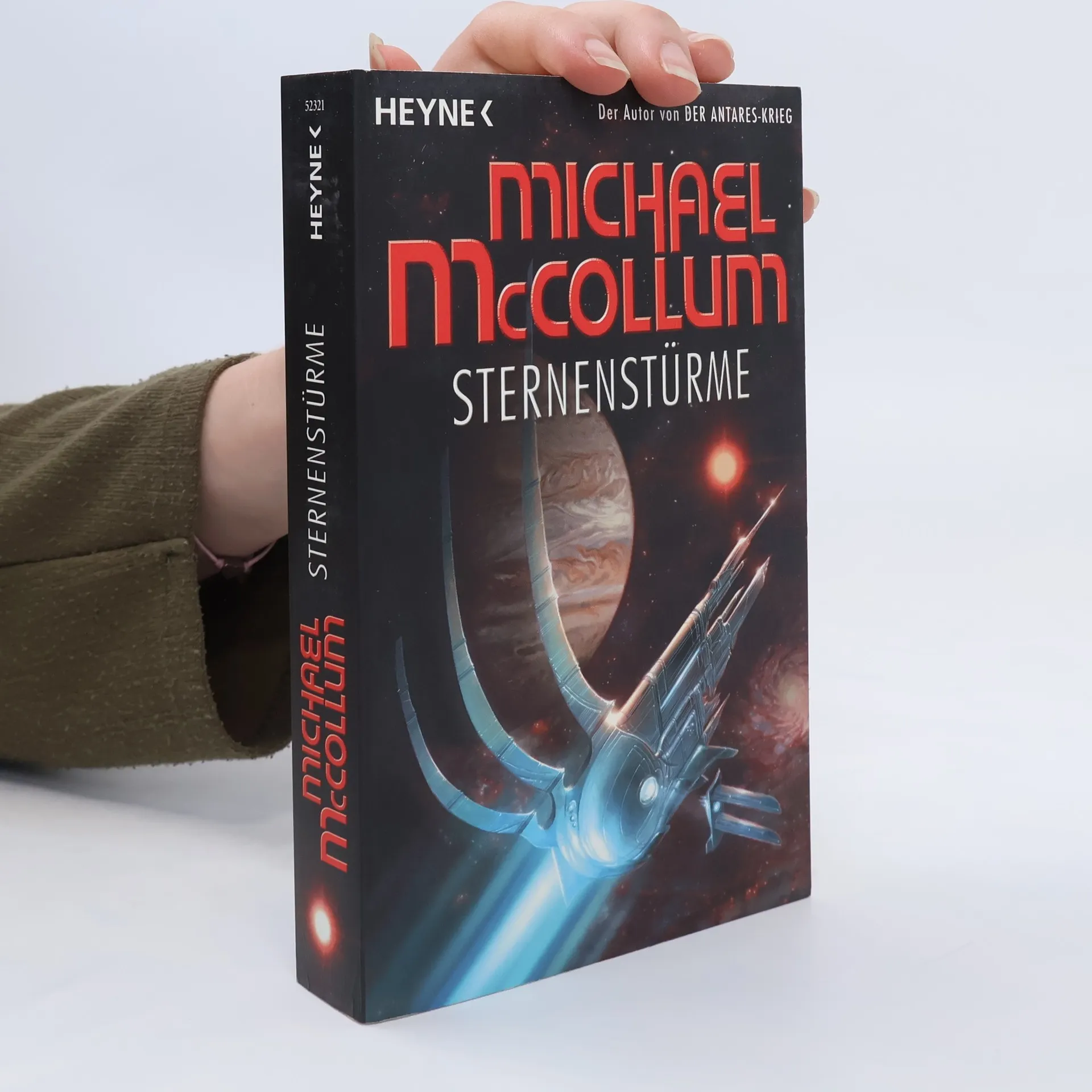
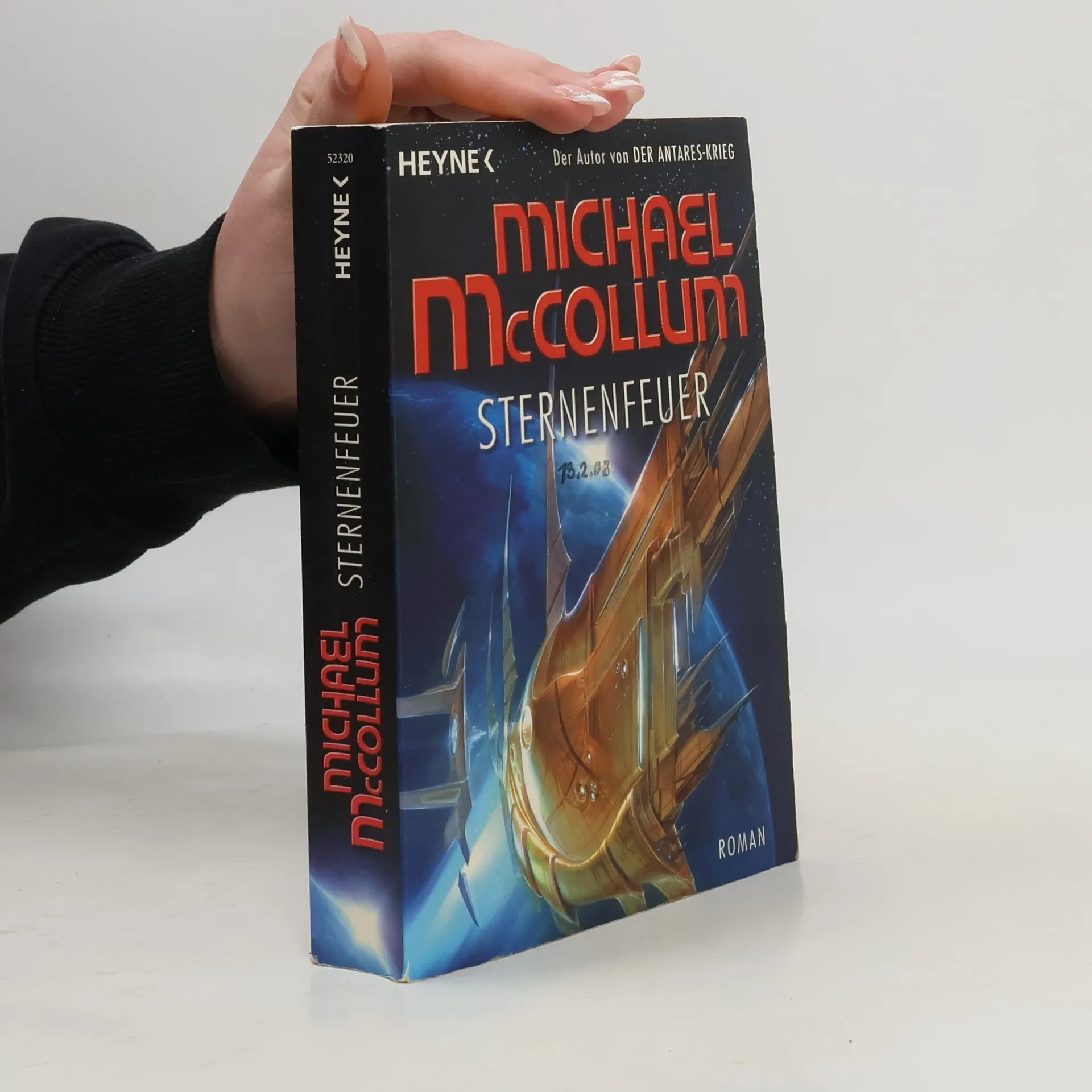
Im 24. Jahrhundert entdeckt die Menschheit beim Erforschen der Galaxis zwei Alien-Raumschiffe eines riesigen, feindlichen Sternenreichs. Michael McCollum präsentiert ein packendes Abenteuer in der Science-Fiction.
Im 24. Jahrhundert entdeckt die Menschheit bei ihren Erkundungen zwei Alien-Raumschiffe, was zu einem Gefecht führt. Nur ein Außerirdischer überlebt und berichtet von einem gewaltigen, unruhigen Sternenreich in der Nähe des Konflikts.
Atmosféra konce druhé světové války a dne vítězství ve vzpomínkách pamětníků.
Úvodní kapitoly pojednávají o situaci na frontách a na osvobozeném území od dubna do května 1945. Další jsou věnovány situaci v jednotlivých zemích (v poraženém Německu, v osvobozených zemích i v zemích vítězů). Nosnou konstrukci publikace tvoří autentické vzpomínky pamětníků nejrůznějších národností, povolání i osudů. Výsledný dojem je velmi silný.
Fueled by an insatiable curiosity, Reid Malenfant ventures to the far edge of
the solar system, where he discovers a strange artifact left behind by an
alien civilization: A gateway that functions as a kind of quantum transporter,
allowing virtually instantaneous travel over the vast distances of
interstellar space.
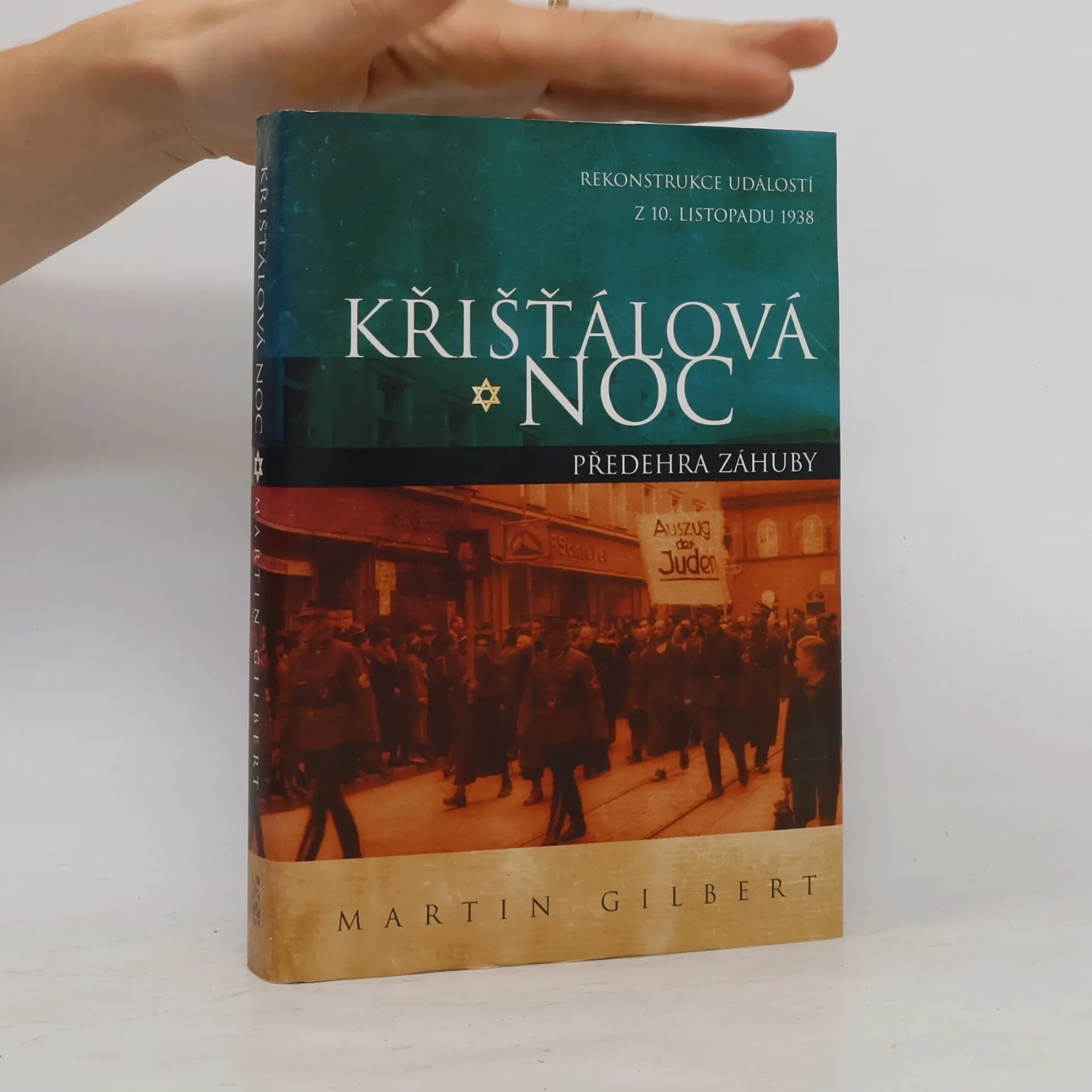
Dne 7. listopadu 1938 přišel na německé velvyslanectví v Paříži mladý Žid, rozzuřený a zoufalý kvůli vyhnání své rodiny z Německa, a pětkrát vystřelil na mladého diplomata. Tři dny poté diplomat zemřel a Německo zachvátilo obratně dirigované protižidovské násilí. V časných hodinách 10. listopadu propukly ve městech, městečcích a vesnicích Třetí říše orgie koordinovaného ničení. Důsledky tohoto strašlivého výbuchu byly pro trýzněné německé Židy katastrofální. Během Křišťálové noci, noci rozbitého, skla bylo za jedinou noc zničeno víc než tisíc synagog, vypleněny desítky tisíc židovských obchodů a bytů a přes třicet tisíc židovských mužů bylo zatčeno a umístěno do koncentračních táborů. Tato noc znamenala začátek systematického vyhlazování národa, jehož kořeny se v Německu táhly až k dobám starověkého Říma, a byla strašlivou předzvěstí holocaustu, který přišel po ní. O žádném jiném útoku na Židy za druhé světové války nenapsali tehdejší pozorovatelé tolik zpráv. Na základě osobní korespondence s více než padesáti očitými svědky a živých novinářských a diplomatických zpráv vytvořil vynikající historik Martin Gilbert pečlivě probádaný a naprosto nesmlouvavý popis noci, která předznamenala nadcházející strašnou válku, dala část podoby druhé polovině dvacátého století a nepřestává nás znepokojovat ani po sedmdesáti letech.
The Firstborn, a mysterious alien race first introduced in 2001: A Space Odyssey, have long been a part of Sir Arthur C. Clarke’s science fiction legacy. In the Time Odyssey series, co-authored with Stephen Baxter, they seek to halt human progress using technology akin to magic. Their initial act, the Discontinuity, transformed Earth into Mir, a patchwork world featuring figures like Alexander the Great and Genghis Khan. Bisesa Dutt, a UN peacekeeper, communicates with an alien artifact of immense power, which ultimately returns her to Earth. She becomes crucial in humanity's struggle against a doomsday solar storm orchestrated by the Firstborn, aimed at wiping out all life. This catastrophe is narrowly averted, but at a great cost. Twenty-seven years later, the Firstborn return with a "quantum bomb," an incomprehensible device that threatens to annihilate Earth. Bisesa embarks on a desperate quest for answers, traveling to Mars and then back to Mir, which faces its own extinction. As the situation grows dire, new revelations about the Firstborn's intentions emerge, and an unexpected ally arrives from light-years away, offering a glimmer of hope in a seemingly hopeless scenario.
Concluding the epic Manifold series that began with TIME and continued with SPACE: the adventures of the maverick astronaut Reid Malenfant bring him at last to the beginning of everything.
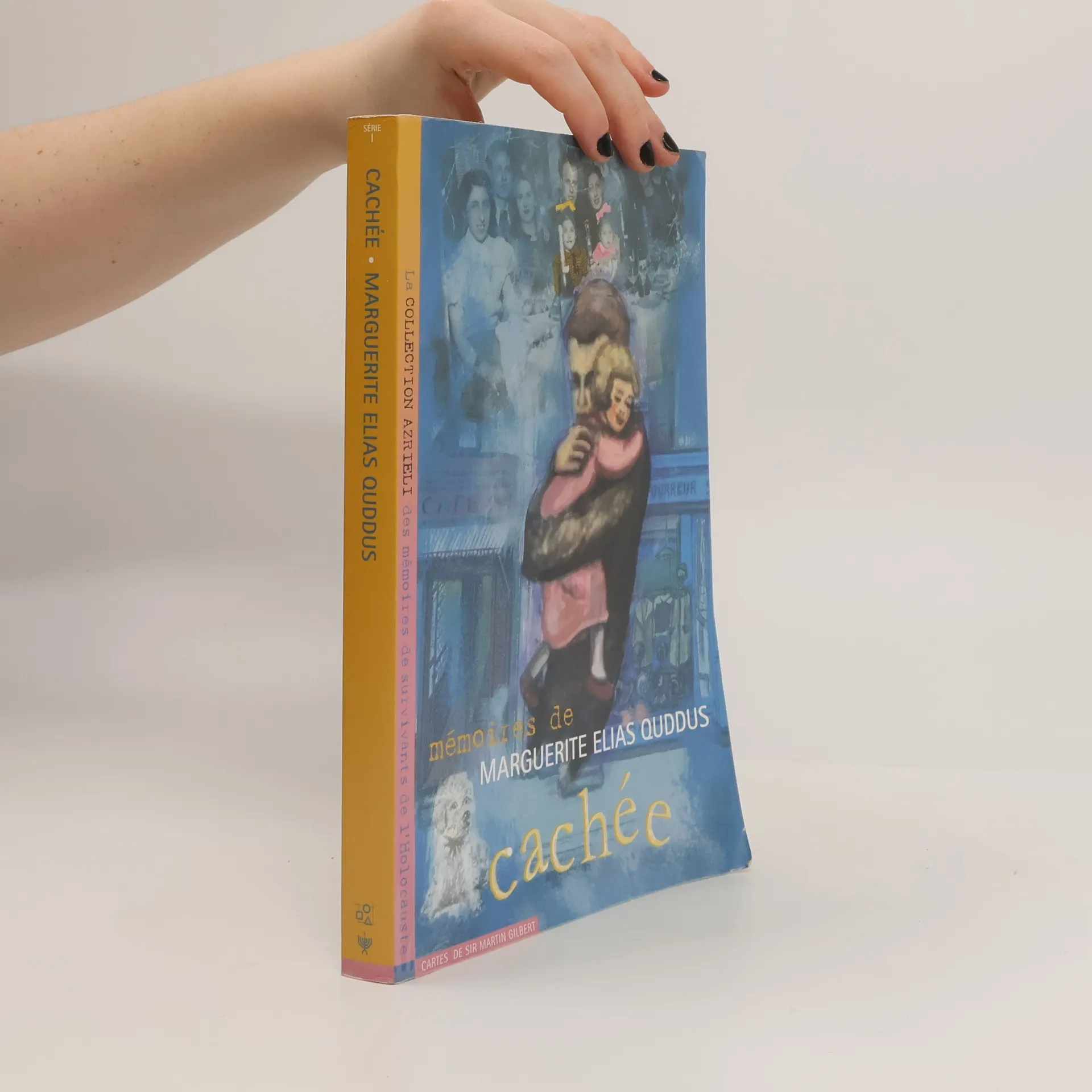
Je suis prête mais écrasée de tristesse. Maman nous enlace et nous embrasse. « Au revoir mes enfants ! Quand vous partez, ne vous retournez pas… »Avec ces derniers mots de leur mère, deux petites filles, Marguerite et sa sœur aînée, vont commencer une longue errance qui durera près de trois ans. Munies d’une nouvelle identité, elles doivent se couper de tout ce qui constitue leur univers familier. Menées de fermes en couvent, elles apprennent à se taire, à faire semblant, à mentir, à s’adapter et surtout à garder espoir, envers et contre tout. Le lecteur est ému par la voix de la fillette que Marguerite était à l’époque et qui résonne dans la simplicité du texte. Les illustrations donnent à voir, via une série de tableaux pénétrants et évocateurs et à travers ses yeux d’enfant, le parcours qui fut le sien, celui d’une petite fille juive obligée de vivre cachée dans la France occupée.
Martin Gilbert präsentiert in diesem zweiten Band seiner sechsteiligen Reihe eine fesselnde Geschichte des 20. Jahrhunderts, die von 1918 bis 1933 reicht. Er verbindet bedeutende politische Ereignisse mit Alltagsgeschehen und kulturellen Entwicklungen, und bietet ein präzises, spannendes Porträt der Zeit zwischen den Weltkriegen.
Martin Gilbert, ein renommierter Historiker, beginnt mit diesem ersten Band ein umfassendes Panorama des 20. Jahrhunderts. Er betrachtet Geschichte als Weltgeschichte und beleuchtet besonders die Perspektive des sogenannten kleinen Mannes, der laut Winston Churchill am meisten gelitten hat.
die Geschichte von 732 jungen Holocaust-Überlebenden
559pagine
20 ore di lettura
Im Sommer 1945 nimmt die britische Regierung Kinder und Jugendliche auf, die den Holocaust überlebt haben. In den folgenden Monaten werden 732 Waisen nach Großbritannien ausgeflogen und bilden unter dem Namen The Boys ein Netzwerk, das ihnen hilft, den Verlust von Familie und Heimat zu bewältigen und ein neues Leben aufzubauen. Diese Jugendlichen haben nicht nur schwere Traumatisierungen erlitten, sondern kämpfen auch mit den körperlichen Folgen der brutalen Ausbeutung in Konzentrations- und Zwangsarbeitslagern. Martin Gilbert hat ihre Erlebnisberichte zu einer Kollektivbiografie verdichtet, die mit der Kindheit in Schtetl und Großstädten wie Warschau und Lodz beginnt. Der deutsche Überfall auf Polen 1939 bringt für die jüdische Bevölkerung eine Katastrophe: Mordaktionen der Wehrmacht, Terror der SS, Ghettos, Deportationen und Todesmärsche prägen ihre Erlebnisse. Die Befreiung durch die Alliierten erleben die unterernährten und oft kranken Jugendlichen als Rettung in letzter Minute. Es folgt die meist vergebliche Suche nach überlebenden Familienangehörigen und der Versuch, in die Heimat zurückzukehren. Das Angebot der britischen Regierung und die Unterstützung britisch-jüdischer Organisationen geben neue Hoffnung. Für die Boys ist es bis heute wichtig, zusammenzuhalten und einander zu helfen – wie in einer großen Familie.
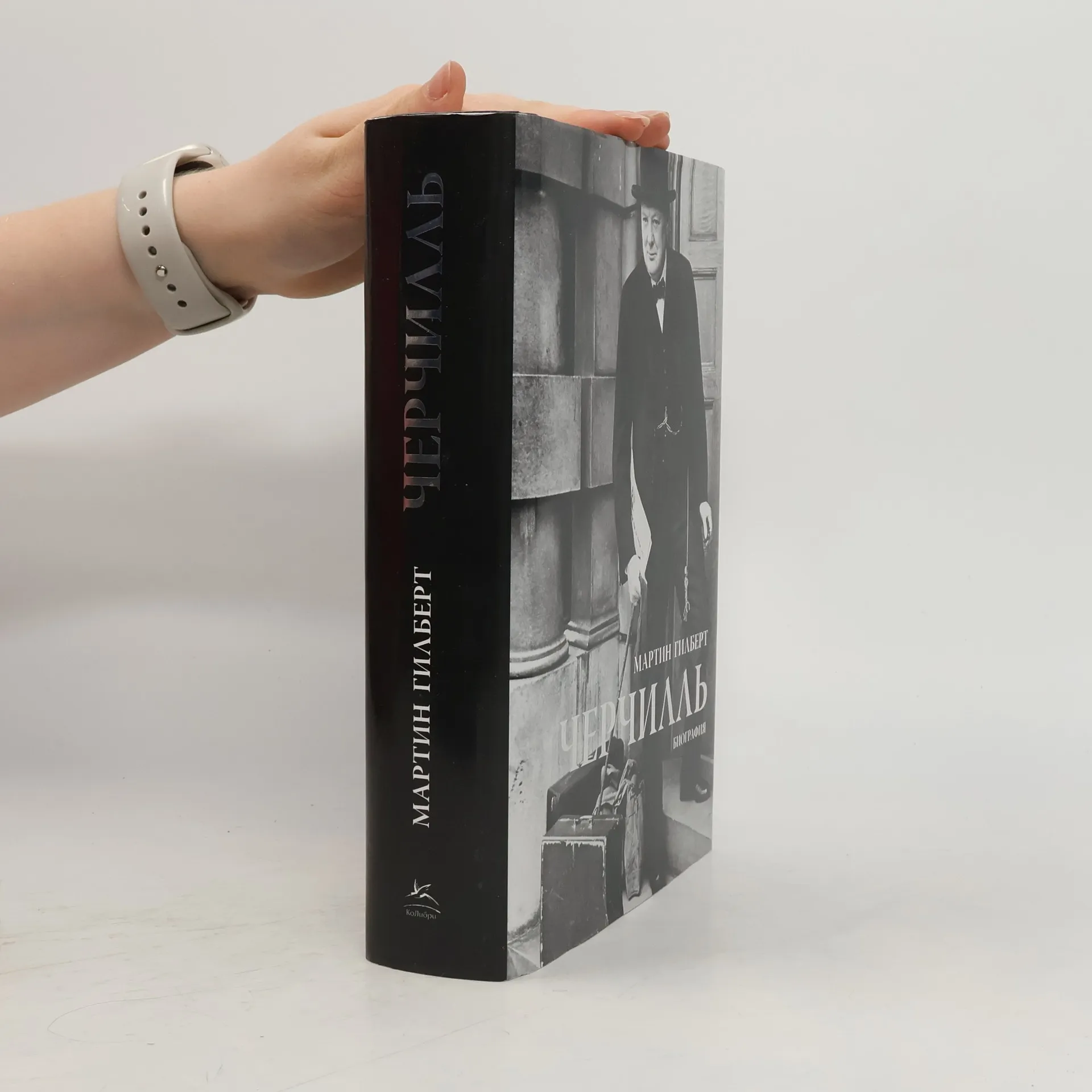
«Черчилль» Мартина Гилберта представляет собой ценный исторический труд и увлекательное повествование о жизни Уинстона Черчилля. Книга охватывает его детство, борьбу и неудачи, триумфы и поражения, а также волнения личной жизни. Гилберт рисует живой портрет Черчилля, опираясь на его личную переписку, воспоминания современников – коллег, друзей и противников. Читатель погружается в контекст значительных политических событий XX века, включая две мировые войны и холодную войну. Автор ставит перед собой цель представить полную картину политической и частной жизни Черчилля, предлагая сбалансированную оценку его мыслей, поступков и достижений, опровергая существующие недоразумения. Благодаря обширным архивным материалам, Гилберт предлагает фактическое собрание событий, связанных с Черчиллем, раскрывая его истинные намерения и действия, а также его собственные слова и аргументы.
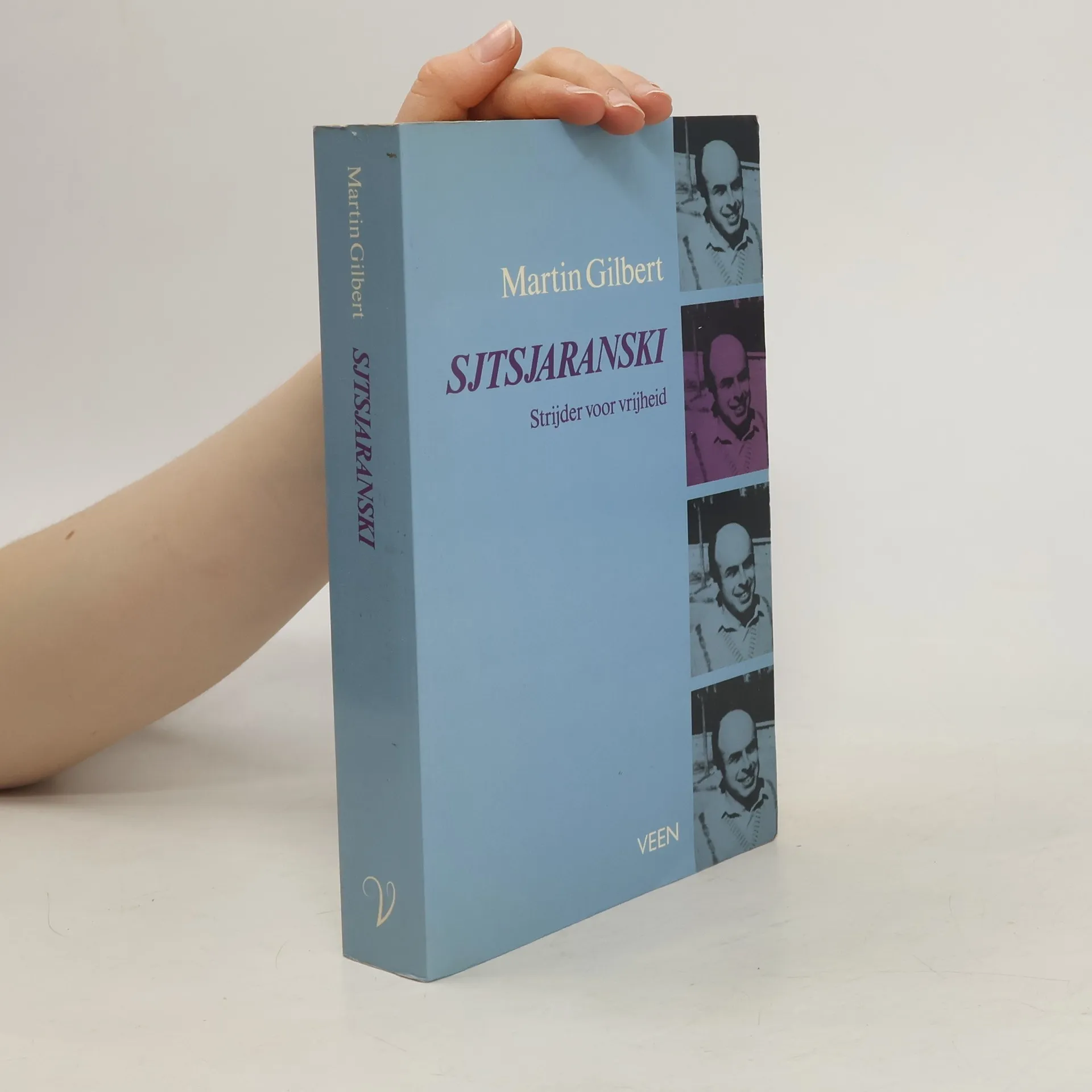
Biografie van de joods-Russische computerdeskundige Anatolij Borisovič Ščaranskij (1948- ), strijder voor de mensenrechten, die na negen jaar gevangenschap in 1986 toestemming kreeg om naar Israël te emigeren.