

10 libri per 10 euro qui
Bookbot

Ken Saro Wiwa

    10 ottobre 1941 – 10 novembre 1995

    Ken Saro-Wiwa fu uno scrittore e attivista ambientale nigeriano che divenne la voce del suo popolo nella lotta contro la devastazione ambientale del delta del Niger. Attraverso la sua scrittura e il suo instancabile attivismo, denunciò la rovina della terra natale Ogoni, devastata dall'estrazione petrolifera e dallo sconsiderato scarico di rifiuti. Fu testimone della distruzione della terra e delle acque del suo popolo da parte di multinazionali e di un governo complice, eppure rimase fermo. La sua incrollabile campagna per la sopravvivenza del popolo Ogoni fu infine messa a tacere dalla sua esecuzione, che suscitò l'indignazione internazionale e attirò l'attenzione globale sulla sua causa.

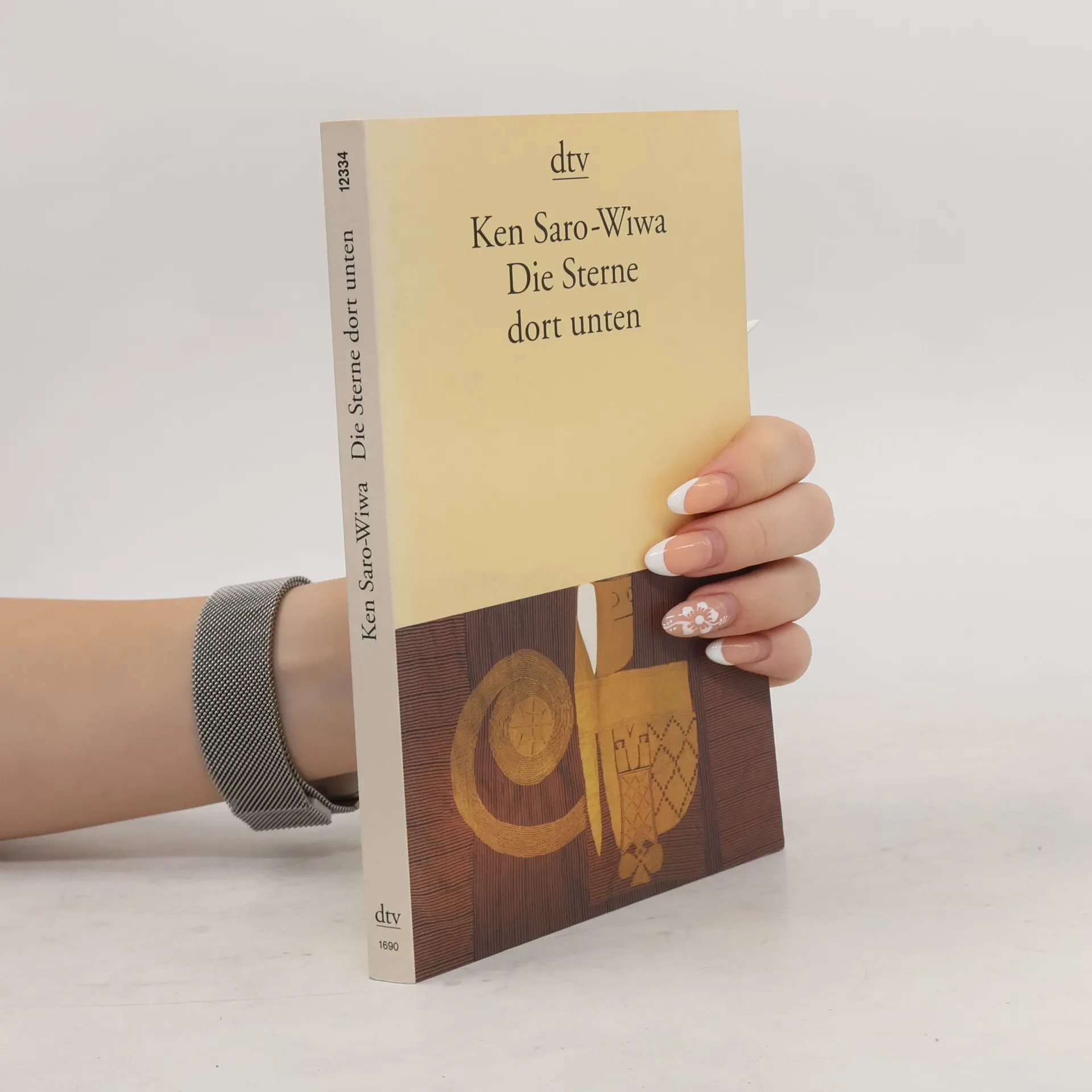
    Die Sterne dort unten
    Black Ghosts
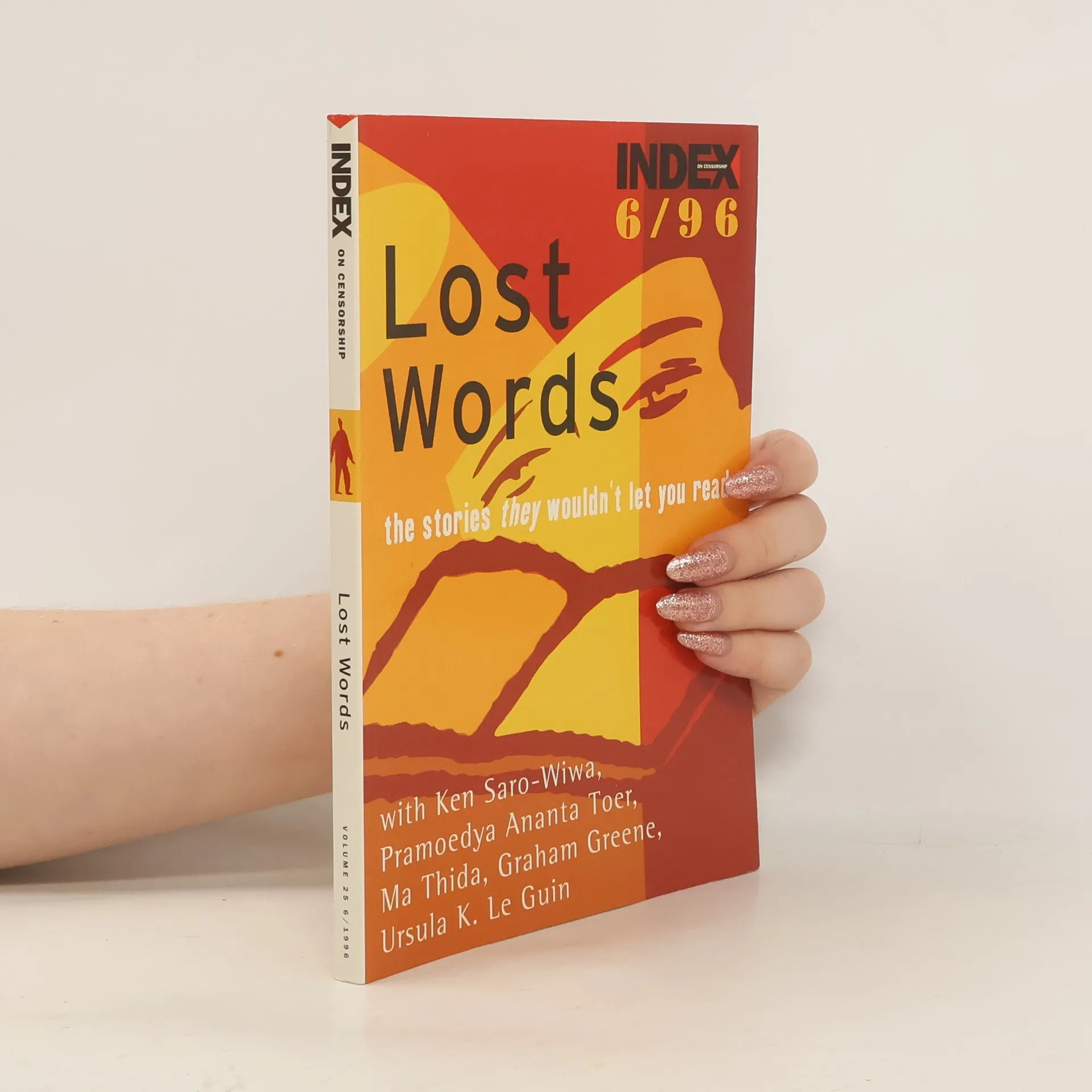
    Index on Censorship - 25: Lost Words
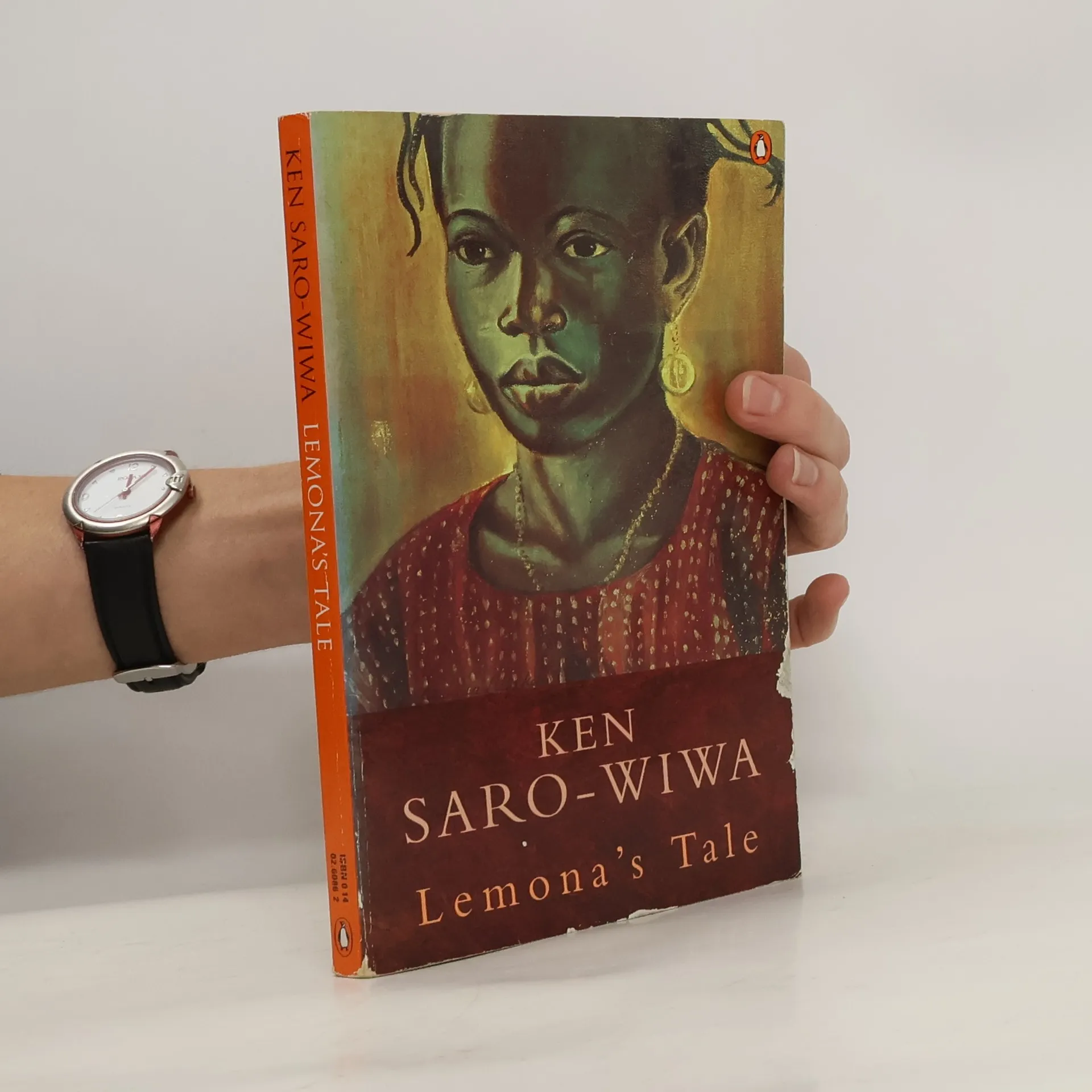
    Lemona's Tale
    A Month and a Day
    Sozaboy
    • Anni Sessanta. La Nigeria orientale tenta la secessione dalla Federazione, combattendo quella che venne chiamata Guerra del Biafra. Il giovane Mene, la voce narrante, proviene dal villaggio di Dukana, nel delta del fiume Niger, dove vive con la madre e dove ha un lavoro come aiutante autista di autobus e una graziosa fidanzata. Quando dai disordini si passa alla guerra vera e propria, Mene si fa ingenuamente assoldare nelle file di un esercito. Diventerà Sozaboy, ritrovandosi a far parte di un gioco più grande di lui, di cui gli sfuggirà completamente il senso

      Sozaboy
    • A Month and a Day

      • 256pagine
      • 9 ore di lettura

      Ken Saro-Wiwa was the man who gave voice to the campaign for basic human and political rights for the Ogoni people. It was fear of his success that made him the target of the despotic Nigerian military regime. This book is an account of his arrest and the harrowing experience that followed.

      A Month and a Day
    • Lemona's Tale

      • 160pagine
      • 6 ore di lettura

      For a quarter of a century, Lemona has been held in a Nigerian prison, her crimes reflecting her passion and despair, her silence masking the truth. On the last day of her life she is visited by Ola, whose parents Lemona killed. To this woman Lemona recounts the events of her upbringing in poverty, the kindness of friends who took her in, and the abuse, corruption and betrayal by men which led to her downfall. though she is awaiting execution, Lemona's desire to understand the forces that shaped her life resonates throughout her story, leading Ola towards a new interpretation of her own history. -- Publisher description

      Lemona's Tale
    • Index on Censorship - 25: Lost Words

      The Stories They Wouldn't Let You Read

      • 192pagine
      • 7 ore di lettura

      This collection of fiction from around the world is concerned with censorship taboos and includes work from writers who remain censored, exiled or imprisoned. It includes writing by Willaim Trevor, Ken Saro-Wiwa, Aicha Lemsing and Breyten Breytenbach.

      Index on Censorship - 25: Lost Words
    • The travel memoir of a Nigerian woman in China exploring the intersections and divides between the two cultures and the lives of African economic migrants in the bustling People's Republic China today is both a land of opportunity for Africans, South Americans and other non-Westerners blocked from commerce with most of Europe and Northern America, and an intersection of racism and prejudice. Noo Saro-Wiwa goes in search of China's 'Black Ghosts', African economic migrants in the People's Republic, who live in separate communities and are vigorously involved in the trade between the continents. Her fascinating encounters include a Ghanaian cardiac surgeon, a drug dealer, a visa overstayer, a Nigerian popstar who sings in Chinese and men married to Chinese women who speak English with Nigerian accents.

      Black Ghosts
    • Die Sterne dort unten

      • 215pagine
      • 8 ore di lettura

      Geschichten von Nigeria: voll Wärme und Komik, witzig und trotzdem unerbittlich. Ken Saro-Wiwa schildert mit liebevoller Betroffenheit das Leben in Nigeria und auch, wie ein ganzes Land unter einem unfähigen Beamtentum, durch unternehmerische Willkür und Rückständigkeit in den Ruin getrieben wird. Die Kluft zwischen dem ländlichen Bereich, wo man kaum etwas von technischem und zivilisatorischem Fortschritt ahnt, und den Städten, in denen das Leben schnell und hart ist, wird immer größer. Und aus den Ölfeldern sickern unentwegt die Mittel, die Korruption und Verbrechen noch reibungsloser funktionieren lassen... .

      Die Sterne dort unten