




Maggiori informazioni sul libro
Finding an ophthalmic surgeon who works without viscoelastics is rare, as these substances have significantly expanded the field of ophthalmic surgery in recent years. Many procedures have become safer and simpler, while others have only been possible due to the advent of viscoelastics. Notably, cataract surgery and intraocular lens implantation have greatly benefited, allowing for more reliable placement into the capsular bag without risking damage to the posterior capsule. The use of viscoelastics makes the implantation of foldable lenses feasible. Additionally, they are essential for various surgical maneuvers that require maintaining the anterior chamber, protecting the corneal endothelium, and manipulating delicate tissues. For instance, corneal transplants can be sutured securely into the recipient corneal ring with the aid of viscoelastics. Their significance extends to glaucoma surgery as well, where they are utilized in procedures like trabeculectomy and deep sclerectomy with viscocanalostomy. However, selecting the appropriate viscoelastic for specific applications requires a thorough understanding of their physicochemical properties and the results of objective investigations, paralleling the necessity of pharmacological knowledge for the effective use of medications.
Acquisto del libro
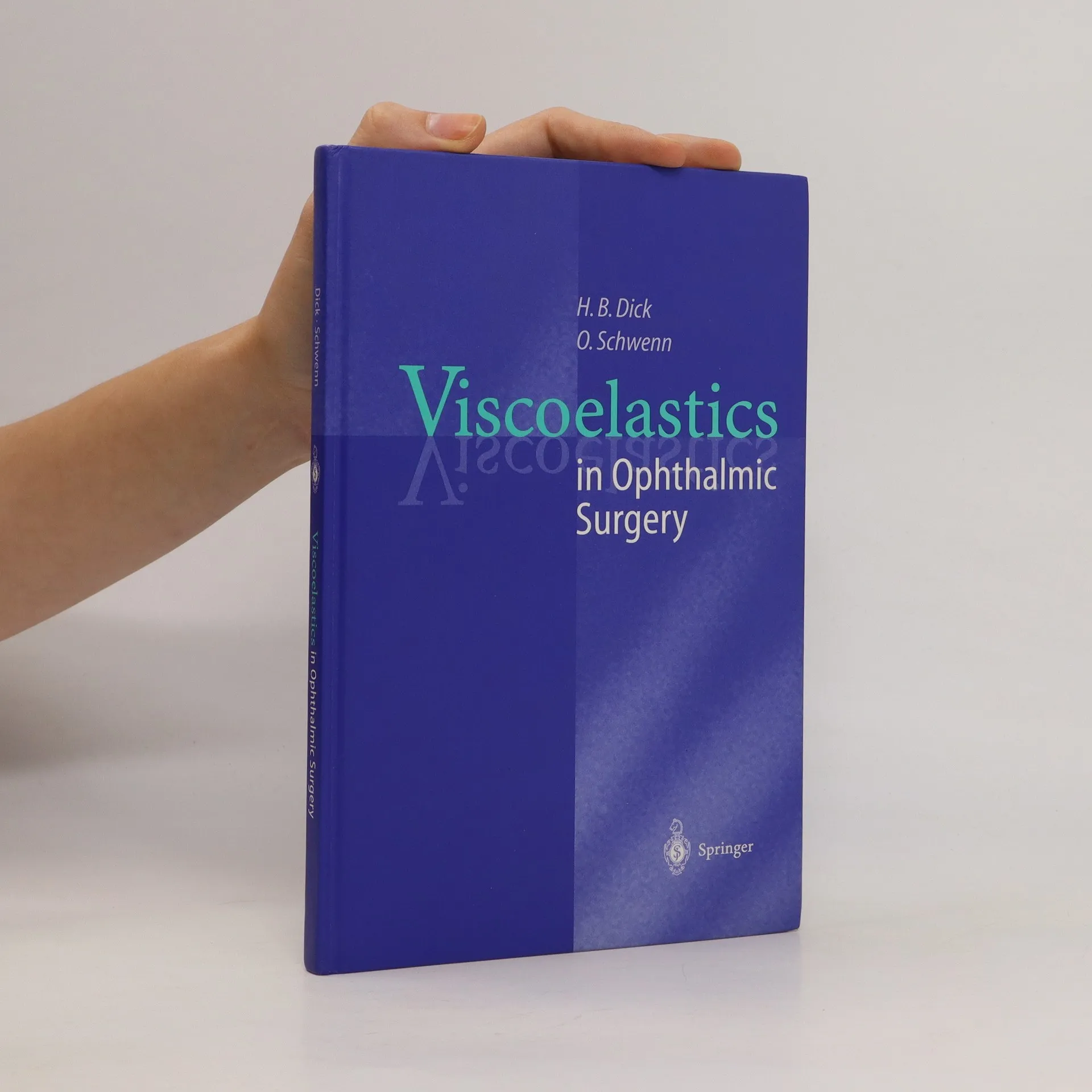
Viscoelastics in ophthalmic surgery, Burkhard Dick
- Lingua

- Pubblicato
- 2000
- Rilegatura
- (Copertina rigida)
Metodi di pagamento
Ancora nessuna valutazione.
- Titolo
- Viscoelastics in ophthalmic surgery
- Lingua
- Inglese
- Autori
- Burkhard Dick
- Editore
- Springer
- Pubblicato
- 2000
- Formato
- Copertina rigida
- Pagine
- 152
- ISBN10
- 354067330X
- ISBN13
- 9783540673309
- Serie
- Categoria
- Descrizione
- Finding an ophthalmic surgeon who works without viscoelastics is rare, as these substances have significantly expanded the field of ophthalmic surgery in recent years. Many procedures have become safer and simpler, while others have only been possible due to the advent of viscoelastics. Notably, cataract surgery and intraocular lens implantation have greatly benefited, allowing for more reliable placement into the capsular bag without risking damage to the posterior capsule. The use of viscoelastics makes the implantation of foldable lenses feasible. Additionally, they are essential for various surgical maneuvers that require maintaining the anterior chamber, protecting the corneal endothelium, and manipulating delicate tissues. For instance, corneal transplants can be sutured securely into the recipient corneal ring with the aid of viscoelastics. Their significance extends to glaucoma surgery as well, where they are utilized in procedures like trabeculectomy and deep sclerectomy with viscocanalostomy. However, selecting the appropriate viscoelastic for specific applications requires a thorough understanding of their physicochemical properties and the results of objective investigations, paralleling the necessity of pharmacological knowledge for the effective use of medications.