

Maggiori informazioni sul libro
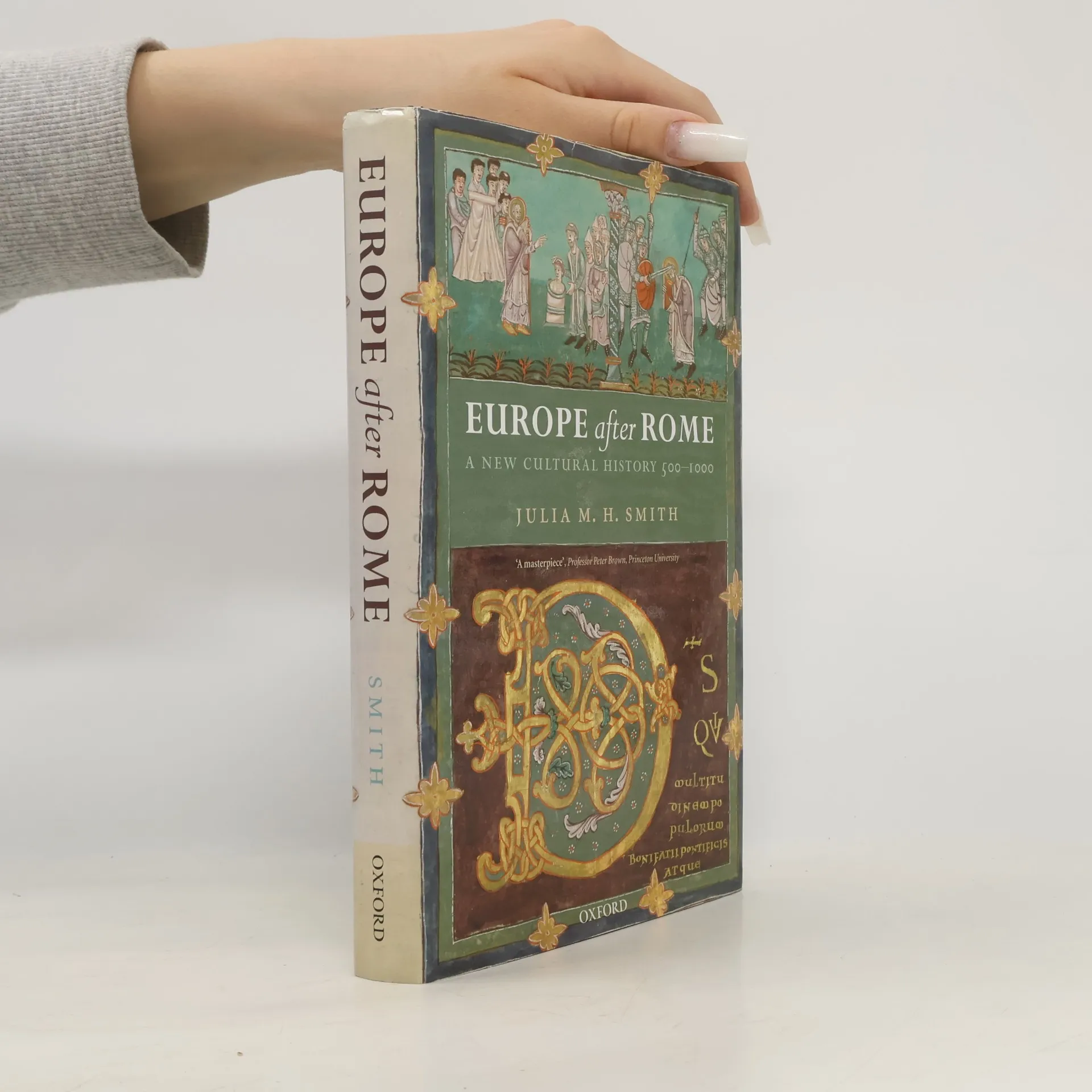
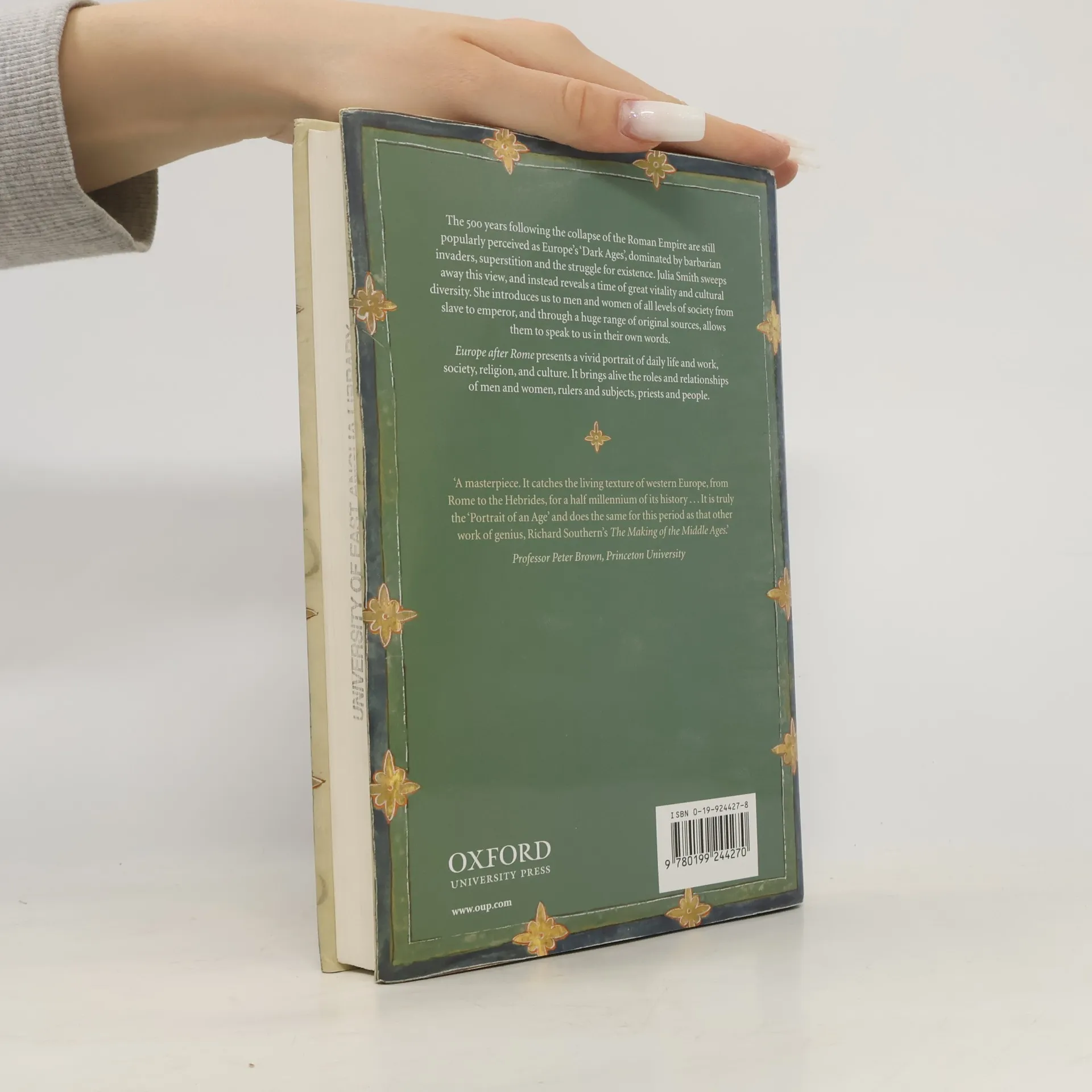
This is the first single-author study in over fifty years to offer an integrated appraisal of the early Middle Ages as a dynamic and formative period in European history. Written in an attractive and accessible style, it makes extensive use of original sources to introduce early medieval menand women at all levels of society from slave to emperor, and allows them to speak to the reader in their own words. It overturns traditional narratives and instead offers an entirely fresh approach to the centuries from c.500 to c.1000. Rejecting any notion of a dominant, uniform early medievalculture, it argues that the fundamental characteristic of the early middle ages is diversity of experience. To explain how the men and women who lived in this period ordered their world in cultural, social, and political terms, it employs an innovative methodology combining cultural history,regional studies, and gender history. Ranging comparatively from Ireland to Hungary and from Scotland and Scandinavia to Spain and Italy, the analysis highlights three regional variation, power, and the legacy of Rome.In the context of debates about the social, religious and cultural meaning of 'Europe' in the early twenty-first century, this books seeks the origins of European cultural pluralism and diversity in the early Middle Ages.


Acquisto del libro
Europe After Rome, Julia M. H. Smith
- Lingua

- Pubblicato
- 2005
- Rilegatura
- (Copertina rigida),
- Condizioni del libro
- Danneggiato
- Prezzo
- 6,48 €
Metodi di pagamento
Qui potrebbe esserci la tua recensione.
- Titolo
- Europe After Rome
- Sottotitolo
- A New Cultural History 500-1000
- Lingua
- Inglese
- Autori
- Julia M. H. Smith
- Editore
- Oxford University Press
- Pubblicato
- 2005
- Formato
- Copertina rigida
- Pagine
- 400
- ISBN10
- 0199244278
- ISBN13
- 9780199244270
- Serie
- Categoria
- Valutazione
- 3,7 su 5
- Descrizione
- This is the first single-author study in over fifty years to offer an integrated appraisal of the early Middle Ages as a dynamic and formative period in European history. Written in an attractive and accessible style, it makes extensive use of original sources to introduce early medieval menand women at all levels of society from slave to emperor, and allows them to speak to the reader in their own words. It overturns traditional narratives and instead offers an entirely fresh approach to the centuries from c.500 to c.1000. Rejecting any notion of a dominant, uniform early medievalculture, it argues that the fundamental characteristic of the early middle ages is diversity of experience. To explain how the men and women who lived in this period ordered their world in cultural, social, and political terms, it employs an innovative methodology combining cultural history,regional studies, and gender history. Ranging comparatively from Ireland to Hungary and from Scotland and Scandinavia to Spain and Italy, the analysis highlights three regional variation, power, and the legacy of Rome.In the context of debates about the social, religious and cultural meaning of 'Europe' in the early twenty-first century, this books seeks the origins of European cultural pluralism and diversity in the early Middle Ages.