

Maggiori informazioni sul libro
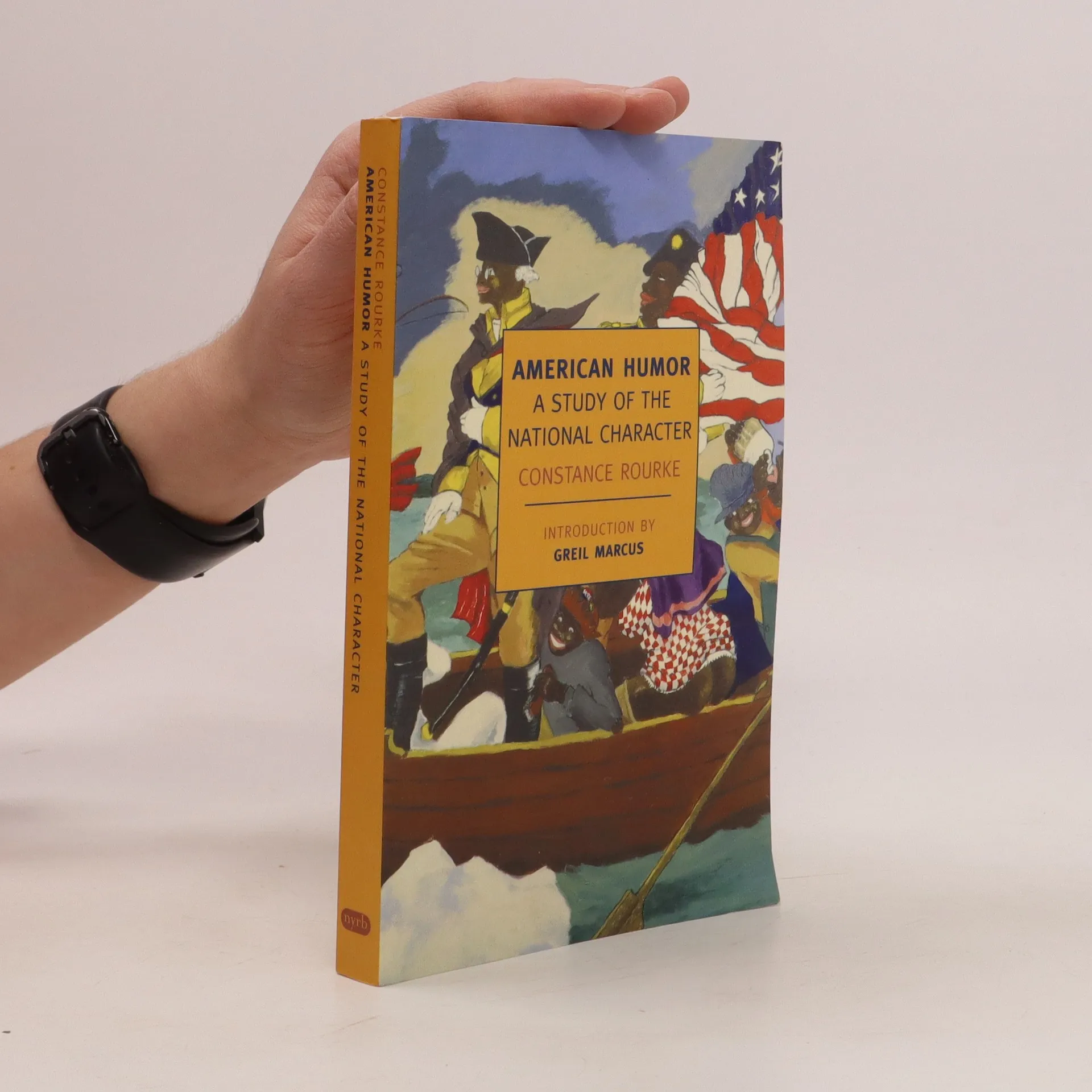
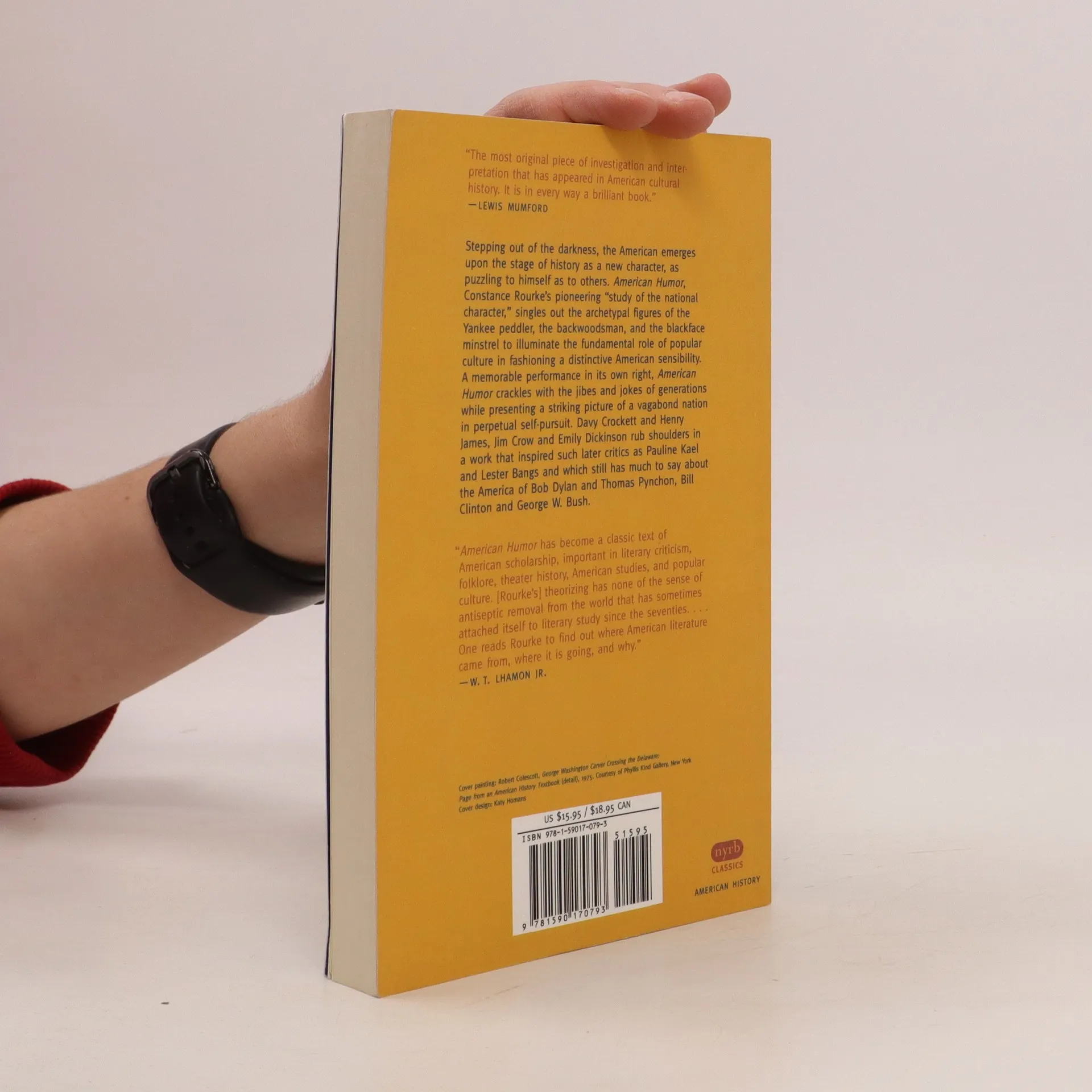
Stepping out of the darkness, the American emerges upon the stage of history as a new character, as puzzling to himself as to others. American Humor , Constance Rourke's pioneering "study of the national character," singles out the archetypal figures of the Yankee peddler, the backwoodsman, and the blackface minstrel to illuminate the fundamental role of popular culture in fashioning a distinctive American sensibility. A memorable performance in its own right, American Humor crackles with the jibes and jokes of generations while presenting a striking picture of a vagabond nation in perpetual self-pursuit. Davy Crockett and Henry James, Jim Crow and Emily Dickinson rub shoulders in a work that inspired such later critics as Pauline Kael and Lester Bangs and which still has much to say about the America of Bob Dylan and Thomas Pynchon, Bill Clinton and George W. Bush.
Acquisto del libro
American Humor. A Study of the National Character, Constance Rourke
- Lingua

- Pubblicato
- 2004
- Rilegatura
- (In brossura)
Metodi di pagamento
Qui potrebbe esserci la tua recensione.
- Titolo
- American Humor. A Study of the National Character
- Lingua
- Inglese
- Autori
- Constance Rourke
- Pubblicato
- 2004
- Formato
- In brossura
- ISBN10
- 1590170792
- ISBN13
- 9781590170793
- Serie
- Valutazione
- 3,75 su 5
- Descrizione
- Stepping out of the darkness, the American emerges upon the stage of history as a new character, as puzzling to himself as to others. American Humor , Constance Rourke's pioneering "study of the national character," singles out the archetypal figures of the Yankee peddler, the backwoodsman, and the blackface minstrel to illuminate the fundamental role of popular culture in fashioning a distinctive American sensibility. A memorable performance in its own right, American Humor crackles with the jibes and jokes of generations while presenting a striking picture of a vagabond nation in perpetual self-pursuit. Davy Crockett and Henry James, Jim Crow and Emily Dickinson rub shoulders in a work that inspired such later critics as Pauline Kael and Lester Bangs and which still has much to say about the America of Bob Dylan and Thomas Pynchon, Bill Clinton and George W. Bush.