

Maggiori informazioni sul libro
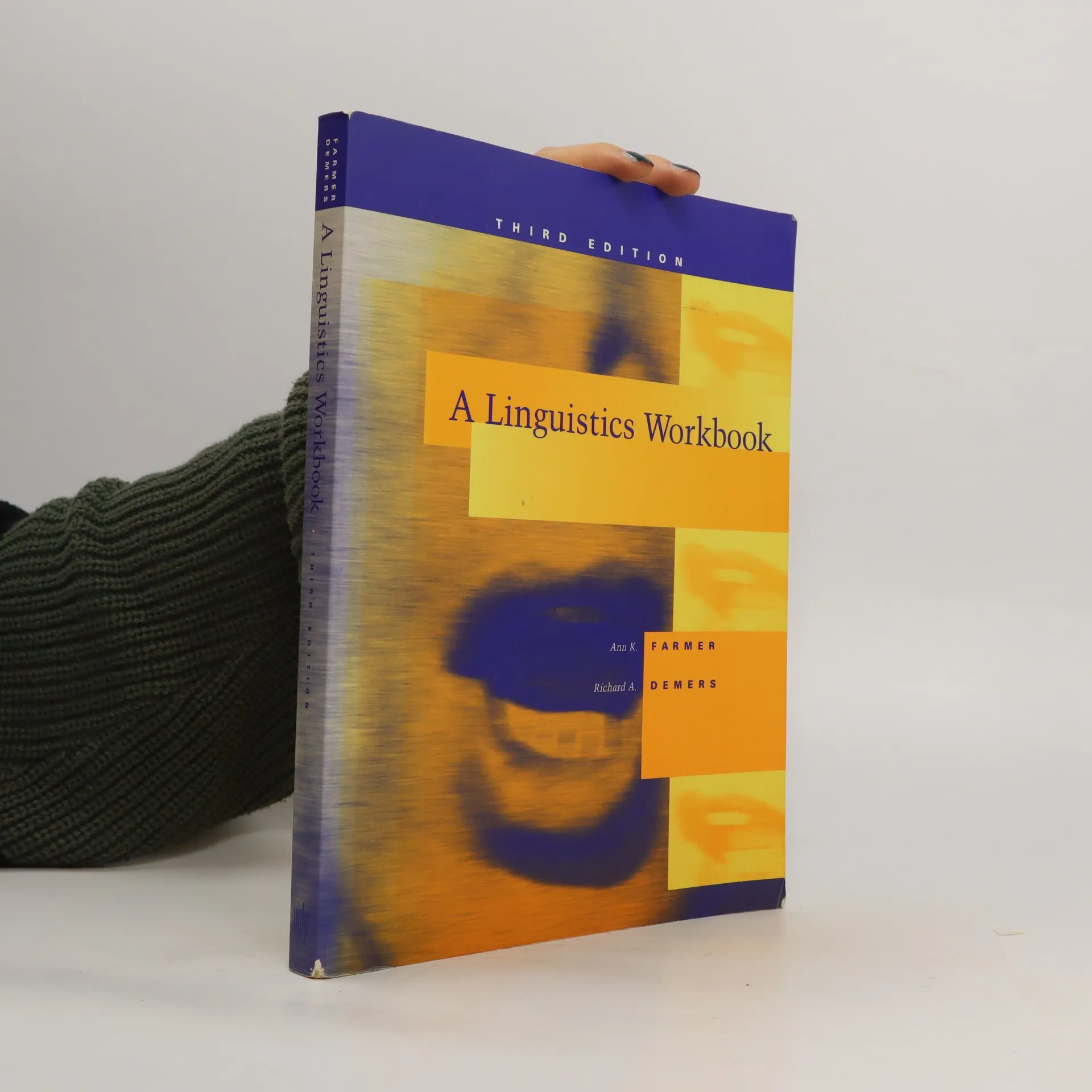
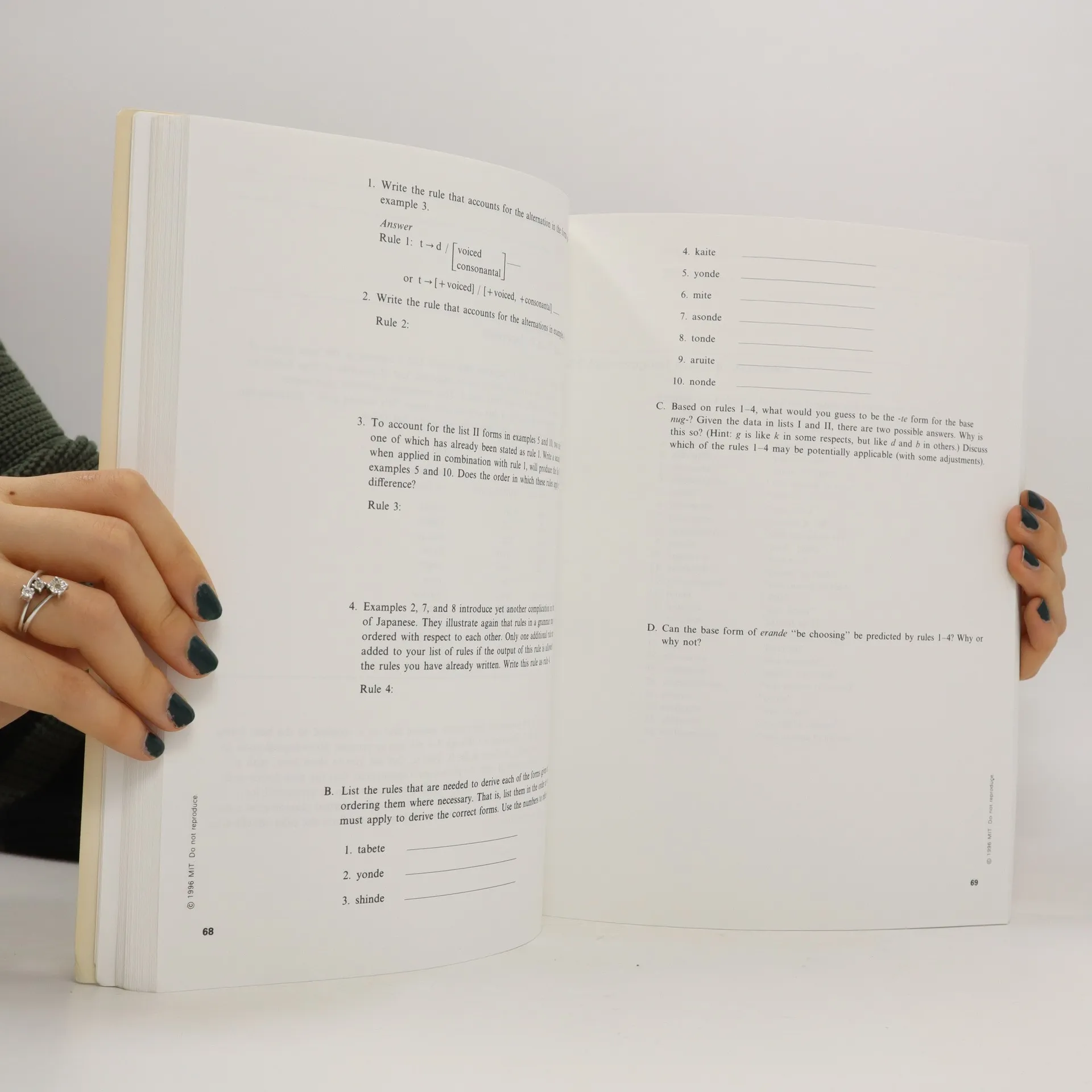
This supplement designed for first-year courses in linguistics at the college or junior-college level specifically complements the text Linguistics(which takes its examples from English, while the Workbook focuses on universals and cross-language data), but it can be used successfully with any introductory linguistics text. This new edition has been revised in a number of ways. New exercises have been added, many others have been revised, and a few have been dropped. Some of the exercises have also been moved to create new, more logical groupings. A theme that emerges in this edition is that of addressing principles of traditional grammar (prescriptive rules) in a way that leads students to see the inadequacies of these rules/principles and to reframe the issues with their new-found knowledge in linguistics. Students are thus shown what a prescriptive grammar looks like relative to a specific puzzle they can understand in detail.
Acquisto del libro
A Linguistics Workbook, Ann K. Farmer, Richard A. Demers
- Lingua

- Pubblicato
- 1996
- Rilegatura
- (In brossura)
Metodi di pagamento
Ancora nessuna valutazione.
- Titolo
- A Linguistics Workbook
- Lingua
- Inglese
- Autori
- Ann K. Farmer, Richard A. Demers
- Editore
- MIT Press
- Pubblicato
- 1996
- Formato
- In brossura
- Pagine
- 304
- ISBN10
- 0262560917
- ISBN13
- 9780262560917
- Serie
- Categoria
- Descrizione
- This supplement designed for first-year courses in linguistics at the college or junior-college level specifically complements the text Linguistics(which takes its examples from English, while the Workbook focuses on universals and cross-language data), but it can be used successfully with any introductory linguistics text. This new edition has been revised in a number of ways. New exercises have been added, many others have been revised, and a few have been dropped. Some of the exercises have also been moved to create new, more logical groupings. A theme that emerges in this edition is that of addressing principles of traditional grammar (prescriptive rules) in a way that leads students to see the inadequacies of these rules/principles and to reframe the issues with their new-found knowledge in linguistics. Students are thus shown what a prescriptive grammar looks like relative to a specific puzzle they can understand in detail.