

Maggiori informazioni sul libro
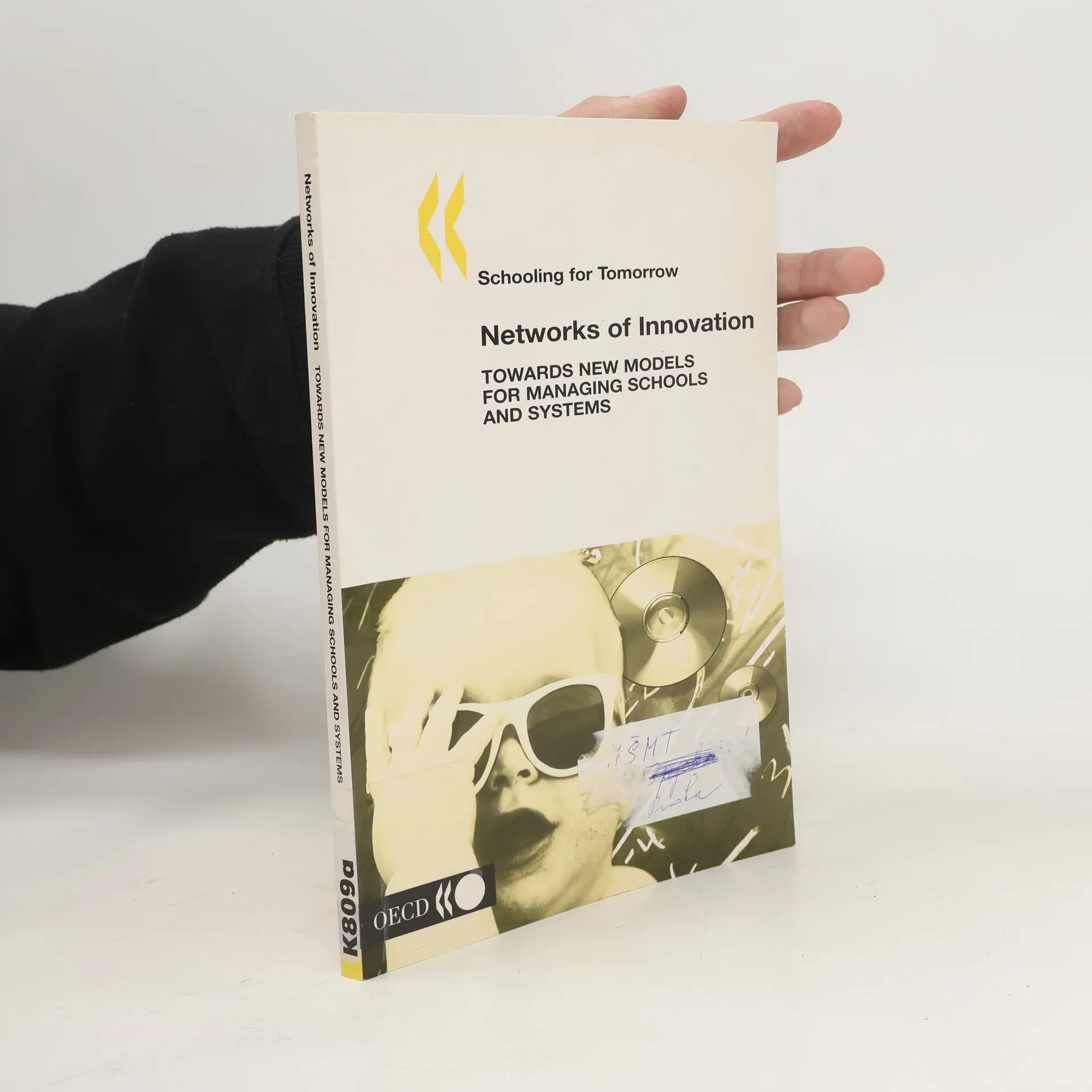
OECD countries are increasingly referred to as "network societies". This prompts questions about educational networks: to what extent can they replace cumbersome bureaucracies as forms of management and as sources of innovation and professionalism? Some predict the demise of large, slow-changing public services. But what will take their place, and how do we ensure that it will be for the better? As schools become more autonomous and the world more complex, what forms of organization and governance will ensure that education does not fragment into chaos? These are among the questions that inspired seminars held in Hungary, the Netherlands and Portugal, organized with the OECD's Centre for Educational Research and Innovation. They were concerned with the "how?" and not just the "what?" and "why?" of changing schools for the future.
Acquisto del libro
Networks of innovation, AA.VV.
- Lingua

- Pubblicato
- 2003
- Rilegatura
- (In brossura)
Metodi di pagamento
Ancora nessuna valutazione.
- Titolo
- Networks of innovation
- Lingua
- Inglese
- Autori
- AA.VV.
- Editore
- OECD
- Pubblicato
- 2003
- Formato
- In brossura
- Pagine
- 182
- ISBN10
- 9264100342
- ISBN13
- 9789264100343
- Serie
- Categoria
- Tag
- Descrizione
- OECD countries are increasingly referred to as "network societies". This prompts questions about educational networks: to what extent can they replace cumbersome bureaucracies as forms of management and as sources of innovation and professionalism? Some predict the demise of large, slow-changing public services. But what will take their place, and how do we ensure that it will be for the better? As schools become more autonomous and the world more complex, what forms of organization and governance will ensure that education does not fragment into chaos? These are among the questions that inspired seminars held in Hungary, the Netherlands and Portugal, organized with the OECD's Centre for Educational Research and Innovation. They were concerned with the "how?" and not just the "what?" and "why?" of changing schools for the future.