


Maggiori informazioni sul libro
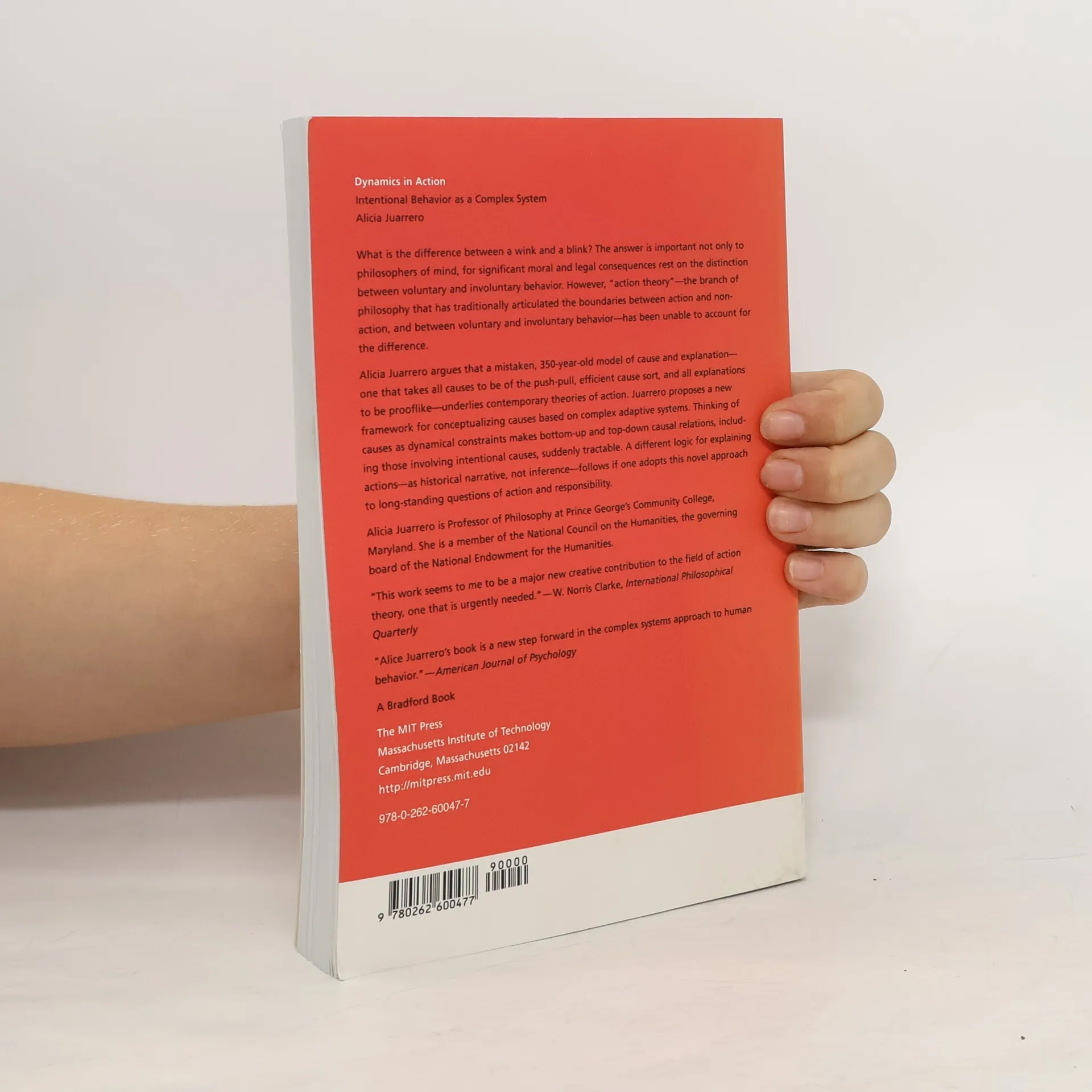
What is the difference between a wink and a blink? The answer is important not only to philosophers of mind, for significant moral and legal consequences rest on the distinction between voluntary and involuntary behavior. However, "action theory" -- the branch of philosophy that has traditionally articulated the boundaries between action and non-action, and between voluntary and involuntary behavior -- has been unable to account for the difference.Alicia Juarrero argues that a mistaken, 350-year-old model of cause and explanation -- one that takes all causes to be of the push-pull, efficient cause sort, and all explanation to be prooflike -- underlies contemporary theories of action. Juarrero then proposes a new framework for conceptualizing causes based on complex adaptive systems. Thinking of causes as dynamical constraints makes bottom-up and top-down causal relations, including those involving intentional causes, suddenly tractable. A different logic for explaining actions -- as historical narrative, not inference -- follows if one adopts this novel approach to long-standing questions of action and responsibility.
Acquisto del libro
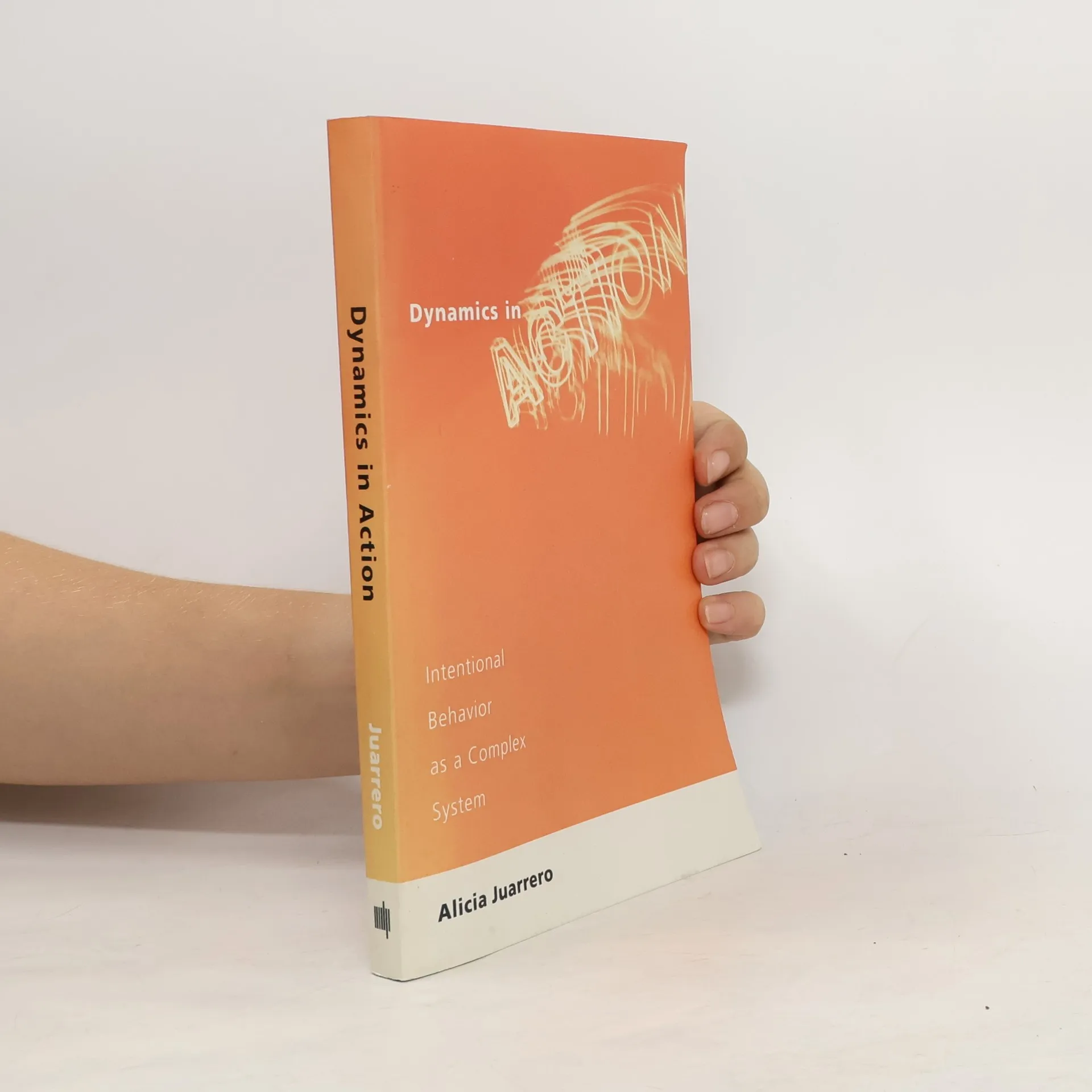
Dynamics in Action, Alicia Juarrero
- Lingua

- Pubblicato
- 2002
- Rilegatura
- (In brossura)
Metodi di pagamento
Qui potrebbe esserci la tua recensione.
- Titolo
- Dynamics in Action
- Sottotitolo
- Intentional Behavior as a Complex System
- Lingua
- Inglese
- Autori
- Alicia Juarrero
- Editore
- MIT Press
- Pubblicato
- 2002
- Formato
- In brossura
- Pagine
- 300
- ISBN10
- 0262600471
- ISBN13
- 9780262600477
- Serie
- Valutazione
- 4,35 su 5
- Descrizione
- What is the difference between a wink and a blink? The answer is important not only to philosophers of mind, for significant moral and legal consequences rest on the distinction between voluntary and involuntary behavior. However, "action theory" -- the branch of philosophy that has traditionally articulated the boundaries between action and non-action, and between voluntary and involuntary behavior -- has been unable to account for the difference.Alicia Juarrero argues that a mistaken, 350-year-old model of cause and explanation -- one that takes all causes to be of the push-pull, efficient cause sort, and all explanation to be prooflike -- underlies contemporary theories of action. Juarrero then proposes a new framework for conceptualizing causes based on complex adaptive systems. Thinking of causes as dynamical constraints makes bottom-up and top-down causal relations, including those involving intentional causes, suddenly tractable. A different logic for explaining actions -- as historical narrative, not inference -- follows if one adopts this novel approach to long-standing questions of action and responsibility.