


Parametri
- 216pagine
- 8 ore di lettura
Maggiori informazioni sul libro
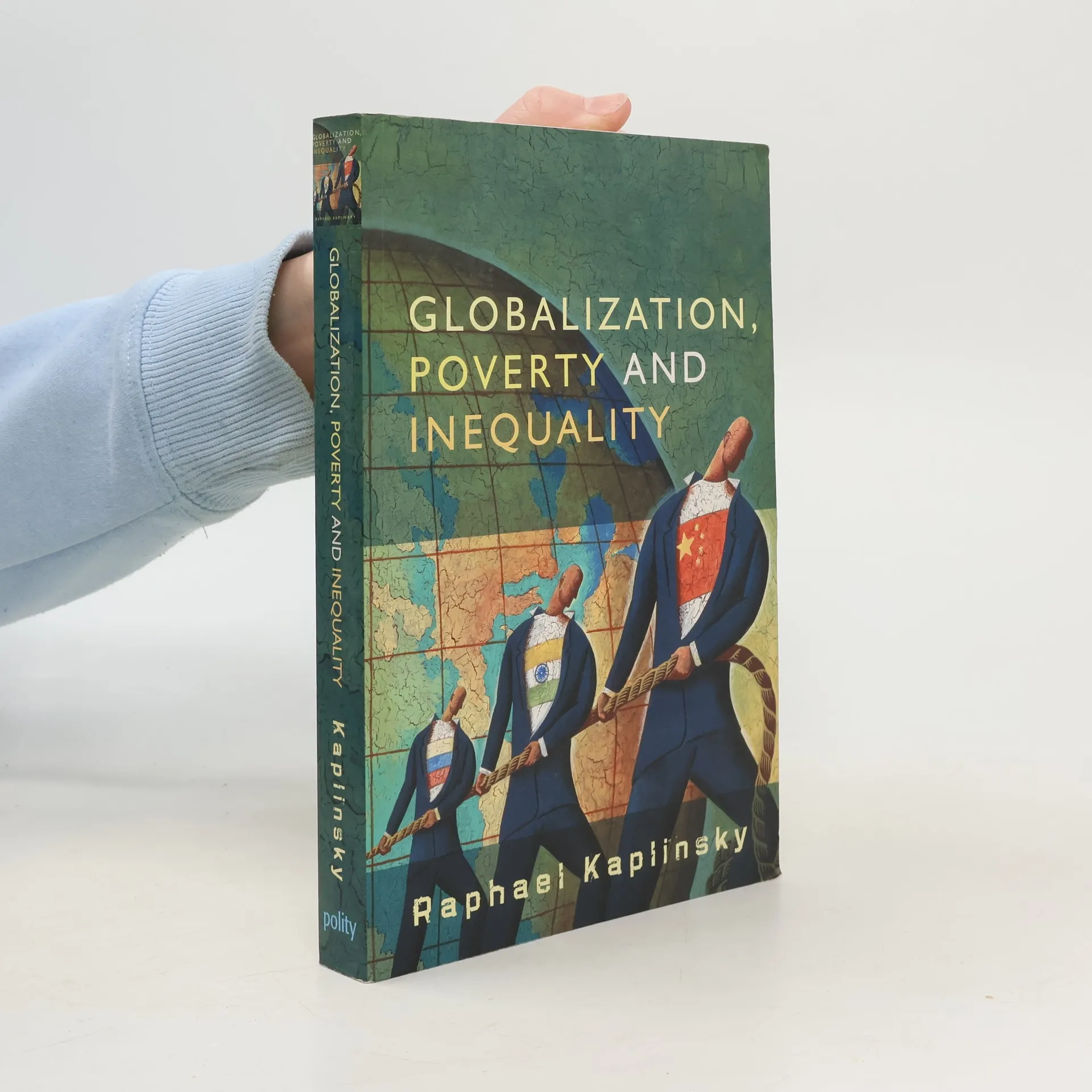
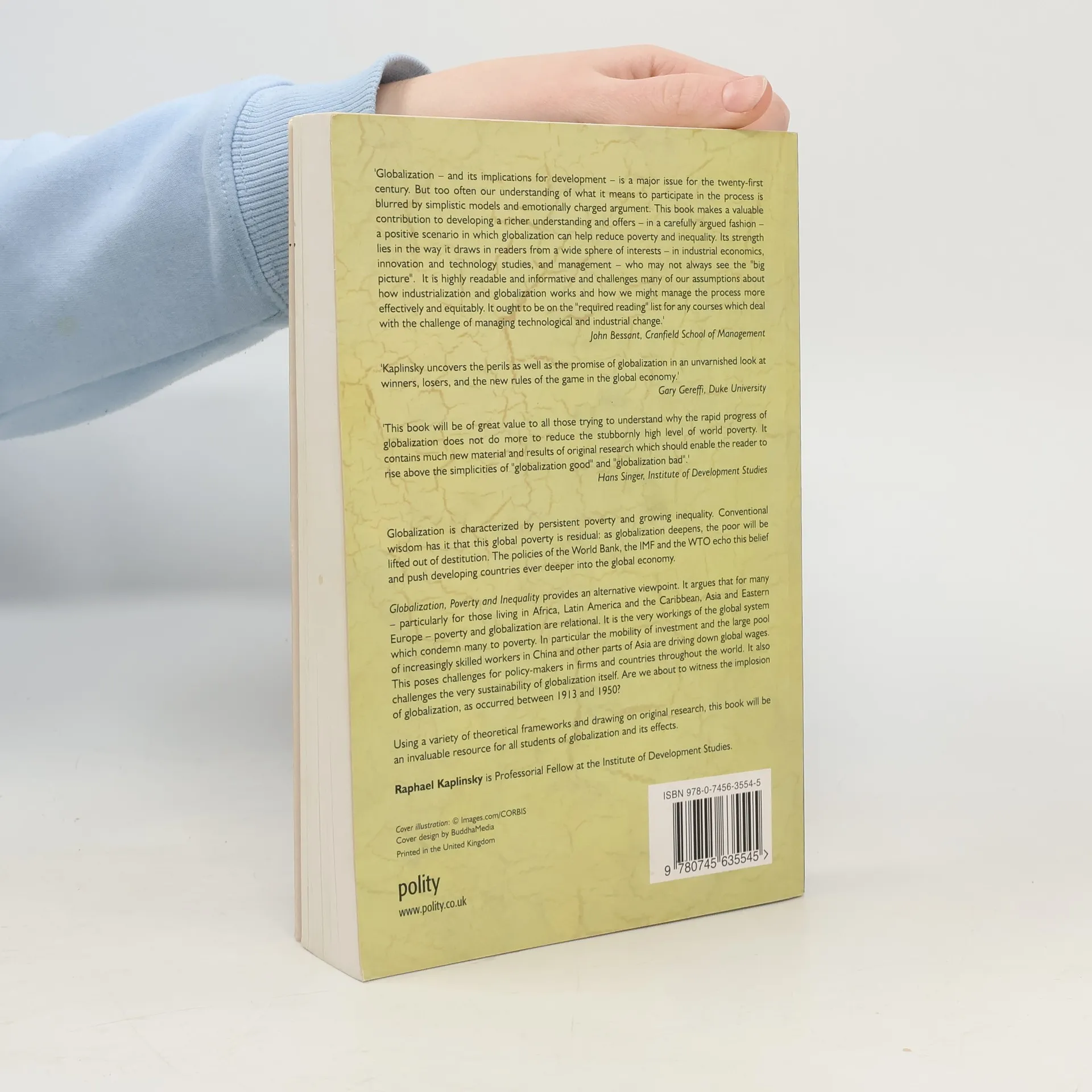
Globalization is characterised by persistent poverty and growing inequality. Conventional wisdom has it that this global poverty is residual – as globalization deepens, the poor will be lifted out of destitution. The policies of the World Bank, the IMF and the WTO echo this belief and push developing countries ever deeper into the global economy. Globalization, Poverty and Inequality provides an alternative viewpoint. It argues that for many – particularly for those living in Latin America, Asia and Central Europe – poverty and globalization are relational. It is the very workings of the global system which condemn many to poverty. In particular the mobility of investment, and the large pool of increasingly skilled workers in China and other parts of Asia, are driving down global wages. This poses challenges for policy makers in firms and countries throughout the world. It also challenges the very sustainability of globalisation itself. Are we about to witness the implosion of globalisation, as occurred between 1913 and 1950? Using a variety of theoretical frameworks and drawing on a vast amount of original research, this book will be an invaluable resource for all students of globalization and its effects.
Acquisto del libro
Globalization, Poverty and Inequality, Raphael Kaplinsky
- Lingua

- Pubblicato
- 2005
- Rilegatura
- (In brossura)
Metodi di pagamento
Qui potrebbe esserci la tua recensione.
- Titolo
- Globalization, Poverty and Inequality
- Sottotitolo
- Between a Rock and a Hard Place
- Lingua
- Inglese
- Autori
- Raphael Kaplinsky
- Editore
- Polity Press
- Pubblicato
- 2005
- Formato
- In brossura
- Pagine
- 216
- ISBN10
- 0745635547
- ISBN13
- 9780745635545
- Serie
- Categoria
- Tag
- Commercio, Tematica filosofica, Teorie Politiche, America, Povertà, Saggezza di vita, Globalizzazione, Latino, Economia Politica, Aspetti sociali, Alternativa
- Valutazione
- 3,35 su 5
- Descrizione
- Globalization is characterised by persistent poverty and growing inequality. Conventional wisdom has it that this global poverty is residual – as globalization deepens, the poor will be lifted out of destitution. The policies of the World Bank, the IMF and the WTO echo this belief and push developing countries ever deeper into the global economy. Globalization, Poverty and Inequality provides an alternative viewpoint. It argues that for many – particularly for those living in Latin America, Asia and Central Europe – poverty and globalization are relational. It is the very workings of the global system which condemn many to poverty. In particular the mobility of investment, and the large pool of increasingly skilled workers in China and other parts of Asia, are driving down global wages. This poses challenges for policy makers in firms and countries throughout the world. It also challenges the very sustainability of globalisation itself. Are we about to witness the implosion of globalisation, as occurred between 1913 and 1950? Using a variety of theoretical frameworks and drawing on a vast amount of original research, this book will be an invaluable resource for all students of globalization and its effects.