

Parametri
- 136pagine
- 5 ore di lettura
Maggiori informazioni sul libro
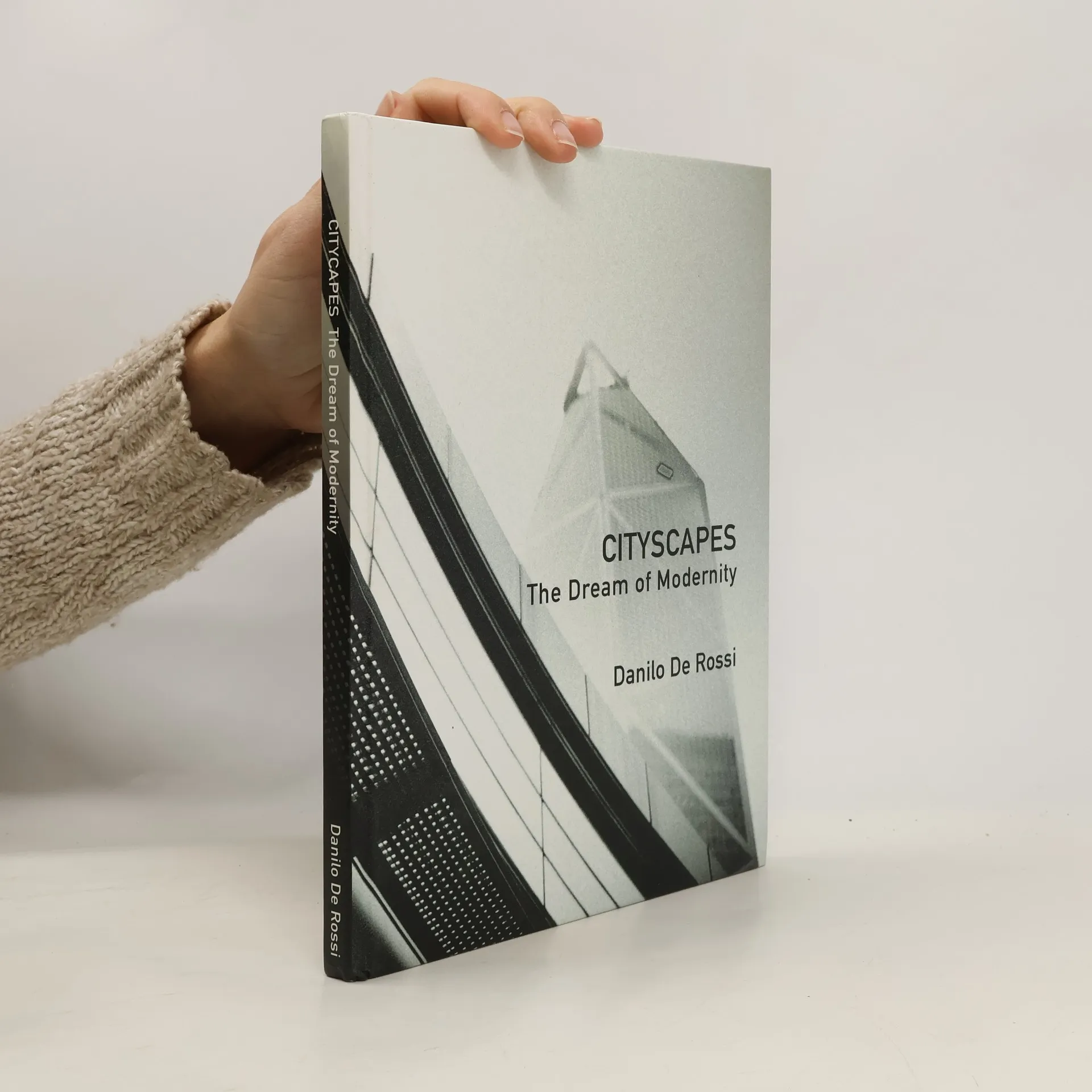
A city in constant transition, with enormous buildings that challenge any sense of scale, sees its periphery becoming central. Prime spaces are demolished, leading to a landscape filled with homogeneous, nameless structures that strip away diversity. In this globalised metropolis, stainless steel and glass create an ageless, inhumane perfection, leaving citizens feeling estranged. The sterile cityscape raises the question: are the spaces between buildings mere nuisances? In narrow hallways and under flyovers, the true fabric of the city emerges, adding much-needed vibrancy and texture. These areas remind us that attempts to rationalise life's complexity often fail, yet they define a city's character. They offer a sensorial experience, allowing one to engage with materials and textures, revealing unexpected beauty in the modern urban environment. At night, especially in the rain, cities transform into impressionist paintings, blurring the lines between roads and buildings. This imperfect, human landscape reawakens primordial senses—hearing, smell, and touch—while shadows against massive infrastructures evoke dreams of new possibilities, reminiscent of film noir.
Acquisto del libro
Cityscapes - The Dream of Modernity, Danilo De Rossi
- Lingua

- Pubblicato
- 2016
Metodi di pagamento
Ancora nessuna valutazione.
- Titolo
- Cityscapes - The Dream of Modernity
- Lingua
- Inglese
- Autori
- Danilo De Rossi
- Editore
- Primedia eLaunch LLC
- Pubblicato
- 2016
- Pagine
- 136
- ISBN10
- 1684181720
- ISBN13
- 9781684181728
- Serie
- Descrizione
- A city in constant transition, with enormous buildings that challenge any sense of scale, sees its periphery becoming central. Prime spaces are demolished, leading to a landscape filled with homogeneous, nameless structures that strip away diversity. In this globalised metropolis, stainless steel and glass create an ageless, inhumane perfection, leaving citizens feeling estranged. The sterile cityscape raises the question: are the spaces between buildings mere nuisances? In narrow hallways and under flyovers, the true fabric of the city emerges, adding much-needed vibrancy and texture. These areas remind us that attempts to rationalise life's complexity often fail, yet they define a city's character. They offer a sensorial experience, allowing one to engage with materials and textures, revealing unexpected beauty in the modern urban environment. At night, especially in the rain, cities transform into impressionist paintings, blurring the lines between roads and buildings. This imperfect, human landscape reawakens primordial senses—hearing, smell, and touch—while shadows against massive infrastructures evoke dreams of new possibilities, reminiscent of film noir.