

Maggiori informazioni sul libro
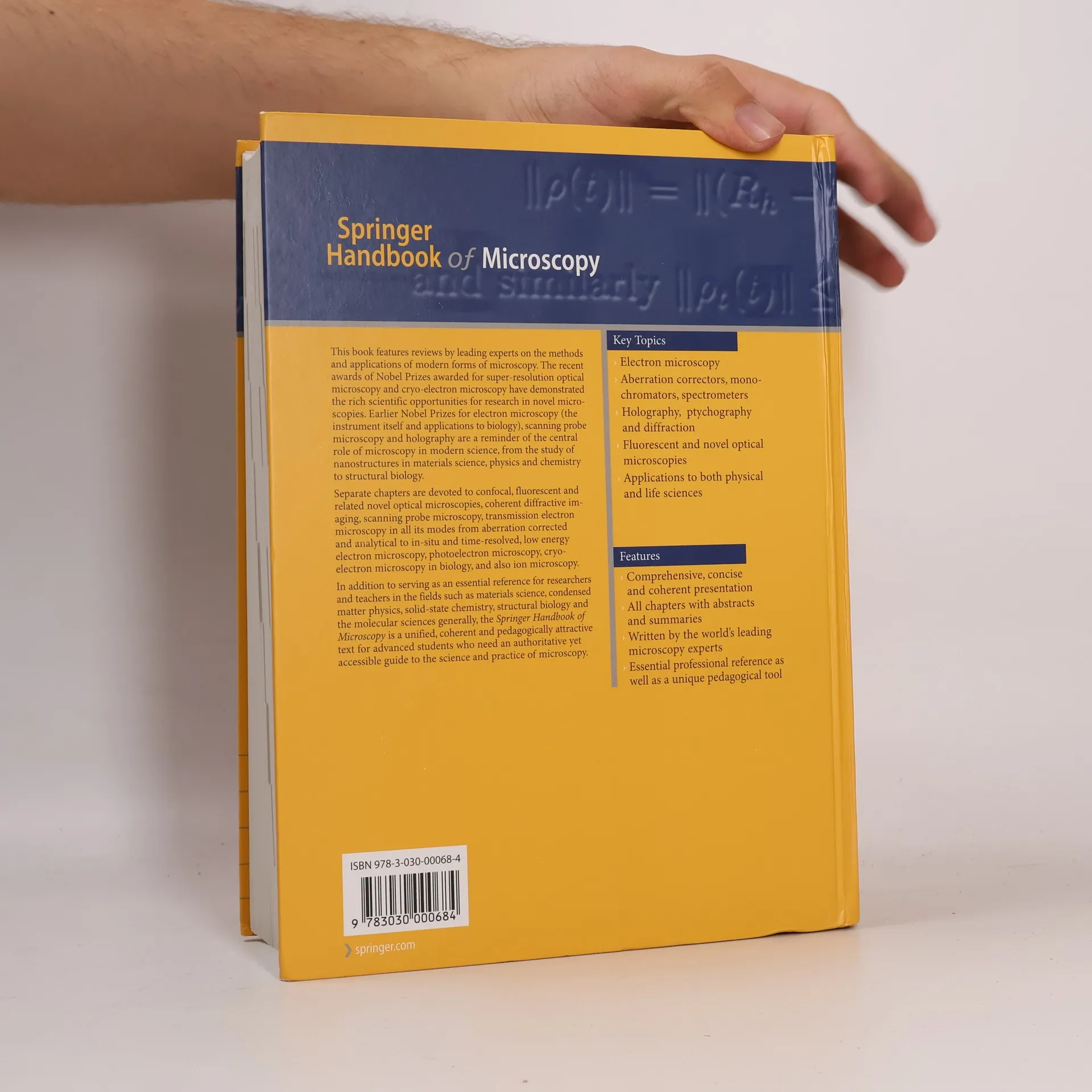
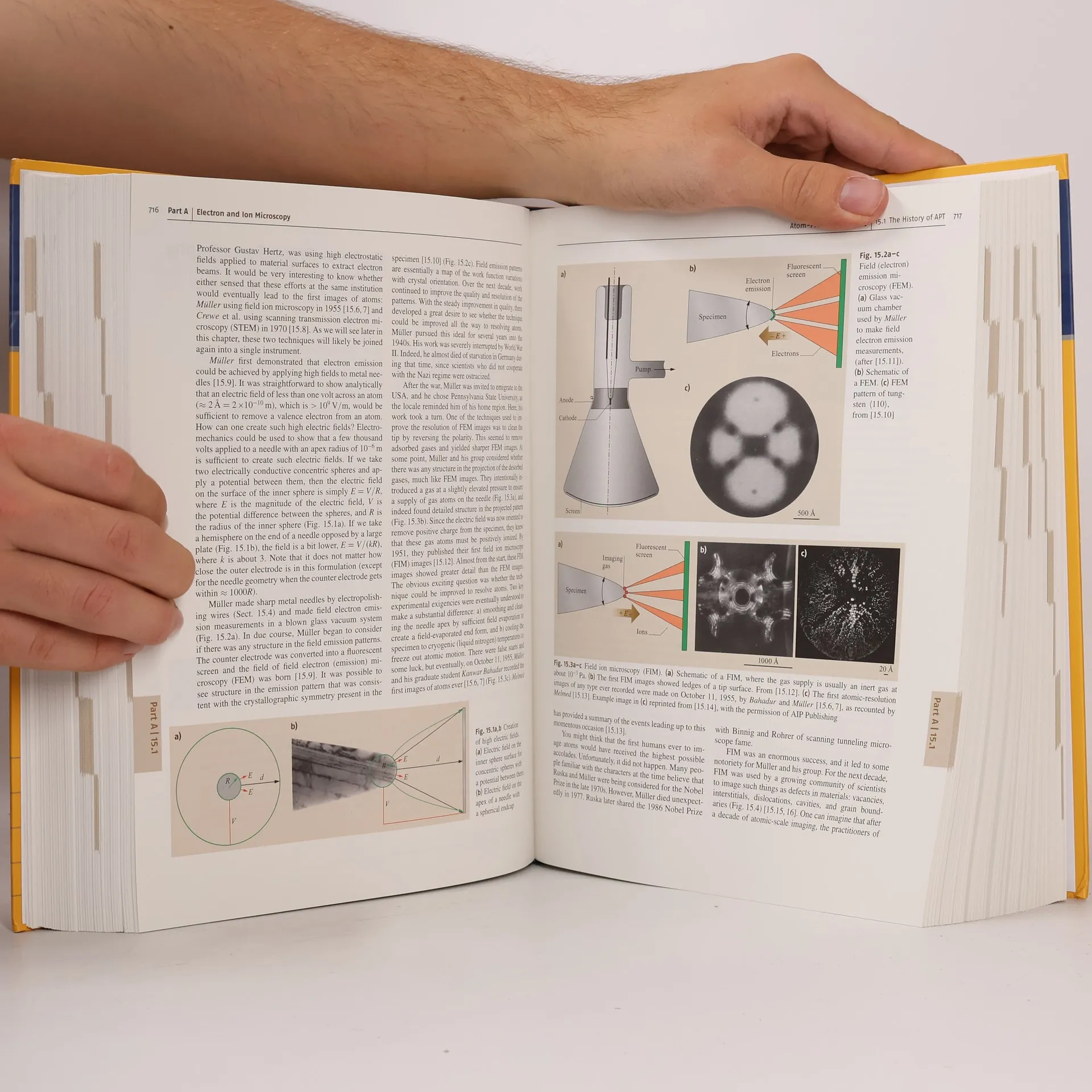
This book features reviews by leading experts on the methods and applications of modern forms of microscopy. The recent awards of Nobel Prizes awarded for super-resolution optical microscopy and cryo-electron microscopy have demonstrated the rich scientific opportunities for research in novel microscopies. Earlier Nobel Prizes for electron microscopy (the instrument itself and applications to biology), scanning probe microscopy and holography are a reminder of the central role of microscopy in modern science, from the study of nanostructures in materials science, physics and chemistry to structural biology. Separate chapters are devoted to confocal, fluorescent and related novel optical microscopies, coherent diffractive imaging, scanning probe microscopy, transmission electron microscopy in all its modes from aberration corrected and analytical to in-situ and time-resolved, low energy electron microscopy, photoelectron microscopy, cryo-electron microscopy in biology, and also ion microscopy. In addition to serving as an essential reference for researchers and teachers in the fields such as materials science, condensed matter physics, solid-state chemistry, structural biology and the molecular sciences generally, the Springer Handbook of Microscopy is a unified, coherent and pedagogically attractive text for advanced students who need an authoritative yet accessible guide to the science and practice of microscopy.
Acquisto del libro
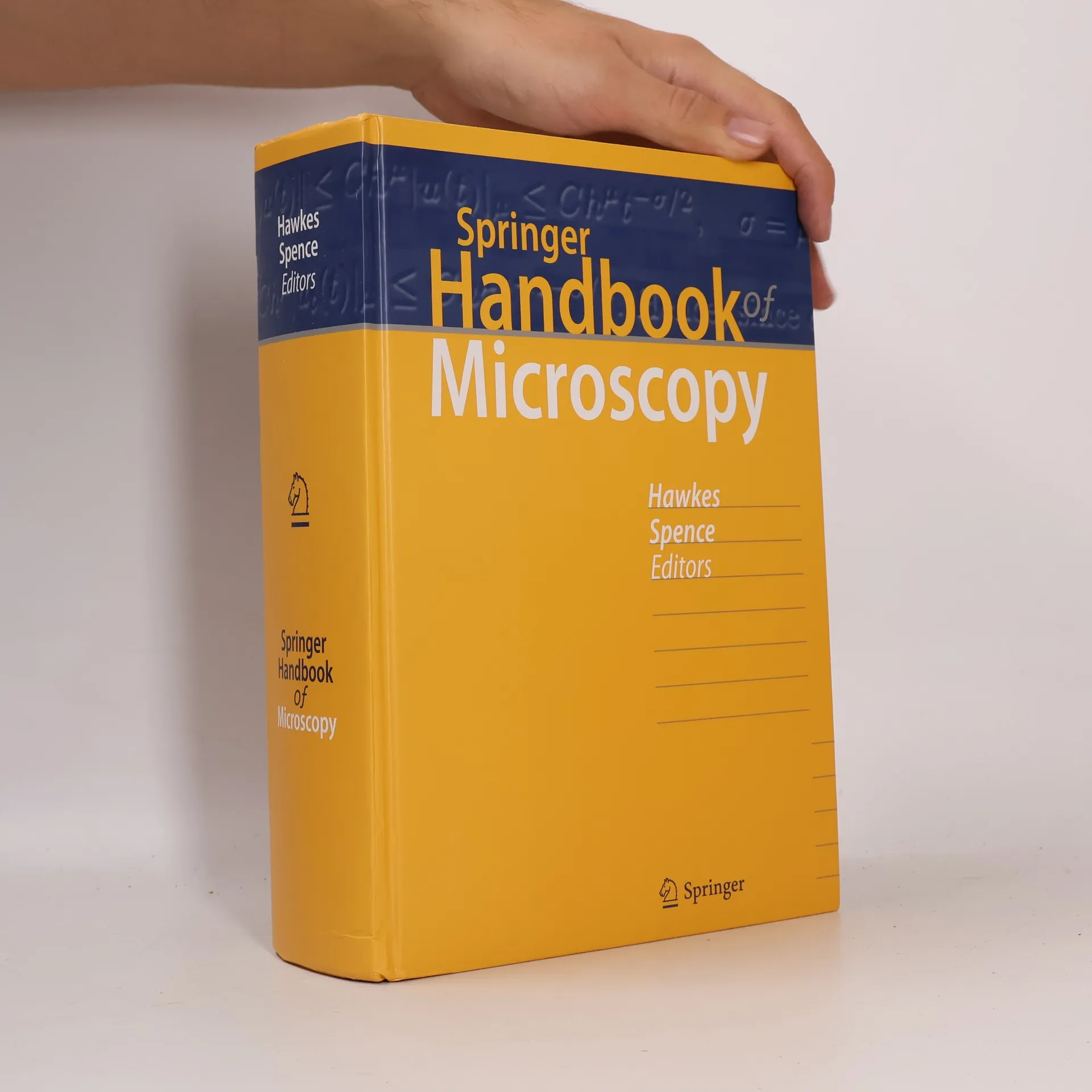
Springer Handbooks: Springer Handbook of Microscopy, Peter W. Hawkes, John C.H. Spence
- Lingua

- Pubblicato
- 2019
- Rilegatura
- (Copertina rigida)
Metodi di pagamento
Ancora nessuna valutazione.
- Titolo
- Springer Handbooks: Springer Handbook of Microscopy
- Lingua
- Inglese
- Autori
- Peter W. Hawkes, John C.H. Spence
- Editore
- Springer
- Pubblicato
- 2019
- Formato
- Copertina rigida
- Pagine
- 1575
- ISBN10
- 3030000680
- ISBN13
- 9783030000684
- Serie
- Tag
- Scienze Naturali, Scienza, Tecnologia, Svizzera, Ingegneria Meccanica, Esperimenti (scienza), Chimica fisica, Biofisica
- Descrizione
- This book features reviews by leading experts on the methods and applications of modern forms of microscopy. The recent awards of Nobel Prizes awarded for super-resolution optical microscopy and cryo-electron microscopy have demonstrated the rich scientific opportunities for research in novel microscopies. Earlier Nobel Prizes for electron microscopy (the instrument itself and applications to biology), scanning probe microscopy and holography are a reminder of the central role of microscopy in modern science, from the study of nanostructures in materials science, physics and chemistry to structural biology. Separate chapters are devoted to confocal, fluorescent and related novel optical microscopies, coherent diffractive imaging, scanning probe microscopy, transmission electron microscopy in all its modes from aberration corrected and analytical to in-situ and time-resolved, low energy electron microscopy, photoelectron microscopy, cryo-electron microscopy in biology, and also ion microscopy. In addition to serving as an essential reference for researchers and teachers in the fields such as materials science, condensed matter physics, solid-state chemistry, structural biology and the molecular sciences generally, the Springer Handbook of Microscopy is a unified, coherent and pedagogically attractive text for advanced students who need an authoritative yet accessible guide to the science and practice of microscopy.