



Maggiori informazioni sul libro
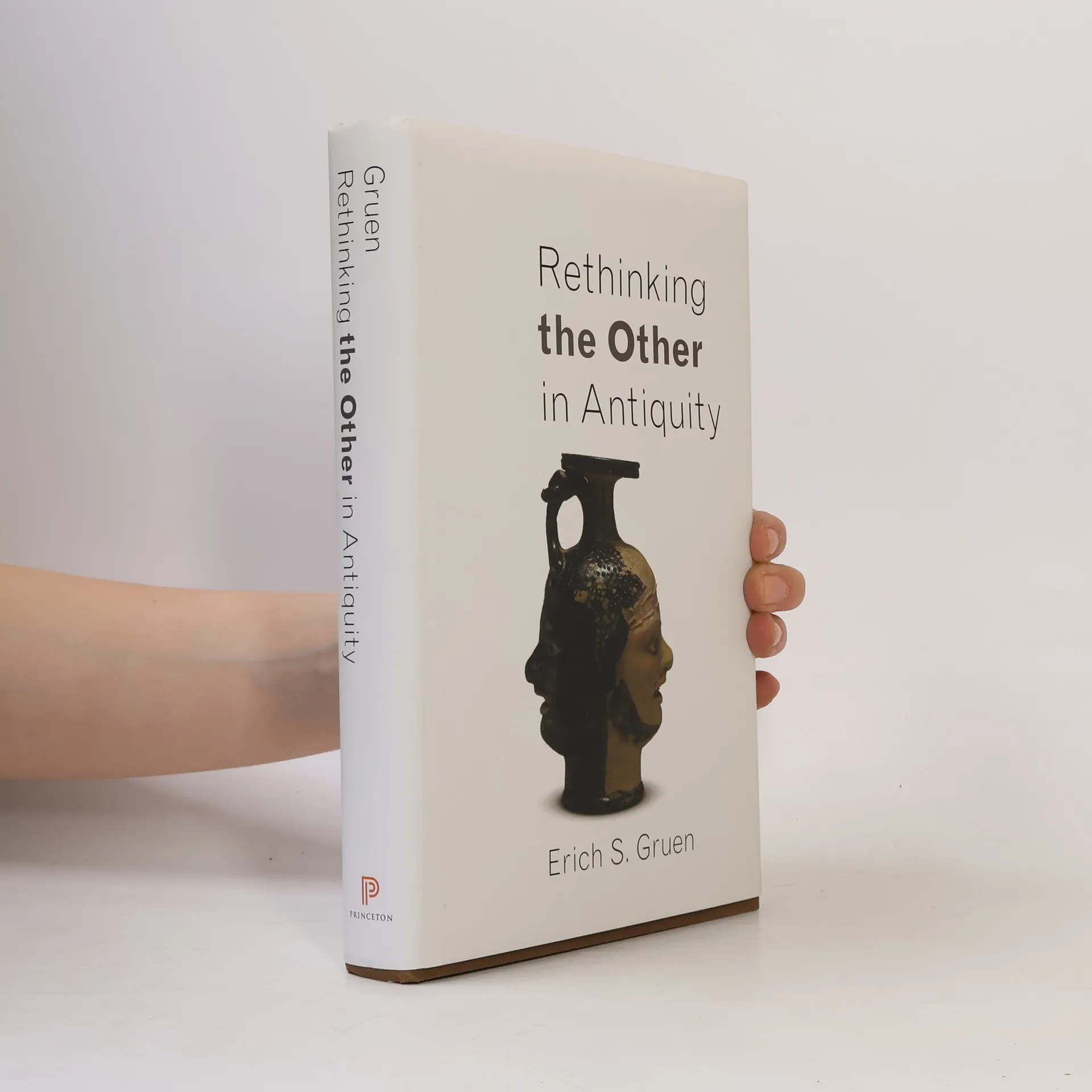
Prevalent among classicists is the notion that Greeks, Romans, and Jews enhanced their self-perception by contrasting themselves with the so-called Other—Egyptians, Phoenicians, Ethiopians, Gauls, and other foreigners—often through hostile stereotypes and caricature. In this provocative work, Erich Gruen demonstrates how the ancients found connections rather than contrasts, expressing admiration for the achievements of other societies and discerning kinship relations with diverse peoples. Gruen illustrates how they incorporated foreign traditions and imagined blood ties through myth, legend, and fictive histories. He examines creative tales, such as the founding of Thebes by the Phoenician Cadmus, Rome's Trojan and Arcadian origins, and Abraham as an ancestor to the Spartans. Gruen provides in-depth readings of major texts by Aeschylus, Herodotus, Xenophon, Plutarch, Julius Caesar, Tacitus, and portions of the Hebrew Bible, revealing nuanced portraits of the alien that transcend stereotypes. This insightful exploration of ancient attitudes reveals that perceptions of the Other often expressed mutuality and connection rather than mere contrast and alienation, challenging prevailing assumptions about ancient cultural interactions.
Acquisto del libro
Rethinking the Other in Antiquity, Erich S. Gruen
- Lingua

- Pubblicato
- 2010
- Rilegatura
- (Copertina rigida)
Metodi di pagamento
Ancora nessuna valutazione.
- Titolo
- Rethinking the Other in Antiquity
- Lingua
- Inglese
- Autori
- Erich S. Gruen
- Editore
- Princeton University Press
- Pubblicato
- 2010
- Formato
- Copertina rigida
- Pagine
- 416
- ISBN10
- 069114852X
- ISBN13
- 9780691148526
- Serie
- Categoria
- Descrizione
- Prevalent among classicists is the notion that Greeks, Romans, and Jews enhanced their self-perception by contrasting themselves with the so-called Other—Egyptians, Phoenicians, Ethiopians, Gauls, and other foreigners—often through hostile stereotypes and caricature. In this provocative work, Erich Gruen demonstrates how the ancients found connections rather than contrasts, expressing admiration for the achievements of other societies and discerning kinship relations with diverse peoples. Gruen illustrates how they incorporated foreign traditions and imagined blood ties through myth, legend, and fictive histories. He examines creative tales, such as the founding of Thebes by the Phoenician Cadmus, Rome's Trojan and Arcadian origins, and Abraham as an ancestor to the Spartans. Gruen provides in-depth readings of major texts by Aeschylus, Herodotus, Xenophon, Plutarch, Julius Caesar, Tacitus, and portions of the Hebrew Bible, revealing nuanced portraits of the alien that transcend stereotypes. This insightful exploration of ancient attitudes reveals that perceptions of the Other often expressed mutuality and connection rather than mere contrast and alienation, challenging prevailing assumptions about ancient cultural interactions.