

Parametri
- 249pagine
- 9 ore di lettura
Maggiori informazioni sul libro
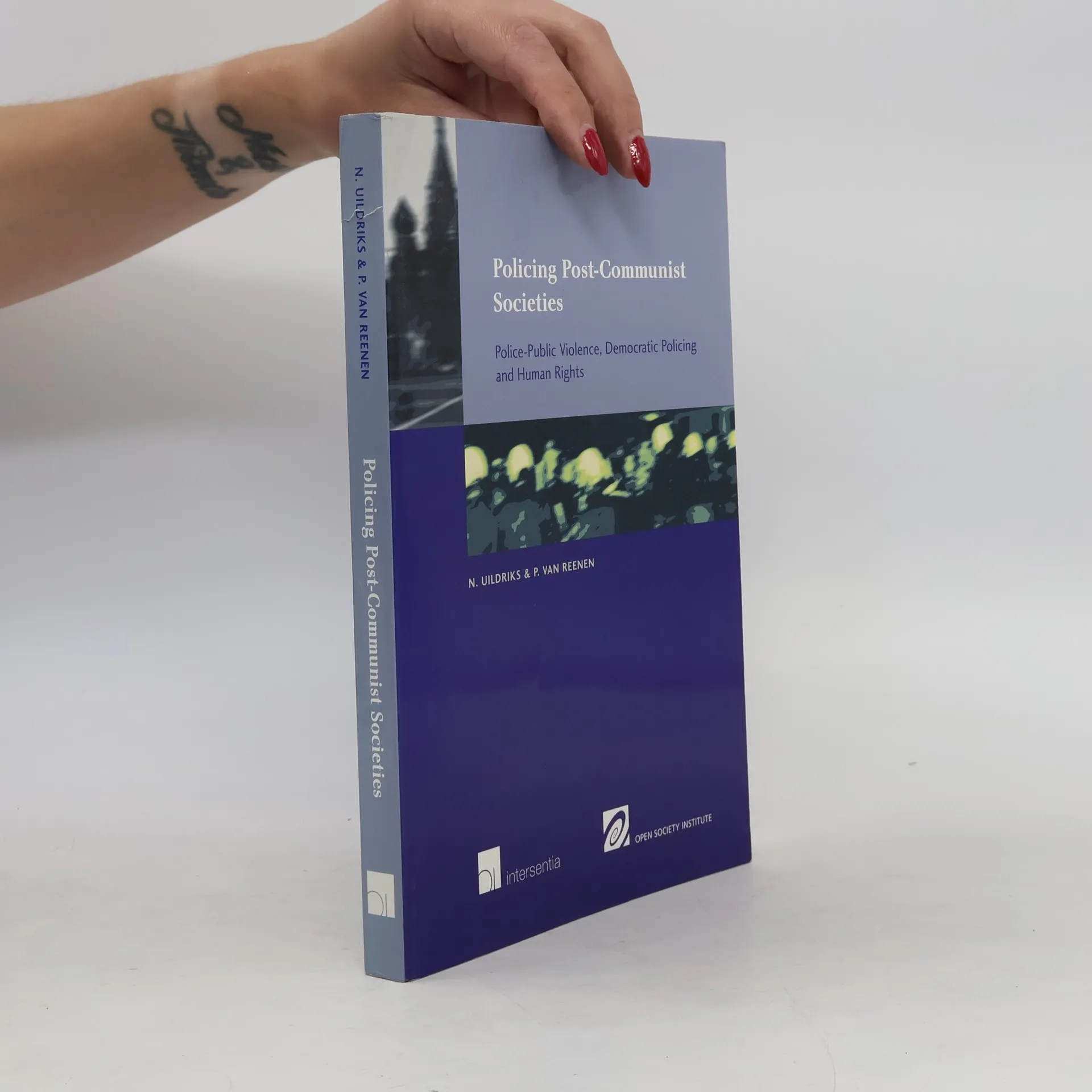
Eastern European countries have been involved in a complex transition towards more democratic forms of government. Since the demise of communism, the building up of an independent judiciary and a general reorientation of the police role within society have been key-issues On the basis of three country studies in Russia, Lithuania and Mongolia, this book analyses the present state of policing in a variety of post-communist societies in terms of police-public violence, democratic policing, the rule of law and human rights. It is also complemented by recent comparable and previously unpublished police data for Romania, Bulgaria and Poland. Those studies have been carried out amongst the rank-and-file of the uniform branch in Lithuania and Russia which were commissioned by the Soros Open Society Foundation. They were specifically concerning views and experiences concerning police-public violence and current policing problems in general. A third study was carried in Mongolia amongst criminal investigators, and sought to explore (violent) investigative practices. This book seeks to combine a thorough theoretical analysis with unique empirical data. It analyses the different problems of transition of post-communist societies towards more democratic forms of government with unique data from both outside and inside the police.
Acquisto del libro
Policing Post-Communist Societies, Niels A. Uildriks, Piet Van Reenen
- Lingua

- Pubblicato
- 2003
- Rilegatura
- (Copertina rigida)
Metodi di pagamento
Ancora nessuna valutazione.
- Titolo
- Policing Post-Communist Societies
- Sottotitolo
- Police-Public Violence, Demcratic Policing and Human Rights
- Lingua
- Inglese
- Autori
- Niels A. Uildriks, Piet Van Reenen
- Editore
- Intersentia
- Pubblicato
- 2003
- Formato
- Copertina rigida
- Pagine
- 249
- ISBN10
- 9050952992
- ISBN13
- 9789050952996
- Serie
- Descrizione
- Eastern European countries have been involved in a complex transition towards more democratic forms of government. Since the demise of communism, the building up of an independent judiciary and a general reorientation of the police role within society have been key-issues On the basis of three country studies in Russia, Lithuania and Mongolia, this book analyses the present state of policing in a variety of post-communist societies in terms of police-public violence, democratic policing, the rule of law and human rights. It is also complemented by recent comparable and previously unpublished police data for Romania, Bulgaria and Poland. Those studies have been carried out amongst the rank-and-file of the uniform branch in Lithuania and Russia which were commissioned by the Soros Open Society Foundation. They were specifically concerning views and experiences concerning police-public violence and current policing problems in general. A third study was carried in Mongolia amongst criminal investigators, and sought to explore (violent) investigative practices. This book seeks to combine a thorough theoretical analysis with unique empirical data. It analyses the different problems of transition of post-communist societies towards more democratic forms of government with unique data from both outside and inside the police.