

Maggiori informazioni sul libro
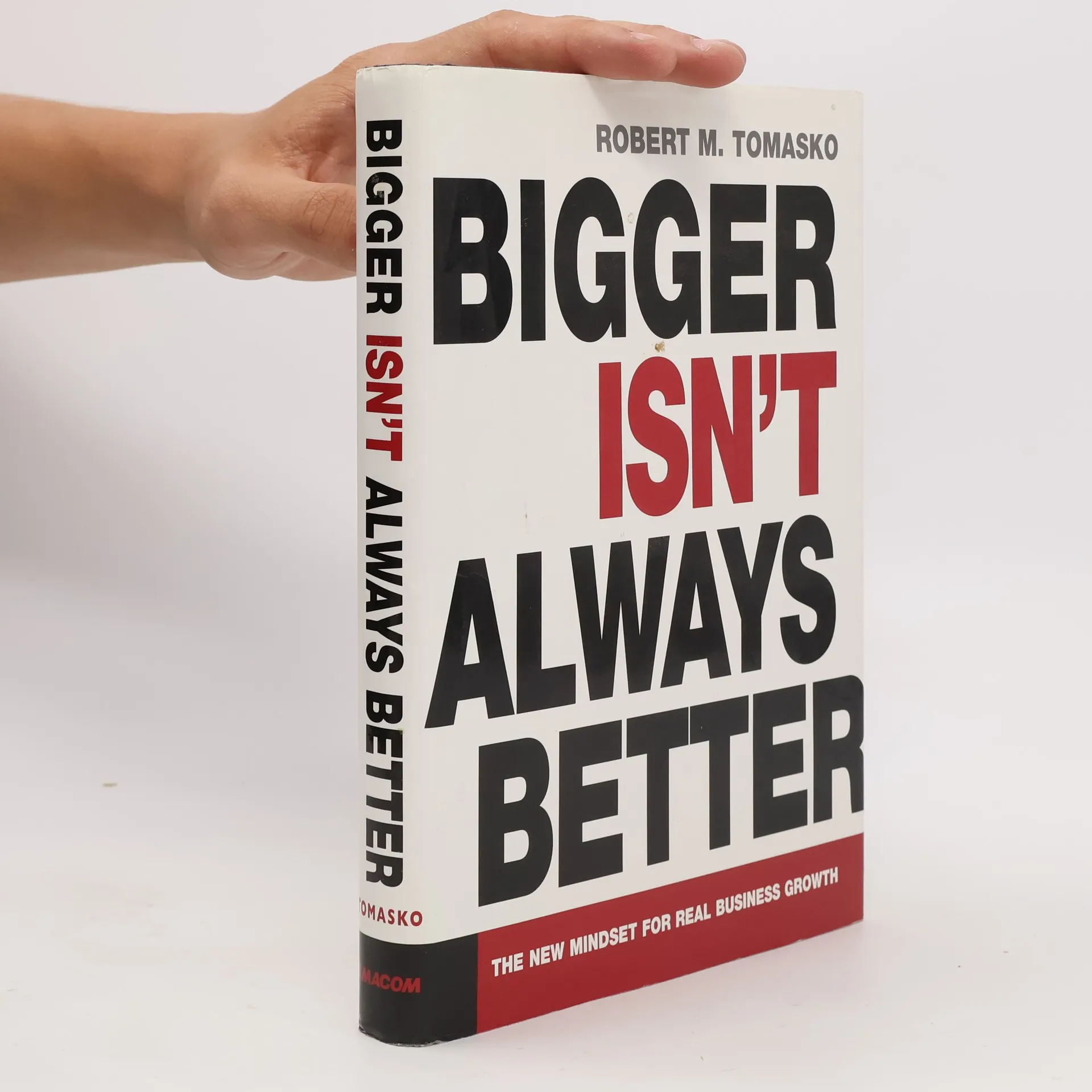
When it comes to business growth, bigger is not always better. The key to achieving growth is to change the way we think about it. Genuine growth has more to do with reaching maximum potential than reaching maximum size. Based on ten years of research and dozens of personal interviews by the author, Bigger Isn't Always Better identifies seven key habits of mind that lead to real growth, and shows, through many examples, how they have been applied successfully. Examples include Darcy Williams at Nike, who championed a range of products for women that did not fit into the established market segments (men) of her employer; Bill Greenwood of Burlington Northern, who found a way to turn truckers, his railroad's most difficult competitors, into its best customers; Al Bru, who eliminated trans fats from Pepsico's Frito-Lay snack foods and got health-conscious consumers to embrace the products; and Jane Friedman, HarperCollins publisher, who was determined to give her company a brand identity and reduce its dependence on a few blockbuster books. Combining real-life stories and insightful analysis, Bigger Isn't Always Better shows how to move an organization forward -- to grow smarter, not fatter.
Acquisto del libro
Bigger Isn't Always Better, Robert M. Tomasko
- Lingua

- Pubblicato
- 2005
- Rilegatura
- (Copertina rigida)
Metodi di pagamento
Ancora nessuna valutazione.
- Titolo
- Bigger Isn't Always Better
- Sottotitolo
- The New Mindset for Real Business Growth
- Lingua
- Inglese
- Autori
- Robert M. Tomasko
- Editore
- Amacom Books
- Pubblicato
- 2005
- Formato
- Copertina rigida
- Pagine
- 262
- ISBN10
- 0814408664
- ISBN13
- 9780814408667
- Serie
- Descrizione
- When it comes to business growth, bigger is not always better. The key to achieving growth is to change the way we think about it. Genuine growth has more to do with reaching maximum potential than reaching maximum size. Based on ten years of research and dozens of personal interviews by the author, Bigger Isn't Always Better identifies seven key habits of mind that lead to real growth, and shows, through many examples, how they have been applied successfully. Examples include Darcy Williams at Nike, who championed a range of products for women that did not fit into the established market segments (men) of her employer; Bill Greenwood of Burlington Northern, who found a way to turn truckers, his railroad's most difficult competitors, into its best customers; Al Bru, who eliminated trans fats from Pepsico's Frito-Lay snack foods and got health-conscious consumers to embrace the products; and Jane Friedman, HarperCollins publisher, who was determined to give her company a brand identity and reduce its dependence on a few blockbuster books. Combining real-life stories and insightful analysis, Bigger Isn't Always Better shows how to move an organization forward -- to grow smarter, not fatter.