

Maggiori informazioni sul libro
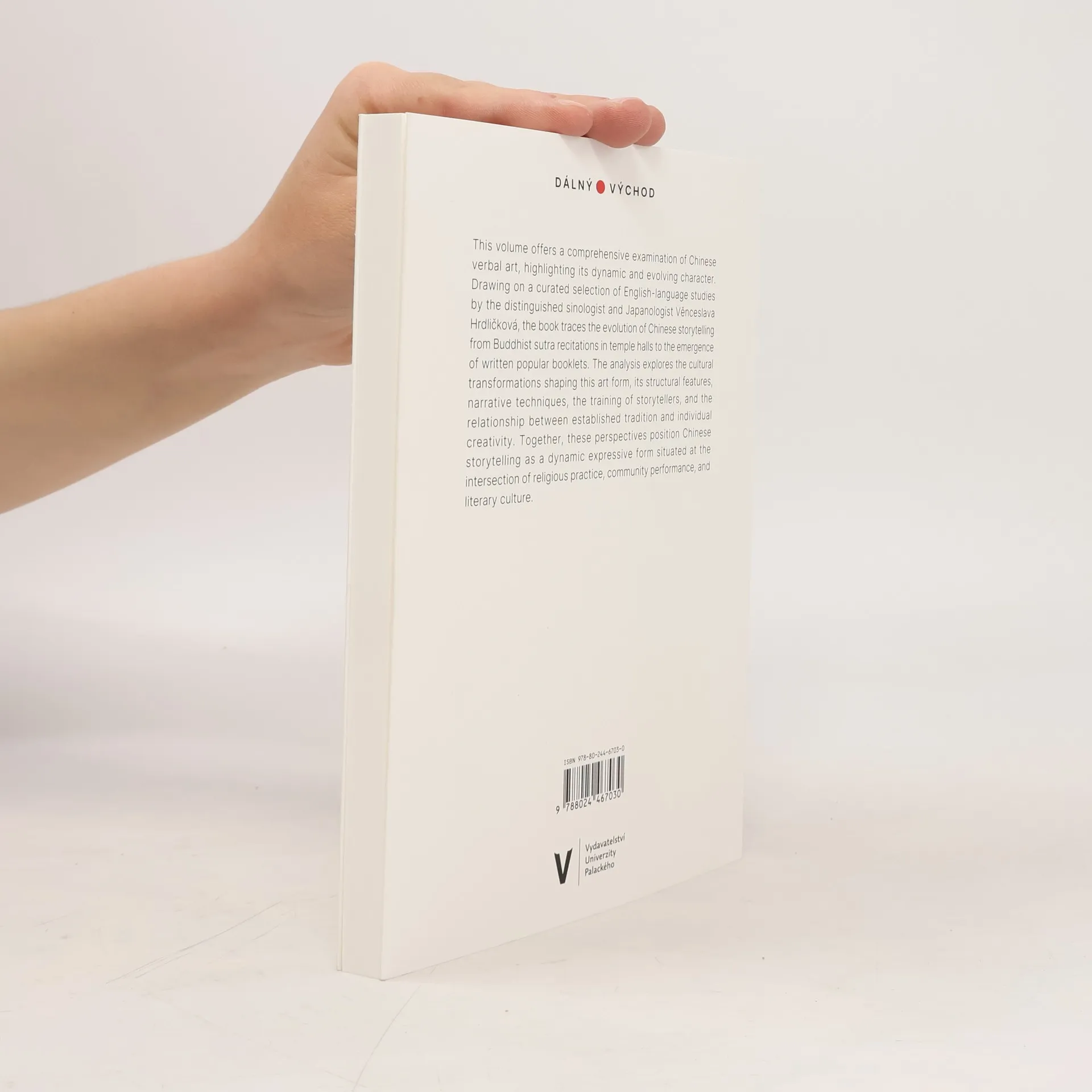
This volume offers a comprehensive examination of Chinese verbal art, highlighting its dynamic and evolving character. Drawing on a curated selection of English-language studies by the distinguished sinologist and Japanologist Venceslava Hrdličková, the book traces the evolution of Chinese storytelling from Buddhist sutra recitations in temple halls to the emergence of written popular booklets. The analysis explores the cultural transformations shaping this art form, its structural features, narrative techniques, the training of storytellers, and the relationship between established tradition and individual creativity. Together, these perspectives position Chinese storytelling as a dynamic expressive form situated at the intersection of religious practice, community performance, and literary culture.
Acquisto del libro
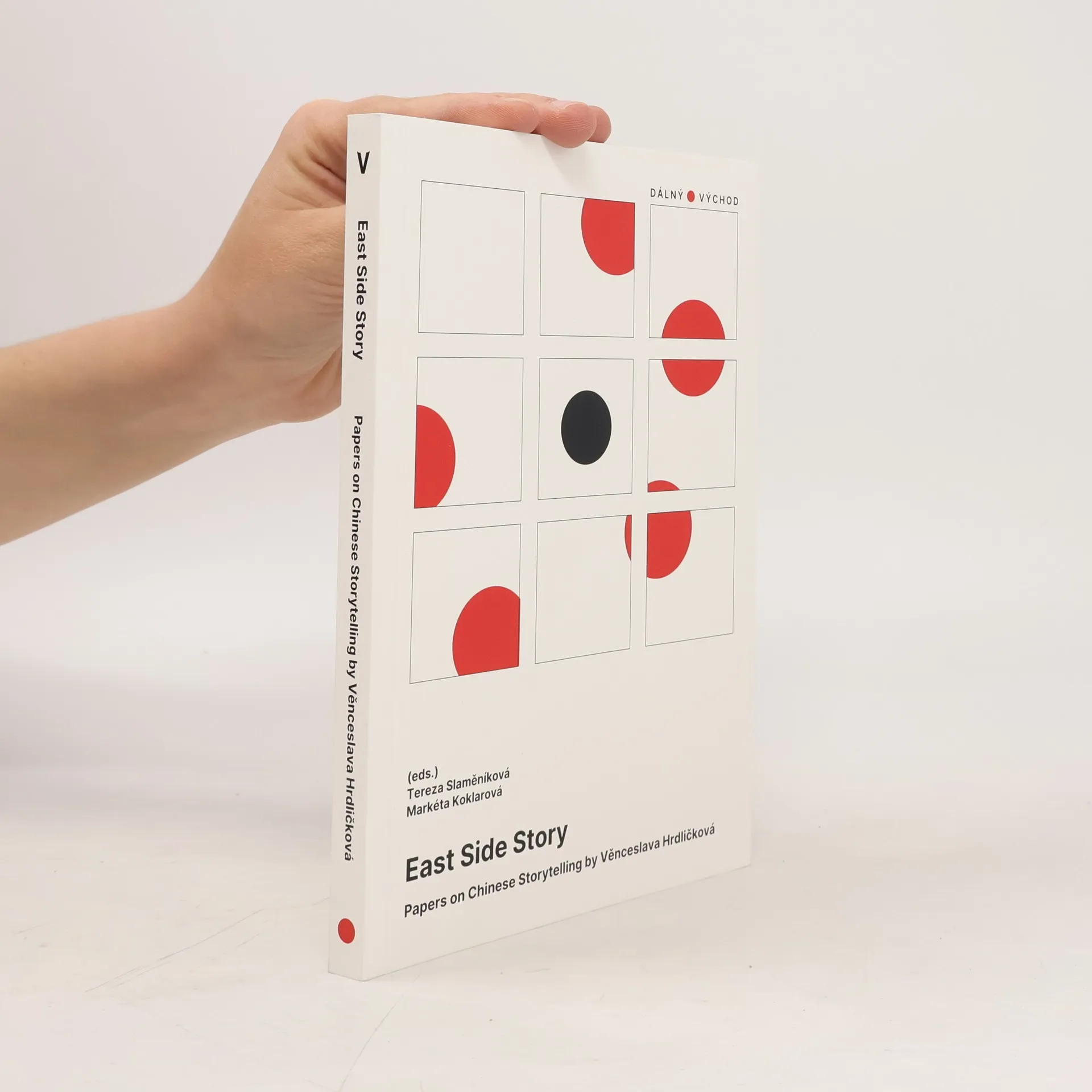
East Side Story, Věnceslava Hrdličková, Tereza Slaměníková, Markéta Koklarová
- Lingua

- Pubblicato
- 2025
- Rilegatura
- (Copertina rigida),
- Condizioni del libro
- In buone condizioni
- Prezzo
- 0,33 €
Metodi di pagamento
Ancora nessuna valutazione.
- Titolo
- East Side Story
- Sottotitolo
- Papers on Chinese Storytelling by Věnceslava Hrdličková
- Lingua
- Ceco
- Editore
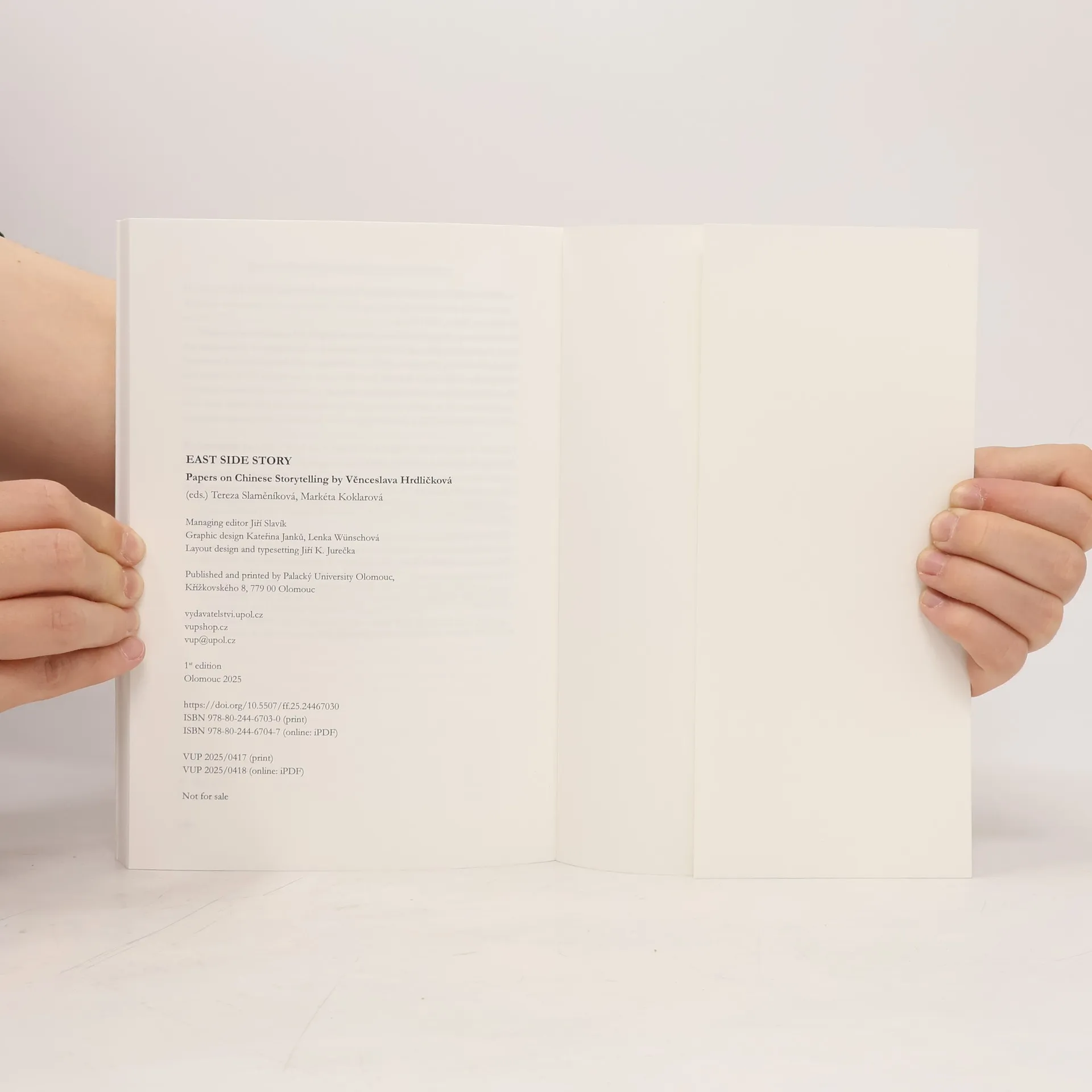
- Palacký University
- Pubblicato
- 2025
- Formato
- Copertina rigida
- ISBN10
- 8024467038
- ISBN13
- 9788024467030
- Serie
- Descrizione
- This volume offers a comprehensive examination of Chinese verbal art, highlighting its dynamic and evolving character. Drawing on a curated selection of English-language studies by the distinguished sinologist and Japanologist Venceslava Hrdličková, the book traces the evolution of Chinese storytelling from Buddhist sutra recitations in temple halls to the emergence of written popular booklets. The analysis explores the cultural transformations shaping this art form, its structural features, narrative techniques, the training of storytellers, and the relationship between established tradition and individual creativity. Together, these perspectives position Chinese storytelling as a dynamic expressive form situated at the intersection of religious practice, community performance, and literary culture.