


Maggiori informazioni sul libro
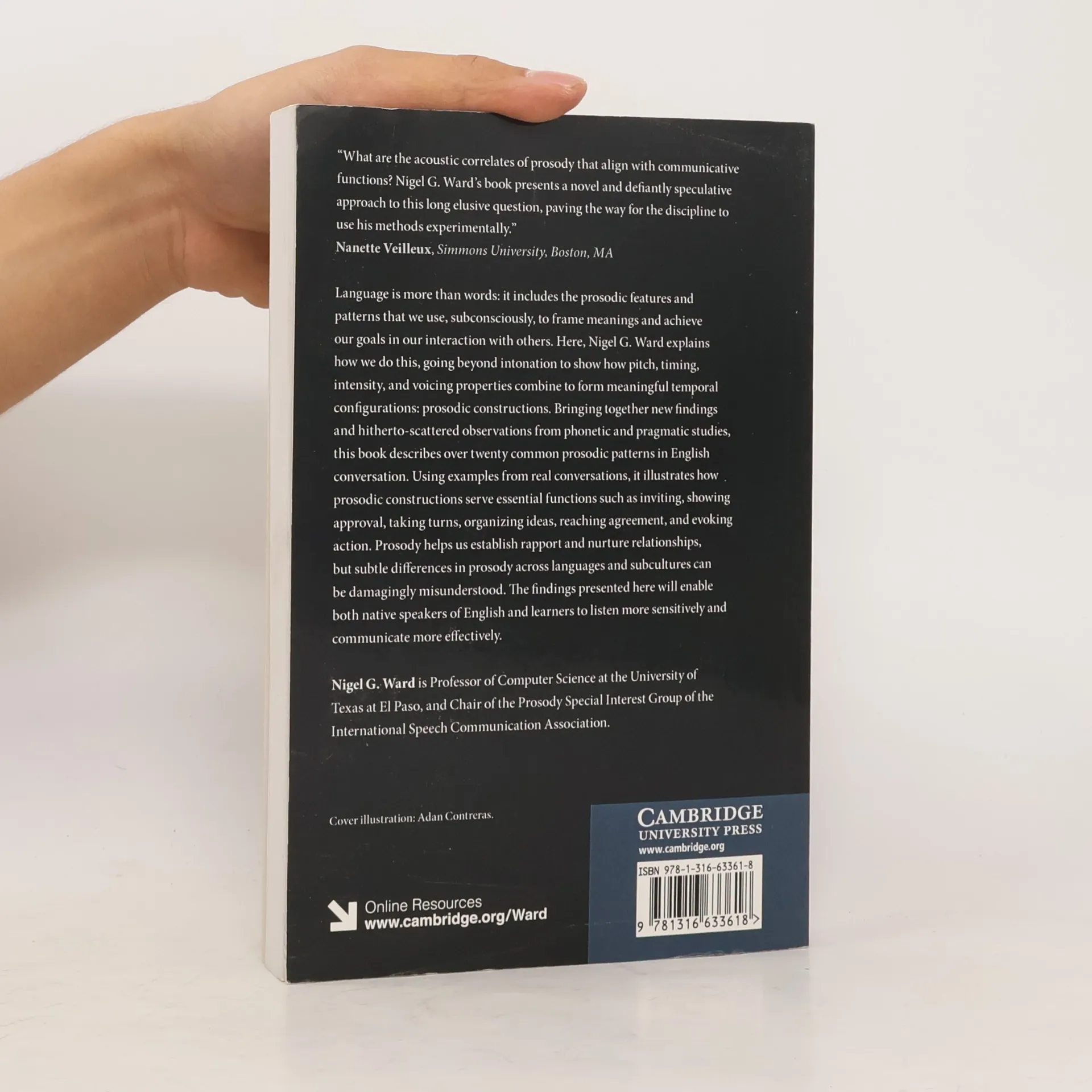
Language is more than words: it includes the prosodic features and patterns that we use, subconsciously, to frame meanings and achieve our goals in our interaction with others. Here, Nigel G. Ward explains how we do this, going beyond intonation to show how pitch, timing, intensity and voicing properties combine to form meaningful temporal configurations: prosodic constructions. Bringing together new findings and hitherto-scattered observations from phonetic and pragmatic studies, this book describes over twenty common prosodic patterns in English conversation. Using examples from real conversations, it illustrates how prosodic constructions serve essential functions such as inviting, showing approval, taking turns, organizing ideas, reaching agreement, and evoking action. Prosody helps us establish rapport and nurture relationships, but subtle differences in prosody across languages and subcultures can be damagingly misunderstood. The findings presented here will enable both native speakers of English and learners to listen more sensitively and communicate more effectively.
Acquisto del libro
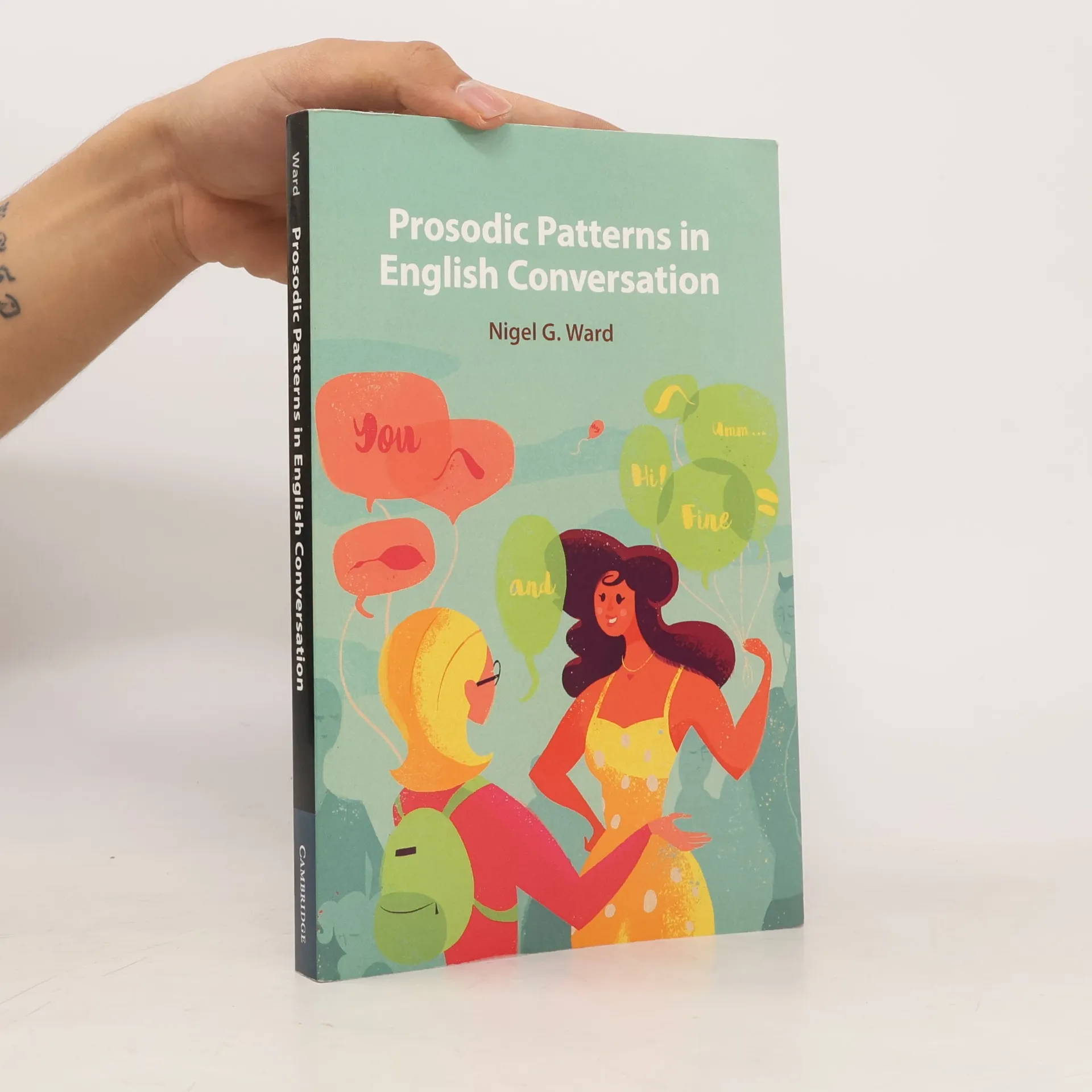
Prosodic Patterns in English Conversation, Nigel G. Ward
- Lingua

- Pubblicato
- 2019
- Rilegatura
- (In brossura),
- Condizioni del libro
- In buone condizioni
- Prezzo
- 4,89 €
Metodi di pagamento
Ancora nessuna valutazione.
- Titolo
- Prosodic Patterns in English Conversation
- Lingua
- Inglese
- Autori
- Nigel G. Ward
- Editore
- Cambridge Uni
- Pubblicato
- 2019
- Formato
- In brossura
- Pagine
- 262
- ISBN10
- 1316633616
- ISBN13
- 9781316633618
- Serie
- Descrizione
- Language is more than words: it includes the prosodic features and patterns that we use, subconsciously, to frame meanings and achieve our goals in our interaction with others. Here, Nigel G. Ward explains how we do this, going beyond intonation to show how pitch, timing, intensity and voicing properties combine to form meaningful temporal configurations: prosodic constructions. Bringing together new findings and hitherto-scattered observations from phonetic and pragmatic studies, this book describes over twenty common prosodic patterns in English conversation. Using examples from real conversations, it illustrates how prosodic constructions serve essential functions such as inviting, showing approval, taking turns, organizing ideas, reaching agreement, and evoking action. Prosody helps us establish rapport and nurture relationships, but subtle differences in prosody across languages and subcultures can be damagingly misunderstood. The findings presented here will enable both native speakers of English and learners to listen more sensitively and communicate more effectively.