

Maggiori informazioni sul libro
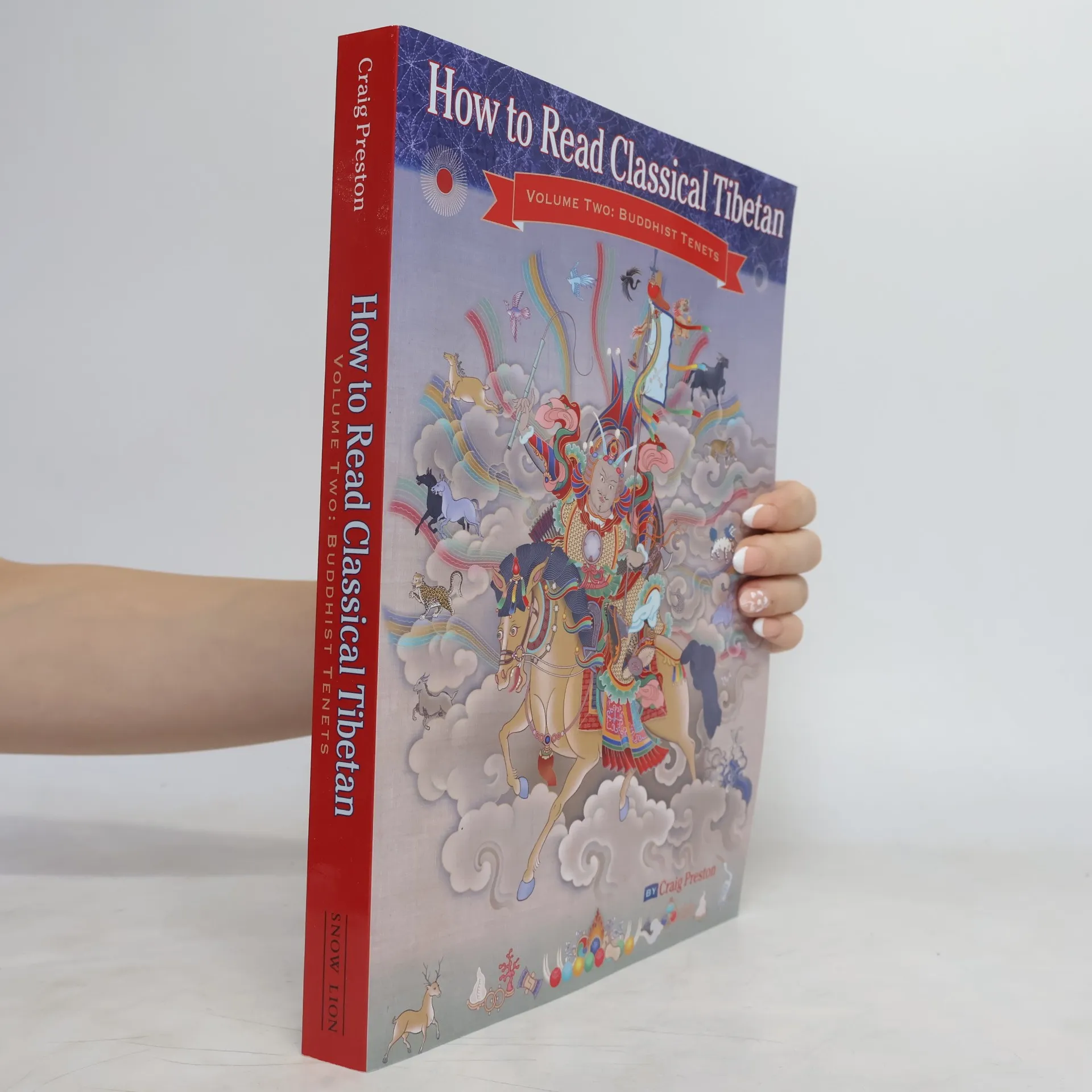
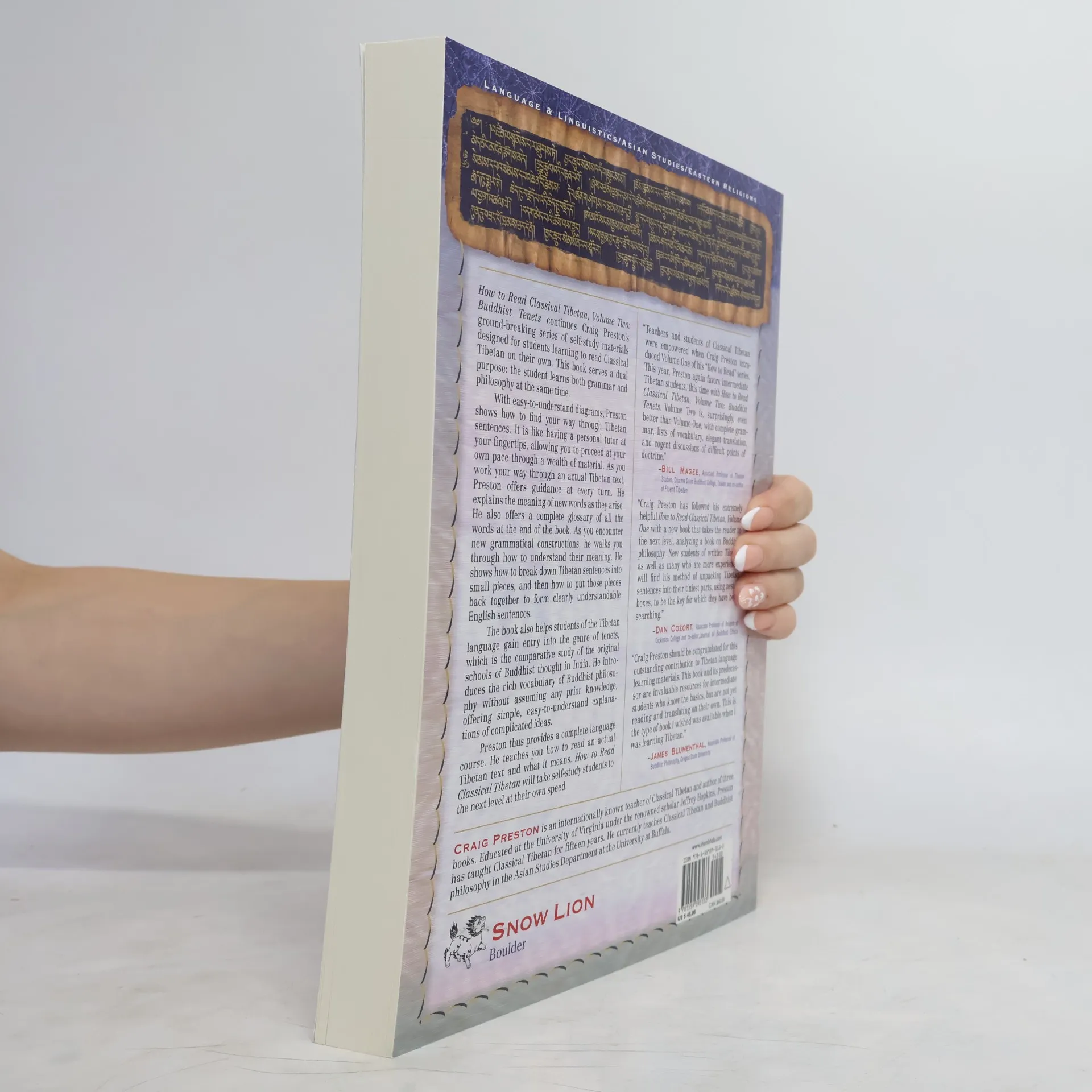
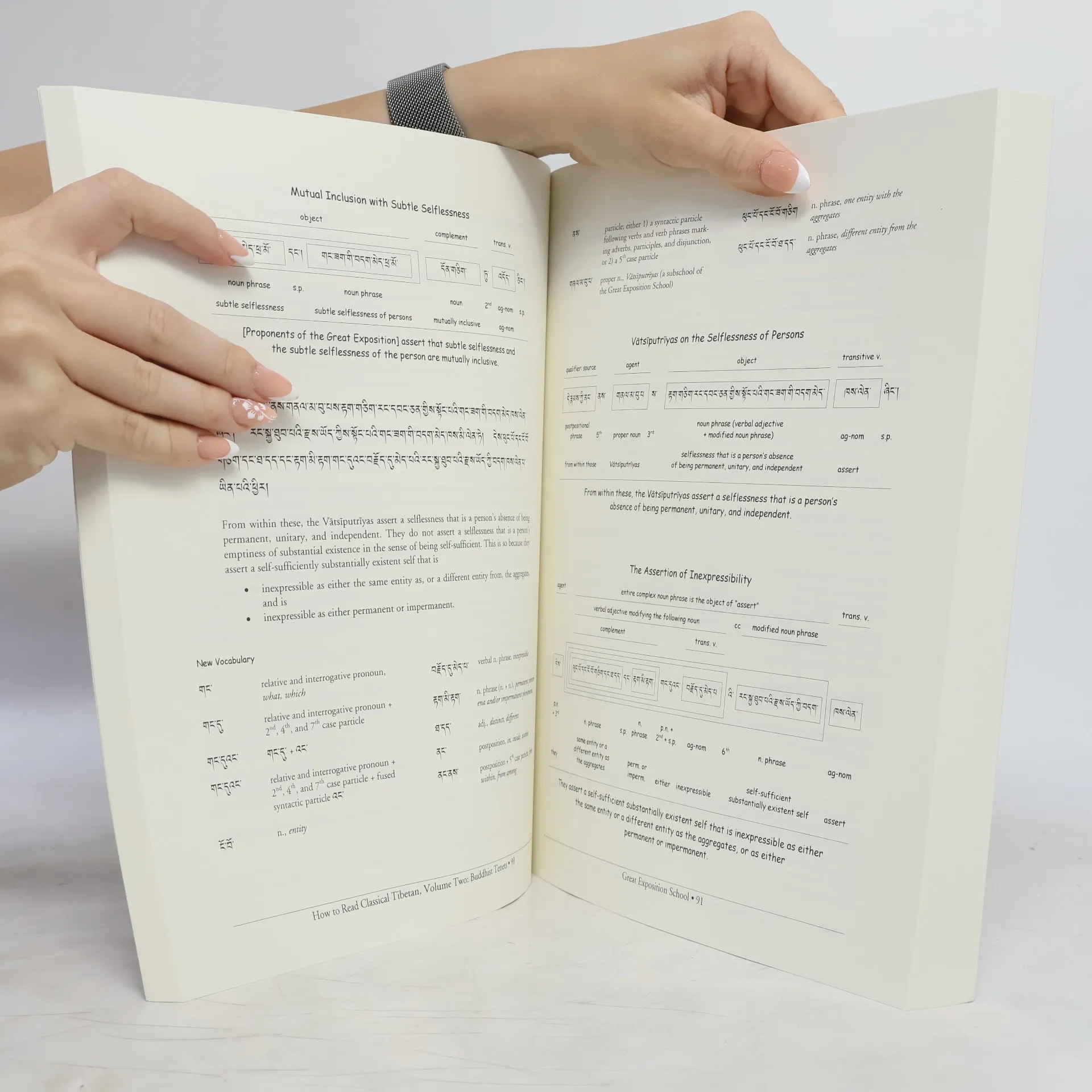
How to Read Classical Tibetan, Volume Two: Buddhist Tenets continues Craig Preston's groundbreaking series of self-study materials designed for students learning to read Classical Tibetan on their own. This book serves a dual purpose: the student learns both grammar and philosophy at the same time.With easy-to-understand diagrams, Preston shows how to find your way through Tibetan sentences. It is like having a personal tutor at your fingertips, allowing you to proceed at your own pace through a wealth of material. As you work your way through an actual Tibetan text, Preston offers guidance at every turn. He explains the meaning of new words as they arise. He also offers a complete glossary of all the words at the end of the book. As you encounter new grammatical constructions, he walks you through understanding their meaning. He shows you how to break down Tibetan sentences into small pieces and then how to put those pieces back together to form clearly understandable English sentences. The book also helps students of the Tibetan language gain entry into the genre of tenets, which is the comparative study of the original schools of Buddhist thought in India. He introduces the rich vocabulary of Buddhist philosophy without assuming any prior knowledge, offering simple, easy-to-understand explanations of complicated ideas. Preston thus provides a complete language course.
Acquisto del libro
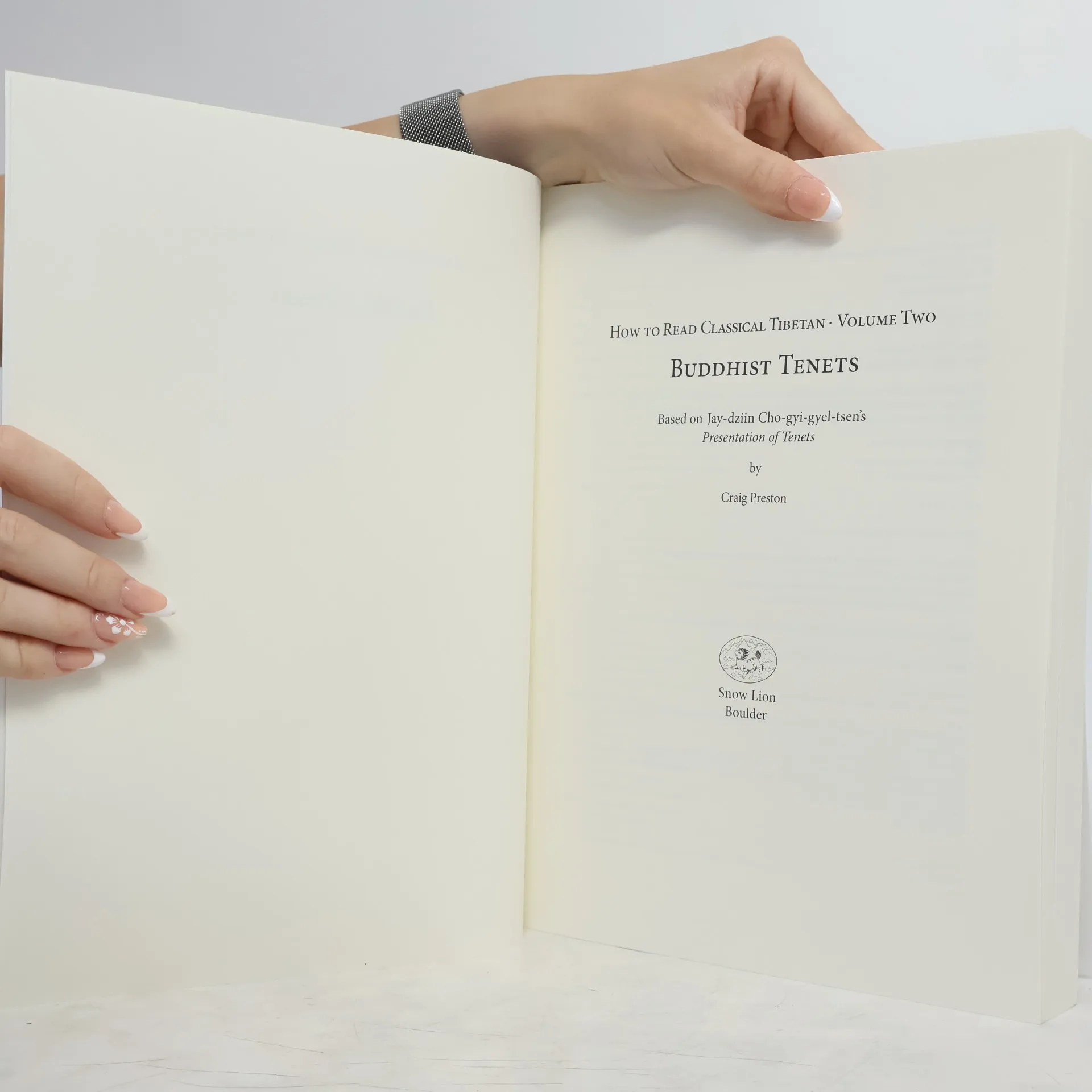
How to Read Classical Tibetan, Craig Preston
- Lingua

- Pubblicato
- 2009
- Rilegatura
- (In brossura)
Metodi di pagamento
Ancora nessuna valutazione.
- Titolo
- How to Read Classical Tibetan
- Sottotitolo
- Buddhist Tenets
- Lingua
- Inglese
- Autori
- Craig Preston
- Editore
- Penguin Random House LLC
- Pubblicato
- 2009
- Formato
- In brossura
- Pagine
- 344
- ISBN10
- 1559393130
- ISBN13
- 9781559393133
- Serie
- Categoria
- Tag
- Dizionari Linguistici e Libri di Testo, Temi psicologici, Temi religiosi, Manuali e guide, Tematica filosofica, Arte, Libri di testo universitari, Spiritualità e Religione, USA, Salute, Scuola, Teologia, Manuali di lingua, Linguistica, Asia, Ispirazione, Fantasmagorie e fantasmi, Felicità, Occultismo, Consapevolezza, Guarigione e medicina, New Age, Anime, Saggezza di vita, Zen, Coscienza, Illuminismo, Tibet, Buddha, Buddhismo tibetano, Karma, Dharma
- Descrizione
- How to Read Classical Tibetan, Volume Two: Buddhist Tenets continues Craig Preston's groundbreaking series of self-study materials designed for students learning to read Classical Tibetan on their own. This book serves a dual purpose: the student learns both grammar and philosophy at the same time.With easy-to-understand diagrams, Preston shows how to find your way through Tibetan sentences. It is like having a personal tutor at your fingertips, allowing you to proceed at your own pace through a wealth of material. As you work your way through an actual Tibetan text, Preston offers guidance at every turn. He explains the meaning of new words as they arise. He also offers a complete glossary of all the words at the end of the book. As you encounter new grammatical constructions, he walks you through understanding their meaning. He shows you how to break down Tibetan sentences into small pieces and then how to put those pieces back together to form clearly understandable English sentences. The book also helps students of the Tibetan language gain entry into the genre of tenets, which is the comparative study of the original schools of Buddhist thought in India. He introduces the rich vocabulary of Buddhist philosophy without assuming any prior knowledge, offering simple, easy-to-understand explanations of complicated ideas. Preston thus provides a complete language course.