



Maggiori informazioni sul libro
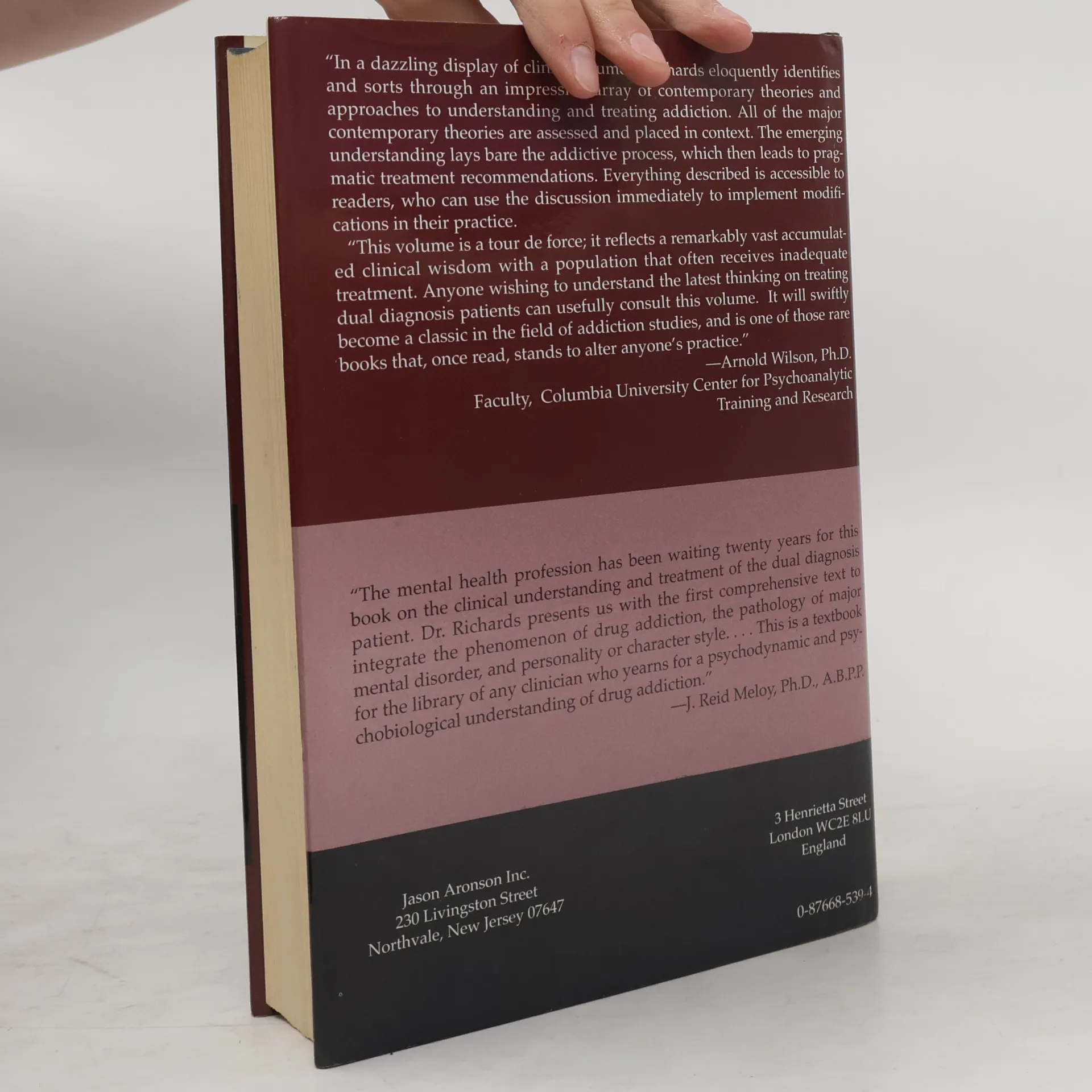
This book offers a systematic approach to substance abuse treatment, integrating familiar methods with innovative theoretical constructs and practical applications. It specifically targets treatment planning for patients with recurrent failures in psychotherapy and addiction programs, while also being relevant for less severe cases and nonsubstance addictions like compulsive sexual behavior. Dr. Richards outlines addiction as a cycle through three primitive self-experience states: the Inflated/Grandiose position, marked by egotism and super-confidence; the Depleted/Depressed position, characterized by helplessness; and the Detached/Schizoid position, defined by isolation and fantasy. Movement through this cycle is influenced by failures in self-regulation and the temporary, self-undermining relief that drugs provide. The reliance on paranoid processes such as splitting and projection is highlighted as a key factor in ongoing drug dependence. The book advances theoretical understanding while detailing a comprehensive assessment and treatment planning system based on the dual diagnosis paradigm. This system includes three interrelated concept sets—drug categories, symptom complexes, and the biopsychosocial functions of addiction. It culminates in a description of recovery processes for addiction and mental illness, outlining the corresponding treatment needs to inform effective interventions.
Acquisto del libro
Therapy of the Substance Abuse Syndromes, Henry Jay Richards
- Lingua

- Pubblicato
- 1993
- Rilegatura
- (Copertina rigida),
- Condizioni del libro
- In buone condizioni
- Prezzo
- 4,89 €
Metodi di pagamento
Ancora nessuna valutazione.
- Titolo
- Therapy of the Substance Abuse Syndromes
- Lingua
- Inglese
- Autori
- Henry Jay Richards
- Editore
- Jason Aronson, Inc.
- Pubblicato
- 1993
- Formato
- Copertina rigida
- Pagine
- 478
- ISBN10
- 0876685394
- ISBN13
- 9780876685396
- Serie
- Categoria
- Descrizione
- This book offers a systematic approach to substance abuse treatment, integrating familiar methods with innovative theoretical constructs and practical applications. It specifically targets treatment planning for patients with recurrent failures in psychotherapy and addiction programs, while also being relevant for less severe cases and nonsubstance addictions like compulsive sexual behavior. Dr. Richards outlines addiction as a cycle through three primitive self-experience states: the Inflated/Grandiose position, marked by egotism and super-confidence; the Depleted/Depressed position, characterized by helplessness; and the Detached/Schizoid position, defined by isolation and fantasy. Movement through this cycle is influenced by failures in self-regulation and the temporary, self-undermining relief that drugs provide. The reliance on paranoid processes such as splitting and projection is highlighted as a key factor in ongoing drug dependence. The book advances theoretical understanding while detailing a comprehensive assessment and treatment planning system based on the dual diagnosis paradigm. This system includes three interrelated concept sets—drug categories, symptom complexes, and the biopsychosocial functions of addiction. It culminates in a description of recovery processes for addiction and mental illness, outlining the corresponding treatment needs to inform effective interventions.