

Maggiori informazioni sul libro
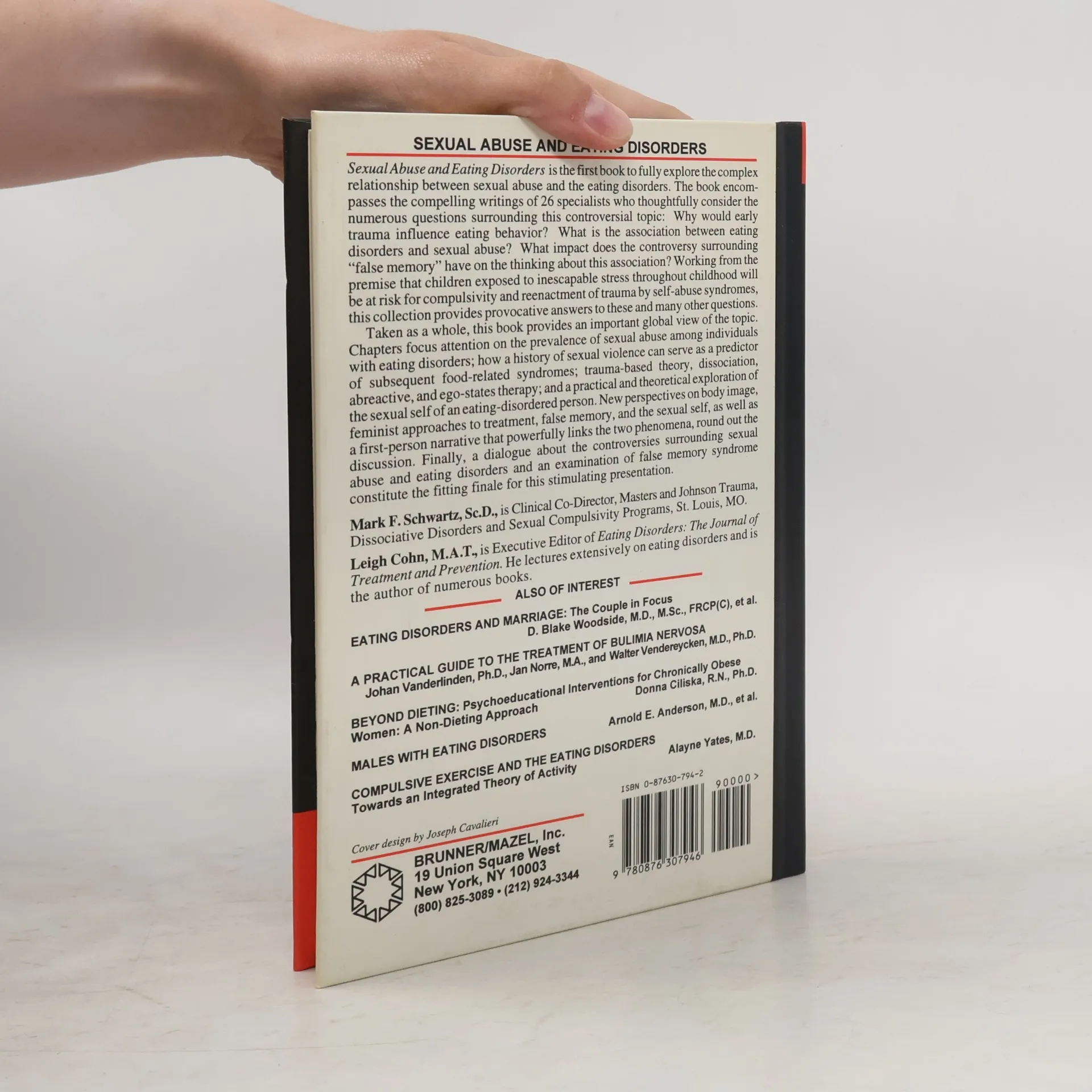
This book delves into the intricate relationship between sexual abuse and eating disorders, featuring contributions from 26 specialists who address key questions in this sensitive area. It examines how early trauma can influence eating behaviors and the connection between eating disorders and sexual abuse. The authors explore the implications of the "false memory" controversy on perceptions of this association. The premise is that children who endure chronic stress are at risk for compulsive behaviors and trauma reenactment through self-abuse. The collection provides insightful answers to these critical inquiries, offering a comprehensive perspective on the subject. Chapters highlight the prevalence of sexual abuse among those with eating disorders and how a history of sexual violence may predict food-related issues. The book discusses trauma-based theories, dissociation, and various therapeutic approaches, along with a practical exploration of the sexual self in individuals with eating disorders. It also presents new views on body image, feminist treatment approaches, and personal narratives that connect the two phenomena. The dialogue surrounding controversies in the field and an examination of false memory syndrome conclude this thought-provoking exploration.
Acquisto del libro
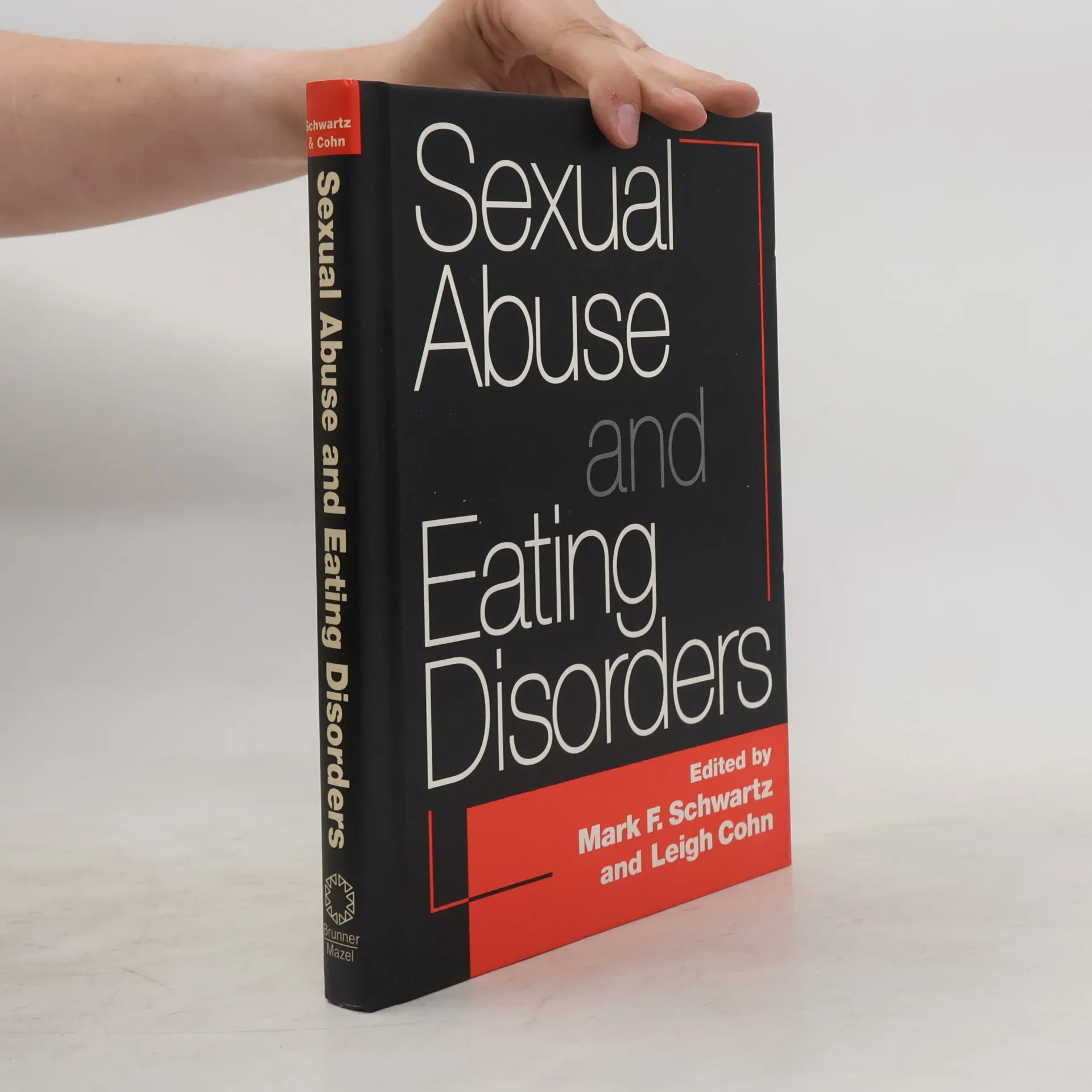
Sexual Abuse and Eating Disorders, Mark F. Schwartz, Leigh Cohn
- Lingua

- Pubblicato
- 1996
- Rilegatura
- (Copertina rigida)
Metodi di pagamento
Ancora nessuna valutazione.
- Titolo
- Sexual Abuse and Eating Disorders
- Lingua
- Inglese
- Autori
- Mark F. Schwartz, Leigh Cohn
- Editore
- Routledge
- Pubblicato
- 1996
- Formato
- Copertina rigida
- Pagine
- 244
- ISBN10
- 0876307942
- ISBN13
- 9780876307946
- Serie
- Categoria
- Tag
- Temi psicologici, Medicina, Bambini, Salute mentale, Psicoterapia, Psichiatria, Psicopatologia, Disturbi alimentari, Etiologia
- Descrizione
- This book delves into the intricate relationship between sexual abuse and eating disorders, featuring contributions from 26 specialists who address key questions in this sensitive area. It examines how early trauma can influence eating behaviors and the connection between eating disorders and sexual abuse. The authors explore the implications of the "false memory" controversy on perceptions of this association. The premise is that children who endure chronic stress are at risk for compulsive behaviors and trauma reenactment through self-abuse. The collection provides insightful answers to these critical inquiries, offering a comprehensive perspective on the subject. Chapters highlight the prevalence of sexual abuse among those with eating disorders and how a history of sexual violence may predict food-related issues. The book discusses trauma-based theories, dissociation, and various therapeutic approaches, along with a practical exploration of the sexual self in individuals with eating disorders. It also presents new views on body image, feminist treatment approaches, and personal narratives that connect the two phenomena. The dialogue surrounding controversies in the field and an examination of false memory syndrome conclude this thought-provoking exploration.