



Maggiori informazioni sul libro
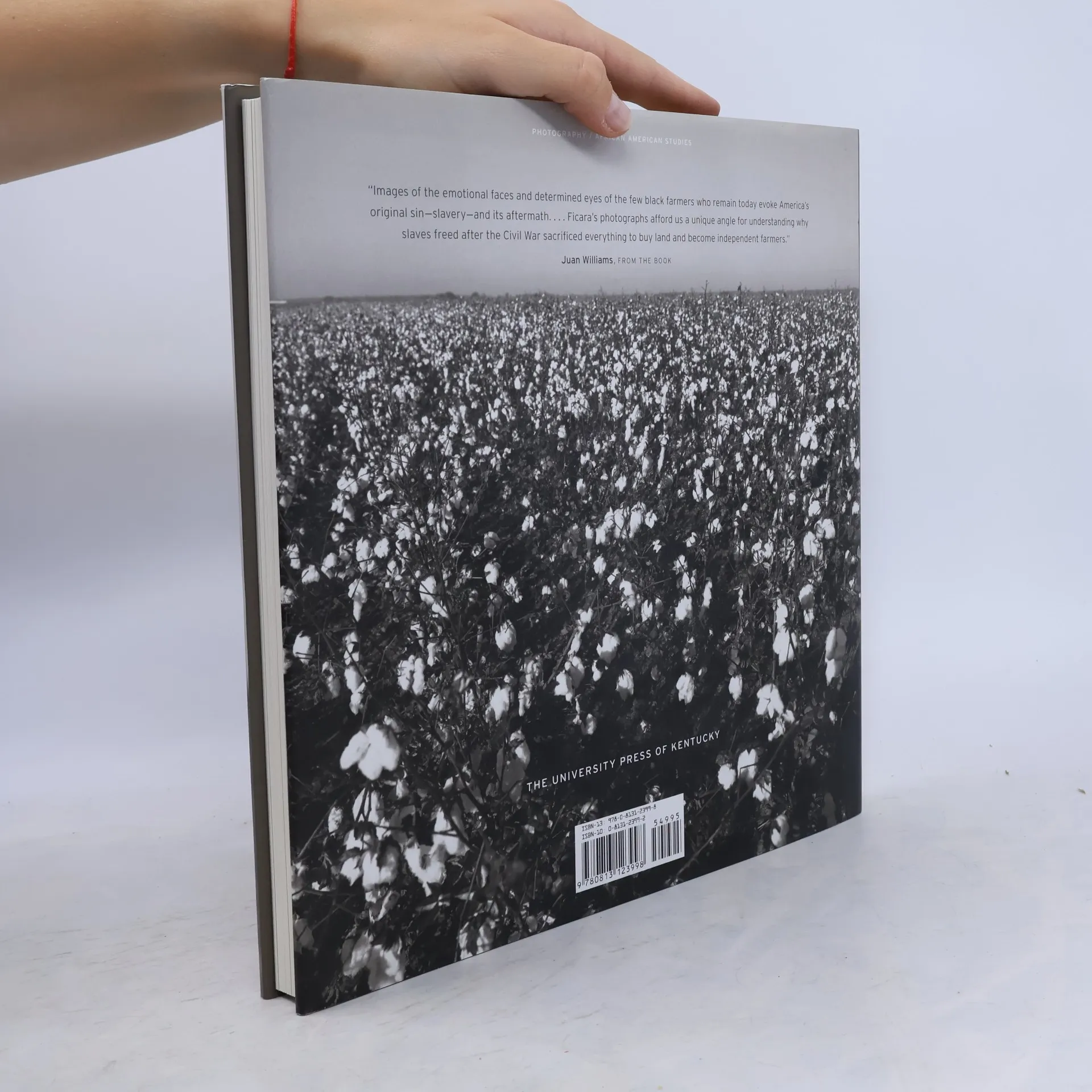
In Greene County, Alabama, a deserted farmhouse is overtaken by weeds and vines, symbolizing the loss suffered by black American farmers throughout the twentieth century. The decline of a culture supporting independent farmers, rather than natural forces, has hindered these families from realizing their dreams. In 1920, black Americans comprised 14 percent of U.S. farmers, owning and cultivating 15 million acres of land. Today, however, they represent less than 1 percent of farmers and manage fewer than 3 million acres, facing challenges from globalization, technology shifts, an aging workforce, discriminatory lending practices, and the U.S. Department of Agriculture. Experts warn that black-owned family farms may soon vanish. This reality inspired photographer John Francis Ficara to embark on a four-year journey across America, resulting in a collection of 110 duotone photographs that capture the struggles and resilience of black farmers. From a hand-painted "For Sale" sign to a farmer milking at dawn, these images preserve a heritage that may soon fade. Juan Williams’ accompanying essay provides historical context, discussing the myth of "forty acres and a mule" and the 1999 USDA settlement, highlighting America's ongoing racial and economic challenges. The photographs resonate with the dignity of work and culture, documenting the experiences of black farmers for future generations.
Acquisto del libro
Black Farmers in America, John Francis Ficara, Juan Williams
- Lingua

- Pubblicato
- 2006
- Rilegatura
- (Copertina rigida),
- Condizioni del libro
- In buone condizioni
- Prezzo
- 5,29 €
Metodi di pagamento
Ancora nessuna valutazione.
- Titolo
- Black Farmers in America
- Lingua
- Inglese
- Autori
- John Francis Ficara, Juan Williams
- Pubblicato
- 2006
- Formato
- Copertina rigida
- Pagine
- 126
- ISBN10
- 0813123992
- ISBN13
- 9780813123998
- Serie
- Descrizione
- In Greene County, Alabama, a deserted farmhouse is overtaken by weeds and vines, symbolizing the loss suffered by black American farmers throughout the twentieth century. The decline of a culture supporting independent farmers, rather than natural forces, has hindered these families from realizing their dreams. In 1920, black Americans comprised 14 percent of U.S. farmers, owning and cultivating 15 million acres of land. Today, however, they represent less than 1 percent of farmers and manage fewer than 3 million acres, facing challenges from globalization, technology shifts, an aging workforce, discriminatory lending practices, and the U.S. Department of Agriculture. Experts warn that black-owned family farms may soon vanish. This reality inspired photographer John Francis Ficara to embark on a four-year journey across America, resulting in a collection of 110 duotone photographs that capture the struggles and resilience of black farmers. From a hand-painted "For Sale" sign to a farmer milking at dawn, these images preserve a heritage that may soon fade. Juan Williams’ accompanying essay provides historical context, discussing the myth of "forty acres and a mule" and the 1999 USDA settlement, highlighting America's ongoing racial and economic challenges. The photographs resonate with the dignity of work and culture, documenting the experiences of black farmers for future generations.