

Maggiori informazioni sul libro
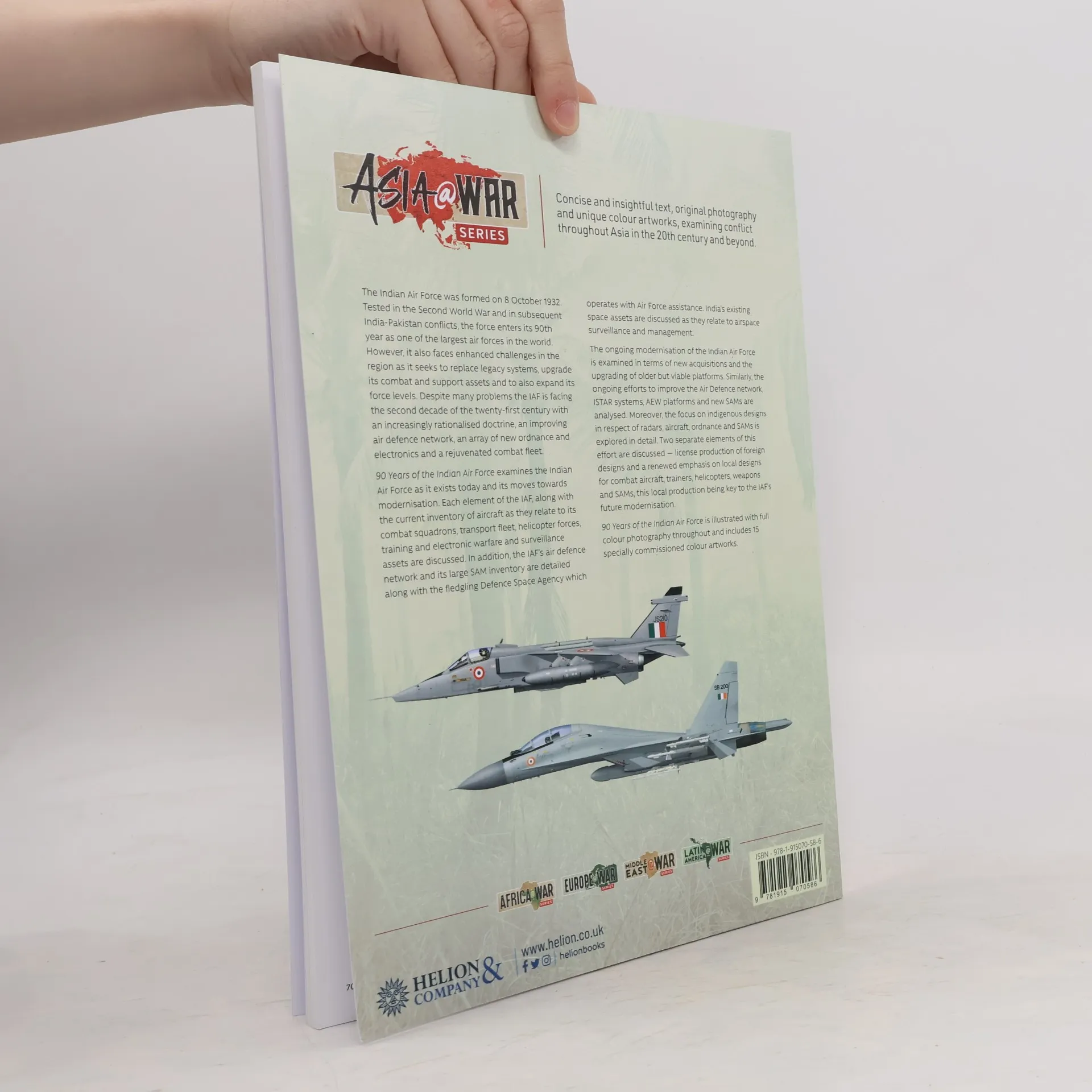
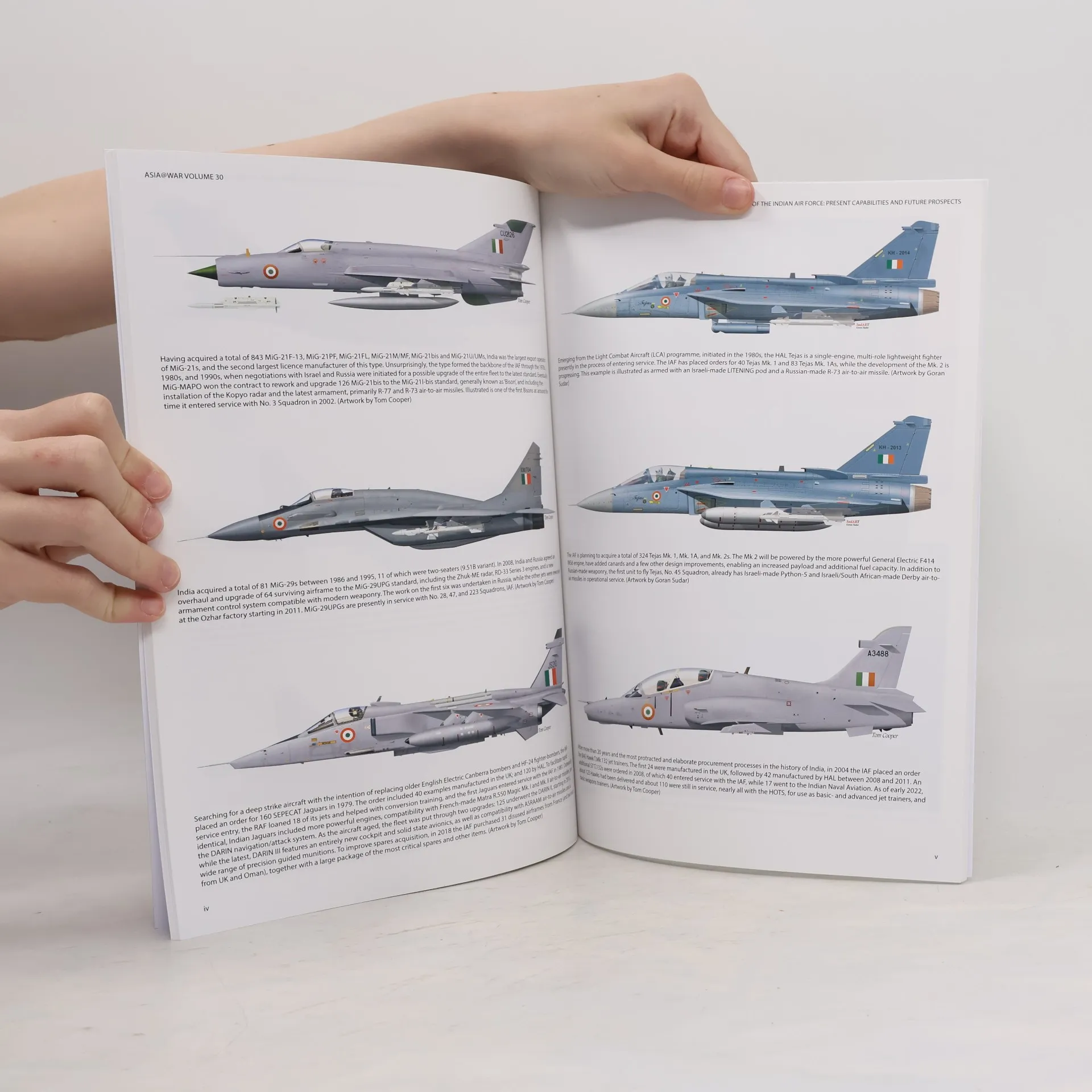
The Indian Air Force, established on 8 October 1932, has evolved into one of the world's largest air forces, having been tested in the Second World War and subsequent India-Pakistan conflicts. As it approaches its 90th anniversary, the IAF faces significant challenges, including the need to replace outdated systems, upgrade combat and support assets, and expand its force levels. Despite these hurdles, the IAF is entering the second decade of the twenty-first century with a more rationalized doctrine, an enhanced air defense network, new ordnance and electronics, and a rejuvenated combat fleet. This examination of the IAF highlights its current state and modernization efforts. It covers various elements of the force, including its combat squadrons, transport fleet, helicopter forces, training, and electronic warfare assets. The air defense network and substantial surface-to-air missile (SAM) inventory are detailed, alongside the emerging Defence Space Agency, which collaborates with the Air Force. The modernization process encompasses new acquisitions and upgrades of existing platforms, with a focus on indigenous designs for radars, aircraft, ordnance, and SAMs. The discussion includes both license production of foreign designs and a renewed emphasis on local designs for combat aircraft, trainers, and weapons, which are crucial for the IAF's future. The book features full-color photography and 15 specially commissioned artwork
Acquisto del libro
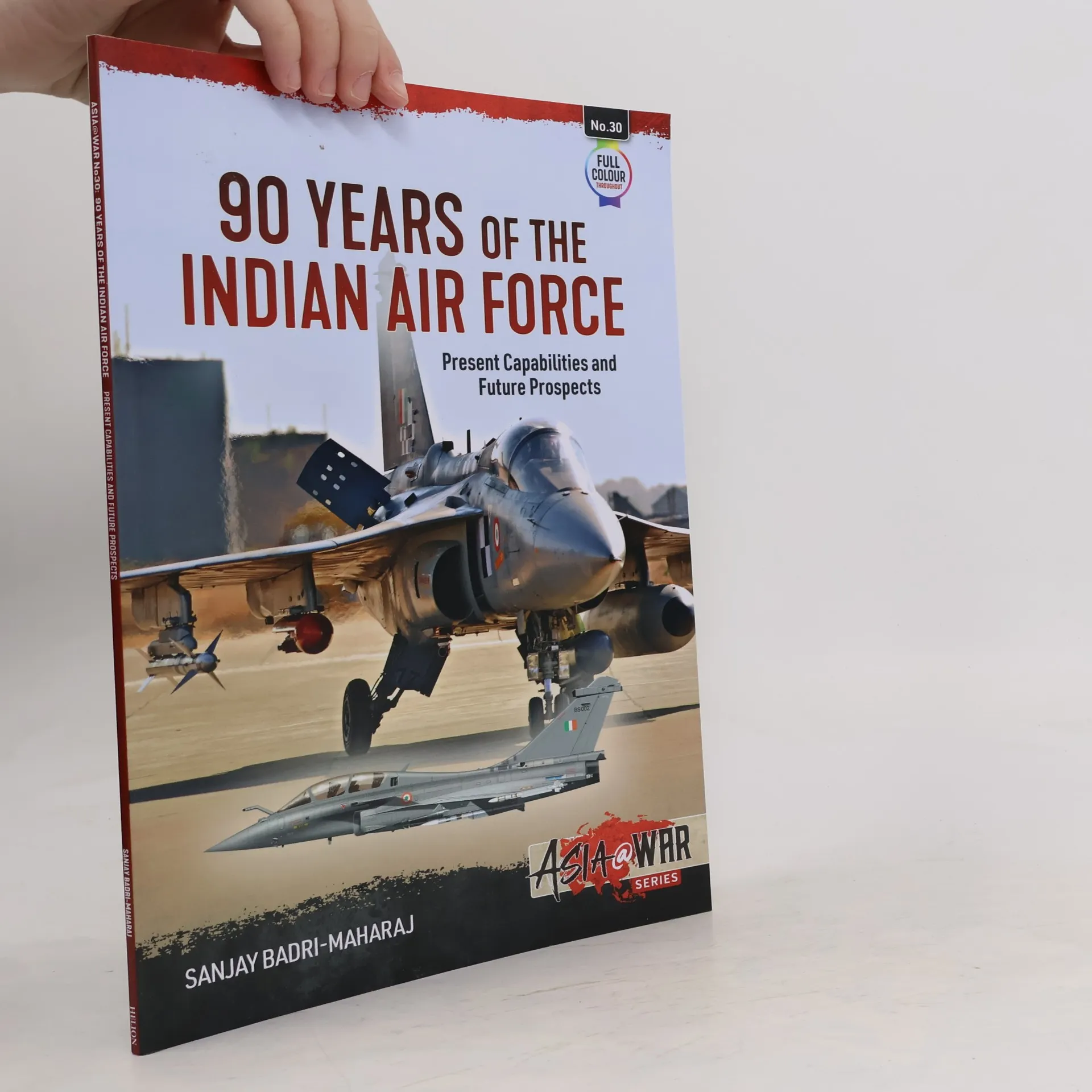
Asia @ War - 30: 90 Years of the Indian Air Force, Sanjay Badri-Maharaj
- Lingua

- Pubblicato
- 2022
- Rilegatura
- (In brossura)
Metodi di pagamento
Ancora nessuna valutazione.
- Titolo
- Asia @ War - 30: 90 Years of the Indian Air Force
- Sottotitolo
- Present Capabilities and Future Prospects
- Lingua
- Inglese
- Autori
- Sanjay Badri-Maharaj
- Editore
- Helion & Company
- Pubblicato
- 2022
- Formato
- In brossura
- Pagine
- 80
- ISBN10
- 1915070589
- ISBN13
- 9781915070586
- Serie
- Categoria
- Tag
- Tema stórico, Guerre, Aviazione, Asia, Indie, Aerei militari
- Descrizione
- The Indian Air Force, established on 8 October 1932, has evolved into one of the world's largest air forces, having been tested in the Second World War and subsequent India-Pakistan conflicts. As it approaches its 90th anniversary, the IAF faces significant challenges, including the need to replace outdated systems, upgrade combat and support assets, and expand its force levels. Despite these hurdles, the IAF is entering the second decade of the twenty-first century with a more rationalized doctrine, an enhanced air defense network, new ordnance and electronics, and a rejuvenated combat fleet. This examination of the IAF highlights its current state and modernization efforts. It covers various elements of the force, including its combat squadrons, transport fleet, helicopter forces, training, and electronic warfare assets. The air defense network and substantial surface-to-air missile (SAM) inventory are detailed, alongside the emerging Defence Space Agency, which collaborates with the Air Force. The modernization process encompasses new acquisitions and upgrades of existing platforms, with a focus on indigenous designs for radars, aircraft, ordnance, and SAMs. The discussion includes both license production of foreign designs and a renewed emphasis on local designs for combat aircraft, trainers, and weapons, which are crucial for the IAF's future. The book features full-color photography and 15 specially commissioned artwork