


Maggiori informazioni sul libro
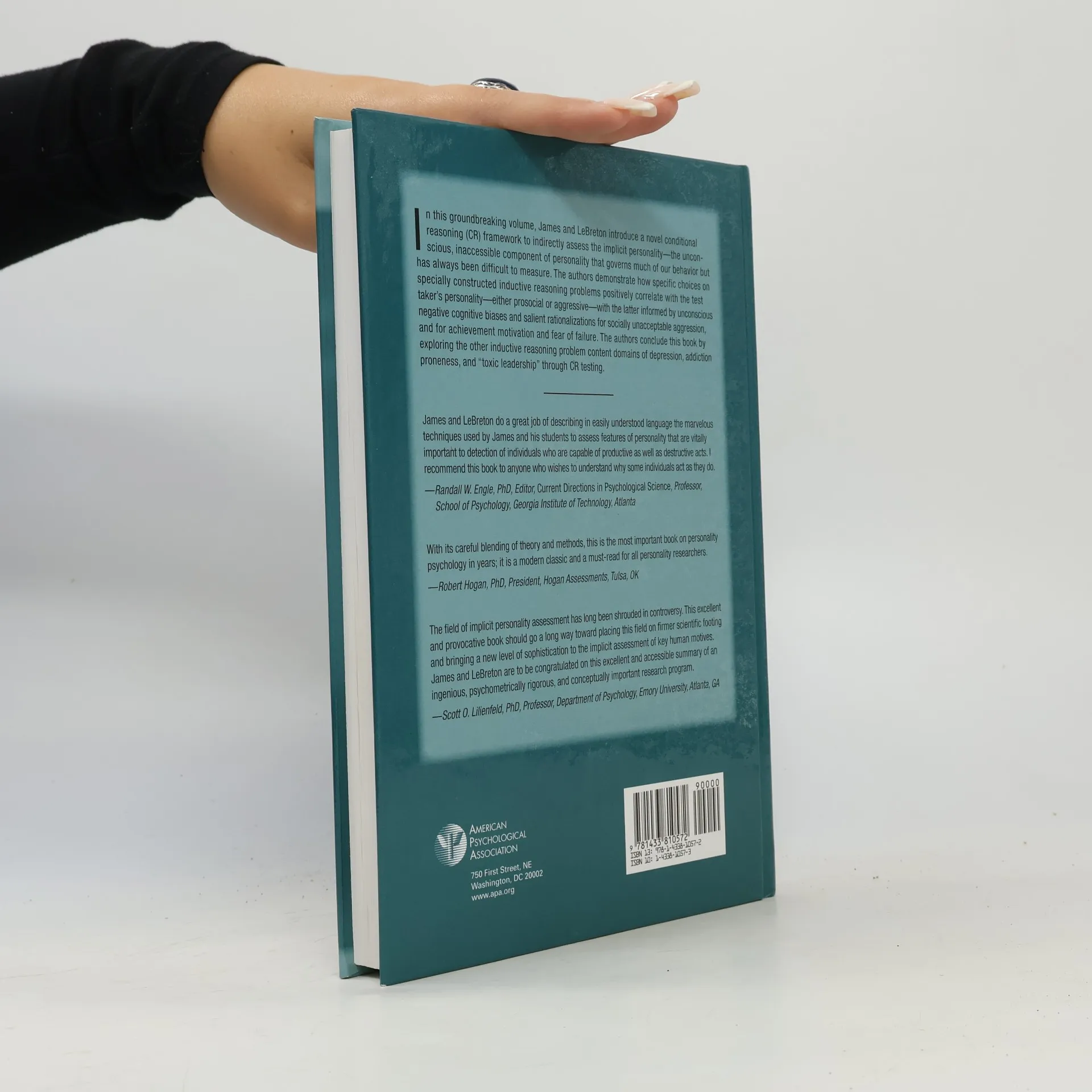
In this groundbreaking volume, Lawrence R. James and James M. LeBreton introduce a novel conditional reasoning (CR) framework to indirectly assess the implicit personality—the unconscious, inaccessible component of personality that governs much of our behavior but has always been difficult to measure. The authors demonstrate how specific choices on specially constructed inductive reasoning problems positively correlate with the test taker’s personality—either prosocial or aggressive—with the latter informed by unconscious negative cognitive biases and salient rationalizations for socially unacceptable aggression, and for achievement motivation and fear of failure.The authors conclude this book by exploring the other inductive reasoning problem content domains of depression, addiction proneness, and “toxic leadership” through CR testing.
Acquisto del libro
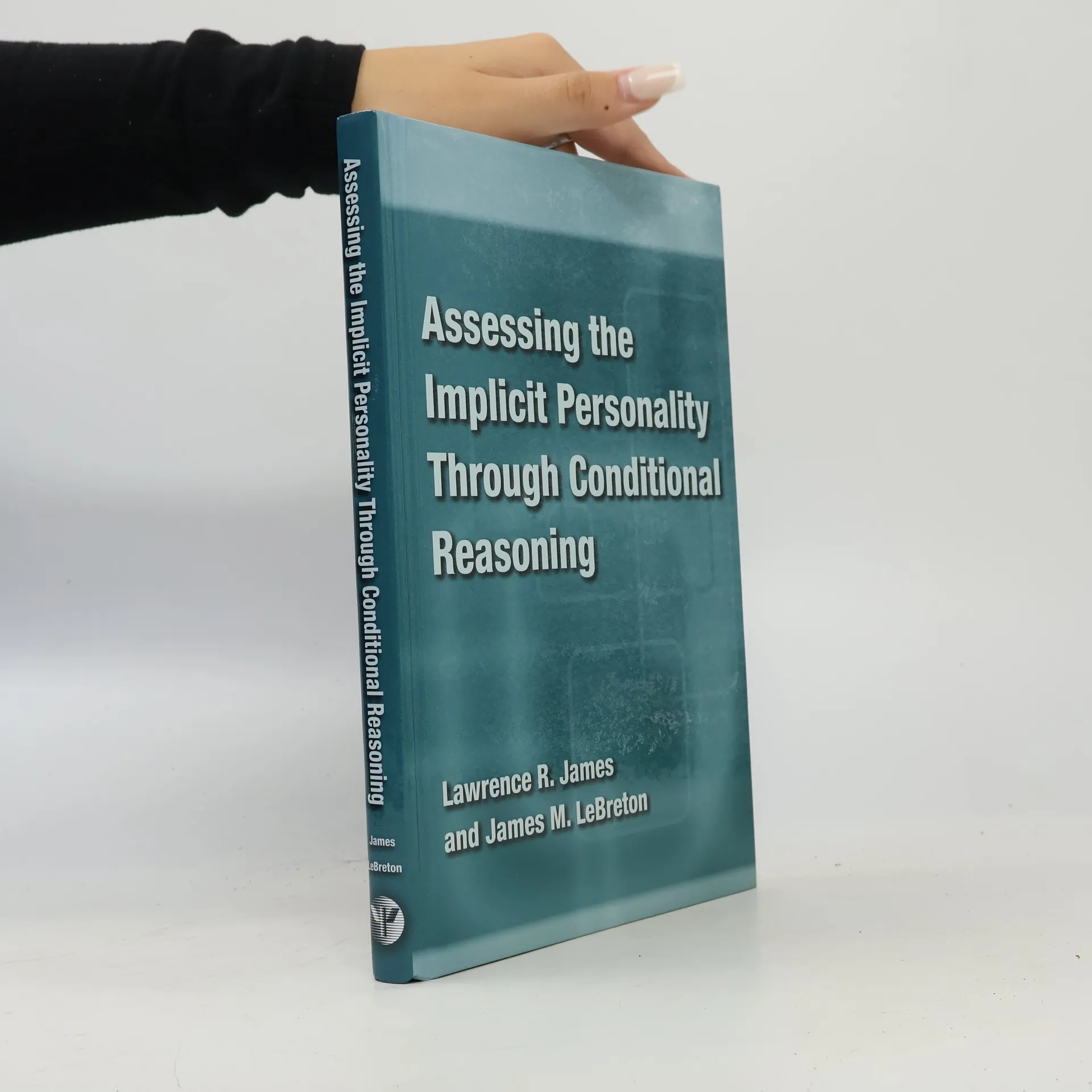
Assessing the Implicit Personality Through Conditional Reasoning, Lawrence R. James, James M. LeBreton
- Lingua

- Pubblicato
- 2012
- Rilegatura
- (Copertina rigida),
- Condizioni del libro
- In ottime condizioni
- Prezzo
- 7,29 €
Metodi di pagamento
Ancora nessuna valutazione.
- Titolo
- Assessing the Implicit Personality Through Conditional Reasoning
- Lingua
- Inglese
- Pubblicato
- 2012
- Formato
- Copertina rigida
- Pagine
- 244
- ISBN10
- 1433810573
- ISBN13
- 9781433810572
- Serie
- Categoria
- Descrizione
- In this groundbreaking volume, Lawrence R. James and James M. LeBreton introduce a novel conditional reasoning (CR) framework to indirectly assess the implicit personality—the unconscious, inaccessible component of personality that governs much of our behavior but has always been difficult to measure. The authors demonstrate how specific choices on specially constructed inductive reasoning problems positively correlate with the test taker’s personality—either prosocial or aggressive—with the latter informed by unconscious negative cognitive biases and salient rationalizations for socially unacceptable aggression, and for achievement motivation and fear of failure.The authors conclude this book by exploring the other inductive reasoning problem content domains of depression, addiction proneness, and “toxic leadership” through CR testing.