




Parametri
- 236pagine
- 9 ore di lettura
Maggiori informazioni sul libro
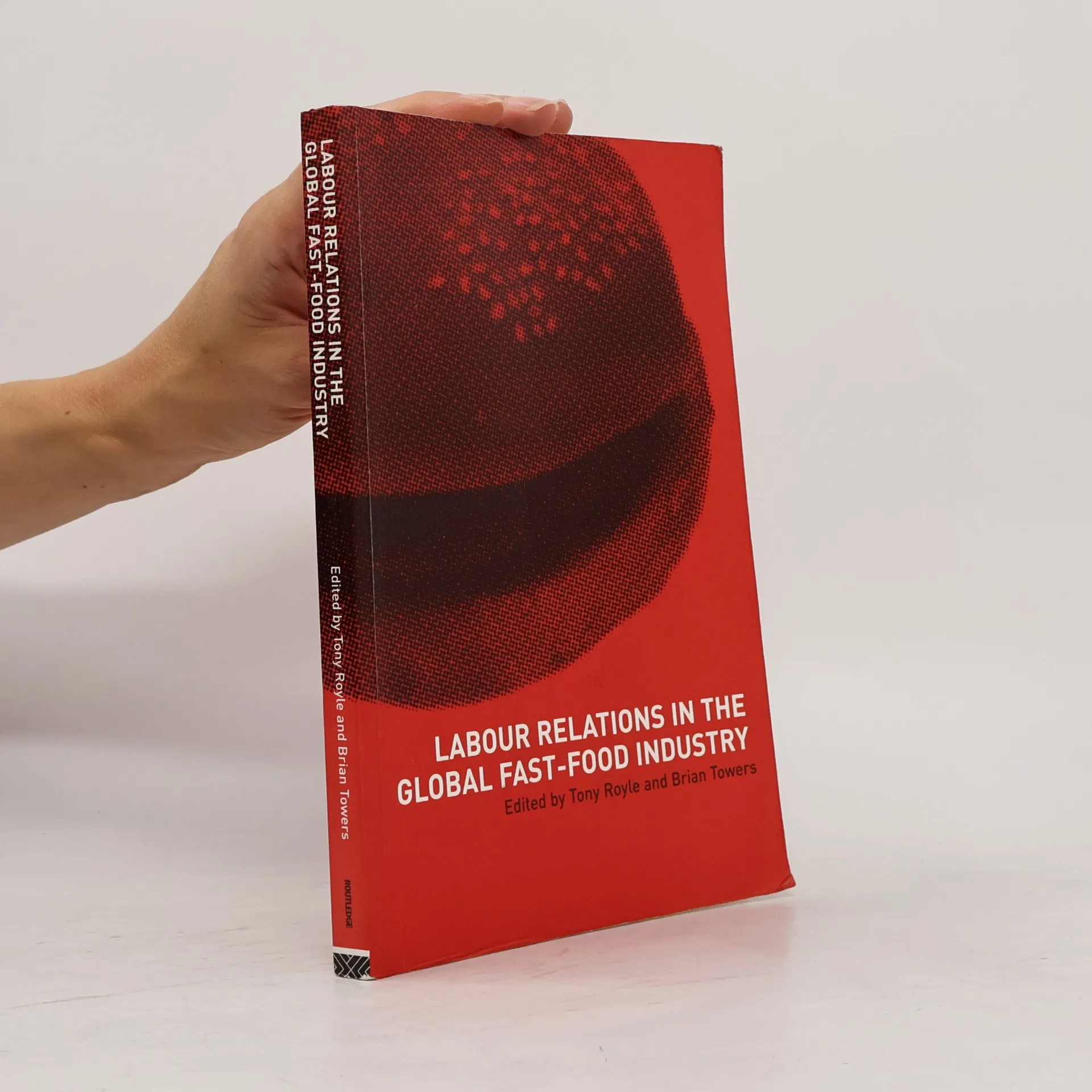
The fast-food industry is one of the few industries that can be described as truly global, not least in terms of employment, which is estimated at around ten million people worldwide. This edited volume is the first of its kind, providing an analysis of labour relations in this significant industry focusing on multinational corporations and large national companies in ten countries: the USA, Canada, the UK, the Netherlands, Germany, Australia, New Zealand, Singapore, and Russia. The extent to which multinational enterprises impose or adapt their employment practices in differing national industrial relations systems is analysed, Results reveal that the global fast-food industry is typified by trade union exclusion, high labour turnover, unskilled work, paternalistic management regimes and work organization that allows little scope for developing workers' participation in decision-making, let alone advocating widely accepted concepts of social justice and workers' rights.
Acquisto del libro
Labour Relations in the Global Fast-Food Industry, Tony Royle, Brian Towers
- Lingua

- Pubblicato
- 2001
- Rilegatura
- (In brossura),
- Condizioni del libro
- Danneggiato
- Prezzo
- 6,76 €
Metodi di pagamento
Ancora nessuna valutazione.
- Titolo
- Labour Relations in the Global Fast-Food Industry
- Lingua
- Inglese
- Autori
- Tony Royle, Brian Towers
- Editore
- Routledge
- Pubblicato
- 2001
- Formato
- In brossura
- Pagine
- 236
- ISBN10
- 0415221676
- ISBN13
- 9780415221672
- Serie
- Categoria
- Descrizione
- The fast-food industry is one of the few industries that can be described as truly global, not least in terms of employment, which is estimated at around ten million people worldwide. This edited volume is the first of its kind, providing an analysis of labour relations in this significant industry focusing on multinational corporations and large national companies in ten countries: the USA, Canada, the UK, the Netherlands, Germany, Australia, New Zealand, Singapore, and Russia. The extent to which multinational enterprises impose or adapt their employment practices in differing national industrial relations systems is analysed, Results reveal that the global fast-food industry is typified by trade union exclusion, high labour turnover, unskilled work, paternalistic management regimes and work organization that allows little scope for developing workers' participation in decision-making, let alone advocating widely accepted concepts of social justice and workers' rights.