

Maggiori informazioni sul libro
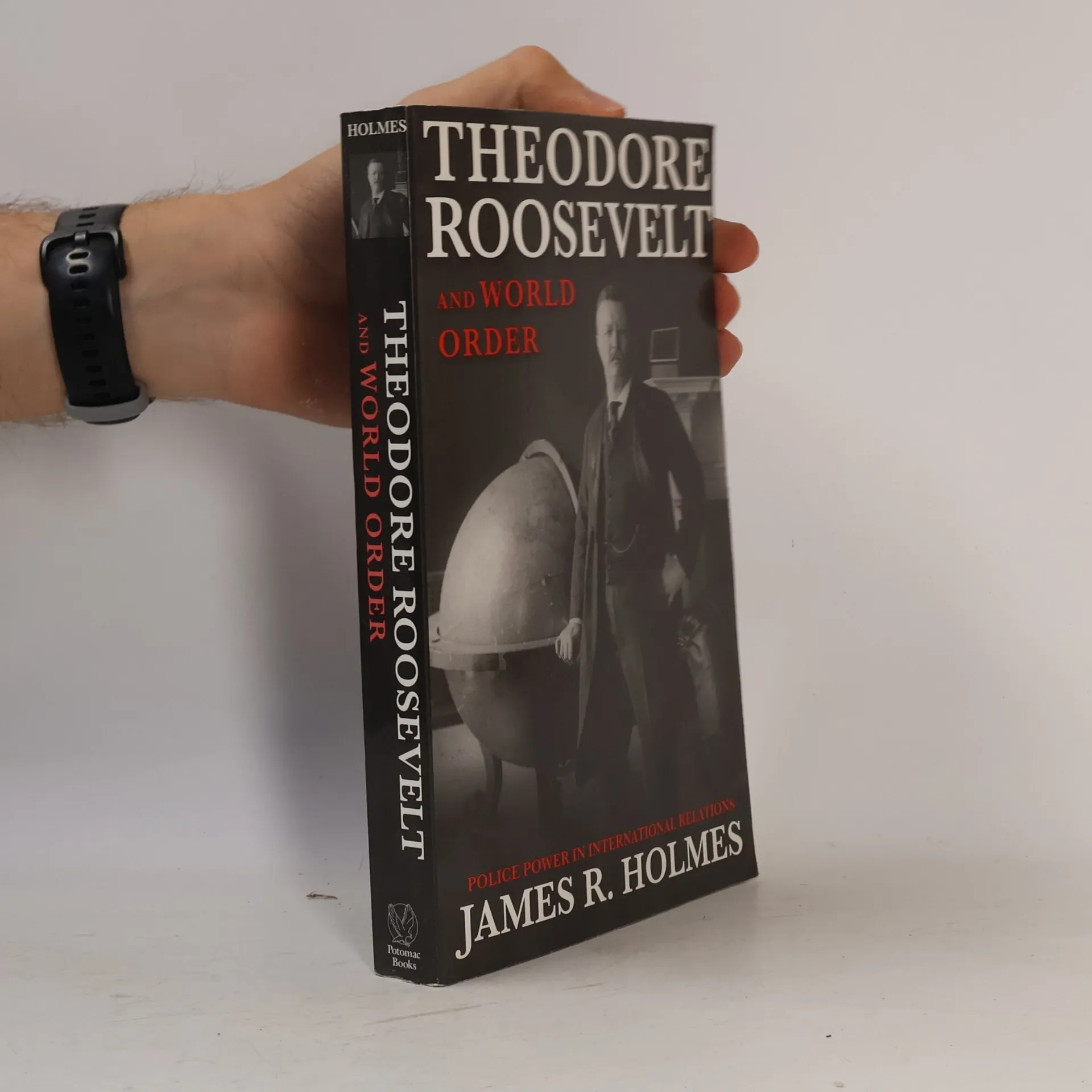
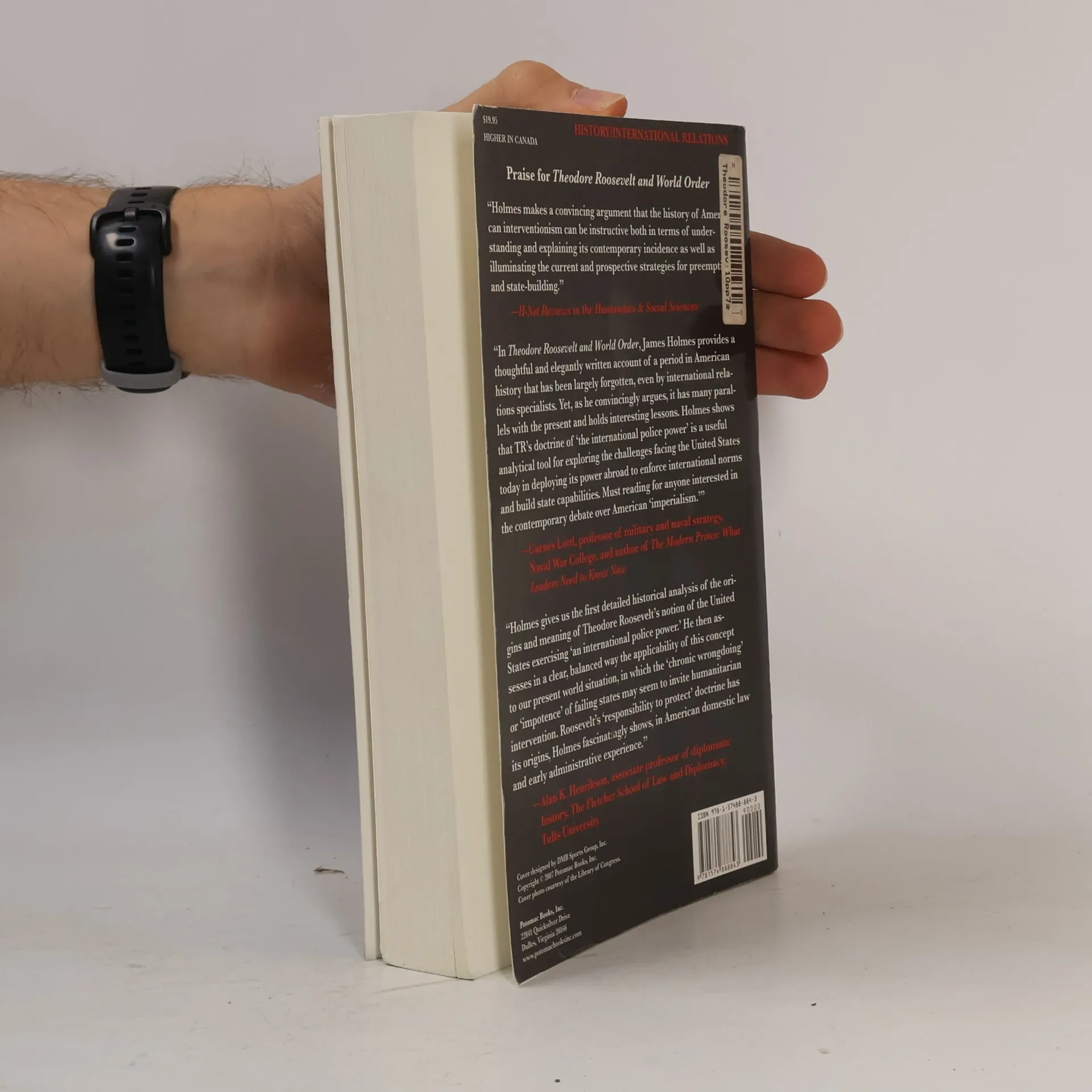
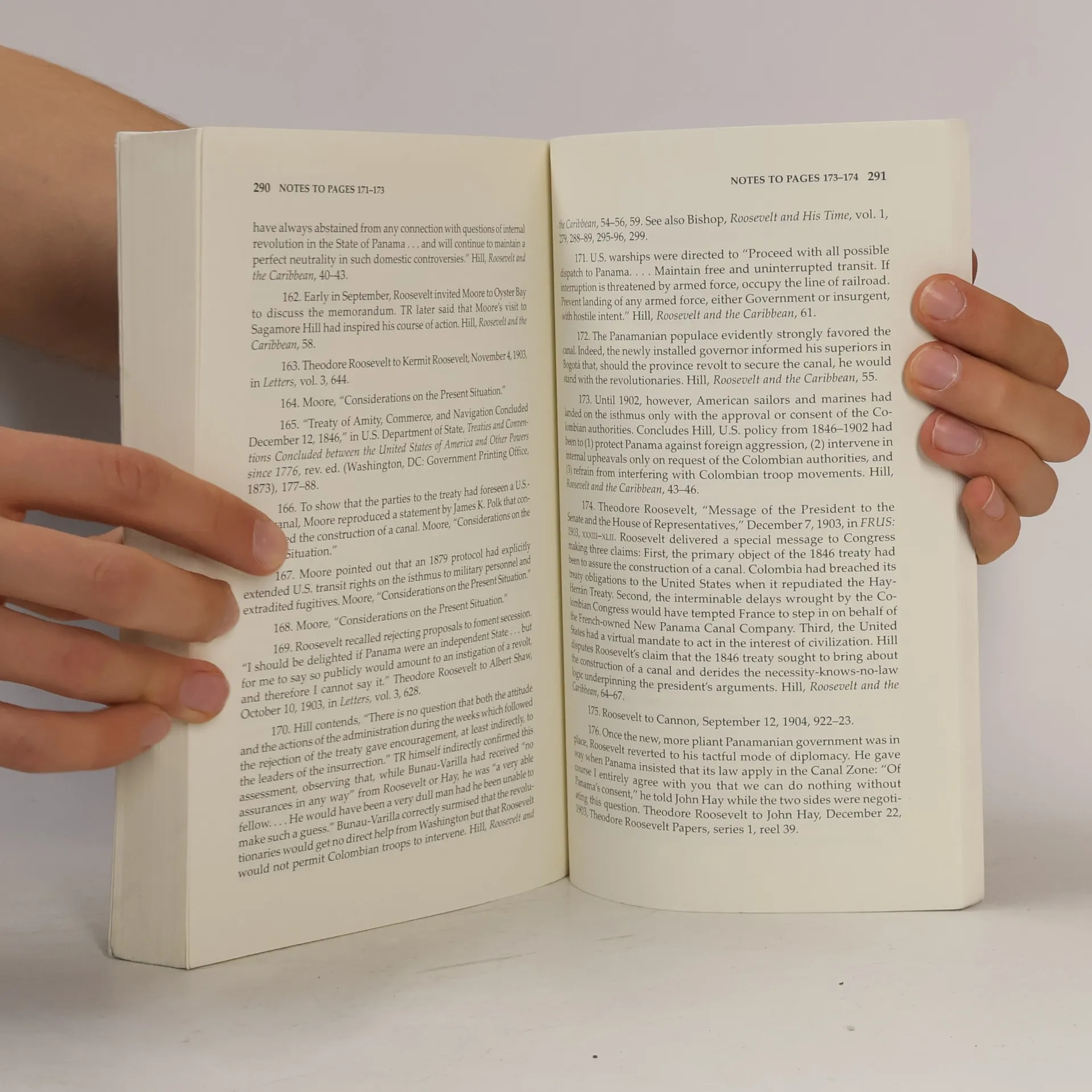
Theodore Roosevelt and World Order offers a fresh perspective on TR’s political philosophy, addressing contemporary foreign policy challenges. While many recognize Roosevelt's role as New York police commissioner and his diplomatic achievements, his views on domestic and foreign affairs, particularly through the lens of "police power," have been overlooked. This understanding is crucial, as Roosevelt's era parallels today's global landscape, characterized by economic interdependence, unstable states, and terrorism reminiscent of the threats faced during his presidency. Roosevelt applied his police power concept in managing the Philippines and Cuba, promoting Panama's independence, and resolving international crises in Venezuela and Morocco. In the post-Cold War and post-9/11 contexts, American leaders have struggled with maintaining world order. Although not all of Roosevelt's ideas are directly applicable today, this work provides valuable historical insights into international intervention and serves as a powerful analytical framework for how a great power should engage with global events.
Acquisto del libro
Theodore Roosevelt and World Order, James R. Holmes
- Lingua

- Pubblicato
- 2007
- Rilegatura
- (In brossura)
Metodi di pagamento
Ancora nessuna valutazione.
- Titolo
- Theodore Roosevelt and World Order
- Sottotitolo
- Police Power in International Relations
- Lingua
- Inglese
- Autori
- James R. Holmes
- Editore
- Potomac Books
- Pubblicato
- 2007
- Formato
- In brossura
- Pagine
- 327
- ISBN10
- 1574888846
- ISBN13
- 9781574888843
- Serie
- Descrizione
- Theodore Roosevelt and World Order offers a fresh perspective on TR’s political philosophy, addressing contemporary foreign policy challenges. While many recognize Roosevelt's role as New York police commissioner and his diplomatic achievements, his views on domestic and foreign affairs, particularly through the lens of "police power," have been overlooked. This understanding is crucial, as Roosevelt's era parallels today's global landscape, characterized by economic interdependence, unstable states, and terrorism reminiscent of the threats faced during his presidency. Roosevelt applied his police power concept in managing the Philippines and Cuba, promoting Panama's independence, and resolving international crises in Venezuela and Morocco. In the post-Cold War and post-9/11 contexts, American leaders have struggled with maintaining world order. Although not all of Roosevelt's ideas are directly applicable today, this work provides valuable historical insights into international intervention and serves as a powerful analytical framework for how a great power should engage with global events.