



Maggiori informazioni sul libro
Roger Scruton, a prominent British philosopher of the post-war era, faces both neglect and hostility, largely due to his unapologetic conservative stance rooted in Edmund Burke's tradition. His conservative instincts were intensified during the Paris riots of 1968, leading him to oppose what he calls 'the culture of repudiation.' Scruton critiques liberals like Russell and Mill, existentialists such as Sartre, and postmodernists in the style of Foucault. This work offers a compelling overview of Scruton's life and ideas, highlighting his Hegelian and Burkean perspective on human nature, which emphasizes allegiance to the State as essential for genuine freedom. He rejects all forms of social contract theory, liberal individualism, and notions of the 'authentic' self detached from community. In recent years, his conservative views on the nation-state have informed critiques of the European Union, the United Nations, and the feasibility of Western-style democracy in the Middle East. The author posits that Scruton is a unique British intellectual who has bravely challenged liberal orthodoxy, arriving at political insights that are increasingly relevant today. This analysis presents Scruton as a prophetic figure for contemporary society.
Acquisto del libro
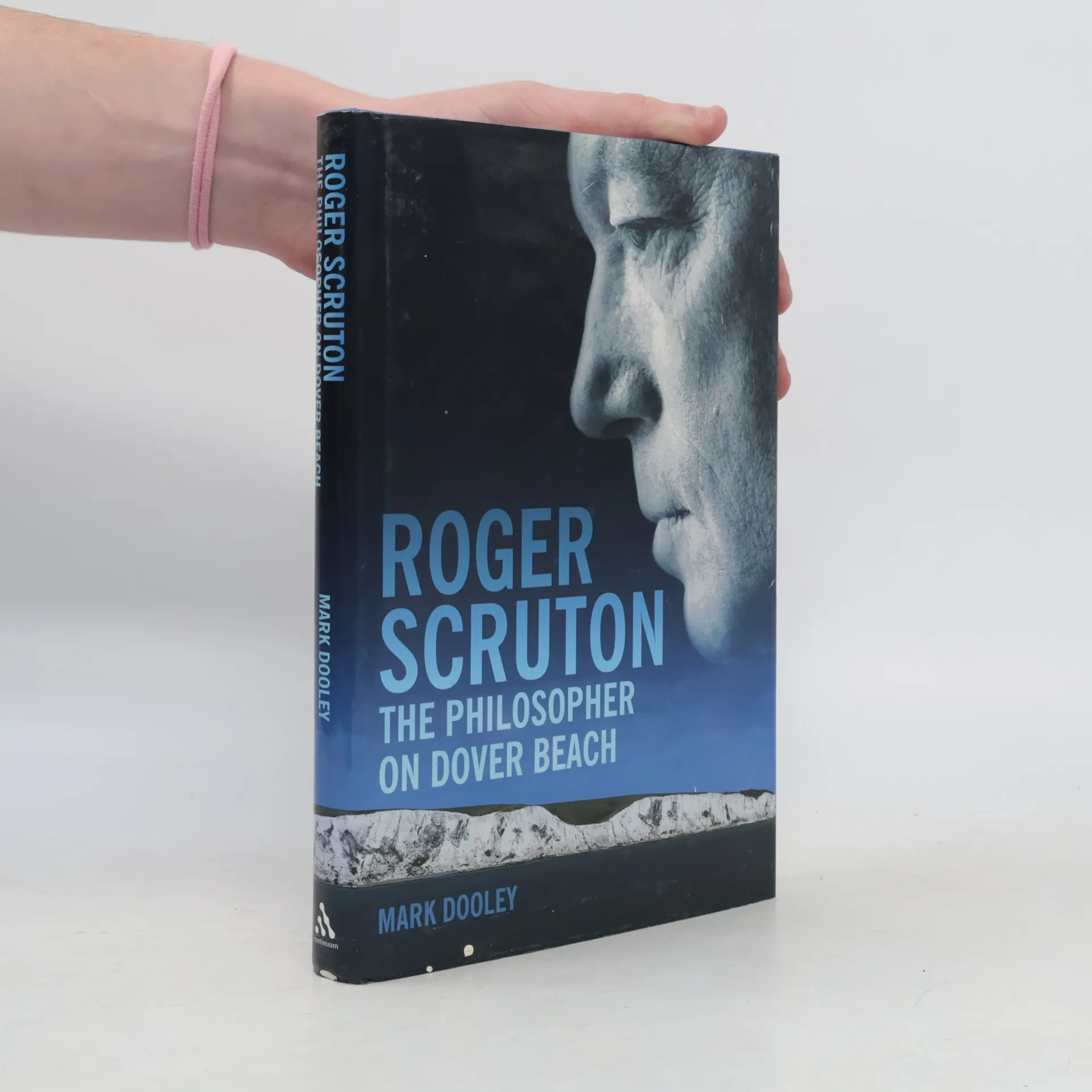
Roger Scruton, Mark Dooley
- Lingua

- Pubblicato
- 2009
- Rilegatura
- (Copertina rigida)
Metodi di pagamento
Ancora nessuna valutazione.
- Titolo
- Roger Scruton
- Sottotitolo
- The Philosopher on Dover Beach
- Lingua
- Inglese
- Autori
- Mark Dooley
- Editore
- Continuum
- Pubblicato
- 2009
- Formato
- Copertina rigida
- Pagine
- 200
- ISBN10
- 1847060137
- ISBN13
- 9781847060136
- Serie
- Categoria
- Descrizione
- Roger Scruton, a prominent British philosopher of the post-war era, faces both neglect and hostility, largely due to his unapologetic conservative stance rooted in Edmund Burke's tradition. His conservative instincts were intensified during the Paris riots of 1968, leading him to oppose what he calls 'the culture of repudiation.' Scruton critiques liberals like Russell and Mill, existentialists such as Sartre, and postmodernists in the style of Foucault. This work offers a compelling overview of Scruton's life and ideas, highlighting his Hegelian and Burkean perspective on human nature, which emphasizes allegiance to the State as essential for genuine freedom. He rejects all forms of social contract theory, liberal individualism, and notions of the 'authentic' self detached from community. In recent years, his conservative views on the nation-state have informed critiques of the European Union, the United Nations, and the feasibility of Western-style democracy in the Middle East. The author posits that Scruton is a unique British intellectual who has bravely challenged liberal orthodoxy, arriving at political insights that are increasingly relevant today. This analysis presents Scruton as a prophetic figure for contemporary society.