

Parametri
- 360pagine
- 13 ore di lettura
Maggiori informazioni sul libro
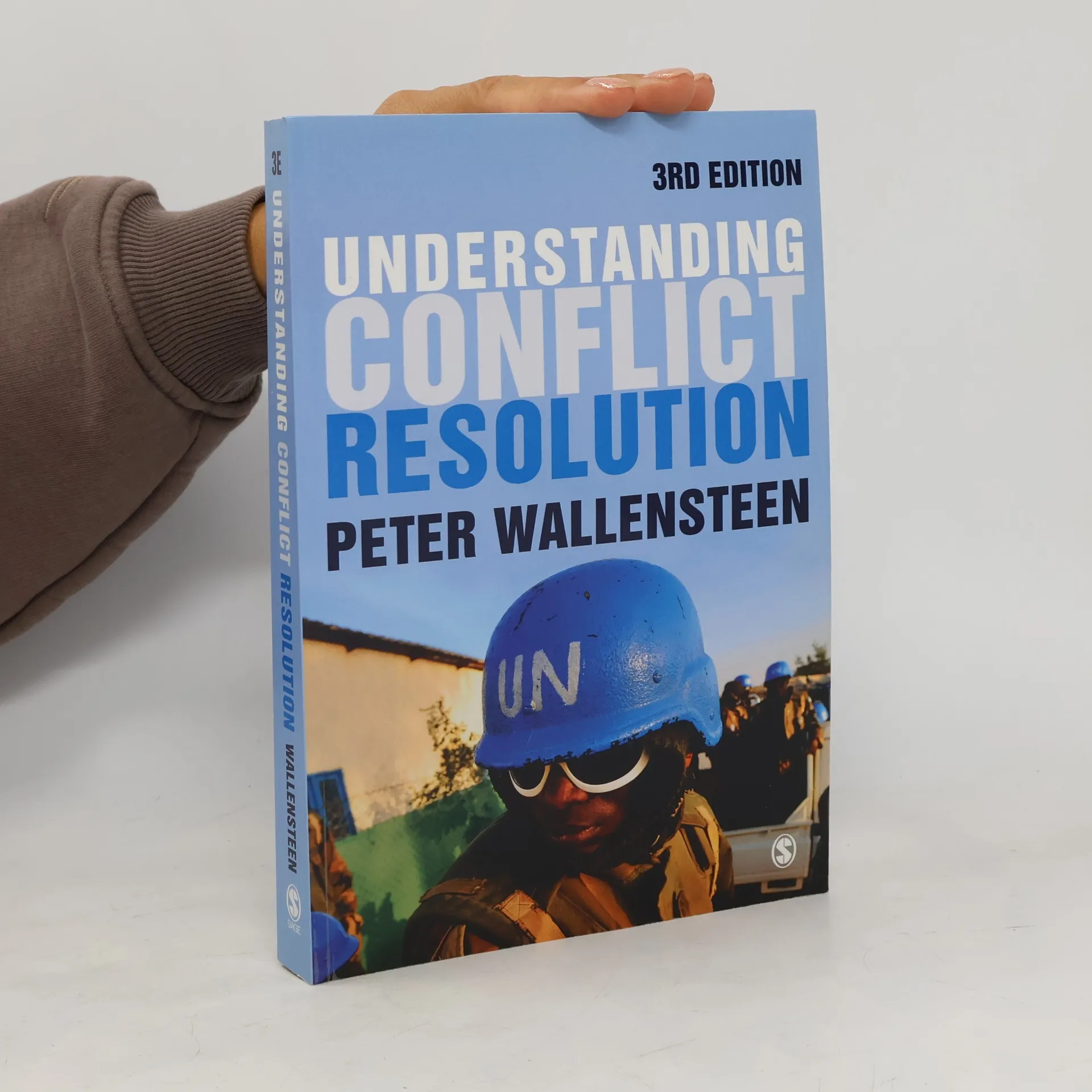
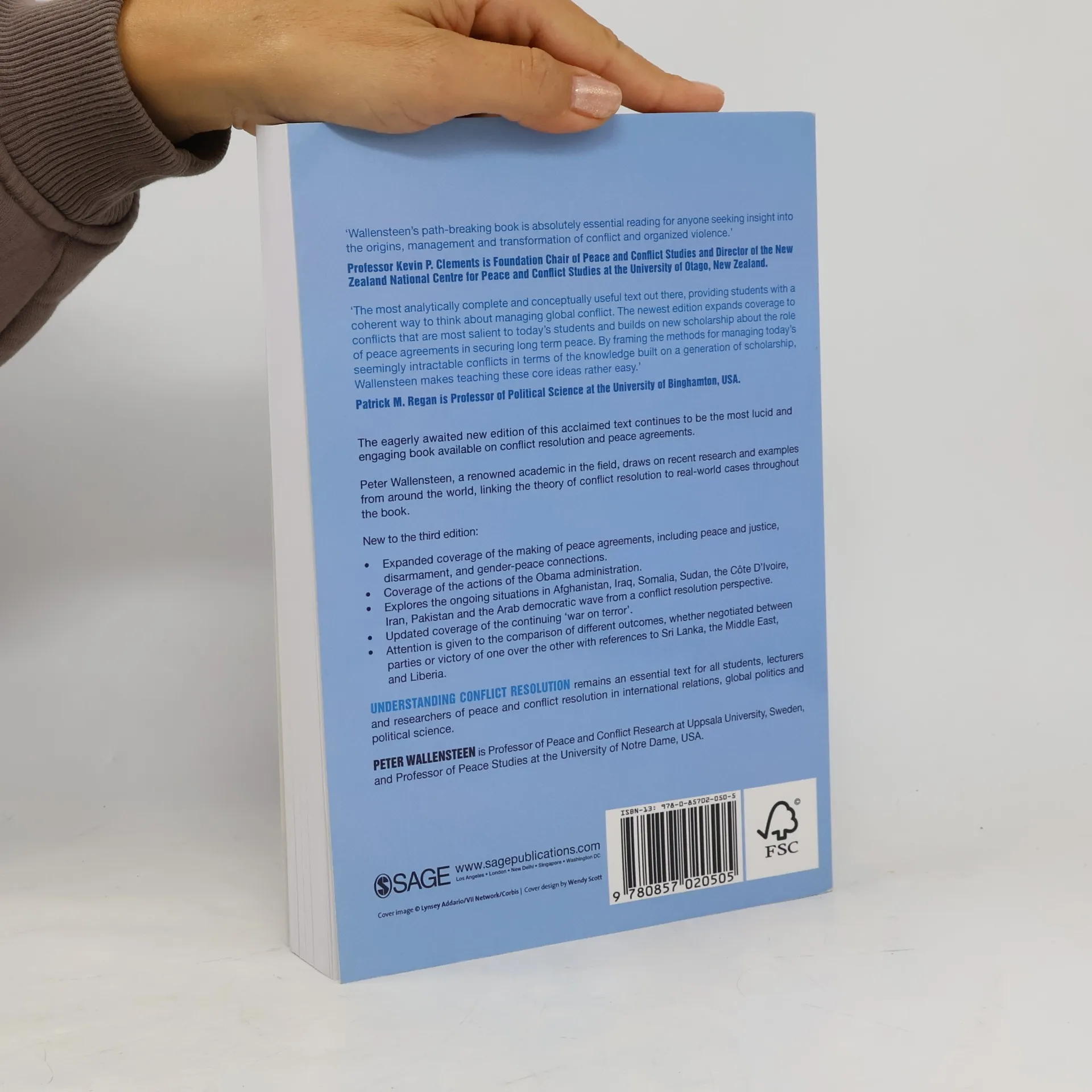
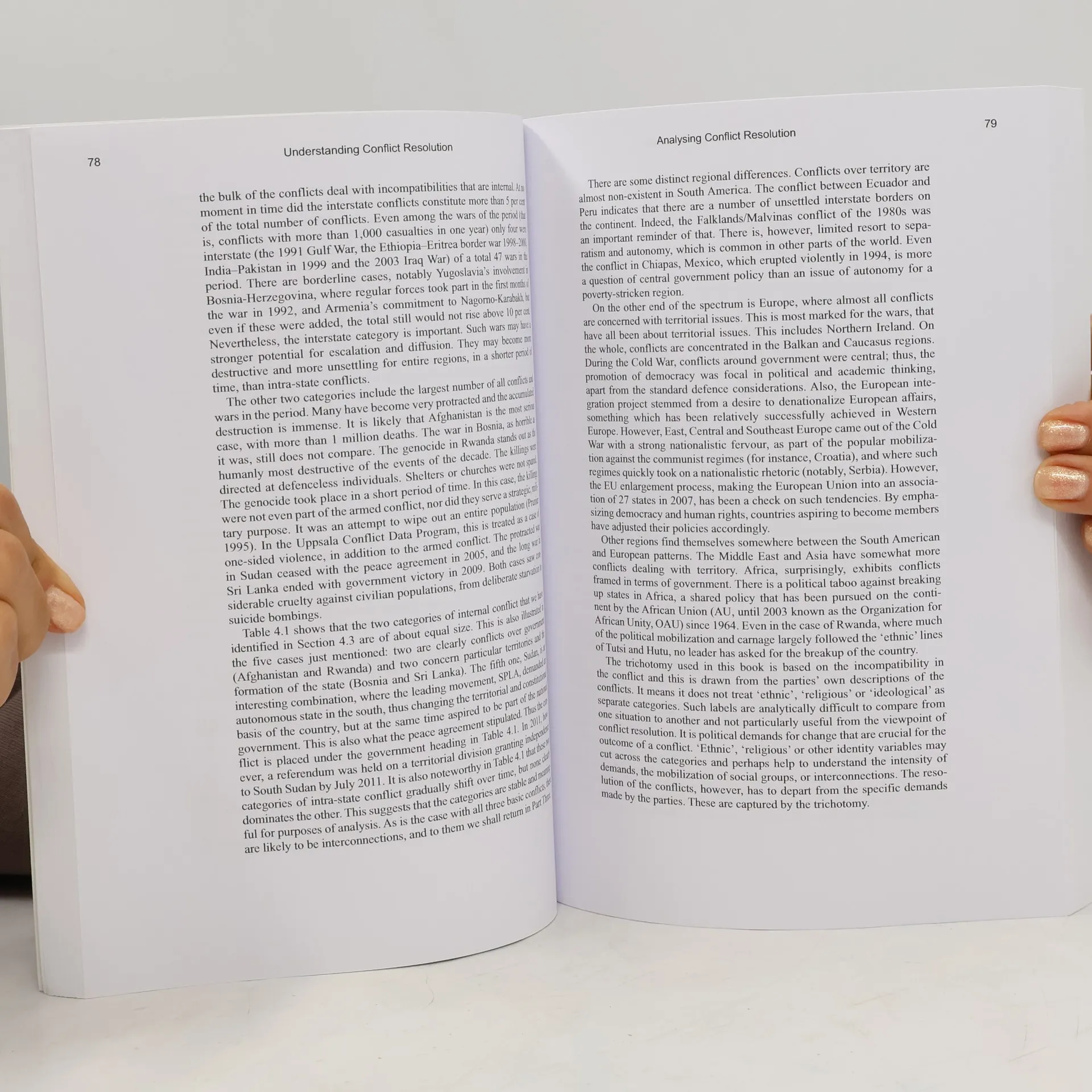
Understanding Conflict Resolution draws on recent and classic research from around the world, linking the theory of conflict resolution to in-depth case studies throughout, and posing key questions regarding the future of conflict resolution. The first part reviews the development of conflict resolution since the Cold War and demonstrates the various approaches to conflict analysis. The core of the book explores the settlement of three major types of international conflict: inter-state, internal and those arising from state formation. In the final part, regional and international approaches are examined, including developments in UN reform and the increasing importance of civil society organizations. New to this edition is the extensive consideration of peace-building, the relationship between peace and justice, disarmament, and gender-peace connections.
Acquisto del libro
Understanding Conflict Resolution, Peter Wallensteen
- Lingua

- Pubblicato
- 2012
- Rilegatura
- (In brossura),
- Condizioni del libro
- In buone condizioni
- Prezzo
- 6,99 €
Metodi di pagamento
Ancora nessuna valutazione.
- Titolo
- Understanding Conflict Resolution
- Sottotitolo
- War, Peace and the Global System - 3rd Edition
- Lingua
- Inglese
- Autori
- Peter Wallensteen
- Editore
- SAGE Publications Ltd
- Pubblicato
- 2012
- Formato
- In brossura
- Pagine
- 360
- ISBN10
- 0857020501
- ISBN13
- 9780857020505
- Serie
- Categoria
- Descrizione
- Understanding Conflict Resolution draws on recent and classic research from around the world, linking the theory of conflict resolution to in-depth case studies throughout, and posing key questions regarding the future of conflict resolution. The first part reviews the development of conflict resolution since the Cold War and demonstrates the various approaches to conflict analysis. The core of the book explores the settlement of three major types of international conflict: inter-state, internal and those arising from state formation. In the final part, regional and international approaches are examined, including developments in UN reform and the increasing importance of civil society organizations. New to this edition is the extensive consideration of peace-building, the relationship between peace and justice, disarmament, and gender-peace connections.