




Maggiori informazioni sul libro
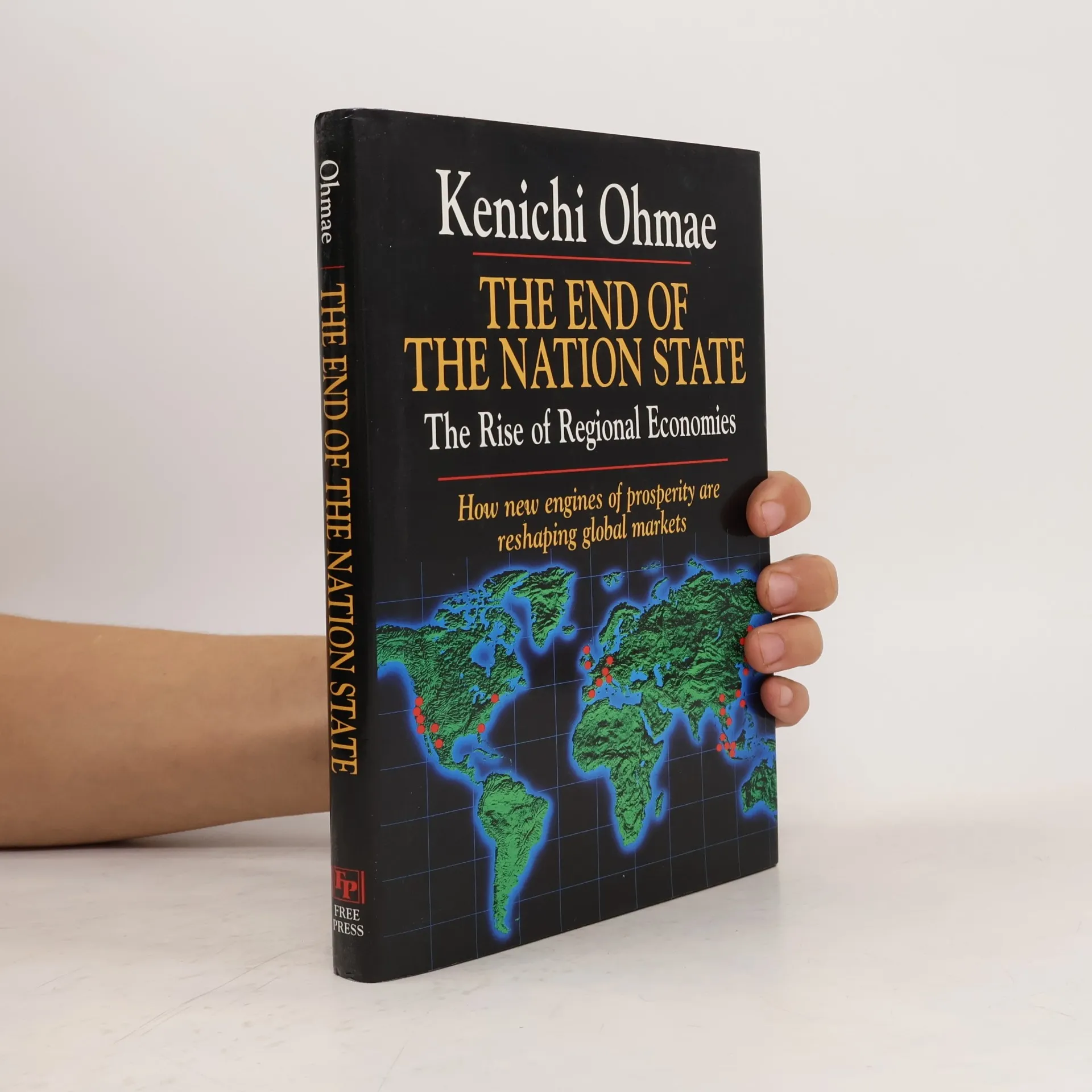
World-renowned business strategist Kenichi Ohmae argues that nation states are becoming obsolete, having lost their ability to control exchange rates and generate real economic activity. He posits that they have forfeited their roles in the global economy, transforming from efficient engines of wealth creation into inefficient distributors of wealth, with their fates increasingly determined by external economic choices. Ohmae identifies four forces—capital, corporations, consumers, and communication—that have usurped the economic power once held by nation states. He details how communication controls the movement of capital and corporations across borders, while informed consumers dictate the flow of goods and services. Governments, clinging to outdated notions of national pride, often overlook the revolution occurring within their borders. Ohmae highlights the rise of affluent economic zones, or "region states," that have emerged globally, such as between San Diego and Tijuana and in Silicon Valley. These region states, with populations of 5 to 20 million, are more closely linked to each other in the global economy than to their host nations. Ohmae concludes that this shift fundamentally alters how corporations operate and how governments perceive their roles in economic affairs, emphasizing that people precede borders. This analysis promises to reshape the understanding of the global economy for generations.
Acquisto del libro
The End of the Nation State, Kenichi Ōmae
- Lingua

- Pubblicato
- 1995
- Rilegatura
- (Copertina rigida),
- Condizioni del libro
- Danneggiato
- Prezzo
- 7,64 €
Metodi di pagamento
Ancora nessuna valutazione.
- Titolo
- The End of the Nation State
- Sottotitolo
- The Rise of Regional Economies: How New Engines of Prosperity Are Reshaping Global Markets
- Lingua
- Inglese
- Autori
- Kenichi Ōmae
- Editore
- Free Press
- Pubblicato
- 1995
- Formato
- Copertina rigida
- Pagine
- 214
- ISBN10
- 0029233410
- ISBN13
- 9780029233412
- Serie
- Tag
- Commercio, Politica, USA, Prognostica
- Descrizione
- World-renowned business strategist Kenichi Ohmae argues that nation states are becoming obsolete, having lost their ability to control exchange rates and generate real economic activity. He posits that they have forfeited their roles in the global economy, transforming from efficient engines of wealth creation into inefficient distributors of wealth, with their fates increasingly determined by external economic choices. Ohmae identifies four forces—capital, corporations, consumers, and communication—that have usurped the economic power once held by nation states. He details how communication controls the movement of capital and corporations across borders, while informed consumers dictate the flow of goods and services. Governments, clinging to outdated notions of national pride, often overlook the revolution occurring within their borders. Ohmae highlights the rise of affluent economic zones, or "region states," that have emerged globally, such as between San Diego and Tijuana and in Silicon Valley. These region states, with populations of 5 to 20 million, are more closely linked to each other in the global economy than to their host nations. Ohmae concludes that this shift fundamentally alters how corporations operate and how governments perceive their roles in economic affairs, emphasizing that people precede borders. This analysis promises to reshape the understanding of the global economy for generations.