


Maggiori informazioni sul libro
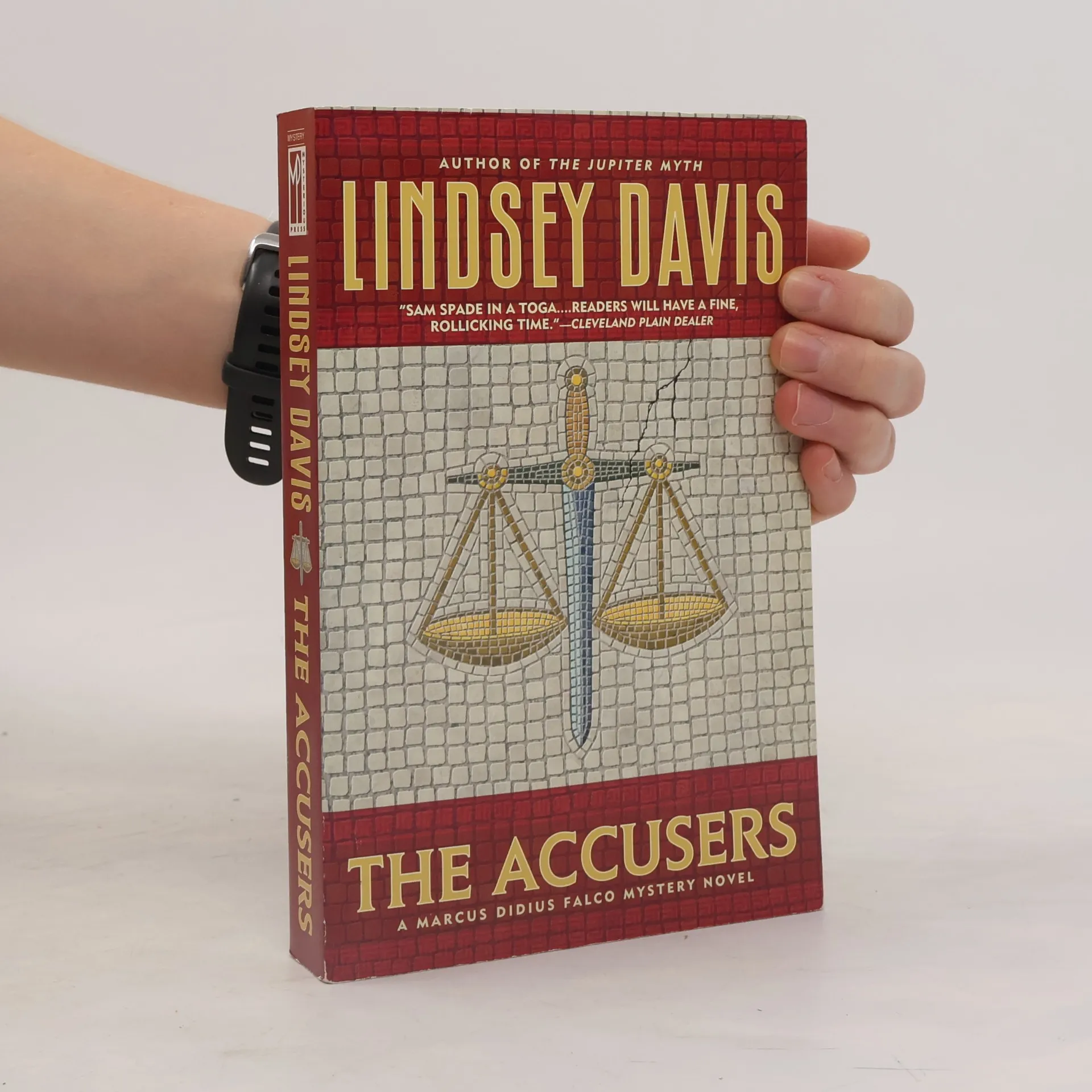
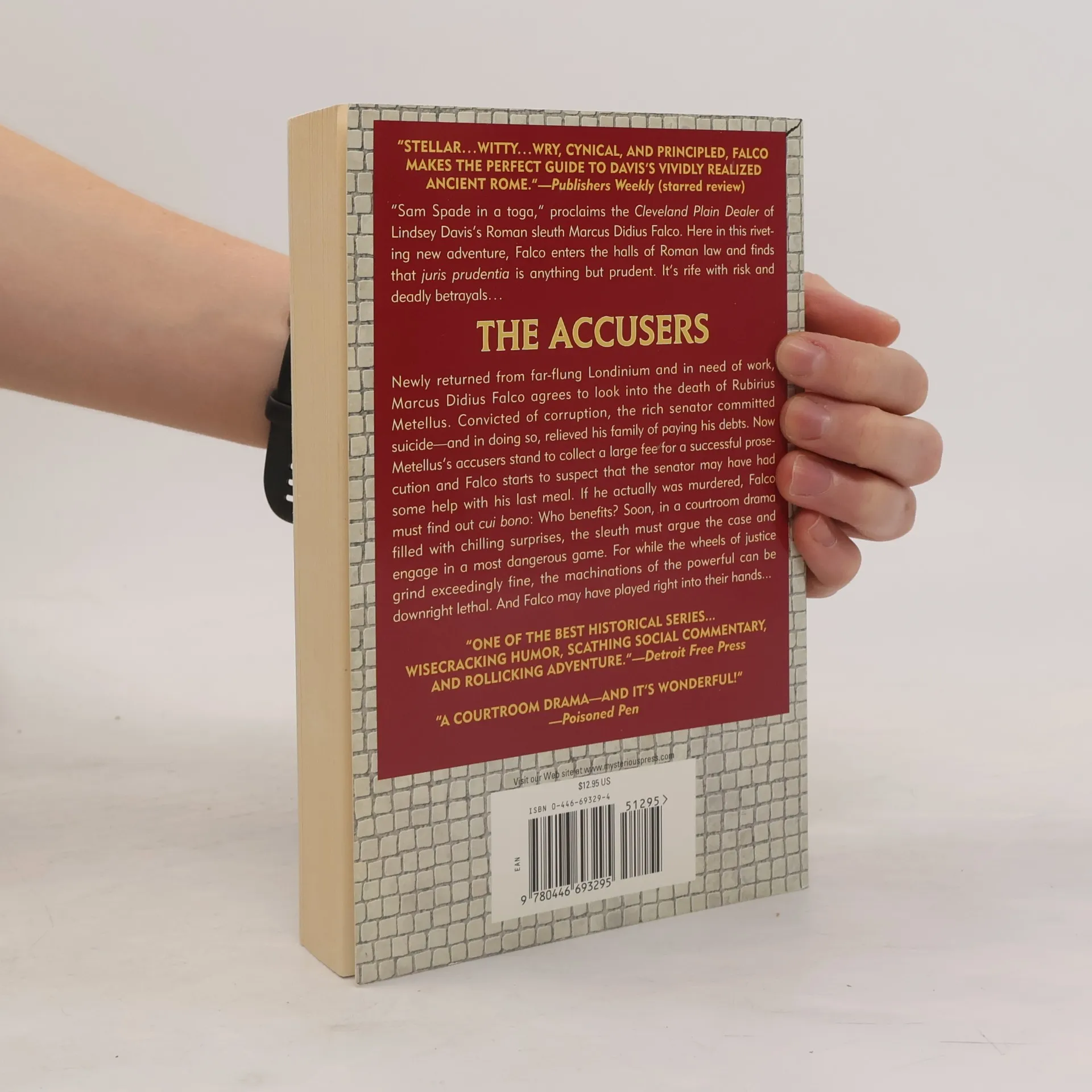
Lindsey Davis's Falco thrillers normally focus on how like us the Romans were; The Accusers concentrates on an important difference. Prosecutors were rewarded with a portion of the guilty's goods, or fined to compensate the innocent. When a senator, found guilty in a corruption trial, apparently kills himself, Falco is hired to prove he was murdered because suicide nullifies the prosecution's financial claims. Only the question is: which of the late Metellus' heirs poisoned him, since almost all of them had more than one motive? Falco finds himself and his wife Helena caught up once again in the dark side of Roman high society and all the interesting ways in which it is contiguous with the busy life of sordid streets. Davis's books are always at their best when Falco, as our viewpoint, is finding out something he does not know about how things work; this is a good detective story partly because of the exposition of the Roman legal system and not in spite of it. It also helps that it is one of the Davis novels in which Falco over-reaches and finds himself distinctly out of his depth; he is one of the most attractive of historical detectives because he is not infallible. --Roz Kaveney
Acquisto del libro
Marcus Didius Falco Mystery Novel: The Accusers, Lindsey Davis
- Lingua

- Pubblicato
- 2004
- Rilegatura
- (In brossura),
- Condizioni del libro
- In buone condizioni
- Prezzo
- 5,99 €
Metodi di pagamento
Ancora nessuna valutazione.
- Titolo
- Marcus Didius Falco Mystery Novel: The Accusers
- Lingua
- Inglese
- Autori
- Lindsey Davis
- Editore
- Mysterious Press
- Pubblicato
- 2004
- Formato
- In brossura
- Pagine
- 384
- ISBN10
- 0446693294
- ISBN13
- 9780446693295
- Serie
- Tag
- Tema stórico, Gialli, Omicidi, Matrimonio, Misterioso, Roma, Criminalità, Divorzio, Impero Romano, Antica Roma, Diritto Romano
- Descrizione
- Lindsey Davis's Falco thrillers normally focus on how like us the Romans were; The Accusers concentrates on an important difference. Prosecutors were rewarded with a portion of the guilty's goods, or fined to compensate the innocent. When a senator, found guilty in a corruption trial, apparently kills himself, Falco is hired to prove he was murdered because suicide nullifies the prosecution's financial claims. Only the question is: which of the late Metellus' heirs poisoned him, since almost all of them had more than one motive? Falco finds himself and his wife Helena caught up once again in the dark side of Roman high society and all the interesting ways in which it is contiguous with the busy life of sordid streets. Davis's books are always at their best when Falco, as our viewpoint, is finding out something he does not know about how things work; this is a good detective story partly because of the exposition of the Roman legal system and not in spite of it. It also helps that it is one of the Davis novels in which Falco over-reaches and finds himself distinctly out of his depth; he is one of the most attractive of historical detectives because he is not infallible. --Roz Kaveney