



Maggiori informazioni sul libro
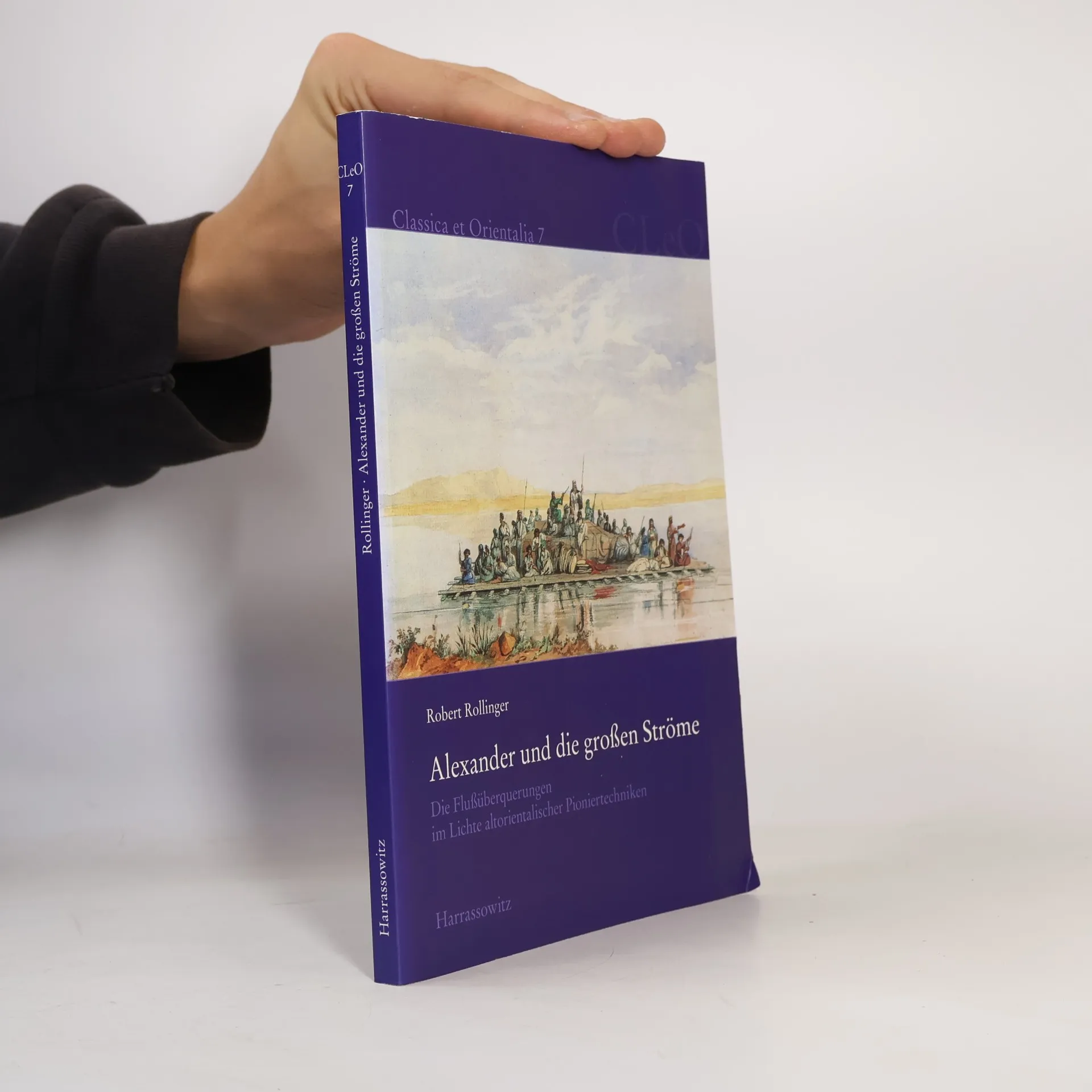
Alexander the Great was well-prepared for his campaign in the Middle East and Central Asia, utilizing indigenous engineering techniques to cross major rivers. He employed inflatable floats, which were versatile enough to create rafts (Kelek) and pontoon bridges, enabling the transport of both individuals and large troop formations across rivers. This ingenious local technology was economical and had been known to the Assyrian and Persian kings. Its influence persisted well into Late Antiquity, yet traditional sources have overlooked this aspect. The impressive bridges constructed by Darius I and Xerxes I across the Bosporus and Hellespont can only be appreciated through the lens of these engineering feats. However, historical narratives often focus on the achievements of Near Eastern rulers through the prism of despotism and royal arrogance, neglecting the fact that even Alexander benefited from the ingenuity of the region commonly referred to as the "Orient." This oversight highlights a significant gap in understanding the technological advancements that shaped historical military campaigns and the interconnectedness of ancient civilizations.
Acquisto del libro
Classica et Orientalia - 7: Alexander und die großen Ströme, Robert Rollinger
- Lingua

- Pubblicato
- 2013
- Rilegatura
- (In brossura),
- Condizioni del libro
- In buone condizioni
- Prezzo
- 34,49 €
Metodi di pagamento
Ancora nessuna valutazione.
- Titolo
- Classica et Orientalia - 7: Alexander und die großen Ströme
- Sottotitolo
- Die Flussüberquerungen im Lichte altorientalischer Pioniertechniken (Schwimmschläuche, Keleks und Pontonbrücken)
- Lingua
- Tedesco
- Autori
- Robert Rollinger
- Editore
- Harrassowitz
- Pubblicato
- 2013
- Formato
- In brossura
- Pagine
- 177
- ISBN10
- 3447069279
- ISBN13
- 9783447069274
- Serie
- Descrizione
- Alexander the Great was well-prepared for his campaign in the Middle East and Central Asia, utilizing indigenous engineering techniques to cross major rivers. He employed inflatable floats, which were versatile enough to create rafts (Kelek) and pontoon bridges, enabling the transport of both individuals and large troop formations across rivers. This ingenious local technology was economical and had been known to the Assyrian and Persian kings. Its influence persisted well into Late Antiquity, yet traditional sources have overlooked this aspect. The impressive bridges constructed by Darius I and Xerxes I across the Bosporus and Hellespont can only be appreciated through the lens of these engineering feats. However, historical narratives often focus on the achievements of Near Eastern rulers through the prism of despotism and royal arrogance, neglecting the fact that even Alexander benefited from the ingenuity of the region commonly referred to as the "Orient." This oversight highlights a significant gap in understanding the technological advancements that shaped historical military campaigns and the interconnectedness of ancient civilizations.