

Bookbot

Gould Stephen Jay

    10 settembre 1941 – 20 maggio 2002

    Stephen Jay Gould fu un eminente paleontologo e biologo evoluzionista americano, rinomato per la sua avvincente scrittura divulgativa scientifica. La sua ricerca empirica si concentrò principalmente sui gasteropodi terrestri e co-sviluppò la teoria dell'equilibrio punteggiato, che postula la stabilità evolutiva scandita da rapidi cambiamenti. Gould si oppose al selezionismo stretto e alla sociobiologia, sostenendo la compatibilità di scienza e religione come "magisteri" non sovrapposti. I suoi saggi e libri resero accessibili complesse idee scientifiche a un vasto pubblico.

    Gould Stephen Jay
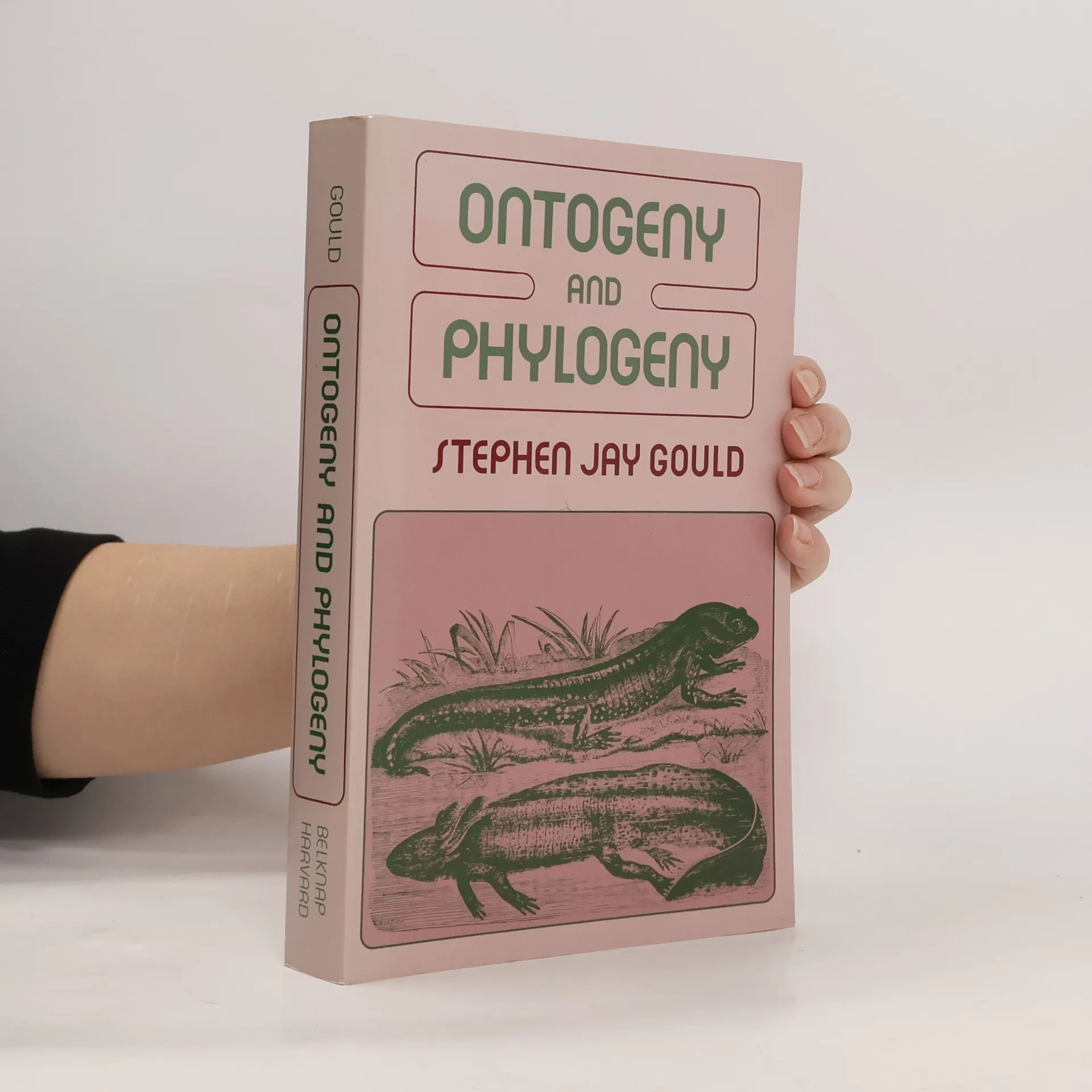
    Ontogeny and Phylogeny
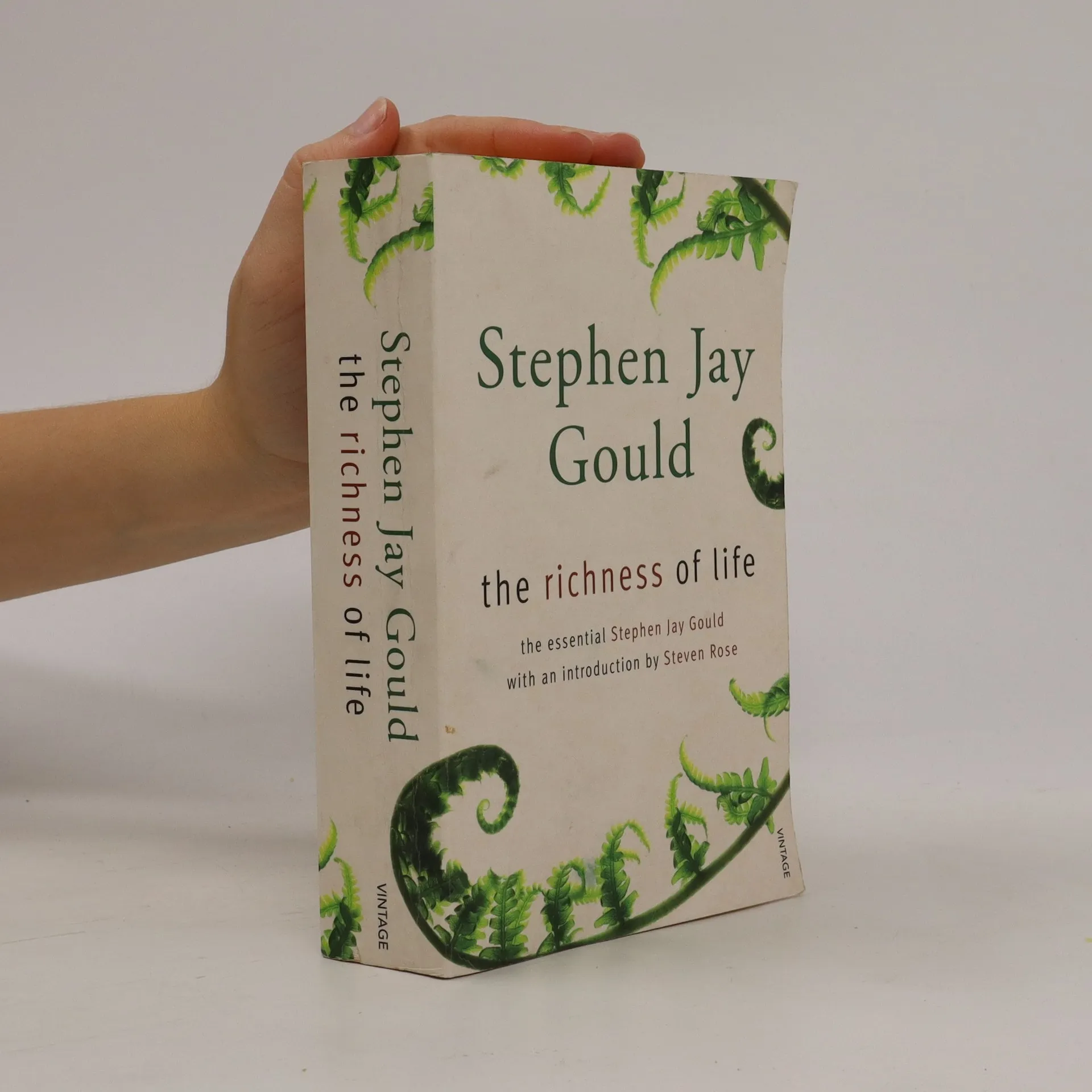
    The richness of life
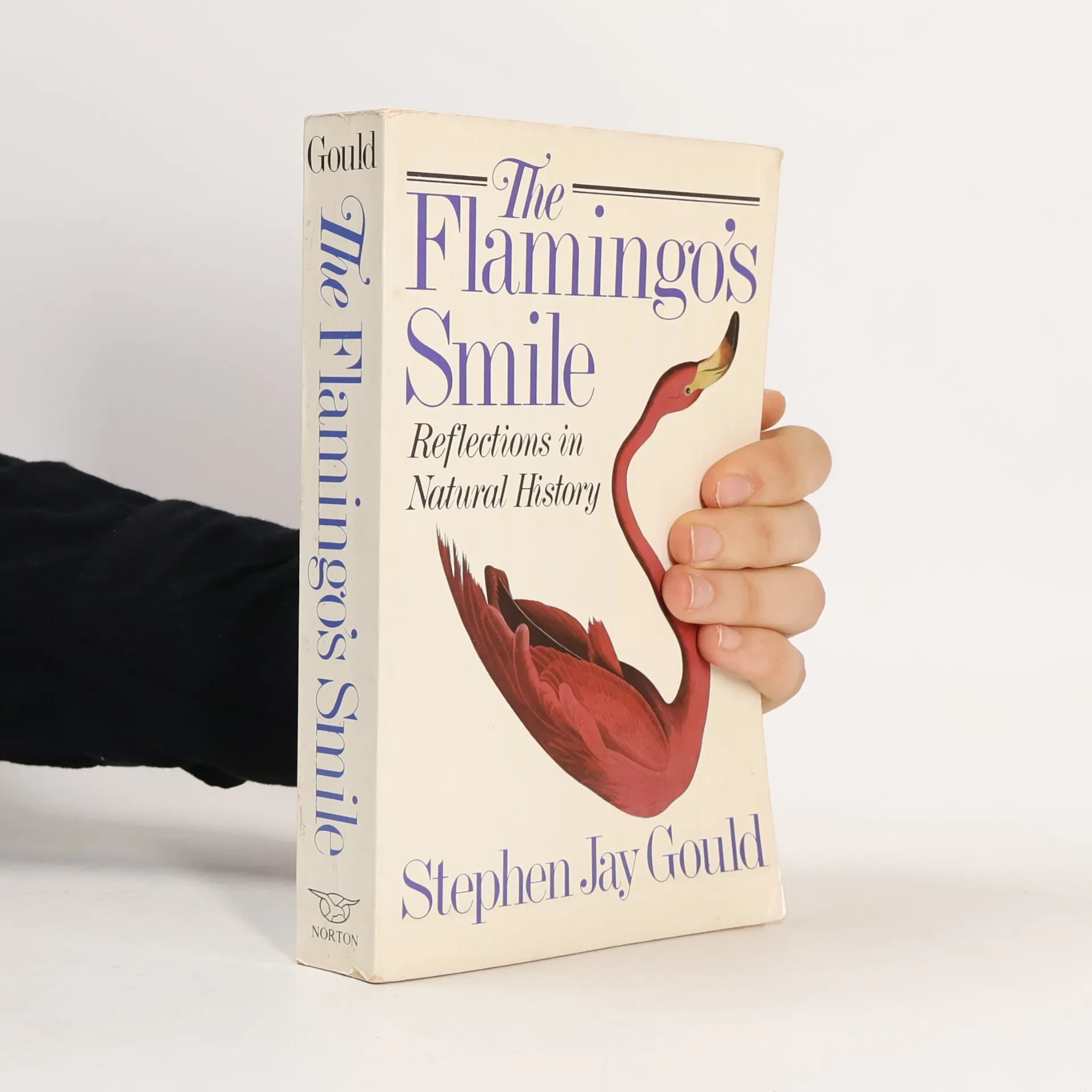
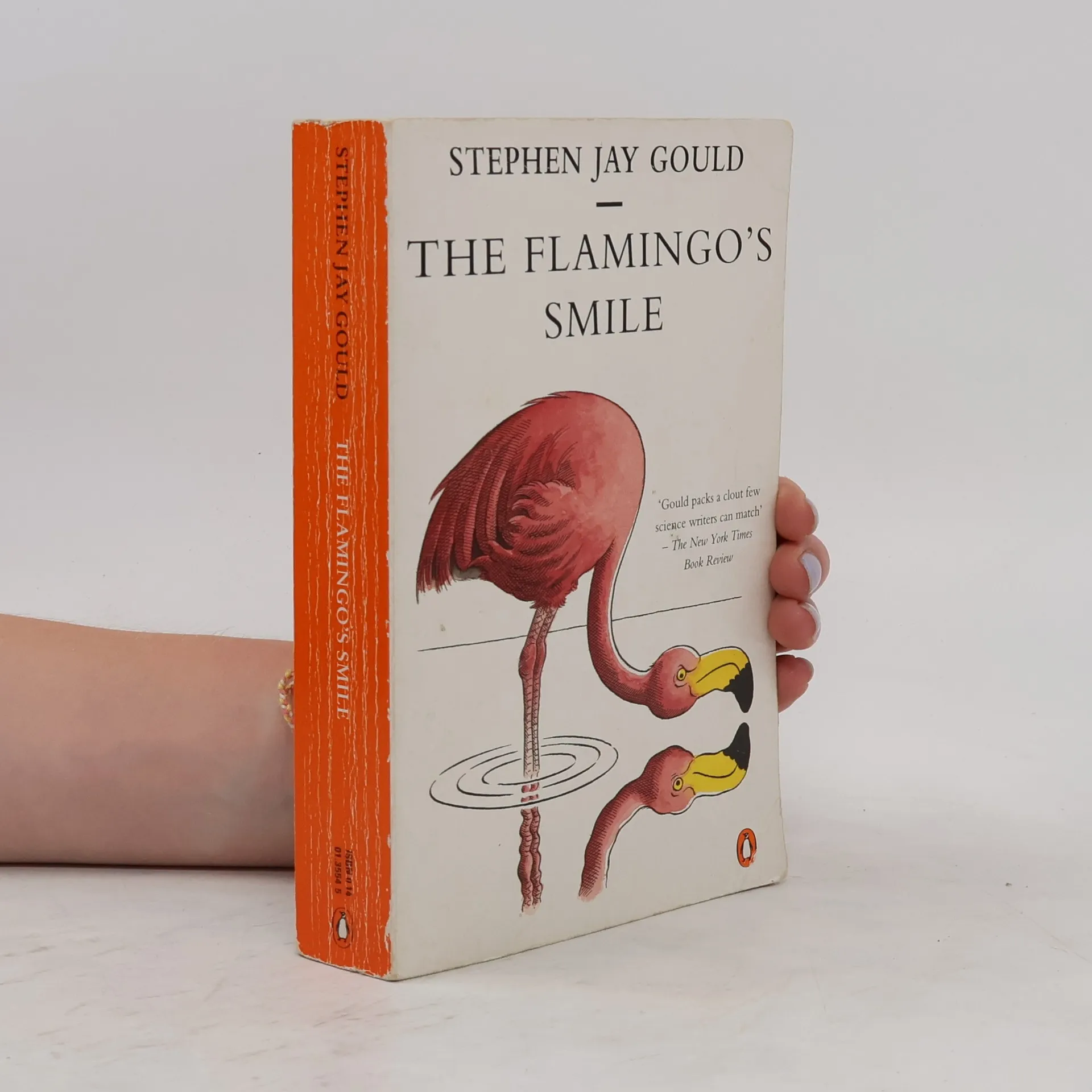
    The flamingo's smile. Reflections in natural history
    Bully for Brontosaurus
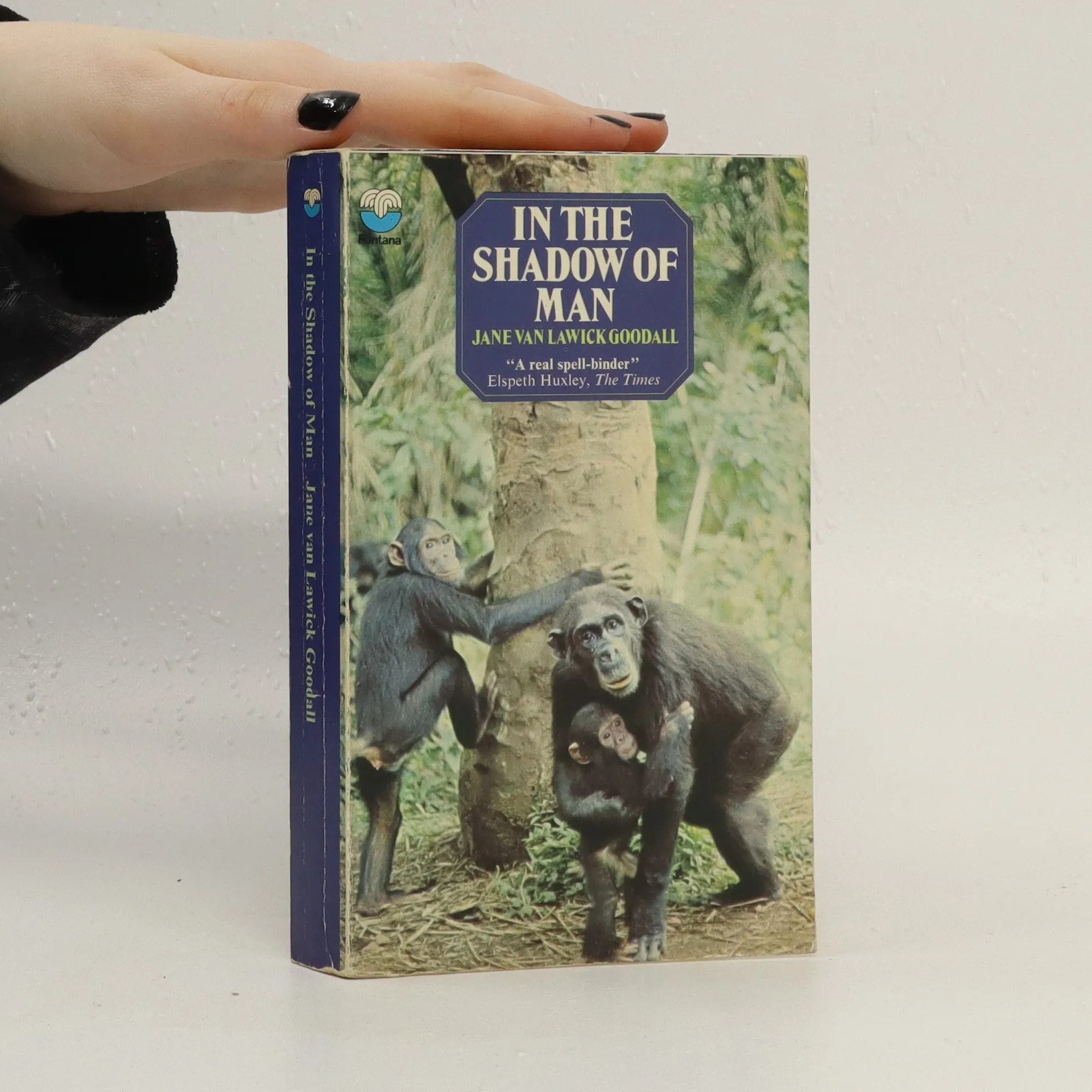
    In the shadow of man
    La sfida della complessità
    • La sfida della complessità

      • 448pagine
      • 16 ore di lettura

      La sfida della complessità nasce dall'irruzione dell'incertezza nelle nostre conoscenze, dallo sgretolarsi dei miti che per secoli hanno regolato il cammino della scienza moderna. Ma d'altra parte la fine della certezza, della completezza, dell'esaustività e dell'onniscienza non segnala soltanto la fine di un ordine, ma rende ineludibile una trasformazione delle domande e delle risposte su cui è basato il nostro sapere. Chiamati a raccolta da Gianluca Bocchi e Mauro Ceruti a metà degli anni ottanta, scienziati e pensatori come Ilya Prigogine e Francisco Varela, Stephen Jay Gould e Heinz von Foerster presentano e confrontano i loro itinerari nella “nuova scienza”, in un'opera che ha mantenuto intatta la sua freschezza ed esemplarità.

      La sfida della complessità
      3,8
    • In the shadow of man

      • 288pagine
      • 11 ore di lettura

      World-renowned primatologist, conservationist, and humanitarian Dr. Jane Goodall’s account of her life among the wild chimpanzees of Gombe is one of the most enthralling stories of animal behavior ever written. Her adventure began when the famous anthropologist Dr. Louis Leakey suggested that a long-term study of chimpanzees in the wild might shed light on the behavior of our closest living relatives. Accompanied by only her mother and her African assistants, she set up camp in the remote Gombe Stream Chimpanzee Reserve in Tanzania. For months the project seemed hopeless; out in the forest from dawn until dark, she had but fleeting glimpses of frightened animals. But gradually she won their trust and was able to record previously unknown behavior, such as the use—and even the making— of tools, until then believed to be an exclusive skill of man. As she came to know the chimps as individuals, she began to understand their complicated social hierarchy and observed many extraordinary behaviors, which have forever changed our understanding of the profound connection between humans and chimpanzees. In the Shadow of Man is “one of the Western world’s great scientific achievements” (Stephen Jay Gould) and a vivid, essential journey of discovery for each new generation of readers.

      In the shadow of man
      4,6
    • Bully for Brontosaurus

      Reflections in Natural History

      • 544pagine
      • 20 ore di lettura

      This text is a metaphor for the way individuals and unpredictable events influence history. In response history, suggests the author, is the best model for evolution. The author explores the science of improbable outcomes in this wide ranging book written on the evolutionary theme.

      Bully for Brontosaurus
      4,2
    • The richness of life

      • 656pagine
      • 23 ore di lettura

      There aren't many scientists famous enough in their lifetime to be canonized by the US Congress as one of America's 'living legends'. It is still more unlikely that the title should have been conferred on a man regarded by many in the US as a notorious ra

      The richness of life
      4,2
    • “Ontogeny recapitulates phylogeny” was Haeckel’s answer to 19th-century biology’s most vexing question: what is the relationship between individual development and the evolution of species and lineages? Gould documents the history of the idea of recapitulation from its first appearance among the pre-Socratics to its fall in the early 20th century.

      Ontogeny and Phylogeny
      4,2
    • The 31 essays in this collection share the theme of "quirkiness and meaning" and explore the idea that natural oddities - the snail that changes sex, the jellyfish that feeds upside down - are extraordinary for a vital reason: they have found their evolutionary niche.

      The Flamingo's Smile
      4,1
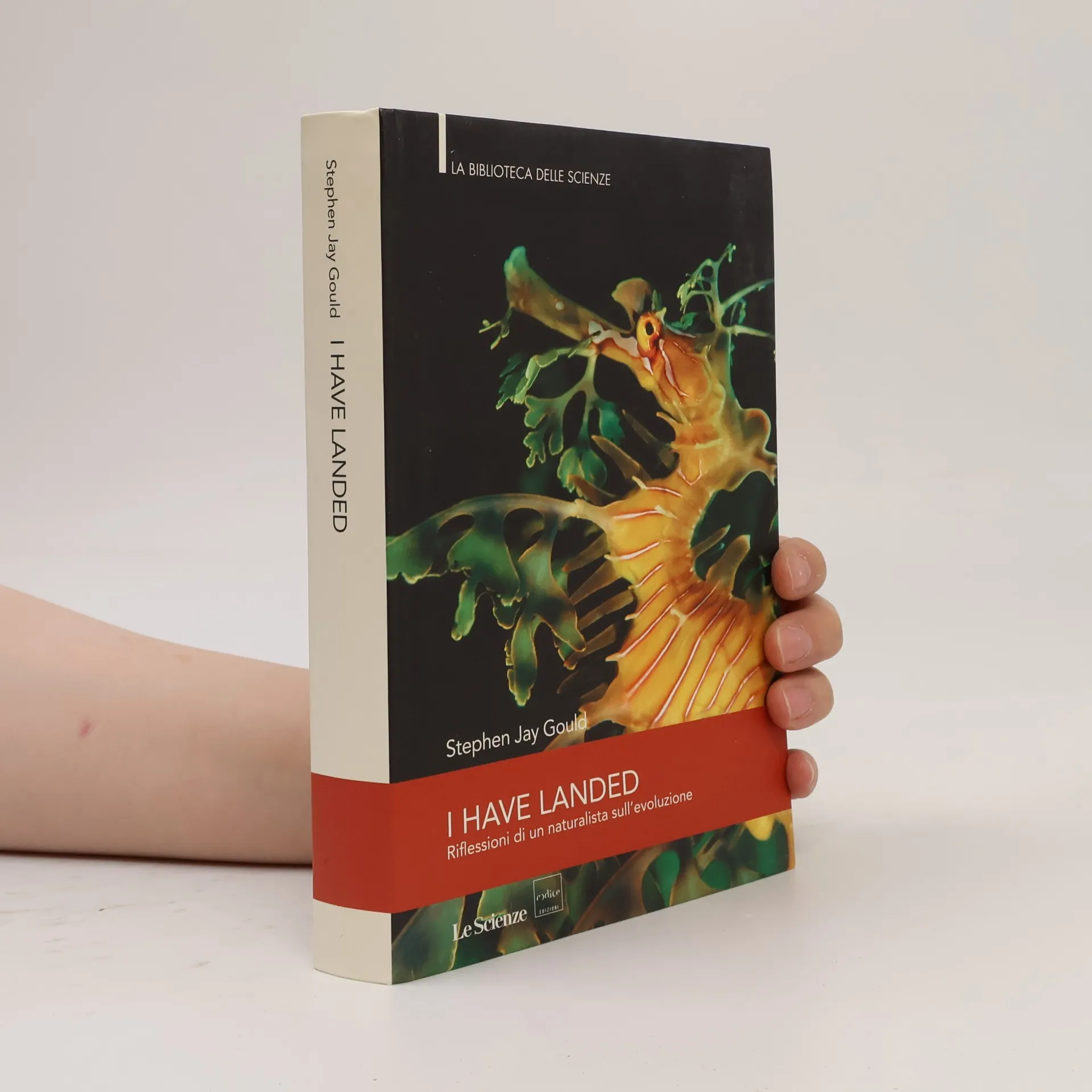
    • I Have Landed

      • 320pagine
      • 12 ore di lettura

      This collection of essays from "Natural History" magazine illuminate and elucidate key scientific concepts and their history, ranging from the discovery of the new scourge of syphilis by Fracastoro in the 16th century to Freud's weird speculations about human phylogeny.

      I Have Landed
      4,1
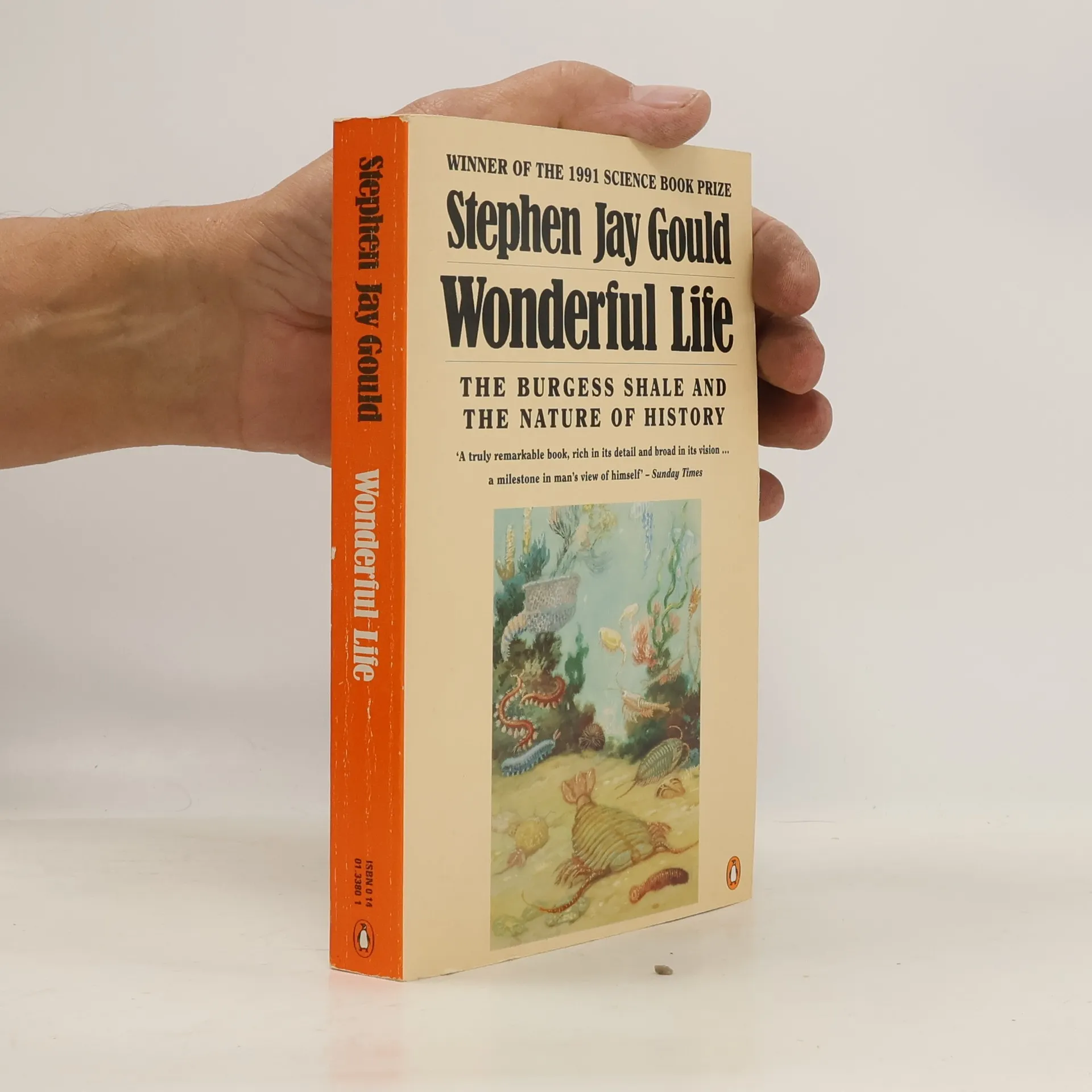
    • Wonderful Life

      The Burgess Shale and the Nature of History

      Basing his argument around the history of science's treatment of the fossils of the Burgess shale, the author presents a view of evolution as a non-progressive system, which saw a wide range of early designs for life winnowed down to the relatively few basic designs that exist today.

      Wonderful Life
      4,2
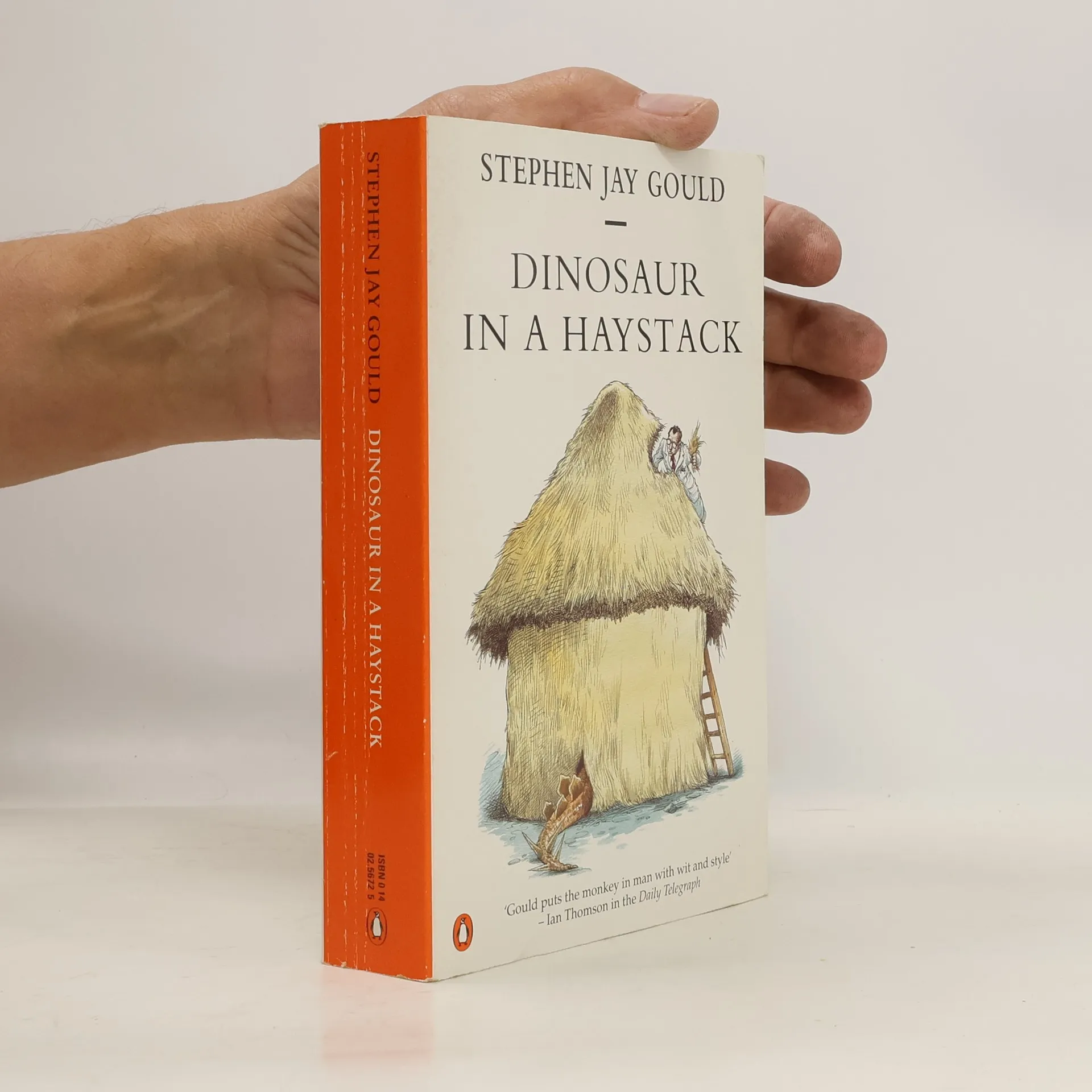
    • This seventh collection of Stephen Jay Gould's natural history essays covers subjects ranging from fossils to ship worms, starting with a solar eclipse in New York, and finishing with bus stops in Greece.

      Dinosaur in a haystack
      4,1