

Paolo Virno Ordine dei libri (cronologico)
Paolo Virno è un filosofo italiano il cui lavoro approfondisce la filosofia politica e la teoria culturale. I suoi scritti si concentrano spesso sull'analisi delle forme contemporanee di lavoro, delle strategie rivoluzionarie e delle complessità della società moderna. Virno esamina criticamente come le relazioni sociali e politiche possano essere rimodellate nel contesto del post-fordismo e della globalizzazione. Il suo approccio intellettuale è caratterizzato da una profonda riflessione sugli impatti della tecnologia e del capitalismo sull'esperienza umana.


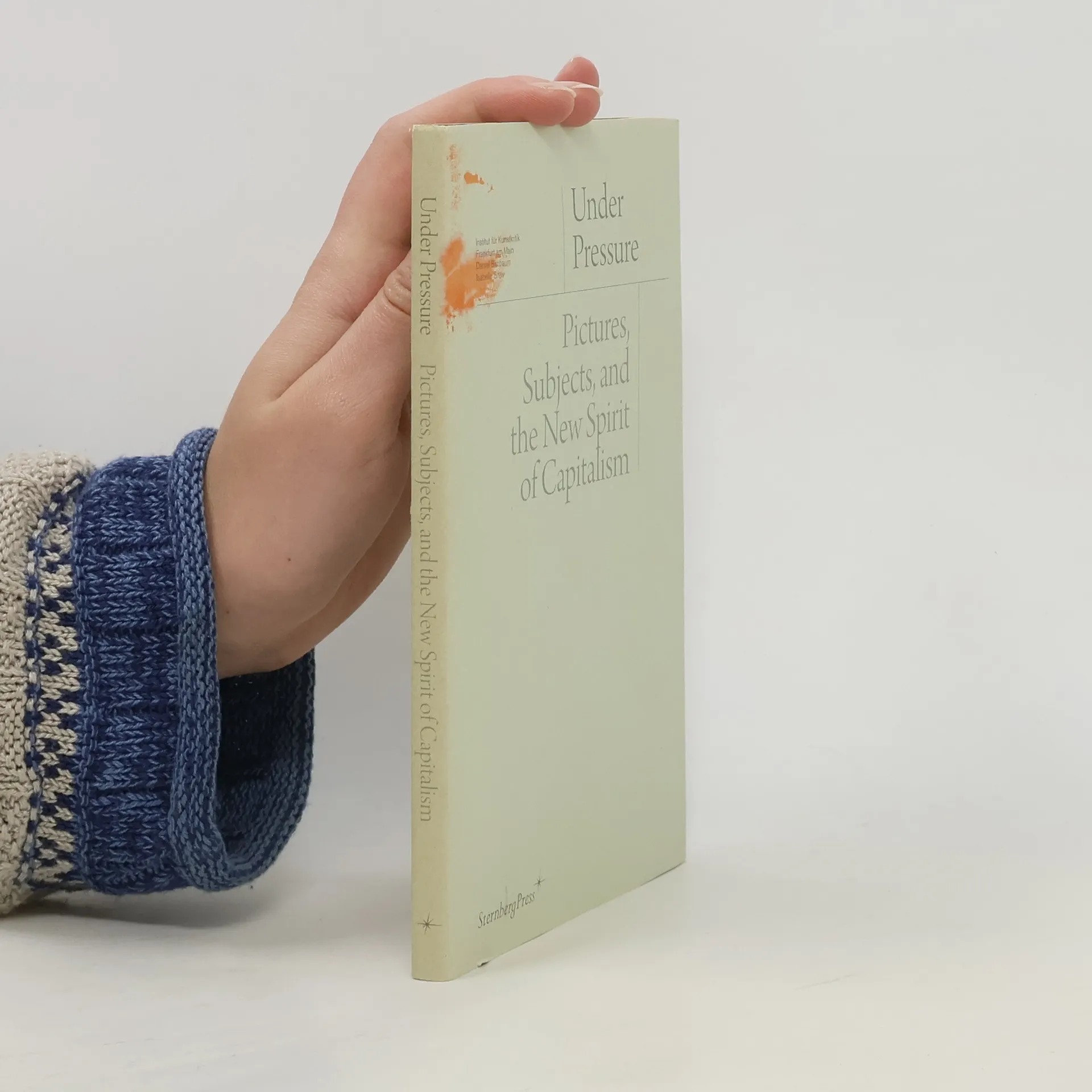
Art isn't just about creating work anymore. Today, external pressuresand constraints play a large role in the artistic process and production.In recognition of this reality, the Institut für Kunstkritik held a series ofconferences in 2006 and 2007 to explore the value system that resultsfrom what they dubbed the New Spirit of Capitalism and to confronttheoretical models with ad-hoc conditions of production. The thoughtsof conference participants Luc Boltanski, Sabeth Buchmann, TimGriffin, W.J.T. Mitchell, Sighard Neckel, Martin Saar, and Paolo Virnoare compiled in this book of questions and dilemmas for today'scultural producers and society at large.
Grammatik der Multitude
- 188pagine
- 7 ore di lettura
Die Grammatik der Multitude bezieht sich auf die spinozistischen Figur der multitudo. Virno beschreibt die Verdrängung dieses Begriffs durch den des 'Volks' im 17. Jahrhundert. Die multitudo wurde im Laufe dieser Entwicklung immer mehr zum Synonym für das ungeordnete, wilde und gemeine Außen des Staatsvolks. Erst in der heutigen postfordistischen Lage, in der sich eine hinterhältige Form von 'Kommunismus des Kapitals' breit macht, wird die multitudo wieder zu einer Eigenschaft des gesellschaftlichen Systems und setzt sich als Phänomen und Begriff ihrerseits gegen das (Staats-)Volk durch. Die Multitude konstituiert eine 'nicht-staatliche Öffentlichkeit', aus der mannigfache Formen der Selbstbestimmung und -organisation hervorgehen können, die aber auch als Quelle schrankenloser Angst eine tiefe Ambivalenz in sich birgt. In 'Die Engel und der General Intellect' untersucht Virno das sich daran anschließende Problem der Individuation anhand der Texte von Duns Scotus und Gilbert Simondon.