Pubblicato per la prima volta nel 1939 è uno dei primi romanzi dello scrittore italo-americano, riscoperto in Italia e in Francia alla fine degli anni Ottanta dopo un lungo periodo di dimenticanza. La saga dello scrittore Arturo Bandini, alter ego dell'autore, giunge in questo romanzo al suo snodo decisivo. L'ironia sarcastica e irriverente, la comicità di Arturo Bandini si uniscono alla sua natura di sognatore sbandato, che ne fa il prototipo di tutti i sognatori sbandati che hanno popolato la letteratura dopo di lui. Al centro della vicenda è il percorso di Bandini verso la realizzazione delle sue ambizioni artistiche e la sua educazione sentimentale dopo l'incontro con la bella e strana Camilla Lopez...
Charles Bukowski Libri
16 agosto 1920 – 9 marzo 1994
Questo autore cattura le crude realtà della vita a Los Angeles, concentrandosi sugli americani comuni e sui temi della scrittura, dell'alcol e delle relazioni complicate. Il suo stile è diretto e senza compromessi, spesso attingendo a esperienze personali di lavoro arduo e difficoltà sociali. Attraverso un'ampia produzione di poesie e prosa, offre una lente senza filtri sulla condizione umana.





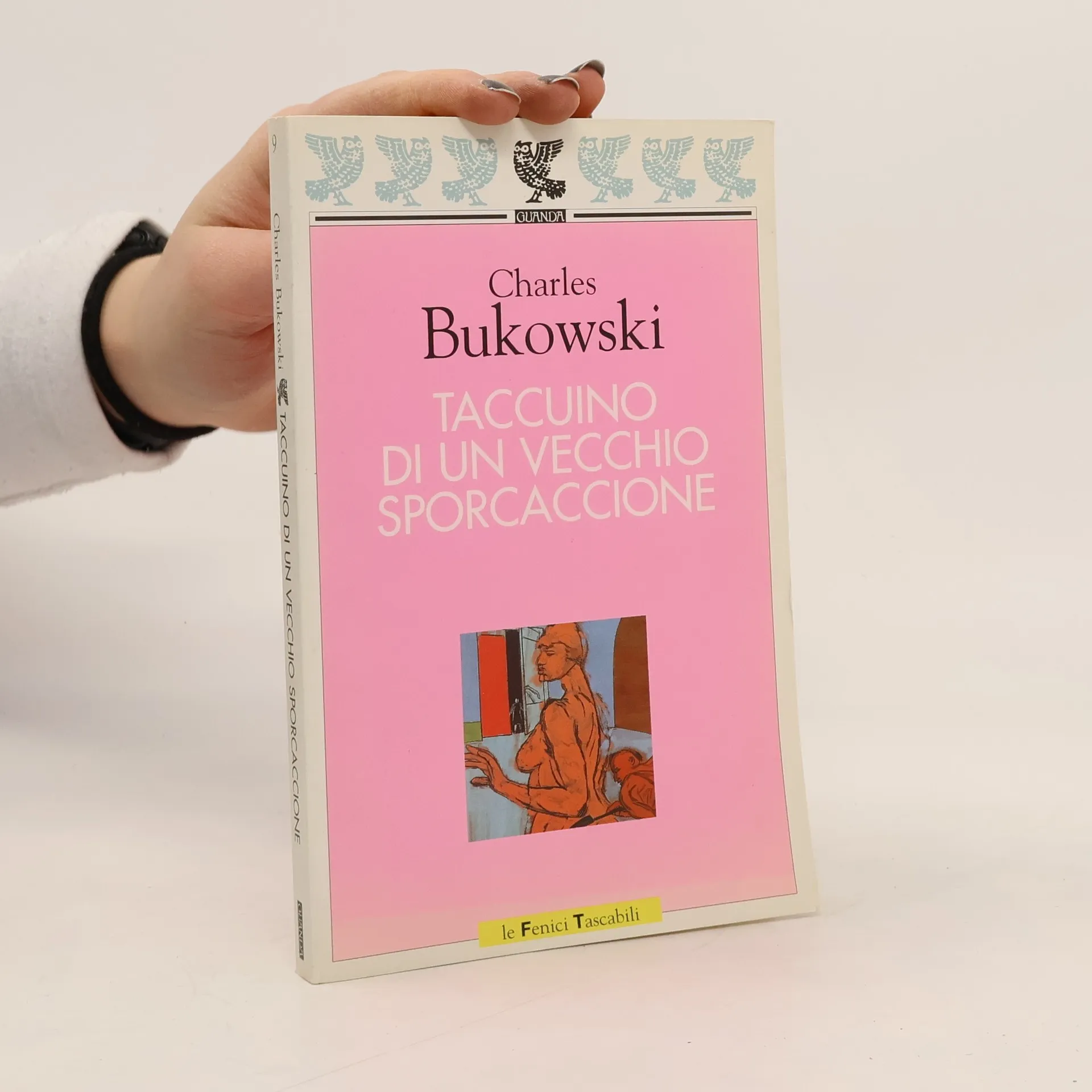

Le Fenici Tascabili: Taccuino di un vecchio sporcaccione
- 144pagine
- 6 ore di lettura
Le corse dei cavalli, gli incontri di boxe, le donne, le sbornie colossali, le interminabili giornate al bar, le avventure spesso sordide sullo sfondo di un'America povera ed emarginata: nel suo libro più celebre, un Bukowski più "arrabbiato" che mai ci restituisce con forza tutto il suo universo narrativo, giustapponendo alla crudezza di una resa realistica l'elemento ludico, la "vis comica", la capacità di sorridere davanti alla desolazione della vita.
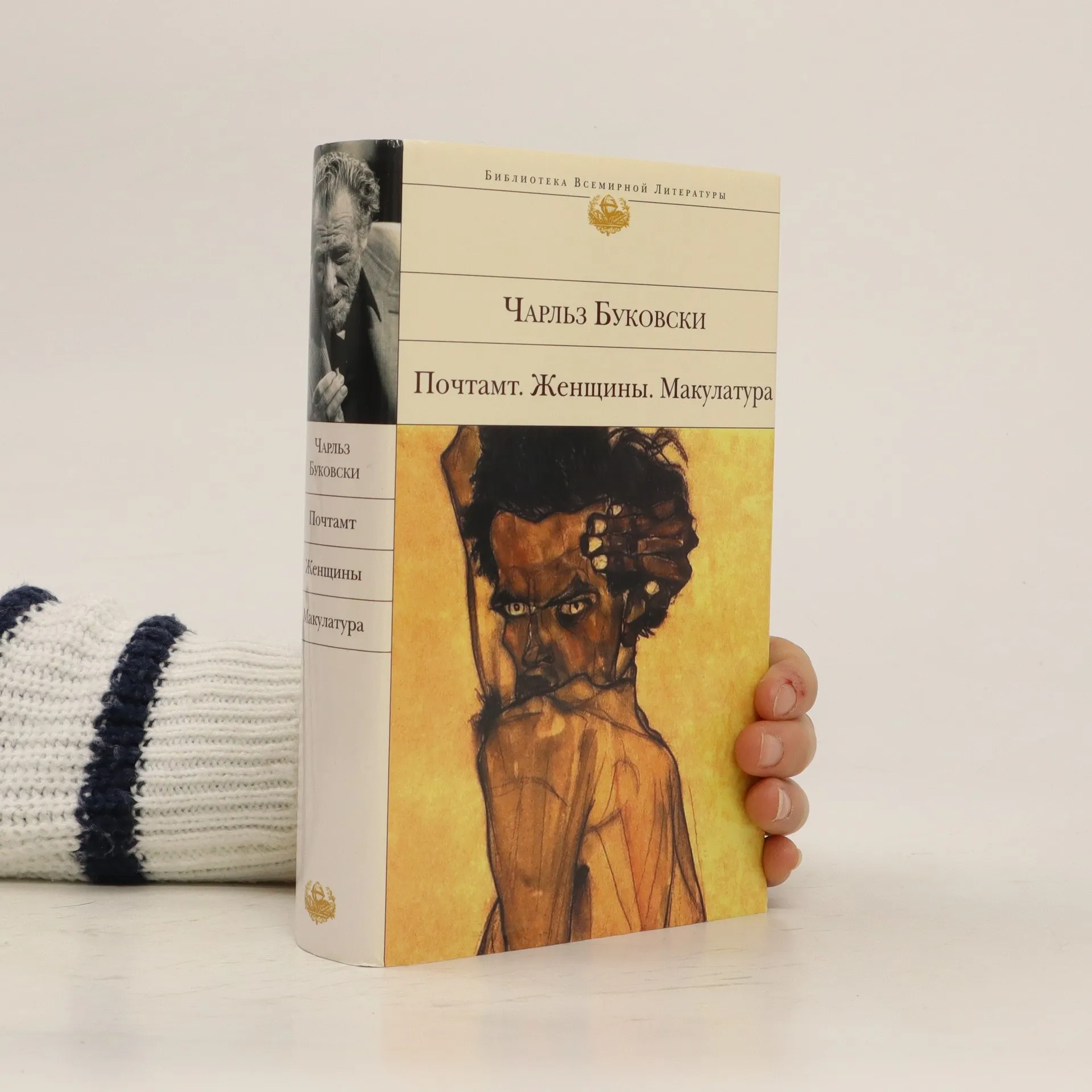
"Non potevo fare a meno di pensare. Dio mio, questi postini, non fanno altro che infilare le loro lettere nelle cassette e scopare. Questo è il lavoro che fa per me. oh. sì sì sì." Ma il paradiso sognato da Henry Chinaski, il leggendario e popolare alter ego di Bukowski, viene brutalmente smentito dalla realtà quando, assunto dall'amministrazione postale americana, si ritrova con la sacca di cuoio sulle spalle a girare in lungo e in largo attraverso la squallida periferia di Los Angeles. Profondamente deluso dalla monotona routine quotidiana e insofferente agli sterili e rigidi regolamenti della macchina burocratica. Chinaski si consola affogando le sue frustrazioni nell'alcol e trovando rifugio tra le morbide braccia di donne più sole di lui, come la calda e accogliente Betty, l'insaziabile e vogliosa texana Joyce e Fay, la contestatrice hippy che gli darà una figlia prima di sparire in una remota comunità. Tra clamorose sbornie, azzardate puntate all'ippodromo e "movimentate" nottate in motel sgangherati, Chinaski riuscirà a "guadagnarsi" il licenziamento e a farsi riassumere, ma solo per licenziarsi definitivamente, inorridito e disgustato da quell'immenso ufficio postale che, poi, è la vita stessa.
Compagno di sbronze
- 201pagine
- 8 ore di lettura
Poeta dell'eccesso, Bukowski porta alta la bandiera di un anticonformismo californiano che ha una lunga storia alle spalle (una storia che comprende Henry Miller, i poeti Beat e una cultura underground tanto articolata quanto pittoresca). In "Compagno di sbronze", forse più che altrove, la vena satirico-umoristica dell'autore assume talora colorature selvagge o addirittura feroci. Colpa dell'atmosfera alienante di Los Angeles ("passai accanto a duecento persone e non riuscii a vedere un solo essere umano"). Ma anche in questi racconti il vitalismo sfrenato, la scelta provocatoria dell'emarginazione e della provvisorietà, la sessualità eternamente in furore sono tanti sberleffi contro il perbenismo conformista, del quale qui si occupa opportunamente l'"Agenzia Soddisfatti e Rimborsati". In fondo al Sunset Boulevard, Charles Bukowski, il "folle", il "fallito", salda il conto con il Sogno Americano.
Un romanzo avventuroso e osceno, divertito e disperato, sboccato e insieme lirico. Il protagonista è un vero factotum che attraversa l'America "on the road", vivendo alla giornata, pronto a seguire il primo richiamo. Ma inseparabili compagni di vita sono l'alcol, vero e proprio rito quotidiano; il sesso, intenso, sfrontato e spesso brutale; la miseria, costante; i lavori precari e sempre manuali. È un'esistenza disperata, amara, sgradevole e libera, descritta con un realismo sporco, inconfondibile.
Universale economica - 8054: Musica per organi caldi
- 238pagine
- 9 ore di lettura
"Musica per organi caldi" raccoglie trentasei racconti di un Bukowski familiare e nuovo al contempo. Familiare perché, dopo essersi cimentato con le strutture del romanzo, torna al passo narrativo del racconto, che gli è particolarmente congeniale, ma anche nuovo, perché in queste pagine, spregiudicate e anche feroci, crea le sintesi più felici del proprio repertorio formale e contenutistico. Se da una parte, infatti, ci troviamo di fronte ai personaggi che tradizionalmente popolano queste storie di ordinaria follia, a un'umanità sbracata e litigiosa, sfrenata e beona, dall'altra Bukowski mette a fuoco con maggiore intensità ed essenzialità le gesta dei suoi eroi, che diventano tanto più straordinari quanto più si muovono nelle dimensioni di una ostentata banalità. Della musica che accompagna le tragicommedie della vita quotidiana Bukowski sa cogliere in modo impareggiabile i sottofondi umoristici e poetici, le note patetiche e inquietanti.
Donne
- 304pagine
- 11 ore di lettura
"Donne". Fin dall'inizio, e per tutte le sue trecento pagine, il romanzo è la confessione esplicita, quasi ostentata, di una passione stregante: le donne per Bukowski sono un'attrazione costante, un bisogno che non conosce pause e che non si arresta neppure di fronte alle situazioni più disagevoli, o riprovevoli, o disgustose. No, la ricerca del narrante non si arresta di fronte a nulla, forse perché l'amore, e la lotta, tra i sessi è per lo scrittore americano il mezzo più sicuro per tenersi in rapporto con la realtà. In questo, che è il suo romanzo più esplicitamente erotico, Bukowski racconta con strepitosa immediatezza le sue - vere o immaginarie - avventure d'amore. Storie tumultuose, incontri sguaiati e grotteschi, memorabili o miserabili prodezze, dialoghi enormemente e quasi commoventemente sboccati, sullo sfondo di un'esistenza randagia, segnata da maratone alcoliche, gravata dalla continua e assillante ricerca di denaro, vissuta sempre e rigorosamente on the road.
Che cosa succede al più famoso dissacratore del "sogno americano" quando un regista gli anticipa una bella somma per scrivere una sceneggiatura? Bene, dietro consiglio del suo consulente fiscale, Chinaski/Bukowski si compra una Bmw nera ("Le Bmw nere sono le macchine dei duri" dice) e una casa ("Se vi dicono altrimenti non credeteci. La vita comincia a 65 anni" spiega quando ne è in possesso). Una moglie molto più giovane di lui ce l'ha già ("Mandata dagli dei ad allungarmi di dieci anni la vita. Nel bene e nel male"). Sembrerebbe che anche il cantore e cronista degli emarginati e dei disadattati d'America si sia integrato. E che proprio come la maggior parte dei suoi lettori di vent'anni fa sia rientrato - anzi entrato per la prima volta - nel sistema. Ma non è detto.
Depresso, appesantito da una pancia ingombrante, il conto in rosso, i creditori sempre alle porte, tre matrimoni alle spalle, Nick Belane è un detective, "il più dritto detective di Los Angeles". Bukowski gioca con un vecchio stereotipo e vi aggiunge la sua filosofia di lucido beone, il suo esistenzialismo da taverna e un pizzico di cupa, autentica disperazione. I bar, le episodiche considerazioni sul destino, il cinismo, l'ormai sbiadito demone del sesso, il fallimento preofessionale ed esistenziale, insieme alle mere invenzioni narrative, diventano il pulp ("pasticcio") del titolo. Lontano dalle atmosfere tenebrose delle ordinarie follie, un piccolo capolavoro d'ironia, il testamento spirituale di uno scrittore che non ha mai esitato a immergersi nel degrado della società contemporanea.
La campana non suona per te
- 315pagine
- 12 ore di lettura
The Bell Tolls for No One is a collection of previously uncollected short fiction by Charles Bukowski, showcasing his range as a writer. It begins with the illustrated, unpublished 1947 story "A Kind, Understanding Face," and includes his well-known underground newspaper column, "Notes of a Dirty Old Man," as well as hardboiled contributions to 1980s adult magazines. This anthology features genre stories and postmodern pieces that blur the line between fact and fiction. It is designed for both devoted fans and newcomers, featuring an informative introduction by editor David Stephen Calonne, which provides historical context for these provocative tales and highlights Bukowski's mastery. The book also includes several of Bukowski's own illustrations. Born in Germany and raised in Los Angeles, Bukowski published his first story at twenty-four and began writing poetry at thirty-five, eventually releasing over forty-five books of poetry and prose. He passed away from leukemia in San Pedro, California, on March 9, 1994. Calonne has previously edited three other collections of Bukowski's uncollected prose and authored several critical studies, including Charles Bukowski and Charles Bukowski: Sunlight Here I Am/Interviews and Encounters 1963–1993 .
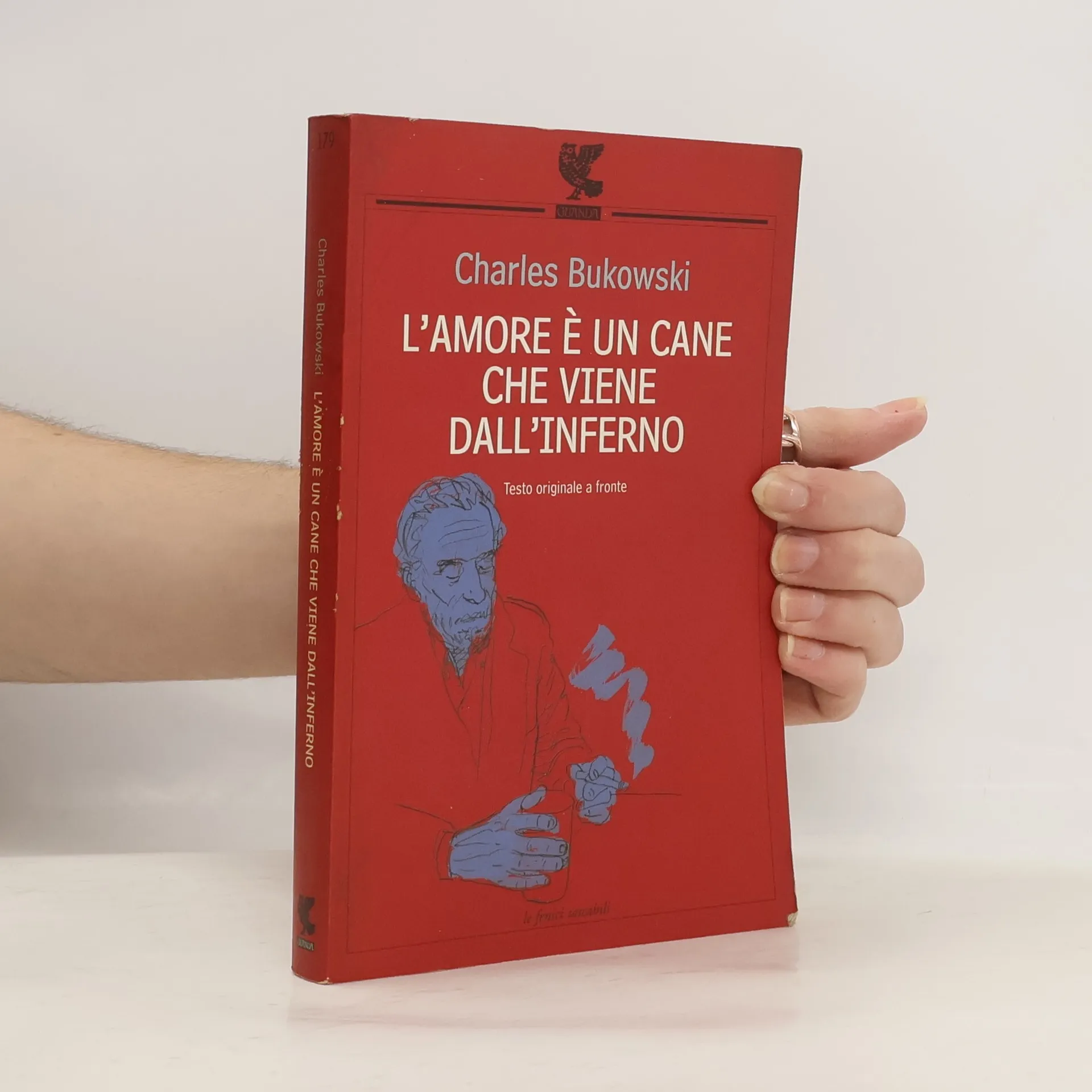
Le fenici tascabili - 179: L'amore è un cane che viene dall'inferno
Testo originale a fronte
- 207pagine
- 8 ore di lettura
Vagabondi, falliti, pezzenti, ubriaconi, giocatori d'azzardo di terz'ordine, prostitute e naturalmente il poeta stesso, fallito tra i falliti e pezzente tra i pezzenti: è questo il mondo di cui si popolano i versi di Bukowski, un mondo osservato a volte con il distacco sarcastico di chi ne scorge con chiarezza e lucidità i limiti e le piccolezze, altre volte con la genuina e partecipata commozione di chi non può tirarsene fuori, di chi si sente in qualche modo parte di quell'umanità sconfitta e umiliata.
Shakespeare non l'ha mai fatto
- 133pagine
- 5 ore di lettura
Shakespeare è l'Europa, l'Europa che si immaginano da sempre gli americani. Primavera 1978. Bukowski lascia Hollywood e atterra a Parigi insieme alla compagna Linda Lee. Da Parigi a Nizza, da Nizza a Mannheim, Heidelberg, Francoforte... Il diario di viaggio mescola la tournée dello scrittore e i ricordi dell'infanzia, l'incontro con gli editori e i fantasmi di Hemingway e Pound.
Selected Letters Volume 3: 1971 - 1986
- 224pagine
- 8 ore di lettura
'I wrote letters to many in those days ... it was rather my way of screaming from my cage.'The 1960's saw Charles Bukowski struggle for recognition and slowly emerge as a unique, talented and prolific poet and writer, whilst holding down a day job at the Post Office.
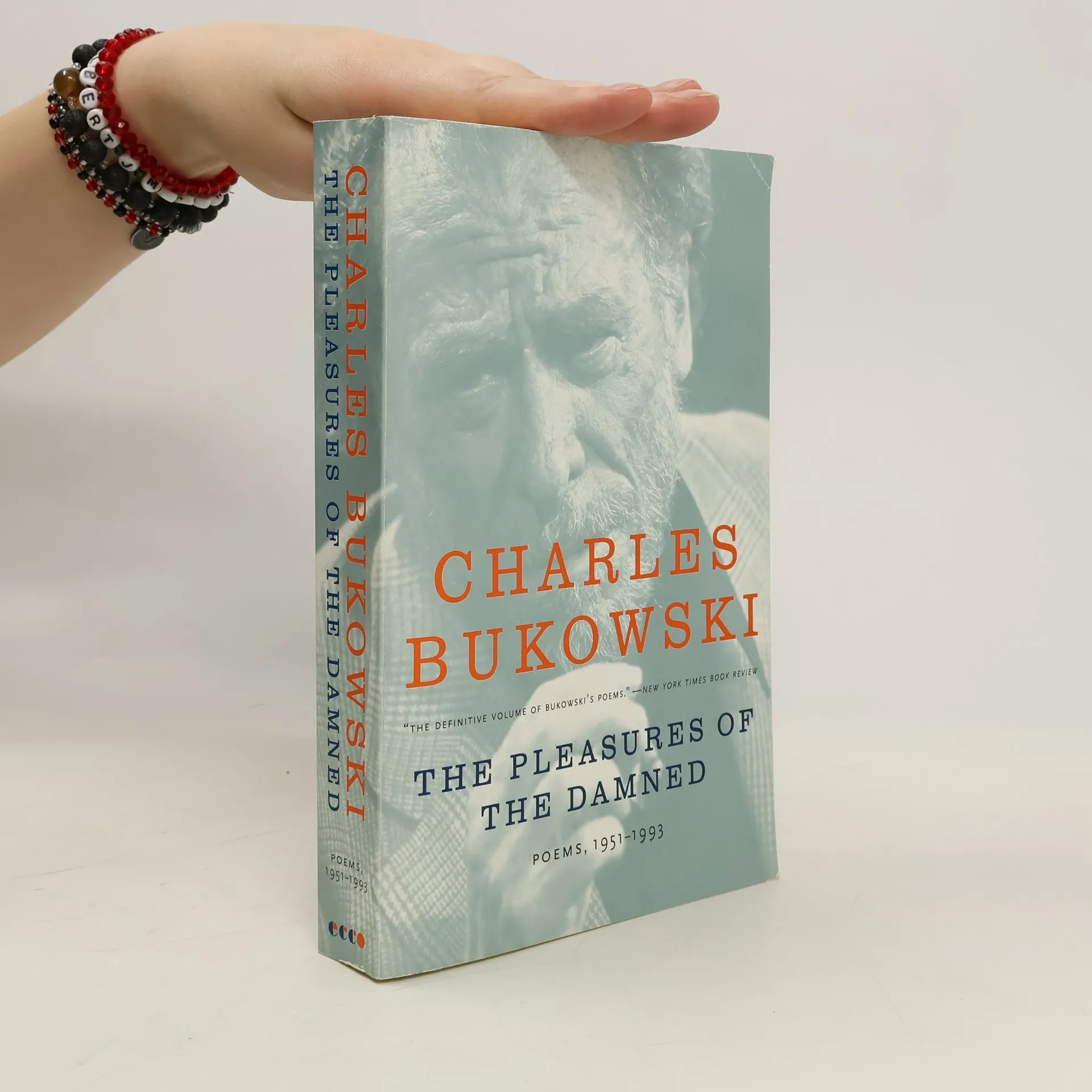
The Pleasures of the Damned
- 576pagine
- 21 ore di lettura
To his legions of fans, Charles Bukowski was—and remains—the quintessential counterculture icon. A hard-drinking wild man of literature and a stubborn outsider to the poetry world, he wrote unflinchingly about booze, work, and women, in raw, street-tough poems whose truth has struck a chord with generations of readers. Edited by John Martin, the legendary publisher of Black Sparrow Press and a close friend of Bukowski's, The Pleasures of the Damned is a selection of the best works from Bukowski's long poetic career, including the last of his never-before-collected poems. Celebrating the full range of the poet's extra-ordinary and surprising sensibility, and his uncompromising linguistic brilliance, these poems cover a rich lifetime of experiences and speak to Bukowski's "immense intelligence, the caring heart that saw through the sham of our pretenses and had pity on our human condition" (The New York Quarterly). The Pleasures of the Damned is an astonishing poetic treasure trove, essential reading for both longtime fans and those just discovering this unique and legendary American voice.
Play the Piano Drunk Like a Percussion Instrument Until the Fingers Begin to Bleed a Bit
- 125pagine
- 5 ore di lettura
Play the Piano introduces Charles Bukowski's poetry from the 1970s. He leads a life full of gambling and booze but also finds love. These poems are full of lechery and romance as he struggles to mature.
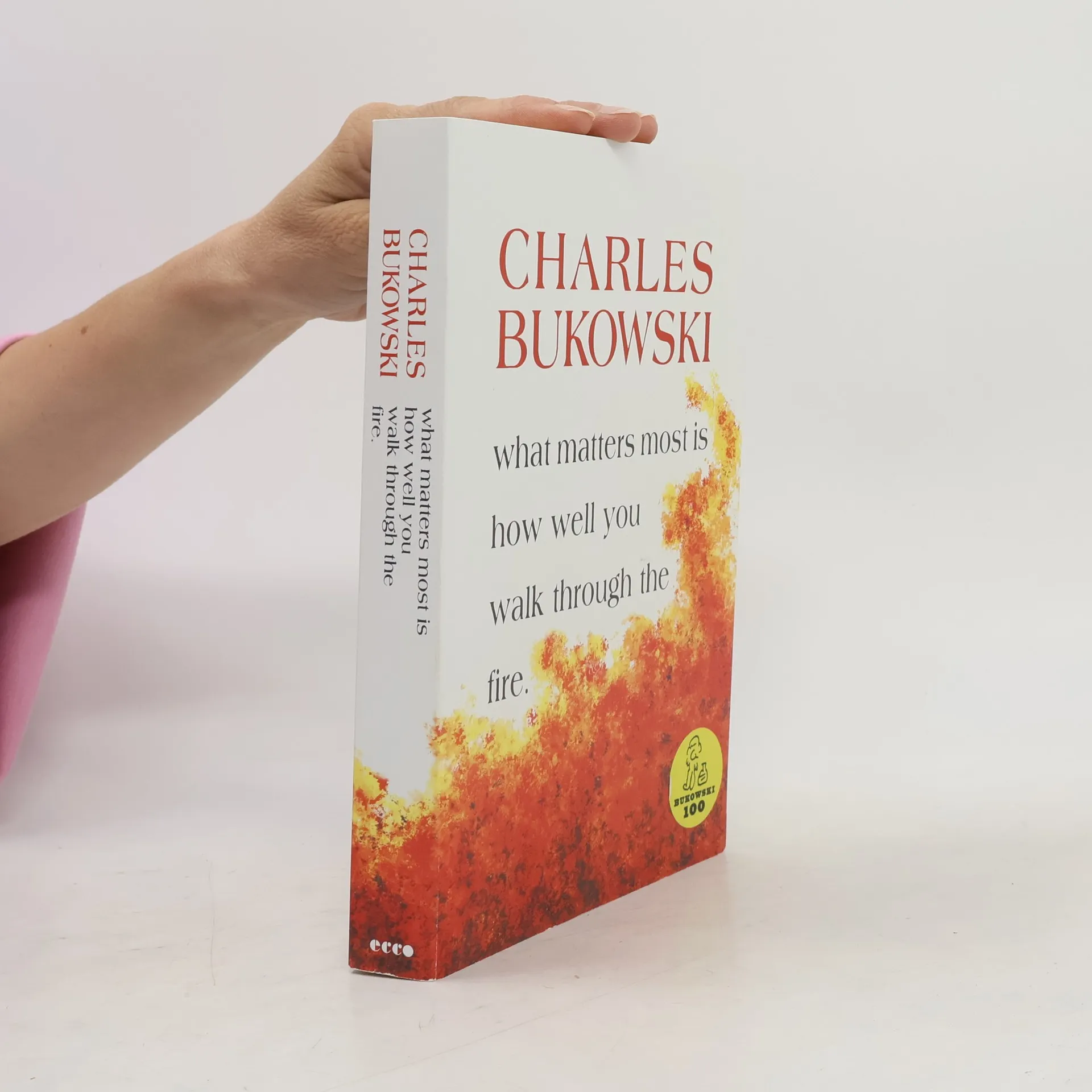
What matters most is how well you walk through the fire
- 409pagine
- 15 ore di lettura
This second posthumous collection from Charles Bukowski takes readers deep into the raw, wild vein of writing that extends from the early 70s to the 1990s.
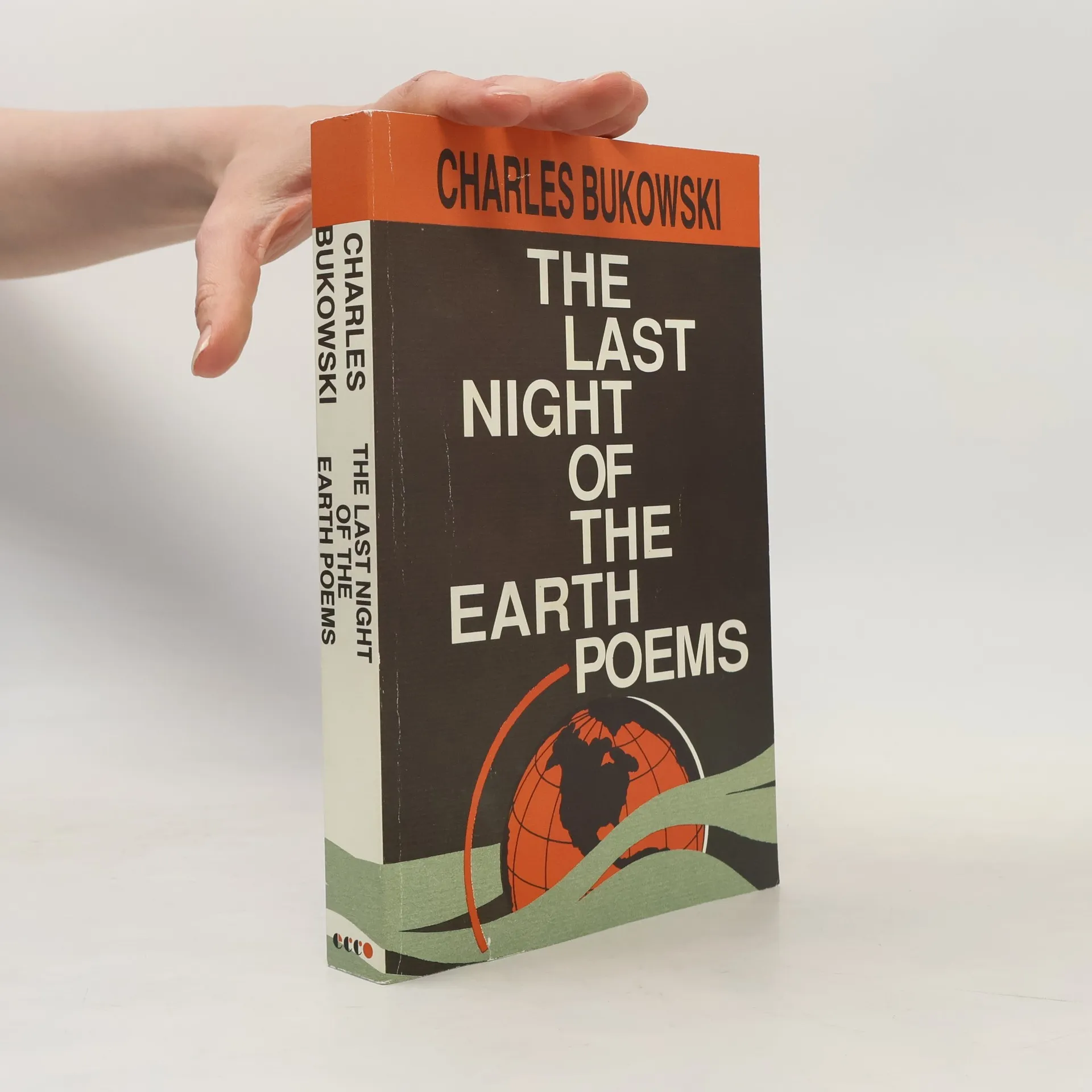
The Last Night of the Earth Poems
- 405pagine
- 15 ore di lettura
Poems deal with writing, death and immortality, literature, city life, illness, war, and the past.
Screams from the Balcony
- 384pagine
- 14 ore di lettura
Screams from the Balcony is a collection of letters chronicling Charles Bukowski's life as he tries to get published and work at a postal office, all while drinking and gambling.
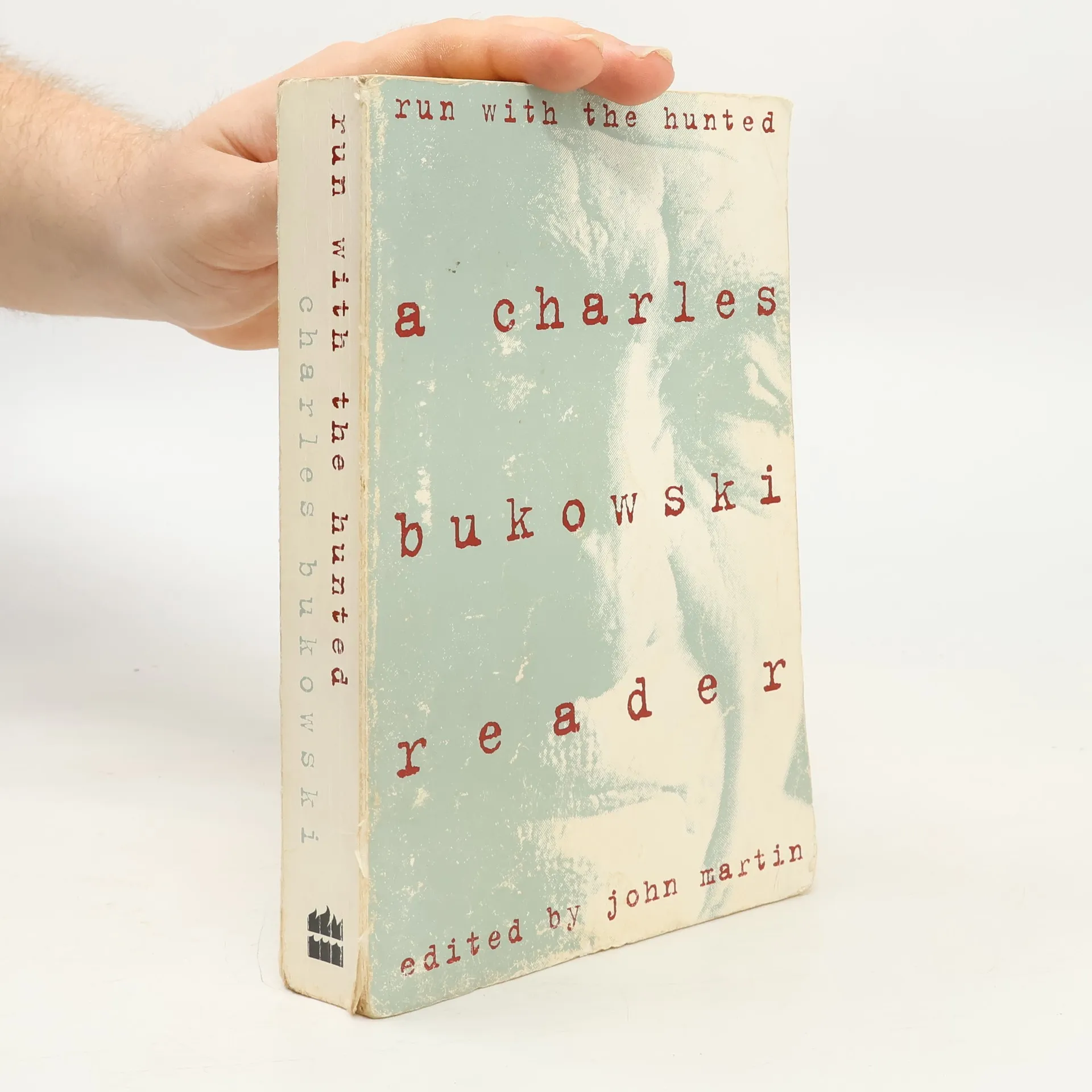
Run With the Hunted
- 497pagine
- 18 ore di lettura
The best of Bukowski's novels, stories, and poems, this collection reads like an autobiography, relating the extraordinary story of his life and offering a sometimes harrowing, invariably exhilarating reading experience. A must for this counterculture idol's legion of fans.
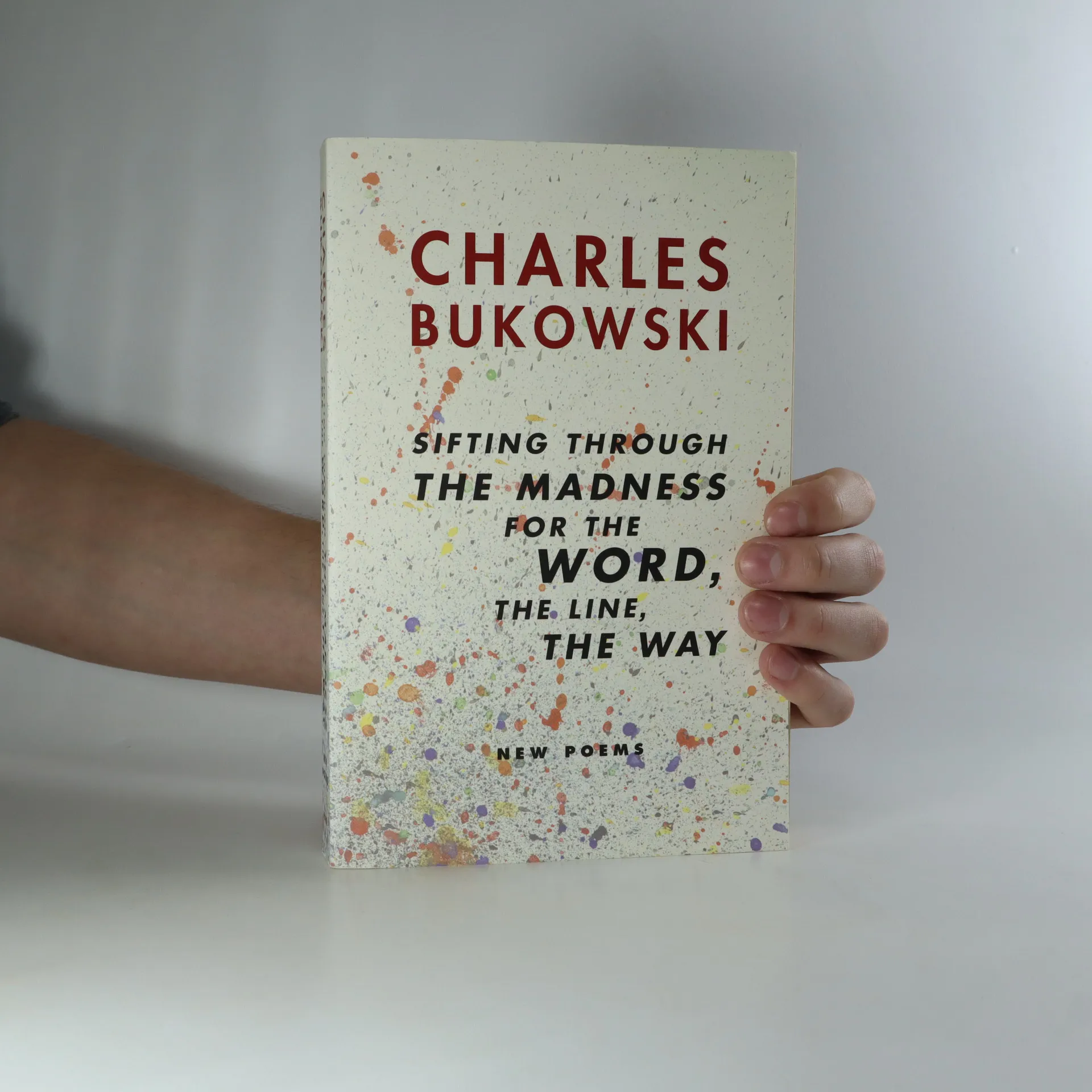
One of the most recognizable poets of the last century, Charles Bukowski is simultaneously a common man and an icon of urban depravity. He uses strong, blunt language to describe life as he lives it, and through it all charts the mutations of morality in modern America.Sifting Through the Madness for the Word, the Line, the Way is a treasure trove of confessional poetry written towards then end of Bukowski’s life. With the overhang of failing health and waning fame, he reflects on his travels, his gambling and drinking, working, not working, sex and love, eating, cats, and more.Sifting Through is Bukowski at his most meditative – published posthumously, it’s completely non-performative, and gets to the heart of Bukowski’s lifelong pursuit of natural language and raw honesty.We recommend you read this as Bukowski wrote: by sifting through the madness for what hits you as the word, the line, the way.
A former postman and long-term alcoholic who did not become a full-time writer until middle age, Charles Bukowski was the author of autobiographical novels that captured the low life and made him a literary celebrity. Drawing on new interviews with Bukowski's friends, family, and many lovers; unprecedented access to his private letters and unpublished writing; and commentary from various notable figures, Howard Sounes has uncovered the extraordinary true story of Bukowski.
You Get So Alone at Times That It Just Makes Sense
- 313pagine
- 11 ore di lettura
Charles Bukowski examines cats and his childhood in You Get So Alone at Times, a book of poetry that reveals his tender side. He delves into his youth to analyze its repercussions.
Burning in Water, Drowning in Flame is poetry full of gambling, drinking and women. In this selection of poems written between 1955 and 1973, Charles Bukowski writes realistically about the seedy underbelly of life.
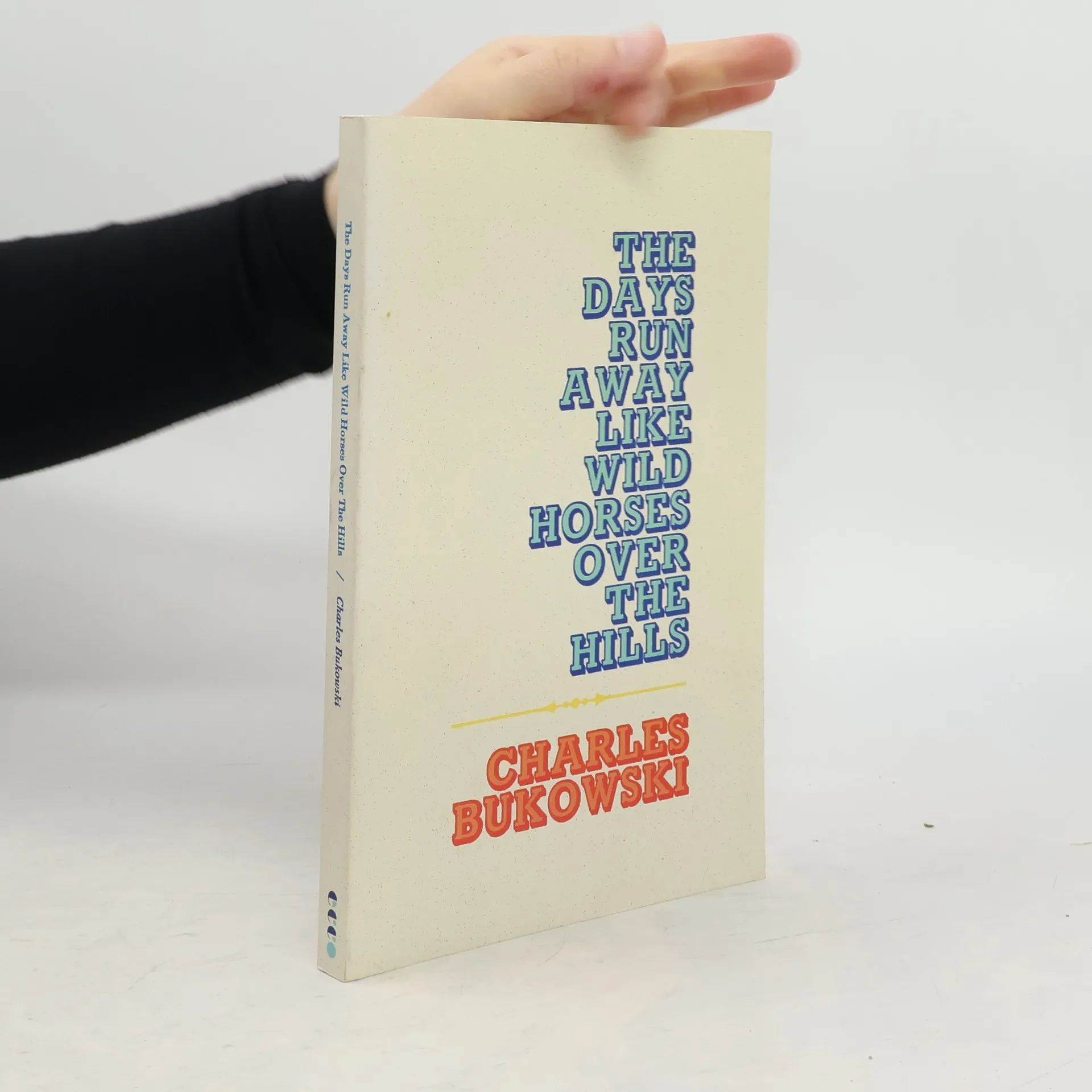
The Days Run Away Like Wild Horses
- 160pagine
- 6 ore di lettura
The Days Run Away Like Wild Horses is a book of poems written by Charles Bukowski for Jane, his first love. These poems explore a more emotional side to Charles Bukowski.
The best poet in America' Jean GenetHe brought everybody down to earth, even the angels' Leonard CohenThe definitive collection from a writer whose transgressive legacy and raw, funny, acutely observant writing has left an enduring mark
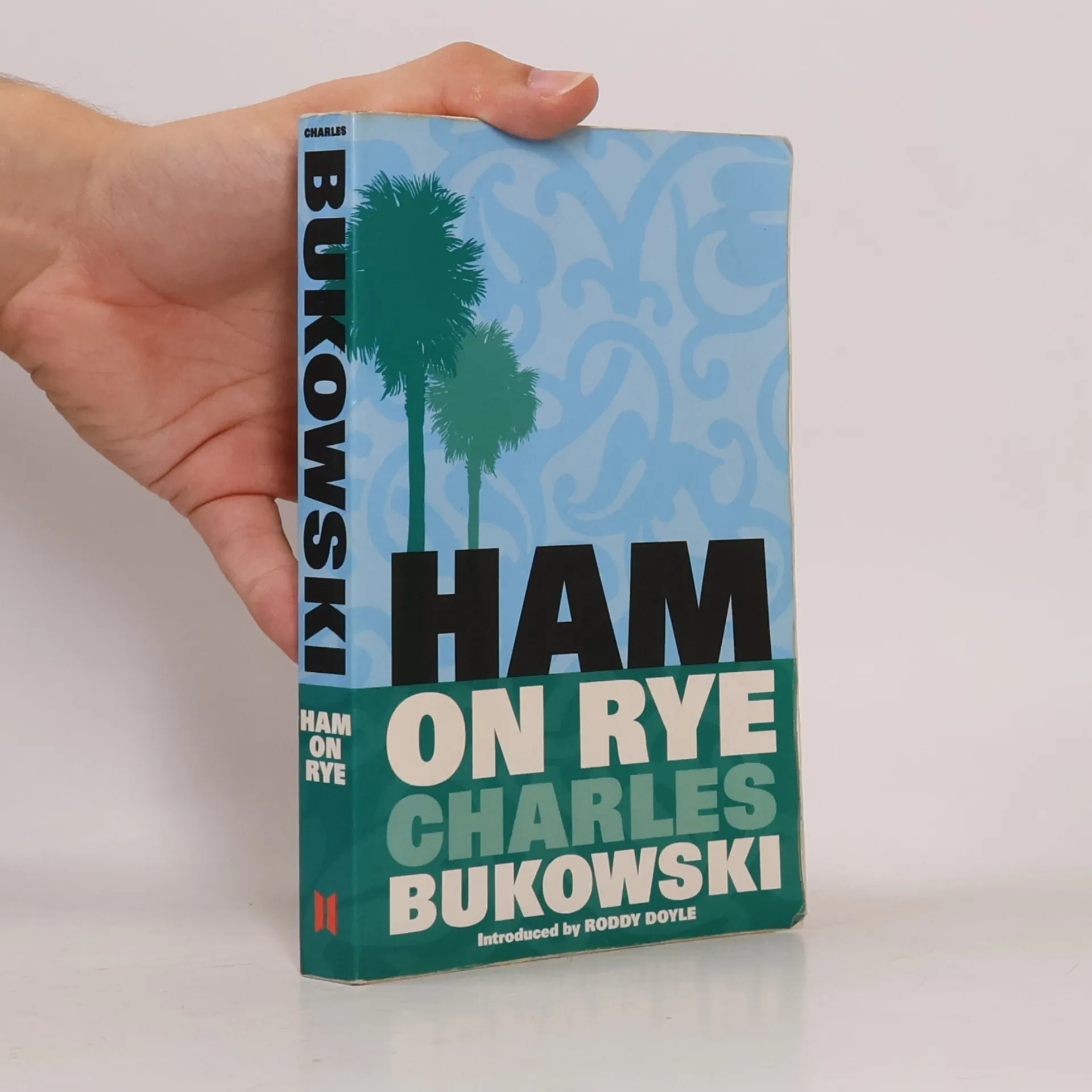
Ham On Rye
- 336pagine
- 12 ore di lettura
With his fourth novel, legendary barfly Charles Bukowski follows the path of his alter ego Henry Chinaski through the high school years of acne and rejection, drinking his way through the Depression, and ends at the start of World War Two.
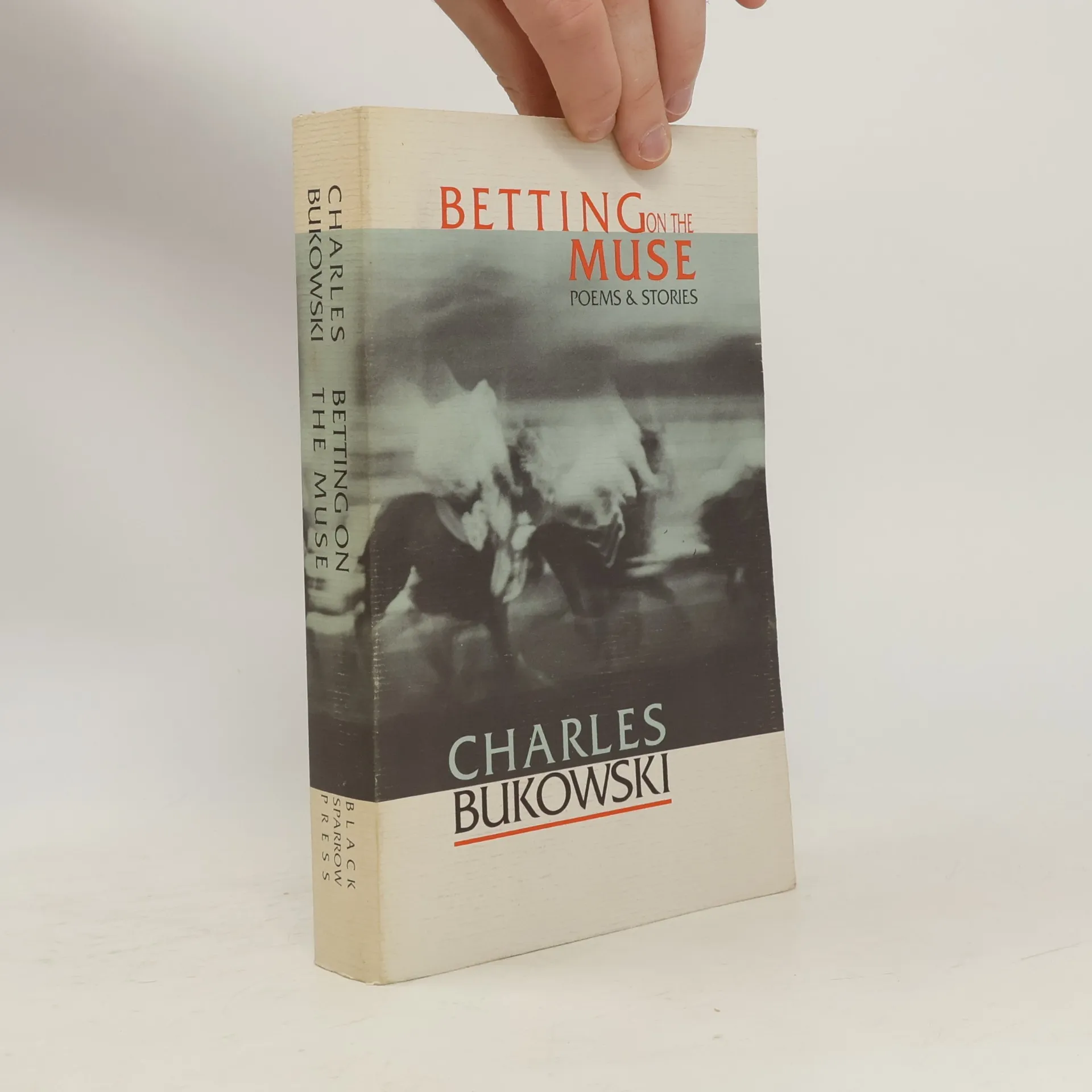
Betting on the Muse: Poems & Stories
- 402pagine
- 15 ore di lettura
Betting on the Muse is a combination of hilarious poetry and stories. Charles Bukowski writes about the real life of a working man and all that comes with it.
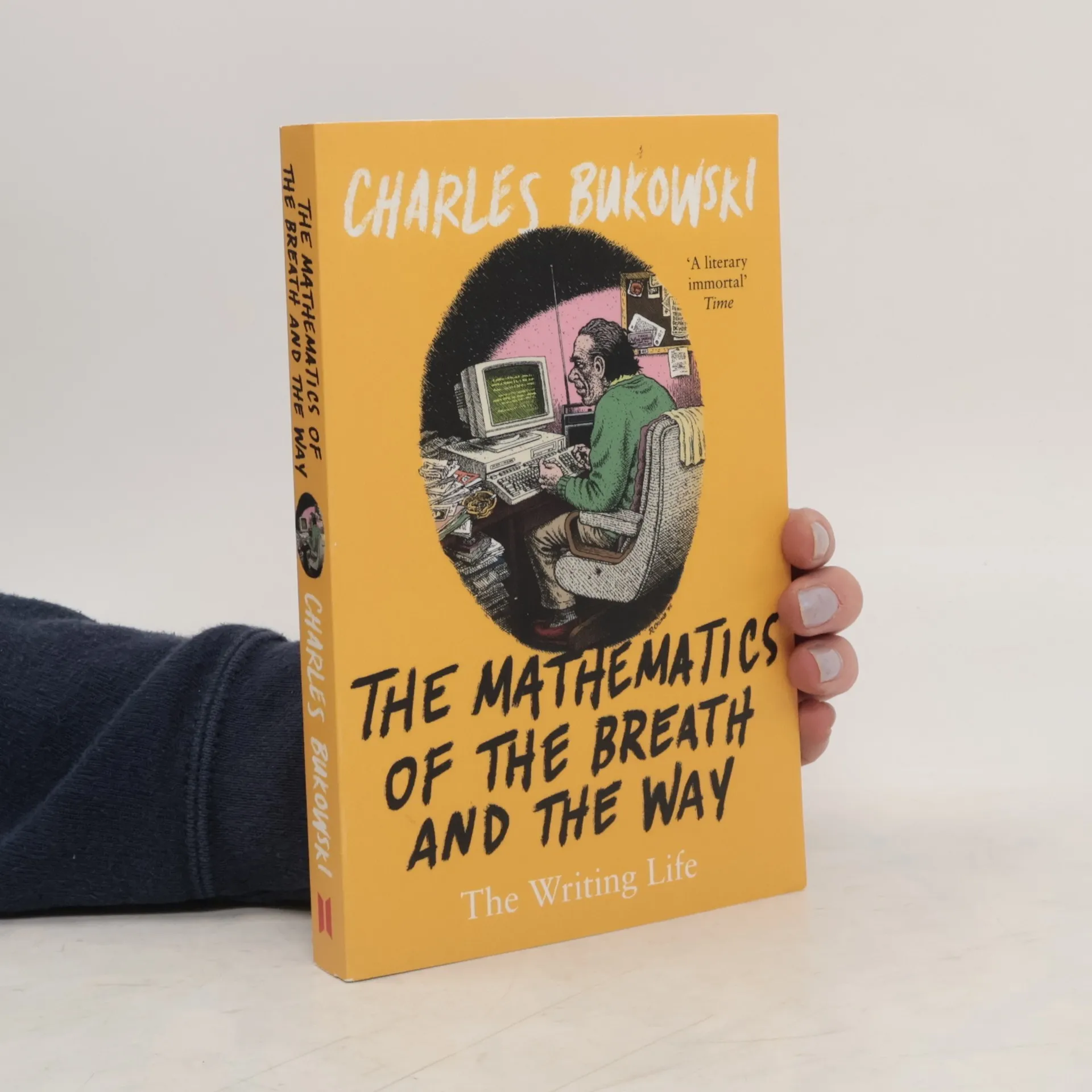
The Mathematics of the Breath and the Way
- 304pagine
- 11 ore di lettura
He brought everyone down to earth, even the angels LEONARD COHEN
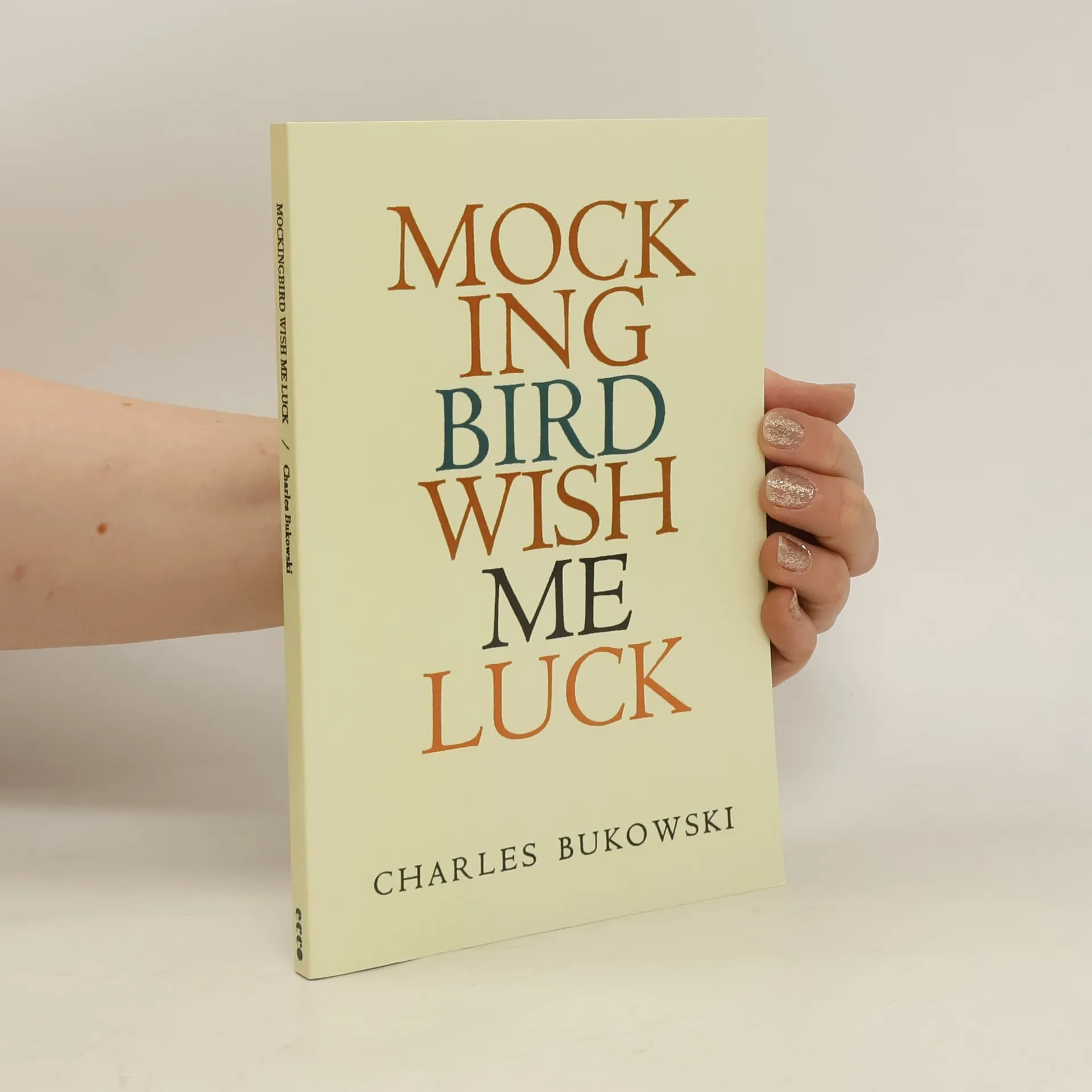
Mockingbird Wish Me Luck captures glimpses of Charles Bukowski's view on life through his poignant poetry: the pain, the hate, the love, and the beauty. He writes of lechery and pain while finding still being able to find its beauty.
the gas line is leaking, the bird is gone from the cage, the skyline is dotted with vultures; Benny finally got off the stuff and Betty now has a job as a waitress; and the chimney sweep was quite delicate as he giggled up through the soot. I walked miles through the city and recognized nothing as a giant claw ate at my stomach while the inside of my head felt airy as if I was about to go mad. it’s not so much that nothing means anything but more that it keeps meaning nothing, there’s no release, just gurus and self- appointed gods and hucksters. the more people say, the less there is to say. even the best books are dry sawdust. —from "fingernails; nostrils; shoelaces"
On Drinking
- 128pagine
- 5 ore di lettura
The definitive collection of works on a subject that inspired and haunted Charles Bukowski for his entire life: alcohol Charles Bukowski turns to the bottle in this revelatory collection of poetry and prose that includes some of the writer's best and most lasting work.
Dangling in the Tournefortia
- 288pagine
- 11 ore di lettura
There is not a wasted word in Dangling in the Tournefortia, a selection of poems full of wit, struggles, perception, and simplicity. Charles Bukowski writes of women, gambling and booze while his words remain honest and pure.
A classic in the Bukowski poetry canon, Love Is a Dog from Hell is a raw, lyrical exploration of the exigencies, heartbreaks, and limits of love.Charles Bukowski was a man of intense emotions, someone an editor once called a “passionate madman.” Alternating between tough and gentle, sensitive and gritty, Bukowski lays bare the myriad facets of love—its selfishness and its narcissism, its randomness, its mystery and its misery, and, ultimately, its true joyfulness, endurance, and redemptive power.
South of no north: Stories of the buried life
- 189pagine
- 7 ore di lettura
South of No North is a collection of short stories written by Charles Bukowski that explore loneliness and struggles on the fringes of society
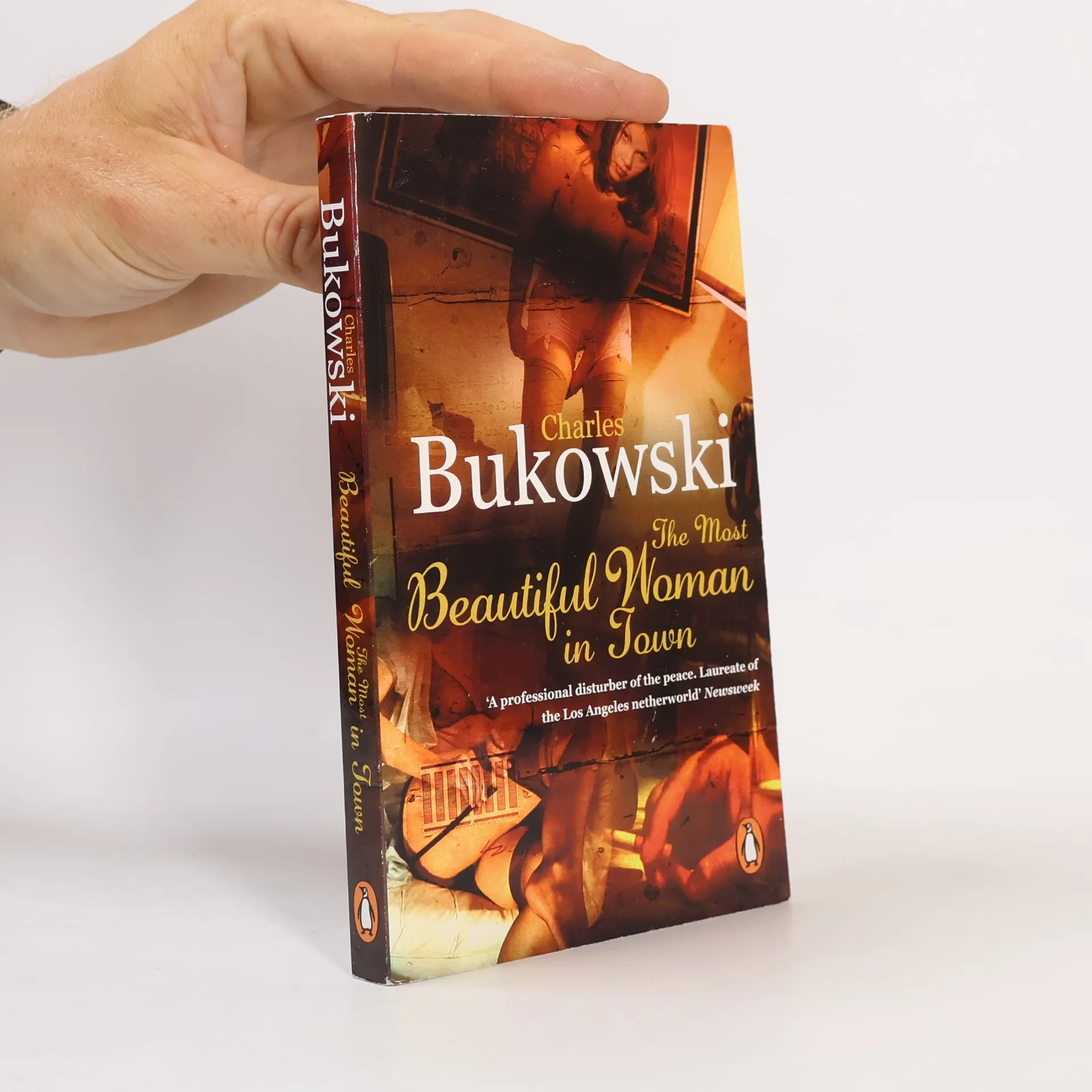
The most beautiful woman in town & other stories
- 240pagine
- 9 ore di lettura
This collection of short stories propels the reader into the lowlife of america's underworld, full of drunks, bums and gamblers, where sex and violence are everywhere and the most beautiful woman in town drinks and fights.
A book length collaboration between two underground legends, Charles Bukowski and Robert Crumb. Bukowski's last journals candidly and humorously reveal the events in the writer's life as death draws inexorably nearer, thereby illuminating our own lives and natures, and to give new meaning to what was once only familiar.
Storm for the Living and the Dead
- 272pagine
- 10 ore di lettura
A timeless selection of some of Charles Bukowski’s best unpublished and uncollected poems Charles Bukowski was a prolific writer who produced countless short stories, novels, and poems that have reached beyond their time and place to speak to generations of readers all over the world. Many of his poems remain little known since they appeared in small magazines but were never collected, and a large number of them have yet to be published. In Storm for the Living and the Dead, Abel Debritto has curated a collection of rare and never- before-seen material—poems from obscure, hard-to-find magazines, as well as from libraries and private collections all over the country. In doing so, Debritto has captured the essence of Bukowski’s inimitable poetic style—tough and hilarious but ringing with humanity. Storm for the Living and the Dead is a gift for any devotee of the Dirty Old Man of American letters.
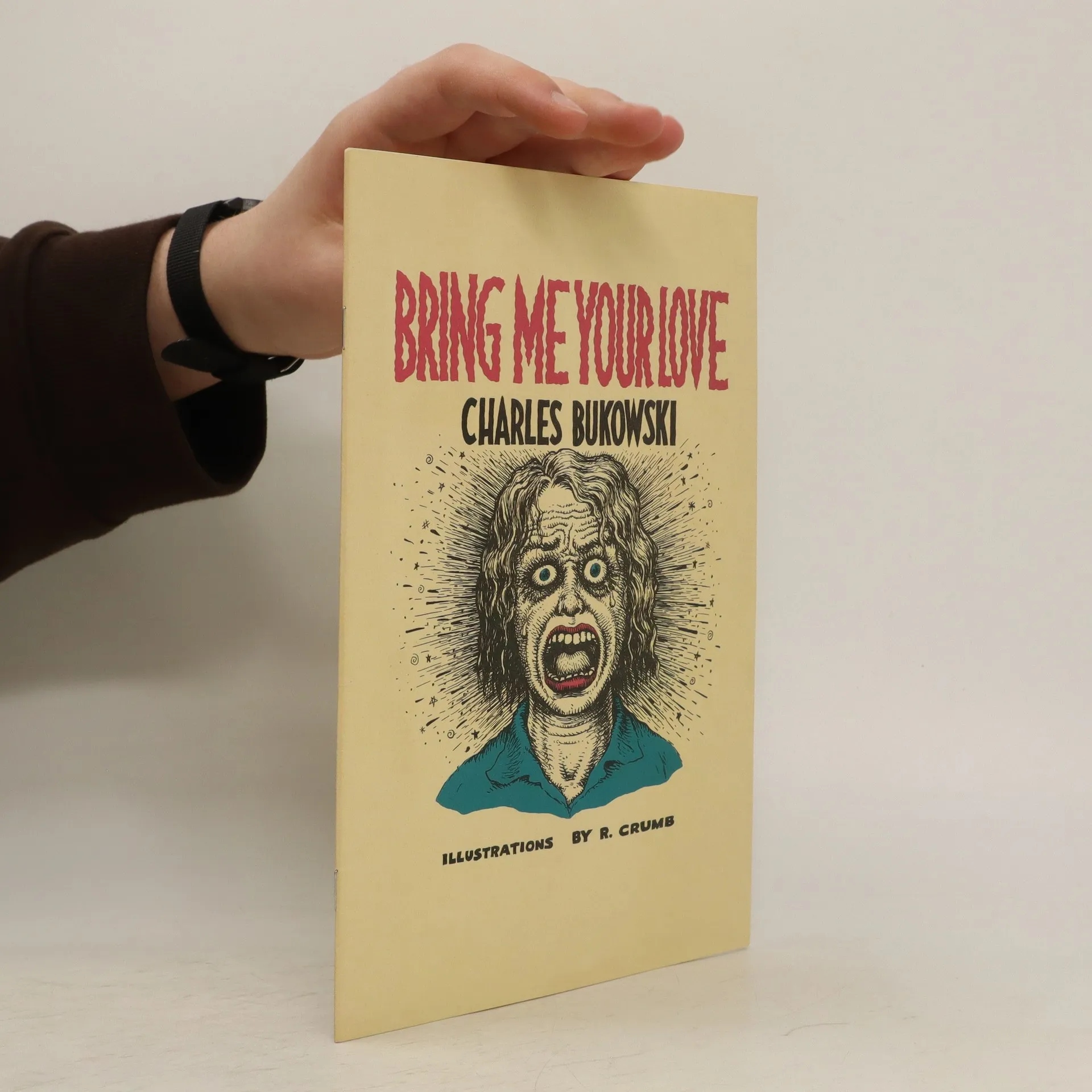
“The Walt Whitman of Los Angeles.”—Joyce Carol Oates, bestselling author “He brought everybody down to earth, even the angels.”—Leonard Cohen, songwriter Charles Bukowski's acerbic wit shines through in this dark short story about a cheating lover—accompanied by the illustrations of R. Crumb. Bring Me Your Love is must-have for every Bukowski collection.
On Love
- 224pagine
- 8 ore di lettura
In On Love, we see Charles Bukowski reckoning with the complications of love and desire. Alternating between the tough and the tender, the romantic and the gritty, Bukowski exposes the myriad faces of love in the poems collected here - its selfishness and its narcissism, its randomness, its mystery and its misery, and, ultimately, its true joyfulness, endurance and redemptive power.Whether writing about his daughter, his lover, or his work, Bukowski is fiercely honest and reflective, using love as a prism to look at the world and to view his own vulnerable place in it.
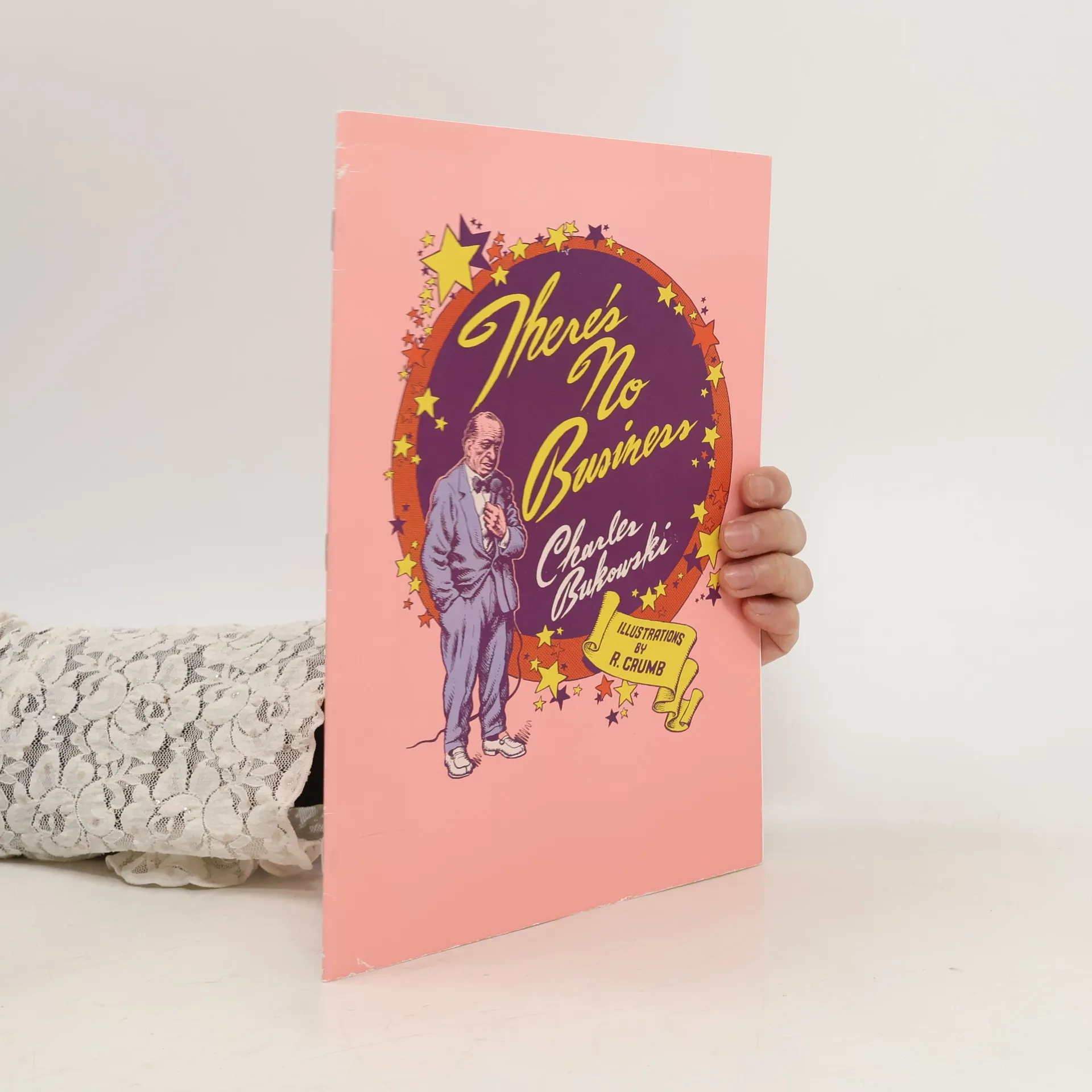
There's No Business
- 16pagine
- 1 ora di lettura
Short story written by Charles Bukowski and illustrated by Robert Crumb.
On writing
- 224pagine
- 8 ore di lettura
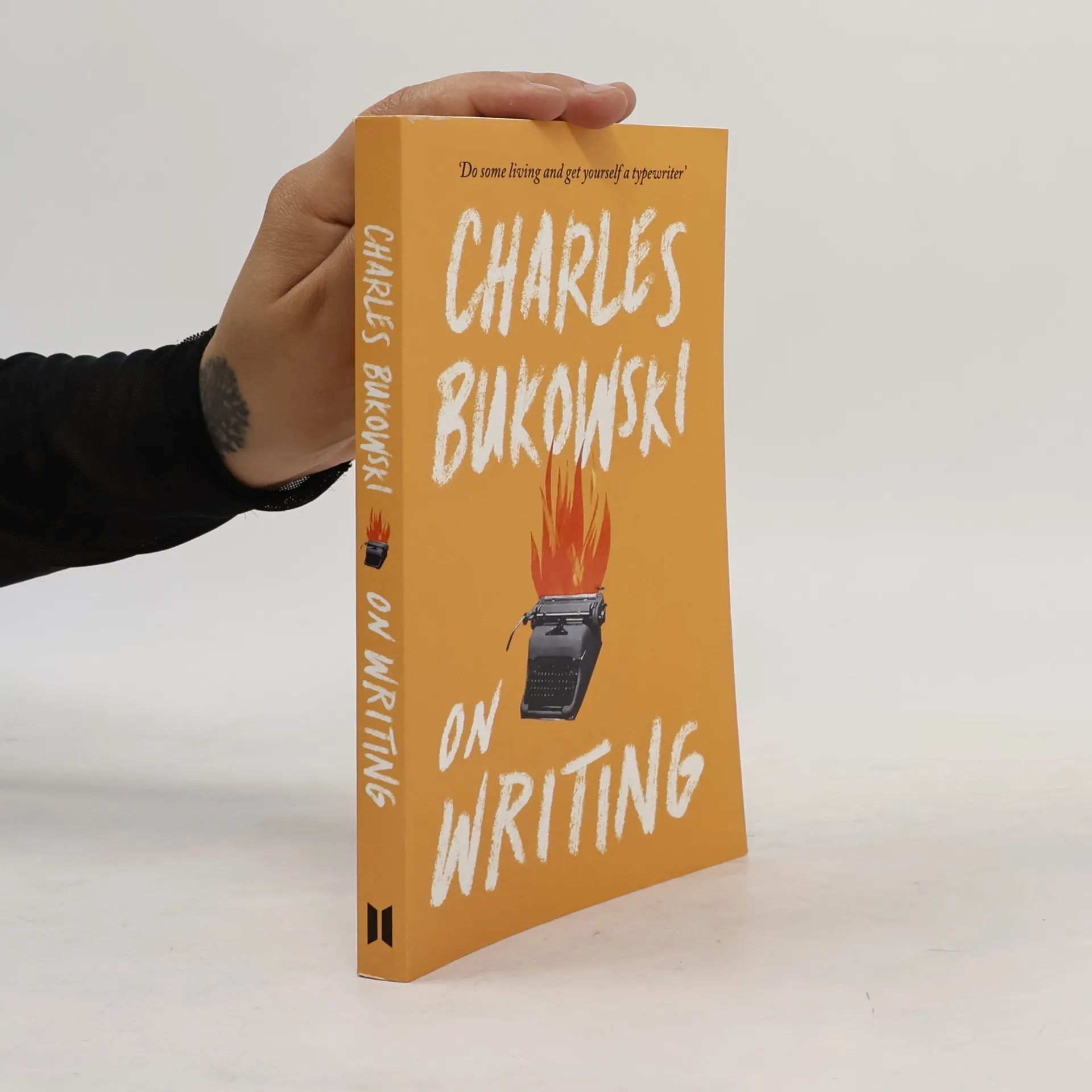
A collection of previously unpublished letters from America's cult icon on the art of writing.Charles Bukowski was one of our most iconoclastic, raw and riveting writers, one whose stories, poems and novels have left an enduring mark on our culture. On Writing collects Bukowski's reflections and ruminations on the craft he dedicated his life to. Piercing, unsentimental and often hilarious, On Writing is filled not only with memorable lines but also with the author's trademark toughness, leavened with moments of grace, pathos and intimacy. In the previously unpublished letters to editors, friends and fellow writers collected here, Bukowski is brutally frank about the drudgery of work and uncompromising when it comes to the absurdities of life and of art.
On cats
- 128pagine
- 5 ore di lettura
'A cat is only ITSELF, representative of the strong forces of life that won't let go'For Charles Bukowski there was something majestic and elemental about cats. He considered them to be sentient beings, whose searing gaze could penetrate deep into our being. Cats see into us; they are on to something. An illuminating portrait of one very special writer and a lifelong relationship with the animals he considered his most profound teachers, On Cats brings together Bukowski's reflections on the ruthless, resilient, indigent and endearing creatures he so admired.
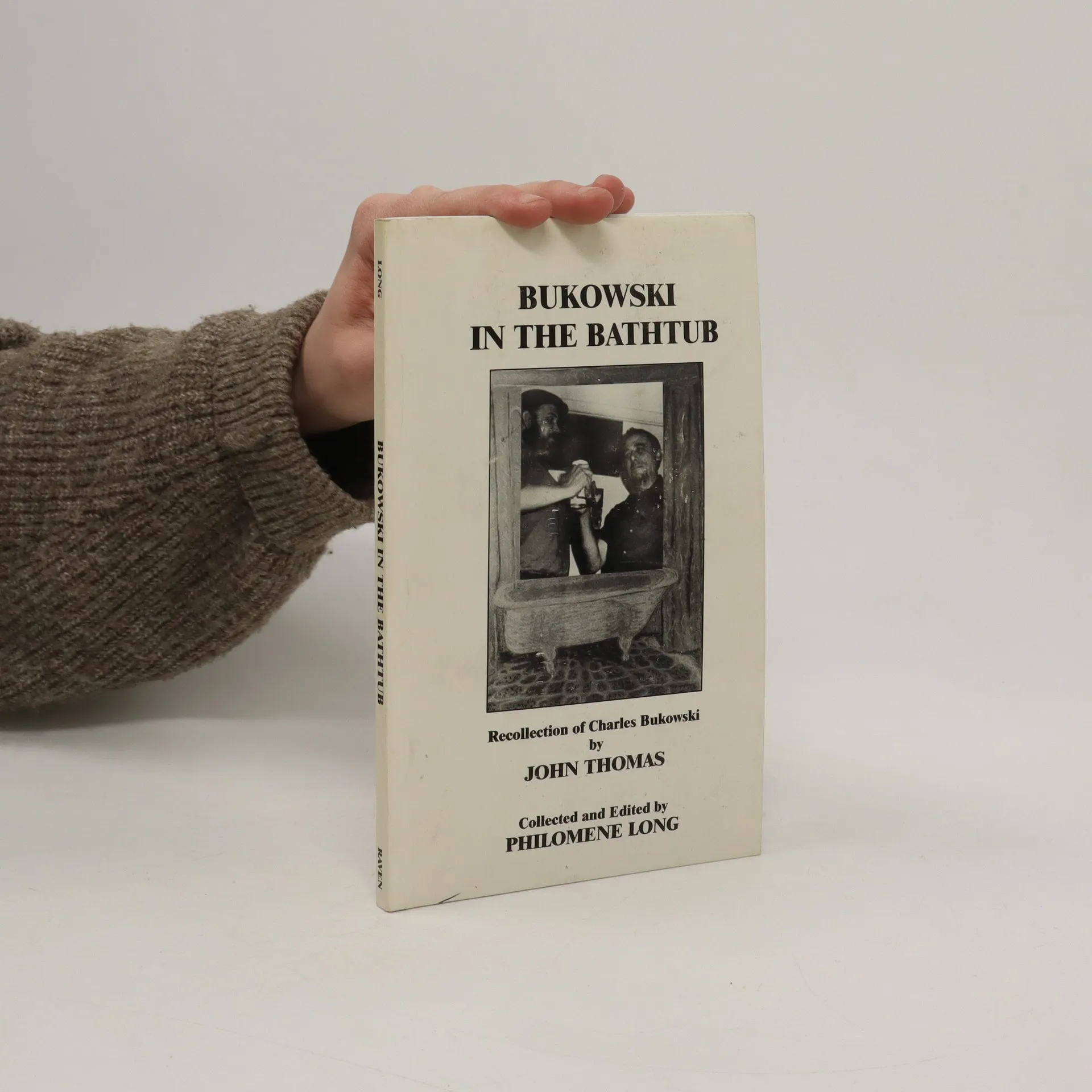
A conversation between Philomene Long and John Thomas, who was an intimate friend of Charles Bukowski from 1965 to 1971. This concise yet insightful book draws from their mutual visits and discussions, capturing observations, moods, and life attitudes. It serves not only as a testament to a remarkable partnership but also as a reflection of an era that continues to captivate public interest today.
Tři povídky – „Odbarvená píča“, „Bílej plnovous“ a „Vražda Ramóna Vásqueze“ – od kultovního amerického autora, bohéma profesí a především krále nezávislé tvorby. Jedná se o dvojjazyčné vydání.
This collection of previously unpublished poems offers the author's take on squabbling neighbours, off-kilter lovers, would-be hangers-on, and the loneliness of a man afflicted with acute powers of observation. The tone is gritty and amusing, spiralling out towards a cock-eyed wisdom.
New Poems Book One
- 176pagine
- 7 ore di lettura
Charles Bukowski was one of America's best-known writers and one of its most influential and imitated poets. Although he published over 45 books of poetry, hundreds of his poems were kept by him and his publisher for posthumous publication, This is the first collection of these unique poems. schovat popis
The second of five new books of unpublished poems from the late, great Charles Bukowski, America's most imitated and influential poet –– 143 never–before–seen works of gritty, amusing, and inspiring verse.
Charles Bukowski präsentiert in dieser Sammlung 119 neue Gedichte, die meisten erstmals veröffentlicht. Am Ende seines bewegten Lebens hat Bukowski einige Gewissheiten: Manchmal ist ein Rückzug ins Motel notwendig, um die eigene Seele zu retten. Komische Gedanken sind wie Katerzustände – man fühlt sich besser ohne sie. Schmutzige Bademäntel schaden dem Sexleben, und einsame Herzen sind unerträglich. Miserable Barpianisten gehören erschossen, und das Leben ist eine Nebelwand voller Rasierklingen. Es ist in Ordnung, dem stummen Begleiter Tod gelegentlich einen Drink anzubieten. Bukowski selbst schrieb acht oder zehn Gedichte pro Nacht – das war für ihn das einzig Wahre. Jörg Fauser bemerkte, dass Bukowskis Gedichte komprimierte Kurzgeschichten sind, die stets einen Moment der Wahrheit einfangen. Bukowski hinterließ einen riesigen Fundus an Gedichten und Fragmenten, aus dem US-Verlage jährlich umfangreiche Lyrikbände veröffentlichen. Viele dieser „neuen“ Gedichte sind jedoch oft nur halbfertige Entwürfe. Bukowski selbst hielt nur einen Bruchteil seiner Werke für gelungen. Sein Freund und deutscher Übersetzer Carl Weissner hat diesen hohen Qualitätsanspruch für die neue Sammlung übernommen. Die Gedichte stammen größtenteils aus den siebziger und achtziger Jahren, wobei viele im ersten Teil („Der Mississippi bei Nacht“) deutsche Erstveröffentlichungen sind.
Charles Bukowskis Gedichte spiegeln nicht gerade das Leben eines kultivierten Mitteleuropäers. Wer aber schriebe schöner über einen Typen, der sich »auf seiner abgewetzten Ledercouch zurücklehnt, die Flasche Heineken ansetzt, schluckt, schmatzt, am Kinn ein paar Tropfen von dem stacheligen Ziegenbart abreibt, seufzend den massigen Bierbauch mit einem Fetzen seines Sporthemdes drapiert«, als der »Homer der Kloaken«, wie Karl Corino ihn nannte?
Die weltweit größte Sammlung. Zweitausendeins hat mit den Auswahlbänden „Kinoreklame“ und „Western Avenue“ entscheidend zum Erfolg des Dichters in Deutschland beigetragen. Beide Bücher in einem Band, erweitert um ca. 350 Seiten Gedichte aus dem Nachlass gibt es jetzt erstmals im Taschenbuch. Herausgegeben und übertragen von Bukowskis deutschem Freund Carl Weissner.
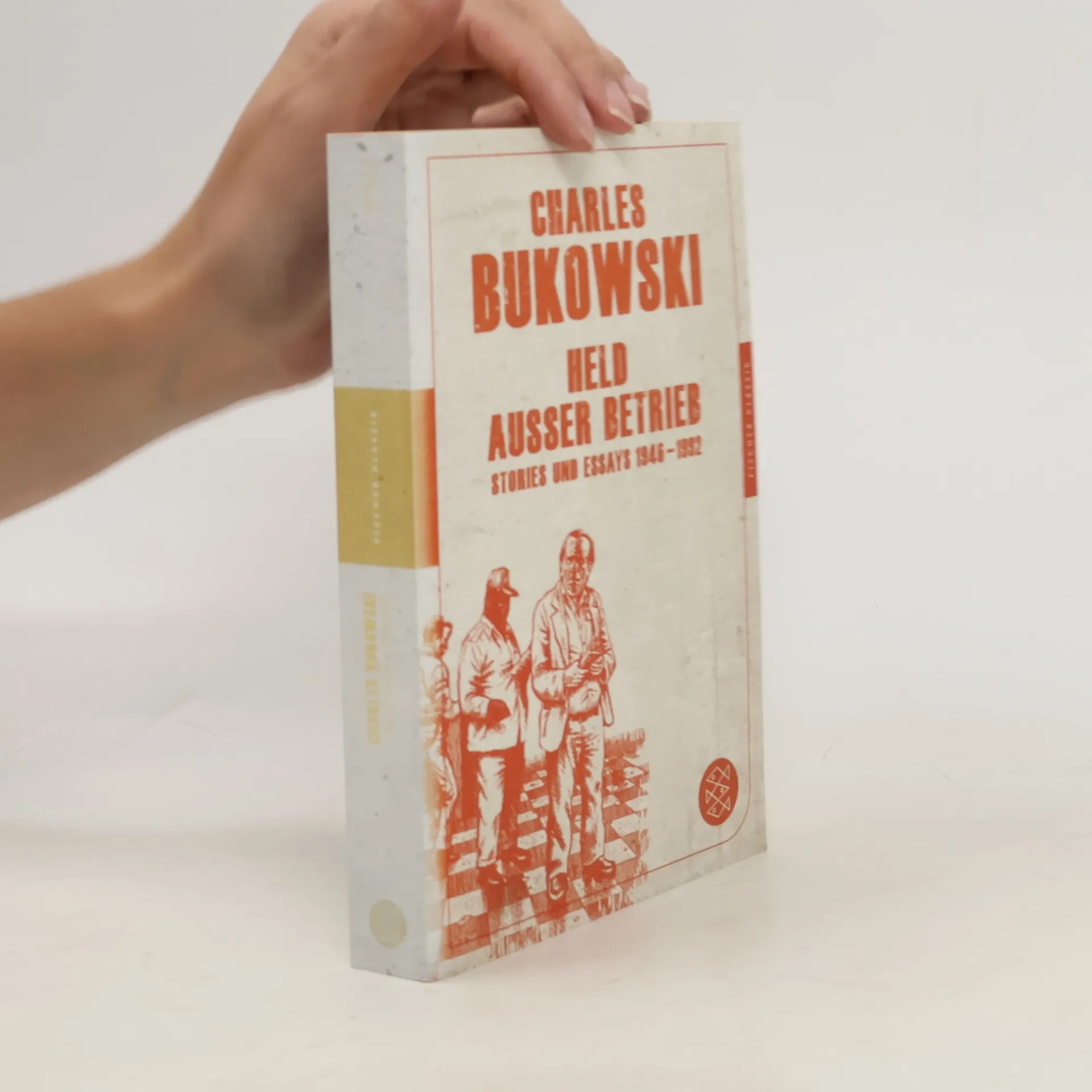
Über das Schreiben
Briefe an meine Weggefährten und Gönner
Neues über eine der schillerndsten Figuren der amerikanischen Literatur Der Einfluss von Charles Bukowskis Gedichten, Storys und Romanen auf die Literatur ist riesig. In diesen Briefen an Lektoren, Mäzene, Verleger, Freunde und Schriftstellerkollegen gibt der Autor Auskunft über den Schaffensprozess. Vom jungen Mann auf der Suche nach (auch finanzieller) Anerkennung bis hin zum alten und müden Bukowski – der Leser erhält neue Einblicke in den schillerndsten Autor der Underground-Literatur. Das Leiden und weniger die Freude an der Arbeit, die Absurditäten des Lebens und der Kunst – Bukowskis zutiefst menschlicher Fight um Geld, seine Leidenschaftlichkeit und zornige Lebenskunst machen ihn auch heute noch zur Ikone.
Krachkultur 20/2020
- 208pagine
- 8 ore di lettura
Die neue Ausgabe der KRACHKUL- TUR, »Deutschlands frechster Literaturzeit- schrift« (CICERO), widmet sich ausschließ- lich der Lyrik. Es ist die intimste und nach wie vor von einem breiten Publikum am wenigsten beachtete literarische Gattung.
Básně II.
- 308pagine
- 11 ore di lettura
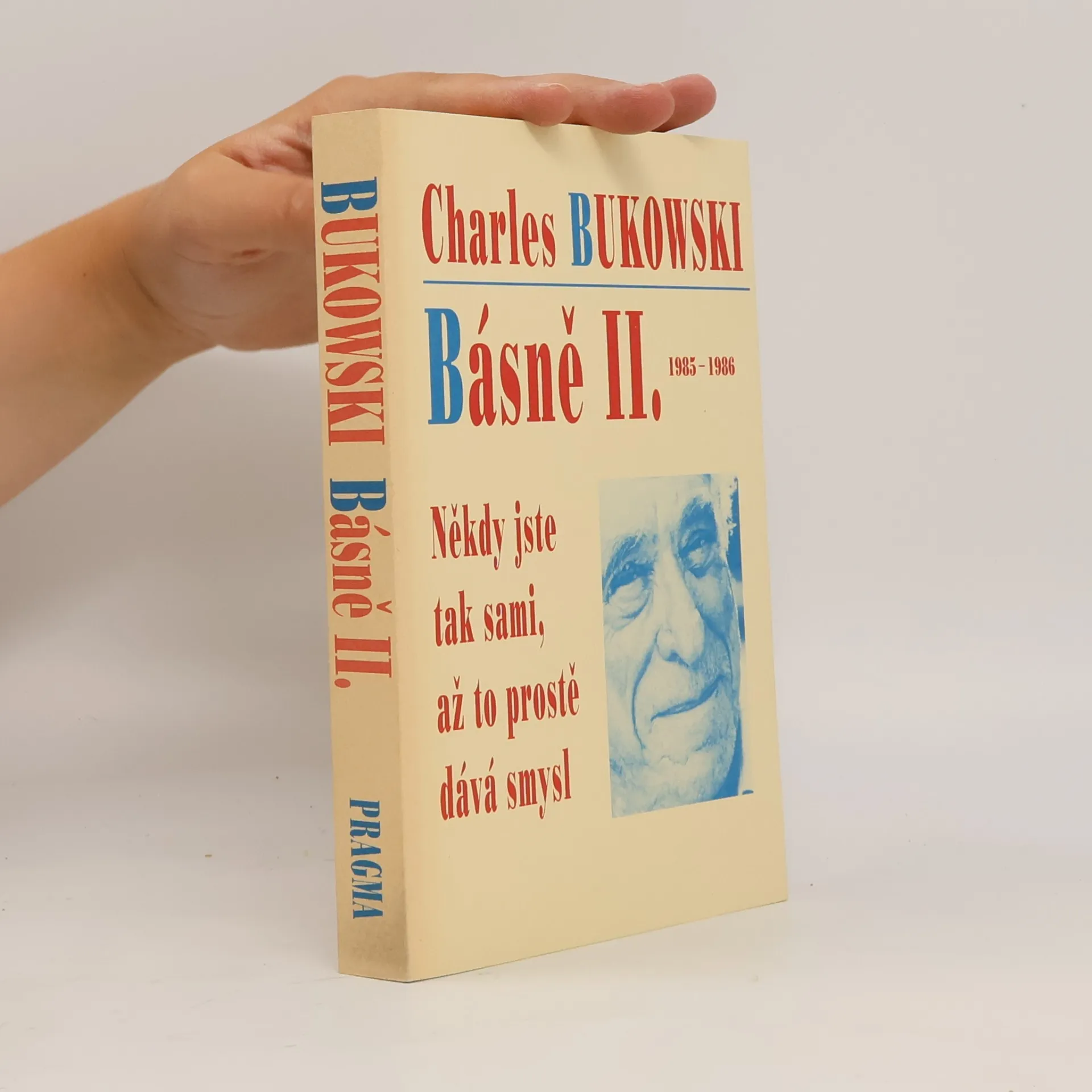
Sbírka básní dnes již téměř kultovního autora.
Umsonst ist der Tod. Gedichte 1992-1993
- 167pagine
- 6 ore di lettura
Dante Baby, das Inferno ist da!
94 unzensierte Gedichte
»Dante Baby, das Inferno ist da!« sind 94 ausgewählte, bisher unbekannte Gedichte von Charles Bukowski. Die Auswahl zeigt alle Seiten von Bukowski: mal leidend, mal feiernd, mal wild, mal nachdenklich – »poems in all their raw glory«. Da die Gedichte zwischen 1959 und 1993 geschrieben wurden, wird deutlich, wie vielschichtig Bukowskis Werk ist. Der schmutzige alte Mann trifft auf den süßen Liebenden; der betrunkene Lustmolch reicht dem nüchternen Philosophen die Hand. Dazu sehen wir deutlich Bukowskis Markenzeichen – klare Linien und prosaische Lyrik –, aber auch experimentelle Arbeiten, abseits der BUK-Klischees. In diesem Band wurden zudem Gedichte aufgenommen, die bisher verworfen wurden, weil sie als zu wild oder obszön galten. Es ist offensichtlich, dass Bukowski einige für ihre Schockwirkung geschrieben hat: Schwarzer Humor ist eine seiner Stärken. Nach dem Tod von Bukowski wurden seine Gedichte in den USA jedoch verharmlost oder verwässert. Dieser Band dagegen ist im originalen Wortlaut übersetzt und unzensiert. Nachdem ab 1974 Bukowskis Erfolg im deutschsprachigen Raum im MaroVerlag begann, spannt »Dante Baby, das Inferno ist da!« einen wunderbaren Bogen in das gegenwärtige Verlagsprogramm.
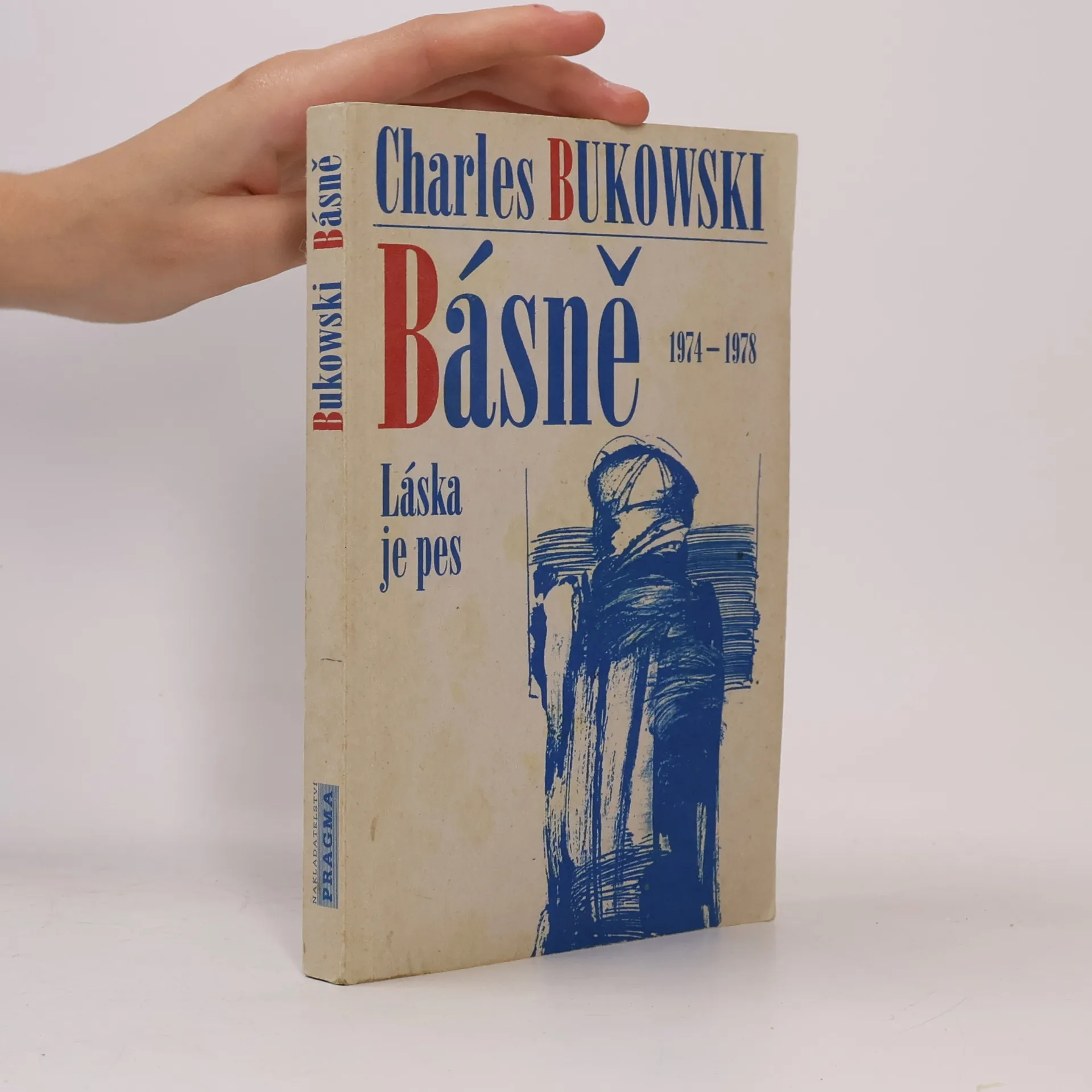
Básně. 1974-78
- 299pagine
- 11 ore di lettura
Eine Sammlung von Gedichten aus den Jahren 1988 bis 1992, herausgegeben und übersetzt von Carl Weissner. 242 Seiten.
Charles Bukowski hatte viele gute und schlechte Gründe, immer wieder zur Flasche zu greifen und so zieht sich denn auch das Thema Alkohol wie ein roter Faden durch sein Werk. Auch Schlechtes ist ihm in seinem Leben mehr als genug widerfahren: Eine schlechte, durch väterliche Brutalität überschattete Kindheit, schlechte und mies bezahlte Jobs oder ein schlechter Gesundheitszustand infolge eines jahrzehntelangen, durch Alkoholabusus gekennzeichneten Lebenswandels, der einmal sogar in einem lebensgefährdenden Magendurchbruch endete. Er brauchte den Alkohol wie die Luft zum Atmen, als Muse, Motor und unverzichtbaren Partner bei der Freisetzung seiner schier überbordenden Fantasie und Kreativität. Der vorliegende Band enthält jede Menge erstmals auf Deutsch erscheinende Texte und darüber hinaus einige, die u. a. von Carl Weissner übersetzt wurden. In Gedichten, Kurzgeschichten, Interviews und Briefen gewährt der Dirty Old Man einen Einblick in das von Höhen und Tiefen begleitete Leben eines eingeschworenen Alkoholikers, der immer wieder verzweifelt versucht, sich von seinem Laster loszusagen, was ihm höchstens so lange gelingt, bis die Zeit für das nächste Sixpack gekommen ist.
Ende der Durchsage
Gedichte (Sammelband)
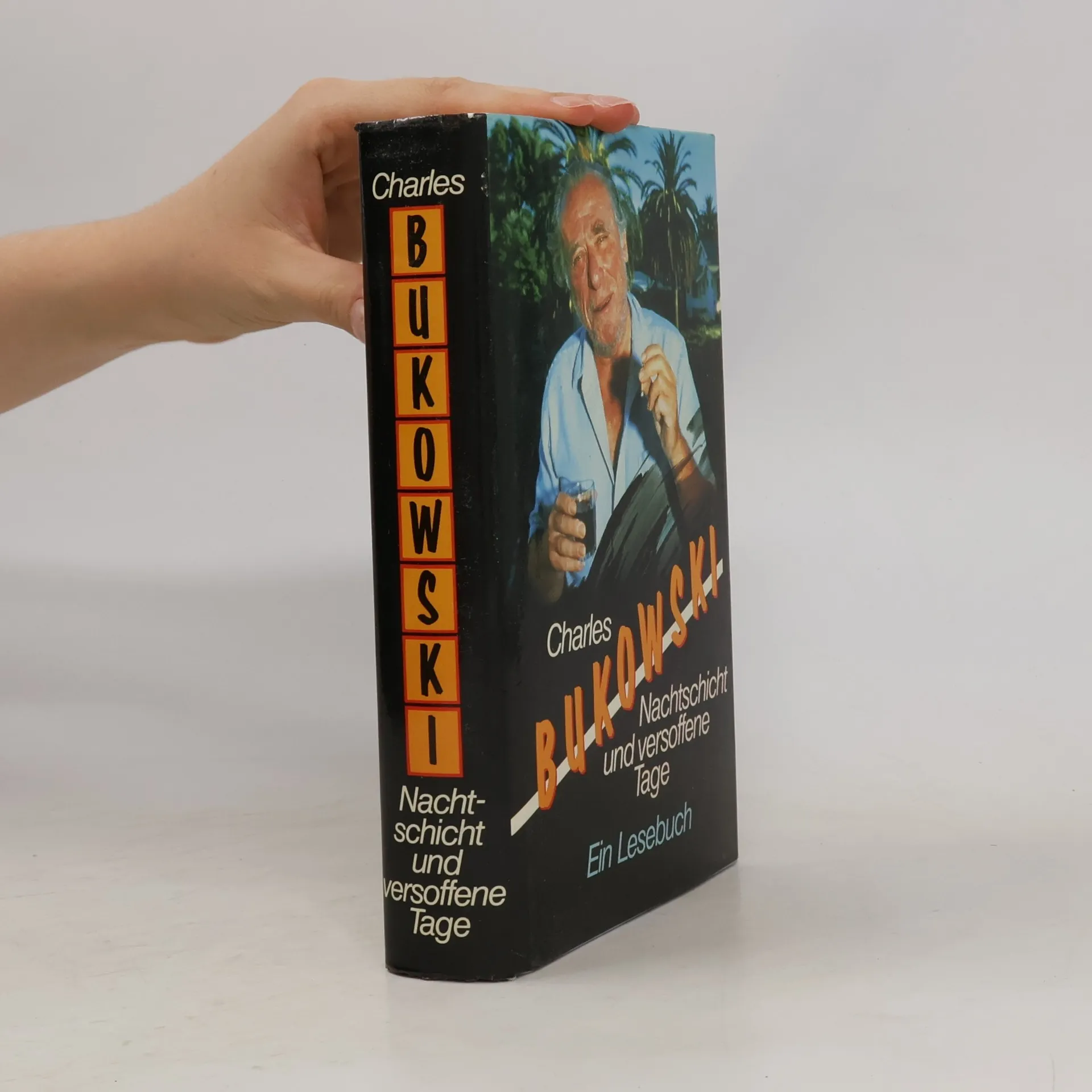
»Ich bin ein alter Witz. Und schlafe ein.« Ein Querschnitt durch die Lyrik Charles Bukowskis, vom jungen bis zum alten, Schnappschüsse aus seinem Leben: L. A., die Bars, die schmuddeligen Hotels, die Highways, die Rennbahn, die Frauen, das Schreiben und das Leben. Seitdem Charles Bukowski 1994 starb, ist sein Ruhm nur noch größer geworden, er ist ein Klassiker der Undergroundliteratur. Seine Leser wachsen nach, denn er spricht noch immer die Sprache der jungen Generation. »Ende der Durchsage« enthält die Bände »Die letzte Generation«, »Auf dem Stahlross ins Nirwana«, »Umsonst ist der Tod« und »Kamikaze-Träume«. »Seine Gedichte sind Berichte und Momentaufnahmen von kaputten Leuten in einer kaputten Welt. Sie sprechen eine Sprache, die sich nicht um literarische Konventionen schert und doch erstaunlich durchgearbeitet erscheint.« (Frankfurter Rundschau)
Diesseits und jenseits vom Mittelstreifen. Gedichte 1972-1977
- 105pagine
- 4 ore di lettura
Чарльз Буковски - культовый американский автор, в творчестве которого отразилась целая эпоха. Его произведения предельно автобиографичны, и их главный герой Генри Чинаски, по сути, является альтер эго писателя
Schultheiss
- 164pagine
- 6 ore di lettura
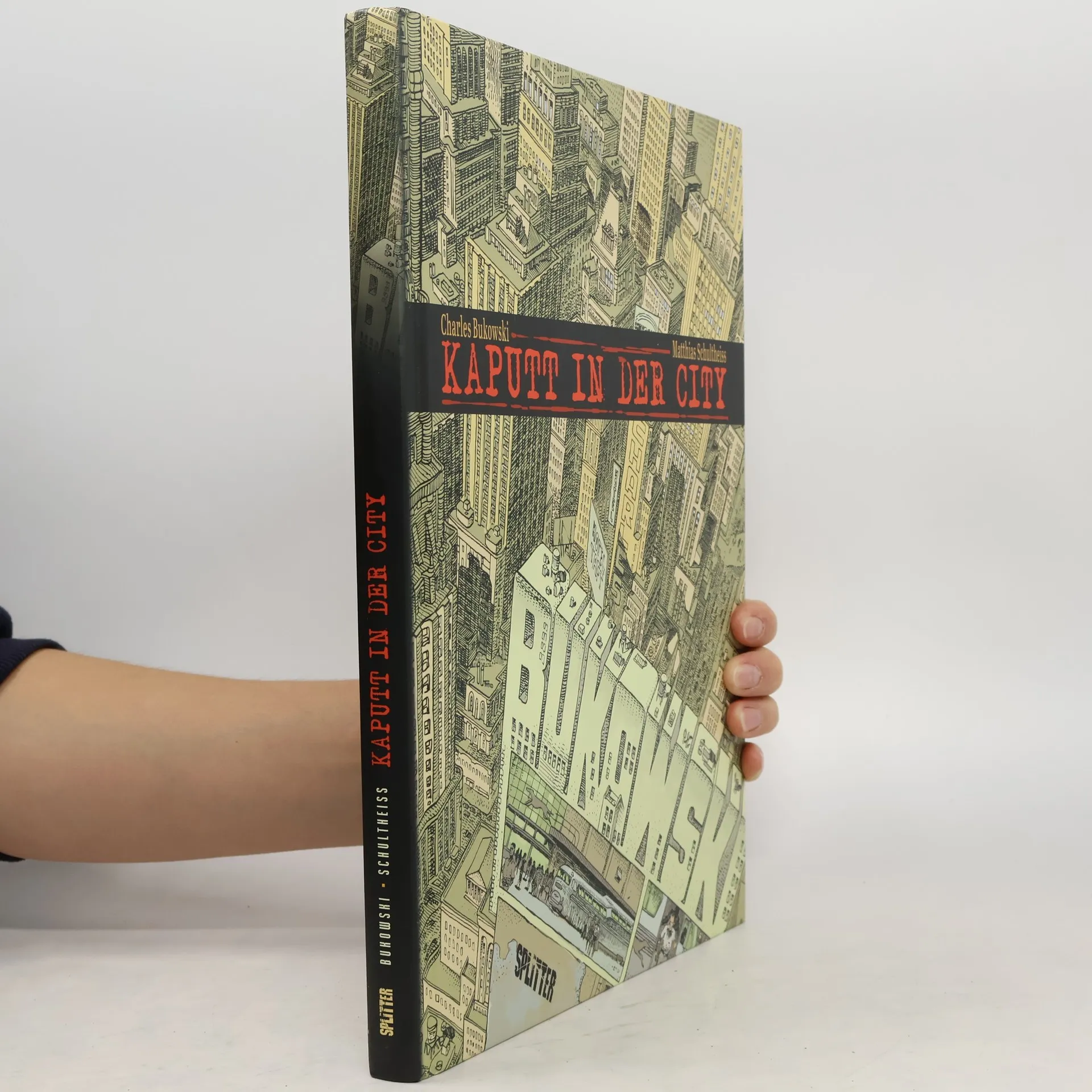
Charles Bukowski, der »Dirty Old Man« der US-amerikanischen Underground-Literatur, war ein Autor ohne Kompromisse: Apokalyptische Visionen seiner Wahlheimat Los Angeles, die unmenschliche Härte des Alltags in der working class und der schleichende Tod, den der unheilige Bund aus Einsamkeit und Alkohol mit sich bringt, waren seine Themen. Wer könnte Bukowski besser auf die Comicseite bannen als Matthias Schultheiss? »Die Haie von Lagos«, »Die Wahrheit über Shelby«, »Daddy« – gebrochene Helden, allumfassender Zynismus und gleichgültige Brutalität begegnen uns in seinen Werken an jeder Ecke. »Kaputt in der City« umfasst Schultheiss‘ Interpretationen von 8 Bukowski-Kurzgeschichten, die bis ins Mark gehen. Der Klassiker erstmals in Farbe! Matthias Schultheiss selbst besorgt die Koloration dieser hochwertigen Neuausgabe von »Kaputt in der City«. Auch erhältlich als limitierte Vorzugsausgabe mit alternativen Cover und signiertem Kunstdruck
Die letzte Generation
- 164pagine
- 6 ore di lettura
Gedichte vom jungen und vom alten Charles Bukowski aus den Jahren 1960 bis 1990. Die Gedichte im ersten Teil dieser Sammlung stammen aus einer Zeit, als er sich nicht nur mit seinem ständigen Durst herumquälte, sondern auch mit ewigen Geldnöten. Die Gedichte der späteren Jahre zeigen, daß Bukowski - bis zum Schluss seinen Leidenschaften treu ergeben - irgendwann gelassener geworden ist, heiter und aufmüpfig.§§
Im Garten der Venus
- 380pagine
- 14 ore di lettura
Hrsg. Keiser, Carolin. Sonderausgabe. 380 S. N.-A.
Pacific Telephone 51 Gedichte
- 112pagine
- 4 ore di lettura
Fragmenty winem poplamionego notatnika
- 367pagine
- 13 ore di lettura
Na tom Fragmenty winem polamionego notatnika Charlesa Bukowskiego składają się utwory prozatorskie, które od ukazania się w podziemnych gazetkach, periodykach literackich, a nawet pismach pornograficznych nigdy potem nie zostały wydane drukiem. Wśród pomieszczonych w tomie tekstów na uwagę zasługują pierwsze i ostatnie opublikowane opowiadania pisarza, pierwsze i ostatnie eseje oraz przymiarki do - znanych z polskiego przekładu - Zapisków starego świntucha. Oprócz tego znajdziemy tu bardzo osobiste rozważania autora na ulubione tematy, rozmyślania o takich tuzach literatury, jak Ezra Pound i Ernest Hemingway, jak również minitraktaty estetyczne. Spod pozornie niedbałego stylu wyziera charakterystyczna dla Bukowskiego i jedyna w swoim rodzaju mieszanka chropawego liryzmu, autentyczności i poczucia humoru.
Tvrdí hoši píšou básně
Tři rozhovory
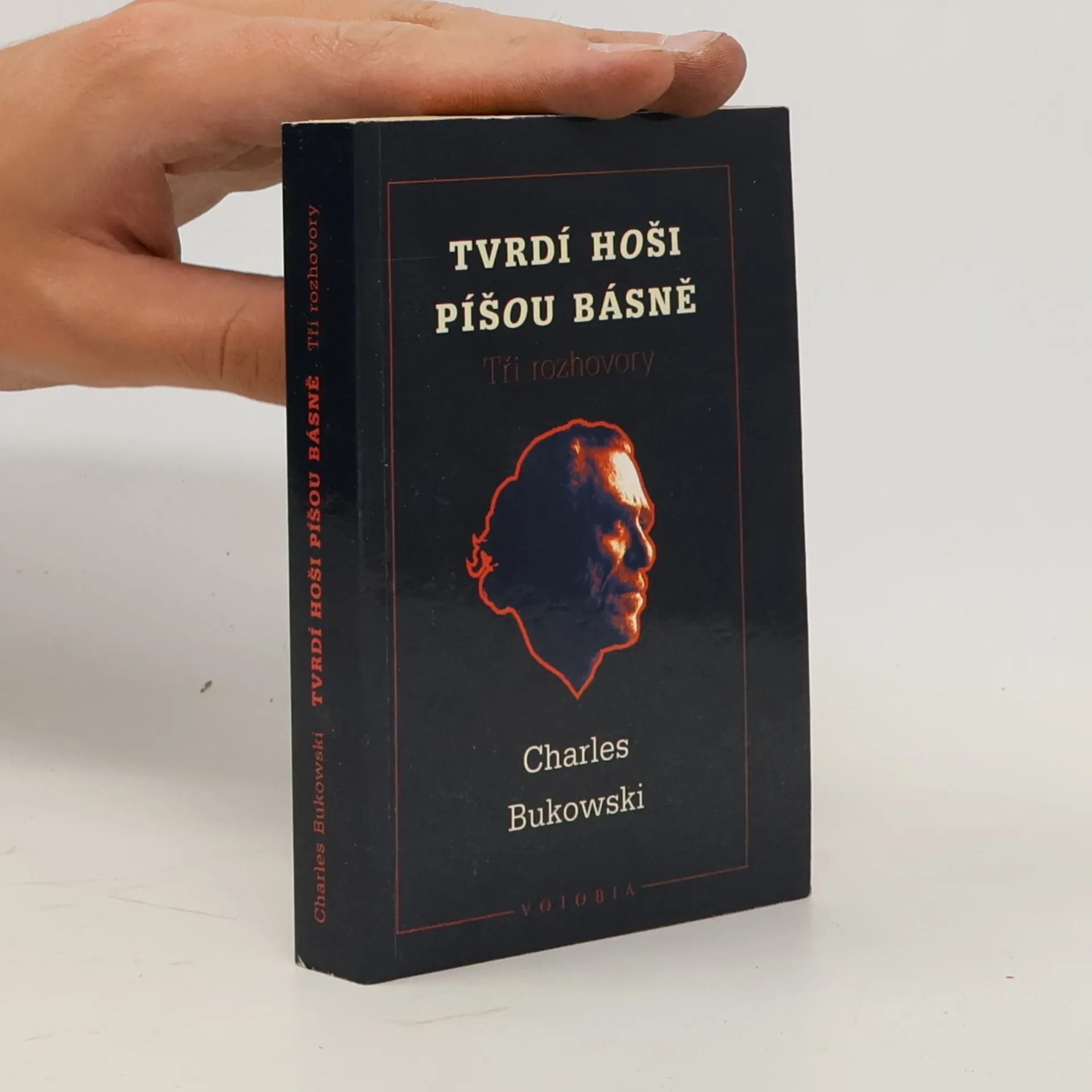
Kolekce tří rozhovorů s Ch. Bukowskim: – Paying for Horses (Vydělávám na dostihové sázky), London Magazine, 1974/1975 – Craft (Řemeslo), N. Y. Quaterly, 1985 – Tough Guys Write Poetry (Tvrdí hoši píšou básně), 1987
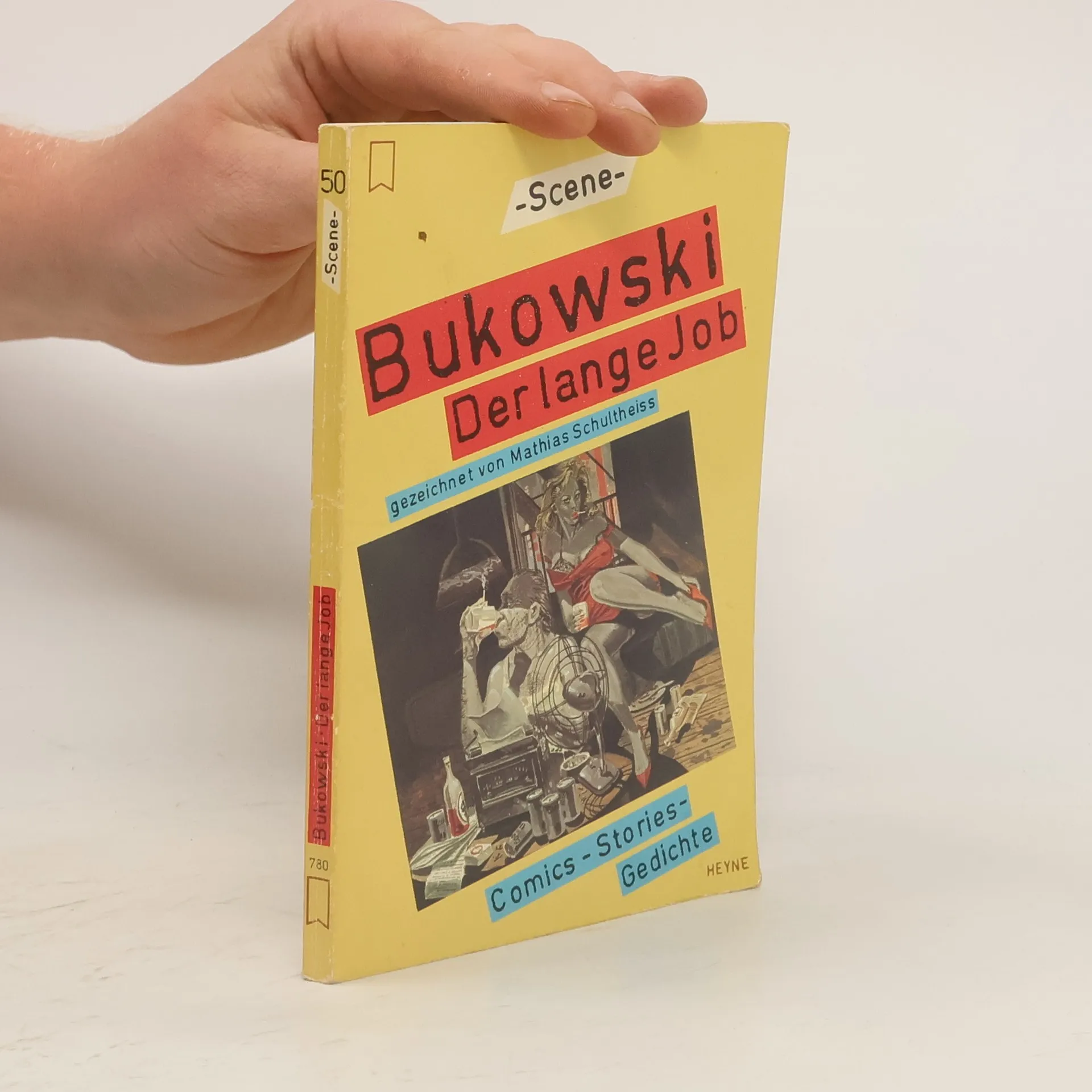
Der lange Job
- 109pagine
- 4 ore di lettura
Co je tvrdší: týden starý chleba, nebo okoralá duše měšťáka? Trpíme více než zvířata? Za co nás ženy trestají? Seženu prachy na poslední dostih v životě? Basa básní známého ochlasty a hledače ryzího života.
Der abschließende Band aus dem Nachlass von Charles Bukowski - jetzt als Taschenbuch Der Ausstoß des »Maulwurfsgenies« (Tom Waits) war zu Lebzeiten so eruptiv, dass selbst die zahllosen Untergrundmagazine ihn nicht fassen konnten: Nun begleicht er posthum seine Wettschulden in Sachen Ruhm und Nachleben – mit Geschichten von Exzess und Pferdewetten, mit überbordenden Berichten von seinen berüchtigten Auftritten und von der Anstrengung, »einen auf Dichter zu machen«. Schließlich verläuft er sich sogar in Utah und steht allein im Wald.
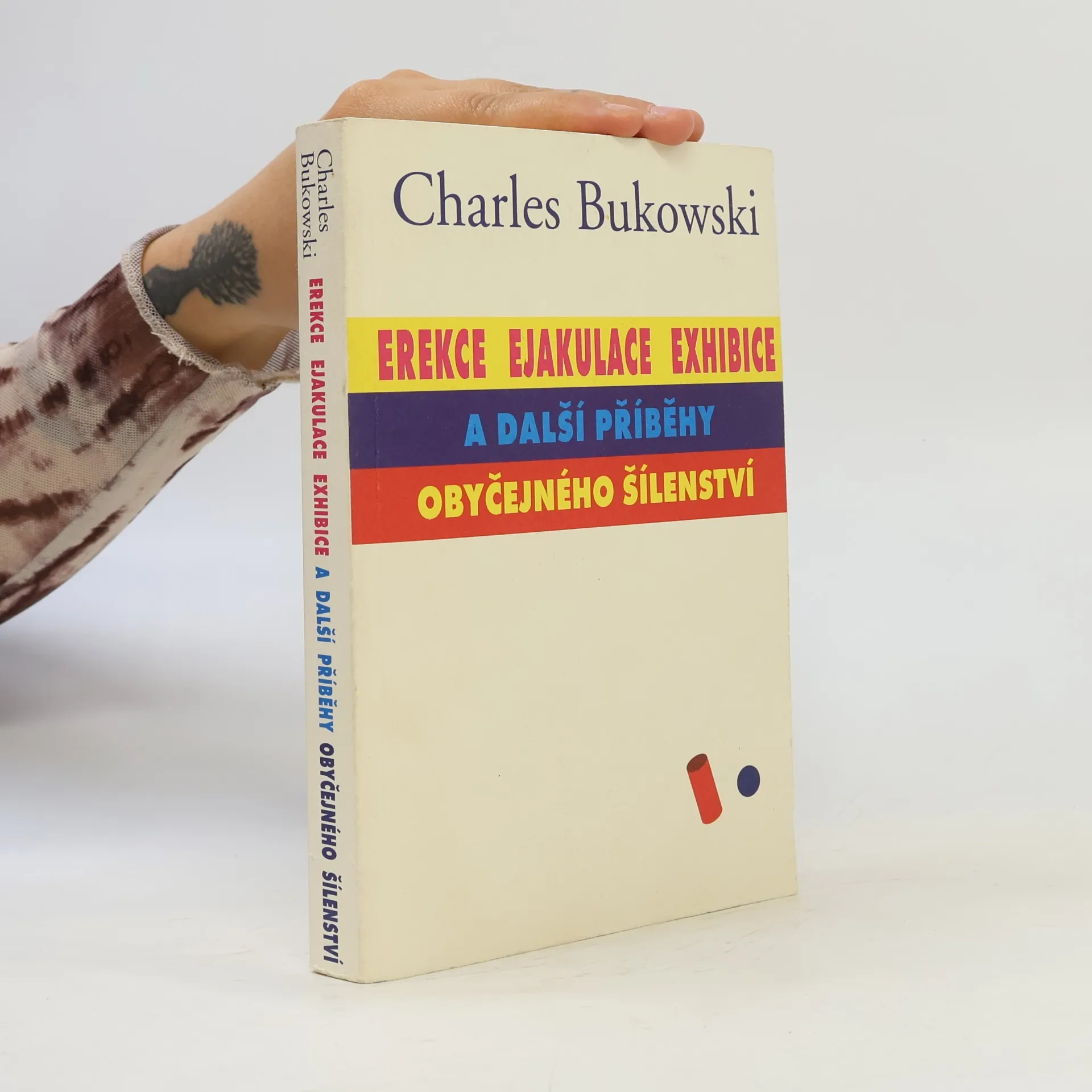
Erekce, Ejakulace, Exhibice a další příběhy obyčejného šílenství
- 305pagine
- 11 ore di lettura
Soubor čtyřiatřiceti krátkých povídek amerického básníka a prozaika přináší texty, publikované většinou v časopisech šedesátých let. Tematicky se uvedené povídky neliší od ostatní tvorby, s obvyklou autenticitou zachycují život losangeleské periférie, atmosféru hospod, nevěstinců a barů, a nesentimentálně a barvitě líčí život člověka na okraji společnosti. Příběhy, úvahy a vzpomínky, erotické a pijácké zážitky podává autor bez zábran bohatým, nevybíravě drsným a plastickým jazykem.