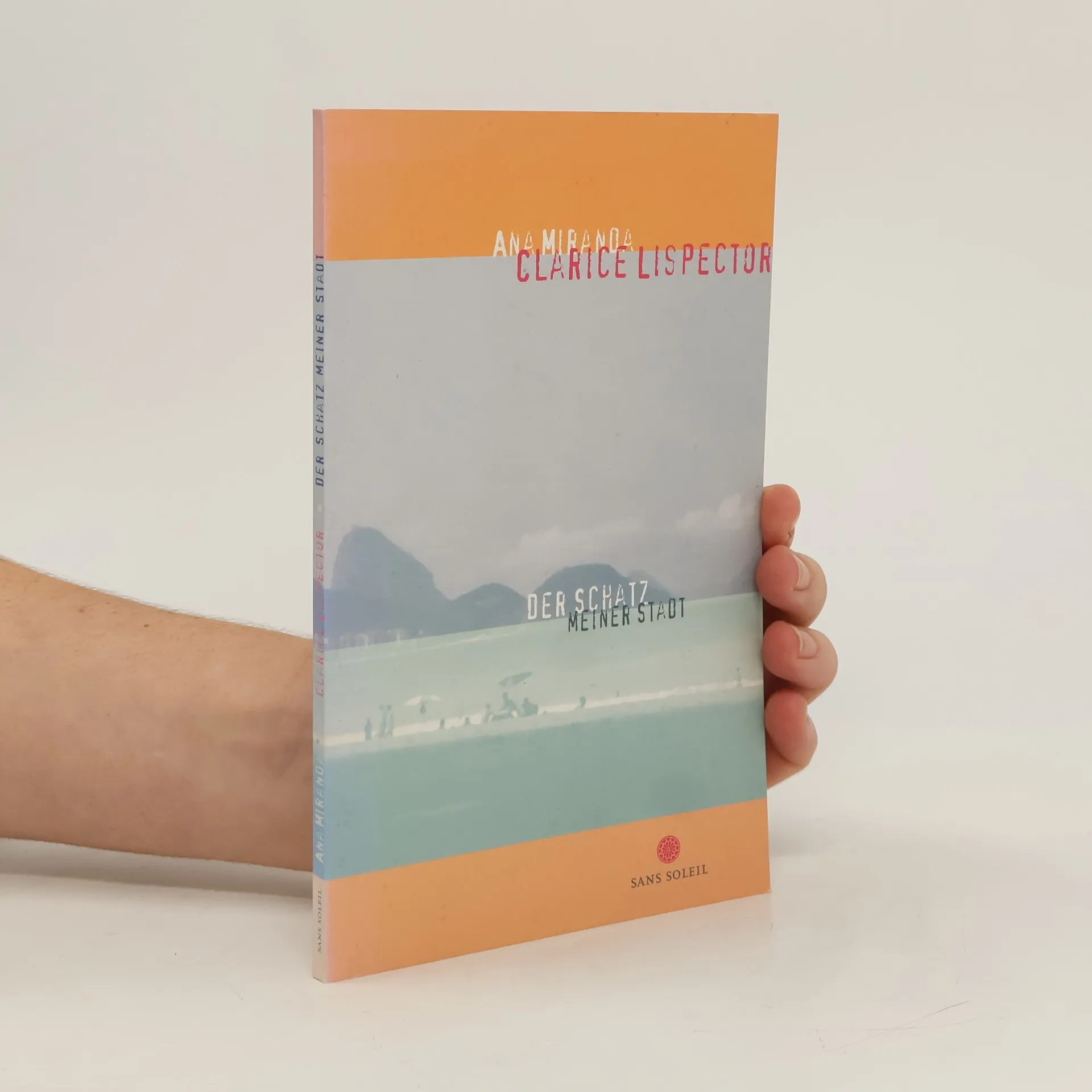
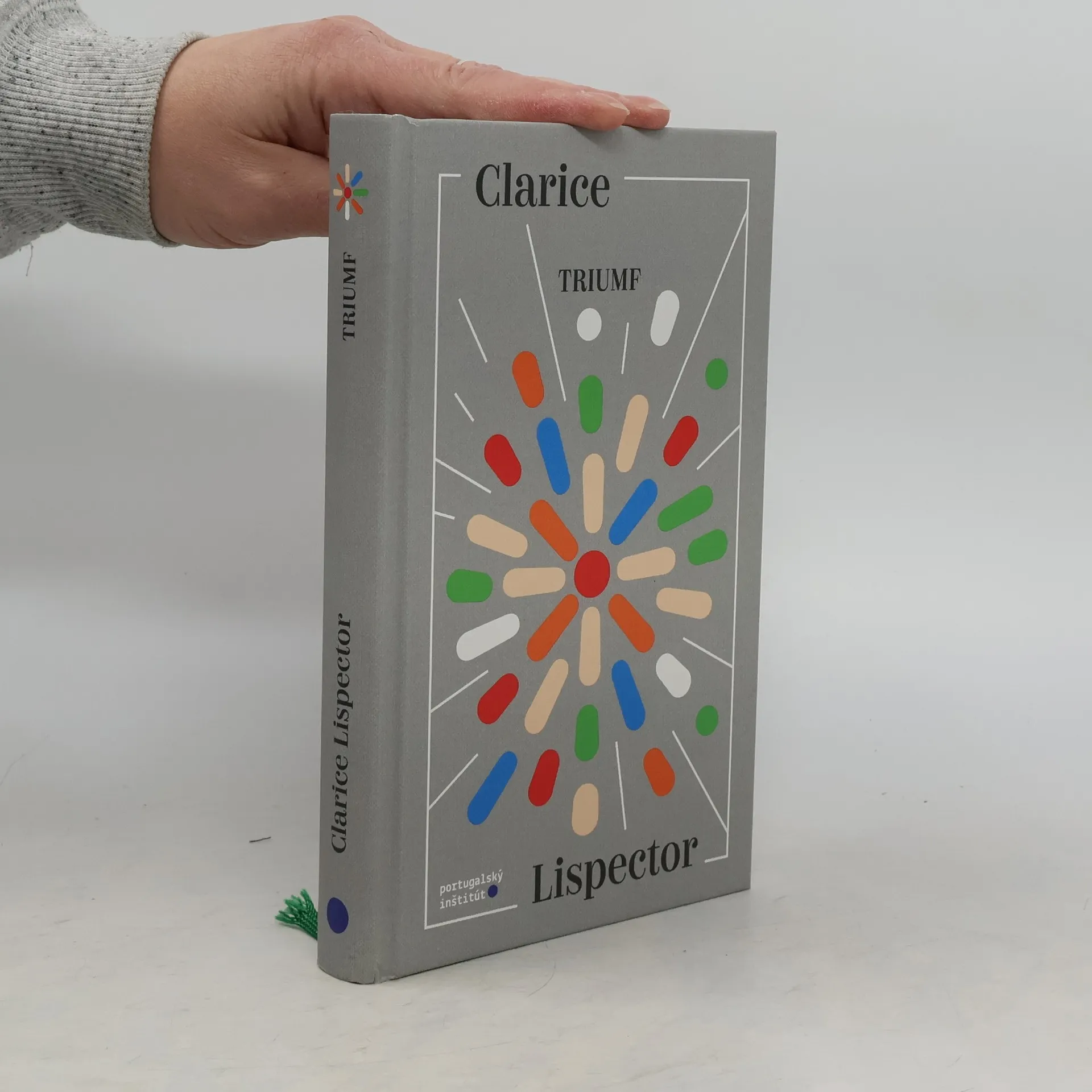
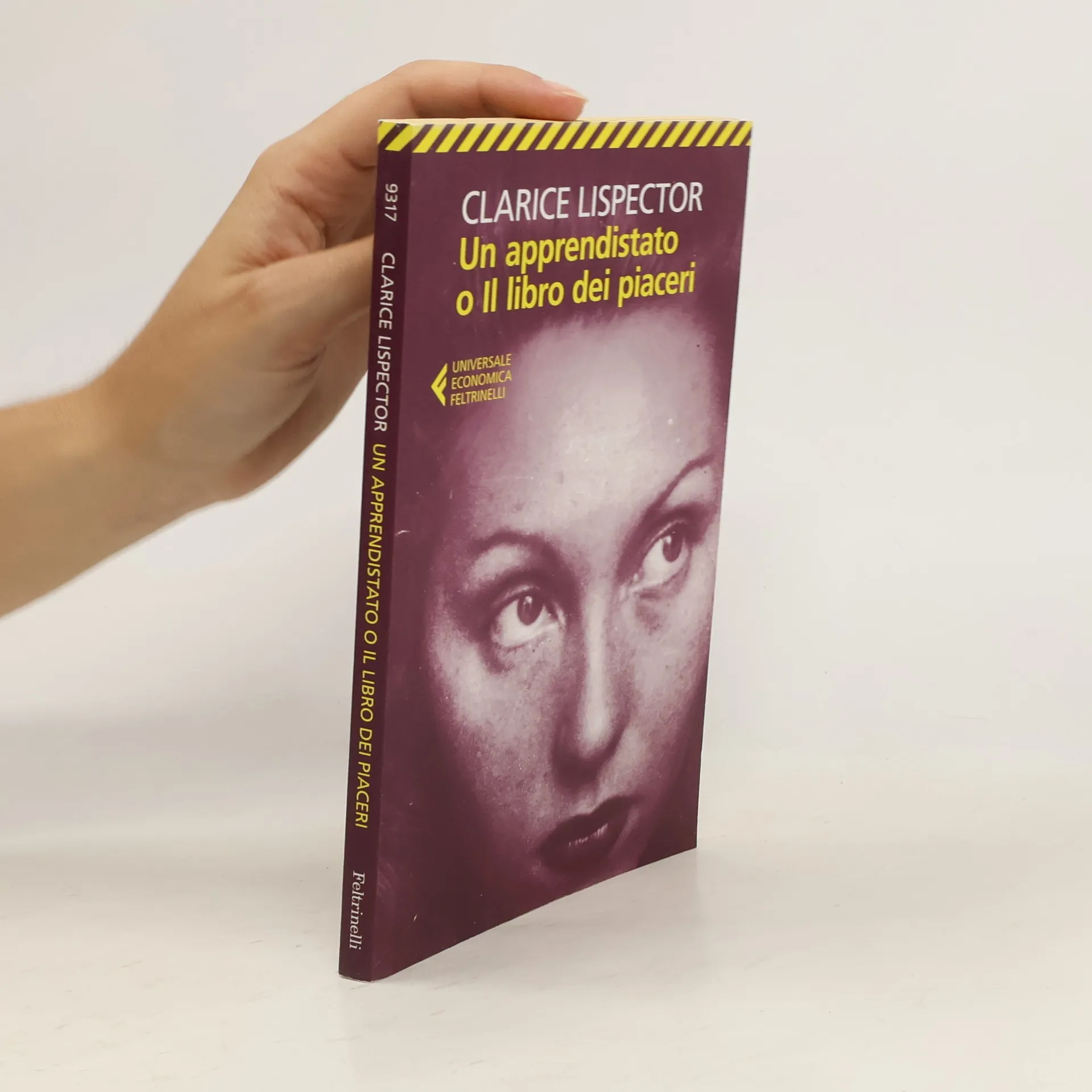
Lori, un'insegnante, ha appena lasciato la sua famiglia provinciale per stabilirsi a Rio de Janeiro. Ulysse è un professore di filosofia. I loro incontri si svolgono in un quotidiano banale. Ma Lori è Lori-Lorelei, una sirena, e Ulysse è il saggio che vive a distanza, un viaggiatore immobile che attende la donna, osservandola in ogni fase della sua ricerca del mondo e di se stessa.
Clarice Lispector Libri
10 dicembre 1920 – 9 dicembre 1977
Clarice Lispector è stata un'autrice brasiliana acclamata a livello internazionale per i suoi romanzi e racconti innovativi. La sua opera è rinomata per la profonda intuizione psicologica e l'uso sperimentale del linguaggio, che si addentra nel nucleo dell'esistenza umana. Lispector esplorava temi come l'identità, la spiritualità e il quotidiano, impiegando spesso il monologo interiore e uno stile introspettivo. Il suo approccio narrativo unico e le domande filosofiche che poneva l'hanno affermata come una delle voci più significative e influenti della letteratura latinoamericana del XX secolo.


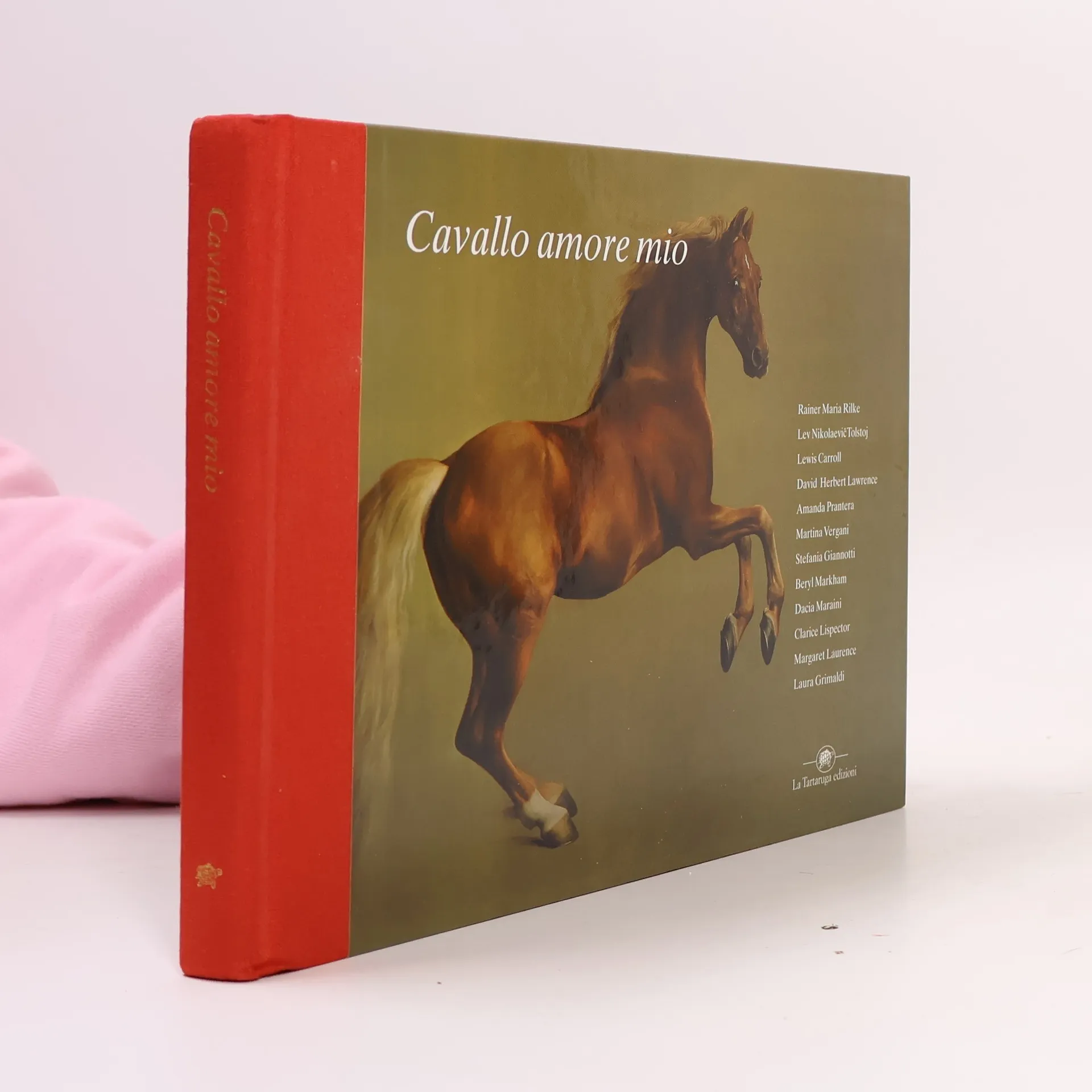
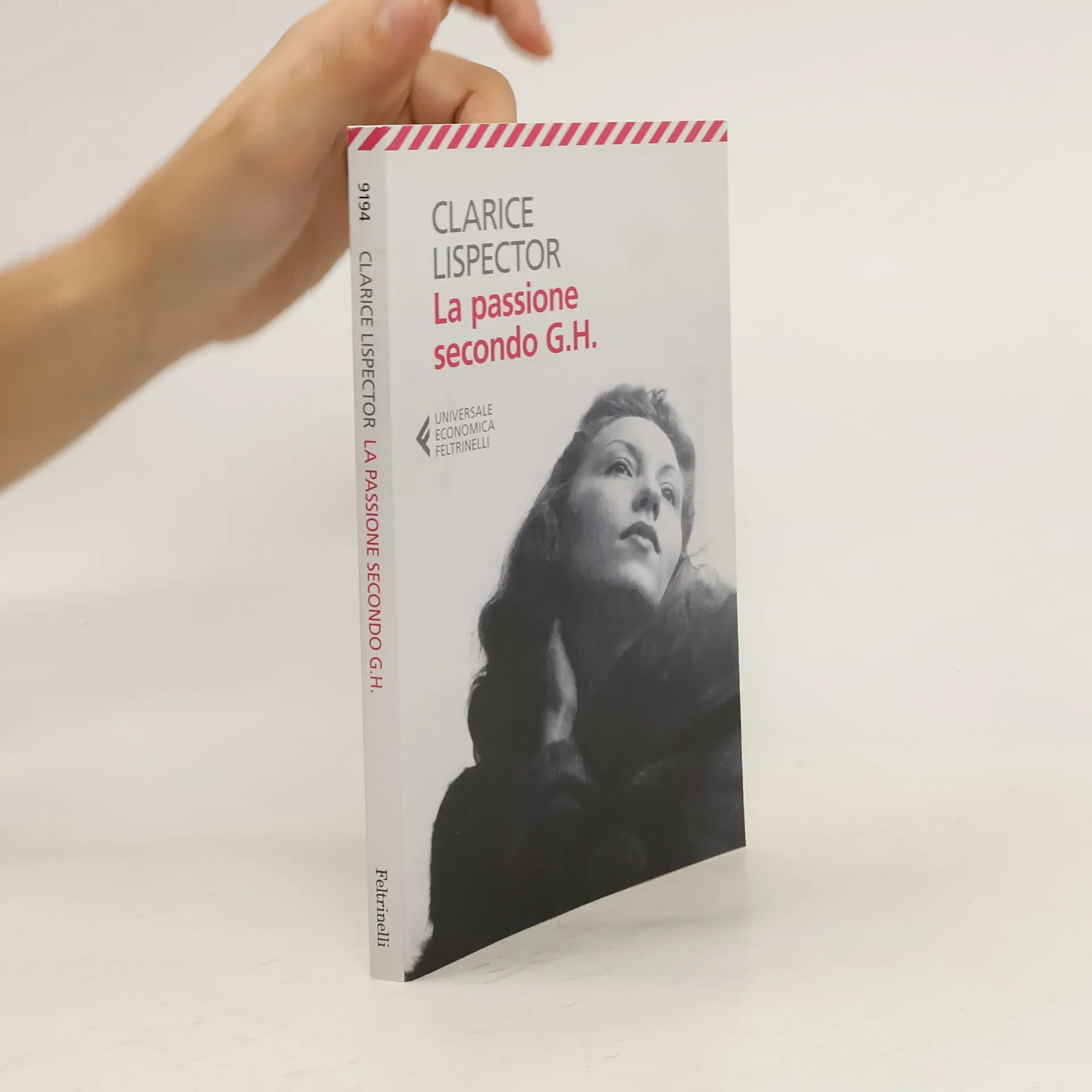
In un mattino simile a tanti altri G.H., donna sicura della propria identità e delle proprie scelte, si scontra con un fatto, un evento infimo e mostruoso, che avrà sulla sua vita un effetto fortemente traumatico. In un lungo, minuzioso monologo G.H. riferisce il suo viaggio, allucinato, all’interno di una stanza: “Creerò ciò che mi è accaduto. Solamente perché vivere non è narrabile. Vivere non è vivibile”. Solo attraverso la totale perdita dell’identità, nello spaesamento, nel disorientamento, G.H. comprende che il vivere è “cosa sovrannaturale”, che “essere io,” scrisse Alfredo Giuliani in occasione della prima edizione italiana, “non è una peculiarità umana perché proviene da una fonte anteriore e assai più grande, da una materia infinitamente più ricca e sconosciuta”. Una estenuata interrogazione sul senso di vivere e la ricerca continua della faccia nascosta della realtà. “Il suo sguardo coglie l’incongruenza delle cose che sono e la volgarità dei nessi che le tengono insieme.” Antonio Tabucchi
Legami familiari
- 128pagine
- 5 ore di lettura
C'è un universo sull'orlo del collasso e pronto a liquefarsi in questo libro dal quale lampeggia lo sguardo impietoso di Clarice Lispector. Uno sguardo che coglie l'incongruenza delle cose che sono e la volgarità dei nessi che le tengono insieme. Uno sguardo che tenta di lacerare la pellicola opaca dei gesti degli uomini per carpirne il segreto più intimo: quel segreto che sappia dare senso al tutto insensato che ci circonda e che chiamiamo vivere. (Antonio Tabucchi)
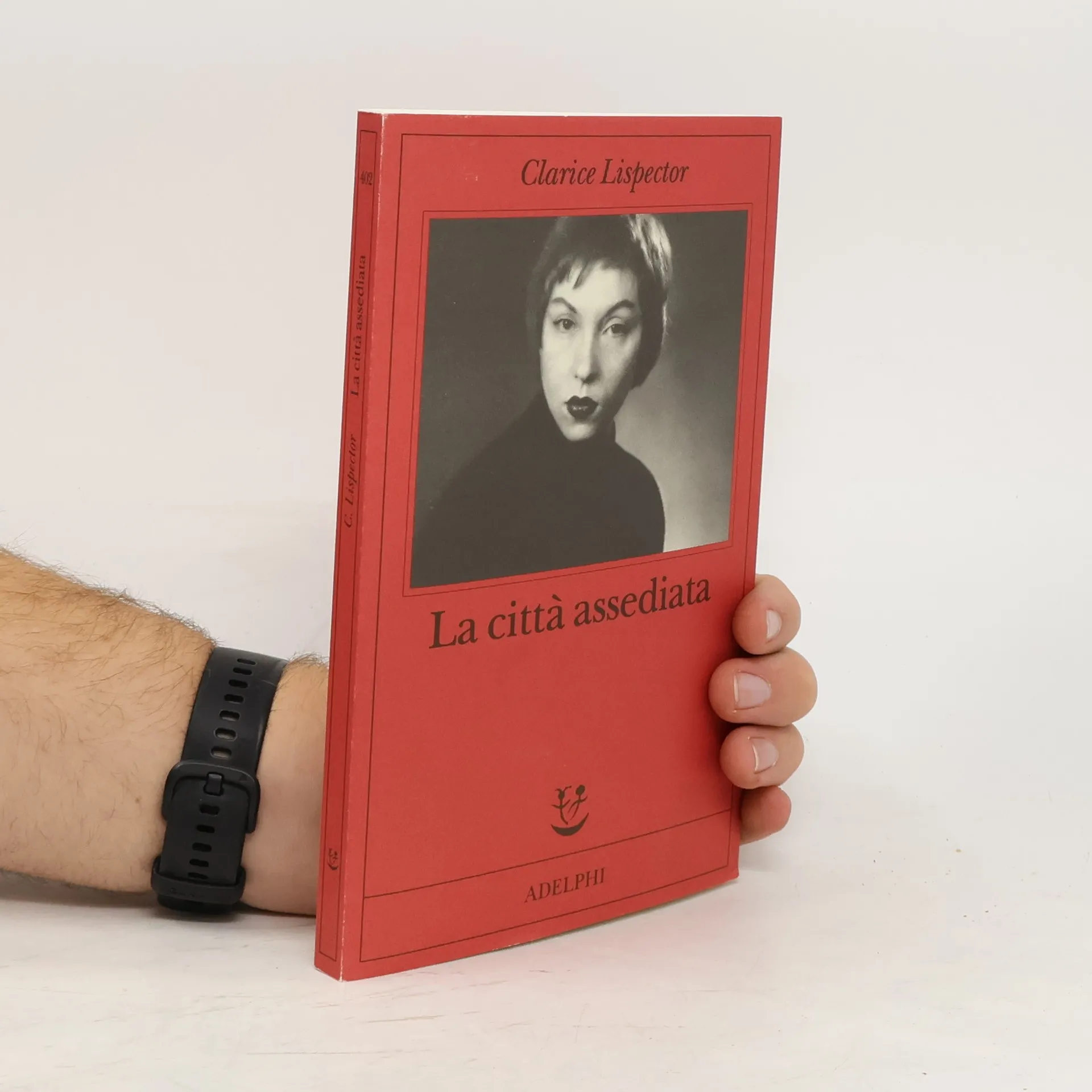
La città assediata
- 186pagine
- 7 ore di lettura
Lucrécia Neves è vanitosa, poco riflessiva, insolentemente superficiale, quasi muta. Potrebbe non avere affatto una vita interiore. Mentre si trasforma da ragazza di provincia a moglie di un uomo ricco e il suo piccolo paese natale si arrende alle forze del progresso, Lucrécia cerca la perfezione: essere un oggetto, sereno, liscio, al di là del peso delle parole o persino del pensiero stesso.
Cavallo amore mio
- 156pagine
- 6 ore di lettura
If the magnificent work of Clarice Lispector comprises a literary feast (and it does), then the crônicas-short, spontaneous, intensely vivid newspaper pieces-are her delicious canapés
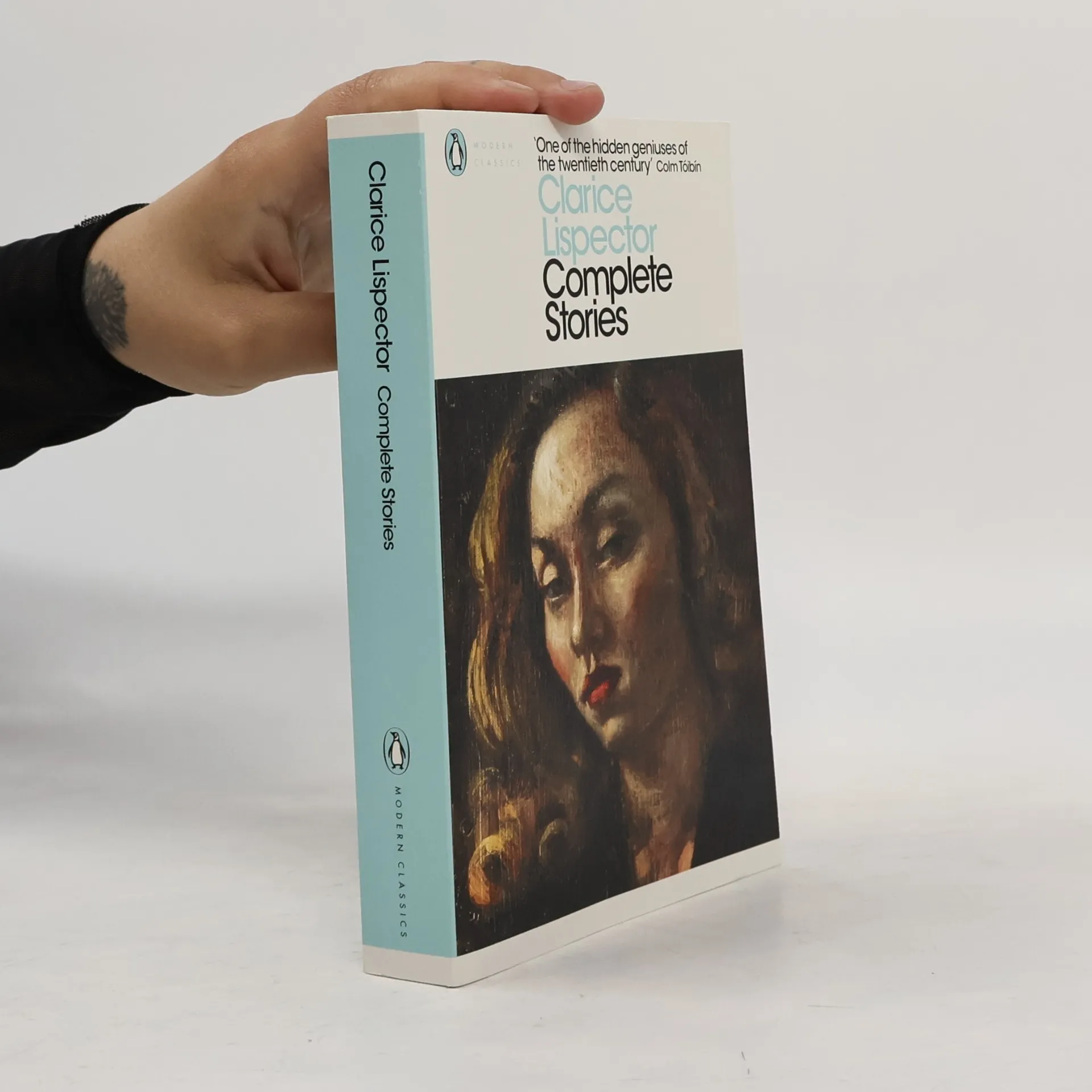
Complete Stories
- 704pagine
- 25 ore di lettura
Here, gathered in one volume, are the stories that made Clarice a Brazilian legend. Originally a cloth edition of eighty-six stories, now we have eighty- nine in all, covering her whole amazing career, from her teenage years to her deathbed. In these pages, we meet teenagers becoming aware of their sexual and artistic powers, humdrum housewives whose lives are shattered by unexpected epiphanies, old people who don't know what to do with themselves-- and in their stories, Clarice takes us through their lives--and hers--and ours.
Selected Crônicas
- 212pagine
- 8 ore di lettura
"In 1967, Brazil's leading newspaper asked the avant-garde writer Lispector to write a weekly column on any topic she wished. For almost seven years, Lispector showed Brazilian readers just how vast and passionate her interests were. This beautifully translated collection of selected columns, or crônicas, is just as immediately stimulating today and ably reinforces her reputation as one of Brazil's greatest writers. Indeed, these columns should establish her as being among the era's most brilliant essayists. She is masterful, even reminiscent of Montaigne, in her ability to spin the mundane events of life into moments of clarity that reveal greater truths."—Publishers Weekly
Breath of Life
- 192pagine
- 7 ore di lettura
Written in agony, this book features elegiac meditation on the creation of life, and of art.
Agua Viva
- 112pagine
- 4 ore di lettura
Despite its apparent spontaneity, this is a work of art, which rearranges language and plays in the gaps between reality and fiction.
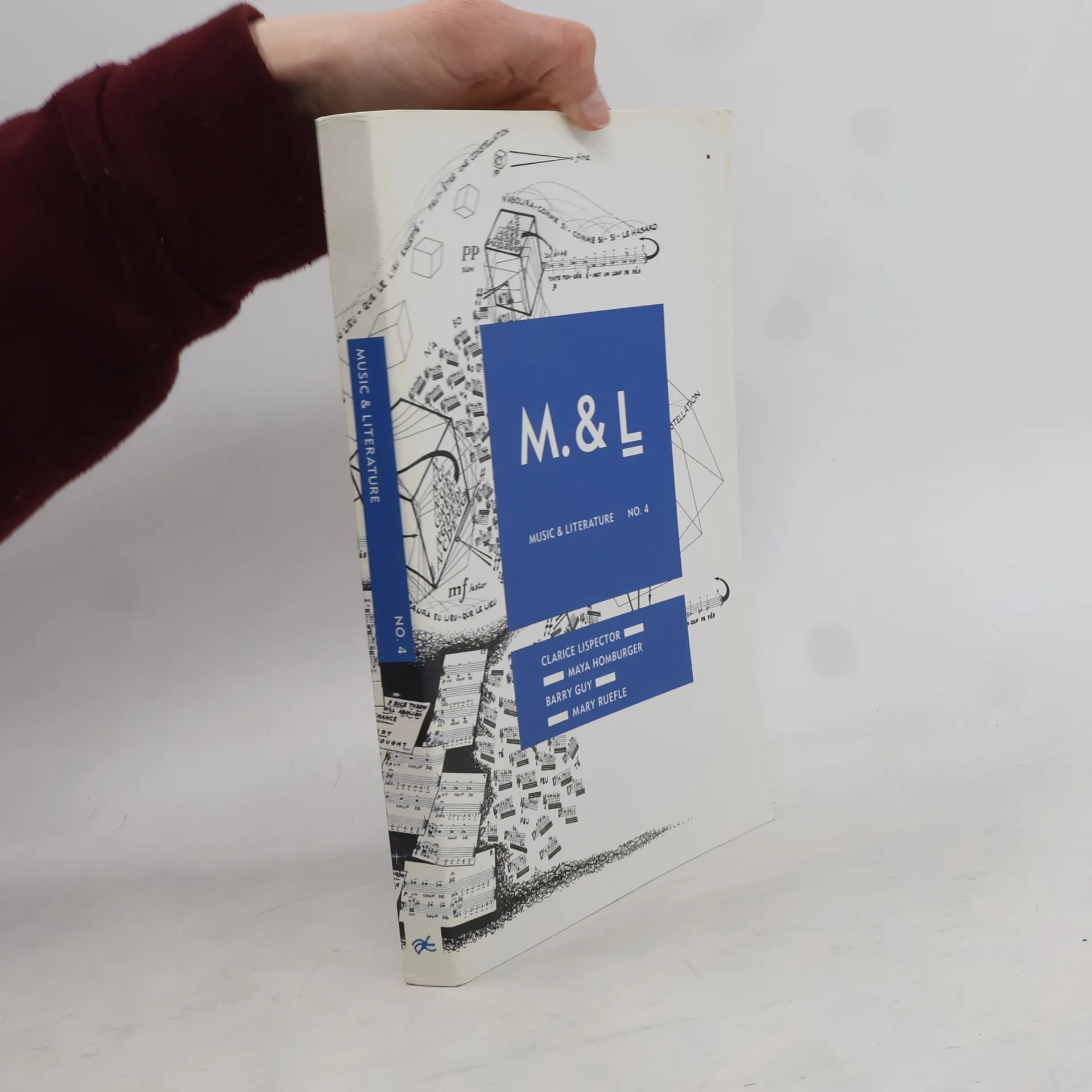
Music & Literature
- 281pagine
- 10 ore di lettura
More than 40 writers, musicians, and translators come together to celebrate the works of Brazilian novelist Clarice Lispector, Swiss violinist Maya Homburger, British composer Barry Guy, and American poet Mary Ruefle. This issue begins with an intimate portrait of Lispector, featuring her letters, paintings, and her candid final interview, complemented by essays from her translators and international writers, forming a 100-page tribute. The musical worlds of Homburger and Guy are explored through intertwined interviews, graphic scores, and a unique Bach Pilgrimage Portfolio, with contributions from conductor Sir John Eliot Gardiner. The edition concludes with a comprehensive appreciation of Ruefle’s career, including sixteen new poems and erasures from the "contemporary Dickinson." This ambitious collection captures the vibrant intelligences of four essential artists of our time. The contents include essays, interviews, and artworks related to Lispector, Homburger, Guy, and Ruefle, showcasing their profound impact on literature and music. Each section delves into their unique contributions and creative processes, offering readers a rich tapestry of insights and artistic expressions that celebrate their legacies.
Collected Stories
- 672pagine
- 24 ore di lettura
The publication of Clarice Lispector's Collected Stories, eighty-five in all, is a major literary event. Now, for the first time in English, are all the stories that made her a Brazilian legend: from teenagers coming into awareness of their sexual and artistic powers to humdrum housewives whose lives are shattered by unexpected epiphanies to old people who don't know what to do with themselves. Lispector's stories take us through their lives - and ours. From one of the greatest modern writers, these 85 stories, gathered from the nine collections published during her lifetime, follow Clarice Lispector throughout her life
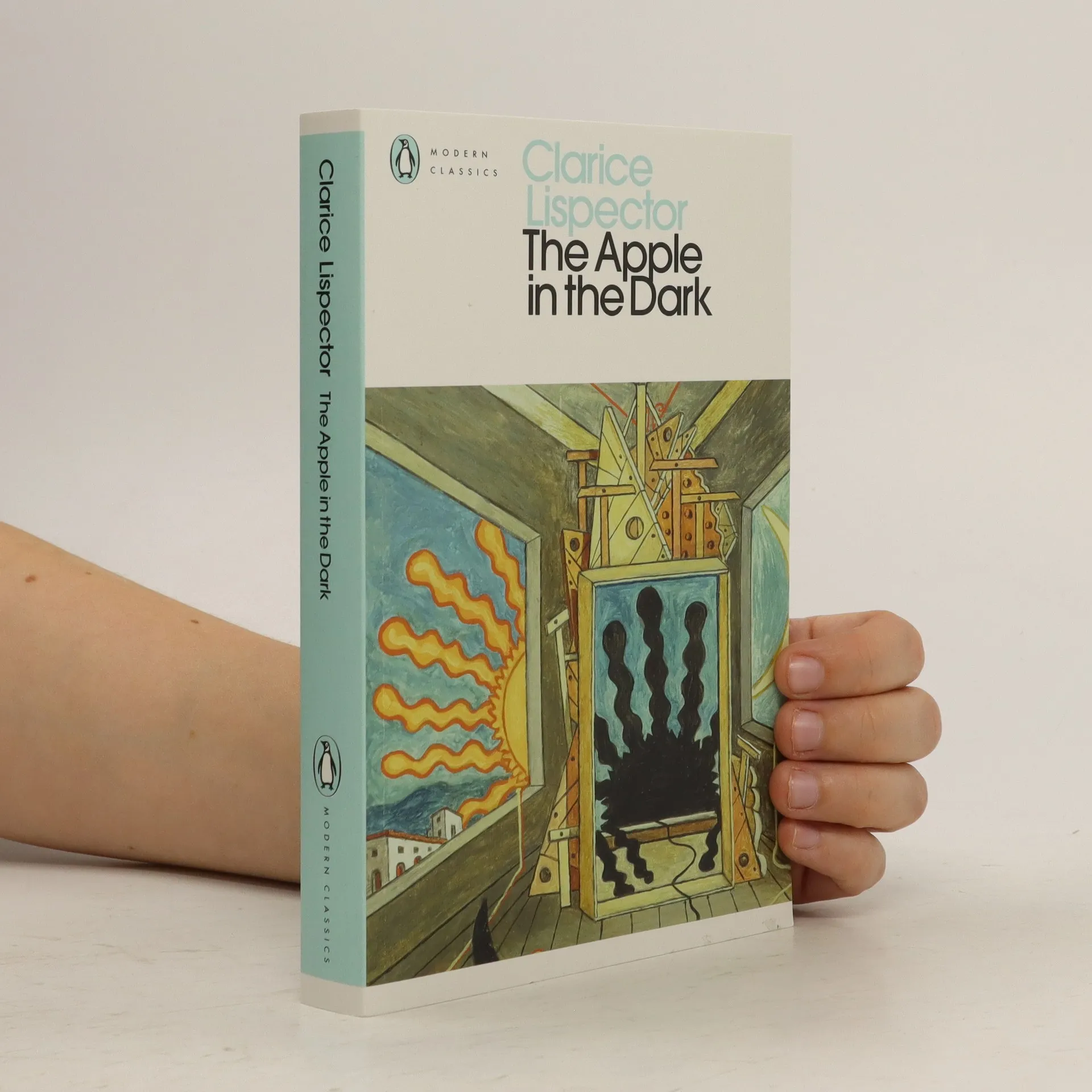
The Apple in the Dark
- 400pagine
- 14 ore di lettura
In the mistaken belief that he has killed his wife, Martim flees the city and arrives, in a state of both fear and wonder, at a remote ranch. There, he will have to remake himself, emerging, from the beast-like state in which his crime has plunged him, to the fullness of a reinvented humanity. Along the way, he will mark the lives of the two women who run the ranch, brambly, authoritarian Vit ria and her weepy cousin Ermelinda. But the real drama is interior- Clarice Lispector's most wrenching, and most intoxicating, exploration of how a man becomes a human - and of how language can transform a life into a destiny. A highly sculpted, metaphysical book whose mysteries and allegories glow with a scintillating light, Apple in the Dark is a masterpiece by "one of the hidden geniuses of the twentieth century'" (Colm T ibin). Translated by Benjamin Moser.
Clarice Lispector died of cancer at the age of fifty-six on 9th December 1977. "The Hour of the Star" was published that same year and acclaimed by the critics as 'a regional allegory' of extraordinary awareness and insight. Lispector herself defined "The Hour of the Star" as a book 'made without words ... a mute photograph ... a silence ... a question'. The tale of Macabea can be read at different levels and lends itself to various interpretations. The book's subtle interplay of fiction and philosophy sums up Lispector's unique talent as a writer and her lasting influence on contemporary Brazilian writing.
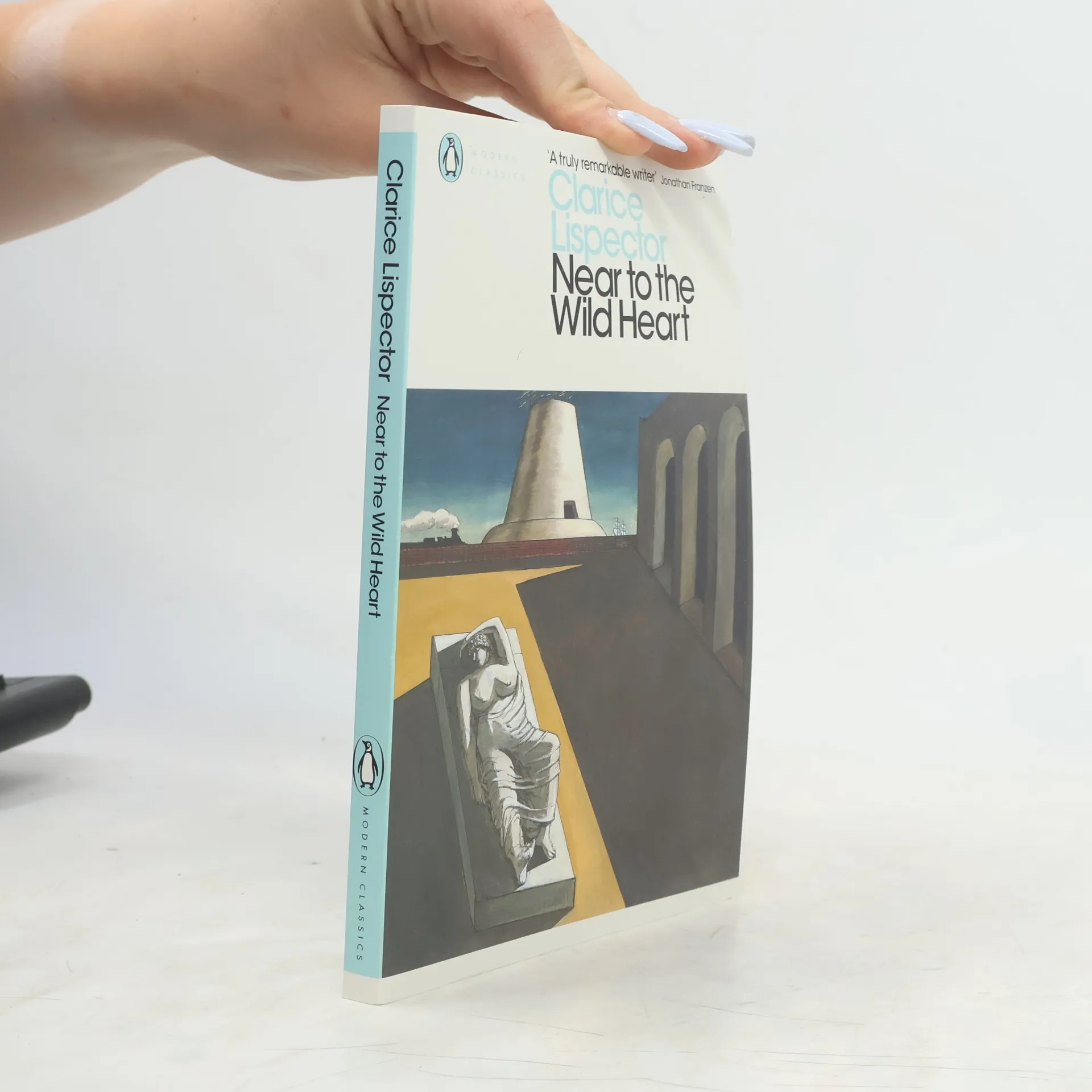
Review: Brilliant ... Lispector should be on the shelf with Kafka and Joyce Los Angeles Times A genius -- Colm Toibin Guardian A truly remarkable writer -- Jonathan Franzen Lispector's novels offer a stark counterpoint to much of modern life's focus on individual fame The Boston Globe One of the twentieth century's most mysterious writers -- Orhan Pamuk The originality of Near to the Wild Heart lies in its technique and language: self conscious, bleakly humourous, but poetic ... We now finally have a translation worthy of Clarice Lispector's inimitable style. Go out and buy it. -- JS Tennant Observer
The Chandelier
- 304pagine
- 11 ore di lettura
"Fresh from the enormous success of her debut novel Near to the Wild Heart, Hurricane Clarice let loose something stormier in 1946 with her second novel, The Chandelier. In a body of work renowned for its potent idiosyncratic genius, The Chandelier in many ways has pride of place. "It stands out," her biographer Benjamin Moser noted, "in a strange and difficult body of work, as perhaps her strangest and most difficult book." Of glacial intensity, consisting almost entirely of interior monologues--interrupted by odd and jarring fragments of dialogue and action--the novel moves in slow waves that crest in moments of revelation. As she seeks freedom via creation, the drama of Virginia's isolated life is almost entirely internal: from childhood, she sculpts clay figurines with "the best clay one could desire: white, supple, sticky, cold. She got a clear and tender material from which she could shape a world. How, how to explain the miracle..." While on one level simply the story of a woman's life, The Chandelier's real drama lies in Lispector's attempt "to find the nucleus made of a single instant ...the tenuous triumph and the defeat, perhaps nothing more than breathing." The Chandelier pushes Lispector's lifelong quest for that nucleus into deeper territories than any of her amazing works" --.
The Imitation of the Rose
- 192pagine
- 7 ore di lettura
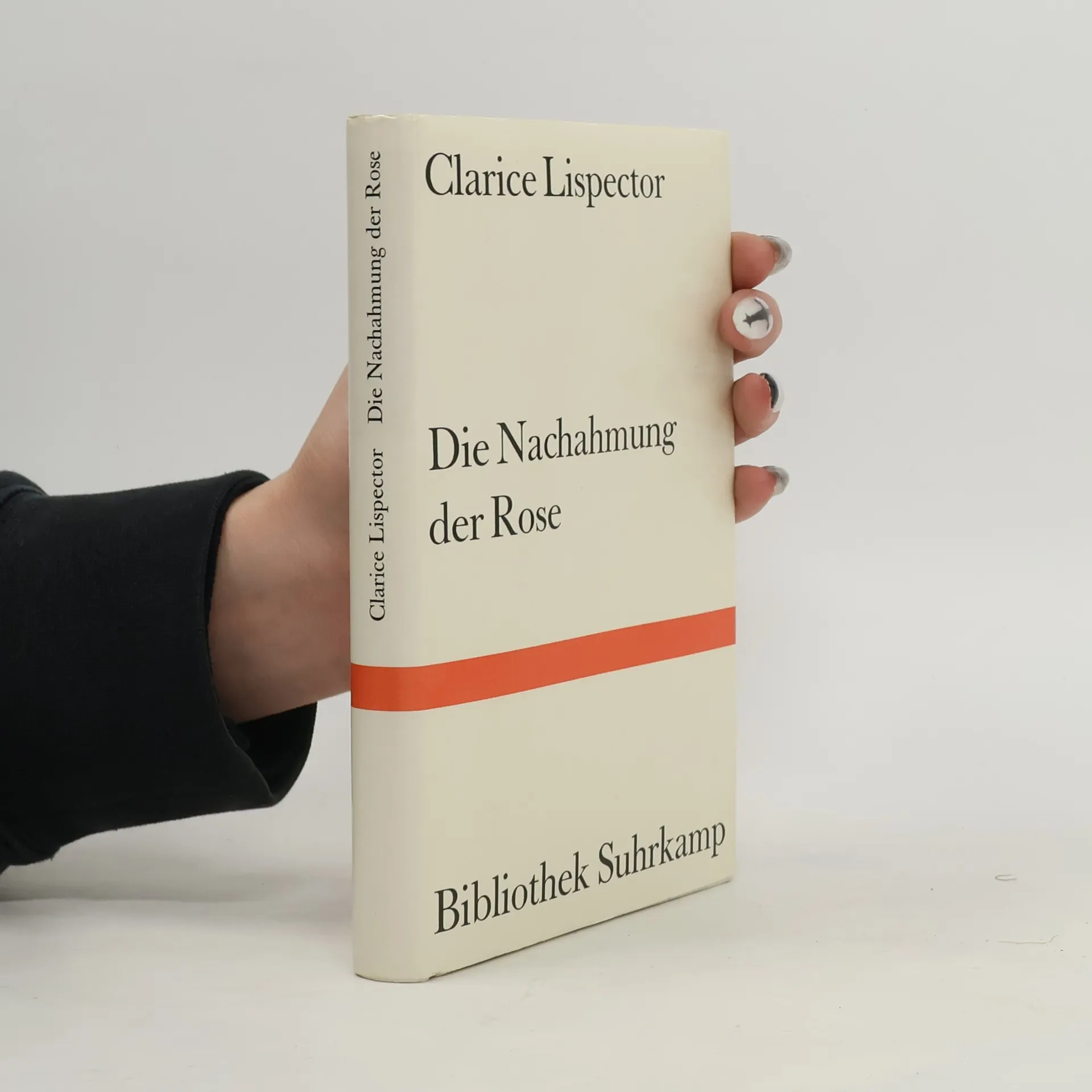
The small incidents of life become moments of inner revelation in the luminous writing of Clarice Lispector. A woman contemplating a vase of roses after a nervous breakdown; a tangled mother-daughter relationship; a man's abandonment of a dog; an animal in a zoo- each one leads to mystery and self-discovery, delight and devastation.
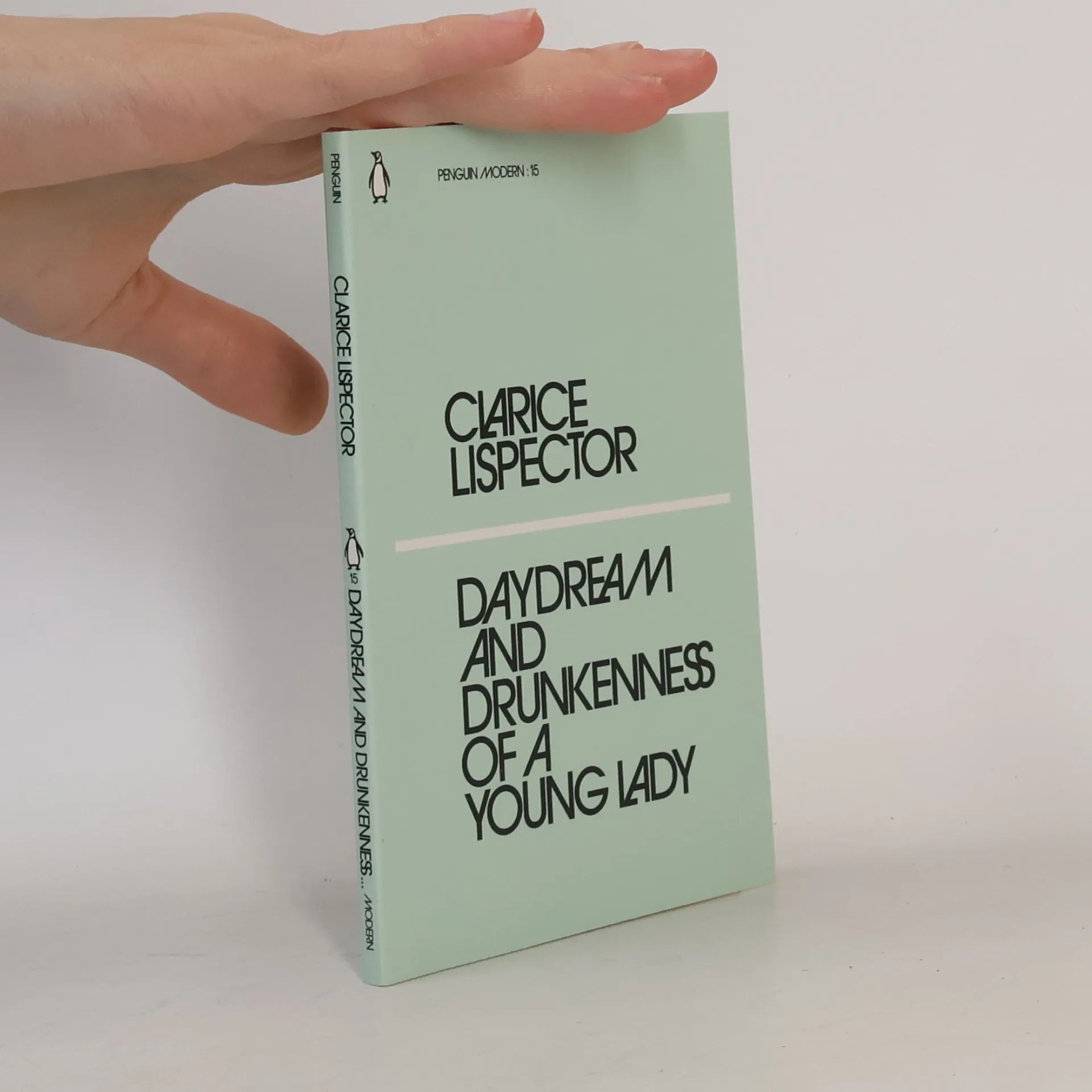
Daydream and Drunkenness of a Young Lady
- 64pagine
- 3 ore di lettura
Noveller. Three tales of three women - their secret desires, fears and madness
The Woman Who Killed the Fish
- 64pagine
- 3 ore di lettura
While explaining to her sons why their fish is dead, the author relates stories of memorable animals in her life.
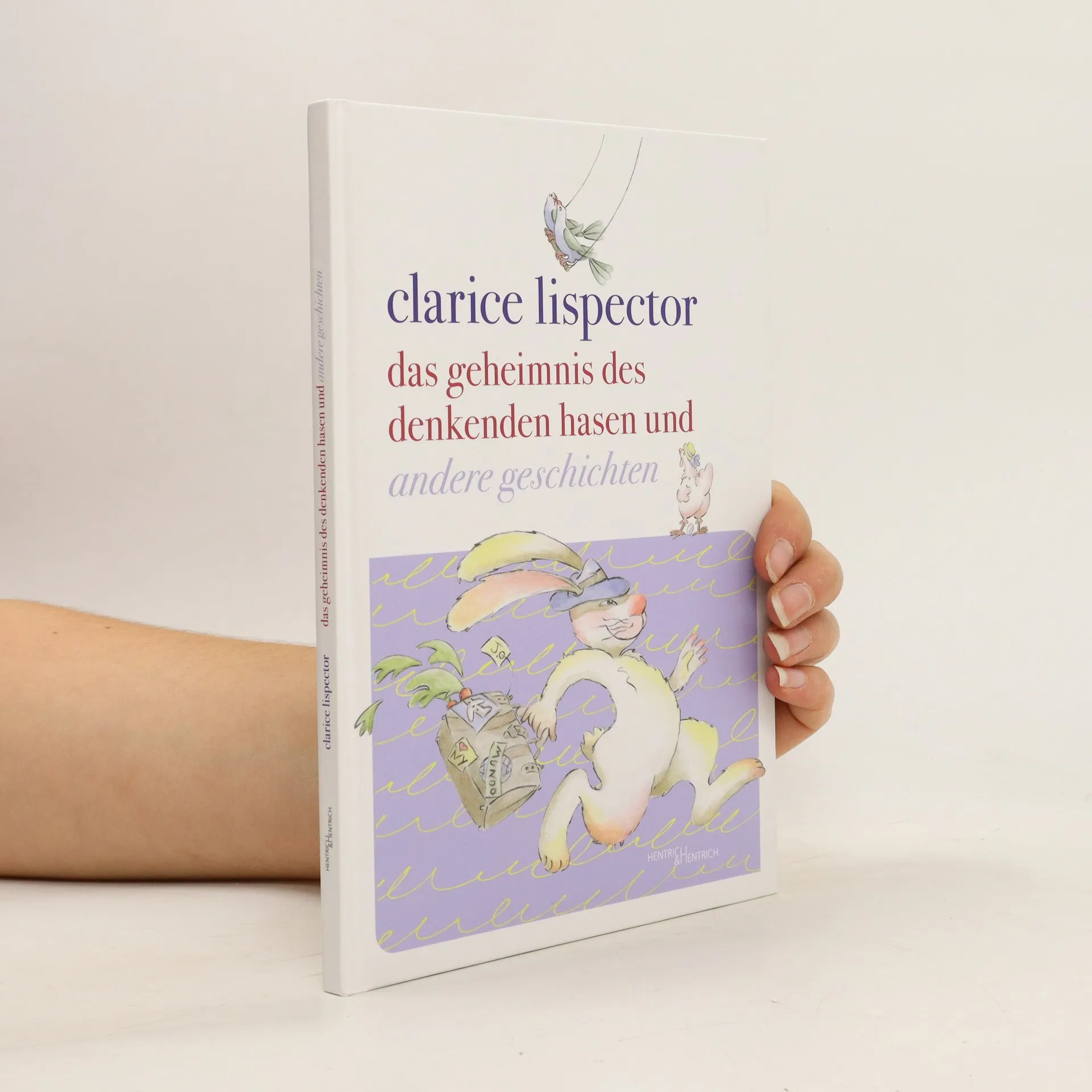
The Mystery of the Thinking Rabbit
- 48pagine
- 2 ore di lettura
In this whimsical detective story, a chatty rabbit engages young readers with a playful challenge to uncover the mystery of his frequent escapes from his hutch. Designed for animal lovers aged 5 to 9, the narrative invites interaction and encourages problem-solving, making it an ideal choice for reading aloud.
Almost True
- 48pagine
- 2 ore di lettura
In a whimsical exploration of the world's mysteries, talking animals become the narrators in this enchanting picture book. With a style reminiscent of Rudyard Kipling, the story invites young readers aged 5 to 9 to engage with the vibrant characters and their playful insights. Clarice Lispector's unique storytelling brings a blend of humor and wonder, making complex ideas accessible and entertaining for children.
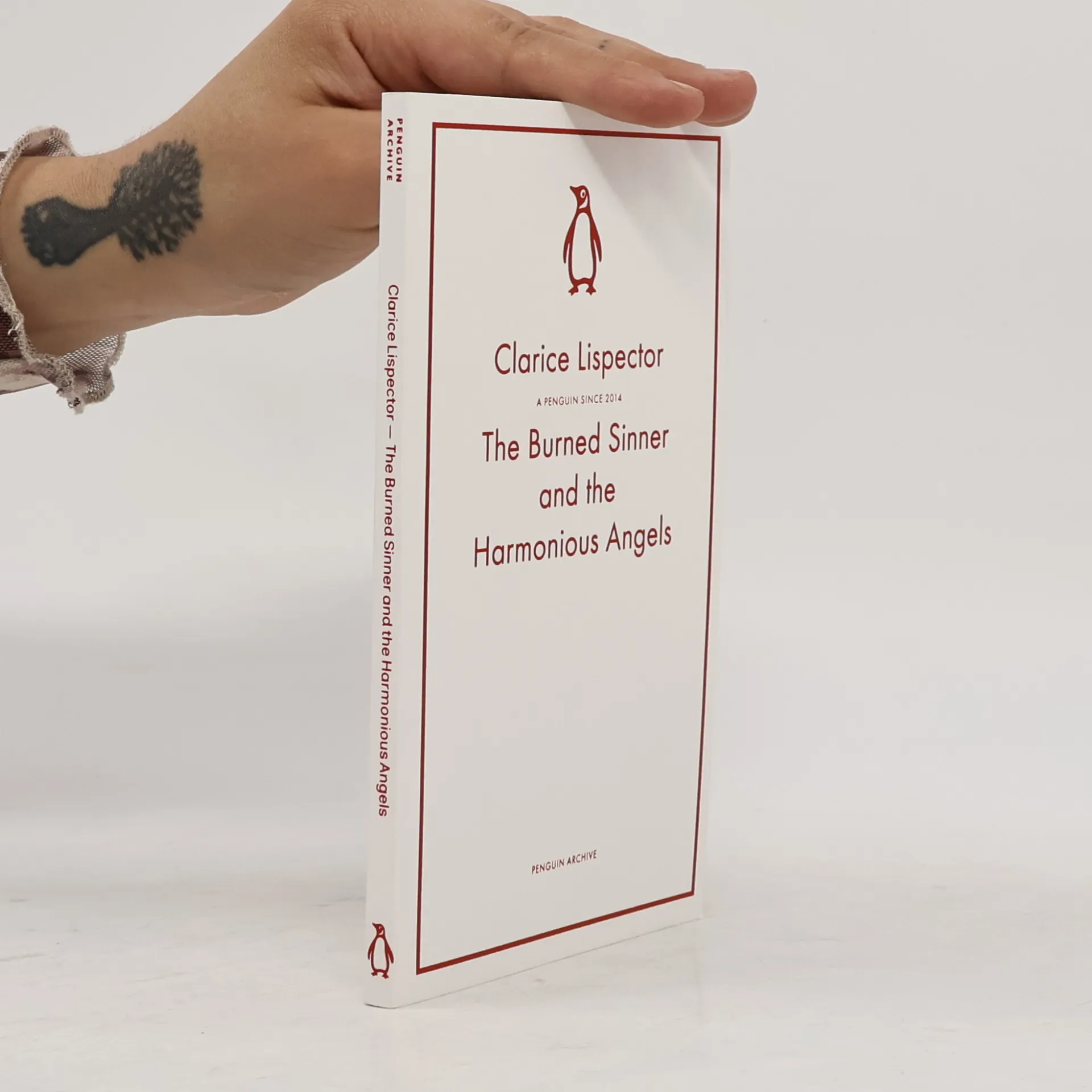
Penguin Archive: The Burned Sinner and the Harmonious Angels
- 128pagine
- 5 ore di lettura
'One of the hidden geniuses of the twentieth century' - Colm Tóibín A housewife's life is shattered by a sudden epiphany. A simple tale of killing cockroaches fragments into multiple narratives, each uncovering new truths. In this selection of haunting short stories, Lispector reveals the permeable boundaries between past and present, the real and the surreal, showing ordinary moments to contain the deepest existential truths.
Endlich wiederentdeckt: die Virginia Woolf Südamerikas Platz 1 der SWR Bestenliste, eine beeindruckende Anzahl hymnischer Rezensionen und eine Nominierung der Übersetzung für den Preis der Leipziger Buchmesse 2020: der erste Band von Clarice Lispectors Erzählungen (»Tagtraum und Trunkenheit einer jungen Frau«) begeisterte die Presse ebenso wie Leserinnen und Leser. Zum 100. Geburtstag der Autorin liegt nun der zweite und letzte Band vor. Auch er zeigt die brasilianische Ausnahmeautorin wieder als einzigartige Chronistin des weiblichen Lebens und seiner Abgründe: Eine junge Frau entdeckt nach vielen Demütigungen das ekstatische Glück des Lesens. Ein Hausmädchen versinkt in traurigen Gedanken, um gestärkt in den Alltag zurückzukehren. Eine Beobachterin taucht in fremde Menschen ein und wird zu deren Fleisch. In 44 Geschichten, entstanden auf dem Höhepunkt ihrer literarischen Karriere und für diese Ausgabe von Luis Ruby neu übersetzt, paaren sich widersprüchlichste Gefühle und kühne Bilder mit philosophischer Erkenntnis. Lispector macht uns staunen – nicht zuletzt über die Kompliziertheit des Lebens.
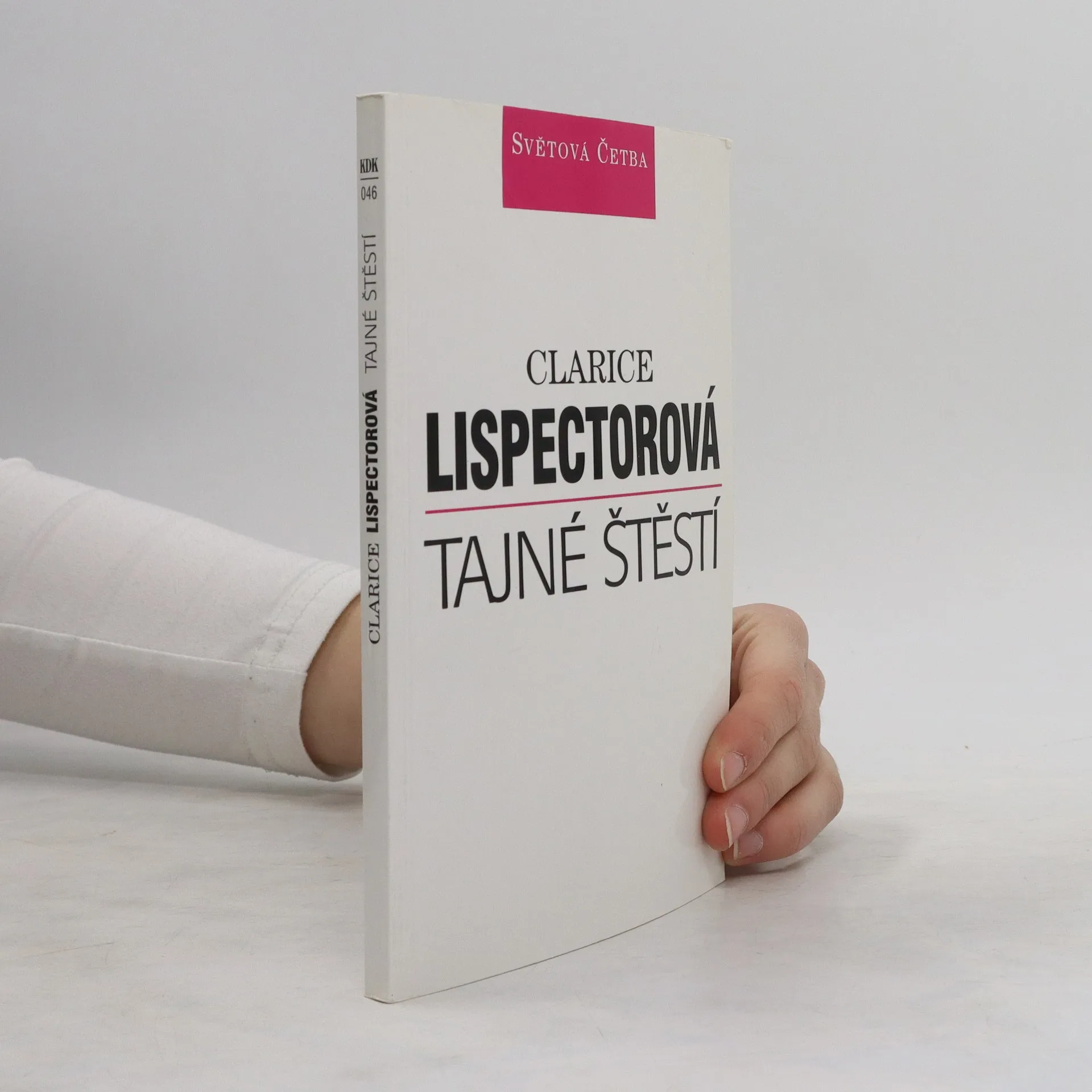
Výbor z povídek brazilské spisovatelky Clarice Lispectorové ukazuje všechny nosné aspekty její tvorby. Své hrdiny staví do krizové, přesto však v životě běžné situace a dává nahlédnout do jejich reakcí. Povídky vybrala a doslov napsala Pavla Lidmilová.
Os Cem Melhores Contos Brasileiros do Século
- 618pagine
- 22 ore di lettura
Finalista do Jabuti. Coletânea organizada por Ítalo Moriconi, pautada por critérios como gosto e qualidade, reafirmando o alto nível de nossa produção além de apresentar uma galeria de autores e textos há muito esquecidos ou ainda não descobertos.
Ich und Jimmy
Storys. Übersetzt von Luis Ruby, mit einem Nachwort von Teresa Präauer
Best-of-Lispector: 30 ausgewählte Kurzgeschichten der Kultautorin«Besser als Jorge Luis Borges» – Elizabeth Bishop. «Schneidend wie ein Diamant» – Rachel Kushner. «Die brasilianische Virginia Woolf» – Karl Lagerfeld. Selten ist ein Werk des 20. Jahrhunderts so überschwänglich und einhellig gerühmt worden wie das von Clarice Lispector. Im Mittelpunkt dieser faszinierenden Sammlung von 30 Short Stories stehen weibliche Erfahrungen und Sichtweisen auf die Welt. Luisa, eine junge Frau führt ein Doppelleben als Ehegattin und Stripteasetänzerin. Miss Algrave, ein irisches Mauerblümchen, erlebt in London unverhofft ihr sexuelles Erweckungserlebnis. In einer anderen Geschichte rächen sich zwei Frauen, Carmem und Beatriz, die in wilder Ehe mit einem Mann zusammenleben, auf perfide Art für seine chronische Untreue.In Lispectors Kurzprosa, von Luis Ruby neu ins Deutsche übersetzt, lernen wir eine ungeheuer vielseitige Erzählerin kennen. Noch für die widersprüchlichsten Gefühle findet sie ein originelles Bild oder eine aufregende Wendung, eine treffende Charakteristik oder eine kluge Sentenz. Neben der titelgebenden Geschichte werden unter anderem die Erzählungen «Sofias Dramen», «Heimliches Glück», «Die Abfahrt des Zuges», «Auf der Suche nach einer Würde», «Tagtraum und Trunkenheit einer jungen Frau» sowie «Dona Frozinas Finessen» enthalten sein. Lispectors Fabulierkunst langweilt nie und verblüfft immer.
Clarice Lispector, als "Virginia Woolf Brasiliens" bekannt, stellt in ihren sieben Romanen und fünf Erzählbänden grundlegende Fragen zur Freiheit, dem Verhältnis von Worten und Gefühlen sowie zu Einsamkeit und den Grenzen von Liebe.
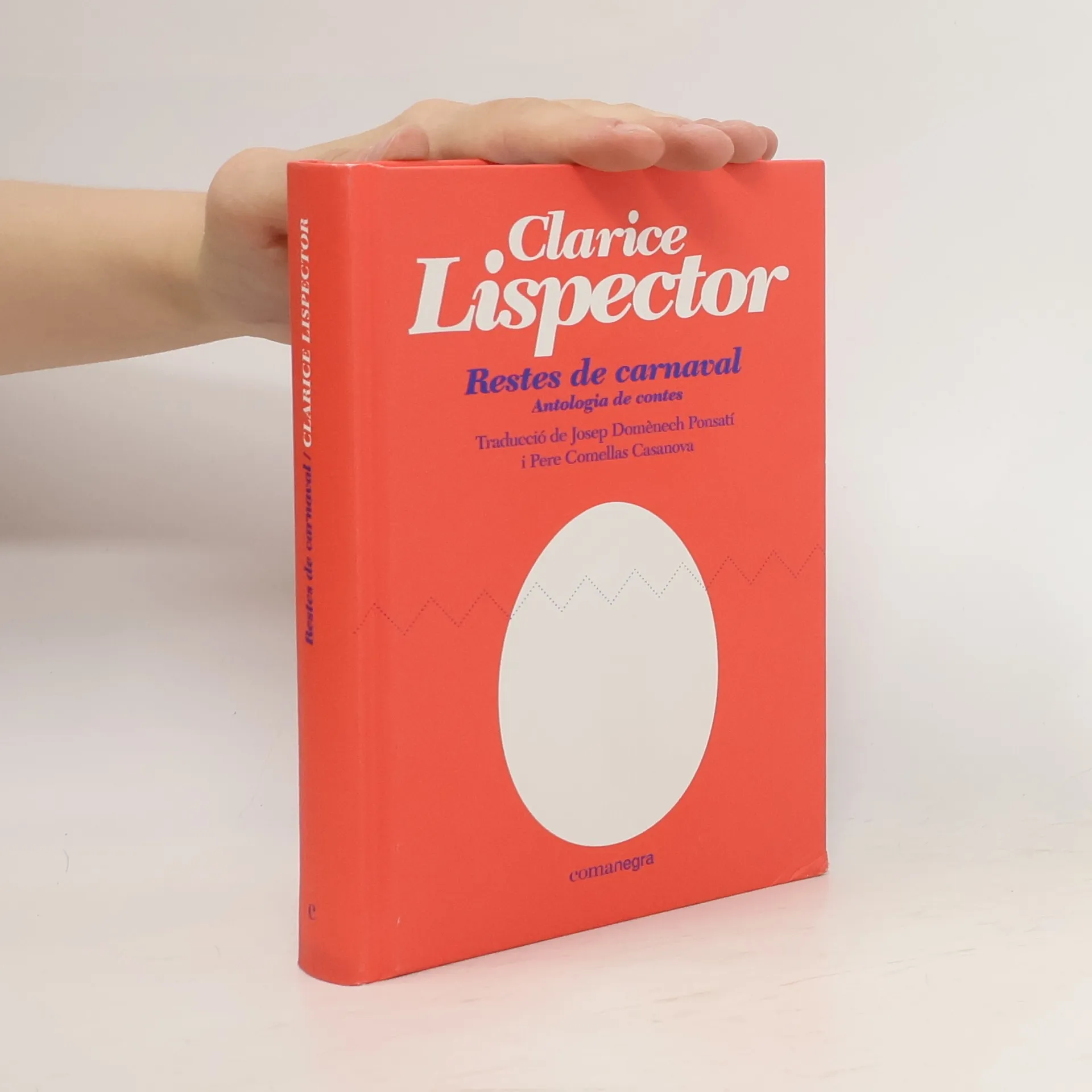
Clarice Lispector és un nom rotund, segurament el més rotund de la literatura brasilera, i ineludible en qualsevol recorregut per la literatura universal. Una de les mirades més particulars i magnètiques que podem trobar, amb una autèntica legió de lectors al darrere, que dona el millor de si mateixa en les distàncies curtes. Enigmàtica, que no hermètica. Addictiva, si no vas amb compte. La llengua catalana no disposava encara dels contes de Clarice Lispector, fins que dos traductors s'han confabulat com mai per fer-la brillar. Restes de carnaval és el quart títol de la col·lecció «Portàtils».
Clarice Lispector tinha uma percepção bastante aprofundada do mundo animal. Para ela, seu cachorro Dilermando foi o "melhor amigo" que teve na época em que viveu na Itália e "a pessoa mais pura de Nápoles". Ela não fazia distinção entre pessoas e animais, recusando-se a colocá-los num patamar inferior ao dos seres humanos.Esta seleta de crônicas resume aspectos diversos da relação de Clarice com os animais. Uma relação profunda e abrangente que incluía desde as enormes baleias aos ínfimos insetos, como as formigas ou as esperanças, com especial compaixão e interesse pelas galinhas, sempre tão desprezadas e incompreendidas. São textos que iluminam também a condição humana e evidenciam sua abordagem única e inimitável da crônica jornalística.
Wo warst du in der Nacht. Erzählungen
- 118pagine
- 5 ore di lettura
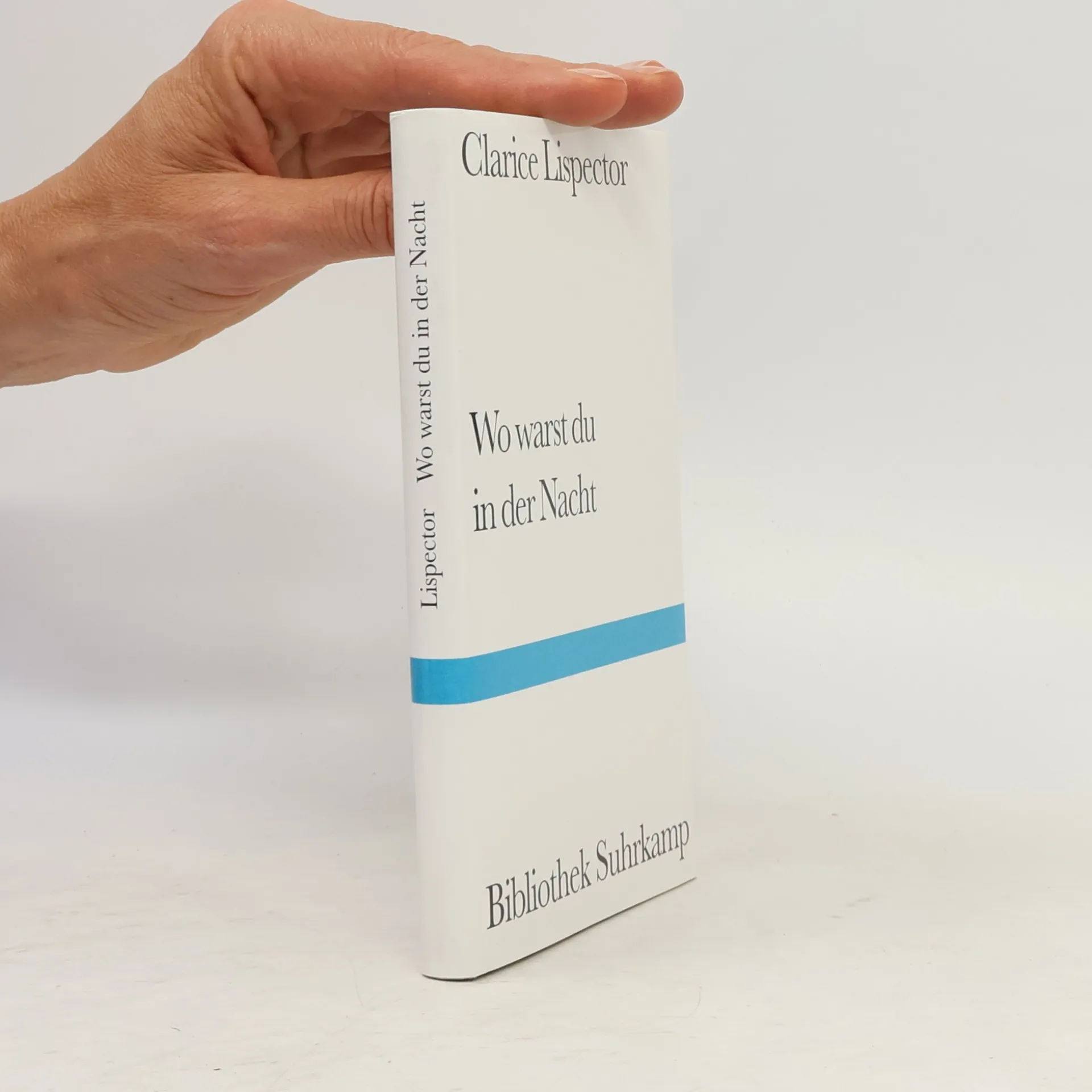
Die Brasilianerin setzt Natürliches und Übernatürliches gleichwertig nebeneinander, behandelt Konkretes und Abstraktes radikal und überschreitet dabei die Grenzen des Sagbaren. Sie entmystifiziert zudem den Schreibprozess und den Status des Schriftstellers in ihren Geschichten.
Die Entdeckung des »Kosmos Clarice Lispector« geht weiter: So persönlich war die Ikone der modernen Literatur noch nie zu erleben. Clarice Lispector, eine der bedeutendsten literarischen Stimmen des 20. Jahrhunderts, schrieb von 1969 bis 1973 für das »Jornal do Brasil« und führte eine wöchentliche Kolumne. Bekannt für ihre tiefgründigen Romane und Kurzgeschichten, verwandelt Lispector in diesen Kolumnen persönliche Erlebnisse in berührende, oft humorvolle Episoden. Sie thematisiert die verlorene Liebe eines Taxifahrers, die bittersüße Wahrheit hinter der Schönheit einer alten Freundin, sowie ihre eigene Familie und Kindheit. Dabei entdeckt sie die Widersprüche und Eigenheiten des Lebens. Ihre Reflexionen über das Schreiben und ihre Leseerfahrungen schaffen eine Verbindung zur brasilianischen Musik ihrer Zeit. Lispectors einzigartiger Blick auf die Welt, ernst und spielerisch zugleich, offenbart wertvolle Einsichten und bringt uns der Schriftstellerin näher als je zuvor. Luis Ruby, der renommierte Übersetzer ihrer Werke ins Deutsche, hat die unterhaltsamsten und aufschlussreichsten Kolumnen ausgewählt und kommentiert. Ihre Kolumnen zeigen Lispector als eine komplexe, witzige und niemals banale Autorin, die zur brasilianischen Ikone wurde.
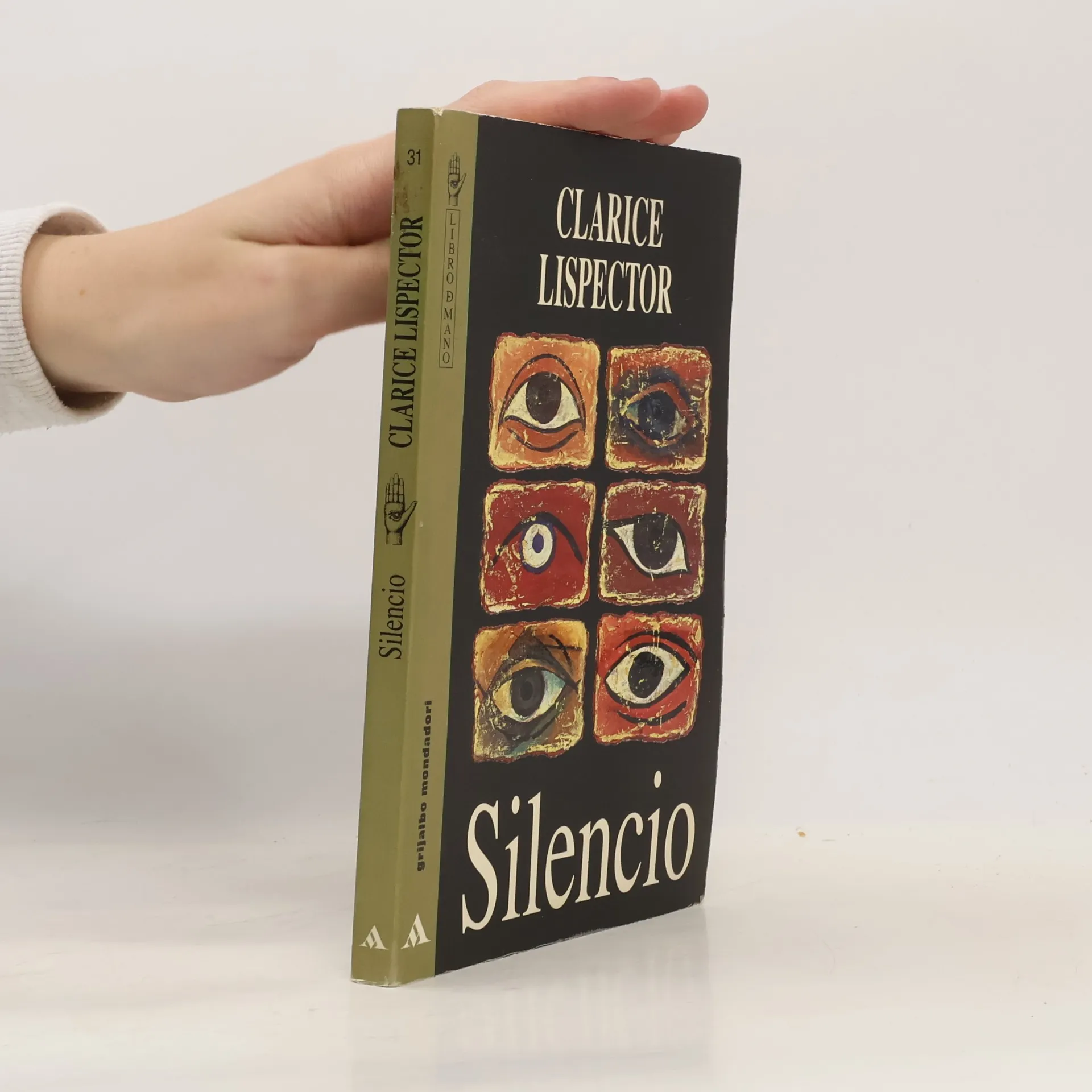
Silencio
- 174pagine
- 7 ore di lettura
Poéticos e inquietantes, los cuentos de Clarice Lispector exploran otra dimensión más allá de la realidad cotidiana. Silencio, uno de los últimos libros que publicó en vida, revela en toda su madurez las dotes excepcionales de esta autora, que ha sido comparada a V. Woolf, Joyce, Chejov, Sartre y K, Mansfield.
Para não esquecer
- 128pagine
- 5 ore di lettura
Reunião de crônicas e pensamentos publicados originalmente na segunda parte da primeira edição de 'A legião estrangeira', sob o título de 'Fundo de Gaveta'. Neste livro, encontra-se um pouco da arte poética de Clarice Lispector, quando ela tece comentários sobre o seu processo de escrever. A autora também fala de suas vivências e aponta a poesia existente nelas, seja na visão de um quadro de Paul Klee, numa viagem à África, num passeio de táxi por Copacabana num dia de chuva ou numa conversa com os filhos.
Vis-à-vis Frauen
- 128pagine
- 5 ore di lettura
Záhada myslícího králíka
- 96pagine
- 4 ore di lettura
Clarice Lispectorová (1920–1977) patří k nejvýznamnějším postavám brazilské i světové literatury 20. století. Autorka románů, které proměnily podobu moderní prózy, napsala i několik příběhů pro děti – se stejnou vážností a citlivostí k jazyku, s jakou přistupovala k dospělému čtenáři. Soubor přináší čtyři z pěti jejích dětských próz: Záhadu myslícího králíka, Ženu, která zabila rybičky, Soukromý život Laury a Skoro doopravdy. V každé z nich se prostý příběh mění v zrcadlo lidské existence, ať už ho vyprávějí zvířata, nebo alter ego autorky, která se nikdy nevzdává touhy porozumět. Lispectorová bere dítě jako rovnocenného partnera. Mluví s ním otevřeně, někdy s rozpaky, jindy s humorem, vždycky s úctou. Její dětské prózy jsou krátké a přímé, ale míří hluboko – tam, kde se rodí řeč, myšlenka i soucit.
Oog in oog met vrouwen
- 128pagine
- 5 ore di lettura
Oog in oog met vrouwen is een bloemlezing uit het prachtige werk van schrijfsters uit Afrika, Azië, Latijns-Amerika en het Caribisch gebied. De fragmenten uit proza en poëzie, die zijn samengebracht onder noemers als Leven en Liefde, Werk en spel en Politiek en maatschappij , worden visueel vertaald en verlevendigd door meer dan veertig kleurenfoto's. Daarmee is dit boek een genoegen om te lezen en tegelijk een lust voor het oog.
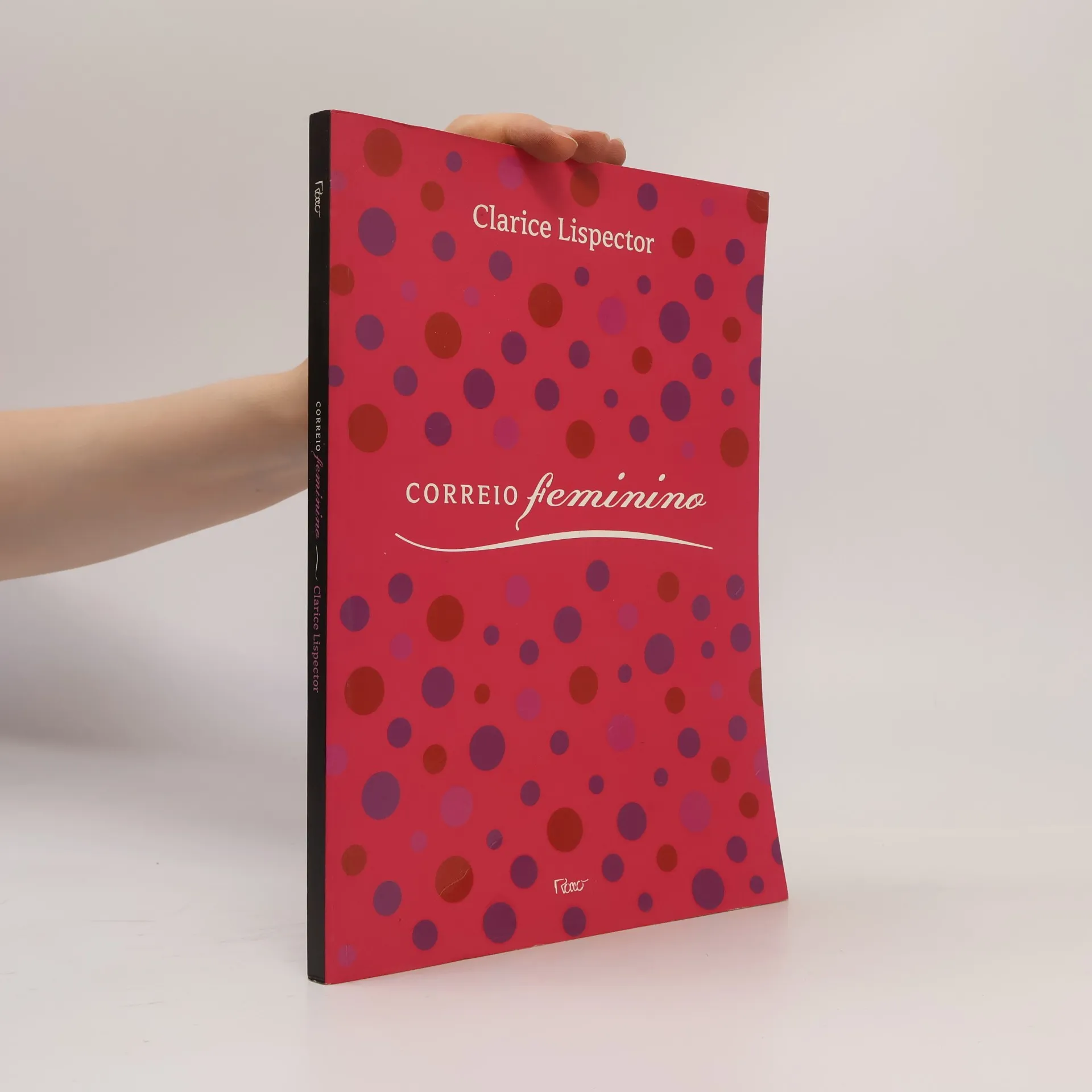
Correio Feminino
- 158pagine
- 6 ore di lettura
Clarice começou a atuar na imprensa em 1940 - três anos antes de lançar seu primeiro romance, 'Perto do coração selvagem' - colaborando de modo intermitente com jornais e revistas até dois meses antes de sua morte, ocorrida em 1977. Reunidos pela primeira vez em livro, os textos de sua fase inicial abordavam os mais diversos temas, desde a educação dos filhos aos tratamentos de beleza; dos remédios contra os ratos à busca da felicidade; da escolha do perfume aos dilemas morais. Falava de tudo, passando do trivial ao transcendental com desconcertante desenvoltura. Assim, o que encontramos aqui é uma outra faceta, pouco conhecida e estudada, de Clarice. Uma faceta que irá certamente surpreender e encantar quem se embrenhar pelas páginas deste 'Correio feminino'.
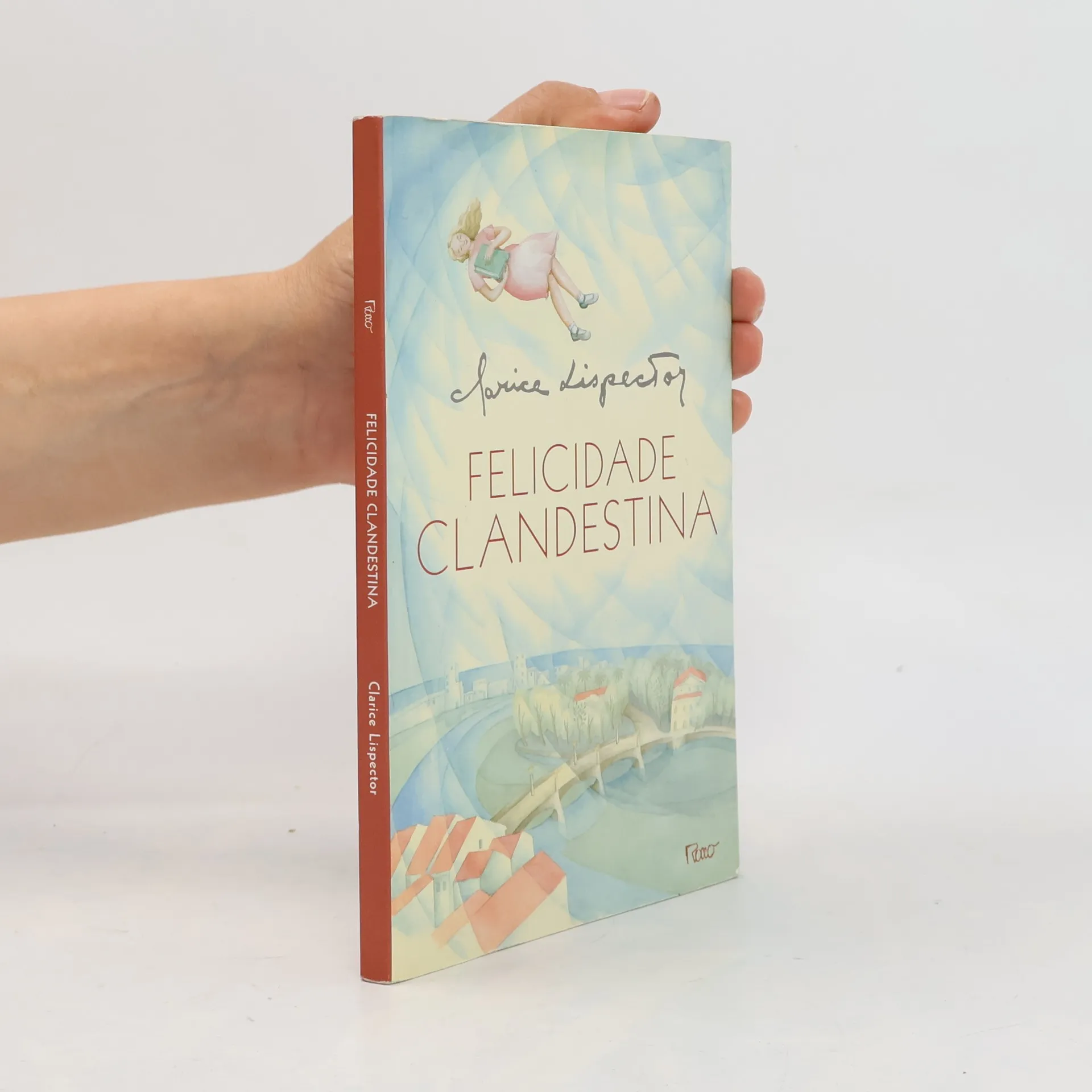
Felicidade Clandestina
- 160pagine
- 6 ore di lettura
Neunundzwanzig neue Kurzgeschichten aus der ZEIT
- 356pagine
- 13 ore di lettura
German (translation)
As Cem Melhores Crônicas Brasileiras
- 360pagine
- 13 ore di lettura
Antologia organizada pelo jornalista e cronista Joaquim Ferreira dos Santos.