Miguel Ángel Asturias Libri
Miguel Ángel Asturias fu un poeta, romanziere e diplomatico guatemalteco i cui scritti fondono magistralmente il misticismo Maya con un impulso epico verso la protesta sociale. La sua opera è profondamente radicata nella lotta contro le dittature e l'ingiustizia, costringendolo spesso a vivere in esilio. Asturias intreccia abilmente il folklore con rappresentazioni realistiche di problemi sociali, creando un paesaggio letterario unico che riflette la sua terra natale. La sua scrittura testimonia il potere delle parole come strumento di resistenza e preservazione dell'identità culturale.



Men of Maize
- 384pagine
- 14 ore di lettura
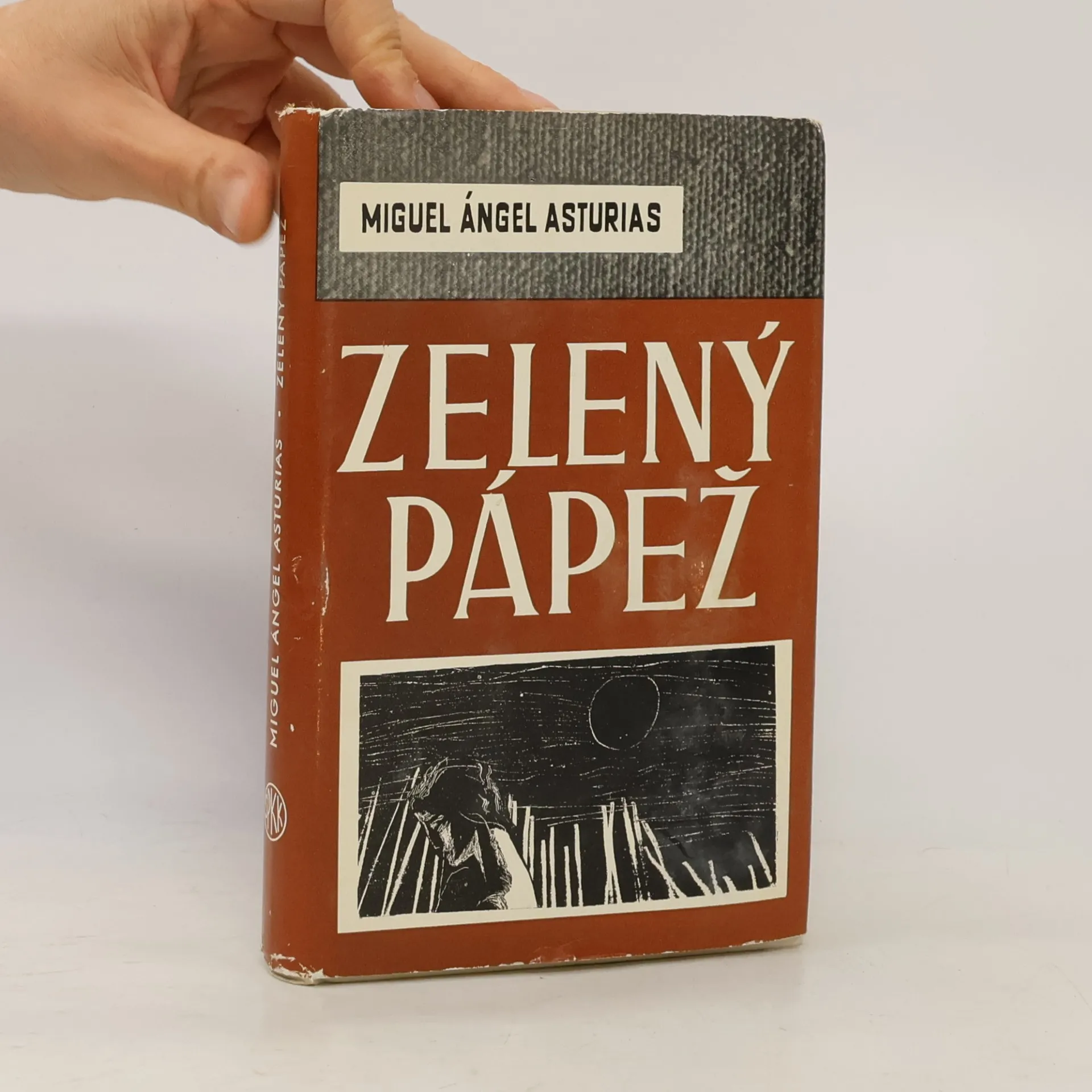
Set in the mountain forests of Guatemala, the story follows a community of Indigenous Mayans, the 'men of maize,' who fiercely defend their sacred corn crops from encroaching outsiders. This conflict escalates into a bloody struggle to preserve their culture and land. Blending history with mythology, Miguel Ángel Asturias's evocative narrative serves as a poignant warning about the dangers of losing ancestral wisdom and the environmental devastation driven by colonialism and capitalism.
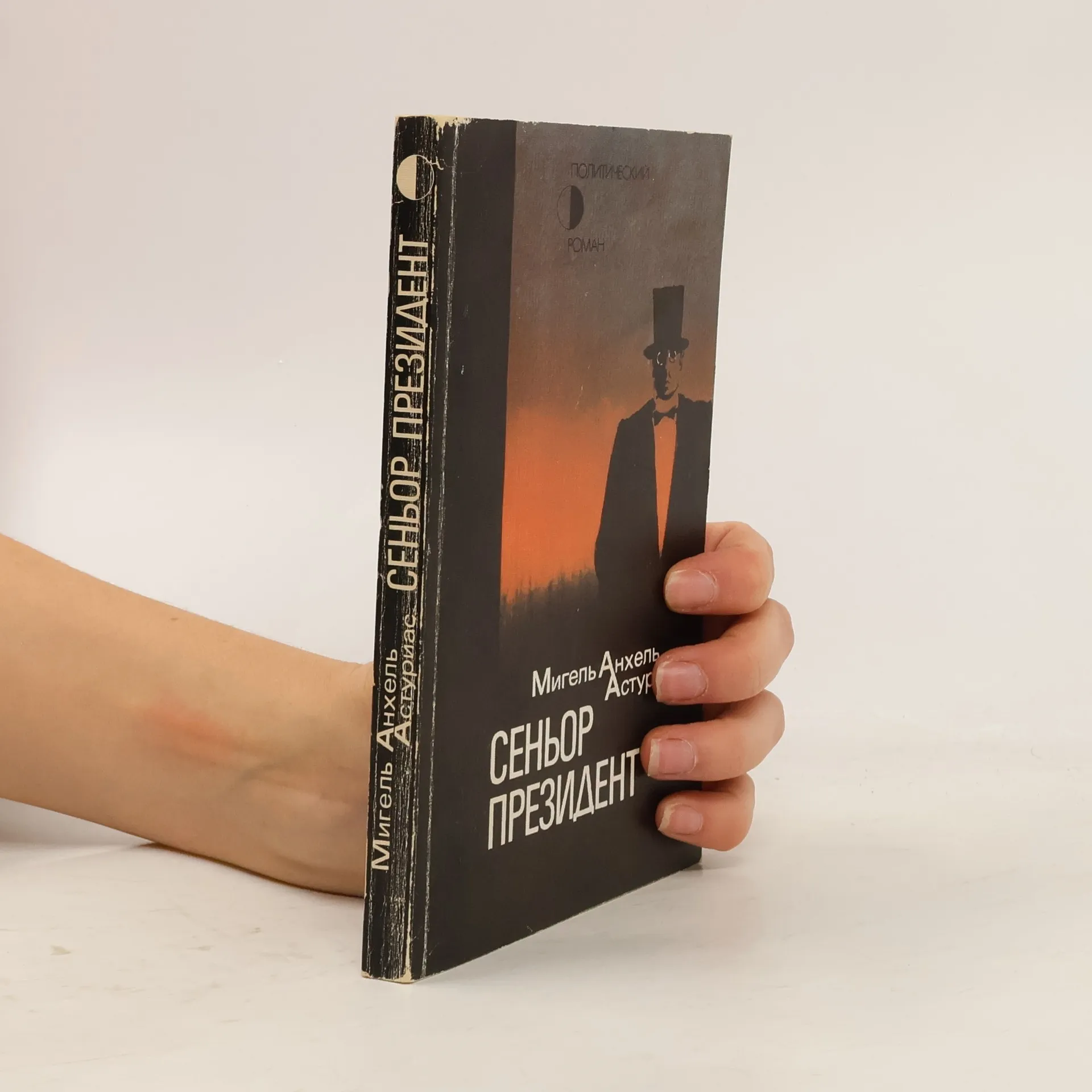
The President
- 287pagine
- 11 ore di lettura
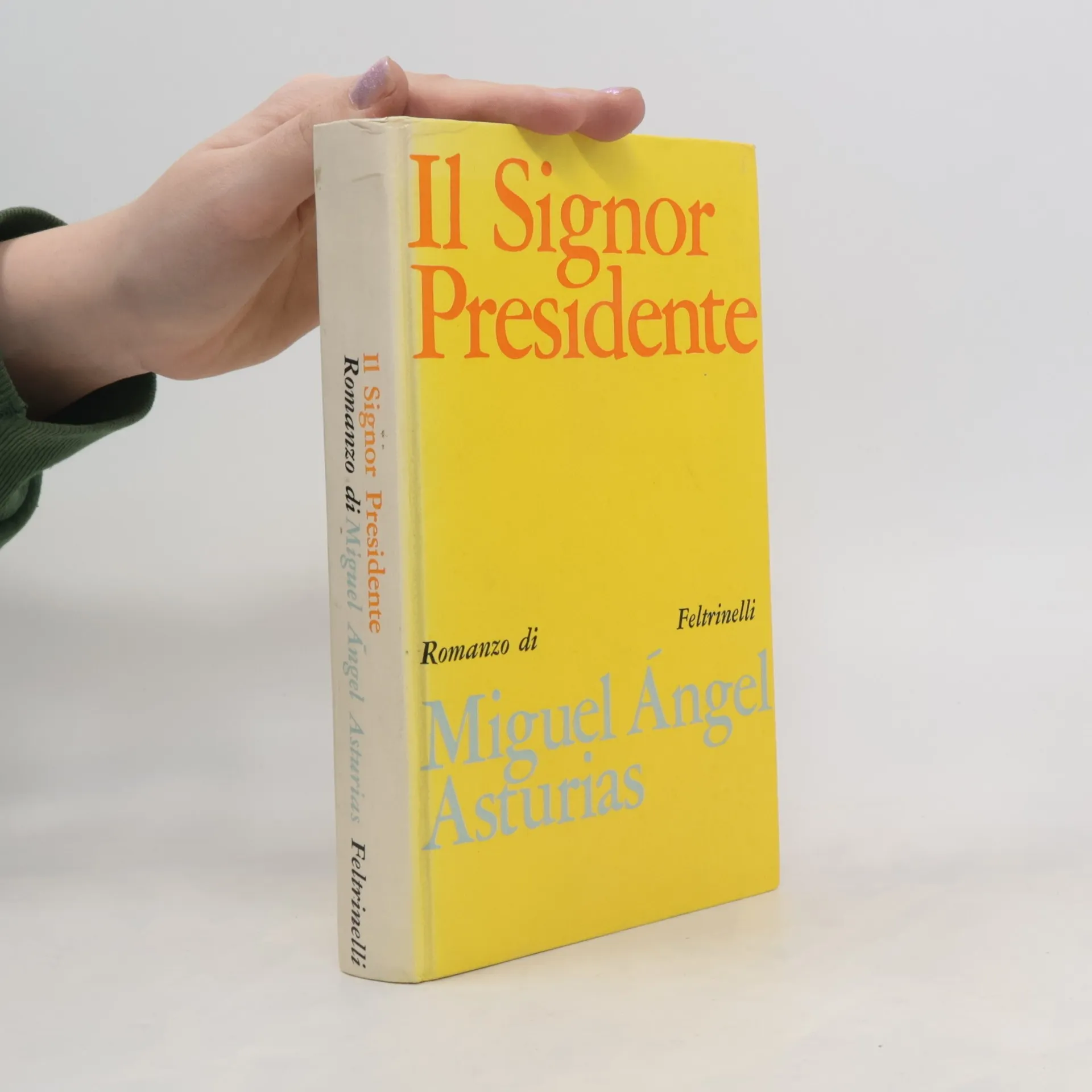
Guatemalan diplomat and writer Miguel Ángel Asturias (1899–1974) began this award-winning work while still a law student. It is a story of a ruthless dictator and his schemes to dispose of a political adversary in an unnamed Latin American country usually identified as Guatemala. The book has been acclaimed for portraying both a totalitarian government and its damaging psychological effects. Drawing from his experiences as a journalist writing under repressive conditions, Asturias employs such literary devices as satire to convey the government’s transgressions and surrealistic dream sequences to demonstrate the police state’s impact on the individual psyche. Asturias’s stance against all forms of injustice in Guatemala caused critics to view the author as a compassionate spokesperson for the oppressed. My work,” Asturias promised when he accepted the Nobel Prize for Literature, “will continue to reflect the voice of the people, gathering their myths and popular beliefs and at the same time seeking to give birth to a universal consciousness of Latin American problems.”
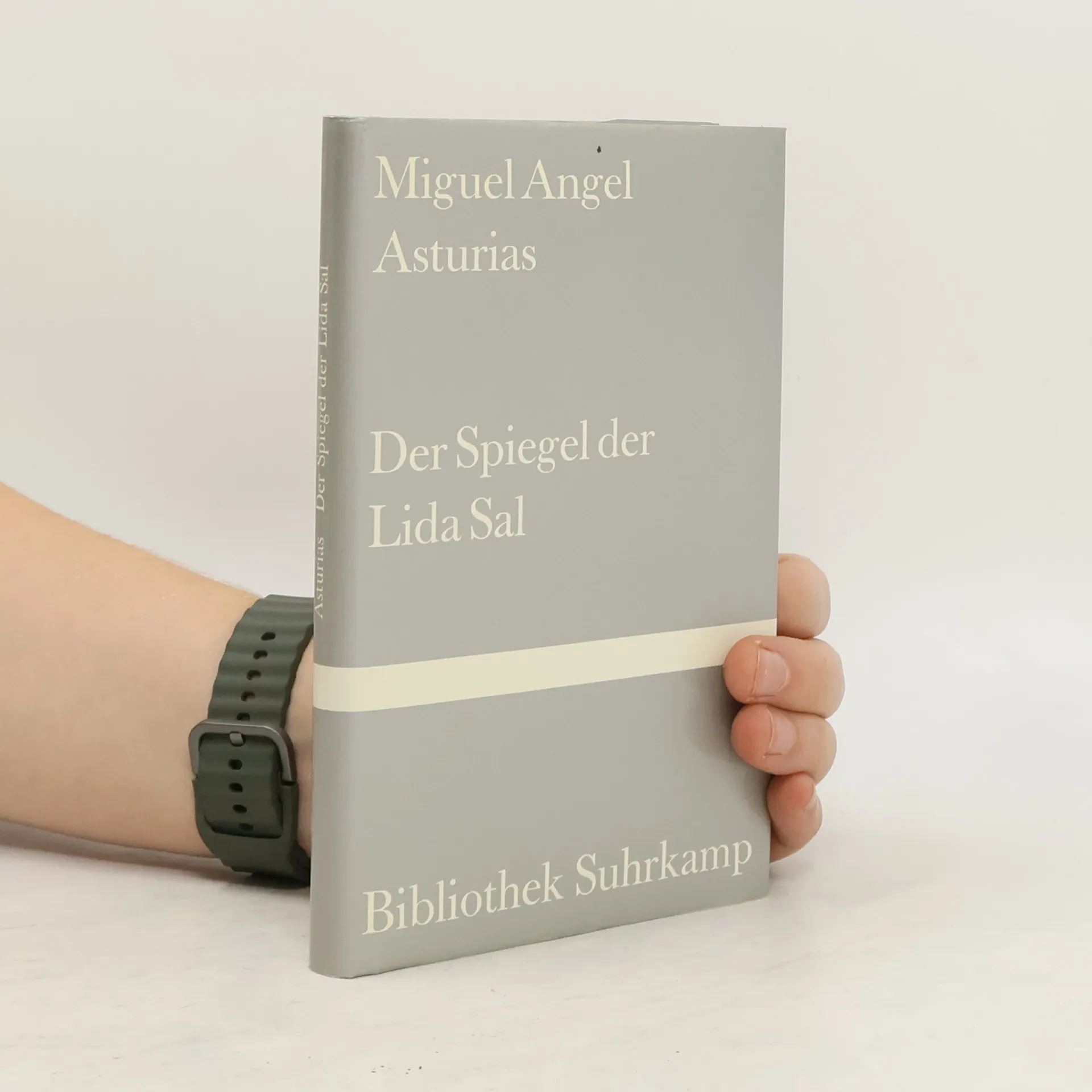
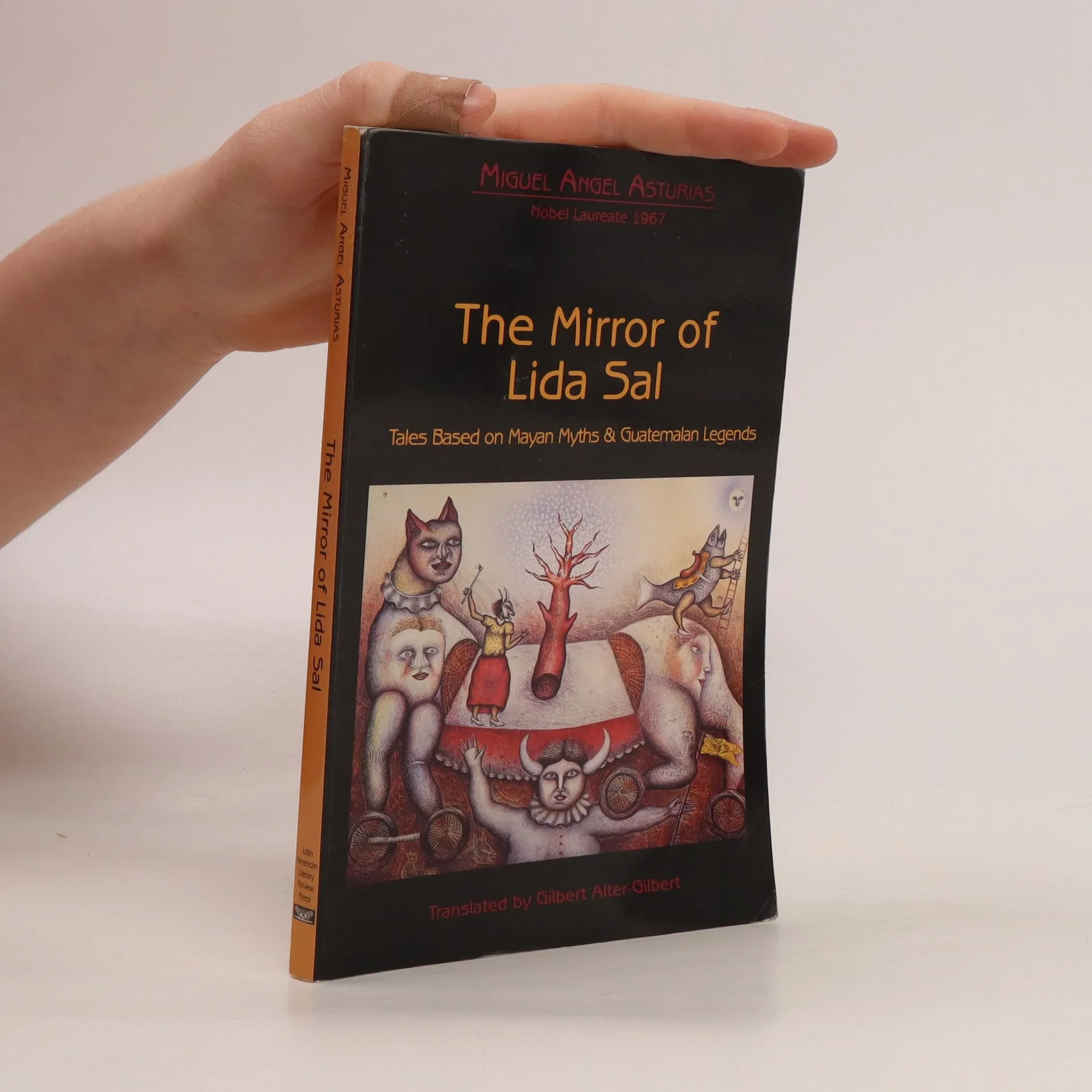
"First English-language edition of El espejo de Lida Sal (see HLAS 30:3268), in which the Nobel laureate melds Mayan and Guatemalan myth and folklore in 10 stories whose hallucinatory prose challenges the reader. 'Everything unfolds in a land of natural dreamscapes ... The imagination reels.' Although lacking a table of contents and translator's note, the superb translation recommends the work for classroom use"--Handbook of Latin American Studies, v. 58
Im Dezember 1949 kehrt Miguel Ángel Asturias nach Guatemala zurück, um aus erster Hand das Leiden seines Volkes durch die missbräuchliche Ausbeutung der allmächtigen United Fruit Company zu erfahren; nur sechs Monate später wird dieser Roman, Viento fuerte, veröffentlicht, der die beeindruckende Bananentrilogie einleitet. Viento fuerte ist jedoch viel mehr als ein Roman der "Anklage." Der meisterhafte Puls von Asturias, der 1967 mit dem Nobelpreis für Literatur ausgezeichnet wurde, zeichnet ein fast thermisches Bild des Kampfes ums Überleben, aus dem sein großer Beitrag zur Weltliteratur hervorgeht: der "magische Realismus"; so entscheidend für die Lösung dieses Romans. Der Papa Verde (1953) und Los ojos de los enterrados (1960) vervollständigen die Trilogie und zeichnen das Gesamtbild, wie Guatemala in eine "Bananenrepublik" verwandelt wurde und welche schrecklichen Folgen dies hatte.
V tomto románe autor pôsobivou formou zobrazil históriu novodobého boja o banánové oblasti v Karibiku. Hlavnou postavou je mladý dobrodruh Geo, pirát a pašerák, neskôr plantážnik a samozvaný vládca. Jeho život je však tragický, pretože nie je naplnený osobným šťastím. Jeho snúbenica sa odmieta zaňho vydať, volí radšej smrť, neskôr sa ožení s jej matkou, ktorá však pri pôrode zomiera. Ani osud jeho dcéry nie je ľahký.
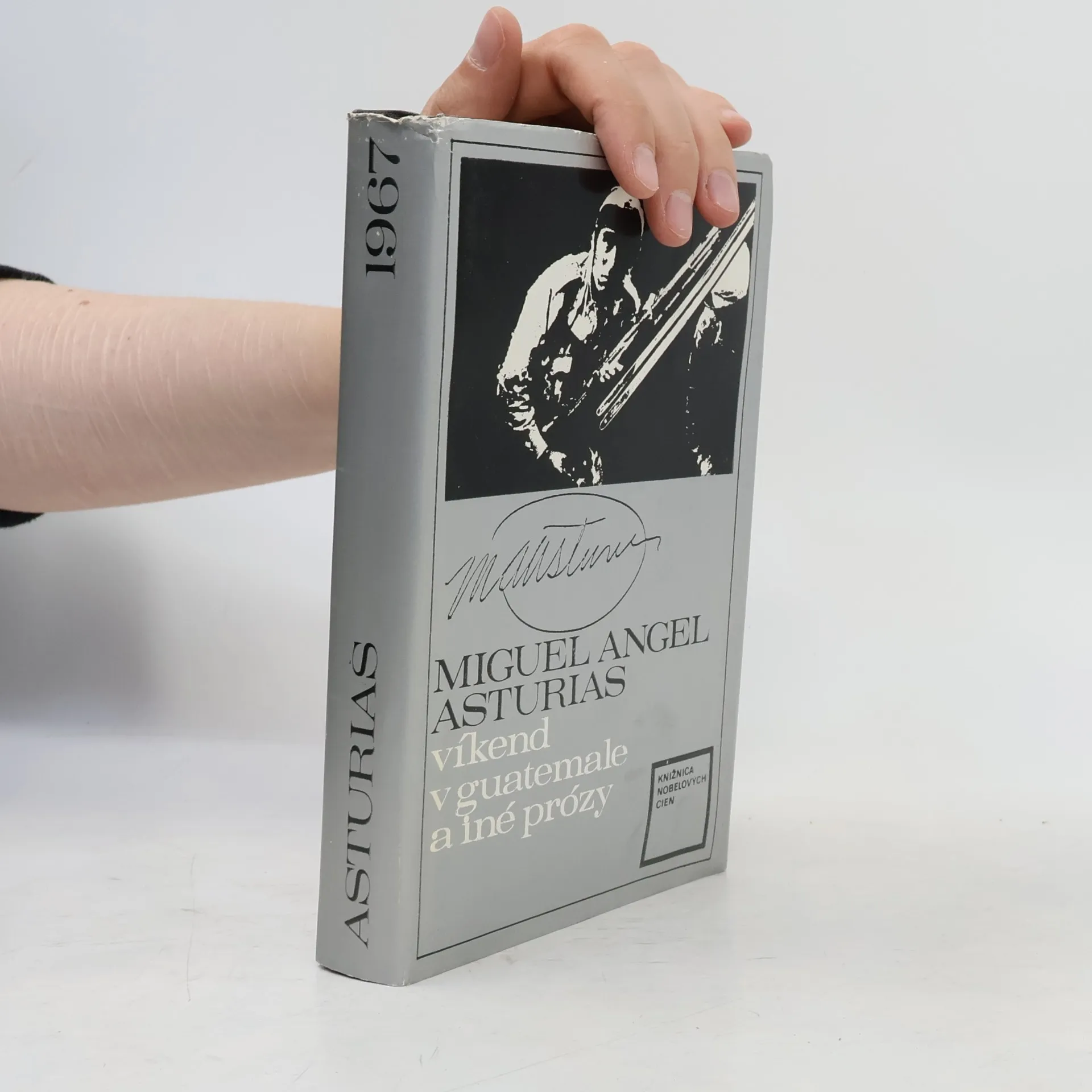
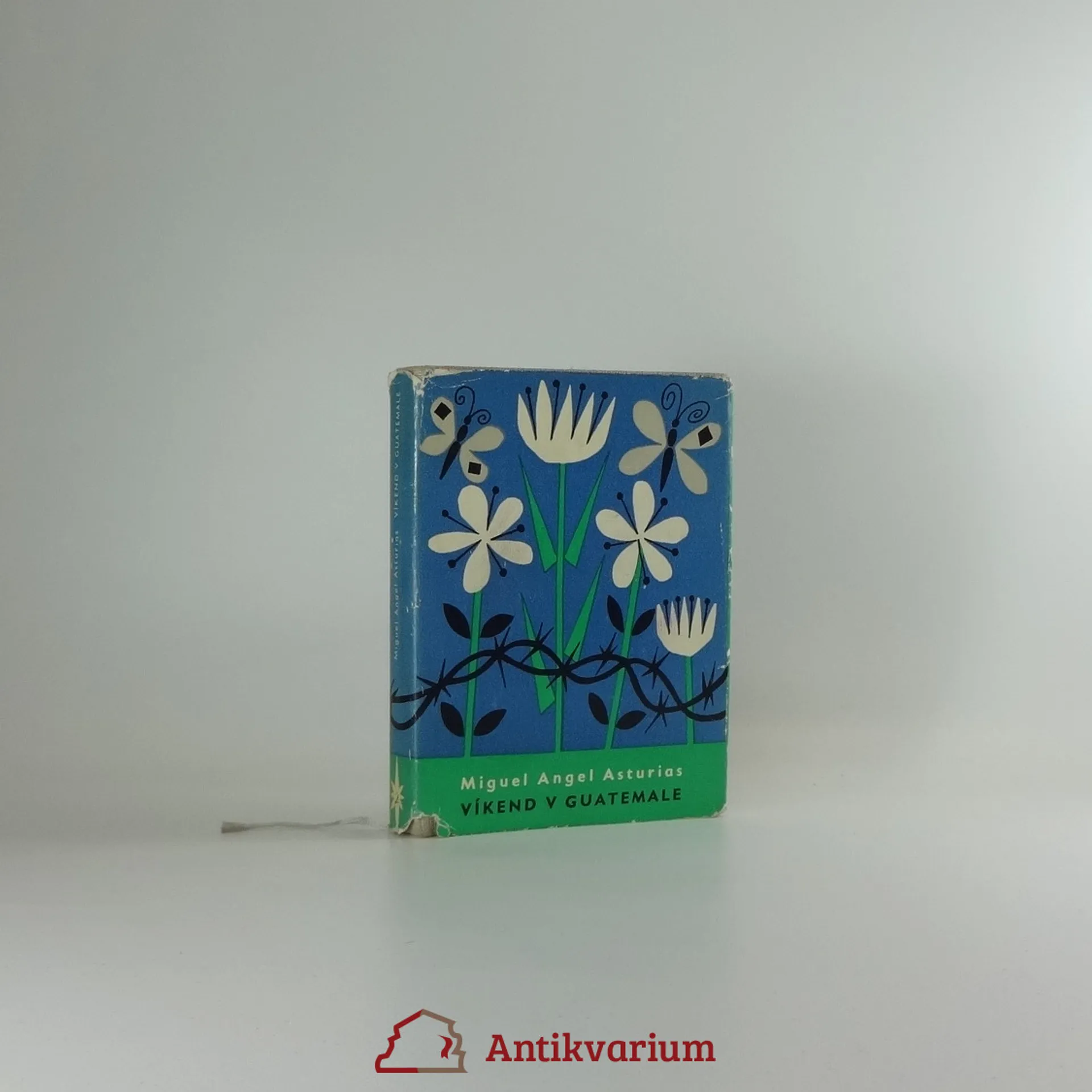
Dielo nositeľa Nobelovej ceny za literatúru v roku 1967 – kniha noviel Víkend v Guatemale (1956) a román Pán prezident (1946).
MALADRÓN – Geschichte oder Fabel, die in der Geschichte verwurzelt ist – spielt um das Jahr 1600, nach der spanischen Eroberung Guatemalas. Abseits des Heeres spanischer Soldaten und tlaxcalanischer Söldner machen sich fünf Spanier auf ihre persönliche Abenteuerreise: die Suche nach dem mythischen Ort, an dem die beiden Ozeane unter den Grünen Anden unterirdisch zusammentreffen. Mit einer üppigen Prosa, die voller musikalischer Resonanzen ist, schafft Miguel Ángel Asturias (1899-1974) eine gewalttätige, überbordende Welt voller enormer Kontraste, in der sich insensibel diese außergewöhnliche Symbiose vollzieht, die den Mestizaje bedeutet.
Bolesny piątek
- 328pagine
- 12 ore di lettura
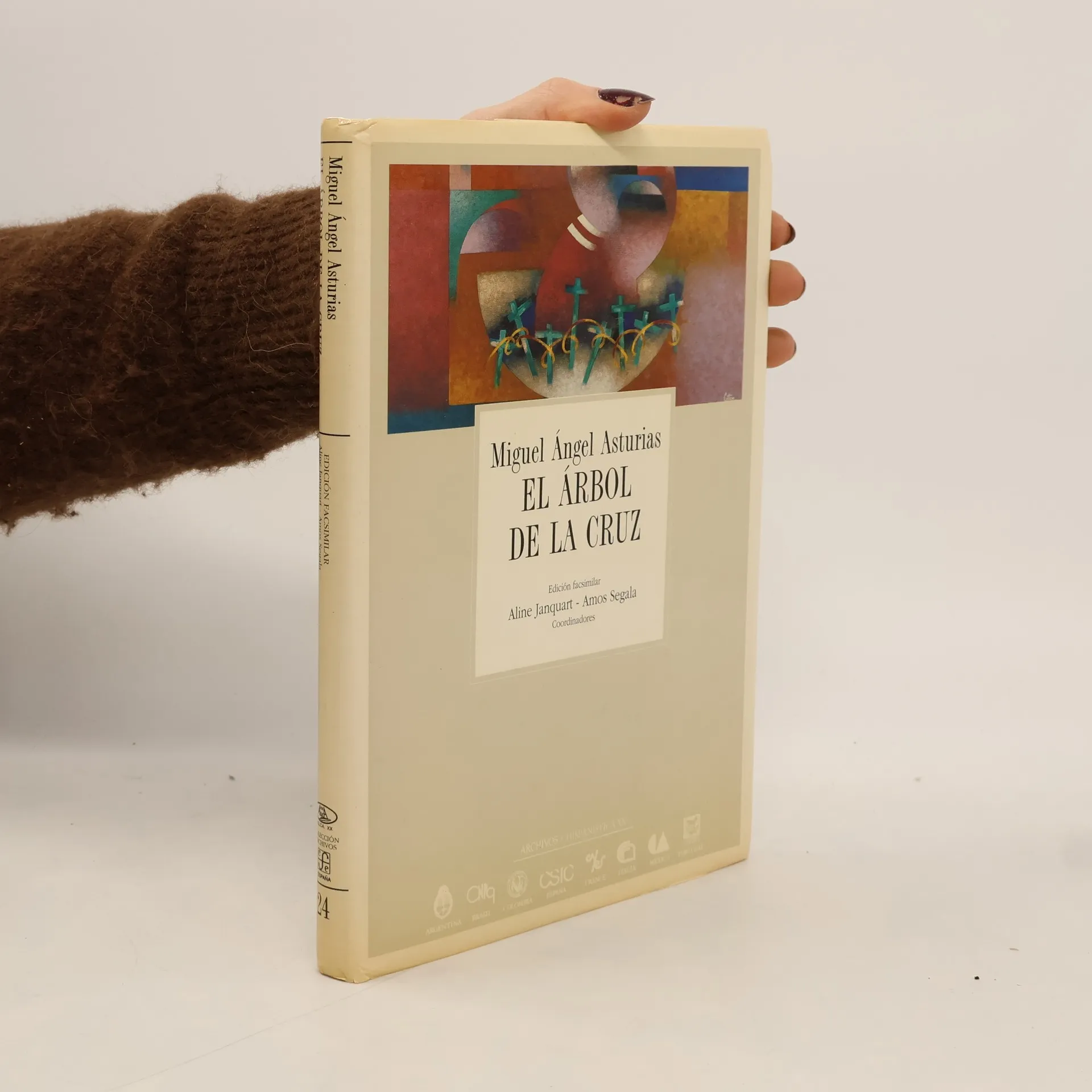
Archivos Hispanísticos - 24: El Árbol de la Cruz
Edición facsimilar - Aline Janquart - Amos Segala, Coordinadores
- 330pagine
- 12 ore di lettura
Rare book
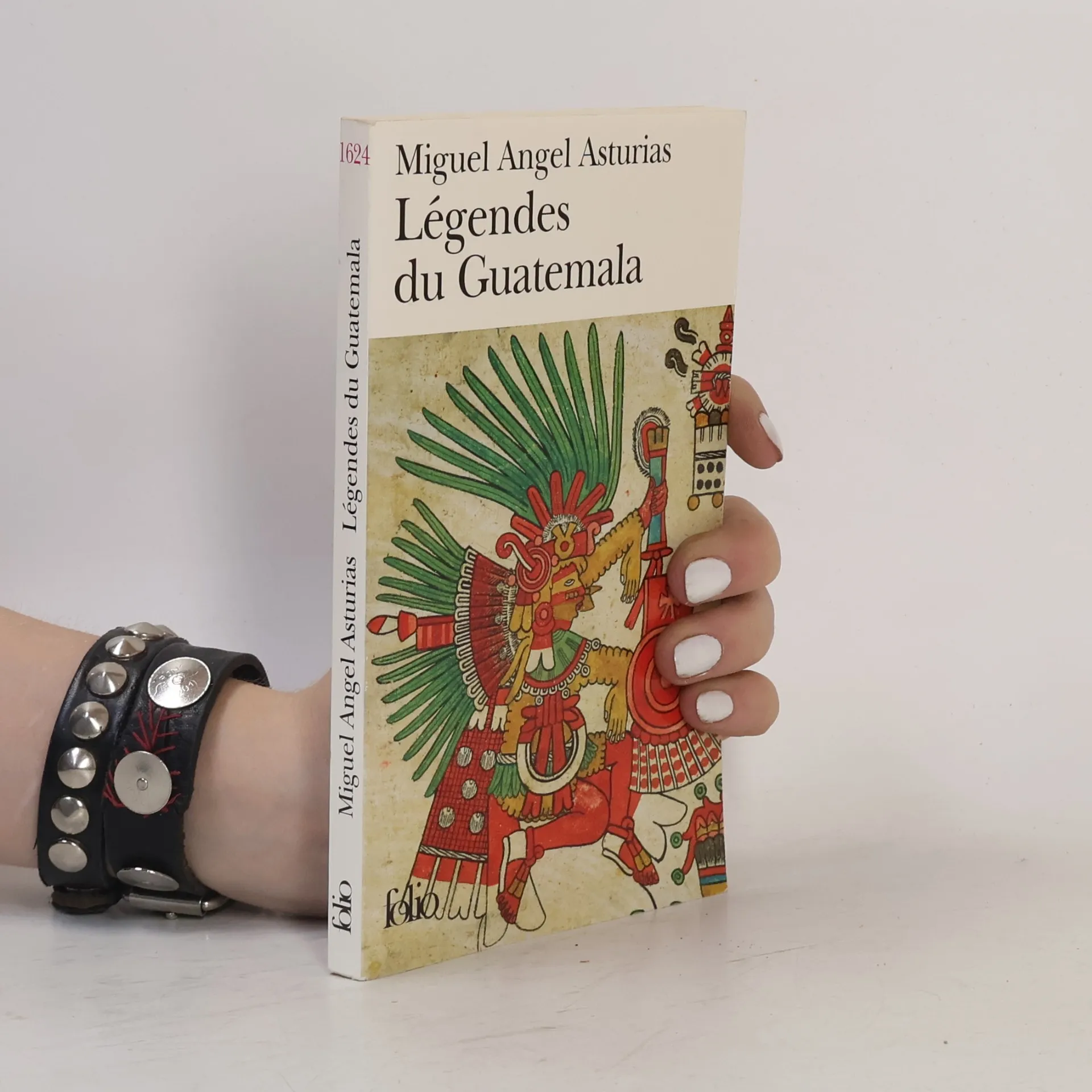
Folio - 1624: Légendes du Guatemala
- 179pagine
- 7 ore di lettura
El interes de Miguel angel Asturias encuentra su transposicion literaria en LEYENDAS de GUATEMALA cronica de prodigios fantasticos en la que las leyendas miticas del pueblo maya-quiche se funden con las tradiciones del pasado colonial guatemalteco y las ciudades indigenas de Tikal y Copan se aunan con Santiago y Antigua, fundadas por los espanoles. La batalla entre los espiritus de la tierra y los espiritus divinos es narrada por la prosa evocadora y exuberante del Premio Nobel de Literatura de 1967, colmada de imagenes deslumbrantes. Otras obras de Miguel angel Asturias en esta coleccion: El Senor Presidente
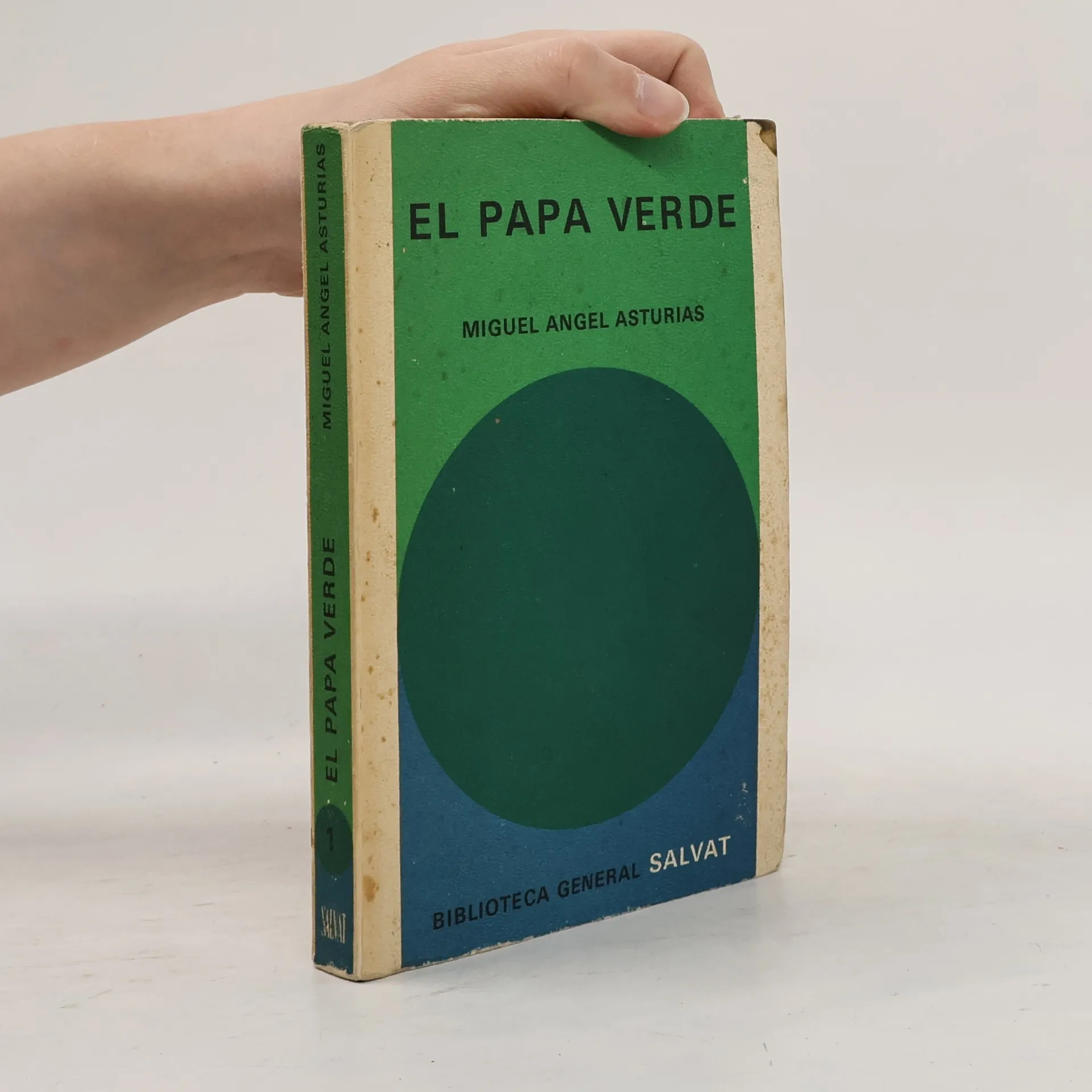
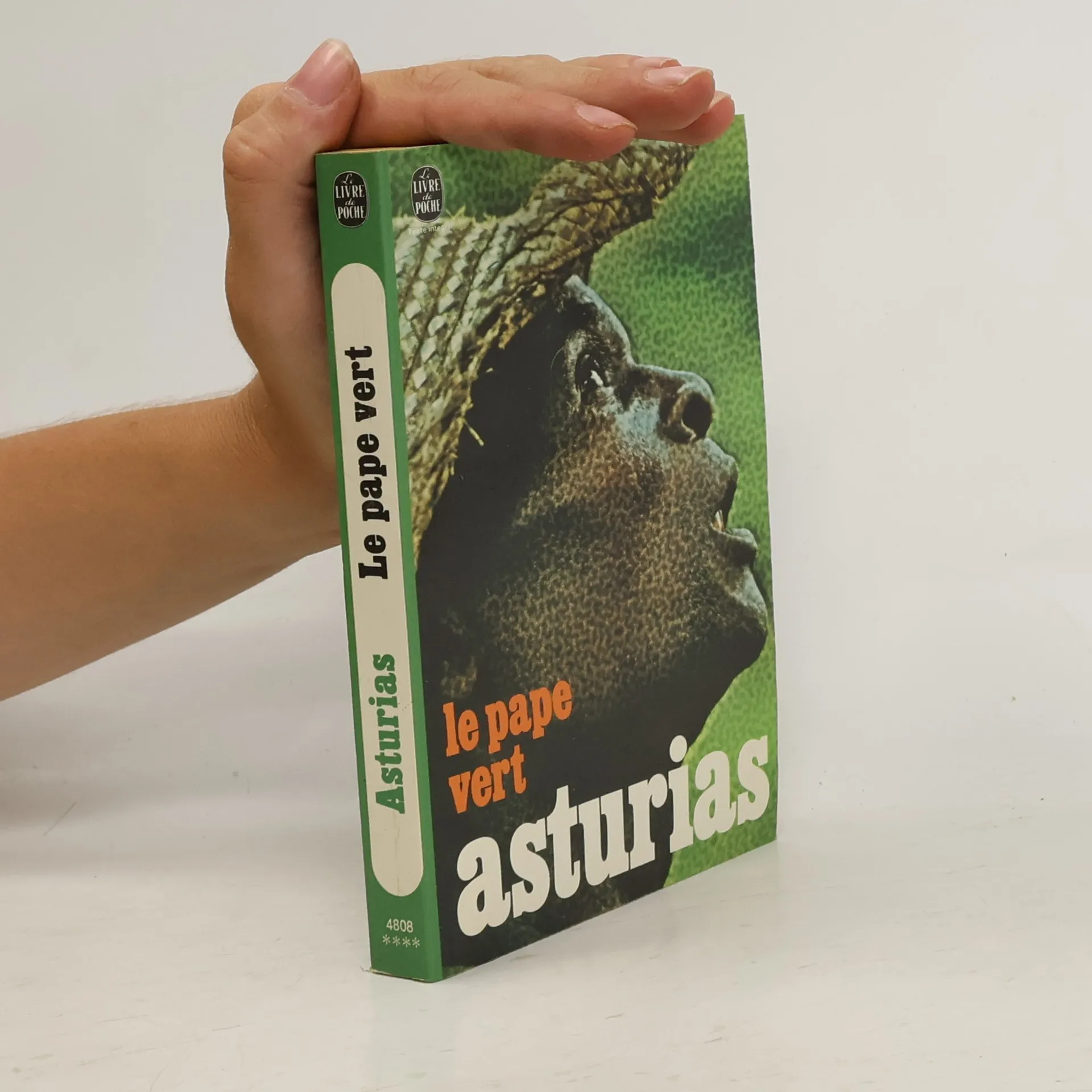
¿Cómo se convierte Geo Maker Thompson, ex pirata en aguas caribeñas, en un magnate de los bananos, en el temido y admirado "Papa Verde"? Debe hacerse un lugar en la bolsa de Chicago y en las oficinas de los rascacielos de la ciudad, donde se deciden las acciones de la producción y comercialización de bananos y, por ende, sobre la guerra y la paz en la mitad sur del continente, así como en la república bananera latinoamericana que pronto tendrá completamente bajo control.
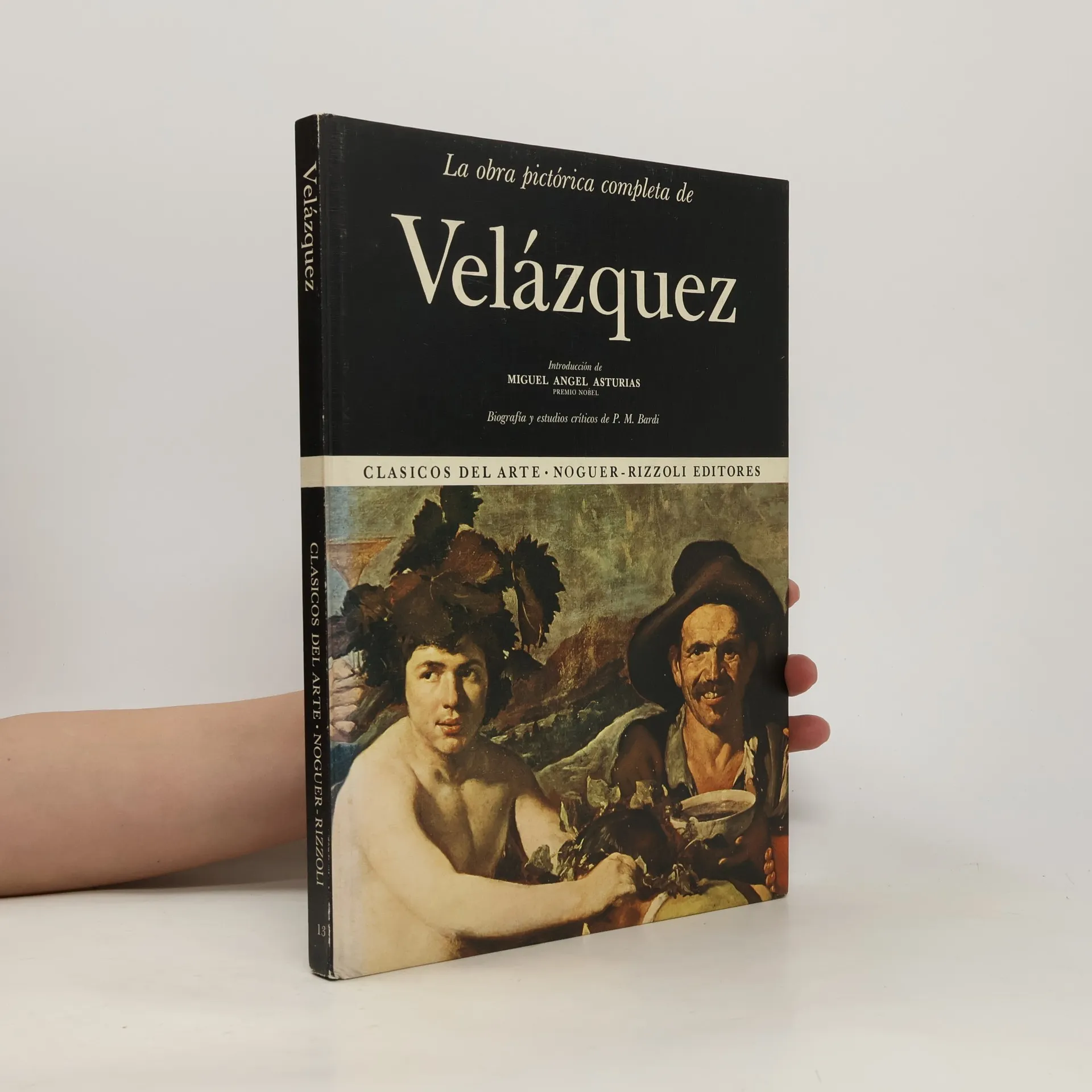
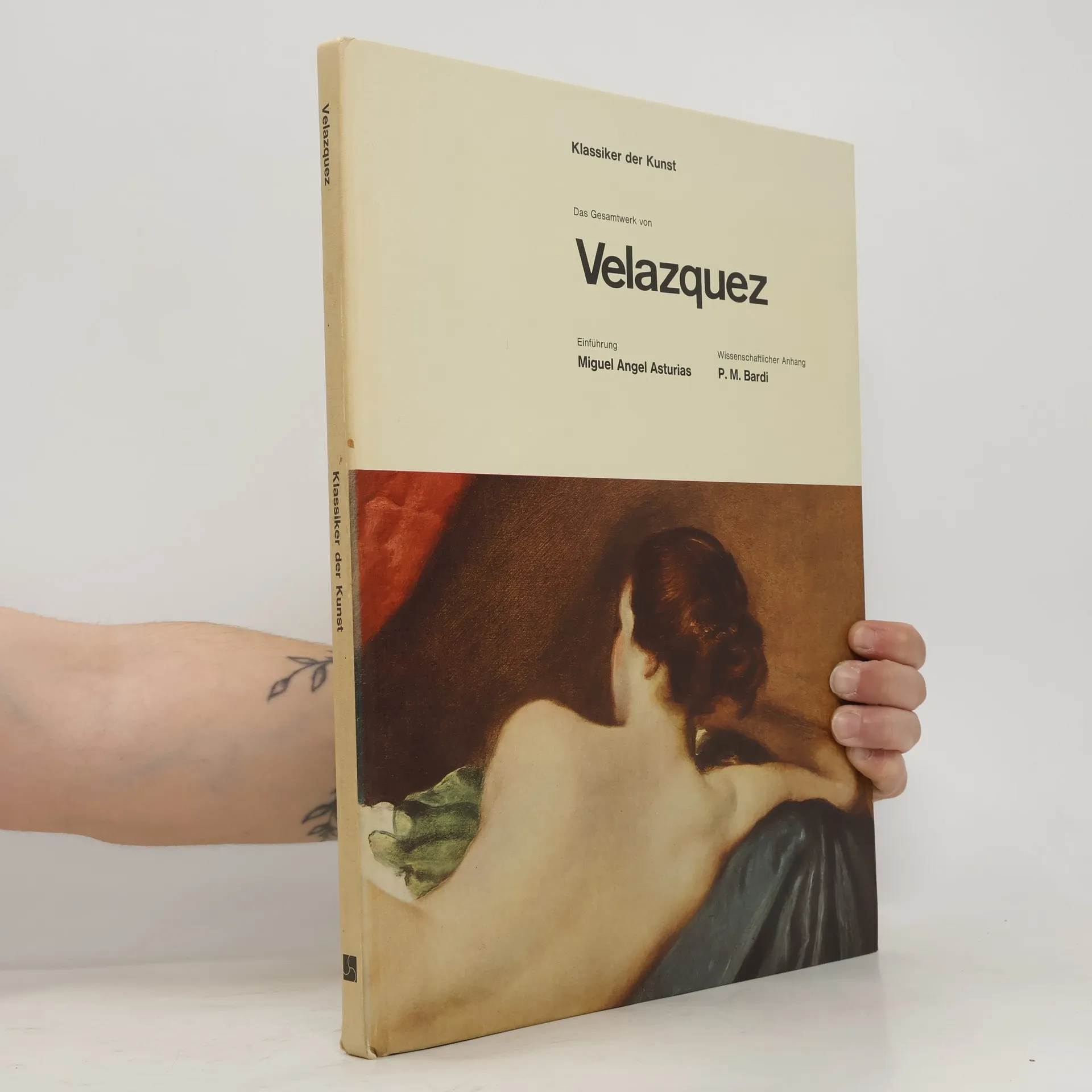
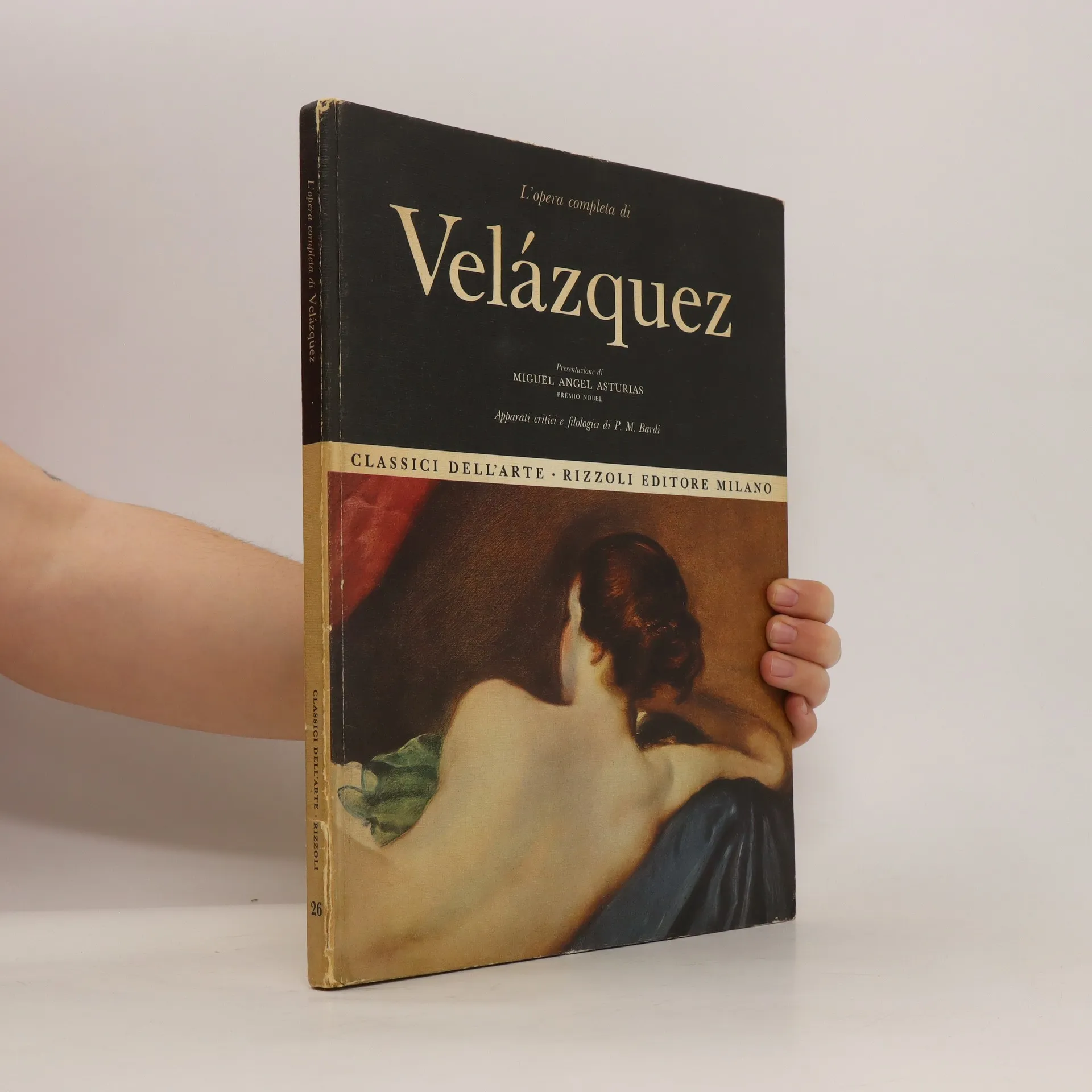
Clásicos del Arte: La obra pictórica completa de Velázquez
Introducción de Miguel Angel Asturias, Premio Nobel - Biografía y estudios críticos de P. M. Bardi
- 120pagine
- 5 ore di lettura
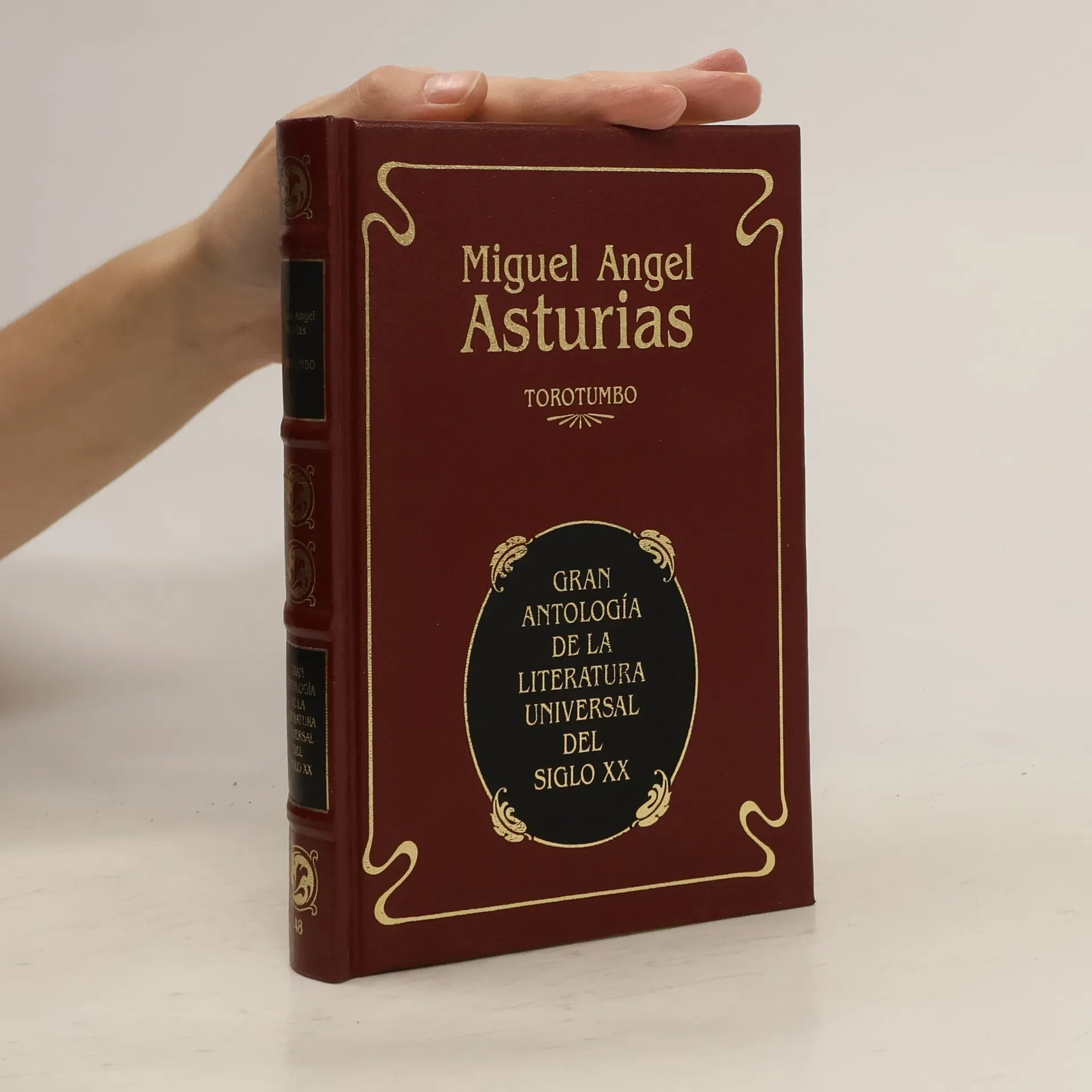
Torotumbo
- 224pagine
- 8 ore di lettura
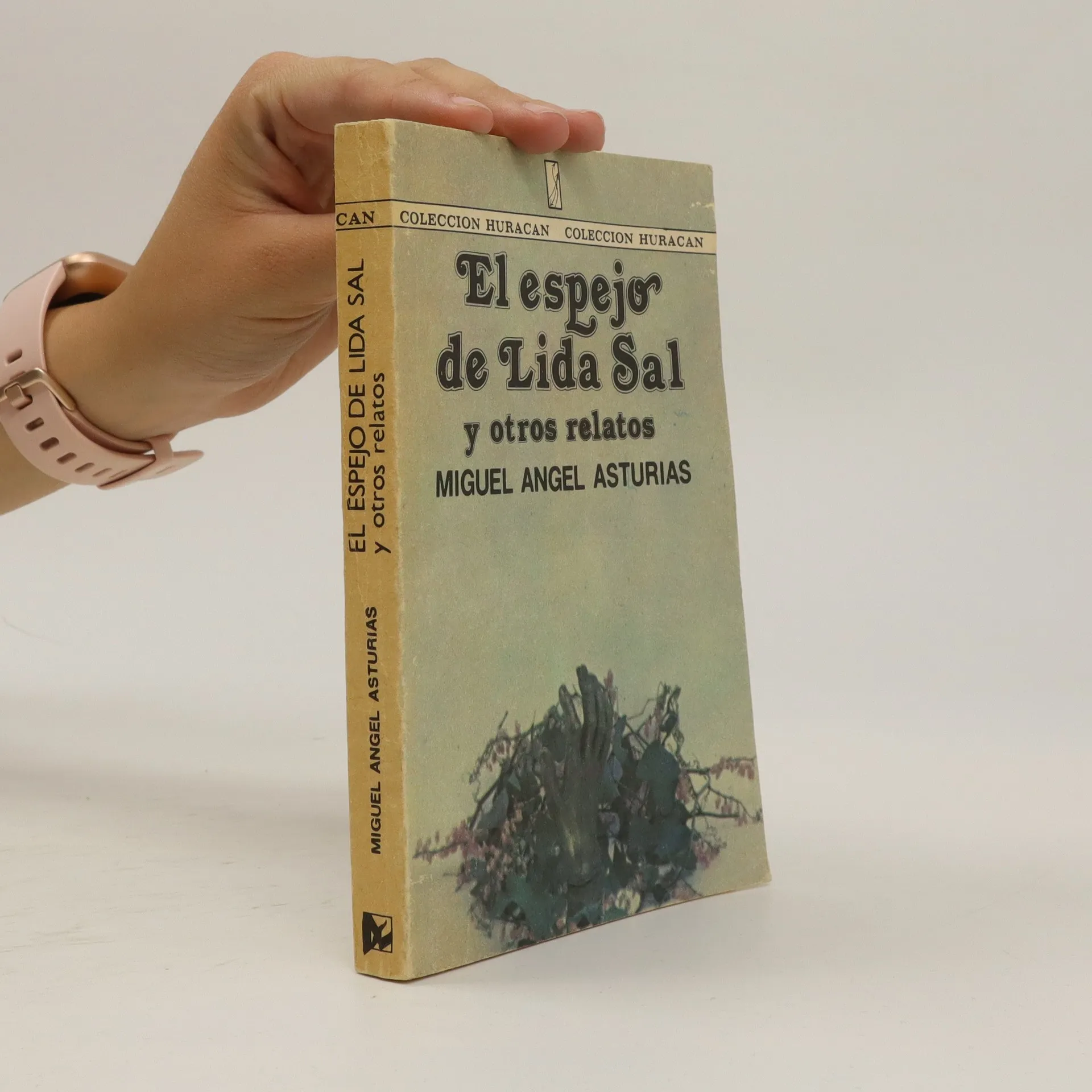
Barcelona. 19 cm. 156 p. Encuadernación en tapa blanda de editorial. Asturias, Miguel Ángel 1899-1974 .. Este libro es de segunda mano y tiene o puede tener marcas y señales de su anterior propietario. 847551491X
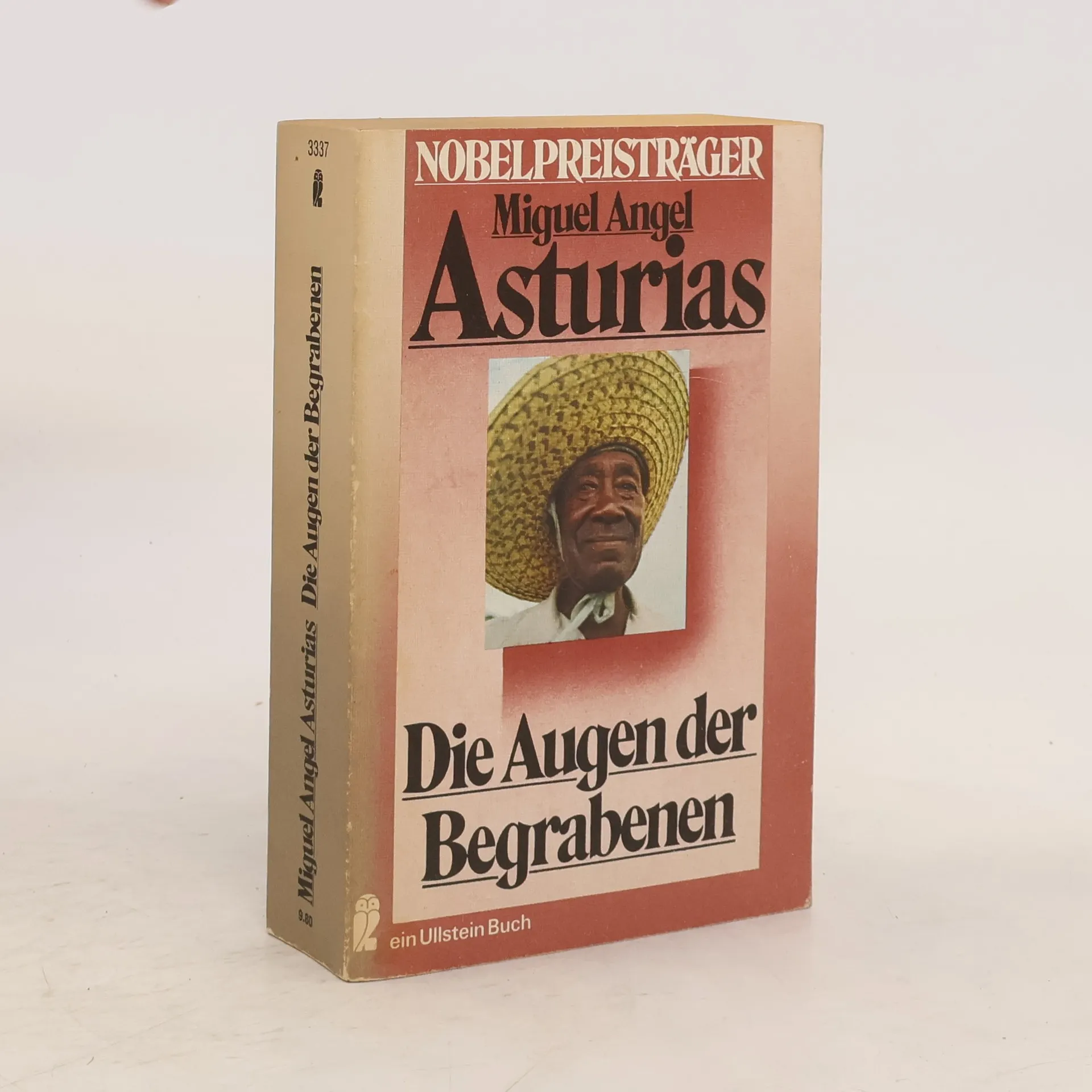
Die Augen der Begrabenen
- 601pagine
- 22 ore di lettura
Der große Meister der lateinamerikanischen Literatur, Miguel Ángel Asturias, schildert in diesem Teil seiner epischen Trilogie die Lebensbedingungen der einheimischen Völker, Landwirte und Arbeiter, die unter sklavenähnlichen Bedingungen leiden. Im Mittelpunkt steht der Streik gegen die Bananengesellschaft und der Kampf der „Augen offen Gehenden“, die für eine gerechtere Zukunft kämpfen. Diese Gruppe symbolisiert die verlorenen Werte in sozialen Kämpfen und sehnt sich nach Frieden, der erst dann erreicht werden kann, wenn ihre Augen endlich schließen. Asturias zeichnet ein buntes Panorama aus gewöhnlichen Landwirten, Ureinwohnern, Arbeitern, revolutionären Führern, Lehrern, Kindern, US-Soldaten und einheimischen Kollaborateuren. In diesem letzten Buch der Trilogie entfaltet sich zudem eine tief berührende Liebesgeschichte. Eine zentrale Rolle spielt die Natur selbst, die durch geheimnisvolle Geräusche, reißende Flüsse, majestätische Berge und tobende Stürme lebendig wird. Asturias meistert es, eine Erzählweise zu entwickeln, die der beschriebenen Natur gerecht wird, während er die Geschichten der Ureinwohner, Mythen, Folklore und die „magische Realität“ Lateinamerikas einfließen lässt.
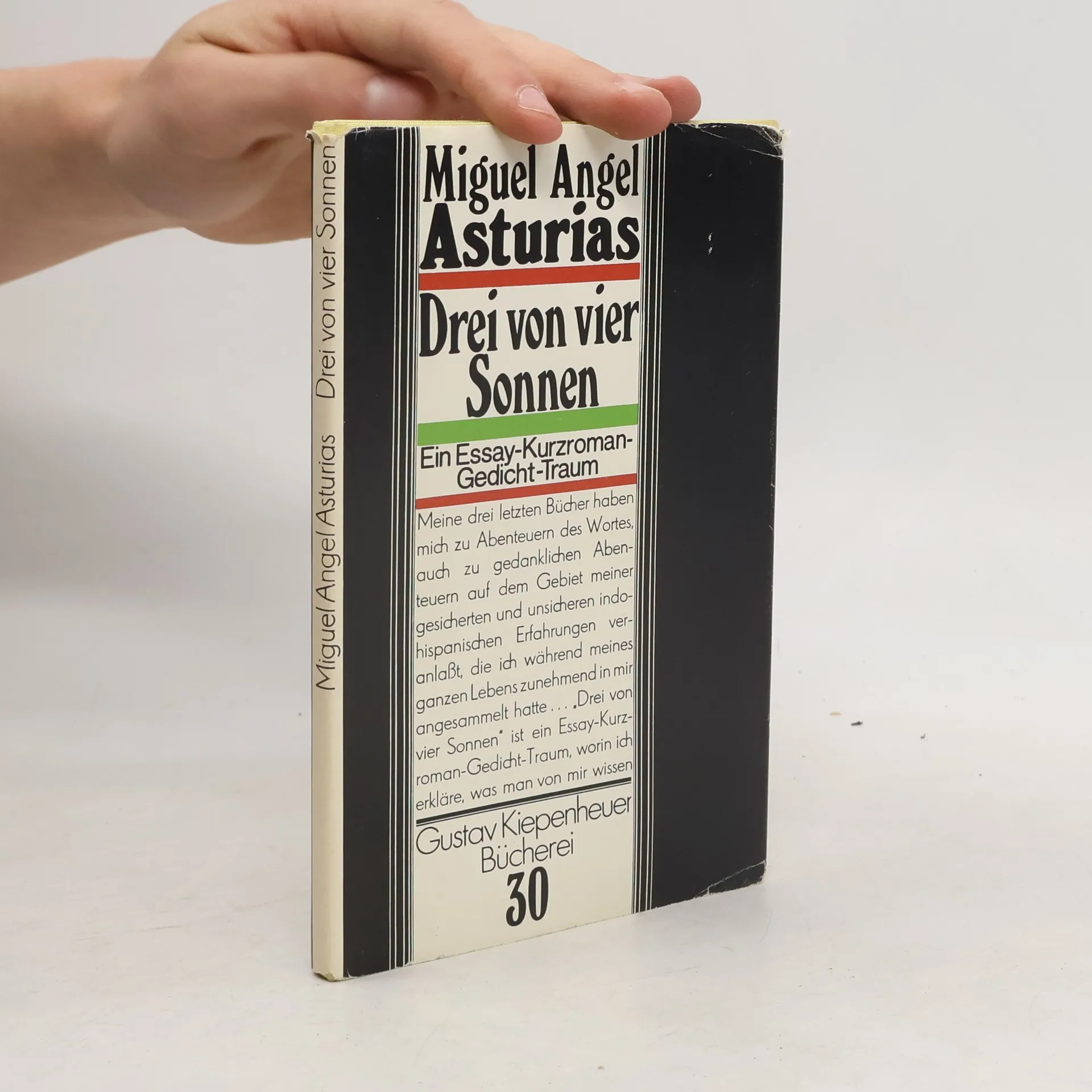
Drei von vier Sonnen
- 124pagine
- 5 ore di lettura
Posledná časť "banánovej trilógie" - Uragán, Zelený pápež a Oči pochovaných. Ľúbostný príbeh vidieckej učiteľky Maleny Tabayovej a bývalého holiča, popolára a plantážneho robotníka, revolucionára Pabla Mondragóna...
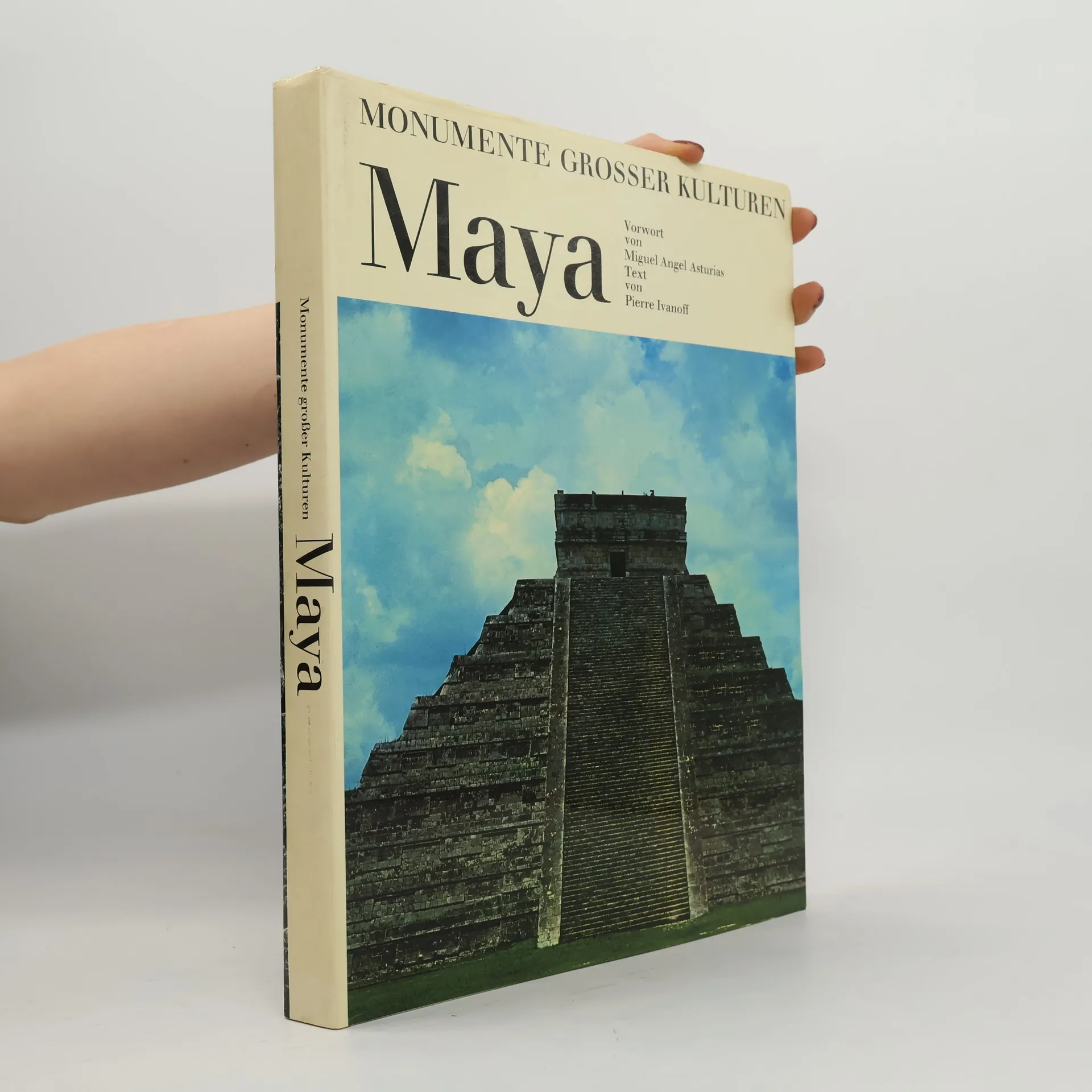
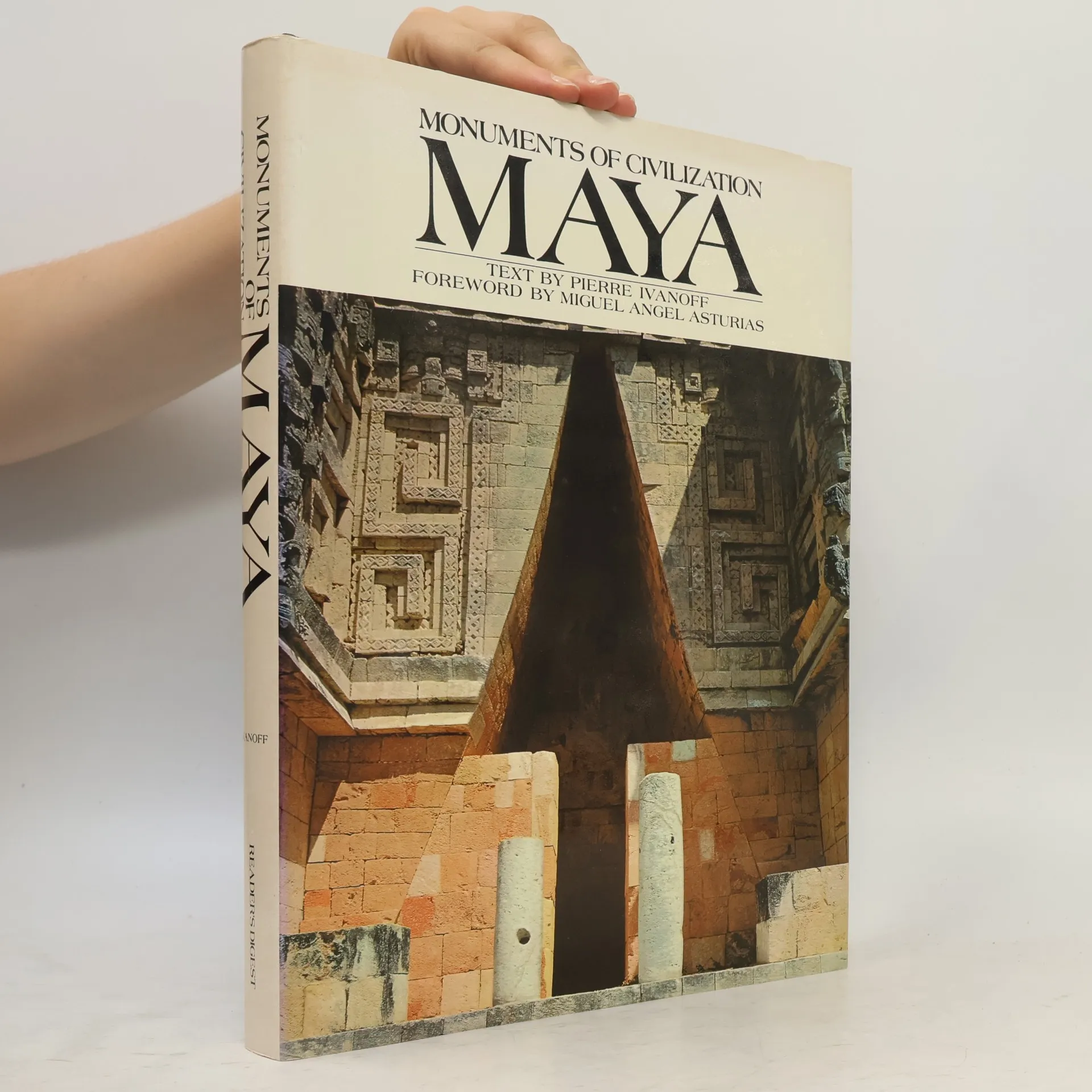
Maya
- 192pagine
- 7 ore di lettura
Vynikající románová skladba je sugestivním obrazem života v zemi sužované vládou diktátora – „pana presidenta“. Ústředním hrdinou je tu Miguel, zvaný Andělská tvář, presidentův favorit, který je zapředen do všech zákulisních dějů a nakonec se sám stává obětí tyranovy zvůle. Autor, rodák z Guatemaly, našel inspiraci v krušných zážitcích z vlasti a kultivaci slovesného projevu získal absorpcí domácích tradic mayských Indiánů a moderních evropských literárních směrů.
Román guatemalského romanopisce a básníka, nositele Nobelovy ceny, zachycuje na pozadí ohlasů mayských magických a mytických motivů i prvků guatemalské lidové slovesnosti lidsky průzračný, ale tvrdý život Indiánů, hájících svou půdu proti cizincům.
Soubor povídek guatemalského autora - známého představitele současné latinskoamerické literatury. Na pozadí tragických událostí r. 1954, kdy byla Guatemala přepadena imperialistickými agresory a které jsou pojítkem všech příběhů, vypráví o utrpení prostého lidu své země, statečnosti obhájců demokratických svobod i o zrádné úloze domácí reakce v tomto boji.
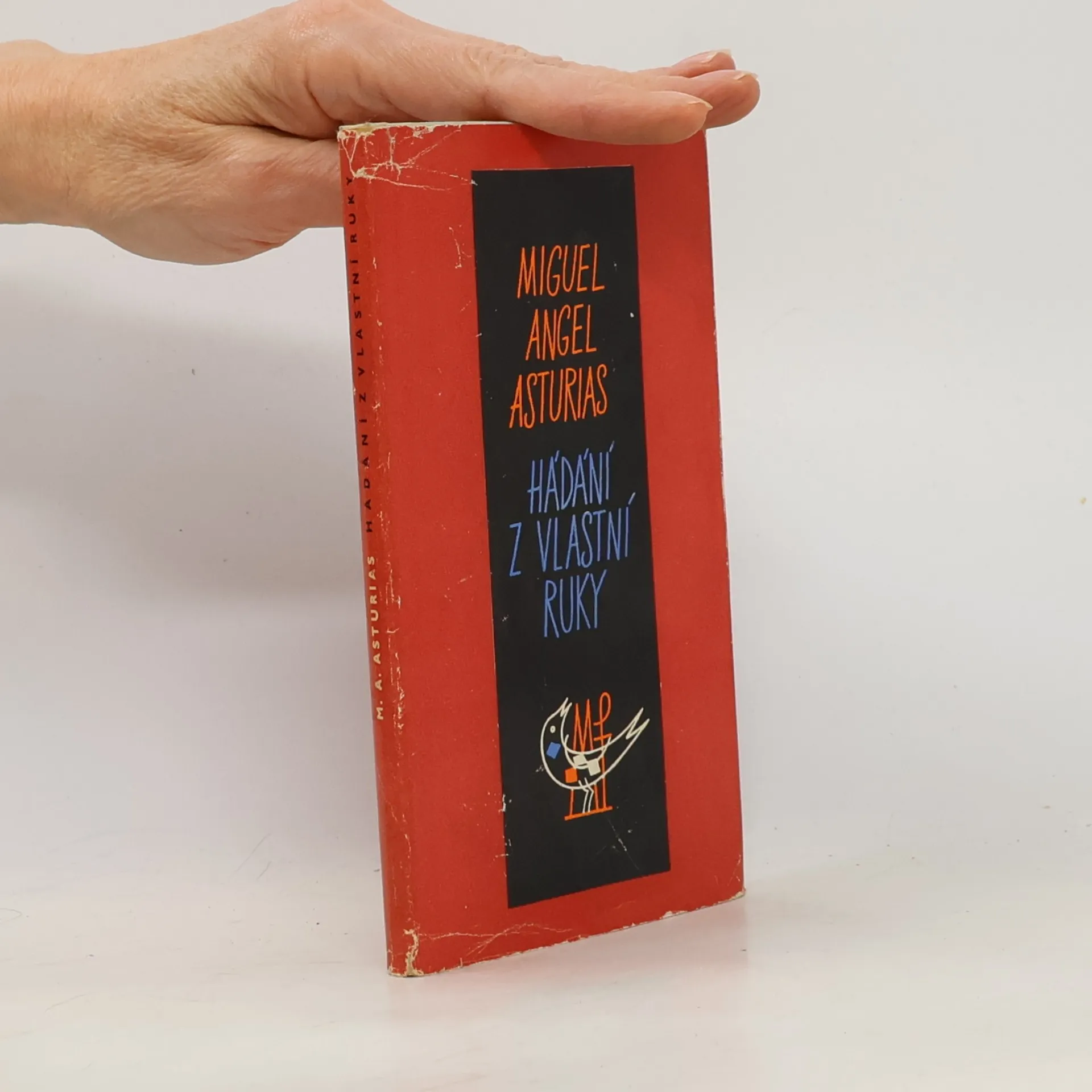
Antologie z poezie významného guatemalského básníka-emigranta (nar. 1899), jejž pořadatel výboru charakterizuje jako „básníka živlů, indiánské bytostnosti a vulkanické vzpoury“.
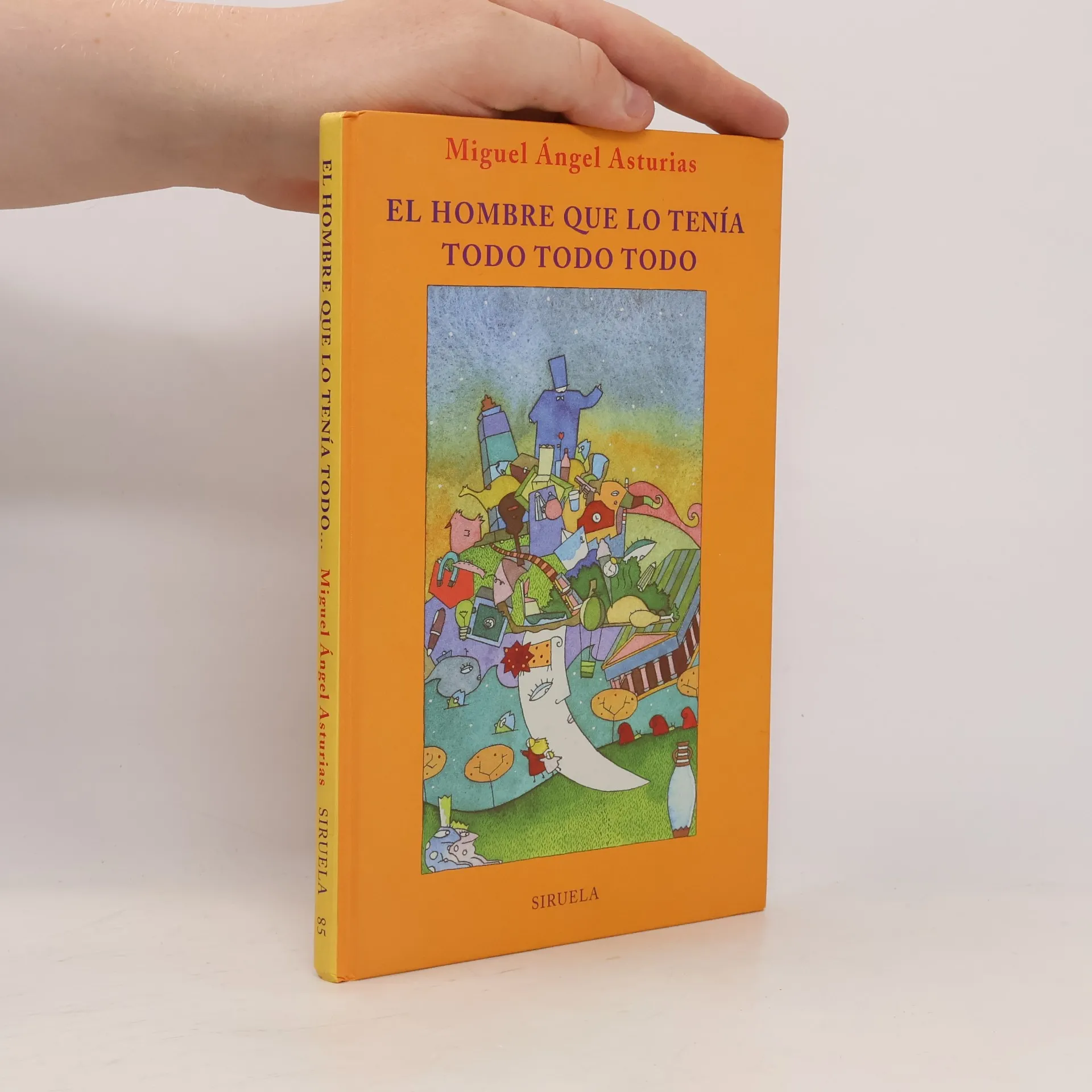
El hombre que lo tenía todo todo todo
- 96pagine
- 4 ore di lettura
Week-end en Guatemala
- 265pagine
- 10 ore di lettura
Critical edition of the novel written by the Guatemalan Nobel. It is a fictional chronicle about the short war that ended the government of Jacobo Arbenz and imposed the dictatorship of Carlos Castillo Armas in 1954.
Drei von vier Sonnen
Ein Essay-Kurzroman-Gedicht-Traum