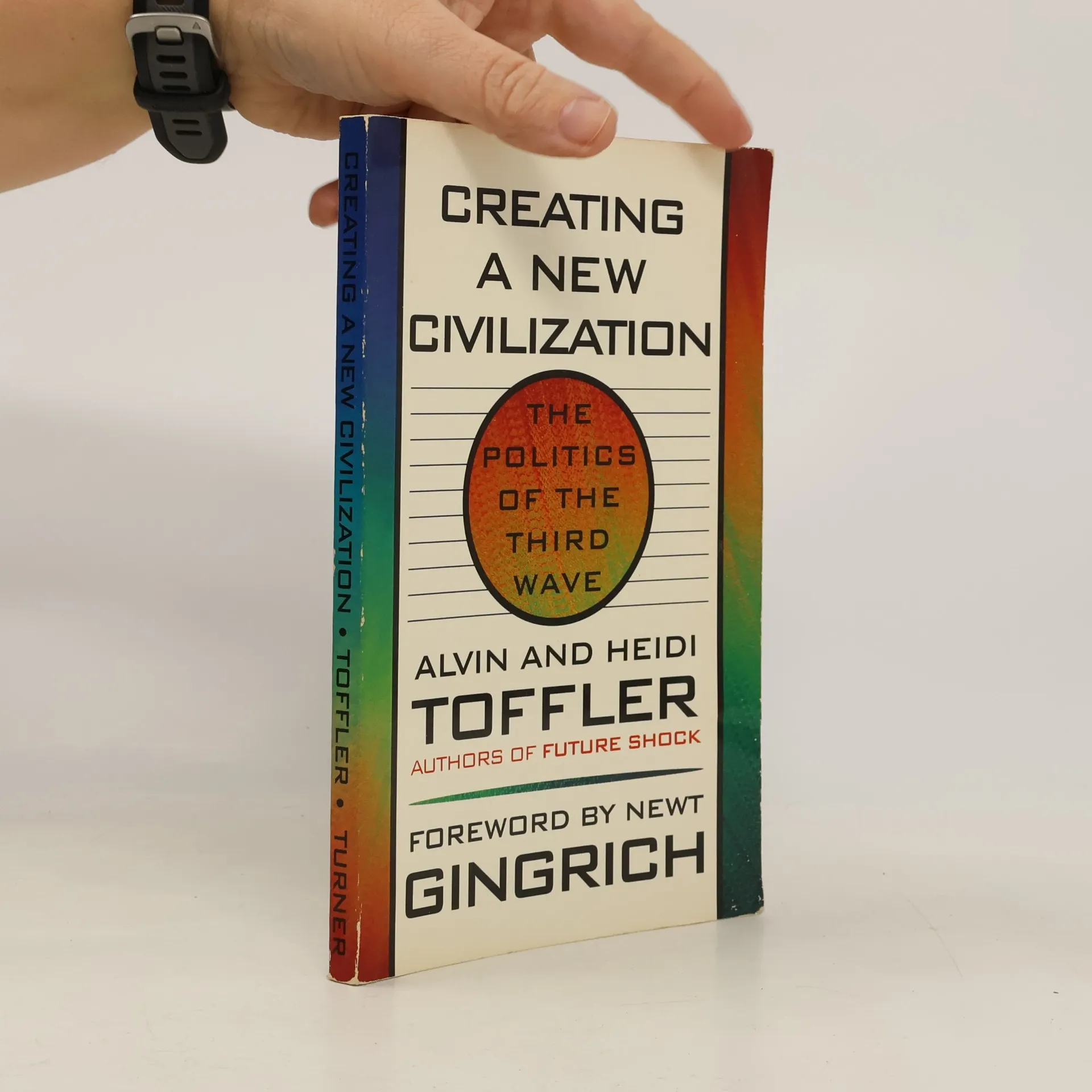
The Third Wave makes startling sense of the violent changes now battering our world. Its sweeping synthesis casts fresh light on our new forms of marriage and family, on today's dramatic changes in business and economics. It explains the role of cults, the new definitions of work, play, love, and success. It points toward new forms of twenty-first-century democracy.
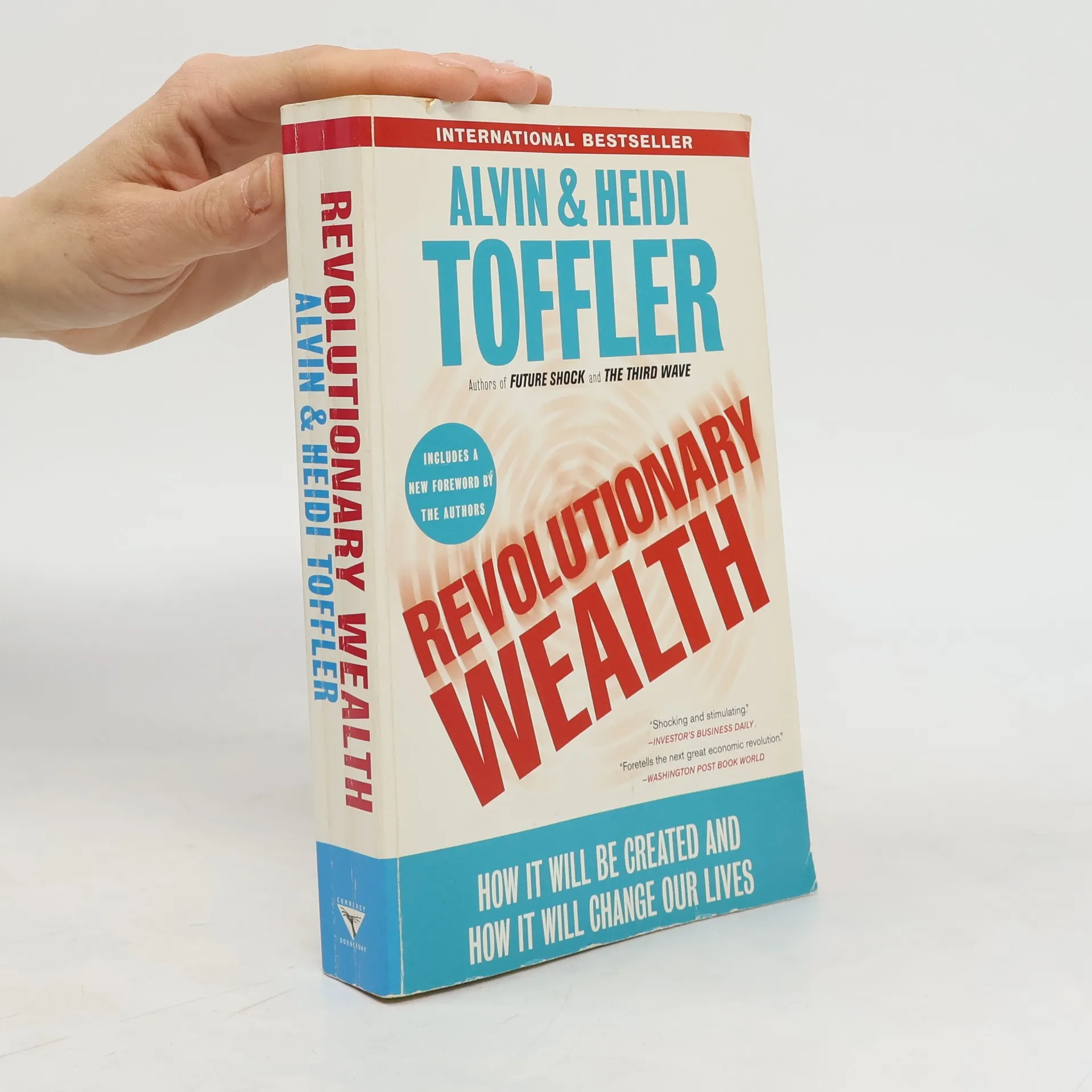
Since the mid-1960s, Alvin and Heidi Toffler have predicted the far-reaching impact of emerging technological, economic, and social developments on our businesses, governments, families, and daily lives. In REVOLUTIONARY WEALTH, they once again demonstrate their unparalleled ability to illuminate current trends and anticipate what they mean for the future. REVOLUTIONARY WEALTH focuses on how wealth will be created—and who will get it—in the twenty-first century. As the knowledge-based economy (a reality the Tofflers predicted forty years ago) continues to replace the industrial-based economy, they argue, money is no longer the sole determinate of wealth. The Tofflers explain that we are becoming a nation of “prosumers,” consuming what we ourselves produce, and argue that we have all taken on “third jobs”—work we unwittingly do without pay for some of the biggest corporations in the country. Using fascinating examples from our daily lives, they illustrate how our everyday activities—from parenting and volunteering to blogging, painting our houses, and improving our diets—contribute to a non-monetary economy that is largely hidden from economists. Writing with the same insight and clarity that made their earlier books bestsellers, the Tofflers present fresh, groundbreaking new ways of thinking about wealth.
Citing the millions of lives that have been lost during Cold War conflict, a study predicts where and how future wars will be fought and present a paradigm for peace through technology, communication, and human innovation. Reprint.
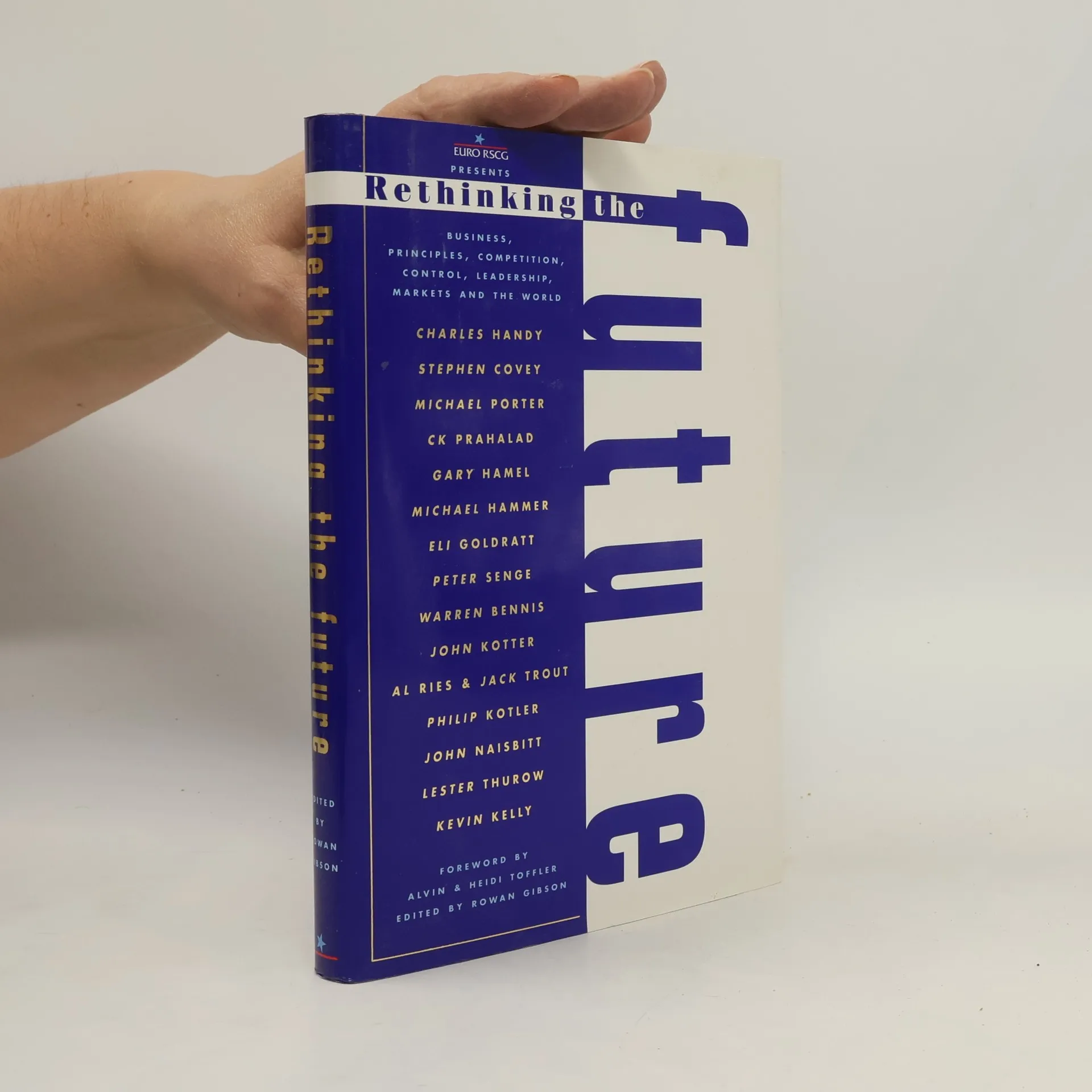
Rethinking Business, Principles, Competition, Control & Complexity, Leadership, Markets and the World
This volume looks at how organizations can be redesigned to survive and thrive in tomorrow's hyper-competitive global environment; how they can learn to adapt to change and improve their performance; and how they should be "managed", if at all.
Describes the forces that are shaping the future, discusses changes in family life, business, technology, culture, and values, and looks at the state of democracy in the next century