
10 libri per 10 euro qui
Bookbot

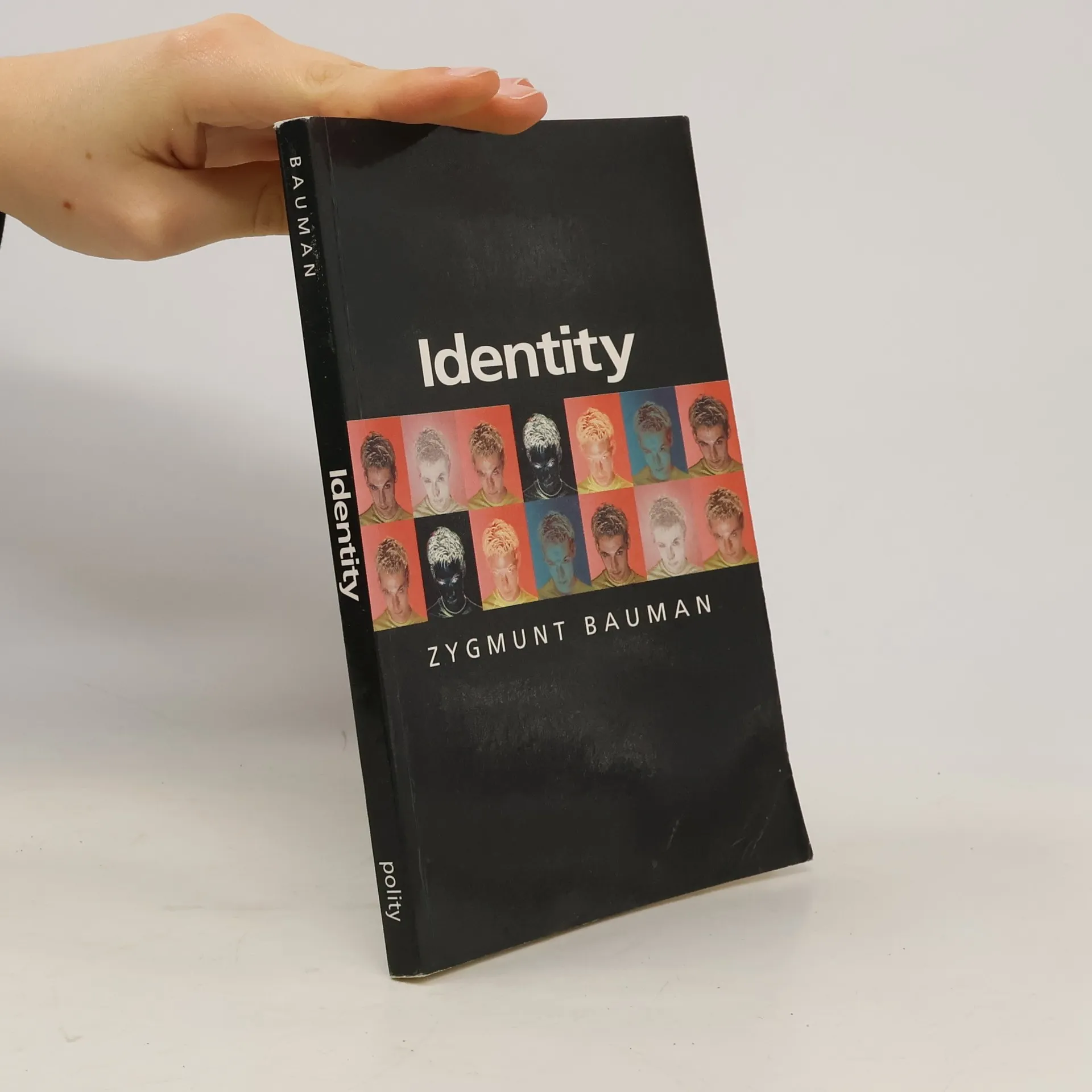
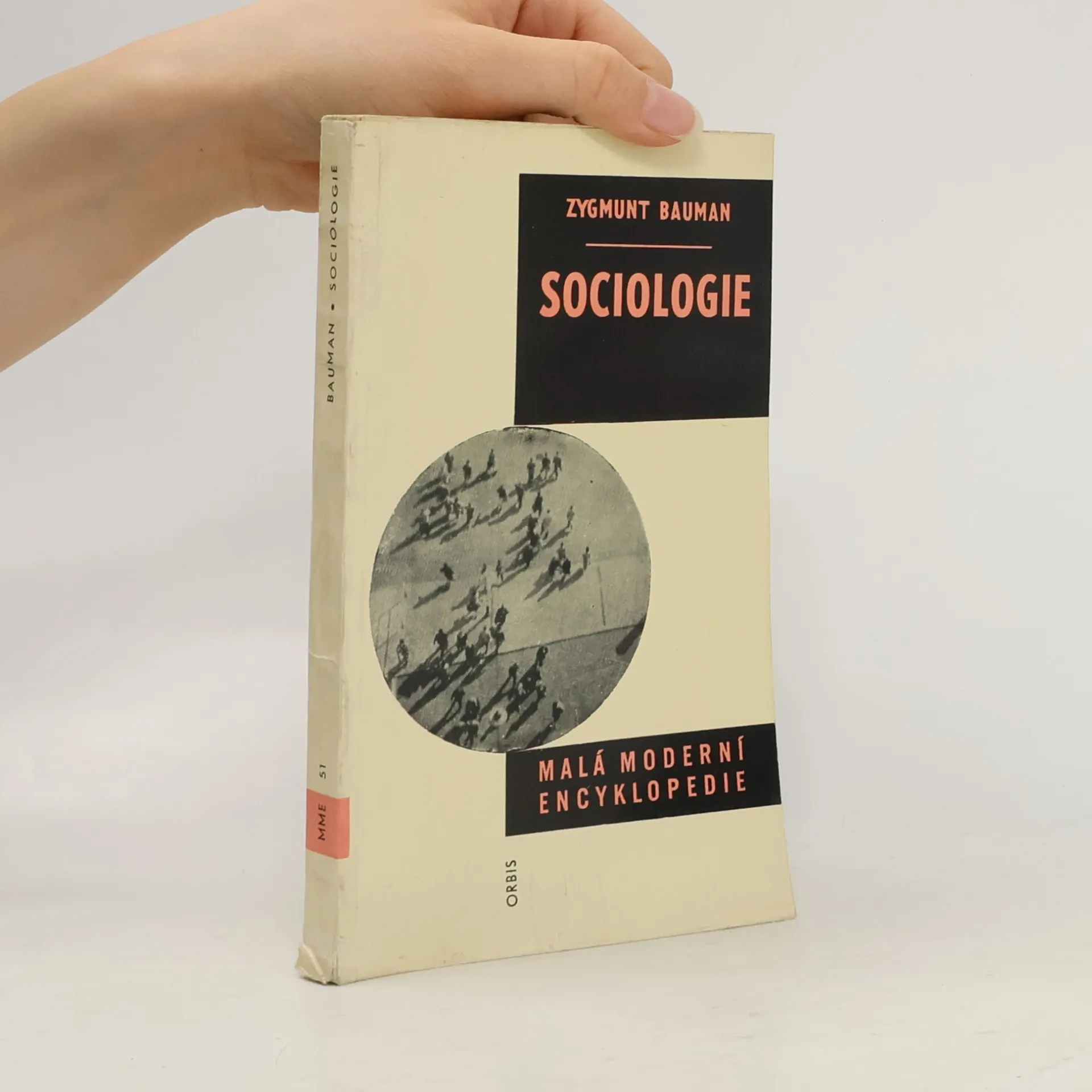
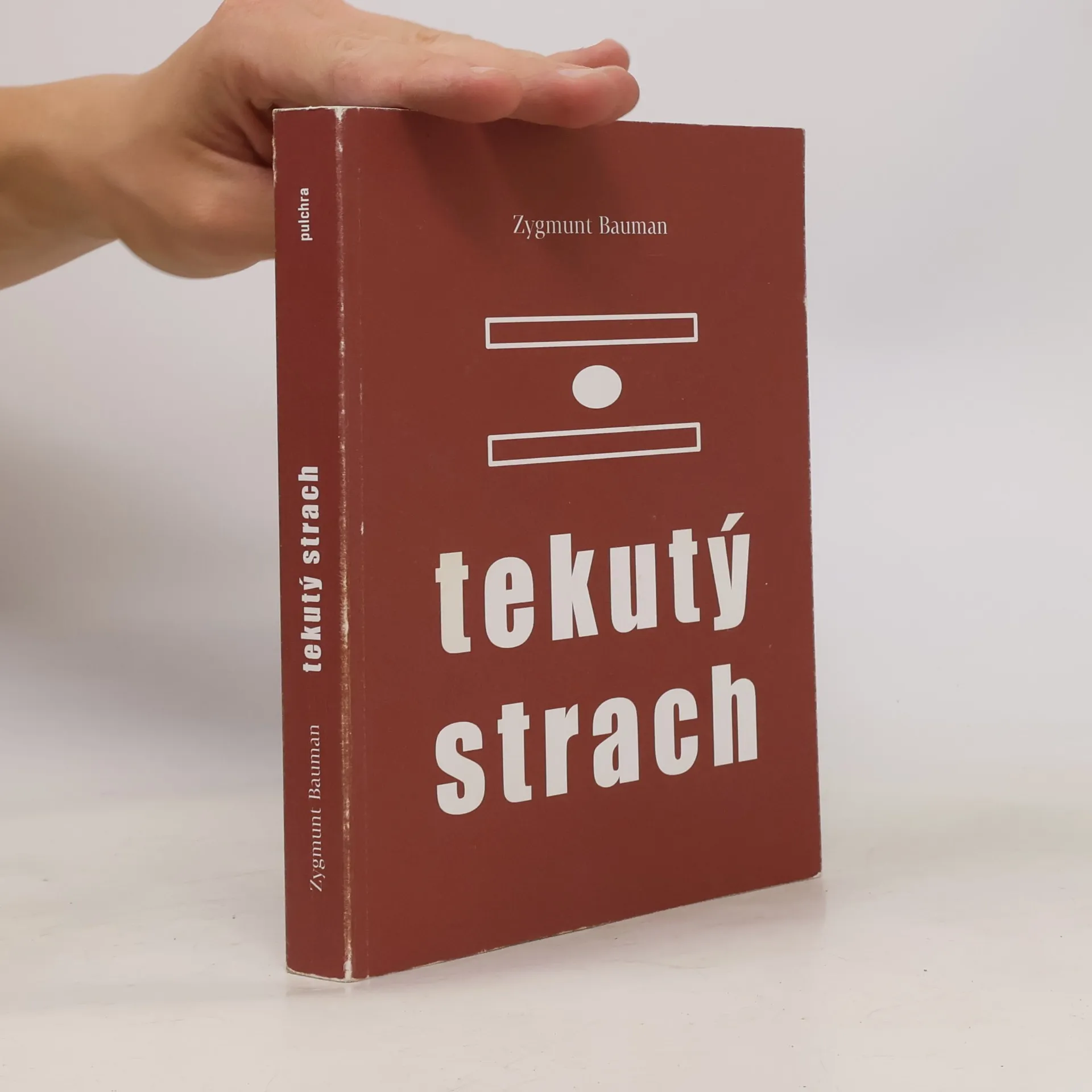
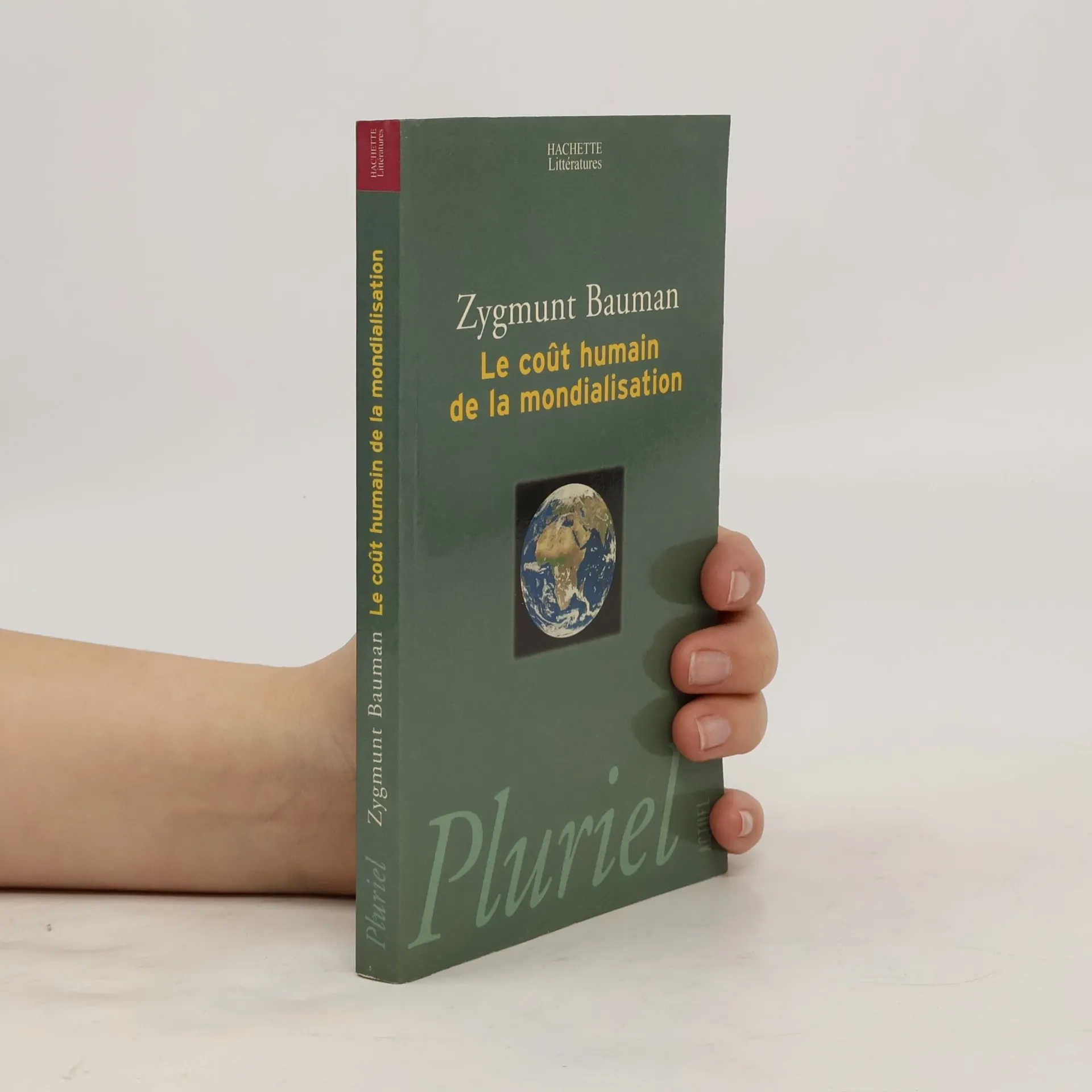
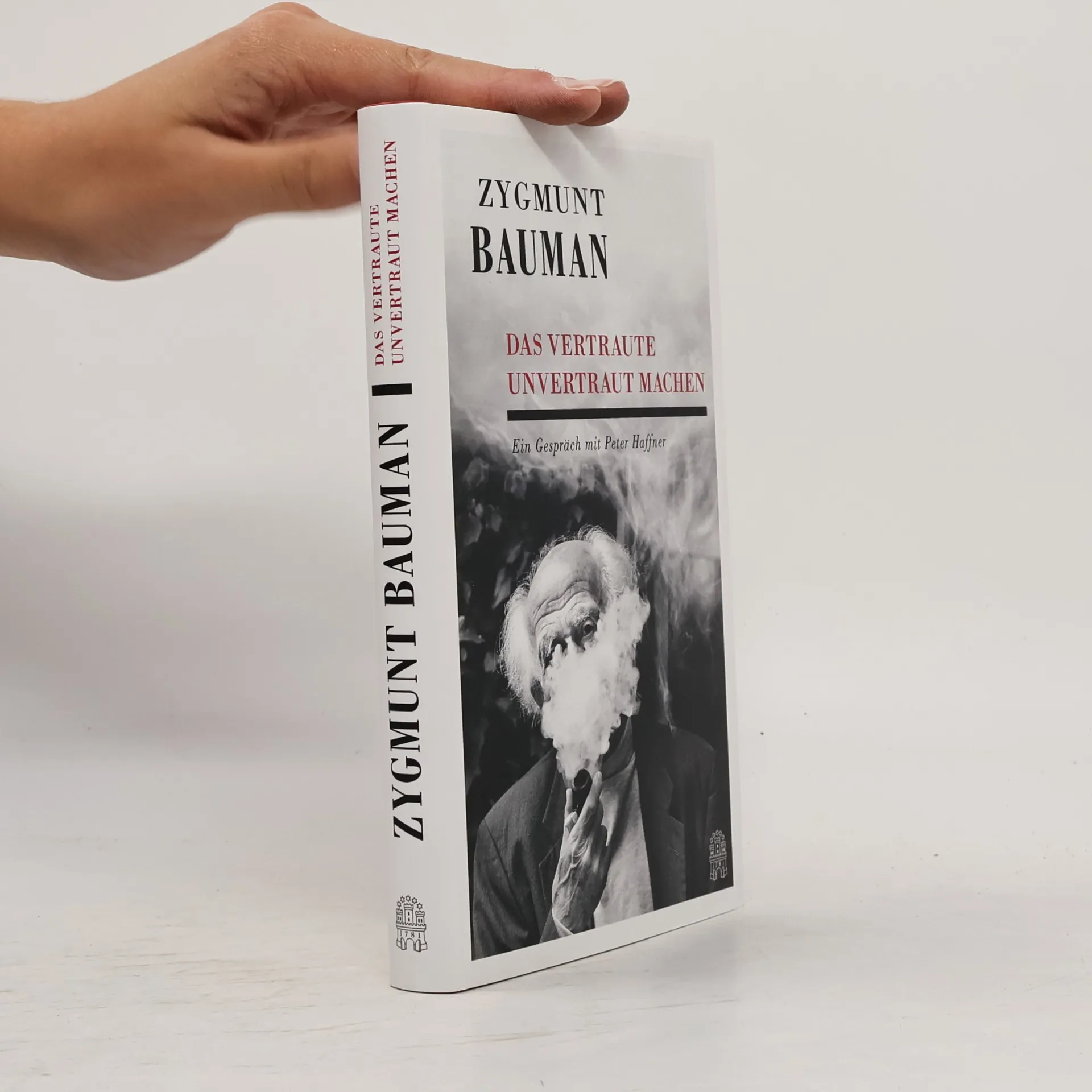
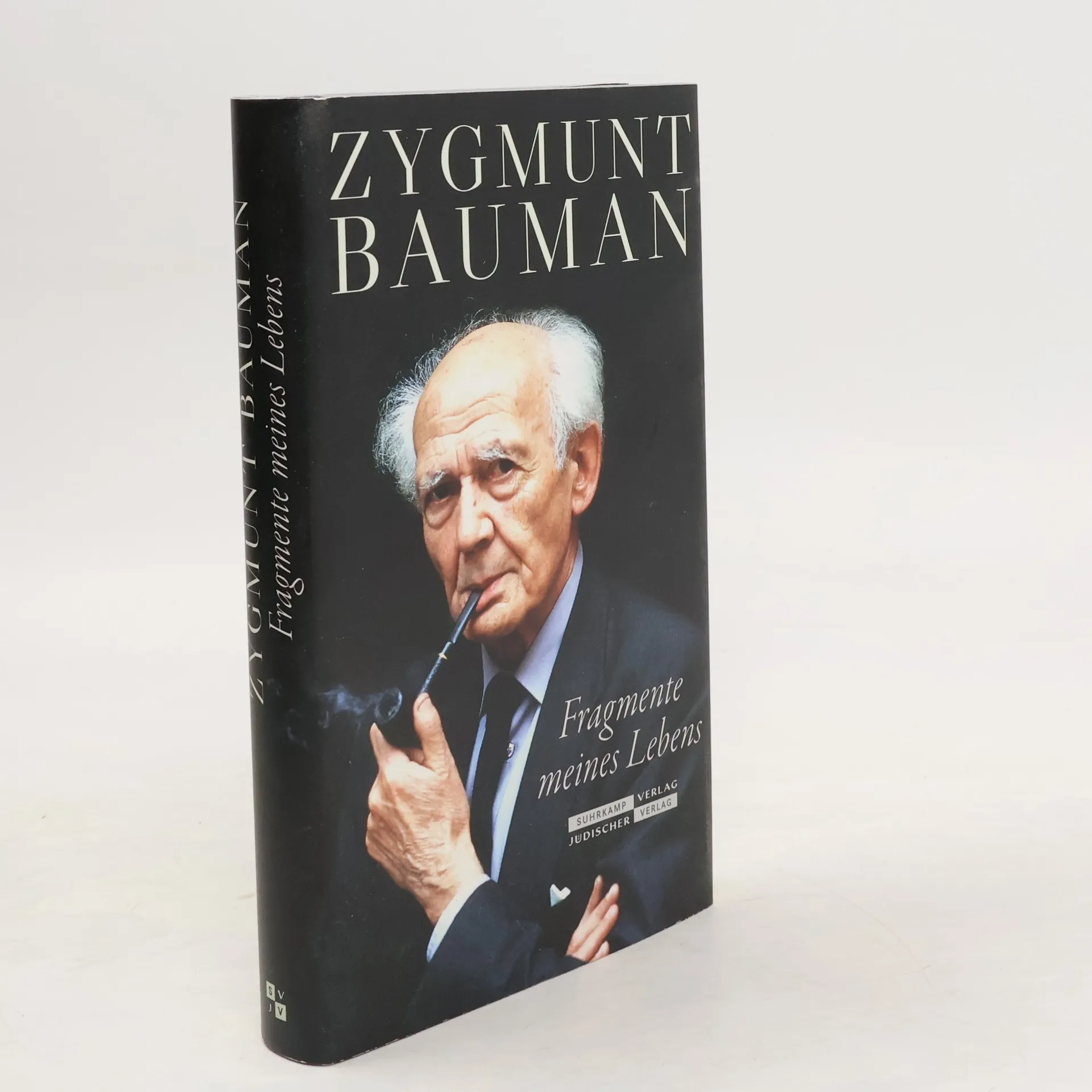
Zygmunt Bauman

    19 novembre 1925 – 9 gennaio 2017

    Zygmunt Bauman è stato un sociologo e filosofo polacco di fama mondiale, professore emerito di sociologia presso l'Università di Leeds. È stato uno dei più eminenti teorici sociali del mondo, scrivendo su temi diversi come la modernità e l'Olocausto, il consumismo postmoderno e la modernità liquida, ed è stato uno dei creatori del concetto di postmodernismo. Il suo lavoro offre profonde intuizioni sulle trasformazioni della società contemporanea e sulle sfide che affrontiamo.

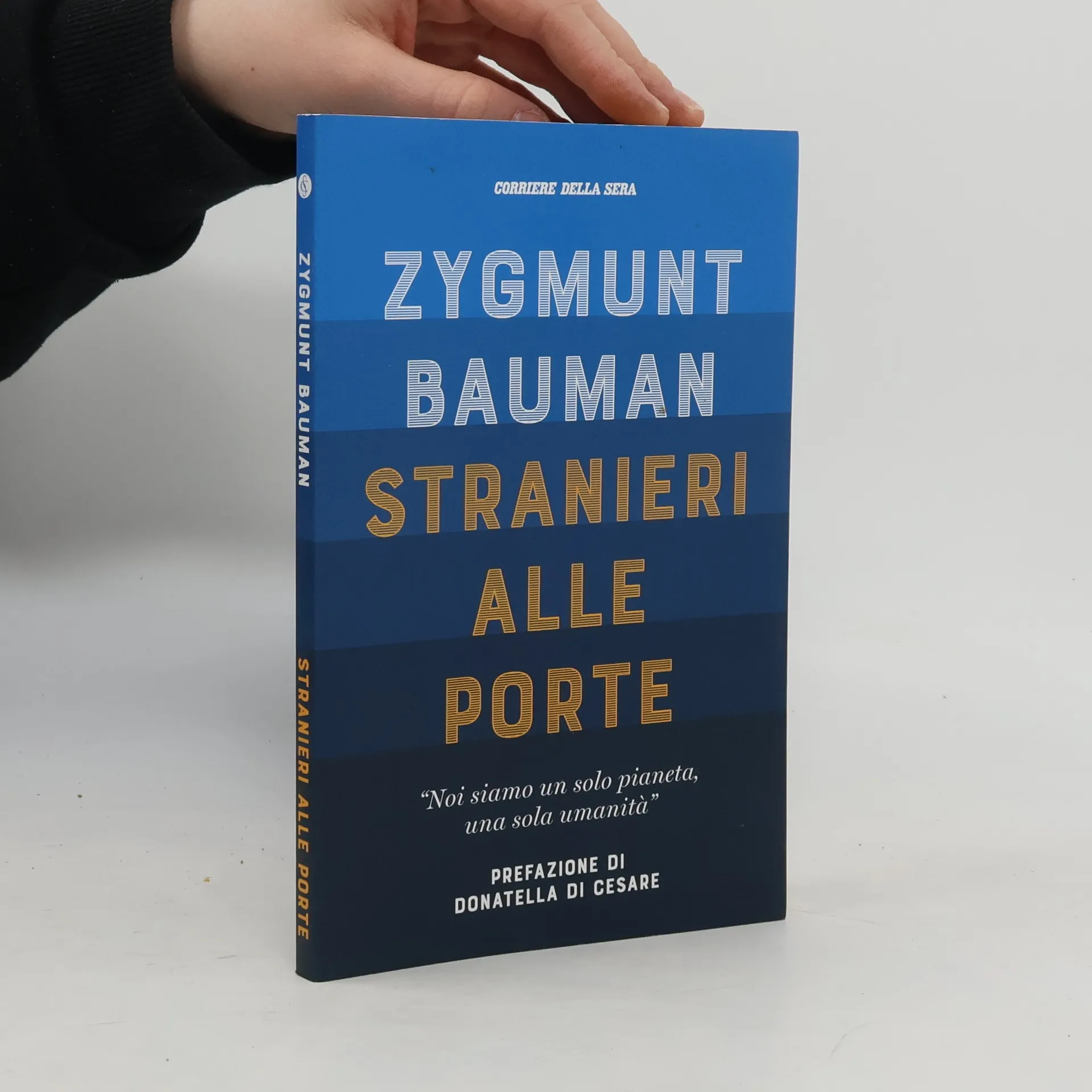
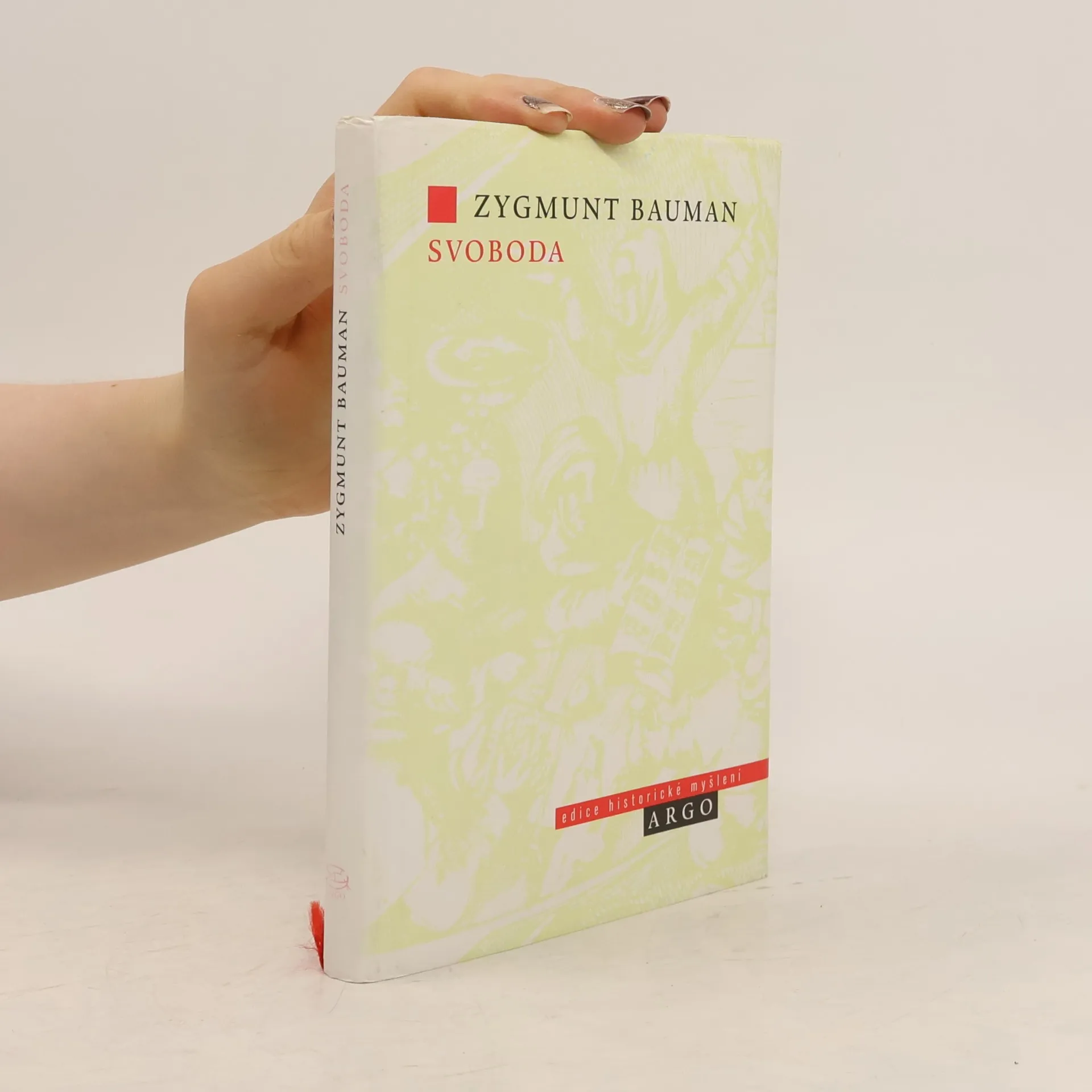
    Zygmunt Bauman
    Making the Familiar Unfamiliar
    Tickling the Ivories
    Shadows of Fury
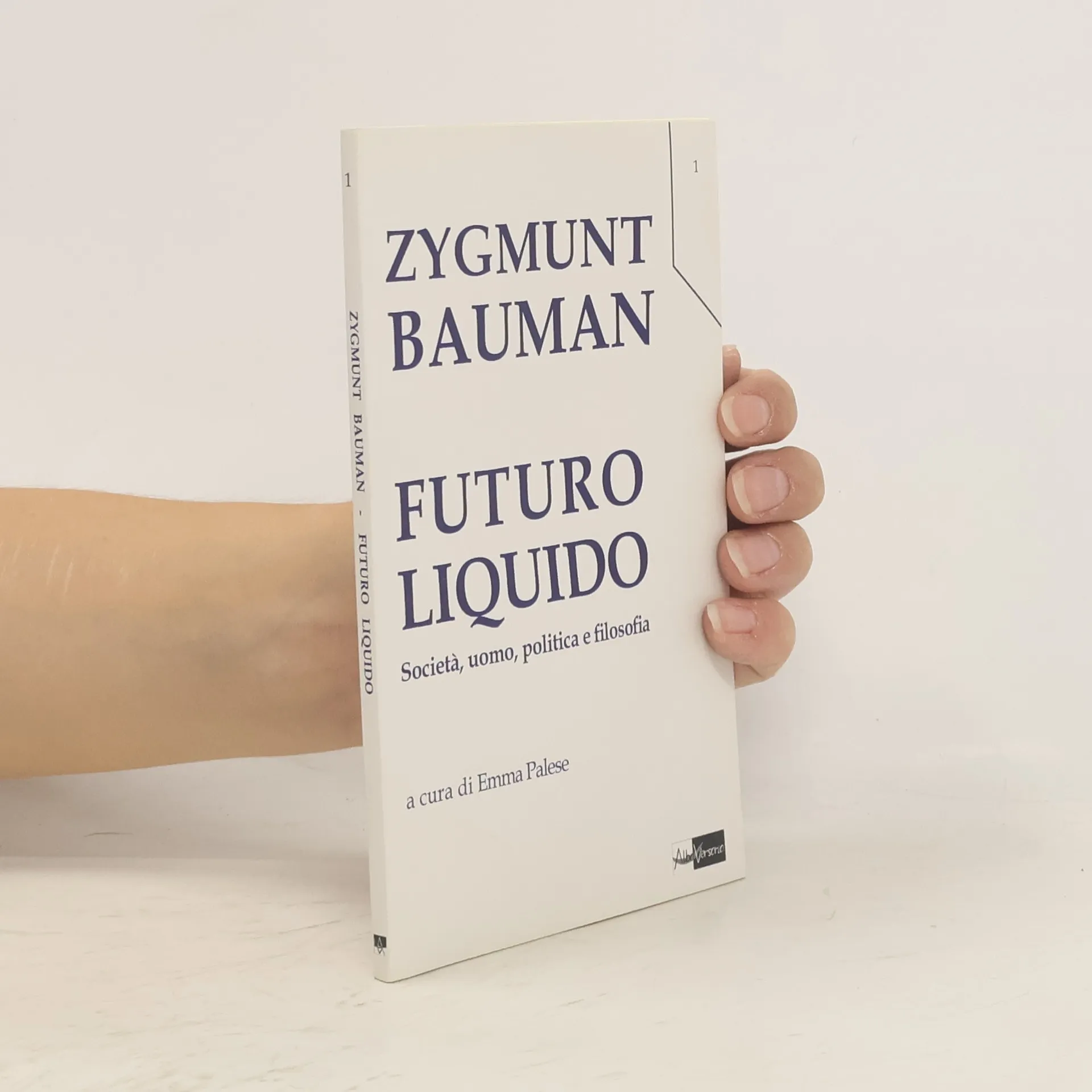
    Futuro liquido
    Amore liquido
    Vita liquida
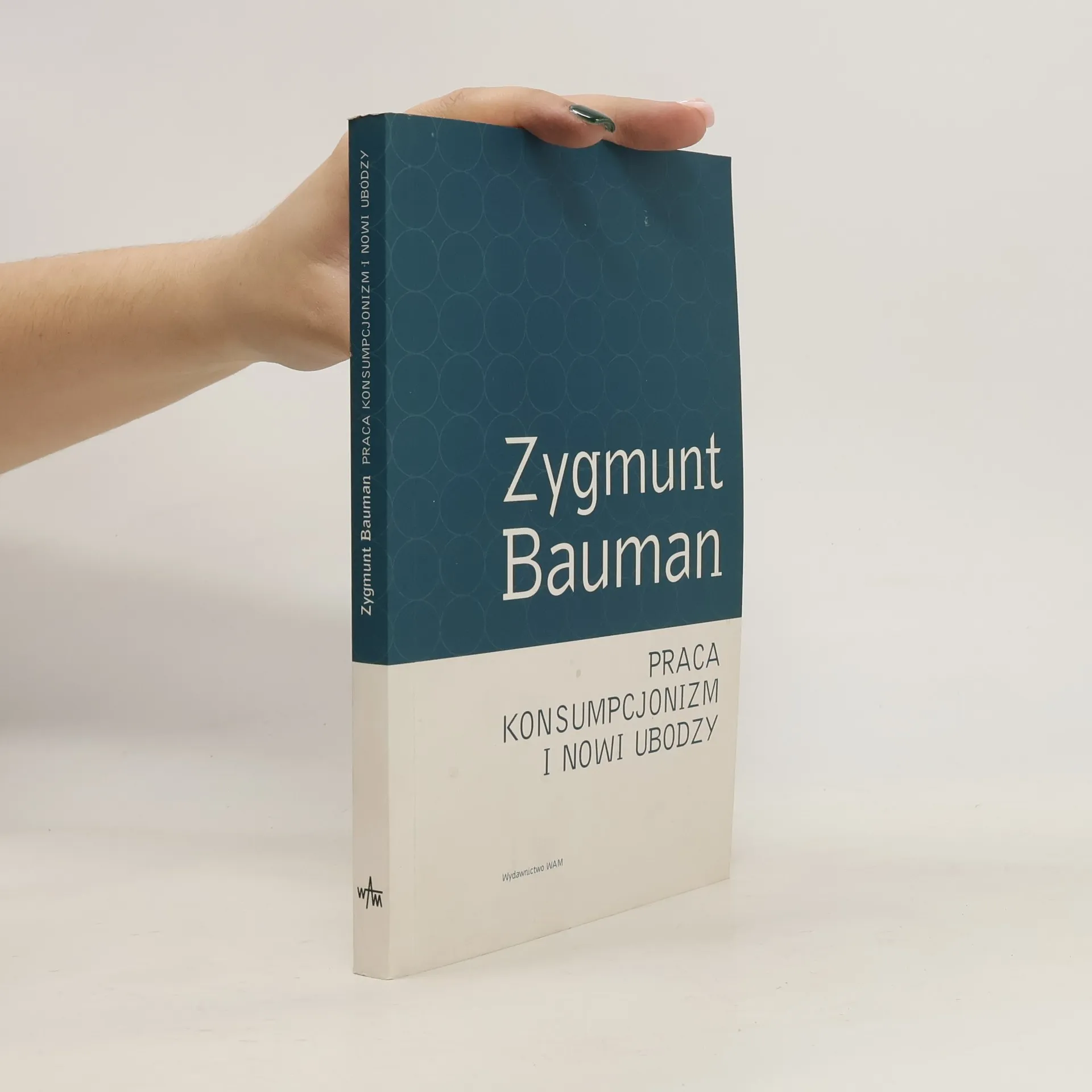
    • Il consumismo ha un temibile avversario che ne demistifica i meccanismi sociali e psicologici. Il suo nome è Zygmunt Bauman. "L'Indice" Stress, paura sociale e individuale, città alienanti, legami fragili e mutevoli: la vita liquida è precaria, vissuta in condizioni di continua incertezza, con la paura di essere colti alla sprovvista e rimanere indietro. Ciò che conta è la velocità, non la durata.

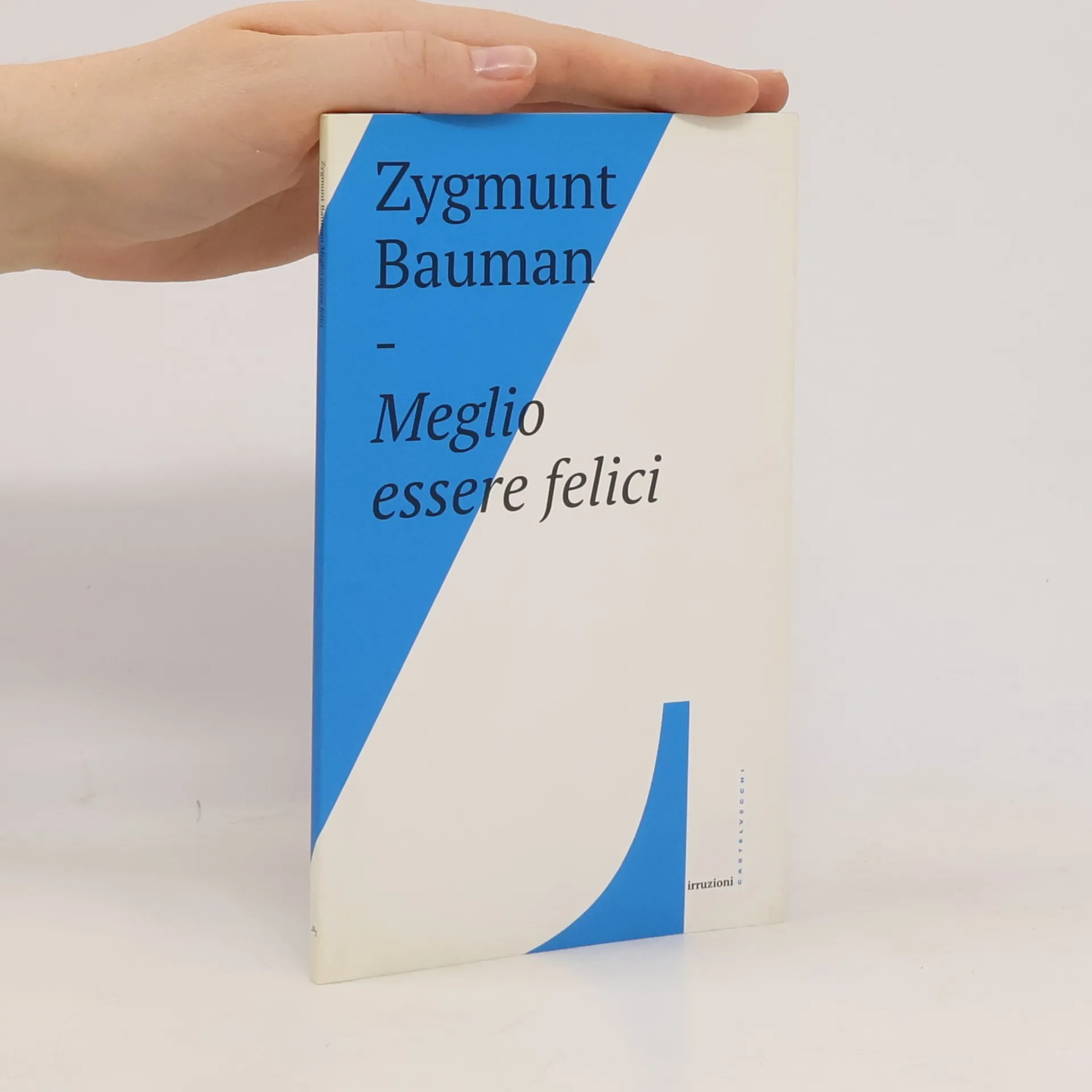
      Vita liquida
    • Amore liquido

      Sulla fragilità dei legami affettivi

      • 219pagine
      • 8 ore di lettura

      "La solitudine genera insicurezza, ma altrettanto fa la relazione sentimentale. In una relazione, puoi sentirti insicuro quanto saresti senza di essa, o anche peggio. Cambiano solo i nomi che dai alla tua ansia". I protagonisti di questo libro sono gli uomini e le donne nostri contemporanei, che anelano la sicurezza dell'aggregazione e una mano su cui poter contare nel momento del bisogno. Eppure sono gli stessi che hanno paura di restare impigliati in relazioni stabili e temono che un legame stretto comporti oneri che non vogliono né pensano di poter sopportare.
      Amore liquido
    • Futuro liquido

      Società, uomo, politica e filosofia

      • 64pagine
      • 3 ore di lettura
      Futuro liquido
    • A fatally ill woman is suffocated in her hospital bed. Her last visitor, Madeleine Reed, is accused of the crime. There are no witnesses. Madeleine cannot recall committing the murder and has no motive.

      Shadows of Fury
    • Pianist and author Keith Jacobsen tells the story of his lifelong passion for the piano as performer and teacher from early childhood in post-war Liverpool to the present day.

      Tickling the Ivories
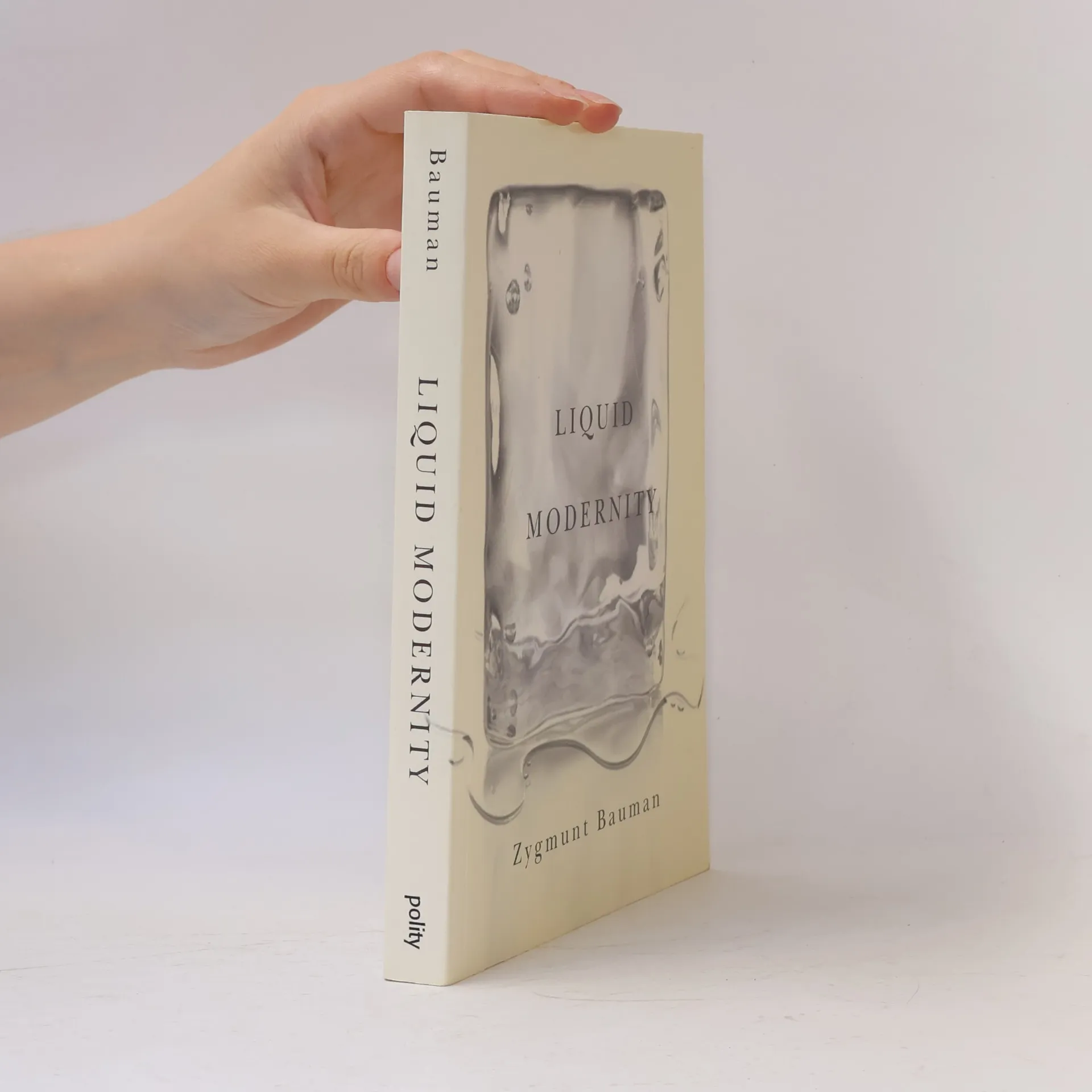
    • In this new book, Bauman examines how we have moved away from a 'heavy' and 'solid', hardware-focused modernity to a 'light' and 'liquid', software-based modernity. This passage, he argues, has brought profound change to all aspects of the human condition. The new remoteness and un-reachability of global systemic structure coupled with the unstructured and under-defined, fluid state of the immediate setting of life-politics and human togetherness, call for the rethinking of the concepts and cognitive frames used to narrate human individual experience and their joint history. This book is dedicated to this task. Bauman selects five of the basic concepts which have served to make sense of shared human life - emancipation, individuality, time/space, work and community - and traces their successive incarnations and changes of meaning. Liquid Modernity concludes the analysis undertaken in Bauman's two previous books Globalization: The Human Consequences and In Search of Politics. Together these volumes form a brilliant analysis of the changing conditions of social and political life by one of the most original thinkers writing today.

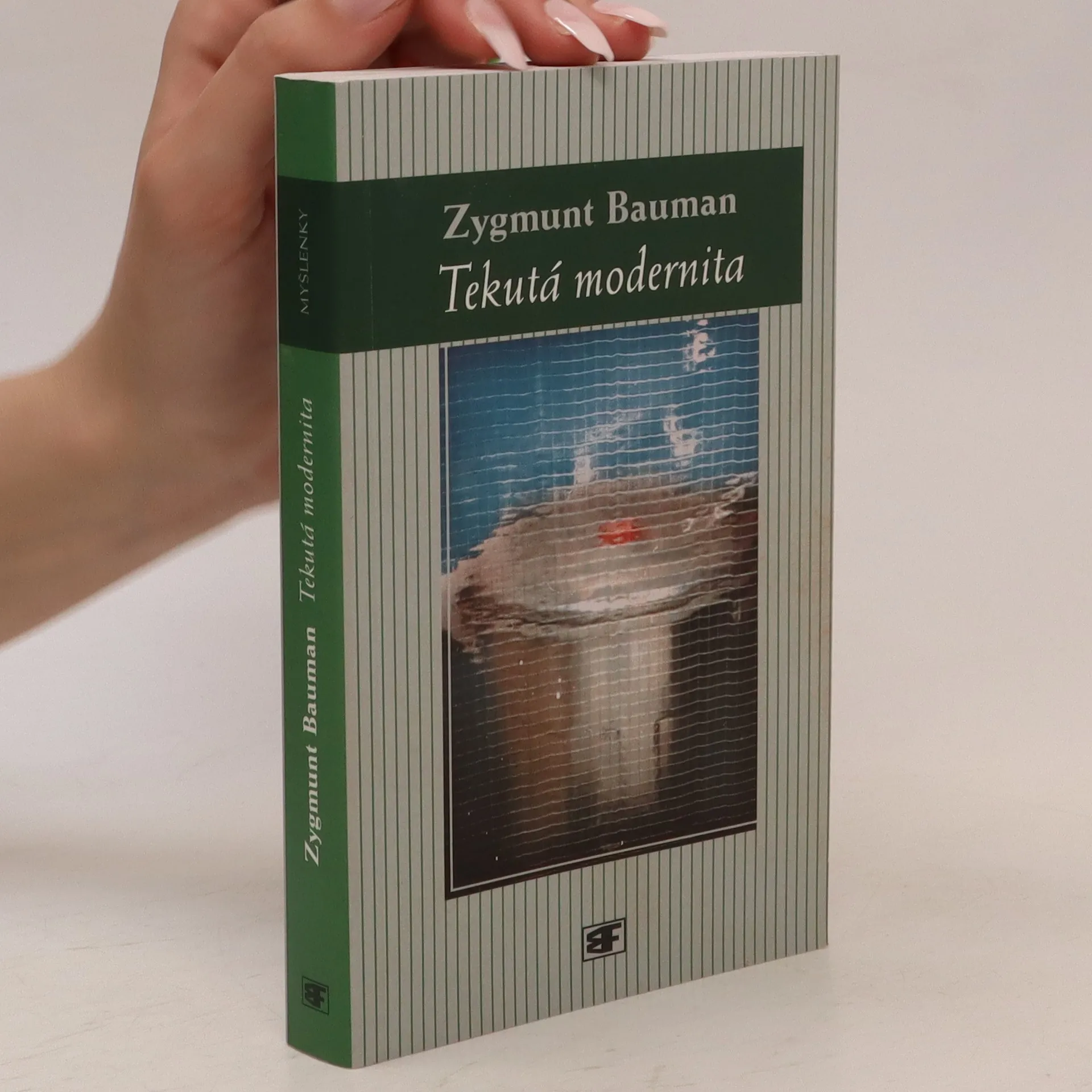
      Liquid modernity
    • Liquid surveillance

      • 152pagine
      • 6 ore di lettura

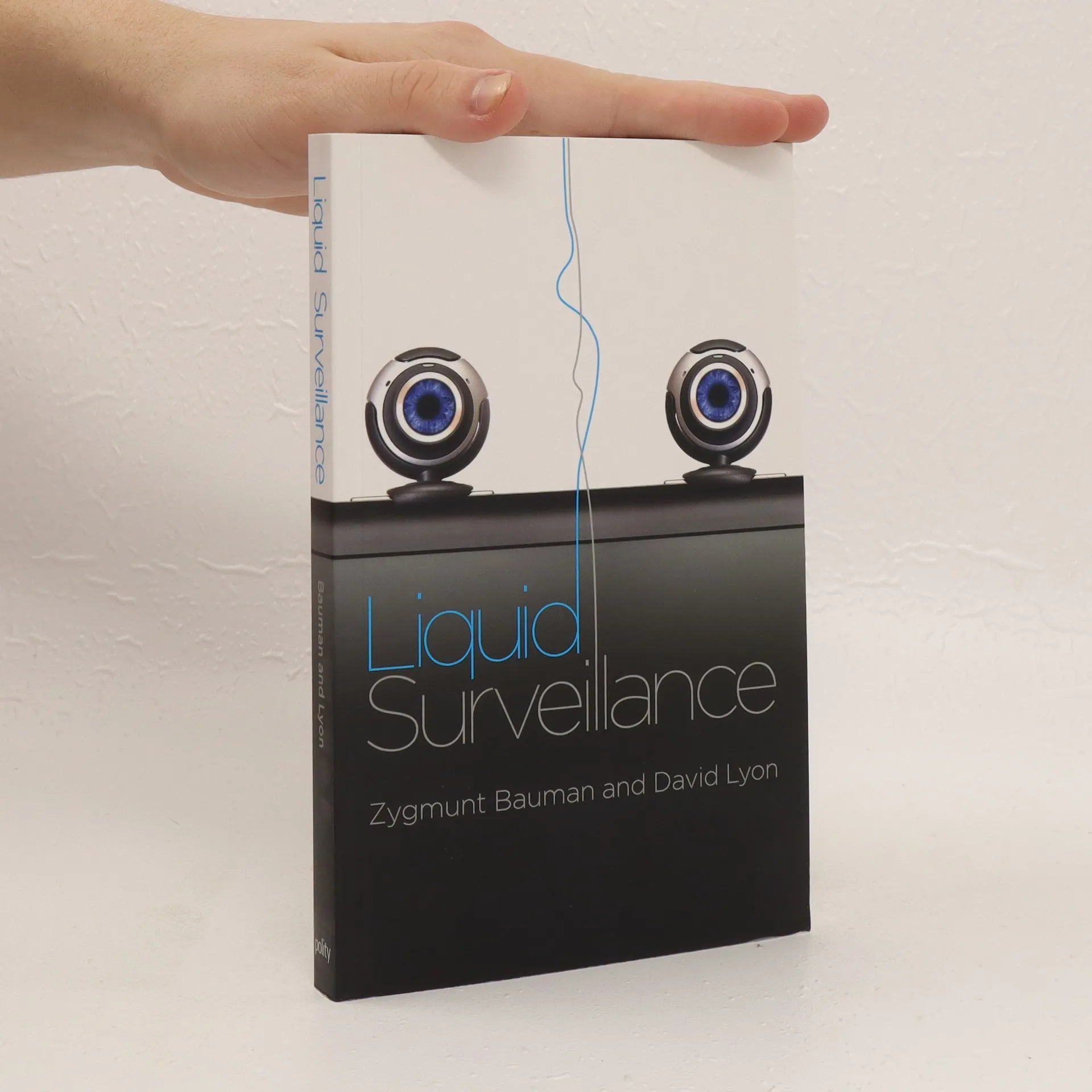
      In today's world, the minutiae of our daily lives are monitored more closely than ever, often with our willing participation. Video cameras are commonplace in public spaces across major cities, while air travel now routinely includes body scanners and biometric checks, a trend that escalated post-9/11. Companies like Google and credit-card issuers track our habits and preferences, tailoring marketing strategies with our eager cooperation. In this fluid modern landscape, where crossing borders is routine and social media is omnipresent, individuals navigate life in a state of constant motion, often devoid of certainty and lasting connections. This dynamic environment fosters unprecedented surveillance that permeates areas once considered private. The analysis of surveillance by David Lyon intersects with Zygmunt Bauman's exploration of liquid modernity, raising critical questions about our future. Are we heading towards a bleak reality of constant monitoring, or can we still find spaces of freedom and hope? How do we acknowledge our responsibility towards others amidst the complexities of data and categorization? This insightful examination tackles issues of power, technology, and morality, offering a profound reflection on the implications of being both observed and observers in contemporary society.

      Liquid surveillance
    • Liquid Fear

      • 188pagine
      • 7 ore di lettura

      Modernity was supposed to be the period in human history when the fears that pervaded social life in the past could be left behind and human beings could at last take control of their lives and tame the uncontrolled forces of the social and natural worlds. And yet, at the dawn of the twenty-first century, we live again in a time of fear.

      Liquid Fear
    • Consuming Life

      • 168pagine
      • 6 ore di lettura

      With the advent of liquid modernity, the society of producers is transformed into a society of consumers. In this new consumer society, individuals become simultaneously the promoters of commodities and the commodities they promote. They are, at one and the same time, the merchandise and the marketer, the goods and the travelling salespeople.

      Consuming Life